

BDG Neurosurgery Group Launches Inaugural Training Program Featuring VR Technology
The Donglei Brain Doctors Group was established in September 2015, founded by renowned neurosurgeon Professor Song Donglei. Nearly a year later, on July 31, 2016, the Group launched the inaugural training program of its Neurointerventional Training Academy.
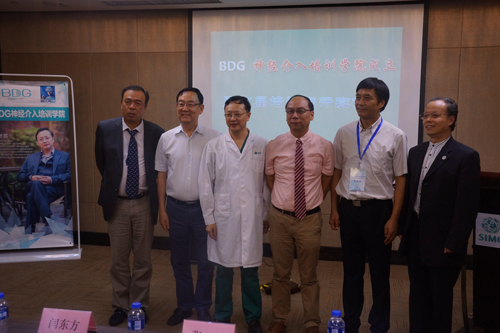
It is understood that the Training College will hold one session annually, with each session divided into four phases. Participants are recruited uniformly from the general public; whether they come from private or public hospitals, as long as they meet the eligibility criteria and pass the review by the Academic Guidance Committee of the Donglei Brain Doctors Group, they will have the opportunity to participate in the training. The inaugural training program received applications from over 500 physicians, but only 16 trainees were ultimately admitted. The initial curriculum covered essential foundational knowledge in neurosurgery as well as cutting-edge clinical topics. The instructing experts hailed from nationally renowned institutions with significant influence in neuroscience, such as Shanghai Huashan Hospital, Renji Hospital, and Changhai Hospital.
China has the world’s largest population of patients with cerebrovascular disease, and there is a substantial workforce in the interventional diagnosis and treatment sector for cerebrovascular diseases, comprising neurosurgeons, neurologists, radiologists, emergency physicians, and interventional cardiologists. This diversity results in uneven professional competence among practitioners and has led to inconsistencies in technical standards and operational protocols across the industry.
Even while working within the public healthcare system, Professor Song Donglei had already conceived the idea of establishing a systematic and standardized training framework for neurointerventional therapy. During the establishment of the Neurosurgical Interventional Therapy Group at Huashan Hospital, Professor Song accumulated extensive experience and insights, while also gaining exposure to advanced neurointerventional training systems abroad. According to Professor Song, the Neurointerventional Training Academy differs significantly from traditional training models, a distinction he summarizes with two key “changes”:
Freed from the constraints of the system:The training approach emphasizes practical effectiveness, with one-third of the time dedicated to expert lectures, one-third to hands-on practice, and one-third to live observation of clinical procedures. This model breaks away from the limitations of most neurointerventional training programs, which often remain confined to PowerPoint presentations and theoretical image-based instruction.
Teaching Method:Donglei Brain Doctor Group is the first to apply VR technology to professional technical training, particularly in the restoration of neurovascular anatomy and the simulation of surgical scenarios. This allows trainees to observe and learn surgeries from the operator’s perspective, closely approximating real-life operational settings and enhancing learning outcomes.
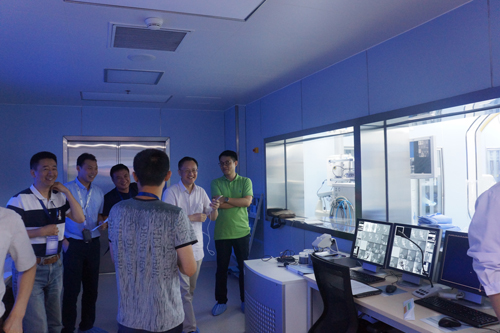
The inaugural session for participants of the first training course featured an anatomical explanation of cerebrospinal vasculature using VR technology, along with a VR-based simulation of cerebral angiography. Professor Song Donglei stated, “I have always paid close attention to how technological advancements drive productivity, and I have personally benefited from the application of new neurointerventional technologies. Following the breakthrough developments in VR technology over the past one to two years, I recognized its significant advantages in neurointerventional training, particularly in the realistic restoration of neurovascular anatomy and the simulation of surgical scenarios.” Currently, the most promising application within the “VR + Healthcare” sector is the substantial advantage VR technology offers in medical training. As a partner for this training program, Yiweixun Company has successfully introduced virtual reality technology into adjunctive teaching for neurointerventions.
For the more than 500 other physicians who were not selected in the initial round, the Winter Lei Brain Surgeons Group has established a dedicated online learning community and plans to deliver instructional courses gradually via the internet.
The Winter Lei Neurosurgeons Group has successively signed agreements with four clinical partner institutions, including Shanghai International Medical Center, Punan Hospital, Rich Healthcare Clinics, and Shanghai United Family Hospital. It is also gradually expanding its clinical partnerships to other provinces to explore models of physician independent practice. Currently, the group’s scope of practice covers the diagnosis and treatment of traumatic brain injury, intracranial tumors, spinal cord tumors, and cerebrovascular diseases, including angiography, interventional procedures, and microsurgical interventions. It is one of the few medical groups both domestically and internationally capable of performing both endovascular embolization and microsurgery. Over the past year, the group has conducted over 1,000 outpatient consultations and performed nearly 600 surgeries, successfully treating dozens of critically ill patients with cerebrovascular diseases referred from other hospitals.