

Do Family Doctors Need Personal Branding? Absolutely!
Family doctors, also known as private physicians, are a new type of doctor who provide comprehensive, continuous, effective, timely, and personalized healthcare services and care to their patients. In China, as the family doctor system is not yet fully mature, many family doctors still operate primarily as consultants offering telephone-based advice. Once regarded as a hallmark of an upscale lifestyle, family doctor services have evolved with the rapid development of the internet. As traditional healthcare converges with digital technology, new models of medical consultation have emerged.
According to the National Health and Family Planning Commission, family doctor contract services will be rolled out this year in 200 pilot cities for comprehensive public hospital reform, with the goal of achieving essentially universal coverage by 2020. At present, family doctors primarily consist of registered general practitioners at primary healthcare institutions, as well as qualified physicians from township health centers and village doctors.
Family doctors can prevent the general public from being misled by false online medical advertisements and seeking medical care indiscriminately. Family doctor teams provide contracted residents with basic medical care, public health services, and agreed-upon health management services. To proactively improve service models, measures such as allocating specialist appointment slots to family doctors, reserving hospital beds, facilitating referral coordination, and extending prescription durations have been implemented. Additionally, differentiated medical insurance payment policies are adopted to enhance the appeal of contracted services.
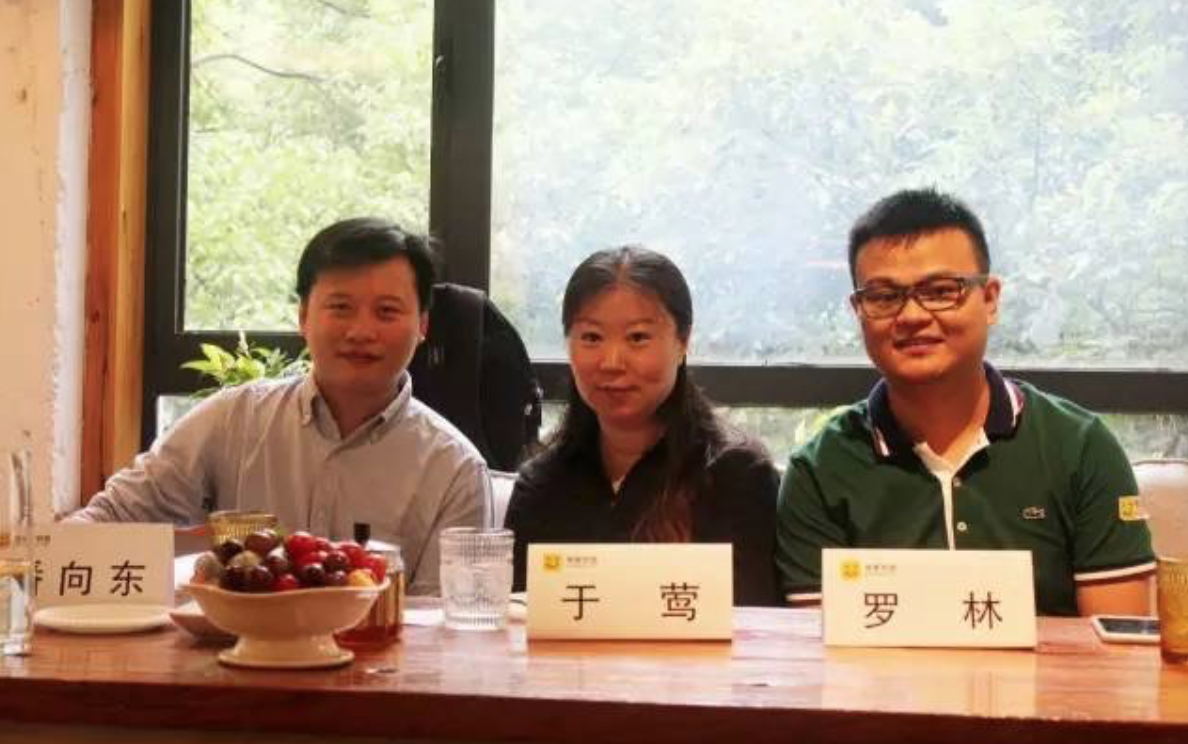
Linjia Haoyi has established a platform that integrates resources from medical specialists and family doctors. Recently, Linjia Haoyi hosted a themed family doctor salon in Hangzhou, inviting nearly fifty family physicians and specialists to engage in in-depth exchanges and discussions with attendees.
The salon featured distinguished guests including Dr. Pan Xiangdong, one of Shanghai’s “Top Ten Family Doctors,” and Wu Yanqin, Chief General Practitioner of Hangzhou. Also in attendance were renowned specialists such as Professor Li Yong from the Department of Otorhinolaryngology at Hangzhou First People’s Hospital, and Director Zheng Chaoguang from the Department of Pediatrics at the Second Affiliated Hospital of Zhejiang University School of Medicine. Representing the organizer, Linjia Haoyi, were CEO Luo Lin and Co-founders Li Zhendong and Yang Duan. Yu Ying, known as the “Superwoman of the Emergency Department,” was a specially invited guest. As the founder of a general practice group, she shared her insights on the theme “Anxiety Is an Innate Gene” with fellow family doctors.
Regarding the establishment of physicians’ personal brands, Yu Ying has stated that building such brands is becoming increasingly difficult. It requires not only medical excellence but also the ability to integrate resources. Physicians must continually personify their desired professional image, transforming it into a super IP that can generate intrinsic value, attract traffic, and create monetization opportunities.
Building a Personal Brand: Not the Exclusive Domain of Elite SpecialistsA personal brand is not the exclusive preserve of outstanding specialists; every family physician can build their own brand and realize their professional value. By refusing to settle for the status quo, committing to continuous self-improvement, embracing practical innovation, and leveraging opportunities brought by the internet and emerging technologies, family physicians can become truly valuable healthcare providers. Yu Ying has stated publicly that her ideal approach to clinical practice is to engage patients with a customer-service mindset.
As a representative of family doctors, Pan Xiangdong, one of Shanghai’s “Top Ten Family Doctors,” stated that in community health service centers across many regions, family doctors have established their own studios. Despite working within the public system, they continue to strive for exploration, breakthroughs, and innovation, diligently building their own professional brand.
Even within the public healthcare system, family doctors can achieve remarkable success with the support of the internet. By adopting a team-based approach and leveraging the backing of community health service centers, family doctors in Changning District, Shanghai, have established their own studios. These studios develop WeChat official accounts and conduct popular science lectures on health education, becoming a distinctive local feature with a strong reputation.
However, within public hospitals and under the existing pricing mechanisms, the value of family doctors is inevitably constrained in various ways. To truly realize their professional worth and build their own personal brands, it is essential to embrace market-oriented mechanisms and pursue a market-driven path—a commitment that Neighbor Good Doctor has consistently upheld. Li Zhendong, co-founder of Neighbor Good Doctor, shared with the family doctors present the company’s efforts to help them establish their own studios and brands through integrated online and offline services, as well as its vision for the future.
According to reports, Linjia Haoyi has established a market-oriented, comprehensive support system for family doctor services, enabling family doctors to “move in with just their bags” and possess truly independent studios and room for professional growth. As learned by VCBeat, Linjia Haoyi has currently contracted over 20,000 physicians at the attending level or above from Grade A tertiary hospitals, covering various medical specialties. Linjia Haoyi will invite family doctors and specialist experts to provide consultations in its consultation rooms; the offline consultation centers have already opened in Hangzhou.