

Olympic Gold Medals Powered by Health Tech: Cutting-Edge Medical and Performance Devices Behind Champion Athletes
The 2016 Rio Olympics have begun! Of course, in addition to the competitions in various events, the health status of athletes has also become a focus of public attention. Some technology companies have rolled out cutting-edge technologies to help monitor athletes’ physical health. The Zika virus remains a key target for prevention and control by the Brazilian government, while discussions about EPO are also rife… How should we interpret the intersection of the Olympics and healthcare? VCBeat (WeChat ID: vcbeat) has published a series of reports on this topic.
The Olympic Games are not merely an arena for athletes to shed their sweat; they also provide sports technology companies with an international platform to showcase their technological prowess. Thisincluding manufacturers of vital signs monitoring devices, fitness training applications, and other digital tools. In Rio de Janeiro, athletes are doing their utmost to seek every possible competitive advantage and also require devices for continuous monitoring of their physical health status.
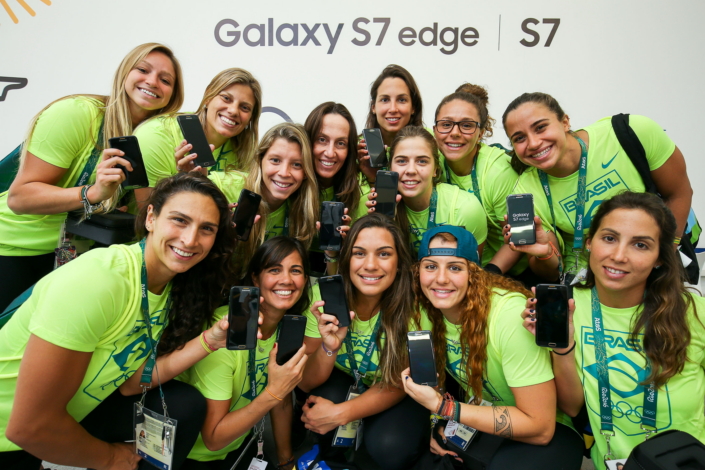
As one of the Olympic Games’ sponsors, Samsung prepared gift packages for every athlete, including digital medical record devices. Samsung gifted 12,500 special-edition Galaxy S7 Edge smartphones to Olympic athletes, along with matching sports bands in five colors: blue, yellow, black, green, and red.
In addition to featuring Olympic-inspired design and a built-in Rio Olympics app, Samsung’s Gear IconX heart-rate tracking earbuds can transmit data to the Samsung S Health app.
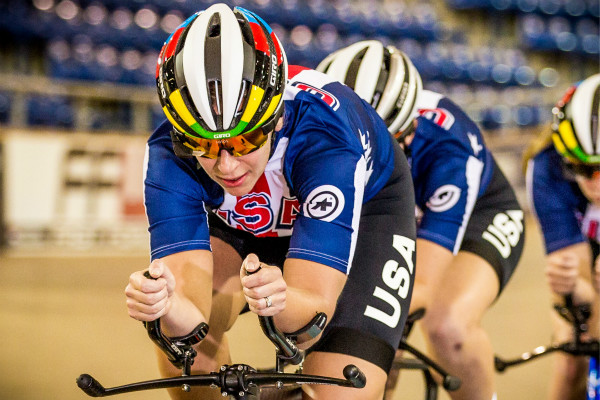
The U.S. Cycling Team adopts Solos, the latest smart cycling glasses on a crowdfunding platform, to assist in training. Solos glasses can display motion tracking data and receive heart rate data from other devices, providing real-time feedback to cyclists. The glasses can also pair with applications such as Strava and MapMyRun.
The device can collect heart rate, speed, power, cadence, distance, time, as well as data from Bluetooth and other sensors, processing and synchronizing this information in real time for athletes. This enables cyclists to monitor and adjust their training intensity. It also supports training plans, allowing athletes to track progress and enhance their skills.
In terms of design, these ultra-light smart glasses feature a streamlined, aerodynamic shape for exceptional comfort. They can receive real-time motion data from sensors on smartphones or other wearable devices, allowing cyclists to easily access and clearly view this information on the glasses’ high-definition display.
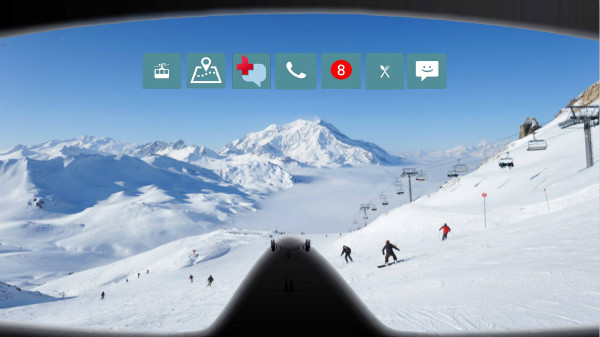
In addition, there is RideOn, an augmented reality startup device designed for ski racers. RideOn participated in a startup competition hosted by the Hype Foundation in Brazil.
It was launched by an Israeli company. Unlike previous smart glasses that merely added a display to Google Glass, this device enables eye-controlled operation, allowing users to check skiing information, interact with companions, and engage in virtual reality games.
RideOn employs Clear-Vu display technology to project a floating interactive interface into the user’s central field of vision, enabling various operations through eye movements. For instance, users can make selections by shifting their gaze, then blink to send messages or even throw virtual snowballs. The RideOn interface also displays various data points, such as weather conditions, wind direction, and altitude, which can be accessed at any time.
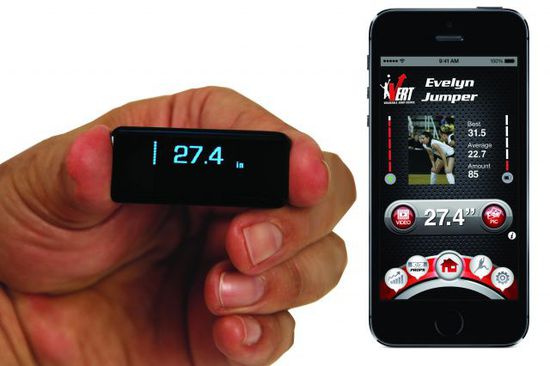
Vert's wearable device, Jump Monitor,It is very compact in size and resembles a belt buckle.Can be easily attached to the athlete's waist。
It can monitor the height and frequency of each jump made by athletes in real time, with data synchronized to a companion mobile app. This wearable device calculates your jump metrics using a specialized algorithm that incorporates over 53 simulation models for measuring vertical height, thereby ensuring precise assessment of movements and data.
Meanwhile, Jump Monitor can effectively prevent injuries among athletes and avoid excessive fatigue in volleyball players during competitions. This feature greatly assists coaches by enabling them to monitor training loads and track performance in real time.How many jumps are performed at a specific location to avoid injury to the knees, waist, and other areas.
It is reported that,The U.S. women's volleyball team will useUsing VERT's wearable devices.
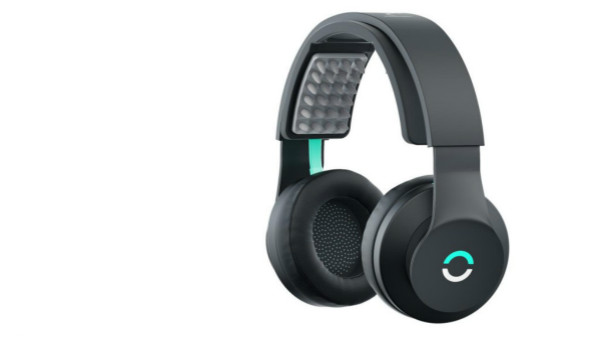
The Halo Sport device, developed by Halo, is a headset that delivers pulsed electrical signals to the motor cortex during the “neuro-priming” phase, purportedly enhancing neuronal “excitability.” Halo Sport directly stimulates the brain to improve athletes’ performance.
This device primarily utilizes tDCS (transcranial direct current stimulation) technology. When wearing the Halo Sport headset, electrodes embedded in the top of the device generate a low-intensity current of 1.5–2 mA. During prolonged training sessions, this current stimulates the motor cortex, enhancing neuronal activity in the brain’s motor regions and resulting in more powerful muscle contractions. Furthermore, under such heightened stimulation, athletes experience improved learning efficiency, enabling rapid enhancement of training-acquired skills.
Currently includesMichael Tinsley, the American 400-meter hurdler who won a silver medal at the 2012 London Olympics,Rogers McRoger, a member of the U.S. 4x100m relay team that won the gold medal at the 2015 IAAF World Relays,Also Samantha Achterberg, the American modern pentathlete who won the gold medal at the 2012 U.S. Championships,Using the company's latest Halo Sport.
Hyskus
For many athletes, wearable tech devices merely provide data-driven feedback to enhance training efficiency; they do not rely on mainstream consumer wearables.
There is a device called Hyskus, developed by Tommy Duquette, a professional boxer who missed the chance to join the 2012 U.S. team. His company has created a sensor for boxers that uses multi-axis accelerometers and gyroscopes to provide in-depth insights into punch count, speed, and the distribution of punch types. This device is currently being used by members of the U.S. and Canadian teams, but it is not yet available to the general public. British boxers are also leveraging data analytics for training, using a software platform called iBoxer.
U.S. swimmers Ryan Lochte, Dana Vollmer, and Conor Dwyer; U.S. wrestler Adeline Gray; and U.S. basketball player Kyle Lowry are all using Whoop.
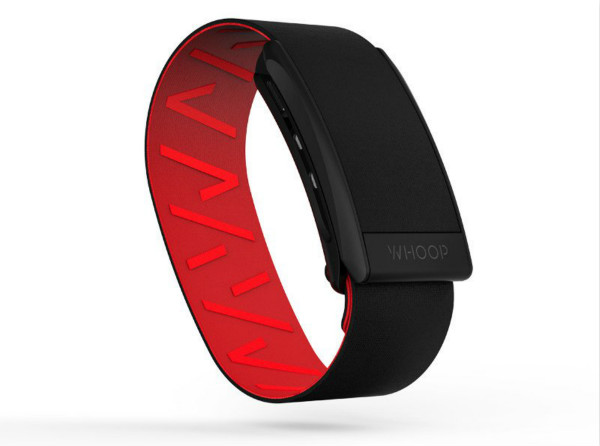
WHOOP smart wristband can monitor athletes, includingHeart rate variability, sleep quality, and accelerometry, etc.Key Physiological Metrics. Given the international nature of Olympic competition, overtraining is a common risk. The daily data recorded by the WHOOP smart strap helps monitor whether training stress levels are appropriate, thereby preventing overtraining.
According to a report by USA Today, the wearable tracker raised $12 million in funding last summer. Whoop, with a 24-hour battery life, is a waist-worn wearable device developed for athletes. It tracks heart rate, performs heart rate variability analysis, monitors skin conductance, ambient temperature, and activity levels, while also providing recommendations on athletes’ sleep quality.
The device transmits data via Bluetooth to a smartphone or tablet application used by coaches. USA Today reports that other American swimmers, including Michael Phelps, are also using applications such as SleepRate to track their sleep patterns.
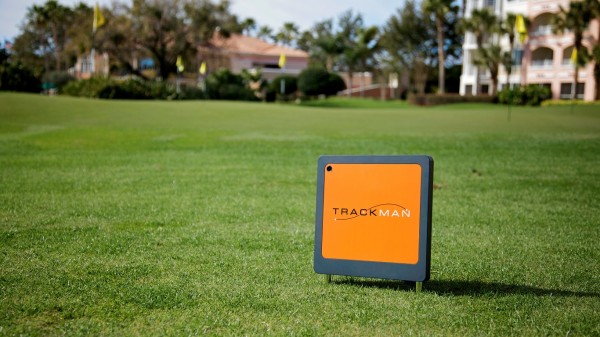
The U.S. track and field team adopted TrackMan devices at these Olympic Games.Trackman has a built-in Doppler radar,Capable of tracking ball flight trajectories for various clubs from 2-iron to 400 yards, with an error margin of less than 0.3 yards within 100 yards; simultaneously captures 3D swing motions and displays real-time data for 29 sets of impact and ball flight parameters within one second.
By tracking the release velocity, release angle, and release height of the ball, as well as the precise location of the throwing area, it can monitor the trajectory of shot put and hammer throw implements in real time, enabling accurateUnderstand the trajectory of a thrown ball in flight.
Trackman also features built-in Wi-Fi and a high-definition camera. The integrated camera system can connect to up to six external cameras, enabling multi-angle video capture to record the trajectories of shot put and hammer throw implements. Once video recording is complete, the footage is uploaded to the cloud, allowing coaches to instantly review athletes’ performance on tablets and provide feedback for improvement.
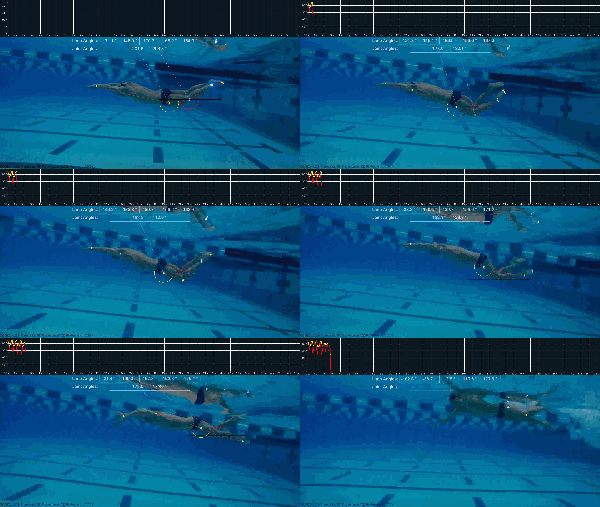
It is reported that BMW has ventured into cross-industry collaboration at this Olympic Games. The automaker has launched a smart posture-monitoring system specifically for the U.S. National Swim Team. By attaching miniature LED lights to athletes’ joints—such as the wrists, shoulders, hips, knees, and ankles—and illuminating them with slide projectors underwater, these glowing LED markers can visualize the swimmers’ underwater movement trajectories. This system is complemented by underwater cameras to capture the athletes’ swimming postures.
Subsequently, the computer will use visual algorithms to analyze and quantify the data,It enables swimming coaches to meticulously examine every movement of the athletes, providing quantitative feedback on limb and joint angles to facilitate adjustments in training load.This Unique Motion Tracking SystemPreviously, this algorithm was employed in BMW’s automotive product line as a core component of its autonomous cruise control technology, enabling the identification of road obstacles.
At the Olympic Games, competitions are highly intense and stressful, such as wrestling events. Matt Lindland, a U.S. wrestling coach, observed that many wrestlers suffer from sleep disorders, with some experiencing anxiety or even depression. Music can help alleviate mental tension and promote relaxation.
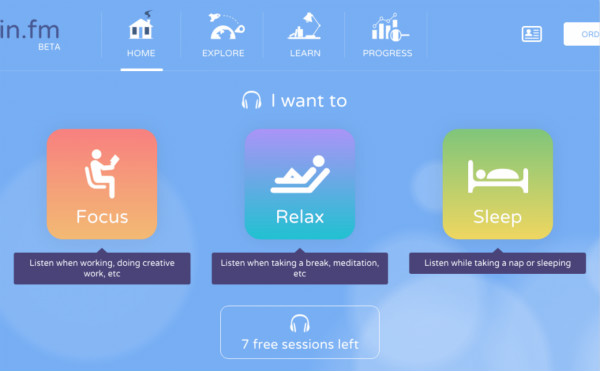
Brain.fm is an AI-powered software focused on neuroscience, jointly developed by a team led by Adam Hewitt. It has analyzed extensive clinical symptoms and electroencephalogram (EEG) data, moving away from traditional therapeutic approaches by leveraging techniques such as auditory neuroscience, personalized training, OmniPhonic audio instruction, and music AI.
It can play soothing and relaxing music, enhancingBrainAttention, helping athletes relax from high-intensity daytime training and fall asleep faster. Famous wrestler Robby Smith replaced melatonin with this technology to help him sleep.
Finally, after completing training, some athletes use wearable devices to relax muscles and alleviate joint pain. American gymnasts are using a product from ColoradoLumiwaveThis wearable therapeutic device is designed to alleviate muscle soreness.
According to Business Insider, the therapeutic device uses infrared pulses to induce the release of nitric oxide, promoting cellular healing. As early as 2004, Olympic athletes were using this device, but it has only recently become available to the general public.
These are the applications and devices currently known to us. Since the goal is to maintain a competitive edge and outperform other teams, it goes without saying that athletes worldwide will keep many other technological innovations and devices to themselves. As you switch channels to watch competitions, remember: digital healthcare plays a significant role in the sports you see, and its impact will be even greater in future events.