

Shared + Healthcare: Whose 'Primordial Power' Will Be Unleashed?
By Tencent Research Institute
The sharing economy wave is sweeping the globe, entering a golden age driven by policy incentives and industry momentum, with rapid expansion across multiple niche sectors. If the healthcare industry embraces sharing models, could it unleash transformative, primordial forces within the sector? What new opportunities will emerge?
As is well known, the healthcare industry has long been controversial due to prominent supply-demand imbalances and significant user pain points. Estimates suggest that a vast amount of underutilized resources within the healthcare system remains to be activated, including time surplus from 1.94 million potential physicians, nearly 60% of idle primary care medical equipment, and 950,000 underused hospital beds. Leveraging the core principles of the sharing economy to activate these surplus resources and promote better optimization and allocation of medical resources across different institutions and regions would undoubtedly serve as a strong impetus for reform on the healthcare supply side, as well as for the implementation of national policies such as multi-site physician practice and tiered diagnosis and treatment. Currently, four major models of healthcare sharing have emerged: online consultations, home visits by physicians, equipment sharing, and internet-enabled multi-site practice, each at varying stages of development.
This report examines the current state and future trends of the healthcare industry integrated with the sharing economy, approaching the topic from the perspectives of the realities of healthcare, an analysis of the four major models of healthcare sharing, and emerging trends.
Overall, China faces a shortage in the total volume of medical resources: according to World Bank data, China has 1.9 physicians and 1.9 nurses per 1,000 population, figures that are lower than those of countries with similar income levels and show an even wider gap compared to high-income countries. Specifically, the number of physicians per 1,000 population is 1.0 lower, and the number of nurses is 6.7 lower than in high-income countries.
Meanwhile, the limited supply of medical resources also faces structural imbalances. High-quality hospitals are concentrated in the eastern coastal regions, particularly in Beijing, Shanghai, and Guangzhou. According to data from the 2015 China Health and Family Planning Statistical Yearbook, eastern China accounted for 46% of Grade 3A hospitals, while western China accounted for 23%. The inaugural Hospital Blue Book, the "China Hospital Competitiveness Report (2016)," released in 2016, showed that top-tier hospitals were concentrated in Beijing, Shanghai, and Guangzhou, with Beijing leading at 17 hospitals.
High-quality medical resources remain concentrated in large hospitals, while primary care institutions suffer from insufficient service capacity, resulting in low public acceptance of initial consultations at the grassroots level.
Large Hospitals Are Bustling with Patients, While Small Ones Are Virtually Empty
High-quality medical resources are concentrated in major cities and large hospitals, leading patients to prefer seeking care at these institutions. According to survey data from WeDoctor Group, only 8% of patients choose community hospitals for their initial consultation, 53% prioritize well-known public hospitals, and 43% directly opt for special-needs outpatient services or specialist appointments during their first visit. "Seeking hospital care at large facilities for minor illnesses" has become the norm. Large hospitals, originally positioned to handle acute and critical conditions, complex cases, and talent development, are now treating both minor and major ailments. This has intensified the supply-demand imbalance for these already limited-in-number large hospitals, while general hospitals and primary healthcare institutions are experiencing the opposite trend.
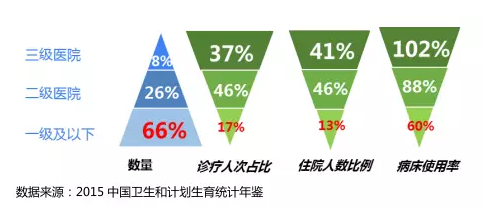
Statistics show that primary-level hospitals and below, which account for 66% of all hospitals, handle less than 20% of outpatient visits and 13% of inpatient admissions, with low bed occupancy rates. In contrast, tertiary hospitals, though the smallest in number, are becoming increasingly saturated. Moreover, the patient volume at tertiary hospitals continues to expand, with a growth rate consistently around 10% higher than that of other hospitals. The imbalance between supply and demand for high-quality medical institutions versus non-core medical facilities is expected to intensify in the future.
Core hospitals face heavy physician workloads, poor patient experiences, and persistently tense doctor-patient relationships
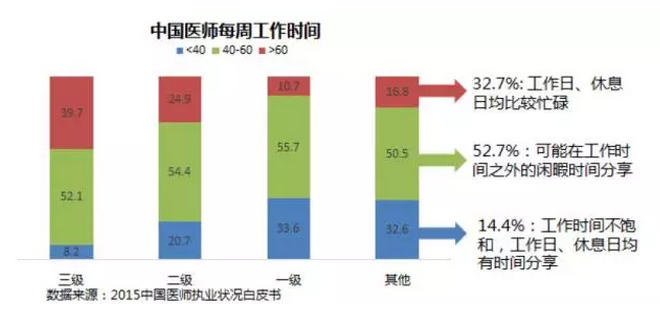
Under these circumstances, core hospitals are overcrowded, and physicians are overburdened. According to the 2015 White Paper on the Practice Status of Chinese Physicians, nearly 40% of physicians in tertiary hospitals work more than 60 hours per week, averaging over 12 hours per working day, indicating a severe workload. Meanwhile, patients experience long waiting times but short consultation durations, or are subjected to extensive testing. The quality of doctor-patient communication is steadily declining, leading to persistently strained doctor-patient relationships.
Medical Surplus Resources: A Massive Pool Awaiting Activation
It is precisely due to the imbalance between supply and demand of medical resources across different healthcare institutions that a vast amount of surplus medical resources has been generated.
Currently, these resources are primarily distributed across secondary and lower-tier hospitals as well as primary healthcare institutions in China. It is estimated that approximately 1.94 million physicians, 60% of primary care medical equipment, and 950,000 hospital beds are available for sharing.
1. Physician Resources
According to the 2015 White Paper on Physicians’ Practice Status in China, 14.4% of physicians in China work fewer than 40 hours per week (i.e., less than 8 hours per workday). Given that there are currently nearly 2.89 million licensed (and assistant) physicians in China, at least approximately 420,000 doctors have available time during their work schedules to engage in knowledge sharing.
In addition, 52.7% of physicians work 40–60 hours per week, accounting for 1.52 million individuals. Assuming they are willing to share medical expertise during their leisure time outside working hours, the potential pool of physicians available for medical knowledge sharing would reach 1.94 million.
2. Medical Equipment Resources
According to statistics, the utilization rate of primary healthcare medical equipment in China is less than 40%, meaning that 60% of such equipment is available for sharing.
3. Hospital Bed Resources
In China, the bed occupancy rate in tertiary hospitals has exceeded 100%, while it stands at 88% in secondary hospitals and only 60% in primary hospitals and grassroots medical institutions. If the bed resources in secondary hospitals, primary hospitals, and grassroots medical institutions could be better utilized, the number of beds available for sharing would reach 950,000.
The core of medical resource sharing lies in activating underutilized resources within the existing healthcare system, promoting the full market-driven flow of high-quality medical resources, balancing supply-demand disparities across different regions and medical institutions, enhancing precise matching between doctors and patients, facilitating the implementation of policies on tiered diagnosis and treatment and multi-site practice, achieving win-win outcomes for doctors, patients, hospitals, and other stakeholders, and supporting supply-side reforms in the healthcare system.
Under the healthcare sharing model, four primary models can be identified based on the recipients of sharing and the locations where medical services are delivered:
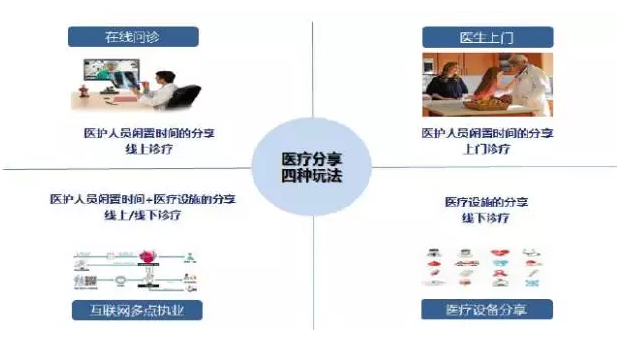
First, online consultations.Healthcare professionals leverage their idle time to provide services such as health consultations and post-diagnosis follow-ups through online channels, including text-and-image messaging, voice messages, phone calls, and video conferencing. Online consultations break through the temporal and geographical constraints faced by physicians, diverting cases involving mild conditions and chronic disease management, thereby promoting a tiered consultation system via the internet.
The second type is home-based medical and nursing care.Similar to the Didi model, it leverages the fragmented time of medical professionals to provide on-demand, at-home services such as in-home medical care and post-diagnosis rehabilitation, thereby enhancing the accessibility of healthcare services for the elderly and other populations.
The third type is multi-site practice via the Internet.The entities participating in this sharing model include not only medical professionals but also offline healthcare facilities. Medical personnel leverage their spare time to integrate physical medical resources, providing services for major illnesses such as surgery and diagnosis, thereby creating a platform for the implementation of multi-site practice.
Fourth, medical facility sharing.The primary focus is on sharing underutilized resources, such as medical equipment and hospital beds, to improve utilization rates. The sharing of medical facilities helps optimize expenditures, accelerate capital turnover, enhance clinical application value, and manage resources more effectively. These sharing activities primarily take place in offline healthcare institutions.
Telemedicine has developed rapidly abroad, with online consultations serving as a critical component. In the United States, telemedicine has transitioned from the B2B (hospital-to-hospital) era to the DTC (doctor-to-consumer) era. As one of the core forms of DTC telemedicine services, online consultations have given rise to publicly listed companies such as Teladoc, which achieved a market capitalization exceeding $1 billion on its first day of trading.
Online medical consultations in China are already a red ocean market.
Fierce Competition in China’s Online Consultation Market Sees a Surge of ProductsAccording to statistics from Analysys, there are nearly 500 apps in China that offer online consultation features. These include comprehensive platforms and vertical platforms focusing on traditional Chinese medicine (TCM) and chronic diseases; pure online consultation platforms and integrated online-to-offline (O2O) platforms; pre-consultation guidance/health advisory platforms; and post-consultation follow-up platforms, among other diverse types.
The Market Landscape Is Largely Clear
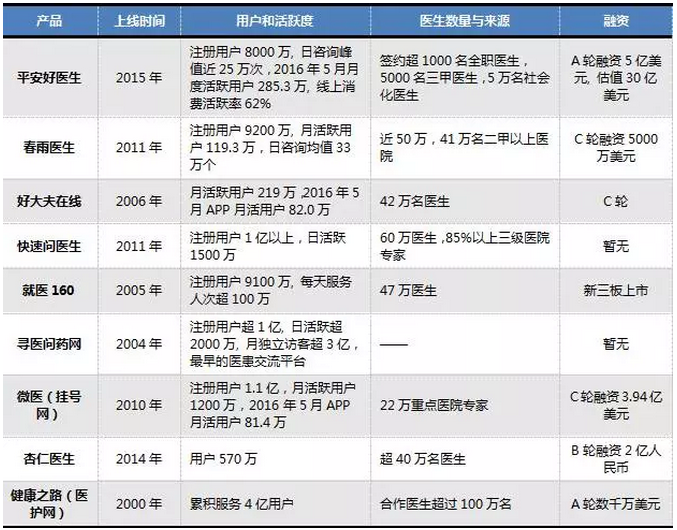
Leading enterprises in the sector have generally achieved significant scale. Although it is a low-frequency application scenario compared to mobility services, its user base of over 100 million, along with more than one million daily and monthly active users, far exceeds that of most other sharing economy industries in China.
The potential market remains substantial
According to the China Health and Family Planning Statistical Yearbook, there were approximately 7.6 billion outpatient visits nationwide in 2014, including those at various hospitals and primary healthcare institutions. If 30% of these visits could be diverted to online consultations (Teladoc has estimated that 33% of outpatient visits in the United States can be replaced by telemedicine), the number of online consultations would exceed 2.2 billion.
Representative companies in the current online medical consultation market include Chunyu Doctor, with an average of 330,000 daily consultations, amounting to 120 million annually. Ping An Good Doctor records a peak of 250,000 daily consultations, totaling 91.25 million per year. The industry remains far from reaching its ceiling, indicating significant potential for future market growth.
Facing the “gold mine” of a massive user base for online medical consultations, the key challenge lies in commercialization.
Despite boasting a massive user base of over 100 million, the revenue scale from value-added services in the online medical consultation industry was only around RMB 200 million in 2015 (estimated by iResearch). Currently, the business models explored by online medical consultation platforms mainly include charging users for value-added services, guiding patients to hospitals or pharmacies through partnerships with hospitals or drugstores, collaborating with commercial insurance companies (and charging corporate employers), as well as further exploiting data value. Among these, revenue from user-oriented value-added services dominates. Chunyu Doctor, a leading enterprise in online medical consultations, disclosed that its revenue in 2015 was RMB 130 million.
How to monetize massive user traffic has become a question that online consultation platforms continue to explore:
1. Should we adopt a user-paid model? Users tend to prefer free consultations.
In some U.S. states, physicians are permitted to conduct online diagnoses and issue electronic prescriptions directly to patients, serving as a partial substitute for in-person consultations. Regarding service fees, a fee-for-service model is commonly adopted, either through a combination of membership and consultation fees or consultation fees alone.
In China, in August 2014, the National Health and Family Planning Commission (NHFPC) issued the “Opinions of the National Health and Family Planning Commission on Promoting Telemedicine Services in Medical Institutions.” The document stated that telemedicine services would be promoted among medical institutions, but stipulated that non-medical institutions were prohibited from providing such services. Consequently, online consultation platforms in China generally offer only health consultations, resulting in low user willingness to pay. According to consultation statistics from VCBeat regarding Chunyu Doctor, the number of free consultations was nearly ten times the number of users who purchased private physician services.
2. Has it reduced users’ healthcare costs? The greater advantage lies in time savings.
Online medical consultations in the United States can significantly reduce patients’ healthcare costs and time commitments. According to a survey by the American Telemedicine Association (ATA), for each in-person visit in the U.S., individuals still need to pay $32 out-of-pocket (with insurance covering $250). In contrast, online consultations offer more cost-effective pricing options. Data from Teladoc, a leading U.S. online consultation provider, indicates that when including the time cost of travel, each online consultation saves nearly $300.
In China, the fees charged by online consultation platforms correspond to the “registration fees” for offline outpatient visits. Due to the historical reliance of China’s healthcare system on drug markups to subsidize medical services, data from the 2015 Health and Family Planning Statistical Yearbook show that registration fees accounted for only 0.7% of total outpatient costs in 2014. Even at general hospitals directly affiliated with the central government, the standard registration fee was merely RMB 4.5. Paid online consultations are typically priced at the discretion of individual specialists, making it difficult to establish a price advantage compared to offline registration fees.
On the other hand, online consultations for common and frequently occurring diseases can indeed save time spent traveling to and from hospitals and reduce waiting times for medical visits. According to data from the U.S. Centers for Disease Control and Prevention (CDC), outpatient users in the United States typically spend more than two hours on travel and waiting at clinics per visit, whereas online consultation users need only wait a few minutes. Research by iResearch shows that nearly 80% of internet users consider high convenience and time savings as the top two core advantages of using online consultation services.
3. How to Activate and Manage Idle Physician Resources?
According to iResearch, meticulous and professional responses along with timely replies are core factors valued by nearly 70% of users in online medical consultations. These aspects depend on the supply of physician resources and management mechanisms on the provider side, constituting the core competitiveness of online consultation platforms.
Shortage of High-Quality Physician Resources and Limited Time for Physicians to Be Assigned to the Platform.
Currently, high-quality physician resources on online consultation platforms remain scarce, with limited time allocated to these platforms. In China, premium medical talent is concentrated in large public hospitals; physicians only have the time and willingness to handle patient inquiries on online consultation platforms after completing their institutional duties. According to the Report on Online Consultation Behavior of Chinese Doctors, only 20% of physicians on these platforms hold senior titles (Chief or Associate Chief Physicians), while over 40% hold junior titles (Resident Physicians). On average, each physician serves approximately three patients per day through online consultations.
Without subsidies, retaining and motivating physicians will become a challenge in the future.
In terms of service provision incentives, the largest proportion of on-platform physicians hold intermediate and junior professional titles; their primary motivation for participation is to earn additional income and subsidies, making them more willing to offer free consultations to qualify for platform subsidies. In contrast, on-platform physicians with senior and associate senior professional titles are more focused on building their personal brands, and thus are more inclined to provide paid private services.
According to the "Report on Online Consultation Behavior of Chinese Doctors," statistics show that apart from a small number of top-tier doctors who command higher fees and earn higher incomes, 82% of doctors receive an average monthly subsidy income of less than RMB 200 on the platform. It is worth considering that subsidies represent a war of attrition; if online consultations yield limited financial returns for physicians, how to incentivize them and enhance their stickiness remains one of the core challenges.
Overall, given the constraints imposed by policies, the insufficient number of paying corporate users, and the low engagement level of high-quality medical resources, the challenge facing China’s online consultation platforms is to identify new payers beyond value-added services and establish a more mature business model.
Online consultation platforms are continuing to explore sustainable business models: expanding from online consultations to offline physical institutions, entering the chronic disease management or maternal and infant markets where user demand is more frequent and inelastic, actively collaborating with insurance companies to develop commercial health insurance products, and tapping into the corporate client market. However, these efforts are only just beginning, and how they will ultimately break through remains to be seen.
In the global healthcare-sharing sector, the “Uber for doctors” model is steadily capturing market share, with home-visit services provided by physicians and nurses beginning to take shape. In certain regions of the United States, patients can now conveniently summon medical professionals to their homes, much like hailing a ride on Uber. This includes requesting house calls from physicians for minor ailments such as headaches and fevers, engaging nurses for in-home nursing care, and even booking licensed massage therapists for professional therapeutic relaxation. Representative companies in this space include Medicast, Heal, and Pager.
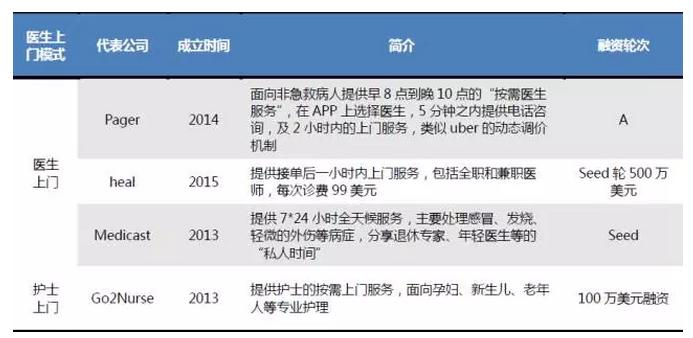
This trend has also recently reached China, where home-visit services provided by medical personnel have already emerged.
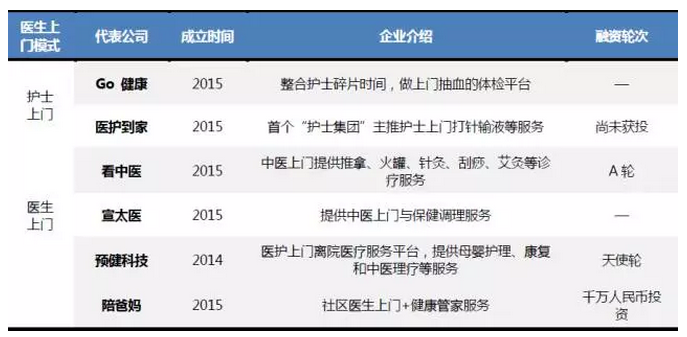
However, from both domestic and international perspectives, the home-visit service model for healthcare professionals has been established for only a short period. Most financing rounds are still at the angel or Series A stage, indicating that the overall market is in its infancy with various models under exploration. A common skepticism arises from the question: “Is there genuine demand for doctors’ home visits in China?”
One view holds that the challenges of at-home medical and nursing services should not be underestimated, deeming them a pseudo-demand. The reasons are as follows:
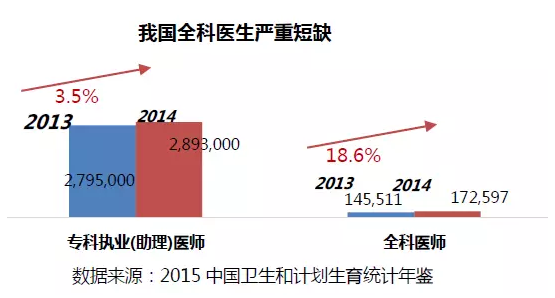
First, China’s general practitioner training system is less robust compared to those in other countries. While home visits abroad are primarily conducted by general practitioners, China still needs to address the practical implementation of general practitioner training.
Second, liability for accidents in home-based medical care remains undefined, placing licensed physicians who conduct diagnoses in patients’ homes in a legal gray area. Moreover, issues regarding the qualifications and safety of healthcare personnel providing home-based medical services persist.
Meanwhile, in light of precious and limited medical resources, while home visits offer convenience, they undoubtedly reduce clinical efficiency. According to foreign statistics, a traditional primary care physician can see 30 patients per day in the office, whereas a house-call physician may only manage 7–8 patients per day. When additional factors such as increased travel costs are taken into account, home-based services incur high labor costs, potentially raising expenses for patients. For platforms, this model is asset-heavy, casting doubt on its scalability.
The Needs of Vertical Market Segments, Such as the Elderly Population, Are Becoming Increasingly Prominent
Japan, which is one step ahead in addressing an aging society, offers a valuable reference. Severe population aging has shifted the focus of Japan’s healthcare system toward chronic and geriatric diseases. The Japanese government is currently accelerating the transition from the current hospital-centric healthcare model to a home-based care model tailored for the elderly. Under this new approach, patients are admitted to hospitals only when their conditions worsen, thereby minimizing the reliance on “hospital-based medical care.” Statistics indicate that by 2025, Japan’s population aged 75 and above is projected to reach 22 million. Through home-based medical care and in-home nursing services, elderly individuals can age with peace of mind in their own homes.
China’s aging problem is equally severe. According to the National Bureau of Statistics, by the end of 2014, the population aged 65 and above in China exceeded 140 million. Among them, 30 million were urban elderly with greater payment capacity compared to their rural counterparts, while nearly 40 million elderly individuals were disabled or partially disabled. The rapidly growing elderly population has highlighted the demand for home-based medical services.
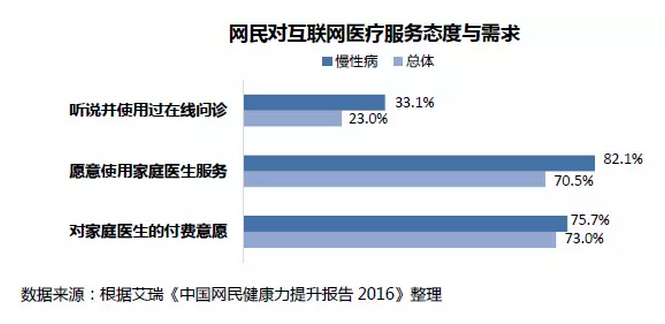
Excluding the elderly population, the general public also demonstrates high awareness and acceptance of in-home medical services. According to iResearch, in-home consultation is the type of family doctor service most desired by Chinese internet users (selected by 71.5% of respondents). Among those willing to use in-home consultation services, more than 70% are willing to pay for such services, with even stronger willingness to pay observed among internet users with chronic diseases.
This is also the primary target demographic for current domestic in-home service platforms, which mainly cater to the elderly, mothers and infants, individuals with chronic diseases, and those undergoing rehabilitation. The services provided primarily include diagnosis of common and frequently occurring diseases, health management, and rehabilitative care. The growing size of these niche populations seems, to some extent, to validate the future development potential of in-home healthcare services.
National Family Doctor Policy Promotion
The Office of the State Council Leading Group for Healthcare Reform and six other departments recently issued the “Guiding Opinions on Promoting Family Doctor Contracted Services,” requiring the launch of family doctor contracted services in 2016. It is evident that one of the core directions of the family doctor model is to rely primarily on primary healthcare institutions to provide various service modalities, including home visits by physicians.
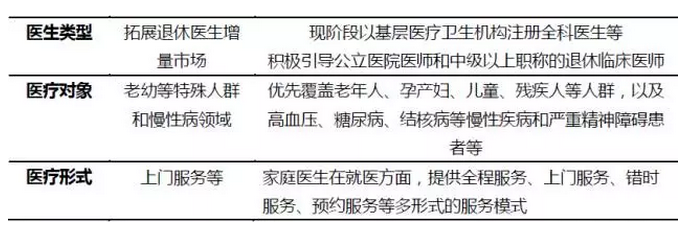
Overall, while home-based medical and nursing services present clear challenges, they offer distinct advantages over online consultations. These services save patients the time spent traveling to hospitals, as well as waiting in lines and registering for appointments. Furthermore, by enabling face-to-face interactions that allow healthcare professionals to perform traditional diagnostic methods—such as inspection, auscultation/olfaction, inquiry, and palpation—these services overcome the intangible nature of virtual care, thereby enhancing patient trust and improving user retention.
Meanwhile, vertical populations such as the elderly and those with chronic diseases exhibit both demand for home-based services and willingness to pay. Coupled with supportive national policies, these factors are driving the implementation of family doctor services.
Amid this overarching trend, medical sharing platforms leverage registered general practitioners at primary care institutions to provide nearby in-home services as contracted family doctors. This model serves as a supplement to the asset-light online consultation model and the asset-heavy offline crowdsourced clinic model, aligning with national policy initiatives to promote the development of home-based medical and elderly care service systems. Although currently in its nascent and exploratory stages, the model holds significant potential for future growth.
In addition to the sharing of idle time among medical staff, market-driven circulation of medical equipment between hospitals has also emerged. A representative foreign company is Cohealo, a startup billed as the “Uber of the medical equipment sector,” which enables hospitals to share their expensive medical devices. Founded in 2012, this medical equipment-sharing platform has currently secured $17.8 million in Series A financing.
According to Cohealo’s research, U.S. health systems spend tens of millions of dollars annually on the purchase and leasing of medical equipment; however, an average utilization rate of 42% indicates that most devices remain idle. As a third-party platform, Cohealo has established a centralized cloud-based management system to track registered hospitals’ equipment, enabling clinical operations teams to search for and reserve the devices they need. For demand-side hospitals, this facilitates on-demand access to medical equipment; for supply-side hospitals, it converts idle clinical asset capacity into revenue. Additionally, the platform provides equipment data analytics reports, allowing both parties to deploy capital and equipment more effectively to meet clinical needs, thereby promoting more efficient procurement and asset utilization.
The sharing of high-cost medical equipment within healthcare systems has already emerged abroad; what is the situation in China?
Uneven Utilization of Medical Devices
In large hospitals, in addition to the difficulty of accessing medical care, another heavily criticized issue is the “difficulty of undergoing examinations.” The time and effort spent on advance appointments, queuing for tests, and waiting for results are no less burdensome than those required for registration and consultation. Underlying this problem is an uneven utilization rate of medical equipment.
On one hand, the utilization rate of medical equipment in primary healthcare institutions is relatively low. According to the 2015 China Health and Family Planning Statistical Yearbook, the number of medical devices valued at over RMB 10,000 in primary healthcare institutions reached 532,575 units in 2014. However, constrained by service capacity, industry experts estimate that the utilization rate of such medical equipment is less than 40%.
On the other hand, it is evident that high-end medical equipment is more concentrated in large hospitals, resulting in high actual workload rates and overcrowded appointment queues.
Equipment Sharing Is the Direction, but Far from Application
From a policy trend perspective, regions such as Beijing introduced the concept of Medical Consortiums as early as 2013, “promoting the shared use of medical equipment and scientific research instruments among member hospitals within the consortium; enabling mutual appointment registration and mutual recognition of test results between member hospitals; and facilitating the sharing of patients’ medical information and health data.”
Meanwhile, national policies this year have already encouraged the sharing of medical equipment. The Notice on Several Policy Measures to Promote the Accelerated Development of Socially-Run Medical Institutions, issued by the General Office of the State Council in June 2015, specifically highlighted:
1. Promote the joint construction and sharing of large-scale medical equipment. Explore various models, such as public construction with private operation or private construction with public subsidies, to establish regional laboratory and imaging centers that are open to all medical institutions.
2. In regions where the allocation of large-scale medical equipment has reached saturation, no medical institutions—including public healthcare facilities—are permitted to add new large-scale equipment. Local authorities are encouraged to integrate existing large-scale equipment resources through various means to improve utilization efficiency.
In the field of equipment sharing, B2B platforms for sharing large-scale scientific instrument facilities have already emerged in certain cities. However, given considerations such as the sharing of medical device information and transportation costs, no third-party medical device sharing platform similar to Cohealo has yet appeared in China.
However, if equipment information across hospitals at different levels can be integrated in the future, thereby improving equipment utilization rates in primary healthcare institutions and enabling standardization and sharing of diagnostic data, it will undoubtedly facilitate the development of tiered diagnosis and treatment. This represents another trend toward the market-driven allocation of hospital resources, beyond the mobility of medical personnel.
In addition to medical equipment, hospital bed utilization also exhibits significant imbalance. According to the 2015 China Health and Family Planning Statistical Yearbook, tertiary hospitals in China have consistently operated at overcapacity, with some high-demand departments unable to meet patient needs even by adding extra beds. Meanwhile, secondary and especially primary hospitals have substantial idle capacity (with utilization rates reaching only 60%), which could help address the bed “shortage” in tertiary hospitals.
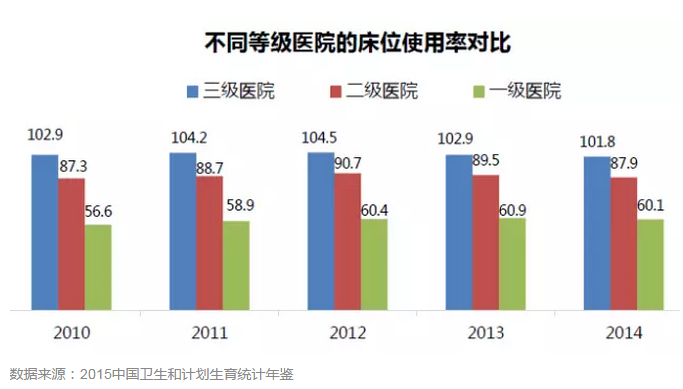
Hospital admission figures also reveal that in 2014, tertiary and secondary hospitals recorded 62.91 million and 70.06 million admissions, respectively, far exceeding the 20.78 million admissions at primary and ungraded hospitals. This disparity is also a consequence of the uneven distribution of medical resources.
Internet startups have already addressed this pain point. For instance, Mingyi Zhudao focuses on a mobile surgical platform, leveraging an internet-based model to precisely connect patients with renowned specialists in relevant fields. It adopts a C2C model where doctors provide surgical services to patients during their spare time, and collaborates with multiple hospitals to match medical resources on demand. As a result, it has secured access to more than 1,000 hospital beds across public and private hospitals in multiple cities, available for deployment at any time.
A similar example is Yikang Medical, which provides mobile internet-based O2O medical services. If inpatient beds at tertiary hospitals are fully occupied, it offers referral services to secondary hospitals with available beds, where patients receive treatment from physicians affiliated with the tertiary hospitals.
Perhaps in the future, in addition to the free mobility of healthcare professionals, hospitals’ tangible infrastructure could also be circulated through market mechanisms, thereby alleviating difficulties in accessing medical care, such as “beds are fully occupied; surgery can only be scheduled for next month” or “CT scan appointments are booked until next week.”
Among the aforementioned categories of medical sharing models, online consultations currently provide health advisory services due to policy restrictions, while house-call physicians are limited by the nature of their service delivery and primarily manage common and frequently occurring diseases. How, then, can diagnostic and therapeutic resources for serious illnesses be shared?
This market cannot be overlooked. Taking offline surgeries as an example, China performed 40 million surgical procedures in 2014, with this figure growing at an annual rate of 10%–15%. It is projected to reach 50 million within two years.
The diagnosis and treatment of these major diseases, under the sharing economy model, undoubtedly require offline sharing of medical personnel and facilities. Therefore, the integration of the sharing economy with the healthcare industry is not an impractical fantasy; rather, it necessitates deeper integration with physical medical services. This primarily includes two types: tiered online consultations, which extend from online consultations to offline diagnosis and treatment; and multi-site practice in offline settings, mainly operated through physician group models.
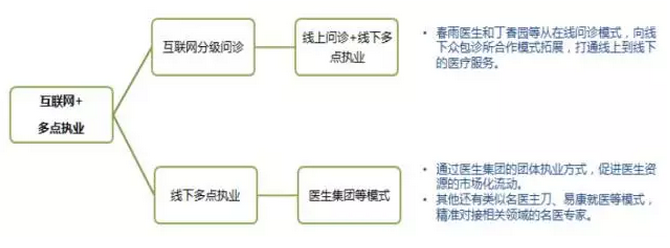
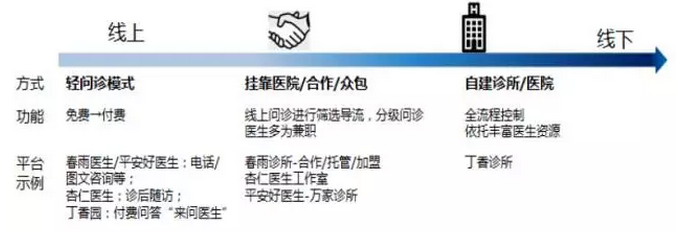
In 2015, online consultation platforms increasingly expanded into offline services, adopting a model combining online consultations with offline multi-site practice to create a closed-loop healthcare service system and diversify revenue streams. This internet-based tiered consultation approach, using lightweight consultations as an entry point to appropriately triage patients, has contributed to the advancement of tiered diagnosis and treatment.
Typical examples include Chunyu Yisheng, DXY, and Xingren Yisheng, which have established physician studios akin to the WeWork model. This approach facilitates multi-site practice and the development of physicians’ personal brands, undoubtedly adding value in enhancing physician-side stickiness and expansion.
WeDoctor Group has built the “National Internet-Based Tiered Diagnosis and Treatment Platform,” where its triage team helps patients accurately match with physicians based on their reported symptoms, adhering to the principles of symptom-oriented care and geographic proximity, thereby optimizing the allocation of medical resources.
Since 2015, the National Health and Family Planning Commission has issued multiple documents to promote the establishment of a tiered diagnosis and treatment system, proposing to construct a tiered healthcare order through four key approaches: initial consultation at primary care institutions, two-way referrals, separate management of acute and chronic conditions, and coordination between upper- and lower-level medical facilities. The internet-based tiered consultation model, which diverts primary healthcare demands through online consultations and promotes the efficient utilization of physician resources, is undoubtedly aligned with the national policy direction on tiered diagnosis and treatment.
Current: Doctors as “Institutional Employees”
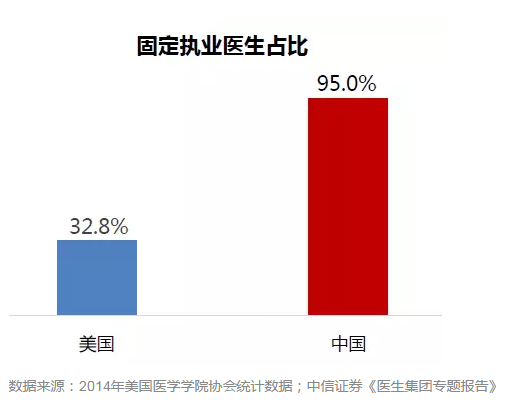
In China, 95% of physicians practice under fixed employment arrangements, whereas in developed Western countries, independent practice is more prevalent. By comparison, the marketization of medical services in China remains relatively low. Under this fixed-employment model, physicians are institutional employees within the healthcare system. On one hand, they face low compensation and heavy workloads, which to some extent exacerbate tensions in doctor-patient relationships. On the other hand, their professional titles, career advancement, and social security benefits are tied to their employing hospitals, resulting in limited mobility.
Change — Doctors’ “Multi-Location Practice”
To alleviate the strain on medical resources, China has implemented policies allowing physicians to practice at multiple sites since the 2009 healthcare reform, with provinces and municipalities such as Beijing, Zhejiang, Shenzhen, and Heilongjiang gradually liberalizing this practice.
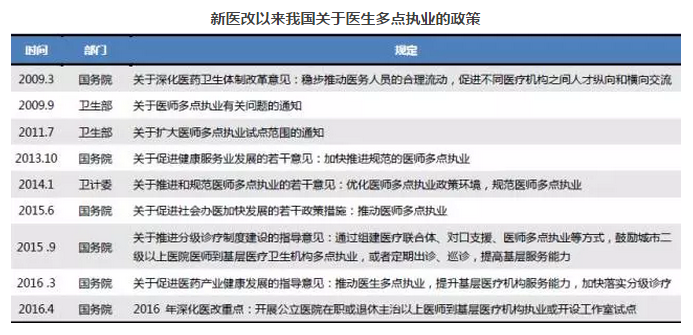
Driven by policies promoting multi-site practice, physician groups both within and outside the public healthcare system have gradually emerged, partially releasing physician resources from hospitals and integrating them with physical medical institutions in need—particularly primary care facilities, secondary or tertiary hospitals, and private medical institutions. This facilitates the decentralization of high-quality medical resources to the grassroots level, helps enhance service capacity at the primary care level, and promotes the implementation of tiered diagnosis and treatment.
According to incomplete statistics, there are approximately dozens of physician groups in China, with the majority established around 2015. CITIC Securities predicts that physician groups will account for 20%–30% of physicians’ practice arrangements in China, with revenue expected to reach the hundred-billion-yuan level within the next three to five years, making them one of the key trends in medical practice in the country.
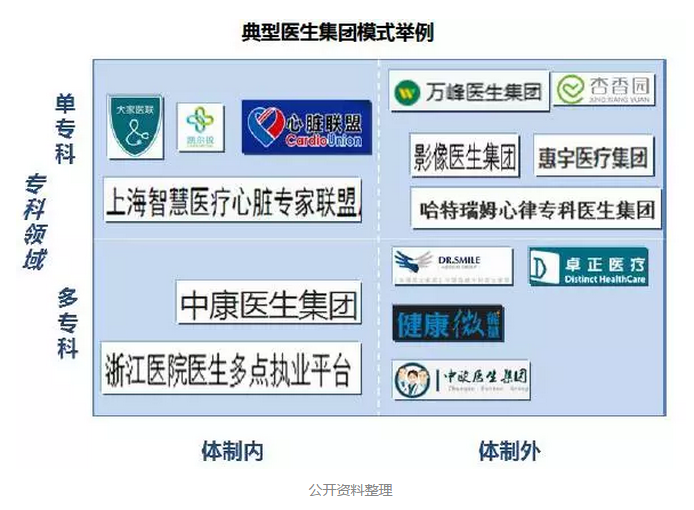
In addition to physician groups, China’s first “nurse group” has also emerged: the Sanjia Nurse Group, which has certified more than 5,800 nurses to date, 80% of whom are professional nurses from Grade 3A hospitals.
In addition to the physician group model, which facilitates multi-site practice, there are also internet platforms that do not follow the physician group model, such as Bed Sharing’s “Renowned Surgeon-Led Operations” and Yi Kang Jiu Yi.
Similarly, Medlinker, which entered the market by building a social network for physicians, launched its physician consultation services in early 2016. The platform connects attending physicians and above from tertiary hospitals with private medical institutions, focusing on surgical procedures to provide physician consultation services. As an intermediary, Medlinker mobilizes both physician and private hospital resources, creating benefits for physicians, hospitals, and patients alike, thereby facilitating the implementation of multi-site practice.
The Future—Doctors Become “Social Beings”
Multi-site practice is a transitional model for physician practice. In the future, physicians in China will ultimately transition from multi-site practice to independent practice, adopting either group practice or solo practice models—namely, physician groups or individual practices operating outside the public healthcare system. This shift will fully release physician resources from hospitals, enabling market-oriented collaborations with various medical institutions. By allowing market forces to regulate physician practice behavior, this approach aims to achieve the optimal flow of physician resources. According to SK&A’s 2015 report, there were approximately 284,364 physician practice organizations in the United States, of which 56.06% were solo practices with only one physician.
Under a private practice model, physicians’ personal brands become prominent, with patients becoming loyal followers of their doctors. Physicians’ value is fully realized, with pricing based on the quality of medical services rather than the current “drug-revenue-dependent” model. High-quality medical resources are no longer concentrated in monopolistic Grade A tertiary hospitals but instead flow freely through market mechanisms. Patients “vote with their feet,” choosing medical services that offer high quality at affordable prices.
Admittedly, this is only the beginning of a long and arduous journey. Setting aside the prospect of fully independent practice for now, even multi-site practice currently faces challenges stemming from multiple factors involving hospitals, physicians, and patients, such as hospital management of physicians, allocation of responsibilities and rights, trust issues, and evaluation of clinical competencies. Nevertheless, it is evident that as the market continues to mature, physicians, riding the wave of the sharing economy alongside professionals in other industries, will gradually evolve toward independent practice.
The report previously outlined four models of healthcare sharing, which have evolved at different paces: some have already entered a red ocean market, others are in their infancy, and some have yet to be applied or emerge in China. Now, moving beyond these models, let us examine the new development trends in healthcare sharing from another perspective, focusing on the user side, industry side, payment side, and technology side.
Client-side,Medical sharing platforms are gradually shifting from comprehensive, all-encompassing models to deep penetration in specialized vertical sectors, with chronic disease management and the maternal and child health market emerging as key areas of focus. The primary application models include online consultations and home-based healthcare services.
Industry side,The strategic consolidation and alliance-building within the medical sharing platform industry are becoming evident. Although platforms enter from different segments, they are extending into other parts of the industrial chain through collaborations or acquisitions, aiming to build their own industrial ecosystems and competitive barriers.
Payment side,Medical sharing platforms are also actively expanding their traffic monetization strategies by targeting commercial insurance providers and corporate clients, thereby establishing a more stable customer base and profit model.
On the technical front,Empowered by consumer-facing wearable devices and AI technologies for physicians, medical sharing platforms are poised to achieve further breakthroughs and disruption in application scenarios and business models.
A Trillion-Yuan Potential Market for Chronic Disease Management
As the aging population accelerates, the growing number of chronic disease patients and high mortality rates have become major issues affecting residents' health. According to the "China Chronic Disease Prevention and Control Work Plan (2012-2015)" jointly formulated by 15 national departments, there were 260 million diagnosed chronic disease patients in China in 2012. Currently, it is estimated that the number of diagnosed chronic disease patients exceeds 300 million. Among chronic diseases, hypertension and diabetes are developing rapidly, with sharply increasing prevalence rates.
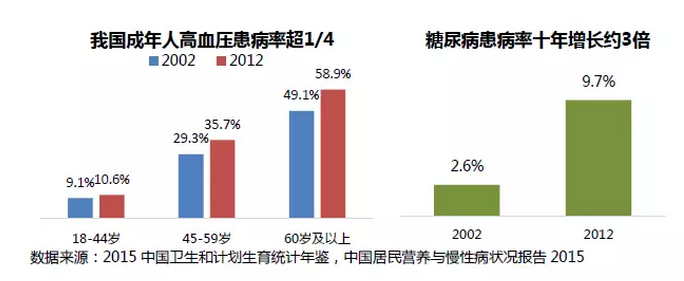
Chronic disease management and treatment involve substantial costs, presenting a market opportunity worth hundreds of billions of yuan. According to statistics from the National Health and Family Planning Commission, China’s total national health expenditure exceeded RMB 3 trillion for the first time in 2013, with chronic disease treatment accounting for 70%, or approximately RMB 2.1 trillion. If 10% of this amount were converted into spending on chronic disease management and services, the market size for chronic disease management would exceed RMB 100 billion.
Medical Sharing Is the Panacea for Chronic Disease Management
Chronic diseases are characterized by their irreversible nature, difficulty in curing, and propensity to cause complications. In addition to continuous self-monitoring, patients require regular professional doctor-patient communication and health management services. Online consultations and home-visit physician services offered through medical sharing platforms enable individuals with chronic conditions—particularly elderly patients who find it inconvenient to visit hospitals and those undergoing post-diagnosis rehabilitation—to receive diagnosis, treatment, and disease prevention and control without leaving their homes. This convenience is especially valuable for patients with long treatment cycles and frequent follow-up visits, who also demonstrate a relatively high willingness to pay for such services.
The Heat of the Domestic Chronic Disease Management Market Has Already Emerged
Amid the fierce competition in the diabetes care sector, numerous highly specialized vertical mobile health platforms have emerged. Among these, online consultation has become one of the core application scenarios, alongside blood glucose monitoring, health assessments, and patient community interactions. “Wei Tang,” the largest platform dedicated specifically to diabetes management, offers online consultation services. Patients use the “Patient App” for consultations, while physicians utilize the “Doctor App” to monitor and manage patients’ conditions and facilitate doctor-patient communication. Meanwhile, Chunyu Yisheng, a comprehensive online consultation platform, has launched its “Jujia Doctor” service, which focuses on chronic disease management for middle-aged and elderly individuals. This service provides home visits by medical assistants (typically certified nurses) as well as remote consultations and guidance from physicians. After purchasing the service, patients simply need to use home health monitoring devices and cooperate with the physicians and medical assistants.
Severe Imbalance Between Supply and Demand of Medical Resources in China
China currently has a total child population of 226 million. With the full implementation of the two-child policy, the National Health and Family Planning Commission predicts that annual births will reach approximately 20 million over the next five years, highlighting the growing demand for maternal and child healthcare services. Meanwhile, pediatric medical resources in China are severely scarce. According to the 2015 China Health and Family Planning Statistical Yearbook, there were approximately 113,000 licensed (assistant) pediatric physicians in 2014, averaging only 0.5 pediatricians per 1,000 children—far below the level of 0.85–1.3 seen in major developed countries. By the end of 2014, statistics from the National Health and Family Planning Commission showed only 99 specialized children’s hospitals, accounting for merely 0.01% of all medical and health institutions.
Medical Sharing Is the Right Prescription for Maternal and Child Health Consultations
According to data compiled by Unicorn Studio from platforms such as Chunyu, Haodafu, Ping An Good Doctor, and Quick Ask a Doctor, obstetrics and gynecology and pediatrics are the most popular specialties for online medical consultations. For instance, pediatric inquiries tend to be minor and mild in nature, focusing more on growth and development rather than disease treatment. Industry analysts suggest that online consultations in pediatrics and maternal and child health can address at least 30%–40% of common issues.
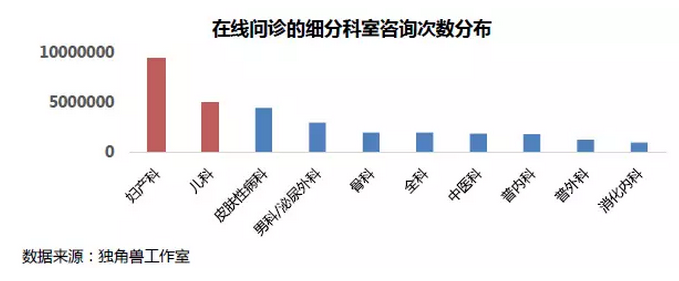
By leveraging online consultation and home-visit service platforms for maternal and child health, limited medical resources in this field can be fully utilized, improving consultation efficiency, alleviating overcrowding in offline facilities, and meeting the demand for more convenient care. This undoubtedly creates a win-win situation for patients, hospitals, and maternal and child healthcare providers.
Currently, in addition to typical comprehensive online consultation platforms, medical sharing platforms have also emerged in the vertical sector of maternal and child health. Examples include Kangda Pre-diagnosis, Mommy Knows, and Sunshine Women & Children, which primarily offer online consultation services provided by part-time maternal and child health physicians; while Kangyou Baby provides home-visit services by pediatricians.
Trend of One-Stop Medical Services
Although existing medical sharing platforms have entered the industry from different segments of the value chain, they have moved beyond the initial phase of aggressive user acquisition. Whether through integrating online consultations with offline clinics (combining asset-light and asset-heavy models), expanding their target audience from physicians to patients, or upgrading service tiers from general public inquiries to private concierge care, these platforms are actively extending into other parts of the value chain via self-built infrastructure and strategic partnerships. The emerging trend toward one-stop medical services is undoubtedly helping them rapidly build their own ecosystems and competitive moats in an increasingly dynamic market.
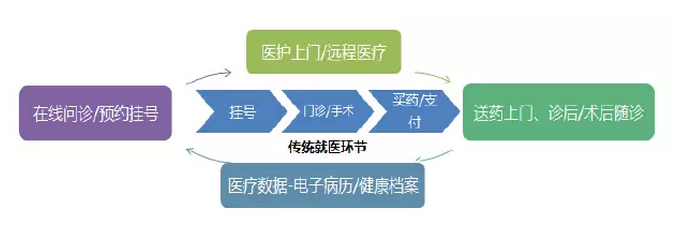
For instance, in traditional Chinese medicine (TCM) consultations, services begin with home visits by TCM practitioners who provide on-site diagnoses and prescribe medications. Offline clinics can then dispense and prepare the prescribed medicines and deliver them directly to patients. The Mobile Surgical Platform, featuring surgeries performed by renowned surgeons, partners with the Jiuyi 160 appointment registration platform to offer an end-to-end service encompassing appointment scheduling and ticket collection, inpatient surgeries conducted by expert physicians, and post-consultation reviews, thereby delivering a “pleasant healthcare experience + high-quality medical care” solution. Ping An Good Doctor also provides a one-stop solution, covering pre-consultation services such as initial triage and appointment registration, as well as post-consultation services including follow-up visits and medication reminders.
Early Signs of Industry Consolidation
China’s healthcare-sharing sector is currently highly fragmented, with significant disparities among enterprises. Leading companies, including those already listed on stock exchanges, have become the primary drivers of mergers and acquisitions. After securing financing in 2015, WeDoctor frequently engaged in collaborations within specialized segments. In late 2015, it merged with Beilian Technology, a company focused on maternal and child health, integrating it into WeDoctor Group’s maternal and infant division and launching an Internet-based hospital for women and children. In July 2016, Wenkang Xunyi Yaowang Network led the A+ round of financing for Anxin Peizhen (a medical accompaniment service), seamlessly connecting its daily online user traffic of over ten million with Anxin Peizhen’s services. This move represented a significant effort to further strengthen the conversion of online traffic into offline physical services.
Is the Spring of Commercial Health Insurance Arriving?
Public health insurance expenditures are sourced from three parties: the government, enterprises, and individuals, which also constitute the three potential payers for medical sharing platforms.
Currently, social health insurance remains the primary payer for healthcare among the general public, accounting for 38% of total healthcare expenditure in 2014, according to World Health Organization statistics. This is followed by out-of-pocket payments; although their share of total healthcare spending decreased from 37% in 2009 to 32% in 2014, this proportion remains relatively high compared with that in European and American countries.
In contrast, commercial health insurance, which is prevalent in Europe and the United States, accounts for only 4.4% of the market share in China, indicating that the market has not yet matured.
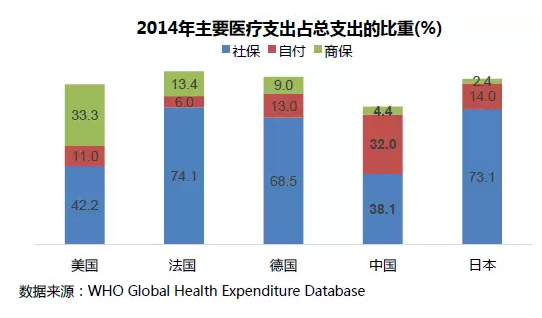
Due to the inadequate role of commercial health insurance in the medical payment system, although government healthcare expenditure in China has been increasing year by year, residents’ out-of-pocket medical expenses have also shown a rising trend, leaving the burden of medical payments still heavy. The public is more inclined to seek treatment at designated hospitals covered by basic medical insurance, which further exacerbates problems such as difficulty and high cost in accessing medical care.
The Chinese government has successively introduced a series of policies to maximize the development of commercial health insurance. According to the 2015 Insurance Statistics Report released by the China Insurance Regulatory Commission (CIRC), premium income from health insurance reached RMB 241.047 billion, a year-on-year increase of 51.87%, outpacing the growth rate of the entire insurance industry. However, commercial health insurance currently accounts for only 8% of total premiums. In contrast, commercial health insurance constitutes 40% of premium income in the U.S. insurance market. From a long-term perspective, commercial health insurance holds significant potential for further expansion.
Who Is the Next Payer in Healthcare Sharing?
Medical sharing platforms face difficulties in integrating with public health insurance. If they fail to expand suitable commercial health insurance coverage, relying solely on out-of-pocket payments by users makes it difficult to guarantee their payment capacity and willingness. Therefore, identifying effective payers is one of the core obstacles to the development of medical sharing models.
Medical sharing companies both in China and abroad are actively exploring profitable models for collaboration with commercial insurance. In addition to offering on-demand insurance products to individual consumers (C-end), they also provide integrated medical services to corporate employers (B-end).
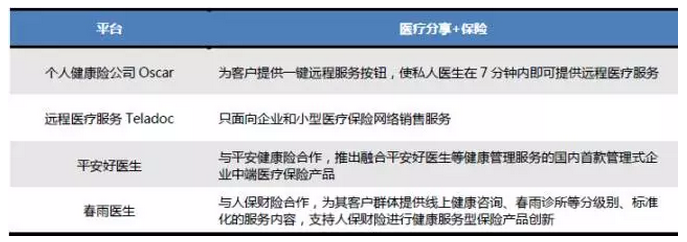
Beyond existing revenue models such as advertising, drug referrals, and value-added services, medical sharing platforms are leveraging the strong growth trend in commercial health insurance. By offering diversified and tiered medical services—including online consultations, home visits, and offline clinical care—and integrating insurance coverage, payment solutions, and patient acquisition resources from health insurers, these platforms are establishing a closed-loop healthcare ecosystem. This approach undoubtedly helps insurers and employer enterprises control costs, enables medical sharing platforms to rapidly expand market scale and diversify monetization channels, and improves users’ health outcomes and the quality of medical services, thereby creating a multi-party win-win situation.
Current controversies surrounding medical resource sharing, such as trust issues in online consultations and operational challenges in equipment sharing, should not be viewed statically. In the near future, intelligent technologies may rapidly bridge these gaps, enabling sufficient cross-regional flow of medical resources and ensuring their reliability.
To Consumers: Wearable Devices—The Magic Weapon of the Medical Big Data Industry
For remote health management of chronic diseases, wearable devices are increasingly being accepted by both physicians and patients. According to a survey by the Economist Intelligence Unit, 73.0% of patients expressed willingness to try remote monitoring of their condition via wearable devices in the future, while 68.2% of physicians indicated they would be willing to engage with patients through remote condition monitoring services in the future.
The underlying reason is that wearable devices, as the hardware foundation for health management and monitoring, can enhance the scientific rigor of telemedicine. By providing comprehensive clinical diagnostic data through long-term dynamic monitoring—including post-treatment drug efficacy and rehabilitation progress—they enable online consultations to more closely approximate traditional face-to-face care, or even surpass it in efficiency.
For example, WellDoc offers a mobile and cloud-based diabetes management platform whose utility and economic value have been validated in clinical trials. It achieved an average reduction of 1.9% in glycated hemoglobin (HbA1c), a key indicator of diabetes control, compared with only 0.7% in the control group. CardioNet provides a cardiac monitoring service solution that delivers long-term remote cardiac monitoring for patients. It has successfully diagnosed more than 200,000 patients and helped 41% of them identify previously undiagnosed serious cardiac conditions.
To Doctors: AI—Cross-Regional Flow of Medical Resources
Intelligent technologies not only enable direct patient engagement for more precise monitoring and collection of medical data, but also directly assist physicians in diagnosis and remote surgery. In addition to wearable devices, advancements in artificial intelligence have led to the clinical adoption of the da Vinci Surgical System, which provides solutions for remote surgery and undoubtedly facilitates the efficient cross-regional sharing of medical resources.
On the other hand, as AI and deep learning mature in the future, they will narrow the knowledge gap among physicians, improve diagnostic accuracy, and alleviate the shortage of high-quality medical resources. This can be likened to autonomous vehicles representing the ultimate scenario for ride-sharing.
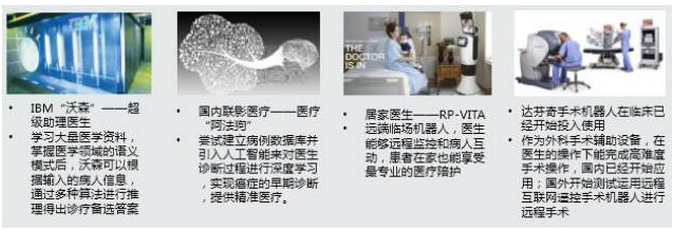
Even VR technology has become a conceptual application in the healthcare industry. It can enhance the sense of presence and immersion for both doctors and patients, enabling remote “face-to-face” treatment. For example, China’s United Imaging Healthcare utilizes VR technology to examine a “heart” reconstructed from imaging data on VR displays; Surgical Theater allows physicians to wear VR headsets to “enter” the interior of a patient’s brain and observe intracranial tumors.
The transformation of the healthcare service system, as embodied by medical sharing, is not merely a minor issue within the healthcare industry’s transition; rather, it reflects the broader context of societal transformation. As we advance along this arduous yet glorious path, we are bound to encounter growing pains and challenges—including market cultivation, expansion on the supply side, conflicts between public and private sectors, and policy and regulatory hurdles—which may become even more pronounced.
However, alongside industries such as ride-sharing and home-sharing, medical sharing leverages the sharing economy model to reoptimize the allocation of limited healthcare resources. By activating previously underutilized assets—including healthcare professionals and medical facilities—and enabling their market-driven release and efficient utilization, it enhances the efficiency of supply-demand matching between patients and providers, representing a new trend in the optimized allocation of social resources.
The curtain has risen on the sharing economy, with a growing number of pioneers already forging ahead. Entrepreneurs and practitioners in the healthcare sector should undoubtedly seize this developmental opportunity to deeply explore application scenarios for healthcare sharing across multiple dimensions—including business model innovation, industrial layout expansion, and the empowerment of intelligent technologies. Perhaps the springtime of healthcare sharing has already arrived.