

Apple Enters Healthcare with Next-Gen Wearable Medical Device, Potentially Revolutionizing Health Monitoring
Apple May Make Bigger Moves in the Healthcare Sector. According to VCBeat (WeChat ID: vcbeat), on August 11 this year, the United States Patent and Trademark Office (USPTO) published a new patent application filed by Apple related to healthcare.
This patent reveals that Apple is developing a wearable medical device capable of rapidly measuring electrocardiograms (ECG) through a built-in array of sensors. The device could take the form of a ring, bracelet, brooch, or even a smartwatch, and may include dedicated health applications. Some predict that Apple’s 3D pressure-sensing technology will be incorporated into its latest products, with future expansions to cover measurements of blood oxygen levels, respiratory rate, blood pressure, and body temperature detection.
Generally, electrocardiogram (ECG) measurements rely on multiple electrodes to acquire data, with varying electrode placements yielding different results; the closer the electrodes are to the heart, the more accurate the recorded data. Apple’s new patent employs pressure-sensing technology to capture data from various body sites. The device collects metrics such as heart rate and pulse, and through comparative analysis, ultimately derives precise results to facilitate more accurate heart rate monitoring.
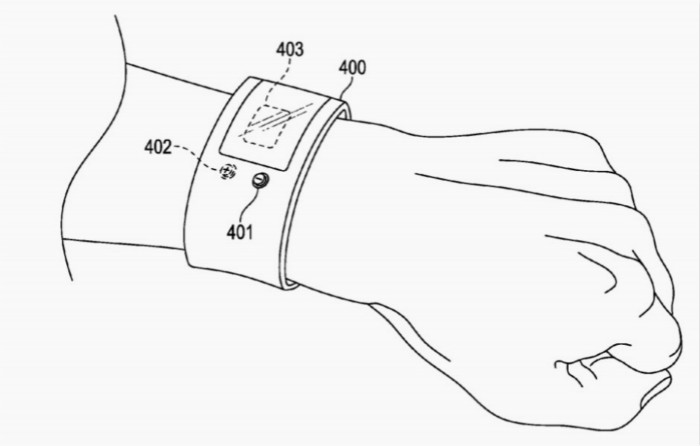
New Medical and Health Devices Capable of Collecting Data from Various Body Sites
This new patented health device may not be targeted at patients, but rather designed to help doctors and nurses better analyze collected data, thereby improving efficiency and accuracy. Previously, Apple developed the open-source CareKit and ResearchKit frameworks, which enable easy collection of users’ health information through iPhone apps. The newly revealed health device differs from previous offerings: it can monitor bodily movements to collect raw data, compare it with previously stored data, and support more sophisticated and precise data processing and analysis capabilities.
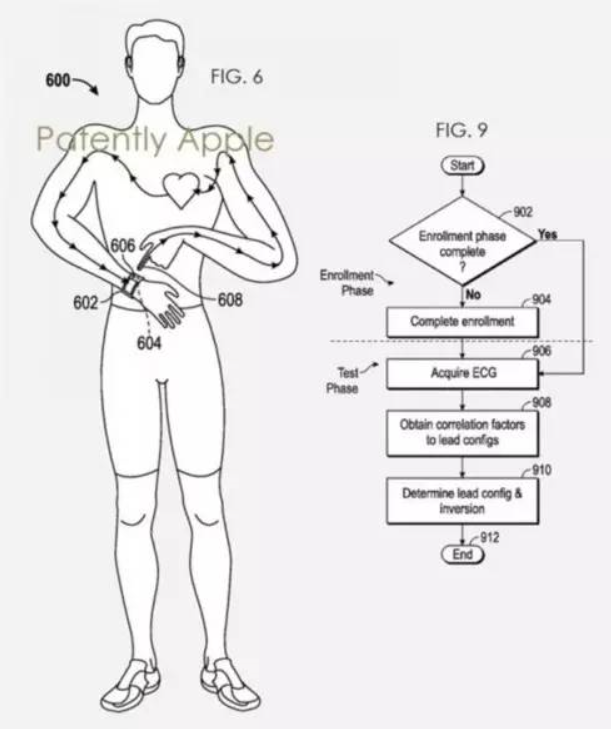
Working Principles of the Latest Health Device Patents
It is reported that Apple is in negotiations with several hardware manufacturing partners, including TSMC, Foxconn, TPK Holding, and Zhen Ding Technology, regarding their next phase of collaboration. As for the release date, it may coincide with the launch of the 2017 iPhone.
Apple has long harbored ambitious aspirations in the healthcare sector. This is evident from its recent personnel appointments, as Apple has recruited a substantial number of medical experts. These include Anne Shelchuk from the ultrasound company Zonare; Craig Slyfield, an expert in 3D visualization of human bones; and Jay Mung, a wearable technology specialist who previously worked on sensor algorithms for Medtronic’s continuous glucose monitoring system. Before his passing, Apple’s founder, Steve Jobs, sought to challenge America’s fragmented healthcare system and bridge the gap between patients and healthcare providers through innovative technologies.

Apple Has Long Harbored Significant Ambitions in the Healthcare Sector
Apple’s entry into the healthcare industry has shown promising signs. GlaxoSmithKline recently conducted a clinical trial using Apple’s ResearchKit platform. If suitable applications can be identified, the healthcare sector could become the biggest driver for Apple’s wearable device business.
Last year, company CEO Tim Cook publicly stated the reasons for not seeking FDA approval for the Apple Watch, as a series of health and medical devices were soon to be launched. Rumors have it that Apple had been developing sensors capable of detecting blood glucose levels long before the Apple Watch was released. Due to technical limitations, this technology is not yet ready for mainstream market application or for filing with the United States Patent and Trademark Office.
In many respects, Apple is the ideal company to enter the healthcare sector. With its cautious and discerning approach, it never releases a new product unless it has been refined to optimal performance. Clearly, the new health-focused products slated for launch alongside the new iPhone in 2017 are poised to unleash another transformative wave in the tech industry.