Medical Internet (Beijing) Technology Co., Ltd. Files IPO Prospectus for 'City Partner' Initiative


Zhang Jianqiang, Chairman of Yijie Hulian (Beijing) Mobile Health Technology Co., Ltd.; Partner at Future Healthcare;
Entered the healthcare sector in 2003; invested equity to establish Zhongke Baisi International Medical Equipment Co., Ltd. in 2008, thereby entering the medical manufacturing industry; exited through equity transfer in 2013;
Invested in Beijing Hailiying Medical Technology Co., Ltd. in 2011 and served as President; exited through equity transfer following the company’s successful financing round in 2015;
Acquired Beijing Zhongze Shidai Technology Co., Ltd. in 2016 and served as Chairman of the Health Engineering Branch of the Chinese Society of Biomedical Engineering
Committee Member, Peking University Science Park
Review Mentor
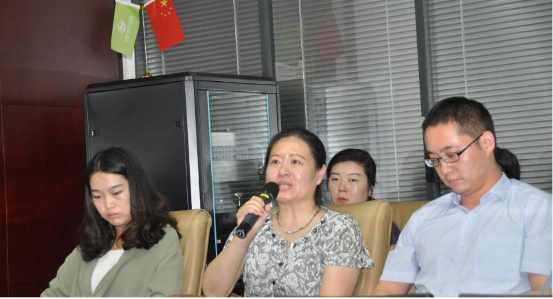
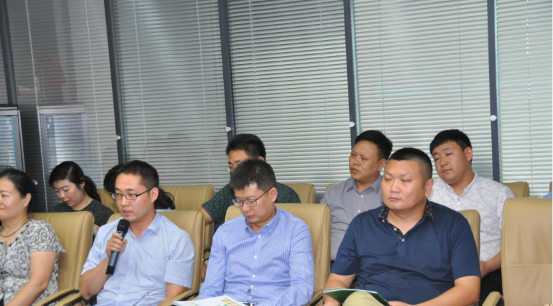
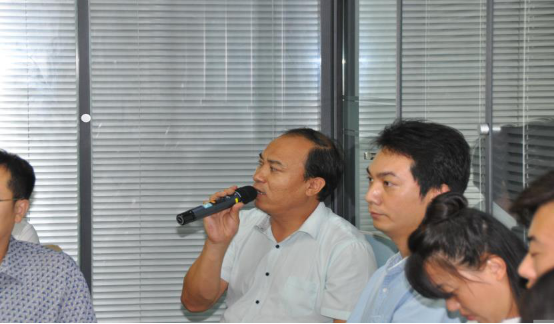
Amidst the wave of “Internet Plus,” traditional healthcare is undergoing industry restructuring and upgrading. How to chart a revolutionary path suited to China’s current stage and endowed with sustainable development significance, within an unpredictable medical market, has become a major topic in today’s healthcare community. Seizing the moment, VCBeat hosted the “Future Healthcare – City Partners” event. Leveraging this opportunity, Yijie Hulian (Beijing) Mobile Health Technology Co., Ltd. initiated a themed salon titled “Internet Healthcare and the Direction of Medical Development.” On August 15, stakeholders from hospitals, enterprises, capital firms, and other healthcare-related sectors gathered together, presenting an intellectual exchange on healthcare.
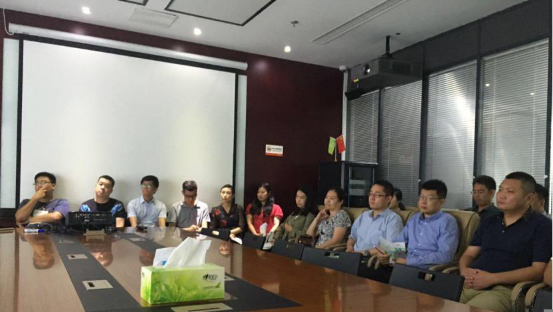
Dr. Li Yuchen, the keynote speaker of the salon, opened with a presentation on “Clinical Big Data and Case Studies,” delving into how the latest data management tools and processing methods can be applied to vast and complex clinical datasets to uncover potential new patterns in clinical medicine. Healthcare data now exhibits the key characteristics of big data, and its accumulation and application hold significant value for disease management, control, and medical research. Through case-based analysis, Dr. Li demonstrated how big data promotes healthcare safety, precision, and efficiency.
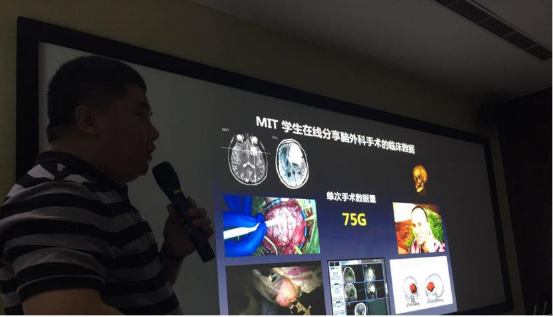
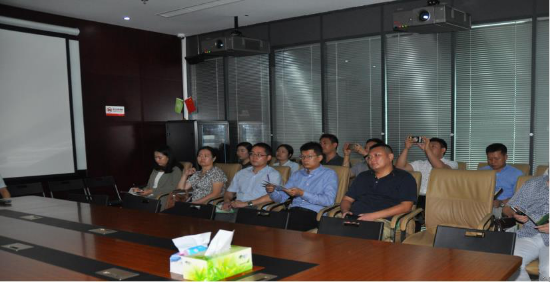
Following the presentation, Dr. Li introduced today’s discussion topic:
1. Internet + Healthcare Enters the 2.0 Era.
2. The 2.0 era will feature asset-heavy operations integrating online and offline channels.
3. The era of Future 3.0 should witness the gradual convergence of model innovation and technological innovation.
Regarding the aforementioned topics, participants actively shared their perspectives, expressing both concerns and hopes for the development of the healthcare industry.

In the past, internet-based healthcare was largely confined to peripheral services, failing to penetrate the core of medical practice. Today, while internet hospitals—a new business model—are springing up across China, their “light consultation” services have failed to address offline healthcare challenges. The fragmentation and siloed nature of medical information hinder interoperability, resulting in low efficiency in patient care. China has established the world’s largest medical security system; within this framework, true healthcare connectivity can only be achieved through the interconnection of medical insurance systems.
There is an insufficient quantity and suboptimal quality of professional technical personnel in primary healthcare, hindering the implementation of standardized physician training and impeding the improvement of medical technical capabilities in primary hospitals. Numerous issues in internet-based healthcare urgently need to be addressed; if effective integration between offline and online medical services is not truly achieved, the development of China’s healthcare sector will face significant challenges. In the future, by catering to individual differences among target populations and integrating culture, technology, products, and services, multi-dimensional and multi-perspective service models and development opportunities will emerge.
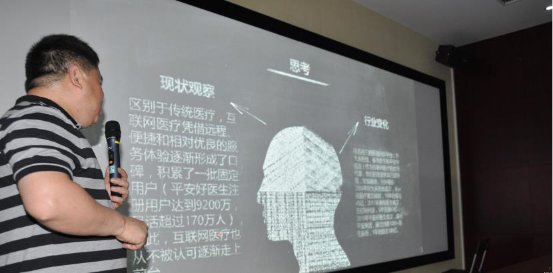
Although the path forward is winding, the strong intervention of various capital sources has brought entrepreneurial opportunities to founders; the state has introduced multiple favorable healthcare reform policies, filling us with anticipation for the future of medical care.
Today, we jointly explored cutting-edge medical applications and reform initiatives, exchanged insights on the latest global technologies and products, and efficiently fostered collaboration and consensus, thereby providing new strategic perspectives for enterprises’ future operations.