Sanming Healthcare Reform: A Deep Dive into China's Systemic Medical Transformation
“The Sanming Model” has long been a focal point in the field of healthcare reform. Since 2012, Sanming City has implemented public hospital reforms characterized by the coordinated linkage of pharmaceuticals, medical services, and health insurance. The city has achieved remarkable results in reducing the drug revenue proportion and increasing service-based income, garnering significant attention and full affirmation from top national leaders, relevant central government departments, the medical and health sector, and society at large.
What is the background of the Sanming Healthcare Reform?
What Changes Did the Sanming Healthcare Reform Bring?
What Achievements Has the Sanming Healthcare Reform Made?
Is the Sanming Healthcare Reform Replicable and Scalable?
Can the Sanming Healthcare Reform Achieve Sustainable Development?
These issues have long been the focus of industry research.The KPMG project team spent three weeks., we gained a comprehensive understanding of the Sanming healthcare reform through various methods, including interviews, panel discussions, and on-site visits. The study covered key stakeholders in the healthcare reform, with over 90 individuals interviewed and nearly 10 seminars convened. Approximately 300,000 words of interview transcripts were compiled, thereby fully collecting primary data and materials on the Sanming healthcare reform.From an independent third partyfrom the perspective of, regarding threeEvaluate the healthcare reforms and provide recommendations for their future development direction.
VCBeat(WeChat Official Account: VCBeat)As a report'sExclusive Authorized EntityIt was republished to provide a clear and comprehensive account of the causes and consequences of the Sanming healthcare reform.。
Sanming City has experienced significant population outflow. Its role as a traditional industrial base is nearing its end, yet the resulting burdens, such as employee support obligations, persist. Under the combined influence of multiple factors, the city’s employee basic medical insurance fund has incurred a deficit.
The outflow of young and middle-aged population in Sanming City is becoming increasingly prominent. At the end of 2011, the permanent resident population of Sanming City was 2.51 million, which was more than 200,000 lower than its registered household population. Fuzhou and Xiamen were the primary destinations for this demographic group.
Located in the mountainous central-western region of Fujian Province, Sanming is a fourth-tier city in China and belongs to the relatively less economically developed cities in the southeastern coastal area. In 2011, Sanming’s total GDP was RMB 121.2 billion, with its per capita GDP, urban per capita disposable income, and rural per capita net income ranking 5th, 7th, and 7th, respectively, among all prefecture-level divisions in Fujian Province.
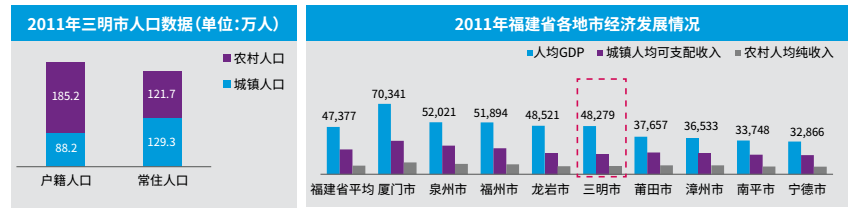
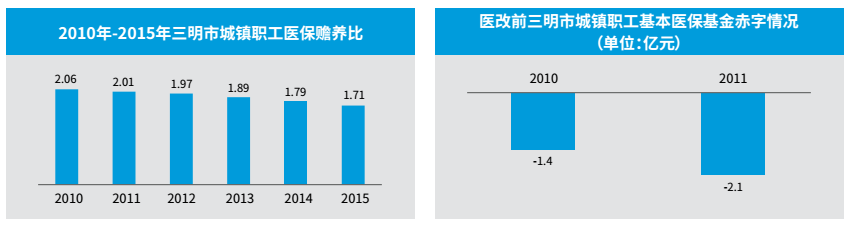
Old industrial bases, characterized by the development of heavy industry preceding urbanization, have imposed a heavy burden of supporting retired employees on Sanming City. The dependency ratio for basic medical insurance among urban employees in Sanming has declined year by year, from 1.97:1 in 2012, and continued to decrease, reaching 1.71:1 by 2015.
Deficits in the Basic Medical Insurance Fund for Urban Employees have imposed a fiscal burden. By the end of 2011, Sanming City’s Basic Medical Insurance Fund for Urban Employees had incurred a deficit of RMB 210 million, accounting for 14.4% of the city’s fiscal revenue for that year.
Widespread issues across China resulting from the marketization of healthcare—such as severe waste of health resources, diminished public welfare orientation of public hospitals, and overtreatment—have also affected Sanming. Against this backdrop, a combination of factors specific to Sanming, including fiscal difficulties, a continuously declining dependency ratio, and deficits in the medical insurance fund, collectively triggered its healthcare reform.
In early 2012, Sanming officially launched its healthcare reform.
Sanming’s Healthcare Reform Establishes a Government-Led, Tripartite Coordination Reform Pathway
Under the premise of adhering to “government leadership,” Sanming’s healthcare reform has established a reform pathway featuring the coordinated linkage of pharmaceuticals, medical insurance, and healthcare services.
The healthcare reform roadmap is systematically implemented in four steps—reforming the government, pharmaceuticals, medical insurance, and healthcare delivery—known as the “Four Measures of Emptying the Cage to Change the Birds.”
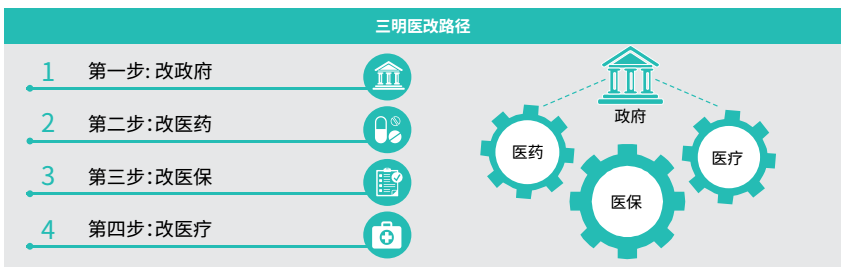
The Sanming healthcare reform prioritizes reducing drug prices and controlling the average cost per insured patient. The total savings in pharmaceutical expenditures generated thereby are reallocated through medical insurance leverage to raise prices for medical services and improve compensation levels for healthcare professionals, while simultaneously enhancing insurance reimbursement capacity for residents. Patients and healthcare providers are the primary beneficiaries of the Sanming reform, serving as the end recipients of the dividends from these reforms.
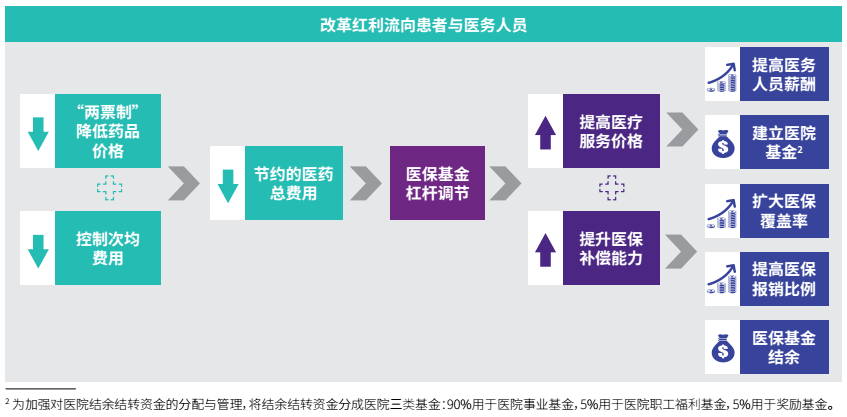
1. The Three-Step Approach to Sanming’s Healthcare Reform: Step One, Reform the Government and Implement Its Leading Responsibility
The Government Has Partially Failed to Fulfill Its Responsibilities in the Provision of Medical and Health Services
Unclear Government Positioning
Unclear Government Responsibilities
Inadequate Government Support
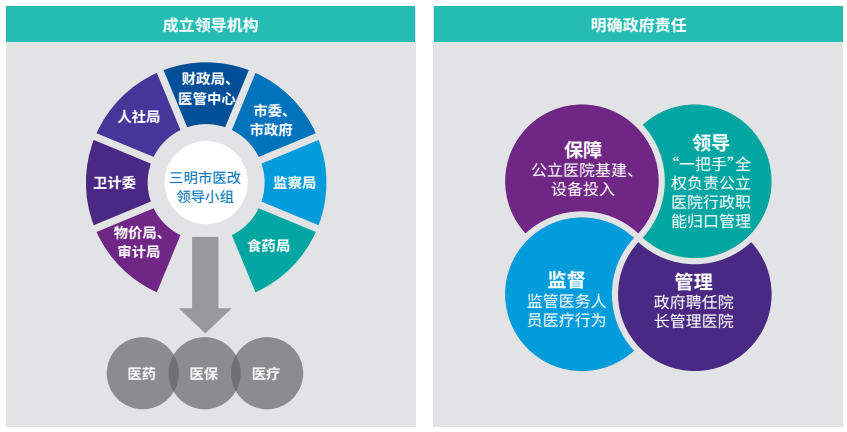
Truly Realizing Government Leadership
Clarifying Government Responsibilities
Strengthen Government Safeguards
Establishment of a Leadership Body to End Fragmented Management. In January 2012, the Office of the Leading Group for Deepening Medical and Pharmaceutical System Reform in Sanming City was established through the joint efforts of multiple departments, including the Municipal Party Committee and Municipal Government, the Municipal Finance Bureau, the Municipal Health and Family Planning Commission, the Municipal Human Resources and Social Security Bureau, and the Municipal Food and Drug Administration. Zhan Jifu, Deputy Mayor, served as the head of the office, officially launching Sanming’s medical reform.
Clarify Government Responsibilities. Clarify the government’s responsibility to guarantee investments in infrastructure and equipment for public hospitals, its regulatory oversight of medical personnel, its managerial accountability through hospital director performance evaluation systems, and the top leader’s full authority over pharmaceuticals, health insurance, and medical administrative functions within the hospital.
Strengthening the management of hospital surplus funds, improving the selection and appointment mechanism for hospital directors, implementing reforms in personnel systems and compensation structures, and establishing open and transparent information platforms.
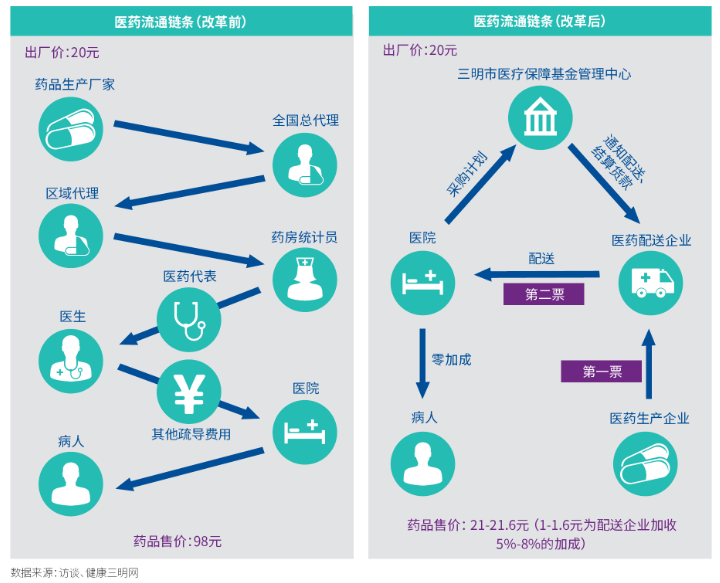
2. The Stepwise Approach to Sanming’s Healthcare Reform: Phase Two Focuses on Pharmaceuticals, Lowering Drug Prices, and Rectifying the Market Environment
Waste of Pharmaceutical Resources
Overmedicalization
The patient burden is increasingly heavy, etc.
Severing the Chain of Interests
"Medicines Return to Their Therapeutic Function"
Reform the Pharmaceutical Sector and Rectify the Industry Environment. First, impose strict supervision over pharmaceutical companies, medical institutions, and healthcare professionals to eliminate improper benefit transfers within the industry and rectify the operational environment.
Breaking with the old system, joint price-capped procurement was implemented, and the “two-invoice system” was enforced to sever the chain of interests in the distribution sector. Sanming City introduced secondary price negotiations and, through measures such as the two-invoice system for pharmaceutical manufacturers and distributors supplying hospitals based on provincial tender prices, along with medical insurance settlement mechanisms, squeezed out inflated drug prices to restore their true value. Furthermore, it signed agreements with Ningbo, Wuhai, Zhuhai, and Yuxi to carry out joint price-capped procurement, establishing price linkage among these five cities.
Strictly regulate pharmaceuticals and medication use. Identify 129 types of drugs characterized as adjunctive, nutritional, having ambiguous efficacy, or associated with high kickbacks for targeted monitoring; strictly control the use of antibiotics; implement a “one product, two specifications” policy for drug procurement; and standardize practices such as “one product, multiple names.”
Implement a zero-markup policy for pharmaceuticals to completely sever the link between hospitals and drug costs. The revenue loss incurred by hospitals due to the elimination of drug price differentials is offset through increased medical service fees (86.8%), fiscal subsidies (10%), and internal absorption by the hospitals themselves (3.2%).
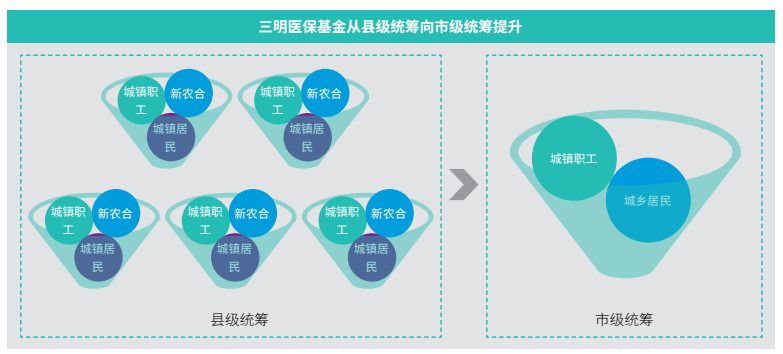
3. The Step-by-Step Approach of Sanming’s Healthcare Reform: Three Medical Insurance Reforms and the Integration of the Three Insurance Systems Lead the Way in China
Low Level of Pooling and Low Efficiency in Fund Utilization
Significant Disparities in Financing and Reimbursement Among the Three Basic Medical Insurance Schemes Lead to Pronounced Inequities in Coverage
Exert cost-containment effects
Reducing the Burden on Patients
Municipal-level pooling to enhance the fund’s risk-sharing capacity and utilization efficiency.
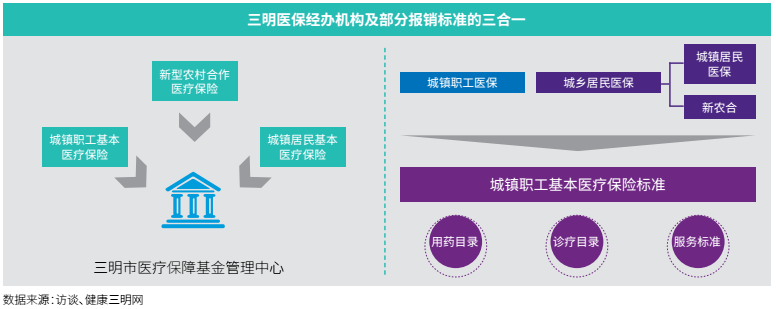
The handling agencies and medical insurance partial reimbursement standards were unified under the “Three Insurances Integration” framework. Twenty-four handling agencies for the New Rural Cooperative Medical Scheme (NRCMS), the Basic Medical Insurance for Urban Employees, and the Basic Medical Insurance for Urban Residents were consolidated to establish the Sanming Municipal Medical Insurance Management Center. The medical insurance for urban residents was merged with the NRCMS to form the Basic Medical Insurance for Urban and Rural Residents. The drug list and diagnosis and treatment service catalog for the Basic Medical Insurance for Urban and Rural Residents were expanded to align with those of the Basic Medical Insurance for Urban Employees.
Reform payment mechanisms to exert cost-control effects. Implement measures such as single-disease payment, per-visit cost caps, price ceilings on imported drugs, and full reimbursement settlement for traditional Chinese medicine, thereby leveraging health insurance as a tool for cost containment and development promotion.
Multiple Measures by Medical Insurance to Reduce Burdens. The establishment of a hospitalization revolving fund system, the third round of precise compensation, and convenient outpatient services have reduced the burden on patients, while the implementation of an advance payment settlement system for distribution enterprises has alleviated the financial pressure on businesses.
4. The Stepwise Approach of Sanming’s Healthcare Reform: Four Medical Reforms, with Equal Emphasis on the Annual Salary System and Increased Prices for Medical Services
The labor value of medical personnel is not adequately reflected, and issues such as over-treatment are prominent.
Declining Doctor-Patient Trust and Rising Tensions
Public Hospitals Return to Their Public-Welfare Nature
Doctors Return to Their Clinical Roles
Improving Doctor-Patient Relationships and Restoring Mutual Trust
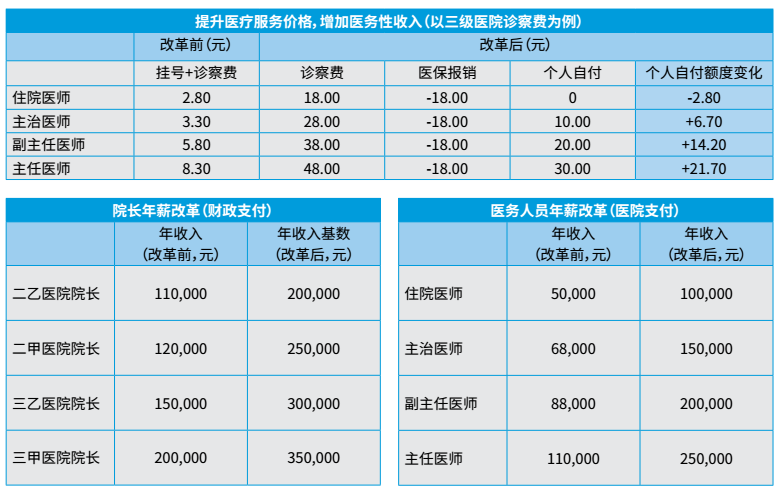
Establish a scientific evaluation system and implement an annual salary system for hospital presidents. A set of 40 assessment indicators across six categories will encourage hospital presidents to strengthen management in improving medical quality and service capabilities. The annual salary of hospital presidents shall be paid by the government.
Increase medical service fees to boost hospitals' disposable income. Adjust the pricing levels for labor-intensive services, including bed fees, nursing care fees, treatment fees, surgical fees, and consultation fees, through health insurance reimbursement calculations.
Total Wage Bill Control, Target Annual Salary System for Medical Personnel, and Annual Salary Calculation Based on Work Points. Under the framework of total wage bill control, compensation distribution is implemented according to different levels and positions.
Gradually improve and implement the tiered diagnosis and treatment system to enhance the accessibility of medical services. Establish medical consortia, integrate medical and elderly care services into medical insurance coverage, pilot talent training programs, and strengthen primary healthcare through coordinated efforts between upper-level and grassroots institutions. In May 2016, medical insurance settlement services were extended to all 1,735 administrative villages in Sanming, making it the first city in China to achieve village-level medical insurance coverage for residents’ medical expense settlements.
A series of indicators strictly control excessive examinations, excessive medication, and excessive treatment.
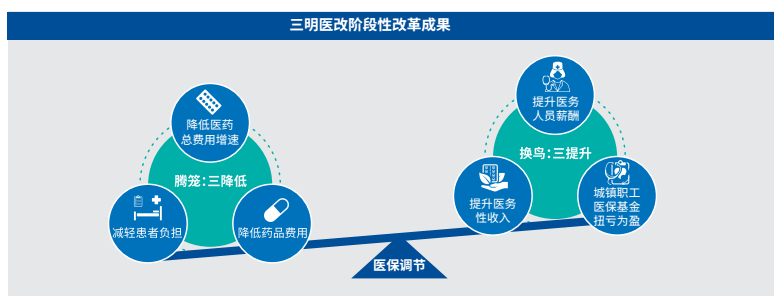
Data provided by the Sanming Medical Reform Office shows that since the implementation of the Sanming medical reform over four years ago, it has achieved a slowdown in the growth rate of total pharmaceutical and medical expenses, reduced the burden on patients, and lowered drug costs. “Three Reductions"as well as increasing the compensation of medical personnel, optimizing the revenue structure of hospitals, and turning the urban employee basic medical insurance fund from deficit to surplus"Three Enhancements”。
Three Reductions:
The growth rate of total pharmaceutical and medical expenses has slowed, with the annual growth rate for public hospitals in Sanming City being controlled from 18% to a range of 8%-10%.
Patients’ disease burden has been alleviated; the reimbursement rate of Sanming’s medical insurance is higher than the national average, and the average cost per visit is significantly lower than the provincial average of Fujian.
Reducing drug costs, the pharmaceutical expenditure of public hospitals in Sanming City decreased from 810 million yuan to 610 million yuan, representing a savings of 25%.
Three Enhancements:
Healthcare workers' compensation increased, with the average annual salary rising from RMB 42,000 to RMB 89,000, representing an overall increase of over 100%.
Optimization of Hospital Revenue Structure: The Proportion of Medical Service Revenue Increased by 25 Percentage Points, Marking a Shift from Drug-Driven to Medical Service-Driven Revenue.
The urban employee basic medical insurance fund turned from a deficit to a surplus, shifting from a deficit of RMB 210 million to a surplus of RMB 130 million.
Field research results indicate that the Sanming healthcare reform has been affirmed and recognized by stakeholders, including government officials, public hospital directors, medical personnel, patients, and pharmaceutical distribution companies. For pharmaceutical manufacturers, the implementation of the “Two-Invoice System” will inevitably accelerate market selection and eliminate weaker players, leading to a significant industry reshuffle.
Medical personnel: Income has increased significantly, better reflecting the value of their labor and effectively boosting work motivation.
Patients: Some patients believe that informatization and medical insurance settlement have made seeking medical care more convenient; with increased reimbursement rates, there has been a rise in healthcare utilization among rural patients. A small number of interviewed patients reported that they did not perceive significant changes resulting from the healthcare reform.
Government Official: The surplus in the medical insurance fund has alleviated the government’s financial burden, thereby enhancing its public standing.
President of a Public Hospital: Increased Disposable Income for Hospitals and Its Implications for Hospital ManagementWith enhanced control, both medical quality and services have improved, strengthening the hospital's capacity for sustainable development.
Pharmaceutical Distribution Enterprises: Greater Information Transparency, Shortened Payment Cycles, and Reduced Financial Costs.
Pharmaceutical Manufacturers: This report did not conduct in-depth interviews with pharmaceutical manufacturers. The implementation of the Two-Invoice System will have a profound impact on pharmaceutical manufacturers, inevitably accelerating the survival of the fittest and reshuffling the pharmaceutical industry.
The actual reimbursement rate for urban employee basic medical insurance in Sanming City is more than 10 percentage points higher than the national average, and the disparity in compensation between the two types of medical insurance schemes is gradually narrowing; the average cost per patient visit in Sanming City is significantly lower than the provincial average.
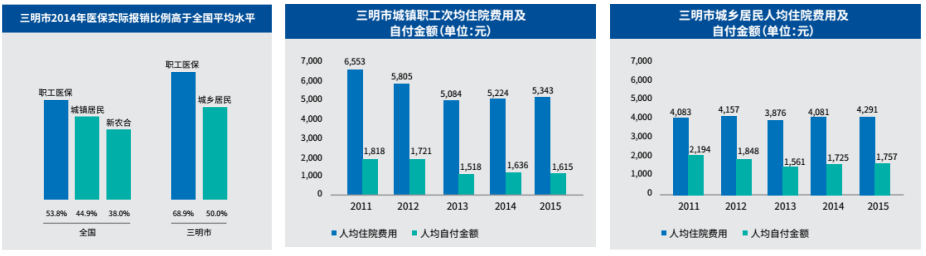
According to data publicly released by national authorities and Sanming, following healthcare reform, the actual reimbursement rate for urban employee basic medical insurance in Sanming City was approximately 69%, while that for urban and rural resident basic medical insurance was approximately 50%, both exceeding the national average.
Since 2011, the out-of-pocket amount per hospitalization for residents in Sanming City has remained stable...a downward trend, with out-of-pocket expenses for urban employee basic medical insurance and urban and rural resident basic medical insurance decreasing by approximately 12% and 20%, respectively, effectively alleviating the healthcare burden on the public.
The disparity in reimbursement between the Basic Medical Insurance for Urban Employees and the Basic Medical Insurance for Urban and Rural Residents has gradually narrowed, moving toward greater equity. In terms of hospitalization expenses, the difference in average cost per admission between the two groups decreased from RMB 2,470 in 2011 to RMB 1,052 in 2015, with the difference in average out-of-pocket expenses per admission declining from RMB 376 to RMB 142, indicating a progressive reduction in disparities between the two insurance schemes.
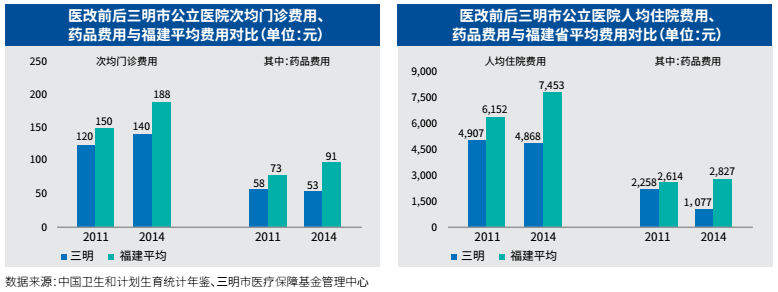
Following healthcare reform, the disease burden on patients in Sanming City was significantly lower than the provincial average of Fujian Province. In 2011, the average outpatient cost per visit at public hospitals in Sanming was 80% of the provincial average in Fujian; by 2014, this figure had decreased to 74%, with the average pharmaceutical cost per visit dropping from 79% in 2011 to 58%. The average inpatient cost per capita at public hospitals in Sanming declined from 80% of the Fujian provincial average in 2011 to 65% in 2014, while the average pharmaceutical cost per hospitalization fell from 86% in 2011 to 38% in 2014. As healthcare reforms in Sanming led to reduced costs, the gap between the patient financial burden in Sanming and the provincial average in Fujian continued to widen.
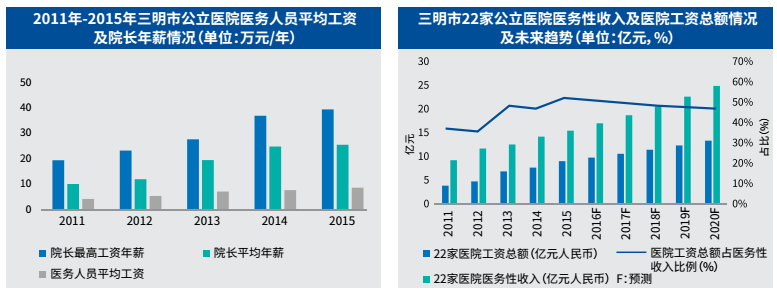
Medical staff salaries increased, with the average annual salary rising from 42,000 yuan to 89,000 yuan, representing an overall increase of over 100%.
Through healthcare reform, the income of medical staff in Sanming’s public hospitals increased by over 100%, marking a significant rise. The reform has improved medical staff’s satisfaction with their compensation and boosted their work enthusiasm. According to projections, driven by the growth in service-based revenue of public hospitals, the compensation for medical staff in Sanming’s public hospitals can achieve sustainable growth.
Significant Income Growth for Medical Staff in Public HospitalsThe average annual salary of medical staff increased from RMB 42,000 in 2011 to RMB 89,000 in 2015. The average annual salary of hospital directors rose from RMB 103,000 in 2011 to RMB 262,000 in 2015, with the highest annual salary for hospital directors increasing from RMB 200,000 in 2011 to RMB 407,000 in 2015. These figures represent growth rates of 110%, 154%, and 104%, respectively.
High Rate of Target Annual Salary Achievement; Interviewed Medical Personnel Generally Satisfied with Current Income Levels. Interview results indicate that the fulfillment rate of target compensation for medical staff in public hospitals in Sanming City is approximately 80%, with income increases ranging from 30% to 200%. Medical personnel in procedure-intensive departments, such as surgery, obstetrics and gynecology, and pediatrics, have experienced more substantial income growth. The vast majority of interviewees expressed satisfaction with their current compensation, and their work motivation has improved significantly compared to before.
Sanming’s Compensation Reform Can Achieve Short-Term Sustainability. Based on projections of the growth trend in total pharmaceutical and medical revenue and the proportion of medical service income in Sanming’s public hospitals since the reform, the ratio of actual total wages paid to medical service income is expected to remain at 50%–55% over the next five years. As average social wages rise, the growth in medical service income will be sufficient to support a reasonable increase in the actual total wages paid by hospitals, thereby meeting the wage growth needs of healthcare professionals.
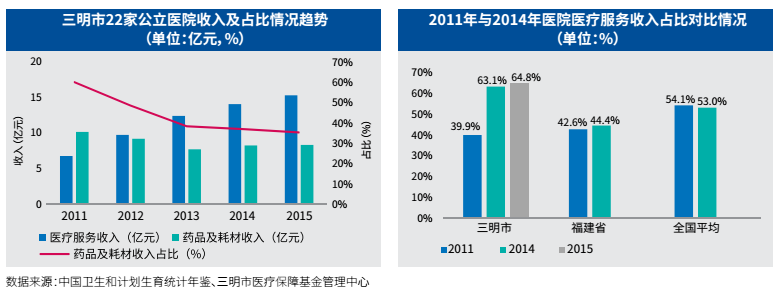
Optimization of Hospital Revenue Structure: The Proportion of Medical Service Revenue Increased by 25 Percentage Points, Marking a Shift from Drug-Driven to Medical Service-Driven Revenue
86.8% of the decline in drug revenue at public hospitals resulting from pharmaceutical reforms was offset by increases in medical service prices. The proportion of income derived from professional medical services rose by 25 percentage points. Reductions in drug prices created room for increases in medical service fees, while the growth in revenue from professional medical services provided financial support for raising healthcare personnel salaries.
The proportion of drug costs in total medical expenses at public hospitals in Sanming City has continued to decline, creating room for increases in medical service prices. The drug cost proportion in Sanming’s public hospitals dropped from 47.1% in 2011 to 25.7% in 2015. Interview results indicate that the ideal future level for Sanming’s drug cost proportion is 20%, reaching the mature standard of pharmaceutical control seen in developed countries. Regarding medical service pricing, prices for services that reflect the labor value of medical personnel have risen substantially. Consequently, revenue from medical services at these hospitals increased from RMB 680 million in 2011 to RMB 1.53 billion in 2015, with its share of total medical revenue rising from 39.9% to 64.8%, significantly higher than the provincial average in Fujian and the national average in China.
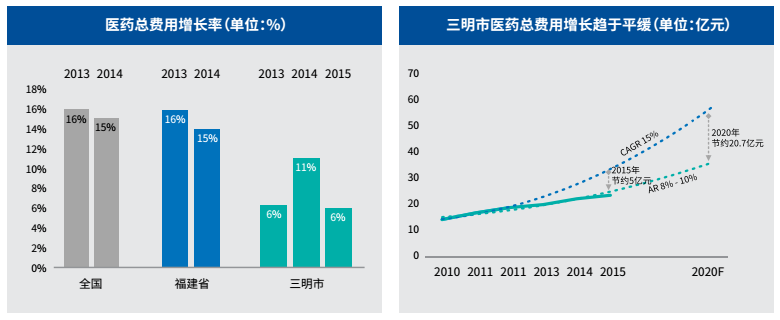
Sanming City has capped the annual growth rate of total pharmaceutical and medical expenses in public hospitals at 8%–10%, significantly lower than the 15% average recorded nationwide and in Fujian Province in 2014. Since the launch of healthcare reforms, cumulative savings in total pharmaceutical and medical expenses in its public hospitals have reached nearly RMB 1 billion. This trend continues to strengthen, resulting in substantial conservation of healthcare resources.
Following healthcare reform, Sanming set the annual growth target for total pharmaceutical and medical expenses in public hospitals at 8%–10%, slightly below the city’s per capita GDP growth rate and broadly aligned with the growth rate of per capita disposable income, thereby achieving a reasonable level affordable to residents.
The growth rates of total pharmaceutical expenditure and drug costs in Sanming City were significantly lower than the national average and the provincial average of Fujian Province. China Health Statistics for 2013 and 2014 indicated that public hospitals nationwide and in Fujian Province maintained annual growth rates of 15% or higher in total pharmaceutical expenditure, whereas the corresponding figures for Sanming were 6% and 11%, respectively. In 2015, the rate stabilized at 6%, which was significantly lower than the national and provincial averages.
Significant Savings in Total Pharmaceutical Expenditure. Based on estimates of the growth rate of total pharmaceutical expenditure before and after the healthcare reform, Sanming’s healthcare reform saved approximately RMB 500 million in total pharmaceutical costs in 2015, with cumulative savings reaching nearly RMB 1 billion since the reform’s inception. This figure is projected to reach RMB 2.07 billion by 2020.
The basic medical insurance fund for urban employees turned from a deficit of RMB 210 million into a surplus of RMB 130 million.
Sanming City’s urban employee basic medical insurance fund shifted from a deficit of RMB 210 million before the reform to a surplus of RMB 130 million in 2015, while the operation of the urban and rural resident basic medical insurance remained stable.
Sanming City’s Urban Employee Basic Medical Insurance Fund Gradually Turned from Deficit to Surplus. Prior to the healthcare reform, the fund for urban employees failed to cover its expenditures, with deficits accounting for approximately 10%–15% of the municipal-level local fiscal revenue in that year. Following the reform, despite immense pressure from a declining number of active employees, a growing retiree population, and a continuously decreasing support ratio (the ratio of contributors to retirees), Sanming City’s Urban Employee Basic Medical Insurance Fund gradually achieved a surplus. The surplus rate reached approximately 15.2% in 2014 and about 19.1% in 2015. Meanwhile, the Urban and Rural Resident Basic Medical Insurance program maintained stable operations, with its fund utilization rate increasing from 82% in 2011 to 91% in 2015, resulting in a surplus of nearly RMB 90 million in 2015.
Interviews revealed that in 2015, the number of participants in the basic medical insurance schemes for urban employees and urban and rural residents in Sanming City reached 2.612 million (the permanent resident population of Sanming City at the end of 2015 was 2.53 million), achieving universal coverage. The results indicate that by transferring the cost savings on pharmaceuticals from healthcare reform to the medical insurance fund, Sanming City effectively expanded the scope and intensity of basic medical security for its urban and rural residents.
Reducing drug costs: Pharmaceutical expenditures in Sanming's public hospitals decreased from RMB 810 million to RMB 610 million, representing a 25% savings.
Following the reforms, both the volume and prices of pharmaceuticals in Sanming’s public hospitals declined, leading to a continuous reduction in pharmaceutical expenditures. Based on comparative projections against pre-reform expenditure growth rates, the healthcare reforms are estimated to save Sanming RMB 800 million in pharmaceutical costs in 2020.
Interviews revealed that drug prices in Sanming City decreased by an overall 30%, with some drugs seeing price reductions of 70%–90%, and a few even dropping by as much as 95%, marking a significant decline. The price reductions primarily affected domestically produced drugs, while imported drugs saw fewer categories reduced and smaller magnitude of price cuts. Overall drug consumption decreased by approximately 20%, with substantial declines observed in the usage of adjuvant medications, nutritional supplements, and antibiotics. The “one product, two specifications” policy reduced the number of drug varieties and specifications in Sanming’s public hospitals from 8,361 to 1,858, significantly curtailing opportunities for rent-seeking.
Following the reforms, pharmaceutical expenditures at public hospitals in Sanming City exhibited negative growth, declining from RMB 810 million in 2011 to RMB 610 million in 2015. Based on the pre-reform trend in pharmaceutical revenue growth at public hospitals in Sanming City:The 2015 healthcare reform saved public hospitals RMB 460 million in drug costs. This trend is expected to expand, with drug costs projected to reach RMB 700 million in 2020, representing a saving of RMB 800 million compared to the pre-reform growth forecast. This amount is equivalent to the total annual drug expenditures of public hospitals in 2011 and 36% of the total annual medical insurance revenue in 2015, effectively curbing the growth of drug costs in Sanming’s public hospitals.
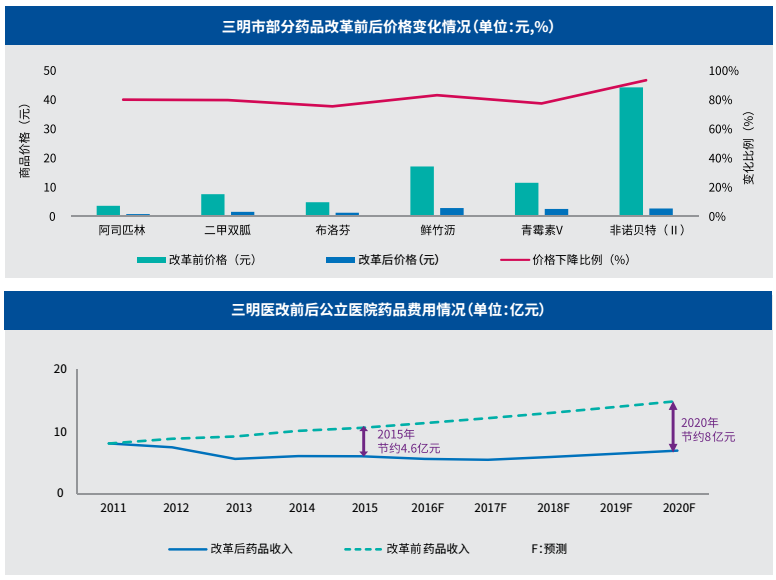
The decline in drug costs resulting from pharmaceutical reforms may intensify competition for market share among pharmaceutical companies, accelerate the adjustment and restructuring of the pharmaceutical market, and lead to a future landscape characterized by survival of the fittest, where challenges and opportunities coexist.
Interview data show that the number of pharmaceutical distribution companies in the Sanming market has decreased from 11 before the reform to 8 currently, with 75% of the market share concentrated among the top three companies by business volume. Moreover, companies with larger market shares have achieved sustained growth in their business volumes, indicating a gradual increase in market concentration.
As pharmaceutical reforms advance, the market size of the pharmaceutical industry is expected to continue declining for a certain period. Furthermore, with strengthened quality control over drugs under these reforms, pharmaceutical companies will face survival-of-the-fittest competition based on price and quality standards. The number of companies may be reduced to one-third to one-half of the current level, and market share is expected to become further concentrated.
Summary of Practical Experience: Advancing the Sanming Healthcare Reform Through Multi-Factor Initiatives
Statistical data and interviews both indicate that the Sanming healthcare reform has achieved multiple phased results, gained support and recognition from most stakeholders, accumulated valuable reform experience, and consists of a series of essential elements.
Identify breakthrough points for reform and adhere to a systematic reform pathway. With a comprehensive understanding of the development of the pharmaceutical and healthcare sector in Sanming City, the reform took pharmaceuticals as its breakthrough point and entry point, facilitated the return of government responsibilities, and established a sustainable, coordinated reform mechanism linking “pharmaceuticals, health insurance, and healthcare services.” This systematic approach is the key factor distinguishing Sanming’s healthcare reform from those in many other regions.
The benefits of the reform extend to multiple stakeholders, including patients, healthcare professionals, the government, and hospitals. The dividends of the reform primarily flow to end beneficiaries—patients and healthcare professionals—by alleviating patients’ financial burdens, improving population health outcomes, and increasing healthcare professionals’ compensation and motivation, thereby ensuring the sustainable development of the reform.
Strong Support and Delegated Authority from Leadership. The Sanming healthcare reform received robust support from the Secretary of the Fujian Provincial Party Committee and government officials in charge. Meanwhile, the healthcare reform task force was granted full support and delegated authority by the Mayor and the Party Committee Secretary of Sanming City. Designating the reform as a “top-leader” project significantly enhanced its implementation efficiency.
The team demonstrates efficient decision-making and execution capabilities. Field research has revealed that stakeholders across the healthcare reform landscape—from policymakers steering the reforms and members of the reform task forces, to presidents of public hospitals and heads of primary care institutions—exhibit a strong sense of responsibility, robust professional competence, and high operational efficiency.。
Transparent and open information platforms reduce information asymmetry. Sanming has established an interconnected regional health information platform that publicly shares medical and health data with society, significantly mitigating many issues caused by information asymmetry in the healthcare sector. Meanwhile, this transparent platform provides a channel for public oversight of Sanming’s pharmaceutical reforms, as well as further reforms in medical consumables and equipment.
The aforementioned practical outcomes and summarized experiences demonstrate that the Sanming healthcare reform has effectively addressed multiple urgent issues within the healthcare and pharmaceutical sectors in Sanming City, garnering support from various stakeholders. However, whether the Sanming model, shaped by a confluence of factors, can be replicated and scaled up has long been a subject of controversy. On February 23, 2016, at its 21st meeting, the Central Leading Group for Comprehensively Deepening Reforms heard a report on the Sanming healthcare reform, marking high-level attention and recognition from the Chinese government.
On April 6, the State Council’s executive meeting proposed the comprehensive implementation of the “Two-Invoice System” for drug procurement. On April 26, the Circular of the General Office of the State Council on Printing and Distributing the Key Tasks for Deepening the Reform of the Medical and Healthcare System in 2016 explicitly stated: “Summarize and improve the reform practices and experiences of Sanming City, Fujian Province, and promote them in pilot provinces for comprehensive medical and healthcare system reform, such as Anhui and Fujian.”
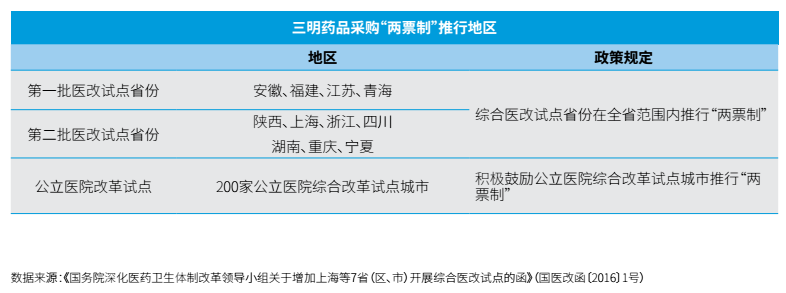
The replication and promotion of the Sanming healthcare reform model are supported by both economic benefits and policy frameworks. Drawing on a comprehensive synthesis of its reform experiences, successful replication and dissemination of the Sanming model require adherence to the following conditions, with adaptations tailored to local contexts based on a thorough understanding of each region’s specific development circumstances.
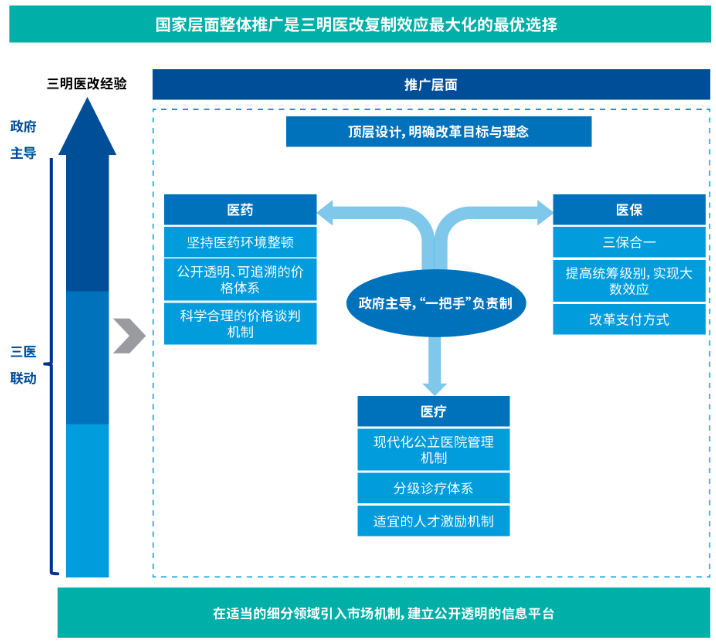
Variable Quality of Pharmaceutical Products
Sanming has long been mired in controversy due to its reform measures, such as “price-capped procurement with awards going to the lowest bidder” and “simplistically differentiating drug quality by categorizing drugs as either imported or domestically produced.” The root of this issue lies in certain problems prevalent in China’s current pharmaceutical market. Data from the China Food and Drug Administration (CFDA) indicate that, as of the end of November 2015, there were 5,065 manufacturers of active pharmaceutical ingredients (APIs) and finished dosage forms in China, the majority of which were small and micro-sized enterprises. There were 13,500 licensed pharmaceutical wholesale distributors holding Drug Operation Permits. The pharmaceutical market was plagued by irregularities, including multiple brand names, specifications, and dosage forms for drugs sharing the same generic name, resulting in nearly a hundred different product variants for a single generic drug. However, there lacked authoritative evaluation and certification of the differences among these drug products.
Weak bargaining power for imported drugs, originator drugs, high-value consumables, and large-scale medical equipment
Given the constraints on pharmaceutical market size at the municipal and some provincial levels, bargaining power is weak. Therefore, a national-level comprehensive price negotiation mechanism should be established to enhance bargaining power. Interviews indicate that following the Sanming healthcare reform, overall drug prices decreased by 30%, with some drugs seeing reductions of up to 90%. However, imported drugs, which account for 22% of drug categories, did not experience significant price reductions; even those imported drugs with relatively higher price cuts saw reductions of only 10%-15%, indicating very limited bargaining power.
Price Depressions Cause Shortages of Certain Drugs
According to data from the Sanming Medical Management Center, 14 pharmaceutical manufacturers have withdrawn from the Sanming market due to pricing factors (specifically, high provincial tender prices). Meanwhile, drug shortages do exist; in particular, severe shortages have been observed for low-priced medications with significant price reductions, such as pentoxyverine and vitamin B6.
Low Level of Medical Insurance Pooling and Lack of a Fair and Unified Medical Insurance Mechanism
Currently, China’s medical insurance pooling is primarily conducted at the municipal and county levels, which limits the risk-sharing capacity of medical insurance funds. Moreover, China currently maintains three basic medical security systems: Basic Medical Insurance for Urban Employees, Basic Medical Insurance for Urban Residents, and the New Rural Cooperative Medical Scheme. These systems cover different population groups and exhibit significant disparities in financing and reimbursement levels, resulting in pronounced inequities. Enhancing the level of financing pooling and achieving genuine “integration of the three insurance schemes” requires consolidation at the provincial and national levels.
The Shortage of Medical Talent Is a Widespread Problem Across China
According to World Bank data, China’s number of physicians per 1,000 population (1.94) is significantly lower than the average in developed countries such as the United Kingdom (2.75) and Germany (3.96). Moreover, the current prominent doctor–patient conflicts and complex practice environment further hinder the future cultivation of medical talent.
Sanming’s own social, economic, and demographic conditions also influence the continuous advancement of healthcare reform. Problems exposed and manifested during the reform and implementation process urgently need to be addressed, such as low patient satisfaction with perceived benefits, salary reforms potentially leading to “funding medical services through medical treatments,” the need for further improvement in health insurance cost-containment functions, the exploration of a quality-oriented tiered diagnosis and treatment system, and the need to tap into driving forces for the sustainable development of healthcare reform.
Regional and Developmental Disadvantages
Located in the mountainous regions of central and western Fujian Province, Sanming City has relatively underdeveloped transportation and a lagging economy. Data from 2014 show that Sanming’s per capita GDP and per capita disposable income ranked fourth and sixth, respectively, among all prefecture-level cities in the province, with Xiamen, Fuzhou, and Quanzhou occupying the top three positions. Cities such as Xiamen and Fuzhou have exerted a pronounced “siphon effect” on the young and middle-aged population, leveraging their income advantages, more advanced development platforms, and superior educational resources. The old-age dependency ratio among urban employed residents in Sanming has been continuously declining, while those in Fuzhou and Xiamen are significantly higher than in Sanming.
Severe Shortage of Talent, Especially Among Primary Care Medical Personnel
Sanming City has 1.78 physicians per 1,000 population, ranking fifth in Fujian Province and falling below both the provincial and national averages. According to the Fujian Statistical Yearbook, the enrollment of medical students in regular higher education institutions in Fujian Province was only 24,823 in 2014, with merely 6,311 new admissions that year. Interviews with hospital directors reveal that recruiting and retaining talent is a significant challenge, primarily due to the limited capacity for medical talent cultivation in Fujian Province. Compounded by Sanming’s geographical disadvantages, this has led to a brain drain, with professionals predominantly migrating to coastal cities. The shortage of personnel is particularly severe in primary healthcare institutions, where the medical staff mainly consists of graduates from secondary specialized schools and junior colleges, indicating an urgent need to improve their clinical technical proficiency.
Low Sense of Gain Among Individual Patients
Although data from the medical insurance system indicate that both the average cost per visit and the average out-of-pocket expense for urban employees and rural/urban residents in Sanming City have decreased to varying degrees, this benefit was not significantly perceived in individual patient interviews. In fact, some patients were more acutely aware of the substantial increase in outpatient consultation fees. Furthermore, due to information asymmetry in healthcare, patients could not directly experience the benefits resulting from improved medical practices, such as reduced unnecessary examinations, laboratory tests, and prescriptions. Enhancing patients’ sense of gain and sustaining public support for healthcare reform remain significant challenges for Sanming.
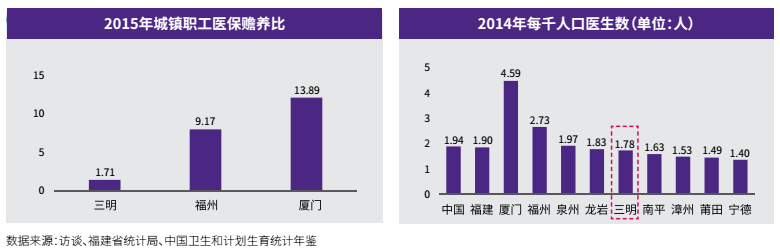
In addition to the need to enhance patients’ sense of gain, the problems exposed and manifested during the development and promotion of healthcare reform constitute a major challenge to its sustainable development, warranting close attention from reform authorities and the pursuit of appropriate solutions.
Salary Reform May Lead to a New Form of "Using Medicine to Subsidize Medical Care"
The annual salary system for medical personnel in Sanming adopts a method of calculation and distribution based on total amount caps and a work-point system. All compensation is derived from the hospital’s medical service revenue, excluding income from examinations, laboratory tests, and other similar items. The income of medical personnel is no longer linked to revenue from pharmaceuticals, examinations, or laboratory tests; however, it is not completely decoupled from overall hospital revenue. To varying degrees, it remains correlated with factors such as workload, quality of care, and professional risk. Consequently, hospital directors and medical staff still have incentives to increase patient volume and boost medical service revenue. While the Sanming healthcare reform has severed the interest chain between hospitals, physicians, and pharmaceuticals—thereby reversing the practice of “subsidizing healthcare through drug sales”—caution is warranted against the emergence of a substitute dynamic: “subsidizing healthcare through medical services,” driven by the pursuit of medical service revenue.
Strengthening Primary Care: An Urgent Priority for the Tiered Diagnosis and Treatment System
In the phased implementation of the Sanming healthcare reform, medical service reforms were initiated last. Currently, Sanming has achieved full coverage of village-level clinics and extended medical insurance services to all administrative villages, thereby solidifying the foundational healthcare network. However, due to a severe shortage of primary care personnel and relatively low levels of medical expertise, the system currently lacks the capacity to accept patients referred from higher-level hospitals. Addressing the weakness in primary care is therefore an urgent priority. Efforts in health education and health promotion at the grassroots level need to be further strengthened, with future core value objectives focused on preventive care, reducing disease prevalence in the population, and the long-term diagnosis and management of chronic diseases.
Medical quality issues have not yet been addressed in depth
Improving healthcare quality and ensuring patients have access to effective and affordable medical services should be the cornerstone of healthcare reform. However, Sanming has not yet established an assessment and incentive mechanism oriented toward healthcare quality and outcomes as key performance indicators. Furthermore, there is currently no scientifically validated method to evaluate the impact of healthcare reform on the overall health status of the population.
Cost Containment May Shift Patient Burden from Within to Outside the National Reimbursement Drug List
Interviews revealed that due to shortages of certain medications and stringent cost-control standards, some physicians advised patients to purchase drugs at pharmacies. Since pharmacy-dispensed medications are not included in the medical insurance reimbursement catalog, patients are required to bear the full cost out-of-pocket. This phenomenon reflects a shift in patient financial burden from within the reimbursement catalog to outside it. Furthermore, medical insurance cost-containment requirements may lead some physicians to prefer treating patients with mild conditions while referring those with severe conditions elsewhere, thereby exacerbating the financial burden on patients.
Indeed, there are occasional instances where patients urgently require highly effective medications that are unavailable in hospitals.“The hospital has a filing mechanism, but it requires the president’s signature. With strict health insurance cost controls, patients are sometimes directed to purchase medications at pharmacies; certain drugs must be bought in Fuzhou, and all such purchases are out-of-pocket.”
Excerpt from a Physician Interview
How to Scientifically Address Technical Issues Arising During Reform
During the on-site investigation, the thematic research team found that as reforms progress and deepen, numerous technical issues require attention and resolution:
1. How to Determine a Reasonable Drug Cost Proportion?
2. How to Establish Reasonable Cost-Control Targets?
3. How to Establish a Reasonable Distribution Ratio for Medical Personnel Compensation?
4. How to Reasonably Incorporate Medical Quality into Core Performance Evaluation Criteria?
5. How to Timely Evaluate and Adjust Existing Data Metrics?
"The current medical insurance cost-control standards are somewhat too low, and the proportion of drug costs should not be reduced indiscriminately. Determining a scientifically sound and reasonable level is also a key issue that the Sanming healthcare reform needs to address."
Excerpt from Doctor Interview
Numerous internal and external issues and challenges are affecting the development and implementation of the Sanming healthcare reform. As a systematic and long-term endeavor, achieving the sustainable development of the Sanming model requires concerted efforts from multiple stakeholders.
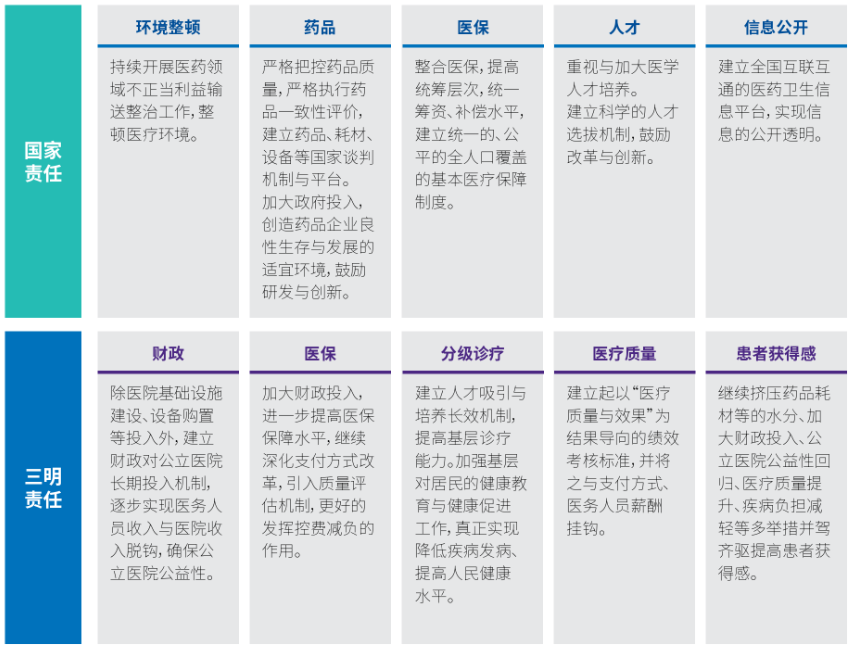
The following measures are equally important
In-depth implementation and oversight mechanisms, along with supporting safeguard measures, following the issuance of various reform policies to ensure the smooth advancement of reforms.
Reform the evaluation mechanism for the reform process, promptly address various issues arising during the reform, and make timely corrections.
“Stones from other hills may serve to polish the jade.”
The mature experience of the UK’s NICE clinical pathways can provide valuable insights for Sanming’s ongoing all-disease payment reform and its next steps in improving healthcare quality.
New York State’s promotion of value-based commissioning—a payment system reform oriented toward healthcare quality and outcomes—can provide a reference for Sanming’s next steps in incorporating healthcare quality into payment methods and performance-based compensation mechanisms.
The Integrated Care System, a comprehensive and integrated service model being promoted in the United States and many European countries, establishes a patient-centered, holistic healthcare and elderly care system. This model can offer valuable insights for Sanming’s ongoing development of tiered diagnosis and treatment.