

Diabetes Industry 2016 Annual Review: Integration of Apps and Hardware Becomes Inevitable, Building a Closed-loop Ecosystem for Chronic Disease Management Is Crucial
As 2016 draws to a close, VCBeat’s flagship annual event, the “Top 100 Future Healthcare Companies List,” is arriving as scheduled. While the selection process is currently in full swing, the excitement extends far beyond this alone. Prior to the unveiling of the Top 100 list, VCBeat has meticulously curated a series of year-end reviews focused on specific healthcare subsectors. Targeting the hot healthcare niches of 2016, these articles systematically examine the current landscape of companies, highlight key events, and analyze development trends within each field over the past year, offering readers a rich and engaging feast of content.
Diabetes and hypertension, two chronic diseases, have always been the focus of startups in the healthcare industry, especially diabetes, for no more than two reasons.
First, there is a large population of individuals with diabetes. On April 6 this year, the World Health Organization (WHO) released its first Global Report on Diabetes. The report indicates that in 2014, the number of adults aged 18 years and older living with diabetes worldwide reached 422 million, representing an eight-fold increase from 108 million in 1980, and accounting for 8.5% of the global population.andAccording to statistics from the National Health and Family Planning Commission, the prevalence of diabetes in China is slightly higher than the global average, accounting for 9.7% of the total population; therefore, the number of diabetic patients in China has exceeded 100 million.
Second, the costs of consumables for blood glucose monitoring devices, medications, and other expenses for patients with diabetes are substantial. Patients with diabetes must continuously perform self-monitoring of blood glucose, consuming 6–7 test strips per day. Moreover, monthly expenditures on medications, insulin, and other necessities are considerable. These significant financial burdens seriously impact socioeconomic development. According to a World Health Organization report, the global annual cost of addressing diabetes exceeds $827 billion. By 2030, the global economy is projected to lose up to $1.7 trillion due to diabetes. The International Diabetes Federation (IDF) reports that direct medical expenditures attributable to diabetes in China account for 13% of the nation’s total healthcare spending, reaching RMB 173.4 billion.
The two reasons mentioned above discuss why diabetes has become a key focus for healthcare companies from the perspective of market size: high prevalence and high costs have created a vast market space. Meanwhile, the irreversible nature of diabetes and its numerous late-stage complications generate significant potential demand, fostering a relatively long industry chain in this specialized sector. In particular, the market opportunities in out-of-hospital treatment and disease management have spurred entrepreneurs to launch numerous diabetes-related initiatives.
We compiled statistics on 28 diabetes-related startups, cataloging them by project name, founding date, geographic location, and financing history, with data current as of November 2016.
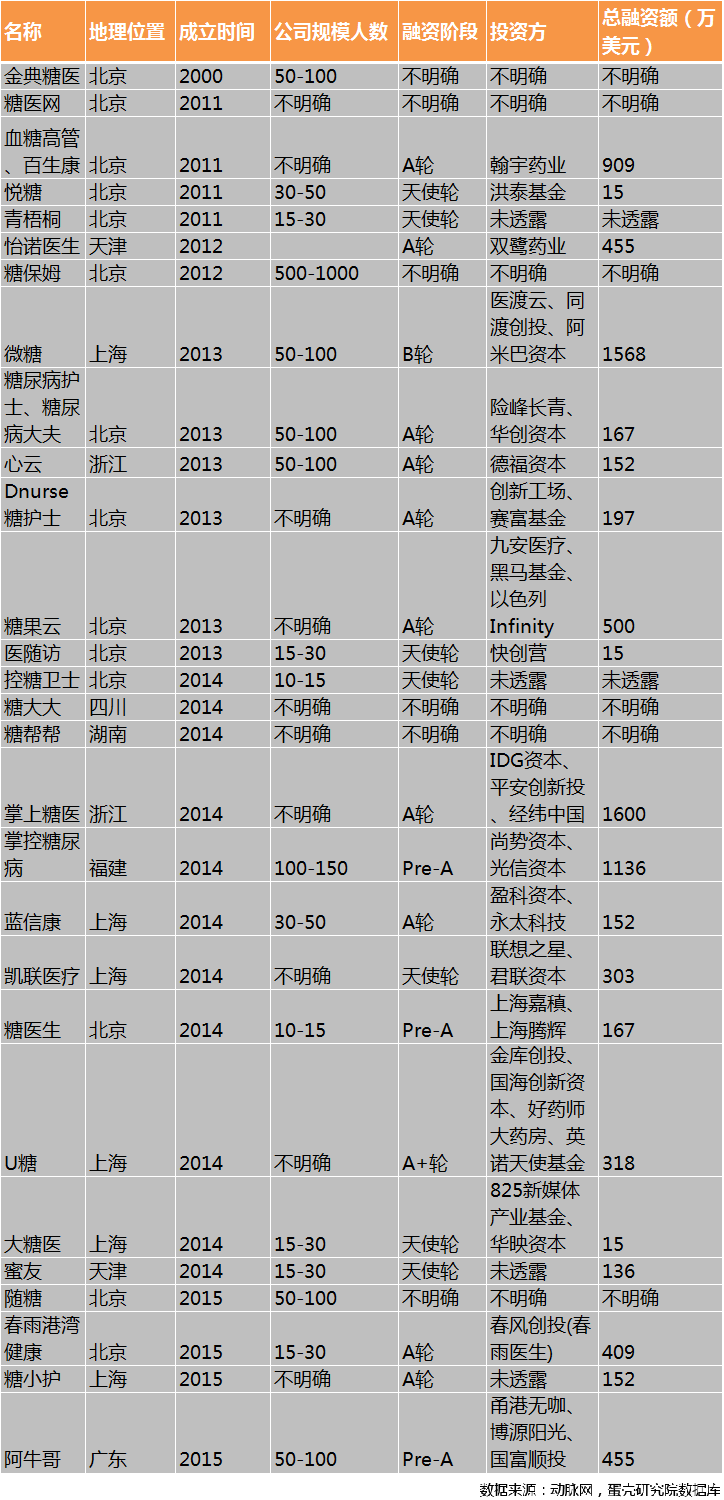
Internet-plus healthcare startups typically enter the diabetes market through two primary approaches. One approach involves leveraging software solutions, such as diabetes communities and diabetes management apps, to support patients’ out-of-hospital self-management by tracking blood glucose fluctuations, assessing disease status, and disseminating diabetes-related knowledge. The other approach centers on smart blood glucose meters as hardware entry points, complemented by software for blood glucose logging; physicians then formulate personalized treatment plans and provide guidance on medication dosing based on patient data reviewed in the backend. In the subsequent industry analysis, we will categorize and discuss these enterprises accordingly.
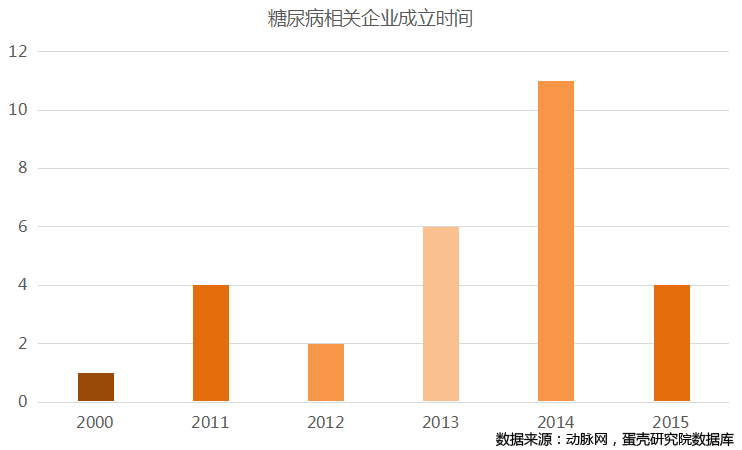
Among the diabetes-related companies included in our statistics above, the vast majority were established after 2011. At that time, the concept of mobile health was just emerging, with the appearance of various apps and online communities designed for patient self-management and community-driven dissemination of disease-related knowledge. In the early stages, there were numerous diabetes-related apps—exceeding one hundred—with primary functionality focused on blood glucose data logging, followed by features for diabetes education and statistical analysis.
Over the following two years, certain companies gradually distinguished themselves through operational development and exploration. By upgrading software functionalities and business models, these enterprises began to connect five key stakeholders—physicians, patients, hospitals, pharmaceutical companies, and insurers—thereby creating a closed-loop industry chain. Companies that were among the first to achieve this closed loop gradually grew into unicorns within the sector. Additionally, around 2013, following the rise of the smart hardware concept, some companies entered the hardware manufacturing space by either collaborating with traditional medical device manufacturers or developing products in-house, launching smart blood glucose meters. One type of company first introduced diabetes management software, built a substantial user base, and subsequently launched compatible smart hardware. Another type leveraged its hardware R&D capabilities to directly introduce smart blood glucose meters, then entered the market with accompanying blood glucose management apps. Although these two types of companies had different starting points, each possessed distinct advantages, ultimately converging on the same outcome. The integration of smart blood glucose meters and mobile blood glucose management has become a critical strategy for diabetes-related companies to deepen their industry presence. This approach effectively improves patients’ glycemic control, enhances user stickiness through optimized user experiences, boosts sales of blood glucose devices and consumables, and accumulates large-scale medical data related to diabetes.
Most diabetes-focused companies were established in 2013 and 2014, a period that witnessed the most rapid and robust growth in the mobile health sector. Five companies were founded in 2013, and eleven in 2014, whereas no new diabetes-related enterprises have been recorded so far in 2016. In the aftermath of the “Hundred Sugar Companies Battle,” firms with single-function products were gradually phased out, while those capable of perfecting the closed-loop ecosystem of the diabetes industry survived and gained favor from investors.
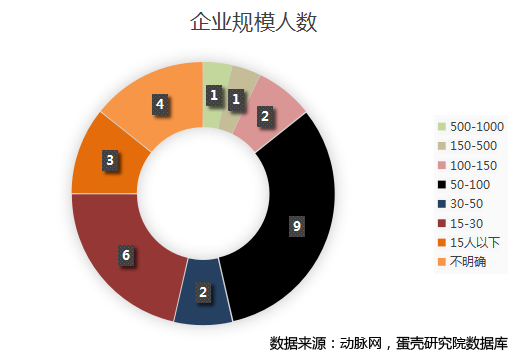
Although diabetes-related companies are relatively young, with most founded in 2014, they have experienced rapid growth; over 50% of these enterprises now employ more than 50 staff members. Given the extensive length of the diabetes industry chain, startups operating within this closed-loop ecosystem must not only facilitate communication between products and users but also integrate service platforms for doctors and patients, develop and sell smart hardware, and conduct data analysis and management. Consequently, these companies maintain a larger workforce, with employees fulfilling specialized roles across various segments of the value chain.
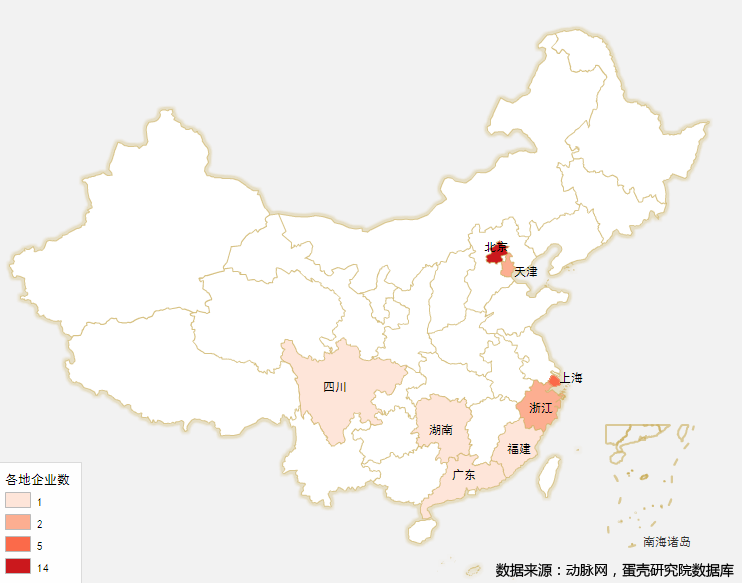
The majority of diabetes-related companies are based in Beijing, accounting for more than half, followed by Shanghai. These two regions offer a favorable entrepreneurial environment for internet startups, with abundant resources and significant advantages in terms of policy support and talent availability. Since diabetes-related startups initially entered the market primarily through software solutions, many founders hail from Beijing. Even after expanding into the hardware sector, most companies have relied on collaborative manufacturing or original equipment manufacturer (OEM) models, failing to leverage the Pearl River Delta’s advantages in electronics manufacturing.
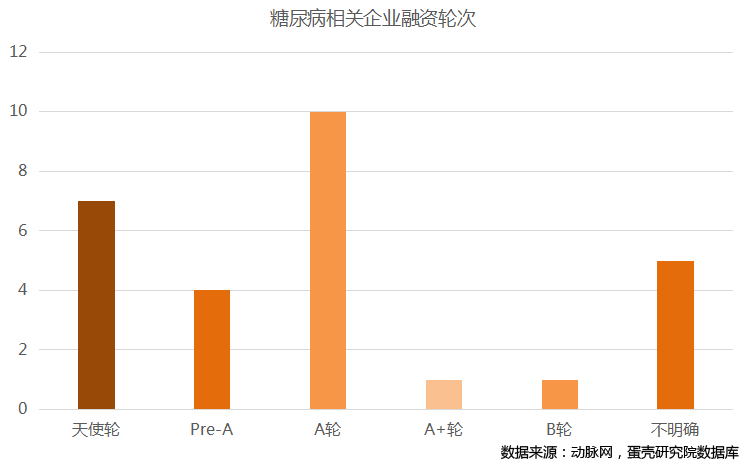
Of the 28 companies, 22 have secured financing. The majority are concentrated in the angel and Series A rounds, accounting for 95% of the funded companies, with only one company having reached Series B. Similar to company size, diabetes-related enterprises have demonstrated stronger fundraising performance. Although the progression through funding rounds has been relatively slow, the investment amounts per round tend to be substantial, with Series A investments frequently reaching the tens of millions of RMB.
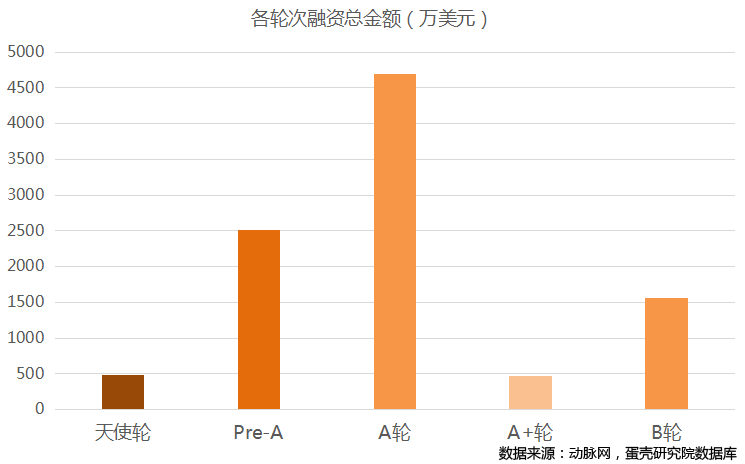
Most diabetes-related companies have already entered Series A financing. Although none have reached Series C, D, or E rounds, their funding amounts are relatively substantial. Twenty-three companies have publicly disclosed their funding figures, with a total cumulative investment of $97.31 million. With most companies still at the Series A stage, the average funding per company stands at $4.42 million, which is high compared to startups in other mobile health sectors. The potential market for the diabetes industry exceeds RMB 100 billion, yet there are few well-developed startups within the sector, resulting in greater investment opportunities and relatively larger investment amounts. Among diabetes-related enterprises, Zhangshang Tangyi has secured the highest funding, raising a total of $16 million through its Series A round.
In March 2016, Keling Medical, a company specializing in big data services for chronic diseases, secured tens of millions of RMB in Series A financing from the listed company Yongtai Technology and Yinke Capital. Lanxinkang is Shanghai Keling’s mobile healthcare brand for chronic disease management in the pharmacy sector, encompassing hardware such as smart blood pressure monitors, glucometers, spirometers, body fat analyzers, blood lipid analyzers, and HbA1c testers, along with cloud-based management software. This round of investment will be used to build a tightly integrated health management ecosystem connecting “users–cloud platform–healthcare professionals.”
In June 2016, Chunyu Gangwan Health secured RMB 15 million in Series A financing, primarily allocated to the research and development as well as the promotion of its smart pillboxes and smart blood glucose meters. As a company entering the market through smart hardware, Chunyu Gangwan Health monitors and manages patients’ conditions via its smart pillbox and smart blood glucose meter products. By integrating these devices with Chunyu Doctor’s endocrinologist platform—an investor in the company—it combines software with hardware and medication with medical care to establish a chronic disease management platform.
In August 2016, U Tang completed its Series A+ financing round, raising tens of millions of RMB, with Jinku Capital as the lead investor. U Tang is a health platform designed for post-diagnosis tracking of diabetes patients, comprising four components: smart hardware, a monitoring center, a mobile app, and offline experience centers. By integrating smart hardware, software, cloud-based data analysis, and offline services into a post-diagnosis tracking system, the platform leverages data analytics to deliver offline health interventions and establish scientific health management records. Following this round of financing, U Tang will focus on expanding its offline channels and will upgrade its existing remote management platform after September this year, launching the U Tang Telemedicine Platform.
In September 2016, Tang Yisheng secured tens of millions of yuan in Pre-A series financing, jointly invested by Shanghai Jiazhen and Shanghai Tenghui. Tang Yisheng is a mobile application that connects patients with diabetes to physicians. Following this round of financing, Tang Yisheng will continue to build a closed-loop ecosystem for the diabetes industry, integrate upstream and downstream industrial resources, and promote the upgrading and optimization of the diabetes supply chain, ultimately achieving group-based medical operations through an “Internet + Healthcare + Finance” model.
In October 2016, Aniu Ge, a chronic disease management service provider focusing on diabetes and hypertension, secured RMB 30 million in Pre-A series financing. The round was led by Yonggang Wuka and Boyuan Sunshine, with participation from Guofu Shuntou and strategic investors Liang Yaozhang and Mu Guixian. Aniu Ge sells diabetes-related medical devices, pharmaceuticals, and food products through various channels, including its mobile app, WeChat mall, WeChat-based social commerce, and third-party e-commerce platforms. The funds will be primarily used to establish online and offline communities, expand experience stores in key cities, further refine its proprietary product lines, and recruit talent.
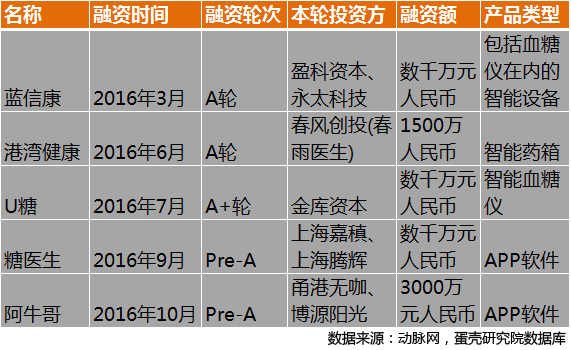
The chronic disease management ecosystem centered on diabetes, built by internet platforms, had already become relatively mature, resulting in no new market entrants in 2016. That year, there were only five financing events related to the diabetes industry. Lanxinkang, Chunyu Gangwan Health, U-Tang, Tang Yisheng (Diabetes Doctor), and Aniu Ge secured new investments, each amounting to tens of millions of yuan. These five companies, whether entering the market through smart hardware or software solutions, all aimed to establish a comprehensive diabetes ecosystem, seeking to integrate the entire industrial chain, including hospitals, medical devices, pharmaceuticals, insurance, payment systems, food, and management services.
In 2015, the General Office of the State Council issued the “Guiding Opinions on Promoting the Construction of a Tiered Diagnosis and Treatment System,” proposing that by 2017, the proportion of visits to primary healthcare institutions out of total medical visits would increase significantly, and medical treatment order would become more rational and standardized. By 2020, a tiered diagnosis and treatment model featuring “initial consultation at the primary level, two-way referral, separate management of acute and chronic conditions, and coordination between upper- and lower-level institutions” would be gradually established. The Guiding Opinions identified chronic diseases such as hypertension and diabetes as breakthrough points for implementing tiered diagnosis and treatment, clarified and implemented the roles of medical institutions at all levels in providing services for acute and chronic diseases, improved the service chain encompassing treatment, rehabilitation, and long-term care, and provided patients with scientific, appropriate, and continuous diagnosis and treatment services. Chronic diseases like diabetes have extremely high prevalence rates worldwide; their diagnostic and treatment protocols are well-defined, and standardized management can effectively control disease progression, conserve resources, and avoid unnecessary hospitalization costs.
In 2015, the National Health and Family Planning Commission issued the “Notice on Conducting Pilot Programs for Tiered Diagnosis and Treatment of Hypertension and Diabetes,” which defined the service workflow for tiered diagnosis and treatment of diabetes, established electronic medical records for triage and treatment, implemented physician team-based contracted services, and achieved dynamic monitoring and management of patients with diabetes. According to the “roadmap” of the service workflow, after primary healthcare institutions receive and diagnose patients, they should formulate treatment plans and determine whether patients diagnosed with primary hypertension or type 2 diabetes are eligible for inclusion in the tiered diagnosis and treatment services. For those eligible, upon obtaining informed consent from the patients, contracts are signed and specialized disease records are established, followed by the provision of routine treatment, physical examinations, and health management in accordance with the terms of the contract.
In 2016, the State Council issued the "Key Tasks for Deepening the Reform of the Medical and Healthcare System in 2016," accelerating the launch of pilot programs for tiered diagnosis and treatment. In accordance with the requirements of "initial consultation at primary care institutions, two-way referral, separate management of acute and chronic conditions, and coordination between upper- and lower-level medical institutions," the government accelerated the promotion of tiered diagnosis and treatment, focusing on provinces piloting comprehensive medical reforms and cities piloting comprehensive public hospital reforms, with pilot programs implemented in approximately 70% of prefecture-level cities. In these pilot areas, the rate of standardized diagnosis, treatment, and management for patients with hypertension and diabetes reached over 30%.
In October 2016, the State Council issued the Outline of the “Healthy China 2030” Plan, which serves as the action guide for advancing the Healthy China initiative over the next 15 years and represents the first national-level medium- to long-term strategic plan in the health sector since the founding of the People’s Republic of China. According to the Outline, by 2030, comprehensive management and intervention coverage for patients with hypertension and diabetes should be basically achieved, thereby realizing chronic disease health management for the entire population across the full life cycle.
In China’s healthcare reform policies, tiered diagnosis and treatment is a top priority and a crucial measure to alleviate the difficulties and high costs associated with accessing medical care. Diabetes management will serve as the entry point for implementing this initiative. By adopting strategies such as initial consultations at primary care institutions, two-way referrals, separate management of acute and chronic conditions, and coordinated care between upper- and lower-level facilities, the public will be guided toward tiered diagnosis and treatment. The goal is to achieve an initial downward redistribution of resources from tertiary hospitals by early 2017 and to basically establish a tiered diagnosis and treatment system suited to China’s national conditions by 2020.
Diabetes-related enterprises represent one of the earliest and most rapidly developing sectors within the “Internet + Healthcare” industry, characterized by a trillion-yuan market opportunity and favorable policy tailwinds. Countless entrepreneurs are fiercely competing in the diabetes space, yet only industry leaders that establish robust ecological closed-loop barriers can break through. Centering on chronic disease management data for diabetes, we first outline the entire diabetes management ecosystem.
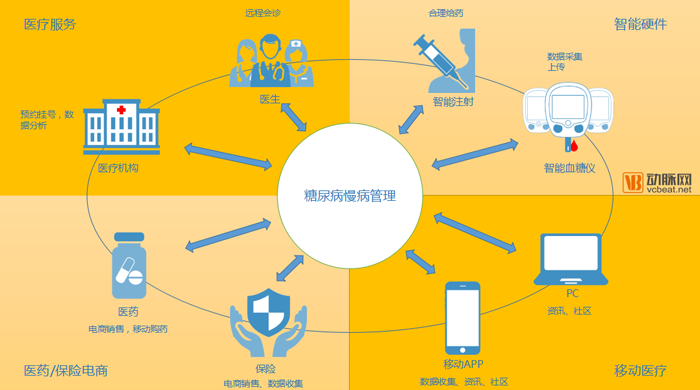
Within the diabetes industry chain, mobile health companies related to diabetes enter the diabetes ecosystem through four roles: medical services, pharmaceutical/insurance e-commerce, smart medical hardware, and mobile health software. The medical services sector primarily focuses on internet-based diagnosis and treatment for diabetes, providing services such as appointment registration, remote consultations, data analysis, and physician tools for hospitals and medical institutions to serve diabetic patients. The pharmaceutical services sector facilitates the purchase of oral medications, insulin, and other drugs through mobile devices and O2O (Online-to-Offline) e-commerce platforms. The smart medical device sector utilizes various smart glucometers and injection devices to achieve blood glucose data collection and medication administration monitoring. The mobile health sector enables data collection, consultation, and feedback through mobile apps, PC websites, and wearable devices, thereby facilitating out-of-hospital management of diabetes.
As previously discussed, most diabetes-related startups have entered this field through software, specifically the mobile health segment.Other companies leverage their hardware R&D capabilities to directly launch smart glucose meters, entering the market with companion blood glucose logging apps.In this report, we conduct our analysis in the order of mobile health software, intelligent medical hardware, and healthcare services, excluding pharmaceutical e-commerce.
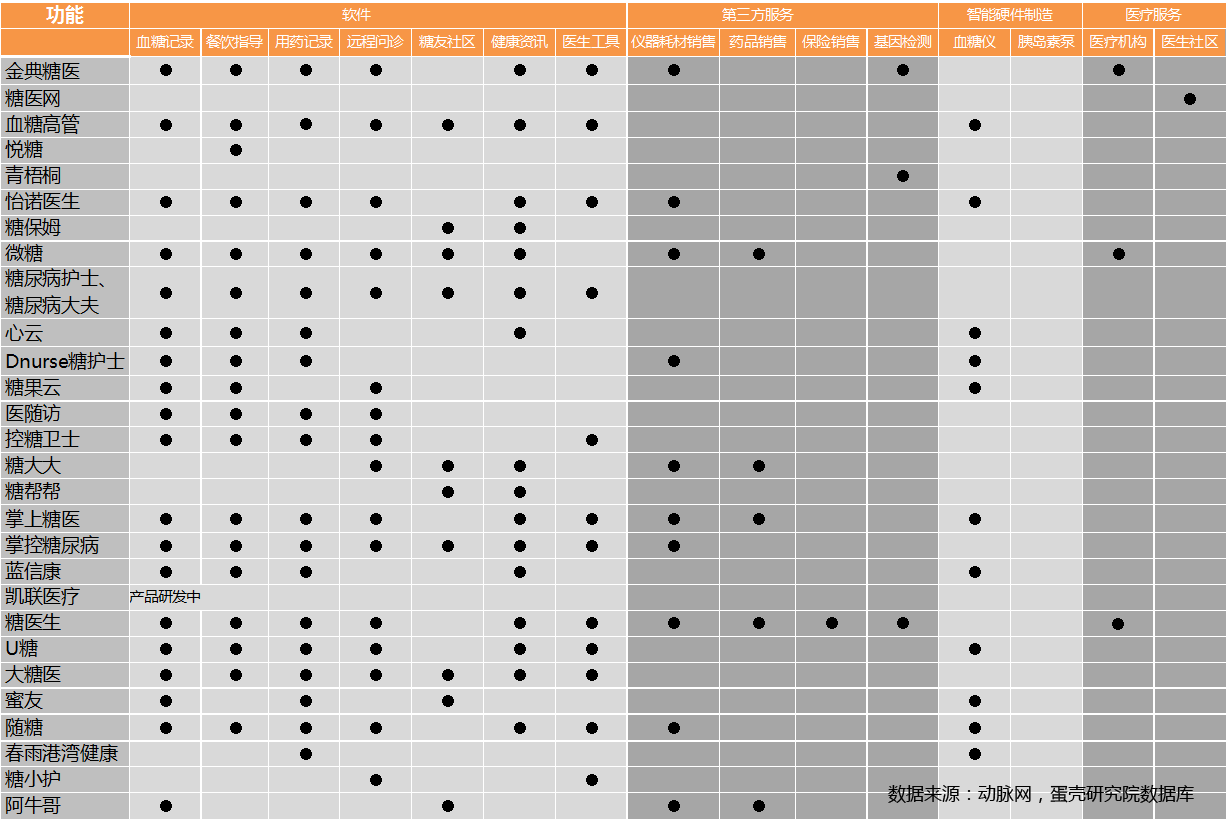
The table above summarizes the product functionalities of companies related to diabetes. Based on different entry points into the closed-loop ecosystem for chronic disease management, we categorize them into three groups: those entering via mobile health software, those via smart medical hardware, and those via medical services.
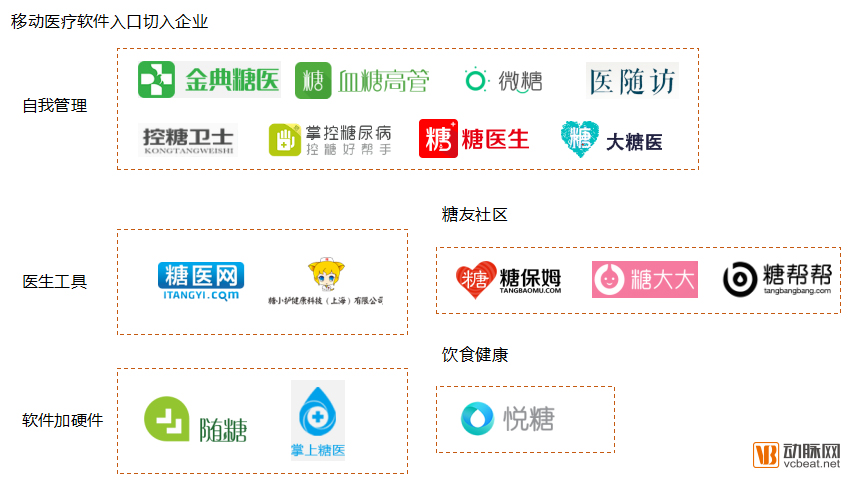
Mobile apps are the fastest user-facing entry point in chronic disease management, as well as in other industries.The largest number of companies have entered the diabetes market with software solutions, which feature relatively comprehensive functional designs, particularly among those offering only a single mobile app product.Mobile health applications related to diabetes primarily offer the following functions:Patient self-management, doctor-patient communication, preventive treatment, data statistical analysis, diabetes information, social applications, and third-party services.Third-party services constitute the primary revenue stream for such enterprises. By integrating an e-commerce module into the software, users can purchase blood glucose meters, consumables, pharmaceuticals, health supplements, insurance products, and health checkup packages.
Patient self-management is currently the primary function of diabetes apps, focusing mainly on blood glucose tracking, dietary control, medication logging, and data statistical analysis. Through digital management approaches, these tools enhance patients’ understanding of diabetes and improve disease management.Ultimately achieving blood glucose control guidance, which is also the core function of diabetes management apps.Secondly,Doctor-Patient Communication,Prophylactic treatment,Statistical data analysis and diabetes information are the strengths of software companies.Facilitate peer-to-peer and patient-physician communication through diabetes communities and physician consultations, while learning about blood glucose management.
Some of these companies are also involved in the development and sales of smart hardware; however, their products feature more streamlined functionalities compared to those of companies that entered the market through hardware. For instance, Zhangshang Tangyi (Pocket Diabetes Doctor) launched a smart Bluetooth module compatible with mainstream blood glucose meter brands, rather than producing blood glucose meters themselves. Nevertheless, these companies offer more comprehensive software features and information services and demonstrate superior operational performance compared to typical smart hardware manufacturers.
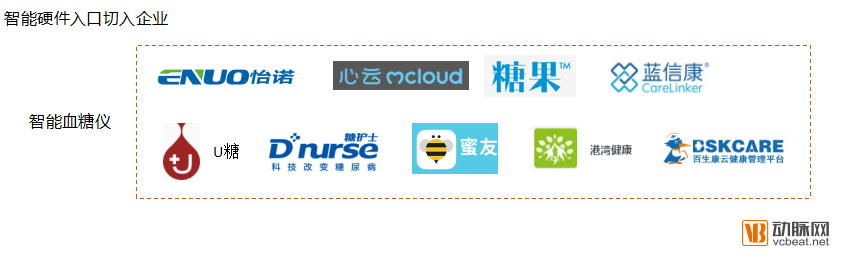
The true explosion of internet healthcare is inseparable from the support of smart mobile devices, and the primary smart medical device related to diabetes is the smart blood glucose meter.It manages patients’ blood glucose levels across different time periods through reminders, data collection, and analysis.. Smart blood glucose meters, as the primary entry point for the entire chronic disease management sector, are of critical importance.Smart glucose meters not only make blood glucose collection more regular and easier to analyze for patients,It is also possible to generate profit through the sale of consumables. By integrating with software, continuous monitoring and data analysis for diabetic patients can be achieved, providing the most appropriate guidance for blood glucose control.Among the smart hardware companies we have surveyed, some have already launched continuous glucose monitors (CGMs) with a high level of technical sophistication; however, none are able to offer smart insulin pumps, a market that remains monopolized by foreign giants.
Equipped with mobile applications and smart blood glucose monitoring hardware, companies can more effectively build an ecosystem for chronic diabetes management. Accordingly, our statistics indicate that 11 diabetes-related enterprises have launched hardware products (Tengai Tang Dafu, which belongs to the listed company Tencent, is excluded from this count). Smart medical hardware cannot be separated from software; their seamless integration can significantly enhance user stickiness. The advantage of smart hardware companies lies in the diverse functionalities and models of their smart blood glucose monitors. However, their accompanying software focuses primarily on blood glucose logging, falling short of software-centric companies in terms of information services, diagnostic and treatment services, and community operations. Nevertheless, some of these enterprises excel in both hardware and software.
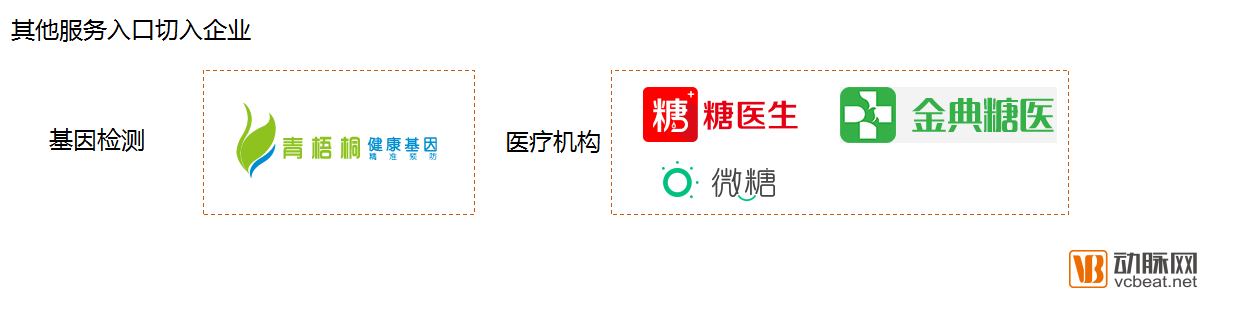
After establishing a closed-loop ecosystem across the entire industry chain, more medical services can be delivered to both business (B-side) and consumer (C-side) segments based on the collected data. For instance, leveraging big data enables data-driven sales strategies, while establishing specialized diabetes hospitals facilitates clinical diagnosis and treatment services. Jindian Tangyi, a subsidiary of Runer Group, operates Jindian Diabetes Hospital. Additionally, brands such as Tang Yisheng and Weitang serve diabetic patients from multiple dimensions by setting up offline diabetes diagnosis and treatment institutions.
Above, we have summarized several product models for diabetes-related companies to enter the closed-loop diabetes management system, with varying profit models across different segments.
First, the software is offered free of charge. Diabetes-related companies leverage these free services to rapidly acquire a large user base at low cost, with both consumer-end users and business-end physicians granted free access. The diabetes community model follows the same pattern: initially attracting a substantial number of users through free offerings before implementing monetization strategies.
Second, charging end-users on the hardware side for salesSmart Blood Glucose MeterMeanwhile, profitability can also be achieved through the sale of consumables. Since hardware and software are integrated, user acquisition can be driven by hardware sales, enabling the establishment of a user community for subsequent marketing efforts. Of course, under current internet marketing models, hardware sales may not necessarily generate profits; however, they serve to acquire highly active users, with the recurring sales of consumables constituting the primary revenue stream.
Third, personalized medical services charge end-users, providing paid one-on-one expert consultations and offline appointment services for high-end clients.
Fourth, after accumulating a sufficient user base, charge advertising fees to B-side pharmaceutical companies, provide diabetes patient education and knowledge dissemination services, and deliver precise promotional placements for these companies.
Fifth, establish an online marketplace to generate revenue through the sale of diabetes-related blood glucose monitoring devices, consumables, health supplements, and pharmaceuticals.
Sixth, big data analytics services: providing case collection and clinical data analysis services to pharmaceutical companies, or entering the chronic disease insurance sector to offer actuarial data support and management software to insurance companies.
In the early stages of diabetes-related enterprises, most entered the market through mobile apps, resulting in severe homogenization. Initially, these companies generated no revenue, as pure information services were too distant from monetization. Tapping into users’ medical needs emerged as a potential path to profitability. Consequently, blood glucose monitoring became an essential entry point. To acquire blood glucose data, companies began opening their software platforms to major blood glucose meter manufacturers such as Sinocare, Yuwell, and Johnson & Johnson, integrating data recording functionalities. Alternatively, some companies directly ventured into product research, development, and manufacturing, launching smart blood glucose meters under their own brands. This transition from software to hardware marked the first step toward generating revenue and the initial move in completing the business loop. Subsequently, depending on the company’s developmental stage, they gradually expanded product offerings, refined their business models, and incorporated new elements such as consultation services, e-commerce platforms, advertising, data services, and comprehensive solutions, thereby progressively perfecting this closed-loop ecosystem.
From the investment landscape this year, the number of investment transactions in the “Internet + Diabetes” sector has significantly decreased, with only five deals recorded. This trend is partly attributable to the industry’s maturation. A large number of enterprises have begun to integrate software and hardware solutions, designing diverse offerings tailored to both business (B-end) and consumer (C-end) markets.
In today’s era of rapid technological advancement, technological innovations are transforming traditional healthcare service models. By leveraging mobile health and intelligent products, data-driven management of blood glucose levels has been achieved, facilitating the optimization of glucose-lowering regimens and enabling personalized diabetes control. Furthermore, with the emphasis placed on national healthcare reform policies, the management of chronic diseases such as diabetes and the implementation of a tiered diagnosis and treatment model will become key priorities in the future.
Throughout their development, companies have progressively optimized the ecosystem of the diabetes-related industry chain. The next step is to leverage capital to address challenges encountered in the early stages of growth. Currently, although diabetes-focused enterprises have reached a certain level of maturity, significant issues remain. We will continue to summarize these issues based on product forms.
In terms of software, product management features across various companies are largely homogeneous. While they are exploring multi-party services involving physicians, pharmaceuticals, and insurance, their profitability remains weak, making it difficult to achieve deep, specialized development in the short term. On the hardware front, many high-quality products have already been launched, with notable achievements even in continuous glucose monitors (CGMs). However, marketing efforts remain insufficient, and user habits are still in the cultivation phase. Regarding B-side applications in insurance, e-commerce, and big data, although concepts have been formed, these areas remain in the exploratory stage.
Despite the numerous challenges facing the industry, entrepreneurs in China’s diabetes chronic disease management sector are pressing forward with enthusiasm, driven by a massive market valued at hundreds of billions of yuan and a vision for future closed-loop ecosystems.
Copyright Notice
This report is produced by VCBeat. All text, images, and tables contained herein are protected by applicable trademark and copyright laws. Portions of the text and data have been sourced from publicly available information, with ownership retained by the original authors. No organization or individual may reproduce or distribute this report in any form without the prior written consent of our company. Any unauthorized commercial use of this report shall constitute a violation of the Copyright Law of the People's Republic of China, other relevant laws and regulations, and applicable international conventions.
Disclaimer
This research report is based on information that VCBeat considers reliable and currently publicly available. VCBeat strives to, but does not guarantee, the accuracy and completeness of such information. Due to limitations in research methodologies, sample sizes, and the scope of data collection, the data presented herein only reflect the basic conditions of the surveyed population during the survey period. It serves solely the purpose of the current research and provides a general reference for the market and clients. Furthermore, VCBeat does not guarantee that the opinions or statements contained in this report will remain unchanged. At different times, VCBeat may issue reports with information, opinions, and projections inconsistent with those contained in this report.
VCBeat does not consider recipients of this report as clients by virtue of their receipt thereof. This report is distributed only where permitted by applicable laws and regulations, solely for informational purposes, and shall not be construed as advertising in any manner. Under no circumstances shall the information contained herein or the opinions expressed constitute investment advice to any person. Where permitted by law, VCBeat and its affiliates may hold equity interests in companies mentioned in this report and may provide or seek to provide capital-raising or financial advisory services to such companies.
Note: I am Liu Zongyu, an author at VCBeat. If you are an investor interested in the diabetes sector, or an entrepreneur in the diabetes industry seeking media coverage, please feel free to contact me. We also welcome any leads on relevant companies. WeChat: q19930797; Email: liu.zy@vcbeat.top