

Digital Health Meets Crowdfunding: A Surge of Innovative Medical Tech Projects Gains Momentum
In the healthcare sector, there are relatively few digital health crowdfunding projects. Here, we analyze several currently popular or novel crowdfunding campaigns on Indiegogo and Kickstarter. VCBeat (WeChat: vcbeat) presents our latest overview, which includes continuous positive airway pressure (CPAP) ventilators, mental health apps, compact breathalyzers, and various other digital medical devices and products.
Positioned as “the Siri for your health,” the project has raised $76,337 from 315 backers, far exceeding its original goal of $25,000. There are six days remaining until the crowdfunding campaign ends. The app delivers personalized health plans through interactive voice and text conversations, accessible via smartphones, tablets, desktop computers, smartwatches, or any other connected device. It can also be integrated with wearable fitness trackers or health-related applications.

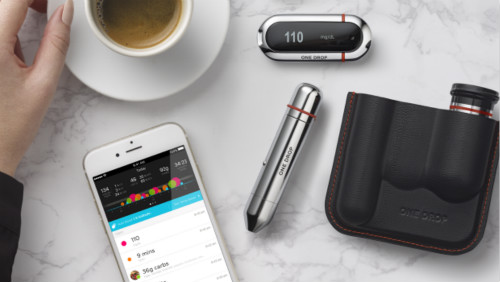
It is a blood glucose meter with companion application software. This project has reached its $50,000 funding goal, with a total of 258 backers. The product comes equipped with a lancing device, a dropper, test strips, and a vegan leather carrying case. The glucose meter connects via Bluetooth to iOS or Android apps. After registering as a member, users receive 24/7 professional guidance and unlimited test strips each month. There are four different pricing tiers, and the product is currently used in 192 countries.
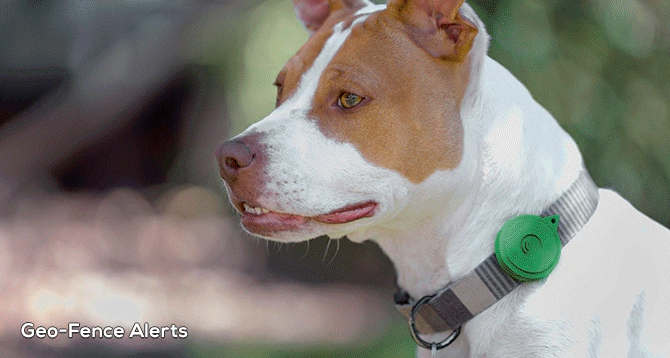
This is a standalone tracking device that can be worn on people, objects, or pets. Remora has garnered 170 supporters and raised $26,601 to date, with 23 days remaining to reach its total funding goal of $100,000. The device uses built-in cellular connectivity to link to a database via Google Maps. Initially designed as a tool for athletes to record their routes, it has since expanded into various other fields. The device also features a collision sensor that can send alert notifications to designated contacts. Additionally, users can set up “geo-fences” so that supervisors receive alerts if the person or item wearing the Remora suddenly moves out of predefined areas, such as the entrance to a kindergarten or a residential yard.
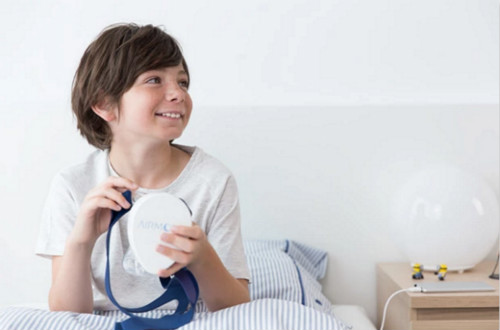
This is a battery-powered, tubeless CPAP machine designed with portability in mind. The project aims to raise $180,000; so far, five backers have contributed $3,447, with eight days remaining until the crowdfunding campaign ends. CEO Jaume Palou was inspired to create this portable device after having to cancel trips because he could not bring his CPAP machine wherever he wanted or find a power source for it.
Airmony does not require a power connection, can be packed in carry-on luggage, and is reportedly easy for users to master, with even children able to operate it. The device continuously records physiological sleep parameters, and the data it provides can be stored on a smartphone or tablet, or sent to an online physician.
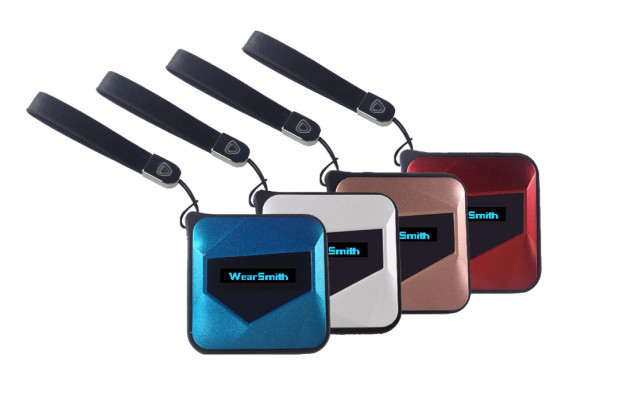
WearSmith, produced by Taiwan-based CoAsia Microelectronics, is a Bluetooth-enabled breathalyzer. The project aims to raise $35,000 and has so far secured $4,088 from 43 backers. This breathalyzer is a standalone device paired with a smartphone app that analyzes how long it will take for the user to sober up, continuing its countdown until the user reaches a level of sobriety safe for driving.
The app can connect to the tester via Bluetooth to provide users with relevant data, or it can operate independently, displaying results on an OLED screen. Weighing only 19 grams, the device is designed to be easily carried in a pocket or bag for use before drinking.
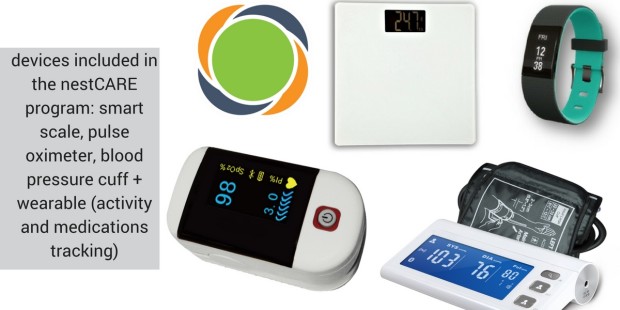
The fundraising target for this device is $50,000. With the support of 14 backers, it has raised $3,550 so far, still falling short of its goal. This Bluetooth-enabled device for monitoring vital signs comes with a blood pressure cuff, smart scale, pulse oximeter, wearable activity tracker, and medication reminder. Its companion app for smartphones and tablets is designed to serve as a personal health coach and information hub. With this device, patients can monitor various physiological indicators at home.
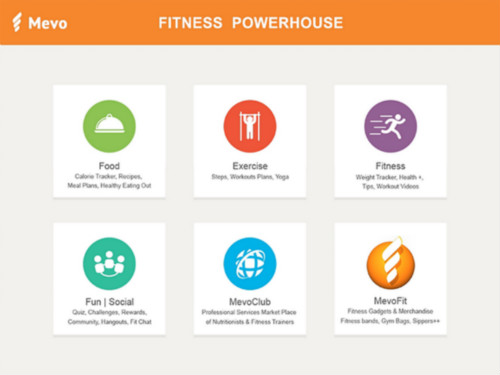
This fitness and health app, compatible with both iOS and Android systems, has currently received pledges totaling $2,085 from 18 supporters. Its overall fundraising goal is $20,000. The core functionality of this voice-controlled app is designed to replace other programs. By telling it what you have eaten, what workout activities you plan to do, how many repetitions you have completed, and more, it will conduct quizzes and challenges, provide a recipe library, create meal and exercise plans, and serve as an automated coach based on your set goals and the data provided.
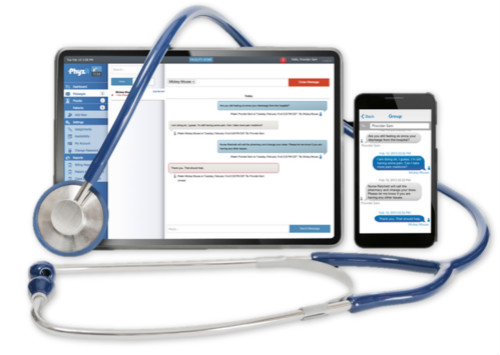
It is a cloud-based solution for tracking transitional care management metrics. With a total fundraising goal of $50,000, the Kickstarter campaign raised $775 from seven backers. The device targets patients, hospital systems, home healthcare providers, internal medicine practitioners, and cardiologists. It enables clinicians to monitor patients through an intuitive dashboard, helping them adhere to transitional care management tasks until the final stage, and will be compatible with hospital EMR systems in the future.
Regardless of their location, the app provides users with popular fitness plans and guided dance classes. Catering to those who “don’t go to the gym” or are simply too busy to work out, the app connects users with instructors for various gymnastics or dance courses, all of whom are CPR-certified. Currently, 19 backers have pledged $1,775, with 17 days remaining to reach the $25,520 fundraising goal.
This is a Kickstarter project positioned as “an accountant in your pocket,” except that this accountant tracks only alcohol consumption. The mobile app has raised $731 from seven backers, with 47 days remaining to reach its $10,000 fundraising goal.
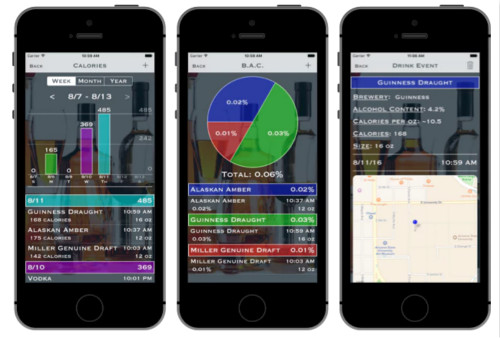
Alc Accounting was designed to continuously track drinking habits, including monitoring blood alcohol content, calorie consumption, and the time and location of alcohol intake. When using the app, users first select the type of alcoholic beverage, then choose from a list of over 1,000 specific brands or cocktail names, specify the amount consumed, and scroll through icons, charts, and maps to record all details regarding their drinking preferences. The primary reason this application is seeking funding is to cover the costs of drafting “the legal documents necessary for such applications,” including privacy policies, terms of use, and disclaimers.
This is a mental health app designed to connect with communities facing suicide crises. The project raised a total of $616, falling short of its $25,000 funding goal. Terrace Wellness Group is currently using this application to facilitate and streamline treatment for 100 children in two high-risk communities in Canada, marking the soft launch of its summer crowdfunding campaign. They have distributed smartphones preloaded with the app to these adolescents, enabling them to communicate online with professional therapists anytime and anywhere. Healthcare professionals within the communities will also use the app to engage and collaborate with experts from Terrace Wellness.
This is a heart disease-focused application compatible with smartphones and wearable heart rate monitors, enabling continuous heart rate tracking. The project has raised $232 to date, with 18 days remaining to reach its flexible funding goal of $50,000.
When the program detects an abnormal heart rate, it initiates a countdown. If the user, family members, or healthcare professionals fail to notice and cancel the countdown, the system will automatically call emergency services. In the event of cardiac arrest, the program immediately dials 911 and uses the smartphone’s Global Positioning System (GPS) to dispatch emergency responders to the location. The program can convert medical data, current location, and other information from text to speech, enabling it to communicate via the smartphone on behalf of the user. The company hopes that, upon launch, the program will be compatible with Apple iPhones and Fitbit heart-rate monitoring devices.

Note: For all the aforementioned projects, the crowdfunding amounts and participant counts are as of August 29.