

Shenzhen Enacts China's First Local Medical 'Basic Law' with Sweeping Reforms and Patient-Centric Provisions
By Shen Xiaowei
On August 25, the Shenzhen Special Economic Zone Medical Regulations, which underwent four rounds of review over two years, were finally approved at the meeting of the Standing Committee of the Shenzhen Municipal People’s Congress and will come into effect on January 1, 2017. As China’s first local basic medical regulation, it will take the lead nationwide in integrating healthcare reform into the rule of law, using legal frameworks to safeguard Shenzhen’s healthcare reform as it enters its “deep-water zone.”
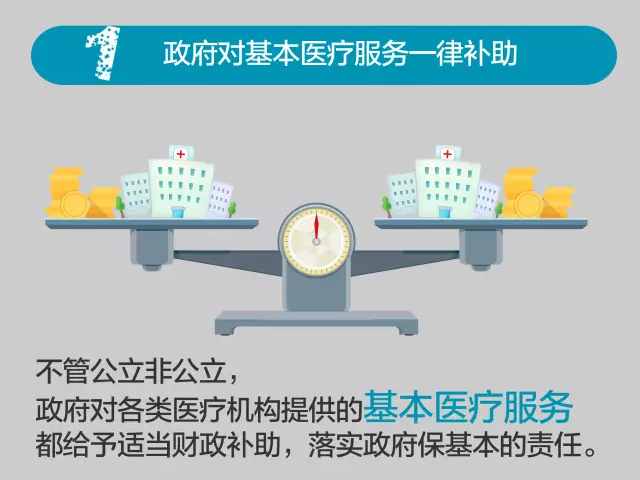
Basic medical services are part of healthcare servicesThe Most Fundamental and Coreof the section.
At the National Conference on Health and Wellness, General Secretary Xi Jinping explicitly stated: “We must adhere to the basic medical and health services as a public welfare undertaking.”Public Welfare. Li Keqiang also proposed “sharing medical and health resources among all citizens,” with the aim toEquitable AccessTo deepen healthcare reform with the goal of benefiting the public.
Government investment should be prioritized for basic medical and health services, with continuous efforts to improve systems, expand service coverage, and enhance quality, so that the general public has equitable access to systematic and continuous health services, including prevention, treatment, rehabilitation, and health promotion.
Where Is the Government’s Commitment to Basic Coverage Specifically Reflected?
The Regulations specify that the government shall strengthen organizational leadership, increase investment, promote the equalization of basic medical services, ensure the provision of basic medical services by public medical institutions, enhance the standardized development of community health service institutions, and improve their capacity to deliver basic medical services. Appropriate fiscal subsidies shall be provided for basic medical services delivered by various types of medical institutions in accordance with relevant provisions, and preferential policies shall be granted to non-public medical institutions that primarily provide basic medical services. Social forces are encouraged and supported to provide basic medical services to the public. Furthermore, the volume of basic medical services provided by public medical institutions shall account for more than 90% of their total annual medical service volume.
Article 4 Municipal and district people's governments shall strengthen organizational leadership over the healthcare sector, incorporate healthcare development into national economic and social development plans, improve the medical service system, promote equalization of basic medical services, and ensure that residents' needs for basic medical services are met.
Article 12 The municipal and district finance departments shall establish a tiered and categorized fiscal guarantee system for basic medical services, providing appropriate subsidies to basic medical services delivered by various medical institutions based on their functional positioning, service volume, service quality, and implementation of relevant special programs.
Article 13 Where the annual volume of basic medical services provided by a non-public medical institution accounts for more than 50% of its total annual volume of medical services, the prices charged for its electricity, water, and gas consumption shall be the same as those applied to public medical institutions. Specific implementation measures shall be formulated separately by the municipal people’s government.
Article 14 The annual volume of basic medical services provided by public medical institutions shall account for more than 90% of their total annual volume of medical services. The provision of basic medical services by public medical institutions shall be included in their annual performance evaluations.
Article 20 The municipal and district people's governments shall strengthen the standardized development of community health service institutions and promote the improvement of their basic medical service functions.
District people’s governments shall, in accordance with the construction standards for community health service institutions, equip public community health service institutions with business premises, medical facilities and equipment, and health technical personnel that meet operational needs, and ensure remuneration and related welfare benefits for health technical personnel and other staff members.
At the National Health and Wellness Conference, five major directions for future healthcare reform were proposed: establishing a tiered diagnosis and treatment system, a modern hospital management system, a universal health insurance system, a drug supply and guarantee system, and a comprehensive regulatory system. Among these,The Tiered Diagnosis and Treatment System Is the Top Priority of Healthcare Reform. The Regulations mark the institutionalization of the hierarchical diagnosis and treatment system reform in Shenzhen.
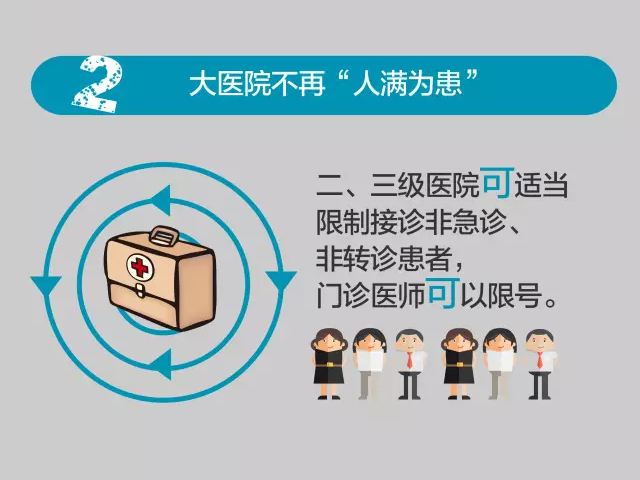
The Regulations clarify the functions of medical institutions at different levels:Tier 2 and Tier 3 HospitalsPrimarily responsible for providing diagnostic and therapeutic services for emergency, inpatient, and complex critical cases, as well as for the development of key medical disciplines, medical scientific research, and teaching.Primary Healthcare InstitutionsPrimarily responsible for providing basic diagnosis, treatment, rehabilitation, and nursing services for common, frequently occurring, and chronic diseases. It is stipulated that secondary and tertiary hospitals may appropriately restrict the acceptance of non-emergency and non-referred patients, and outpatient physicians may limit the number of appointments to ensure reasonable consultation time for patients.
This regulation helps address issues such as overcrowding in large hospitals, insufficient time for doctor-patient communication, and excessive workloads for healthcare professionals, thereby ensuring the quality of patient care.
After large hospitals implemented appointment quotas, many residents expressed concern that accessing medical care would become more difficult. Lu Yuping, Deputy Director of the Regulations Division of the Shenzhen Municipal Health and Family Planning Commission, stated that the government would also introduce a series of supporting measures to improve the tiered diagnosis and treatment system and build “Initial consultation at primary care level, two-way referral, separate management of acute and chronic conditions, and coordination between upper- and lower-level healthcare institutions” tiered diagnosis and treatment model.
For example, the government will increase investment in primary healthcare institutions and enhance subsidies for basic medical services, improve the family doctor contract service system, and strengthen primary healthcare. It will refine the guiding mechanisms of medical insurance policies to encourage healthcare institutions to shift their focus and resources downward to the grassroots level. Health authorities will establish referral standards and procedures; specialist appointment slots at tertiary hospitals will be prioritized for community health centers, ensuring that patients referred from these centers receive priority in consultation, examination, and hospitalization. In other words, this approach enables the public to enjoy higher medical insurance reimbursement rates and lower out-of-pocket costs when seeking care at primary healthcare facilities. It also ensures timely access to family doctors for initial consultations and facilitates prompt referrals to large hospitals for specialized conditions, thereby enhancing convenience.
Liao Xinbo, an inspector with the Guangdong Provincial Health and Family Planning Commission, stated that while restricting outpatient visits at secondary and tertiary hospitals may seem somewhat impersonal, the ultimate beneficiaries of implementing a tiered diagnosis and treatment system are the citizens of Shenzhen. However, this poses challenges to the Shenzhen municipal government and medical institutions.Need to Improve the Diagnosis and Treatment Capabilities of Primary Healthcare。
It is worth noting that this is aNon-mandatory, but permissiveThe provisions do not mandate that all secondary and tertiary hospitals restrict patient intake; rather, they provide a legal basis for the future implementation of such restrictions in these hospitals.
Article 9 The municipal health administrative department, in conjunction with the municipal human resources and social security department and other relevant departments, shall reasonably delineate the functions of medical institutions at different levels. Level II and Level III hospitals shall primarily provide diagnosis and treatment services for emergency cases, inpatients, and complex or critical conditions, as well as emergency medical rescue for public health emergencies, development of key medical disciplines, and medical scientific research and teaching. Primary healthcare institutions shall primarily provide basic diagnosis and treatment, rehabilitation, and nursing services for common diseases, frequently occurring illnesses, and chronic diseases.
Implement a tiered diagnosis and treatment system featuring initial consultation at primary care facilities, two-way referrals, and separate management of acute and chronic conditions. Specific measures, including referral criteria and procedures, shall be formulated separately by the municipal health administrative department in conjunction with relevant authorities.
Article 10 Level II and III hospitals may, in accordance with the guidance of the municipal health administrative department, appropriately restrict the acceptance of non-emergency and non-referred patients.
Medical institutions may determine the daily number of patients seen by outpatient physicians based on their professional categories and specialties, so as to ensure reasonable consultation time for patients. Guideline standards for outpatient physician patient volumes shall be formulated separately by the municipal health administrative department.
Article 19 The municipal human resources and social security department shall, based on global budgeting under the management of the social medical insurance fund, improve composite payment methods such as average quota-based payment, diagnosis-related group (DRG) payment, and capitation, as well as a differential payment system aligned with tiered diagnosis and treatment, and refine relevant policies to guide patients to seek initial consultation at primary healthcare institutions under the social medical insurance scheme.
Article 20 The municipal and district people’s governments shall strengthen the standardized development of community health service institutions and promote the improvement of their basic medical service functions.
District people's governments shall, in accordance with the construction standards for community health service institutions, equip public community health service institutions with operational premises, medical facilities and equipment, and health professionals that meet operational needs, and ensure labor remuneration and related welfare benefits for health professionals and other staff members.
Article 38 Medical institutions may arrange for health technical personnel to provide family doctor services to patients. Where family doctor services are provided, a service agreement shall be signed with the patient or their agent. Specific measures shall be formulated separately by the municipal health administrative department.
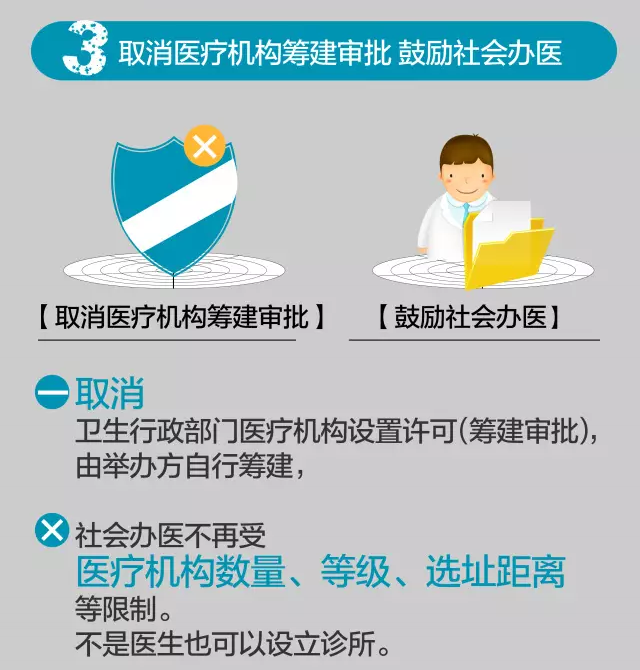
To address the shortage of medical resources, Shenzhen has further fully liberalized its healthcare sector, encouraging and supporting non-governmental entities to establish medical institutions in accordance with the law.
For private medical institutions, the Regulations feature several key highlights:
First,More Convenient Healthcare Facility Establishment. Streamline the approval process for medical institutions by eliminating pre-establishment approval and practice registration requirements. All restrictions on the quantity, classification, bed capacity, and location distance of privately-run medical institutions are fully abolished, allowing sponsors to independently handle preparatory work. The former two-step approval process, comprising pre-establishment approval and practice registration, is replaced by a single, one-time approval procedure. Furthermore, the previous regulation requiring that clinics be established only by physicians with at least five years of clinical practice experience is revised to permit citizens, legal persons, or other organizations to apply for establishment.
Second,Fairer Market. The Regulations stipulate that medical institutions, regardless of their investment entities or operational nature, shall enjoy equal rights in accordance with the law in areas such as access to medical services, designation as providers under social medical insurance programs, professional title evaluation, institutional grading and assessment, scientific research and teaching, and discipline development.
Third,Encourage the Maintenance of Basic Coverage. The Regulations stipulate that appropriate fiscal subsidies shall be granted to basic medical services provided by various types of medical institutions, based on their functional positioning, service quality, service volume, and the implementation of relevant special programs.
Article 6, Paragraph 1: Social forces are encouraged and supported to establish medical institutions in accordance with the law. Regardless of their investment entities or operational nature, medical institutions shall enjoy equal rights under the law in areas such as access to medical services, designation as providers for social health insurance, professional title evaluation, accreditation grading, scientific research and teaching, and discipline development.
Article 8 The municipal health administrative department shall, in accordance with the principles of rational layout, appropriate scale, optimized hierarchy, and comprehensive functionality, formulate the citywide plan for the establishment of public medical institutions, which shall be announced to the public upon approval by the municipal people's government.
Article 12 The municipal and district-level finance departments shall establish a tiered and categorized fiscal guarantee system for basic medical services, providing appropriate subsidies to basic medical services delivered by various types of medical institutions based on their functional positioning, service volume, service quality, and the implementation of relevant special programs.
Article 13 Where the annual volume of basic medical services provided by a non-public medical institution accounts for more than 50% of its total annual volume of medical services, the prices charged for its electricity, water, and gas consumption shall be the same as those applicable to public medical institutions. Specific implementation measures shall be formulated separately by the municipal people’s government.
Article 23, Paragraph 1: Citizens, legal persons, or other organizations may apply to establish medical institutions within the Special Zone.
Article 25, Paragraph 1: The establishment of a medical institution shall be subject to registration of the entity’s legal status. This requirement shall not apply to outpatient departments, clinics, infirmaries, health stations, and other similar facilities established by legal persons or other organizations to serve specific internal groups such as employees and students.
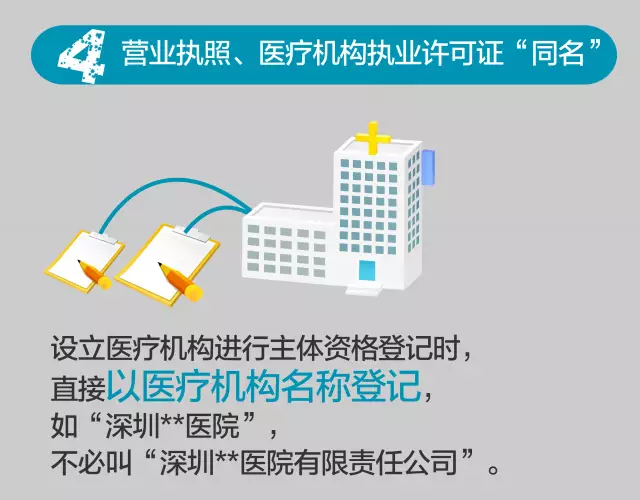
Previously, inconsistent naming rules for for-profit medical institutions and commercial entities resulted in discrepancies between the names listed on their business licenses and their Medical Institution Practice Licenses. Many departments and agencies mistakenly regarded these as two separate legal entities, hindering the smooth conduct of related procedures with industry and commerce, taxation, social security, and banking authorities, thereby severely impairing the normal operations of medical institutions. The new regulations explicitly stipulate that entity qualification registration shall be conducted directly under the name “Shenzhen ** Hospital,” thereby thoroughly resolving the issue of inconsistent naming.
Furthermore, the Regulations establish a registration system for the legal entity status of medical institutions, thereby removing obstacles to future capital operations such as equity transfers and initial public offerings by privately run medical institutions.
Article 25 The establishment of a medical institution shall be subject to registration of the entity’s legal status. This requirement does not apply to outpatient departments, clinics, infirmaries, health stations, and similar facilities established by legal persons and other organizations to serve specific internal groups such as employees and students.
Non-profit medical institutions shall register their entity status with the institutional organization department or the civil affairs department in accordance with relevant regulations; for-profit medical institutions shall register their commercial entity status with the market supervision and administration department. The departments responsible for entity status registration shall register the medical institutions under names that comply with the relevant provisions on medical institution management, and indicate the type of entity.
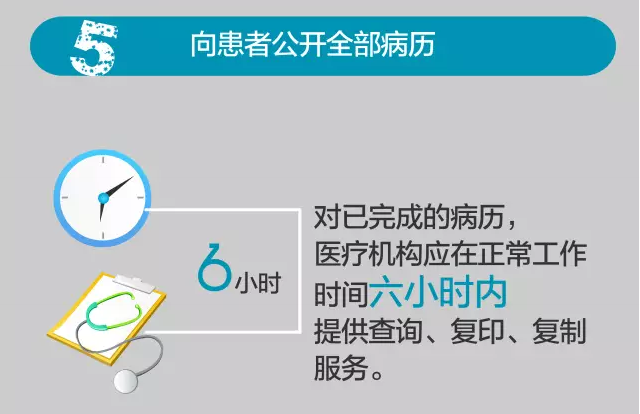
The Regulations also provide robust protection for patients’ rights; notably, they require medical institutions to disclose complete medical records to patients within a specified timeframe.
The emergence of doctor-patient disputes often stems fromInformation Asymmetry Between Doctors and Patients, patients and their families often suspect that subjective medical records, such as resuscitation records and progress notes—which are not required to be disclosed to patients under current regulations—have been tampered with by medical institutions. To resolve this conflict, the Regulations explicitly grant patients or their agents the right to consult, photocopy, or reproduce medical records, and medical institutions shall provide such access within six hours during normal working hours.
Lu Yuping, Deputy Director of the Regulatory Affairs Division of the Shenzhen Municipal Health and Family Planning Commission, stated that medical records eligible for copying by patients include both objective and subjective records. This measure not only safeguards patients’ right to information but also helps standardize medical practices and medical record documentation. “In fact, once a medical dispute enters judicial proceedings, hospitals must disclose all medical records to demonstrate the compliance of their medical conduct. So why not disclose them from the outset?” Failure to do so will only exacerbate patients’ distrust of hospitals; therefore, the Regulations have made provisions in this regard.MandatoryRegulations.
“In fact, many medical institutions in China have already made patients’ complete medical records accessible to them, even in the absence of mandatory regulations. ‘Medical institutions in Shenzhen should also be able to do this,’ said Lu Yuping, noting that such transparency helps foster mutual communication and understanding between doctors and patients.”
Article 50 Patients or their agents, and the legal heirs of deceased patients or their agents, shall have the right to inspect, photocopy, or reproduce medical records.
For requests to review, photocopy, or reproduce medical records, healthcare institutions shall provide access to completed records within six hours during normal working hours; incomplete records shall be finalized within the prescribed timeframe. Healthcare institutions shall affix a certification stamp attesting that the photocopies or reproductions are consistent with the originals and indicate the date and time of copying or reproduction.
At the National Conference on Health and Wellness, it was proposed to severely crack down on illegal and criminal activities related to healthcare in accordance with the law, particularly violent crimes against medical personnel, so as to ensure their safety.
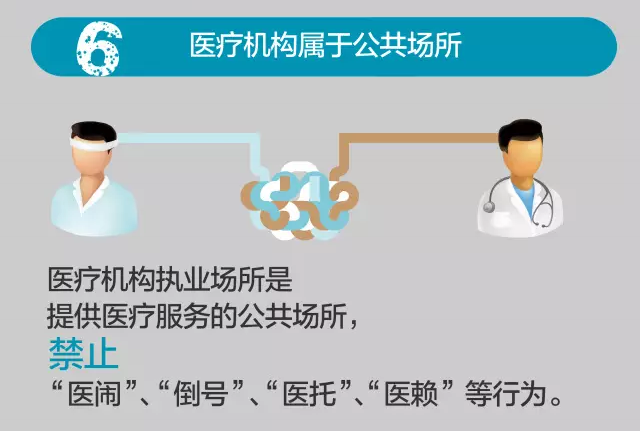
Previously, medical institutions were classified as internal security units. The Regulations explicitly stipulate that the premises of medical institutions are public spaces where medical services are provided, and require public security organs to maintain public order within these institutions, prevent and crack down on criminal acts that infringe upon the personal safety of medical personnel, other staff members, and patients, or disrupt the normal operational order of medical institutions.
What is the difference between “public places” and “internal security units”?
Under the provisions of the Public Security Administration Punishments Law regarding disturbances to public order, penalties imposed on “internal security units” must meet the criterion of “disrupting order to the extent that work, production, business operations, medical services, teaching, or scientific research cannot proceed normally”; whereas for “public places,”Merely constituting "disruption", penalties may be imposed without any additional conditions.
Furthermore, the Regulations explicitly prohibit activities such as “medical disturbances,” “scalping of appointment slots,” “medical touting,” and “malicious avoidance of medical payments,” thereby enhancing the prevention and crackdown on healthcare-related illegal and criminal acts, safeguarding patients’ legitimate rights to seek medical care, and ensuring the rational utilization of medical resources.
“Designating hospitals as public spaces is beneficial for handling doctor-patient disputes, providing us with a clear legal basis for law enforcement. The regulations explicitly require public security organs to handle such cases promptly and in accordance with the law,” stated Wu Jianjun, Deputy Director of the Lianhua Police Station in Futian District. He noted that in the past, public security authorities mostly relied on mediation between both parties to resolve incidents of medical disturbances at hospitals. With the nature of hospitals clarified as public spaces, individuals who disrupt order can now be detained in accordance with relevant regulations.
Article 47 The practice premises of a medical institution are public places where the medical institution provides medical services. The professional activities of medical institutions and their health technical personnel are protected by law. No person shall engage in any of the following acts:
(1) Committing acts of violence or threatening medical institutions with violence, engaging in extortion or blackmail, or provoking disturbances at medical institutions;
(2) Gathering crowds to cause disturbances, surrounding or blockading medical institutions, or forcibly occupying or storming the premises where medical institutions practice;
(3) Insulting, threatening, intimidating, verbally abusing, or harming medical personnel and other staff members of medical institutions, or illegally restricting their personal freedom;
(4) Theft, snatching, intentional damage, or concealment of medical facilities and important materials such as medical records and archives in medical institutions;
(5) Other acts that disrupt the normal order of medical institutions or threaten the personal safety of medical personnel and other staff members of medical institutions.
Public security organs shall maintain public order in medical institutions, prevent and crack down on illegal and criminal acts that infringe upon the personal safety of medical personnel, other staff members of medical institutions, and patients, or disrupt the normal order of medical institutions, and provide guidance and supervision over the security work of medical institutions.
Article 48 The resale of registration vouchers for medical institutions is prohibited.
It is prohibited to deceive or mislead patients with false information at the practice premises of medical institutions, or to refer patients to other facilities for diagnosis and treatment services.
Article 49 Where a patient meets the criteria for discharge and the medical institution has issued a discharge notice, the patient shall complete the discharge procedures in a timely manner and shall not refuse to be discharged without justifiable reasons.
Physicians’ multi-site practice has become an administratively endorsed and supported measure in China; however, it is regrettable that our laws and regulations have not kept pace.
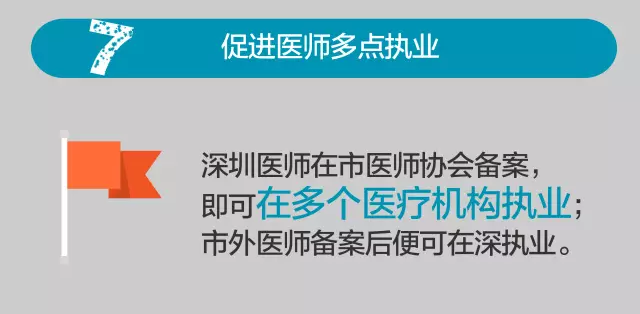
The Regulations legalize multi-site practice for physicians from a legal perspective. The Regulations clearly state that,Physicians Registered in Shenzhen,Filing with the Municipal Physicians Association is sufficient., they may practice at multiple medical institutions;Physicians from Outside Shenzhen Practicing in ShenzhenNo change in practice registration is required., they may practice in Shenzhen medical institutions upon completion of the filing procedures.
This facilitates Shenzhen’s recruitment of outstanding medical professionals from outside the city. By streamlining the filing procedures for physician practice registration and abolishing caps on the number of practicing physicians, Shenzhen can fully mobilize and optimize its physician workforce, thereby enhancing the overall quality of medical care in the city.
The Regulations also stipulate the specific advance notice period required for physicians to obtain informed consent from patients. This provision provides robust safeguards for protecting patients’ rights and interests, ensuring that patients have adequate time for careful consideration before undergoing medical procedures. Furthermore, the Regulations clearly define the specific measures and procedures for patients to request copies of their medical records, thereby addressing previous legislative gaps in this area of medical practice.
Article 33 Physicians who have obtained the Physician Qualification Certificate but not the Physician Practice Certificate shall apply to the Shenzhen Medical Doctor Association (hereinafter referred to as the “Municipal Medical Doctor Association”) for practice registration in order to practice in the Special Zone. Physicians who have obtained the Physician Practice Certificate may practice at the medical institutions where they are registered or filed, after completing the change of registration or filing with the Municipal Medical Doctor Association.
At the National Conference on Health and Wellness, Xi Jinping emphasized the need to comprehensively establish a health impact assessment system, improve the construction of population health information service systems, and promote the application of big data in health and medical care.
Electronic medical records (EMRs) can be disseminated and shared via the internet, forming the foundation of “Internet + Healthcare.” The “Internet + Healthcare” model facilitates the advancement of universal health information services and smart healthcare services. By leveraging population health information platforms to establish and refine electronic health record (EHR) and EMR databases, it provides big health data and information technology support for the development of remote services, mobile healthcare, family doctor services, and other initiatives.
Under the Electronic Signature Law, the use of electronic signatures requires mutual agreement between the parties involved. However, it is impractical for medical institutions to reach such agreements with every patient, and there is a lack of clear legal basis regarding the legal validity of electronic medical records.
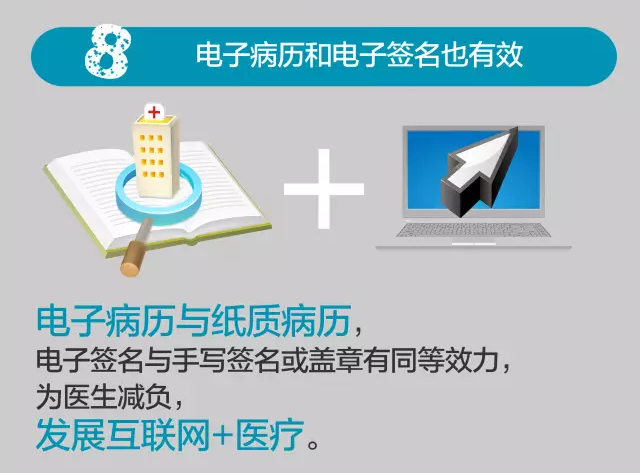
The “Regulations” break new ground through legislation, explicitly stipulating that electronic medical records meeting the specified requirements are equivalent to medical records in other forms.have equal legal effect; reliable electronic signatures in electronic medical records and handwritten signatures or seals on other medical recordsHave Equal Legal Effect; and authorize the municipal health administrative department to formulate measures for the administration of electronic medical records.
The implementation of these provisions provides a legal basis for medical institutions to create and use electronic medical records and electronic signatures, which can significantly reduce the workload of physicians and will alsoThe Development of "Internet + Healthcare"Break through key bottlenecks to usher in a spring of leapfrog development.
Article 45 Medical institutions are encouraged to create and use electronic medical records in accordance with the requirements of relevant standards.
Electronic medical records that meet the specified requirements shall have the same legal validity as medical records maintained in other forms; reliable electronic signatures on electronic medical records shall have the same legal validity as handwritten signatures or seals on other medical records.
Medical institutions that create electronic medical records in accordance with relevant regulatory requirements are not required to produce or retain paper-based medical records, but shall provide services for accessing, printing, or copying such electronic medical records.
The administrative measures for electronic medical records shall be separately formulated by the municipal health administrative department.
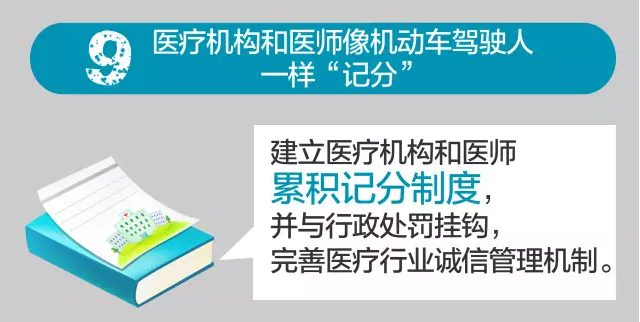
“The Regulations” stipulate the establishment and improvement of a credit system for the medical industry, recording the professional conduct of medical institutions and health professionals, and regularly disclosing such information to the public.
《Regulations》Drawing on the cumulative demerit point system for motor vehicle driversBy implementing a cumulative point system for medical institutions and physicians, and linking these points to administrative penalties, the supervision of professional conduct is transformed from isolated “points” into a continuous “line.” Medical institutions and physicians are akin to holding a “driver’s license”; in addition to administrative penalties imposed in accordance with the law for violations, demerit points will be recorded. When accumulated points reach a specified threshold, administrative penalties such as warnings or orders to suspend practice will be imposed, with the most severe penalty being revocation of the practicing license.
Article 57 The health administrative departments and the departments responsible for registering the legal entity status of medical institutions shall establish a mechanism for information sharing and coordination, and promptly notify each other of the registration, changes, and cancellation of information regarding the legal entity status, practice licenses, and other relevant details of medical institutions.
Article 58 The health administrative authorities shall establish a reporting system for medical quality and safety incidents and a medical risk early warning mechanism, and set up a data platform for handling medical disputes in collaboration with public security organs, judicial administrative departments, arbitration institutions, and people's courts.
Article 59 The health administrative departments shall establish and improve the integrity system for the medical industry, record the practice information of medical institutions and health technical personnel, and regularly disclose such information to the public.
Article 60 Where medical institutions or physicians engage in illegal practice activities, in addition to administrative penalties imposed in accordance with the law, the health administrative department shall handle them separately in accordance with the cumulative points system.
If a medical institution accumulates demerit points reaching the corresponding threshold within one scoring cycle, the health administrative department shall impose penalties respectively, including issuing a warning, ordering suspension of business for rectification, and revoking the Medical Institution Practice License.
If a physician accumulates demerit points reaching the specified threshold within a scoring cycle, the health administrative department shall impose penalties including a warning, an order to suspend practice, or revocation of the Physician’s Practice Certificate, as applicable.
Specific measures for the accumulation of demerit points shall be separately formulated by the Municipal People's Government.
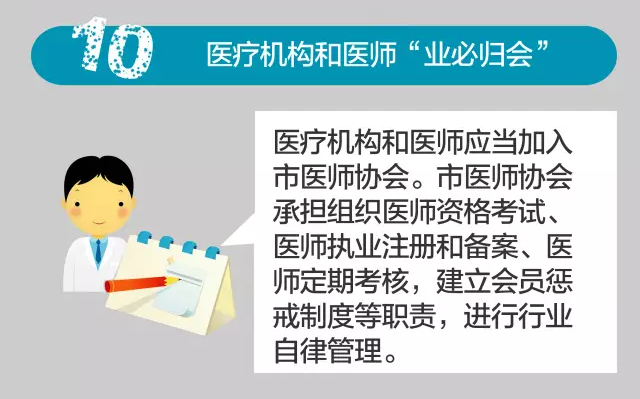
The Regulations stipulate that physicians practicing in Shenzhen shall apply to the Shenzhen Medical Doctor Association for practice registration, a provision that replaces the previous requirement of registration by administrative authorities and leverages the role of self-regulatory industry organizations.
The Regulations explicitly outline the characteristics of management by industry self-regulatory organizations and encourage medical institutions and health professionals to join such bodies. The Regulations clearly define the responsibilities of these self-regulatory organizations, including regulating physicians’ clinical practice and conduct, facilitating professional exchanges, conducting public science education, and imposing disciplinary actions on members. This progressive approach represents a positive step toward strengthening physician oversight by transitioning from purely administrative management to a collaborative model involving both administrative and industry-based governance.
In fact, countries that implement industry organization registration internationally all require physicians to join professional associations; the "Regulations" also draw on the system of "mandatory association membership" for lawyers and certified public accountants. According to a legislative public opinion survey, 74.10% of medical personnel believe it is necessary to join professional association organizations.
Article 64 The Municipal Physicians Association shall conduct industry self-discipline management and services in accordance with the law, and perform the following duties:
(1) Establish industry management systems, including codes of conduct for physician practice, disciplinary mechanisms, integrity records, and medical risk control systems;
(II) Reflecting the opinions and demands of the medical industry, and safeguarding the legitimate rights and interests of medical institutions and physicians;
(3) Organize and implement the National Physician Qualification Examination, be responsible for the registration and filing of physician practice licenses, and conduct periodic assessments of physicians in accordance with relevant national regulations;
(4) Organize and conduct professional training for physicians, as well as education on professional ethics and practice standards;
(5) Accept complaints or reports against members, inspect members’ professional qualifications and practice conduct, impose disciplinary measures for violations of professional ethics and practice standards, and refer cases involving suspected legal violations that warrant administrative penalties or point deductions to the health administrative authorities for handling;
(6) Coordinate and resolve intra-industry disputes;
(7) Other duties prescribed by laws and regulations.
Medical institutions and physicians practicing in the Special Administrative Region shall join the Municipal Medical Association as its members.