

Six Nobel Laureates Share Their Medical Serendipities and Opportunities in Upcoming IPO Filing
On the morning of September 2, at 9:00 a.m., the opening ceremony of the 2016 Third Nobel Laureates Medical Summit and the Sino-US Academicians Forum was grandly held at the Shangri-La Hotel in Chengdu. The Nobel Laureates Medical Summit is an annual international medical conference hosted in China by the International Science Exchange Association of Nobel Laureates. It is dedicated to promoting forward-looking research in China in fields such as natural sciences and social sciences, fostering international academic exchanges, technological cooperation, and the development of information platforms, as well as supporting and assisting outstanding Chinese scientific researchers in engaging with the global community.
During the summit, six Nobel laureates gathered at a parallel session—the World Youth Innovation Forum—serving as a distinguished mentorship team. They shared their personal scientific journeys with students and young scientists, encouraging them to persevere on their research paths.
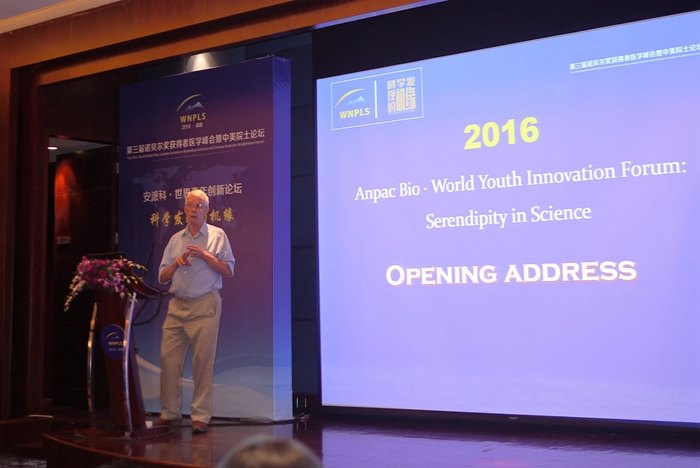
Profile:1993 Nobel Laureate in Physiology or Medicine. Professor Richard Roberts is a distinguished scientist in the international life sciences community, a Fellow of the Royal Society (UK), and a Member of the American Academy of Arts and Sciences. He was among the first to discover the biological processing of nucleic acids, revealing that their genes are discontinuous, with coding sequences in DNA interrupted by non-coding segments. He has identified more than 100 related enzymes, and his restriction enzyme database ranks among the most comprehensive biological databases worldwide. In 1993, Professor Richard Roberts shared the Nobel Prize in Physiology or Medicine with American scientist Phillip Sharp.
Chance has played a significant role in my scientific career. Having earned my Ph.D. in chemistry in a relatively short time, I had the opportunity to read John Kendrew’s book The Thread of Life at the Sheffield Library, where I first discovered the existence of molecular biology. Instead of remaining in Wisconsin, I went to Harvard University for my postdoctoral fellowship to work on RNA sequencing. This experience not only sparked my lifelong interest in sequencing but also gave me the chance to attend a seminar led by Dan Nathans, which aroused my interest in restriction endonucleases. In 1973, at Cold Spring Harbor, our laboratory initiated a search for restriction endonucleases, of which very few were known at the time. We achieved remarkable success, discovering more than 70% of the initial 100 enzymes identified.
I was awarded the prize for my discovery of introns and exons in eukaryotic genes. The significance behind the theme of this conference, and particularly that of my presentation, is to illustrate that major breakthroughs in scientific research are rarely the result of meticulous prior planning, but are often encountered by chance. These unexpected findings sometimes arise from flawed experimental designs or improper experimental procedures. In either case, it is nature attempting to reveal something that humanity has not yet discovered.
Throughout my career, luck and serendipity have consistently yielded unexpected outcomes, which have been crucial to my success. In 1975, Richard Gelinas joined my laboratory as a postdoctoral fellow, and weAttempting to characterize a human parvovirus called adenovirus, aiming to determine whether the DNA sequence in adenoviruses is consistent with that of other viruses. We characterized the 5’ ends of mRNA and, on this basis, discovered a new approach to addressing this issue. However, the method we chose yielded unexpected results almost immediately regarding the mRNA structure of adenovirus 2 (Ad2). To explain these results, the mRNA production process in Ad2 must be fundamentally different from that in bacteria and their bacteriophages. The differences lie not only in mRNA synthesis but also in gene structure. Given our understanding at the time of bacterial transcription and gene structure, these findings could not be adequately explained. Thanks to our collaboration with Louise Chow and Tom Broker, we were able to pursue this remarkable observation further. After approximately six months of experimental investigation, we identified the primary, or rather the true, reason for these unexpected results: although bacterial genes are continuous, eukaryotic genes are split into many small fragments. These small fragments that encode protein sequences are called exons, and the intervening sequences between two exons are called introns. This was a stunning and major discovery because, until then, it was universally believed that genes in humans, viruses, and bacteria were all uninterrupted stretches of DNA. For the first time, a global hypothesis was challenged.
This is a remarkable discovery, as its emergence was entirely unforeseen. Consequently, it holds greater significance than any other finding. Such discoveries rely purely on serendipity, given our complete inability to predict future developments.
When I look back on my scientific research career, I realize there have been many instances where the work I was engaged in led to similar discoveries. We were not actively seeking these findings, yet they proved to be highly intriguing. Often, these were not groundbreaking breakthroughs but rather subtle insights. Nevertheless, this is how science advances, and indeed, it is how science must advance.
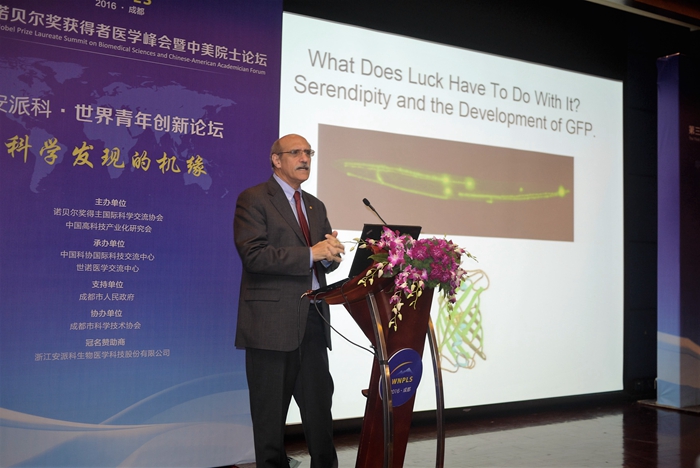
Profile:Recipient of the 2008 Nobel Prize in Chemistry. An American scientist and Professor of Biology at Columbia University, he shared the 2008 Nobel Prize in Chemistry with Osamu Shimomura and Roger Y. Tsien for his research and discovery of the role of green fluorescent protein (GFP) as a luminous genetic tag. Prior to the early 1990s, biological research typically involved staining cells in dead specimens that permitted reagent penetration. This approach allowed only a limited glimpse into cellular mechanisms, providing merely static snapshots of life. The application of GFP and other fluorescent proteins revolutionized the biological sciences by enabling scientists to observe internal biological activities within living cells.
In 1962, Osamu Shimomura discovered the naturally occurring green fluorescent protein (GFP) within the light-emitting organs of jellyfish. Its ability to fluoresce stems from the spontaneous formation of a fluorophore by the amino acid residues at positions 65–67 (serine–tyrosine–glycine) within its 238-amino-acid sequence. Upon learning about GFP, I enthusiastically shifted my research focus from using molecular genetics to study problems in nematodes to fusing the GFP gene with genes encoding proteins in organisms, successfully achieving its expression in two species of small nematodes. Since GFP exhibited bright green fluorescence in different organisms, it was confirmed as a universal genetic marker applicable across various organisms.
The application of GFP and other fluorescent proteins has revolutionized the biological sciences by enabling scientists to observe intracellular biological activities in living cells. As green fluorescent protein (GFP) can serve as a biomarker, it has been widely utilized in numerous scientific studies.
Serendipity is often conflated with luck. For instance, Merriam-Webster’s online dictionary provides two definitions for the term “serendipity”: one is luck in the form of discovery, and the other is the ability or phenomenon of finding valuable or pleasant things without actively searching for them. The application of GFP indeed involves some unexpected discoveries, but it also requires a willingness to disregard prior assumptions and, more importantly, the concerted efforts of many individuals. The story of the discovery and development of GFP serves as an excellent example of how science typically advances: through accidental discoveries, a readiness to challenge previous assumptions, and the collaborative efforts of numerous researchers.
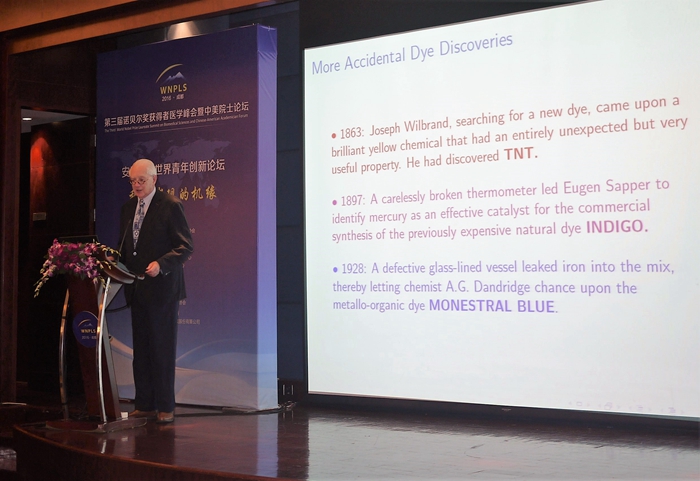
Profile:The 1979 Nobel Laureate in Physics and the prototype for “Sheldon” in the American TV series *The Big Bang Theory*. Glashow’s main research fields are elementary particles and quantum field theory. As early as the early 1960s, Glashow discussed the unification of weak and electromagnetic interactions based on gauge field theory, predicting the existence of neutral weak currents; however, he was unable to theoretically derive intermediate bosons with rest mass. In 1975, together with his collaborators, he proposed a Grand Unified Theory (GUT) that unified weak, electromagnetic, and strong interactions, building upon the Weinberg-Salam model, the electroweak unification theory, and Quantum Chromodynamics (QCD). This work has had significant influence on theoretical research in elementary particles and field theory, as well as in cosmology. For these achievements, he shared the 1979 Nobel Prize in Physics with S. Weinberg and A. Salam. The Standard Model of particle physics is regarded as one of the most significant achievements in twentieth-century physics. Professor Glashow is one of the founders of the Standard Model of particle physics and a pioneer of Grand Unified Theories. He also successfully predicted the existence of the charm quark.
Serendipity plays a crucial role and is ubiquitous in both the scientific and industrial communities; many inventions are the result of chance or accidental discoveries. In fact, as Louis Pasteur pointed out, “Chance favors only the prepared mind.” Consider a few examples: the fascinating story behind the creation of the first aniline dye, which occurred when a young scientist was attempting to synthesize quinine; the invention of Viagra, which emerged from research aimed at developing a medication for heart disease; and the accidental discovery of TNT, which originated from efforts to synthesize a yellow dye. Across nearly every sector of industry, particularly in pharmaceuticals, numerous important drugs have been discovered by accident. Nature, through its subtle mechanisms, inadvertently guides scientists in unexpected directions. We must follow this guidance.
Serendipity and inspiration play an even more significant role in physics. Over the past two centuries, some of our discoveries were not part of any planned research agenda. We compare two approaches that drive scientific progress: one relies on the scientific method, guiding research with clear and specific objectives; the other depends on fortuitous luck, where unexpected observations often lead to accidental discoveries. For example,In 1863, Joseph Wilbrand sought to discover a new dye, a novel yellow chemical compound, but instead stumbled upon an entirely unexpected yet highly useful substance: TNT explosive.Five hundred years ago, Christopher Columbus attempted to sail to China but failed, inadvertently discovering the Americas; meanwhile, Ferdinand Magellan sought to circumnavigate the globe and ultimately achieved his original objective. More recent examples include Chinese Nobel laureate Tu Youyou, who dedicated herself to finding a treatment for malaria and succeeded in her goal; whereas British researcher Ian Osterloh’s attempt to develop a treatment for heart disease was unsuccessful, yet led to the discovery of Viagra. Both pathways are indispensable to new discoveries, and institutions supporting scientific research must recognize this fact.
Aaron Ciechanover: The Revolution in Personalized Medicine
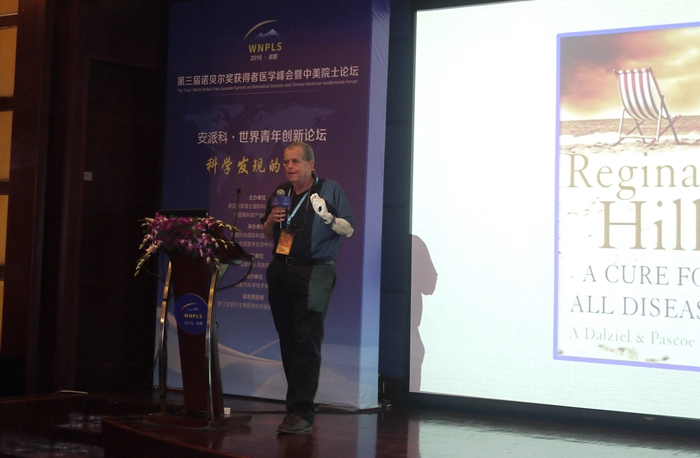
Profile:Recipient of the 2004 Nobel Prize in Chemistry; Director of the Center for Cancer and Vascular Biology, Faculty of Medicine, Technion – Israel Institute of Technology. The 2004 Nobel Prize in Chemistry was awarded to three scientists—two Israeli scientists, Aaron Ciechanover and Avram Hershko, and one American scientist, Irwin Rose—in recognition of their discovery of ubiquitin-mediated protein degradation. In essence, their work elucidated a key mechanism underlying protein “death.” They made groundbreaking discoveries regarding how human cells regulate specific proteins, specifically detailing the cellular “waste disposal” process for obsolete or damaged proteins.
I am a physician and a scientist from the Faculty of Medicine at the Technion – Israel Institute of Technology in Haifa, Israel. Today, our topic is serendipity and chance in science. I believe that the development of medicine has undergone three stages and revolutions. The first revolution occurred between 1930 and 1960, an era characterized by accidental discoveries. During this period, many important drugs, such as penicillin, were discovered by chance. Penicillin was discovered when Alexander Fleming accidentally observed the killing of Staphylococcus aureus during bacterial culture experiments, which led him to recognize the presence of penicillin.
The second revolution spanned from 1970 to 2000, an era characterized by more advanced technologies that enabled high-throughput targeted screening of large chemical libraries. Statins, which lower cholesterol, were discovered through this approach. In the aforementioned cases, the mechanisms of action for most drugs were largely unknown at the time of their discovery and were only elucidated later. The third phase represents 21st-century medicine, which can be summarized by the “4P” model: Personalized, Predictive, Preventive, and Participatory medicine. Today, I would like to discuss the personalized medicine revolution. What is personalized medicine? It entails tailoring treatment to the specific circumstances of each patient. There are significant differences among individuals, such as variations in DNA, dietary habits, genetic traits, climatic environments, and behaviors. Therefore, we believe that diseases bearing the same diagnosis in two different patients are, in essence, entirely distinct conditions; for instance, prostate cancer manifests very differently in two different patients.
In the same disease context, one patient’s condition may be driven by a mutation in a specific gene, while another’s may result from a different genetic variant. Therefore, before treating any disease—whether cancer, reproductive system disorders, heart disease, or kidney disease—we must sequence the patient’s DNA and proteins and analyze their small-molecule multi-omics profiles. In short, we need to comprehensively understand the patient’s condition and, accordingly, develop tailored care strategies based on the specific disease and its underlying etiology. Patients with seemingly similar diseases, such as breast cancer or prostate cancer, often exhibit markedly different responses to similar treatments.
With this understanding, we have come to recognize that diseases previously considered identical possess distinct molecular bases. Consequently, cancers such as breast cancer or prostate cancer can be further subdivided into smaller subtypes based on their molecular characteristics. As a result, the era of a “one-size-fits-all” approach to disease treatment is drawing to a close, and we are entering a new age of “personalized medicine.” In this era of personalized medicine, patient treatment plans should be tailored according to individual molecular profiles and mutation information. In this new era, insights into pathogenesis will drive the development of novel therapeutics. This era will be characterized by the following: first, advances in technologies for individual genomic sequencing, transcriptomics, proteomics, and metabolomics; second, the identification and characterization of novel molecular markers and drug targets for specific diseases; and finally, the design of new mechanism-based drugs targeting these pathways. This era will also be accompanied by complex bioethical challenges: the ready availability of vast amounts of population genetic information will make privacy protection a critical issue.
Another critical issue is that sequencing may reveal a patient’s predisposition to certain diseases. How, then, should we address these conditions that are not yet present but are likely to develop in the future? Should we disclose this information to sponsors, children, or insurance companies? This is merely one of the bioethical dilemmas we will encounter in this revolution.
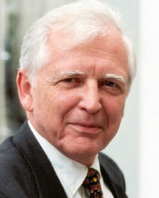
Profile:Recipient of the 2008 Nobel Prize in Physiology or Medicine. At the age of 36, he was appointed Professor of Virology at the University of Erlangen-Nuremberg in Germany and began investigating the relationship between viruses such as human papillomavirus (HPV) and cervical cancer. After more than a decade of research, he finally discovered that certain types of HPV are the causative agents of cervical cancer, a finding that laid the foundation for the development of cervical cancer vaccines.
I have always compared two approaches to scientific exploration: serendipitous discovery on the one hand, and hypothesis-driven research on the other. Throughout my scientific career, I have been engaged in both areas to varying degrees. My professional journey has encompassed three major research domains. During the course of our investigations, we made an accidental discovery that diverged from our initial predictions and observations; a notable example is the unexpected induction by herpesviruses. Serendipitous findings hold a significant place in scientific research, as does hypothesis-driven inquiry. In my view, a key advantage of hypothesis-driven research is that it actively engages stakeholders at both national and international levels in scientific discourse.
A central theme of my scientific career has been the potential impact of infectious events on the development of human cancer. During the first three years, I worked at the Institute of Microbiology in Düsseldorf. Although I had the freedom to devote myself to questions of personal interest, I received almost no guidance. Growing increasingly frustrated, I sought and ultimately secured a different position in Philadelphia, USA. In retrospect, however, my perspective on those initial three years has changed, as they provided opportunities that broadened my horizon for future work. Profoundly influenced by the observation that certain bacteria undergo changes in pathogenicity following lysogenic conversion by specific bacteriophages, I began to explore the hypothesis that human cancers might arise through similar patterns triggered by specific viral infections. During my years in Philadelphia and later in Würzburg, Germany, I was able to substantiate this hypothesis by demonstrating that Epstein-Barr virus (EBV) can establish DNA latency and reactivate in Burkitt lymphoma cells, and can also remain latent in the epithelial cells of nasopharyngeal carcinoma. Subsequently, my team began investigating the role of papillomaviruses in cervical cancer. This line of research was met with some ridicule from former colleagues, as it was “common knowledge” that wart viruses were harmless. This view changed after 1983–1984, when we spent more than a decade identifying specific HPV types responsible for the majority of cervical cancers. Over the last three decades of the 20th century, we made several serendipitous discoveries. One such finding was that tumor-promoting phorbol esters could reactivate latent Epstein-Barr virus. We also identified and characterized a novel B-lymphotropic polyomavirus closely related to the recently discovered human polyomavirus 9, as well as a novel adeno-associated virus (AAV) with specific affinity for respiratory epithelium.
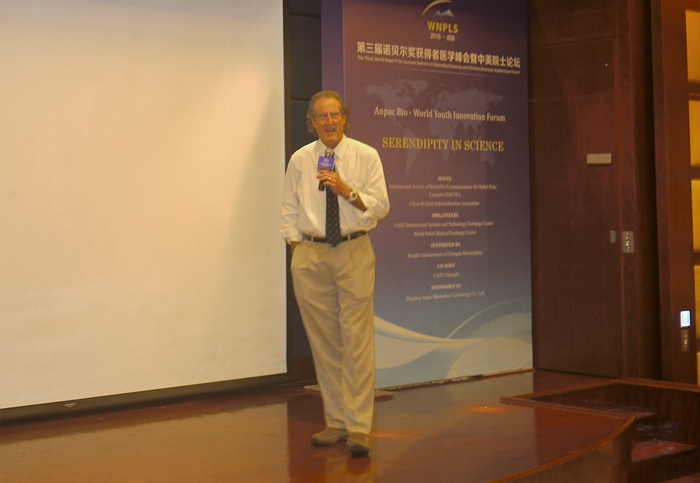
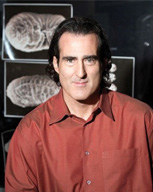
Profile:Recipient of the 2006 Nobel Prize in Physiology or Medicine. He was jointly awarded the 2006 Nobel Prize in Physiology or Medicine with Andrew Fire, Professor of Pathology and Genetics at Stanford University School of Medicine, for their discovery of RNA interference. The human genome functions by issuing instructions for protein production from DNA in the cell nucleus to the protein synthesis machinery, with these instructions transmitted via mRNA. They discovered a mechanism that can degrade mRNA from specific genes; in this phenomenon of RNA interference, double-stranded RNA inhibits gene expression in a highly specific manner. This technology has been used in laboratories worldwide to determine which genes play important roles in various diseases.
Scientific research is an arduous endeavor that does not always unfold as expected. My talk focuses on the enthusiasm and joy that accompany the use of scientific instruments. This joy does not, and should not, stem from achievements, but rather from adventure and mystery. True pleasure lies in the process of discovery, not in its final outcome. When things become entangled in mystery and good fortune seems absent, you are, in fact, at a moment of great luck—though you may not yet realize that a breakthrough is imminent. Once you cross the mountain range, a vast horizon filled with new aspirations and opportunities will unfold before you. The same holds true for your passion and enthusiasm: it is vital to cherish the desire to discover new things and make the world a better place. This is the essence of science.
In 600 BC, Croesus, the King of Lydia, considered himself the happiest man in the world. When the Greek statesman Solon advised him, he said, “No one can be called happy until they die; at best, they can only be considered fortunate.” Later, when Croesus lost his kingdom to Cyrus, the King of Persia, and awaited execution, he finally recognized the wisdom in Solon’s words. In fact, my early career could hardly be described as fortunate. It took me eight years to complete my Ph.D., and my first paper was rejected and never published. Even after I finally graduated, I failed to secure a postdoctoral fellowship due to my lack of publications. Nevertheless, like Croesus, I remained genuinely happy because I found joy in laboratory work. I embraced those seemingly insurmountable dead ends. I loved my work because it was fascinating, and I was constantly learning.
In retrospect, although the experiment failed at that time, I was actually very fortunate. That setback prepared me for future career opportunities. The ability to laugh off failure, engage in self-deprecation, and learn lessons from every setback is what ultimately brings “good luck.” I disagree with Solon’s view. I believe happiness is not a destination, nor is it something that can be accumulated over a lifetime. On the contrary, happiness can only be measured in the present moment; it is the journey, not the destination. If you have no kingdom to lose, you can certainly win one! Success or good luck does not bring you happiness; in fact, the opposite is true.
Related Reading:
“Cancer-Fighting Legend” Harald zur Hausen: Have More Persistence in Your Own Judgments
2016 Nobel Laureates Medical Summit and China-US Academicians Forum Held in Chengdu