

Denver Dale of Taito Capital Advocates for Global Capital Collaboration to Advance Medical Innovation and Encourages Youth to Embrace Failure
Denver Dale, born in Australia, initially studied zoology and attended university in London. After graduation, he worked as a scientist before moving to Wall Street, where he spent time at Goldman Sachs. He is currently the Founder and CEO of Taito Capital and serves as an advisor to the U.S. Office of the Secretary of Defense.
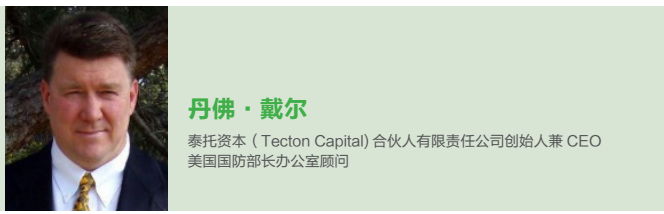
According to VCBeat (WeChat ID: vcbeat), Denver Dale has visited Beijing, Shanghai, Guangzhou, and other cities, and this is his first time in Chengdu. Attending the 3rd Nobel Laureates Medical Summit, he was most impressed by the strong willingness of local people to learn, particularly among young people whose desire for learning is intense. Therefore, he believes that China’s future is very bright.
At the Nobel Prize Summit, Denver Dale connected with many new friends and reunited with old acquaintances. Throughout the conference, the speakers and topics were highly relevant to current hot issues, offering engaging discussions and valuable insights. He also shared his perspectives on investment and scientific research.
In Denver Dale’s view, while government and nonprofit organizations are indispensable to the advancement of scientific research, their participation alone is insufficient.
Because governments and charitable organizations tend to focus on basic research, the involvement of profit-driven capitalists in scientific research means that capital-backed private investors are more concerned with the commercialization of mature technologies.
In this way, scientific research achievements are infused with commercial elements, and through collective efforts, more advanced research technologies can benefit society.
Especially at the current stage, Denver Dale believes that both innovation and capital investment are becoming increasingly globalized. This is essential to ensure the rapid scaling of successful outcomes. Denver Dale’s investment platform strategy comprises two approaches, which he believes are also applicable to China.
First is the direct investment strategy. This type of investment can take several forms: First, introducing foreign investors to China to capitalize on its promising emerging technologies, thereby encouraging them to invest in Chinese technological ventures. Second, targeting Chinese investors, who possess substantial capital and resources, by facilitating their understanding of both superior domestic and international technologies, thus promoting cross-border investment between China and other countries. Given the increasingly international nature of capital, large-scale investors not only invest within their home countries but also allocate funds to projects globally.
Next is the sustainable funding strategy. Denver Dale will establish a large capital pool, within which a partnership fund will be formed with investors from the Middle East, the United States, Japan, and other regions.Pool, and then use this fund to buy out a new technology or acquire equity stakes in certain technologies. This approach entails higher investment costs. On one hand, there is economic value, as investors require returns on their investments; on the other hand, these investments hold significant social and public welfare importance—such as in pharmaceuticals, healthcare, agriculture, food, and new materials—thereby generating substantial additional value.
Even so, challenges may arise in the process of capital globalization. However, do not let the fear of failure hold you back.
In fact, at Denver Dale’s company, all partners and staff members are interdisciplinary professionals. Most of them hold PhDs in fields such as bioengineering and genetics, with many also specializing in disciplines related to offline trending technologies. Meanwhile, these PhD holders are well-versed in investment, making them true cross-disciplinary talents.
If the Nobel Prize Summit were held in Silicon Valley, attendees there would likely emphasize that “failing fast” is crucial—a mantra frequently echoed in the region. Why? Because recognizing failure early allows you to pivot more quickly onto the right path. Scientists share a similar perspective: even negative experimental results are valuable and significant. Therefore, Denver Dale believes that young people should embrace failure, maintain a positive mindset, and rapidly learn and draw insights from setbacks, thereby accelerating their journey to success.
What’s more interesting is that Denver Dale’s investment platform not only studies successful investment cases but also analyzes many failed ones. It’s much like what your parents often tell you: “Go out and explore; even if you don’t succeed, you can always come home.” As long as this safety net exists, we have little to worry about.
Additionally, young people should also be brave enough to try new things. “I initially pursued scientific research, but later realized that I had a greater passion for finance, so I abandoned my research career.”Denver Dale stated,Young people should not confine themselves to a single field or career; instead, they should maintain an open mindset. This approach will create more opportunities and help them discover their diverse talents.
Finally, young people should travel as much as possible, because during the journey you will meet new contacts and learn new knowledge. More importantly, you will develop greater empathy for other cultures, languages, and people from different countries, enabling you to better connect with individuals whose cultural and national backgrounds differ from your own.