

Internet Healthcare Survival Report (II): Why Do They Survive? An In-Depth Analysis of Nine Sub-Sectors
In the previous report, data analysis revealed that “Internet + Healthcare” enterprises experienced rapid growth over the past five-plus years, with the number of newly founded companies peaking in 2014 and 2015. From an investment and financing perspective, the total funding amount in 2016 did not decline significantly compared to previous years, indicating that talk of a “capital winter” was unfounded.
However, the flow of capital has indeed shifted. In 2016, the majority of investment funds were directed toward early-stage established companies. It has become increasingly difficult for new entrants to break into this sector, particularly for mass-market products, as both industry barriers and financing challenges have risen significantly. Nevertheless, substantial investment opportunities remain across various specialized fields.
We have conducted a comprehensive review of investment and financing data, as well as founder backgrounds, for “Internet+ Healthcare” enterprises established since 2011, compiling statistics on the number of companies founded and the total investment and financing amounts across various sectors. In this article, we will break down the sub-sectors within each field and analyze the backgrounds of the founders of the 467 surviving enterprises to explore why they have survived and which sectors have demonstrated stronger development.
The Survival Report on Internet Healthcare is divided into three parts:
Internet Healthcare Survival Report (II): Why Do They Survive? In-Depth Analysis of 9 Major Subsectors
Below is Part II.
Let’s first examine how “Internet + Healthcare” enterprises are classified.
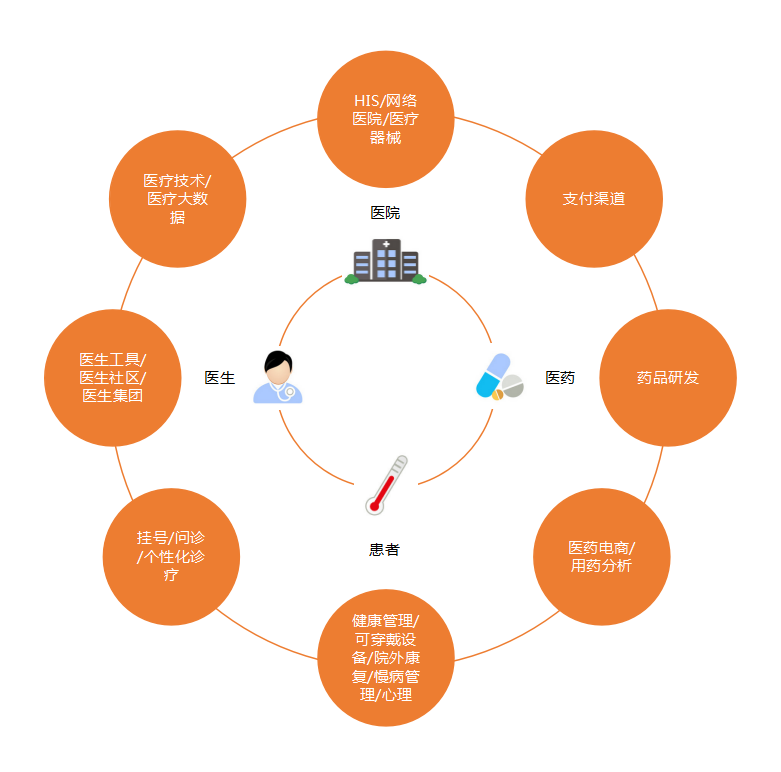
Currently, the business models of “Internet+ Healthcare” in China primarily target four groups: hospitals, doctors and nurses, pharmaceutical companies, and patients, who are also the most likely to pay in this commercial landscape.
Patients pay for diagnostic and treatment services, hardware products, and pharmaceuticals; hospitals pay for Hospital Information Systems (HIS), Financial Information Systems (FIS), and medical devices; healthcare institutions pay enterprises for the products provided to them; and doctors and nurses pay for academic reference materials provided by mobile health platforms or apps.
Centered on payers, we have divided the Internet+ healthcare industry into nine major segments: medical consultation and diagnosis, health and wellness, specialized services, biotechnology, pharmaceutical e-commerce, physician services, healthcare informatization, medical and health hardware, and comprehensive healthcare services.
Why break it down this way? Because narratives like the “capital winter” that frequently circulate in the market tend to intentionally or inadvertently overlook the market’s unique characteristics and specific circumstances, resorting to oversimplified and blunt labeling of the industry. Across the nine major sectors, capital responses have never been uniform, varying by payer, founders’ backgrounds, and market demand; thus, the landscape features both “winters” and “warm springs.”
Below, we examine the performance of nine major sectors over the past five years, with a particular focus on entrepreneurs of different backgrounds.
1Seeking Medical Care: Internet Professionals Who Eat Crabs Are Leading the Way
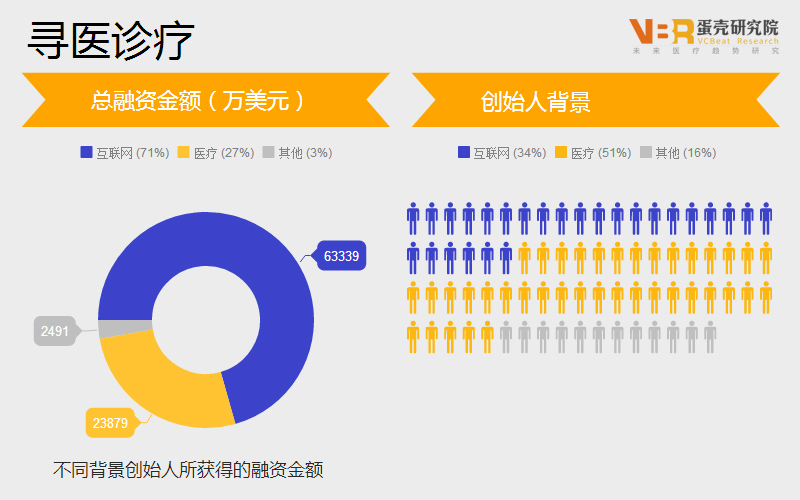
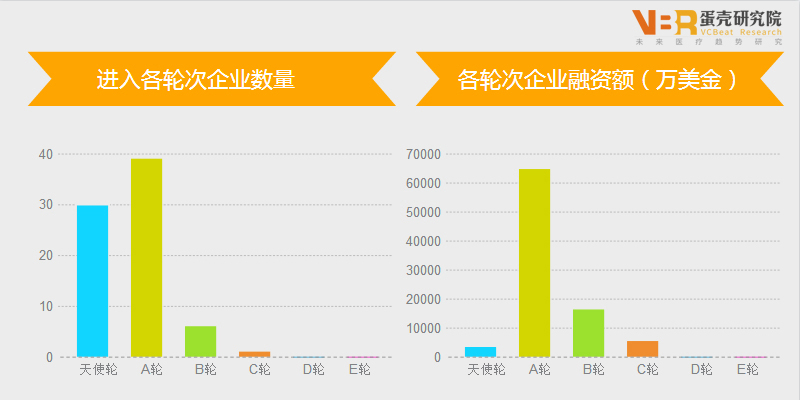
As previously mentioned, online medical consultation is undoubtedly the hottest niche within the “Internet + Healthcare” sector and represents the most critical pain point for both the industry and users. In terms of corporate development, it is also the niche with the largest number of companies that have progressed beyond Series B financing, with total funding reaching $969.45 million. These companies address the diagnostic and treatment stages that concern the broadest user base.
A large number of companies with diverse backgrounds have entered this field. While individuals with medical backgrounds constitute the majority, those from the internet sector hold a distinct advantage in terms of financing amounts. This is directly attributable to the highly marketized nature of medical consultation and diagnosis services, as well as their large user base.
Founders with a medical background can secure greater access to hospital and physician resources, which are critical during the initial platform development phase.
However, when it comes to building a user base in the tens or even hundreds of millions, professionals with an internet background hold a distinct advantage in product development. For instance, establishing a physician-patient communication platform serving hundreds of millions of users, along with multi-channel online video remote diagnostic services, creates high barriers that exclude many companies from entering the market.Behind the massive user base lies a capital-intensive model driven by funding races to acquire users through heavy spending and to compete for offline medical resources such as doctors and hospitals—a competitive landscape unfamiliar to founders with medical backgrounds.
Another reason is that products for medical consultation and treatment do not require high levels of specialized medical knowledge; once the business logic and operational model are clarified, professionals from the internet industry can get started much more quickly.
Founded in 2011, Chunyu Yisheng (Spring Rain Doctor) entered its Series C funding round in 2014, emerging as an industry giant. WeDoctor has advanced even further to its Series E round, securing over $300 million in financing. Alongside other major players such as Xunyao WenYao, Ping An Good Doctor, and Haodafu, these companies have made online medical consultation the most widely recognized segment in the market. They now share a common objective: identifying more effective strategies for commercial monetization.
2Healthcare: Internet Professionals Are Far Ahead, Closest to the TMT Sector
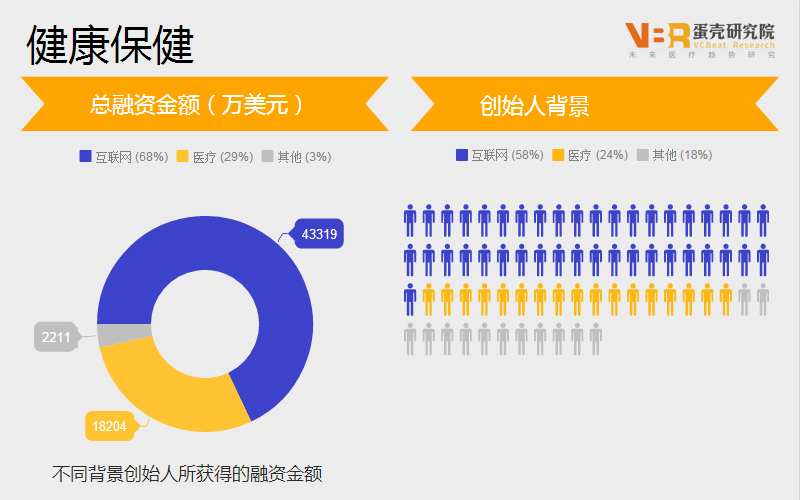
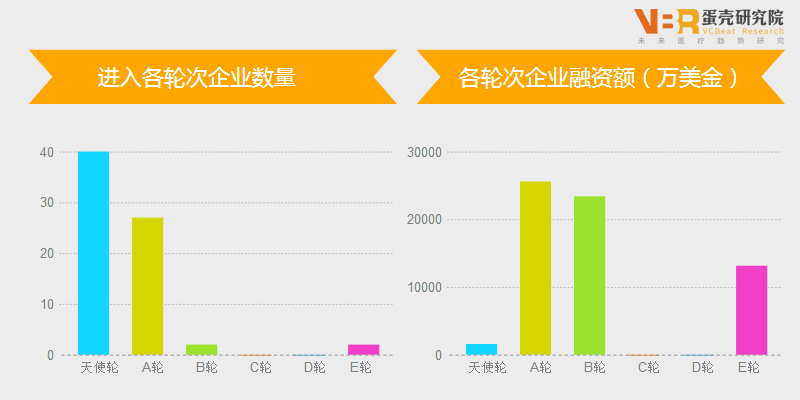
The healthcare and wellness sector is the earliest-developed segment of the “Internet + Healthcare” industry, with two companies having reached Series E financing: Meiyou Period Tracker and Dayima. This sector boasts the largest user base, targeting both healthy and sub-healthy individuals as its core customers, and demonstrates relatively high user engagement and retention rates.Because fitness, sports, and wellness applications have relatively low barriers to entry in terms of medical expertise, founders with internet industry backgrounds can easily enter this space; their numbers and funding amounts are both approximately twice those of founders with medical backgrounds.
3Specialized Services: Medical professionals hold a clear lead, while internet industry players primarily enter the light healthcare sector.
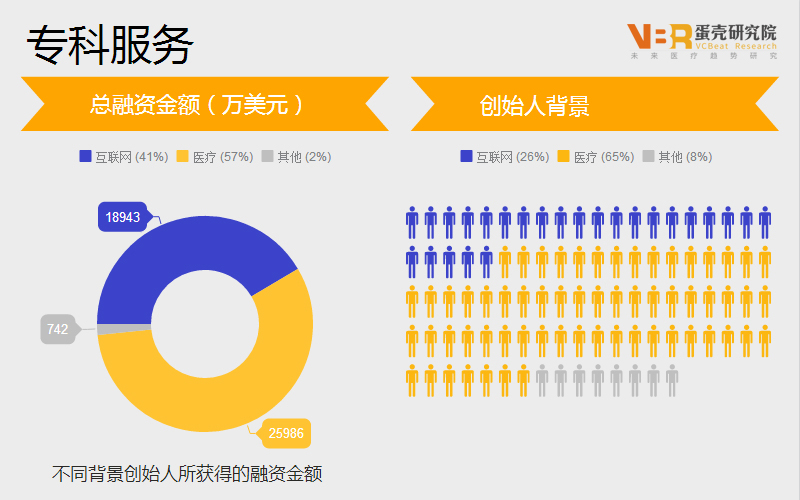
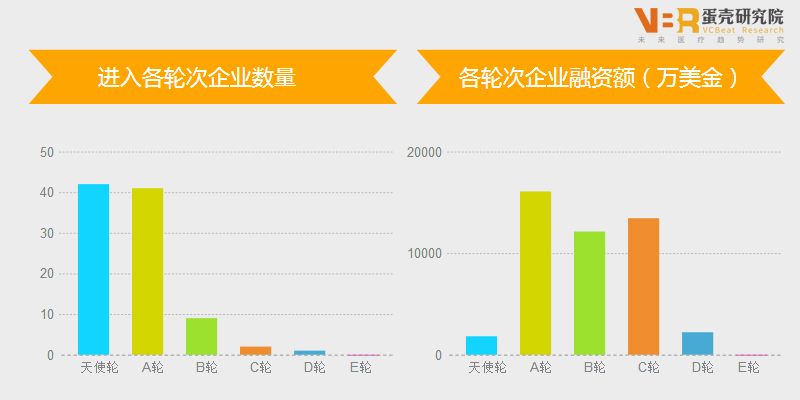
Specialized medical services are, in fact, a subset of the broader category of diagnostic and treatment services. However, they demand greater professional expertise and focus exclusively on a single type of disease. Consequently, founders of companies entering this sector must possess a specialized medical background. Internet industry professionals can only penetrate areas such as chronic disease management (primarily diabetes) and medical aesthetics. Entry into specialized fields like oncology, dentistry, hepatology, and pediatrics is invariably restricted to those with formal training in the respective disciplines, effectively excluding individuals from the internet sector. Currently, 3D Medicines, which focuses on precision oncology, has advanced to its Series D financing round, securing $22.12 million in funding.
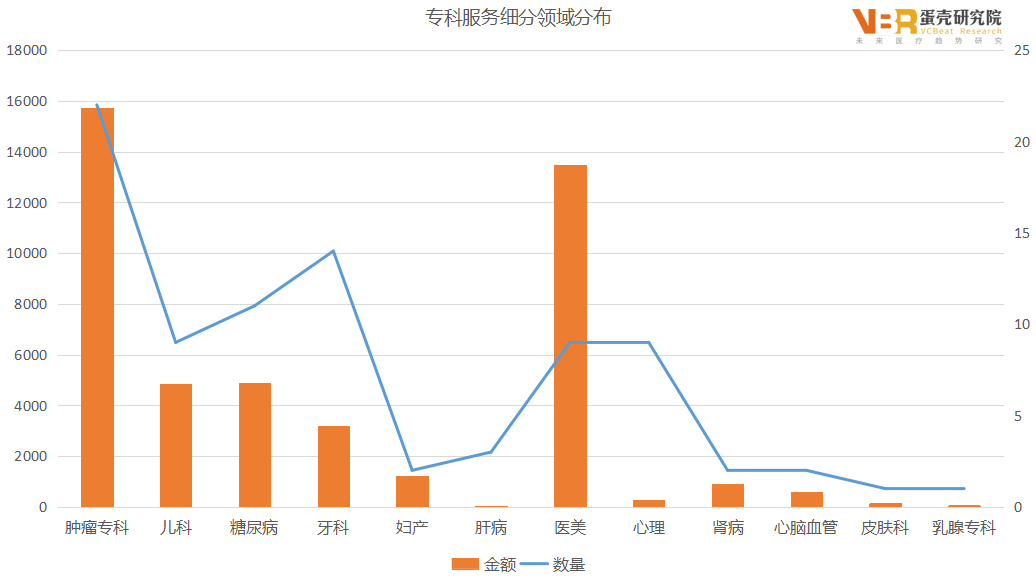
We further break down the various categories of specialized medical services, with oncology, dentistry, pediatrics, and medical aesthetics being the four sectors with the highest number of participating companies. Oncology, dentistry, and pediatrics are primarily focused on specialized diagnosis and treatment; the high technical barriers require founders to be well-versed in professional medical expertise, meaning that these founders almost exclusively come from medical backgrounds. In contrast, professionals from the internet industry can only participate in chronic disease management and medical aesthetics, which have relatively lower entry barriers.
Among Internet-plus healthcare companies specializing in oncology, most focus on tumor genetic testing and targeted therapy analysis. This field serves a large patient population with high treatment costs, and the overall market size for oncology care has reached approximately RMB 300–400 billion. The most valuable segments across the entire oncology industry chain include early screening and diagnosis, precision treatment, and post-treatment health management. Among the 22 specialized oncology enterprises we analyzed, two operate in early diagnosis, thirteen in precision treatment, four in post-treatment health management and patient communities, and two in oncology big data research.
In the dental sector, nearly half of the 14 companies are O2O applications for offline dental clinics, or equipment marketplaces and physician tools for the oral health industry, underscoring their specialized nature. In chronic disease specialties such as diabetes, kidney disease, and liver disease, services primarily target consumer-end users, managing chronic conditions through APP-based disease tracking and doctor-patient communication. Particularly in the field of diabetes, which currently has no cure and requires lifelong treatment following diagnosis, there is a critical need for long-term, in-depth patient support and intervention, making “chronic disease management” an essential requirement. Among the medical and health hardware companies we surveyed, many are also related to diabetes, entering this market through devices such as smart blood glucose meters.
4Biotechnology: Medical professionals hold an overwhelming lead, with high technological and capital barriers
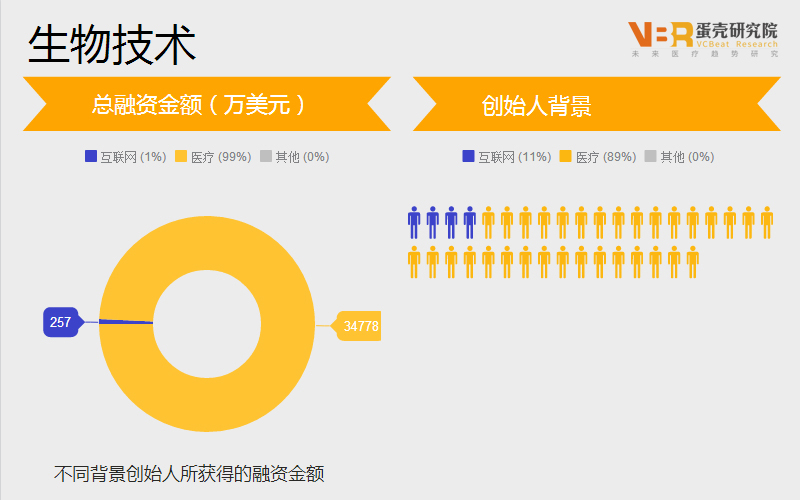
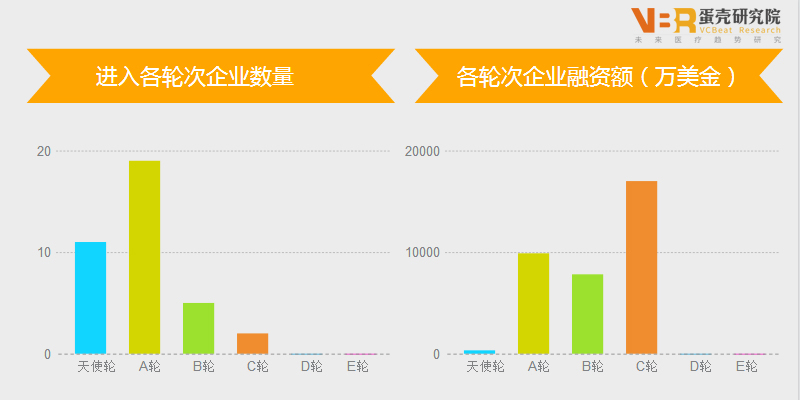
In the biotechnology sector, whether in genetic testing or biomedical development, the high technical barriers mean that company founders almost exclusively come from medical backgrounds, and investment amounts are relatively high. Within this field, 23 out of 35 companies are involved in genetic testing and gene sequencing, reflecting indirectly the booming market for genetic testing and optimism about its future potential.Precision medicine has garnered global attention, and genetic testing, as a branch of precision medicine, boasts vast market potential.
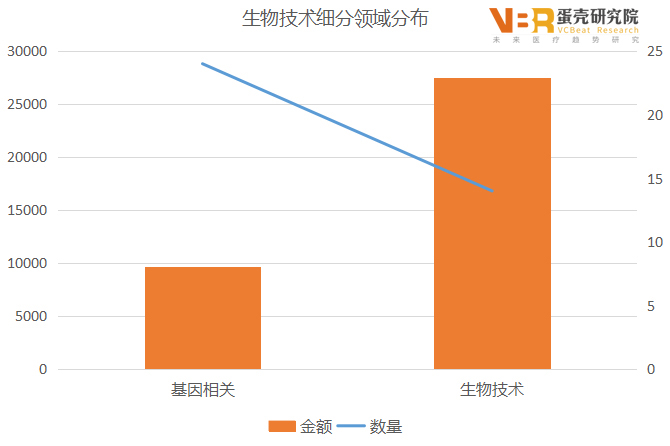
An examination of China’s current genetic testing market reveals that, based on entry barriers, it can be broadly categorized into three tiers: first, consumer-facing channels for sample collection; second, the procurement of equipment to establish technical testing capabilities; and third, data storage, analysis, and interpretation. Accordingly, genetic testing companies fall into two categories: one serving individual consumers with genetic testing and extended services—such as ancestry analysis, nutritional metabolism assessment, talent-related gene profiling, and hereditary disease analysis—accounting for 40% of genetic testing firms; the other serving business-to-business (B2B) clients by providing technical support for genetic testing and cloud-based information services.
5Pharmaceutical E-commerce: B2B Dominates, While B2C Struggles
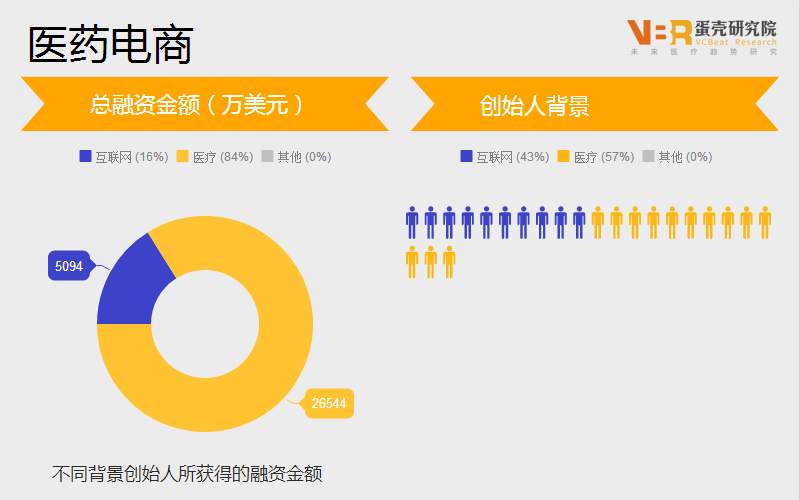
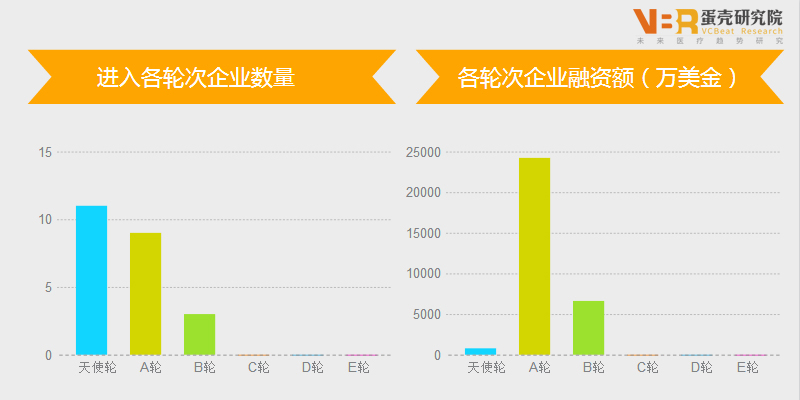
E-commerce in the pharmaceutical sector is, in essence, a form of e-commerce. In terms of technical implementation, it is no different from other e-commerce platforms. However, why do founders with medical backgrounds secure more investment even when their proportion among founders is similar to that of others? The reason lies in the unique nature of pharmaceuticals: stringent regulation and high entry barriers. Relevant qualifications are difficult to obtain, and the industry is heavily influenced by policy changes.
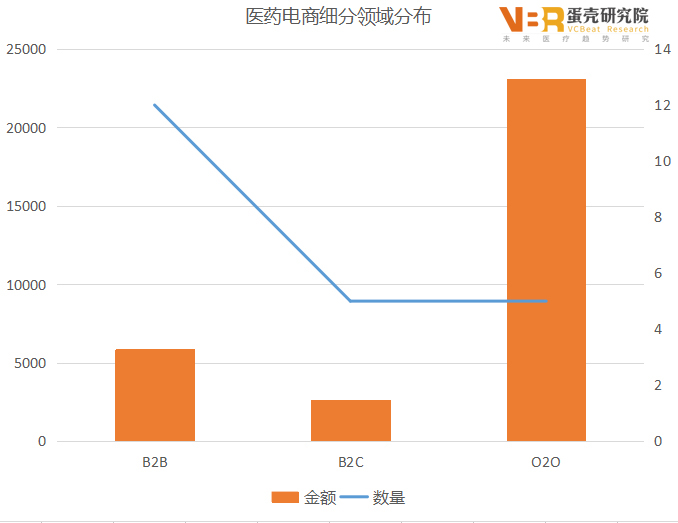
Pharmaceutical e-commerce can be categorized into four types: the first is self-operated B2C pharmaceuticals, the second is self-operated B2B pharmaceuticals, the third is O2O pharmaceuticals, and the fourth is platform-based B2C pharmaceuticals. The fourth type mainly consists of mature, large-scale e-commerce platforms such as Tmall and Yihaodian; these are naturally excluded from our statistics on startups. Among the 23 companies included in our analysis, B2B platforms are the most numerous, accounting for 12 firms. There are four O2O platforms, which have secured significantly higher financing amounts compared to enterprises in other categories.
In the pharmaceutical e-commerce sector, five companies specialize in medical devices, while the remaining 19 focus on pharmaceuticals. Sales of medical devices are primarily targeted at business-to-business (B2B) clients, making them largely inaccessible to individual consumers.
Among O2O platforms offering offline medication delivery, Yaogeli has ceased operations in the first half of this year, serving as strong evidence for the “capital winter” narrative. However, whether its collapse was driven by capital-market factors or other causes will be analyzed in detail in our next report.
6Doctor Services: Physicians’ Backgrounds Offer Greater Advantages for Entrepreneurship
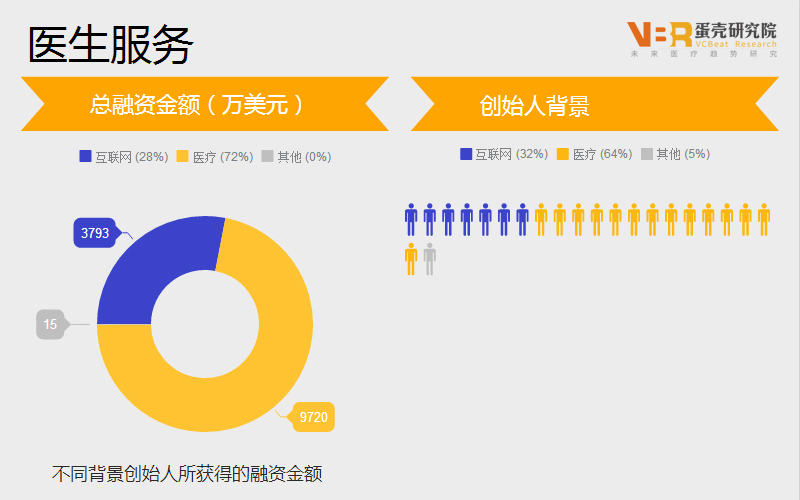
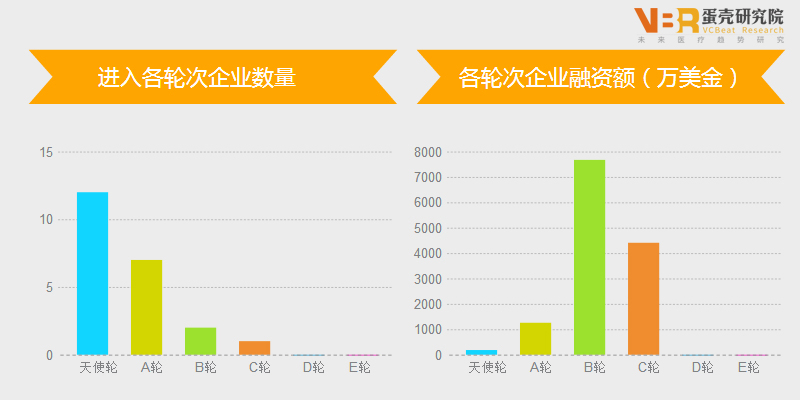
Clinical diagnosis and treatment is a relatively specialized process, making it essential to employ specialized digital tools to assist physicians in enhancing the efficiency and accuracy of clinical care. Furthermore, throughout their careers, physicians must engage in continuous learning and professional advancement, with communication and education being indispensable components. Given the highly specialized nature of clinical practice, founders with medical backgrounds are often better positioned to understand physicians’ needs, identify ways to improve diagnostic and therapeutic efficiency, and facilitate access to broader knowledge resources.Physician-focused tools designed by founders with medical backgrounds are better positioned to address users’ pain points, thereby attracting more pronounced investor favor; they have secured over 70% of the investments.
In the physician services sector, Medlinker has reached Series B funding, while Xingshulin has secured Series C funding. These two companies have emerged as leaders in the field, collectively accounting for 63% of the total investment in the industry. The founder of Medlinker is a dentist who, drawing on his study experience in the United States and insights into similar physician social networking applications abroad, established the company. In contrast, the founder of Xingshulin is an M.D. from Peking Union Medical College Hospital. By entering the “Internet + Healthcare” space through physician-focused utility apps such as Medical Record Clip and MedPocket, Xingshulin successfully obtained Series C financing. Initially, the core product offerings of these two companies were physician social networking and physician tools, respectively. However, after accumulating substantial physician resources and securing significant funding, both companies have begun to diversify their businesses and undergo strategic transformations by encroaching on each other’s domains.
7Healthcare IT: Old Guard in Charge
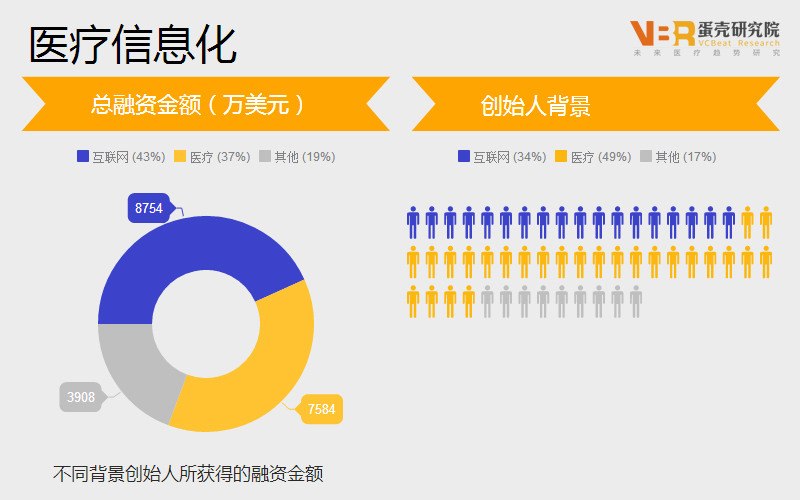
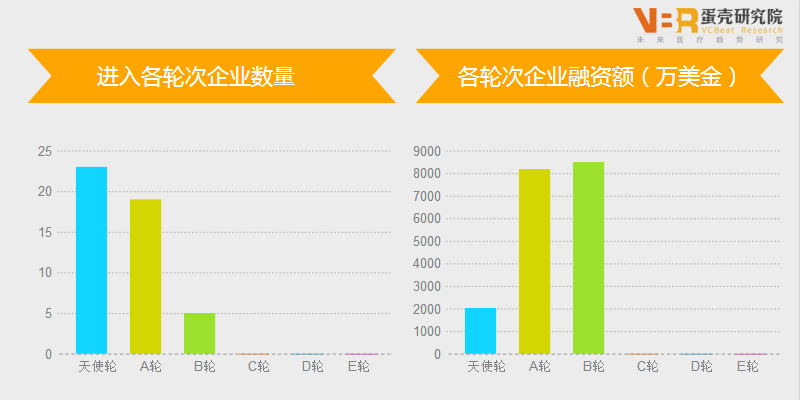
Similar to the informatization initiatives in other sectors such as finance and telecommunications, healthcare informatization demands high standards for modern information technologies, including computer hardware and software, network communications, and mobile communications.IT technology companies are typically the ones involved in the development of healthcare information systems, where robust internet technology capabilities are essential. After clarifying the operational logic of healthcare institutions, these companies develop various information systems to provide support and services. Consequently, there is a significant presence of professionals from the internet sector in this industry.However, healthcare informatization encompasses more than just Hospital Information Systems (HIS); it also includes specialized fields such as big data analytics for genomics, medical data analysis, and cloud-based storage and analysis of medical imaging. Founders in this sector predominantly have backgrounds in healthcare.
In August this year, the healthcare informatics sector witnessed its largest acquisition case to date, in which Shentian Di A acquired Youdeyi and Yingyitong for RMB 5.5 billion. The two companies are respectively responsible for developing internet-based medical information platforms and providing offline physical examination and health management services. However, the deal fell through due to changes in regulatory policies. Although this acquisition failed, it indirectly highlights the critical foundational role of informatization construction in the “Internet + Healthcare” sector.
Currently, the most significant developments in the field of healthcare informatics are stemming from the transformation of established healthcare IT companies, which is a sector that heavily relies on resources and experience.
8Medical and Healthcare Hardware: Numerous Pitfalls, Regardless of Whether One Comes from an Internet or Medical Background
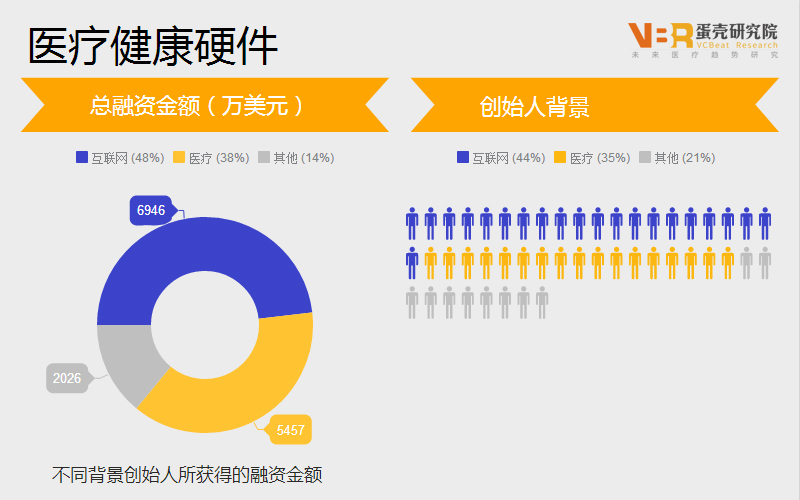
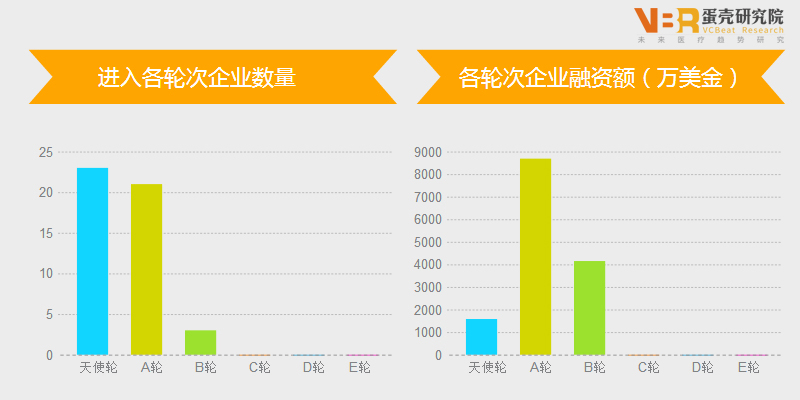
From a market perspective, healthcare hardware holds significant promise and differs fundamentally from conventional smart hardware. Users of healthcare hardware exhibit high stickiness and focused needs. Entering the healthcare hardware sector requires not only an understanding of user needs but also, given its intersection with both healthcare and hardware manufacturing, founders must possess certain medical expertise and accumulated resources in hardware manufacturing; otherwise, failure is highly likely.
Currently, the backgrounds of founders in this industry are the most complex, spanning various sectors. Traditional smart hardware may involve features such as step counting, calorie tracking, and heart rate monitoring. However, to be considered relevant to healthcare, a high sense of responsibility is essential, as medical products must ensure that test data and quality meet stringent standards. While companies may recognize the potential direction of smart hardware, they often overlook the fundamental essence of healthcare.
This is a sector prone to high mortality rates among startups. The lengthy development cycles and substantial costs associated with trial and error make it difficult for smaller players to compete. In the field of medical and health hardware, only iHealth and Youpin have secured financing exceeding $25 million. iHealth brings a background in manufacturing traditional medical devices, while Xiaomi contributes its internet-driven DNA. This powerful combination positions them as potential benchmarks in the medical and health hardware industry.
9Comprehensive Medical Services
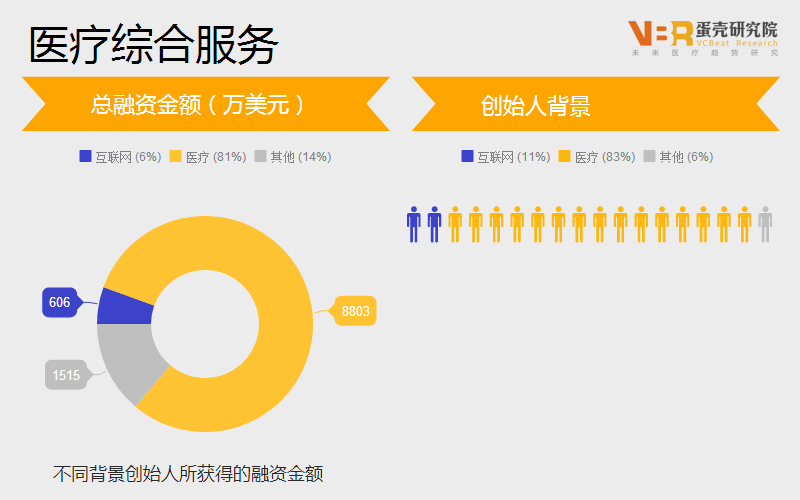
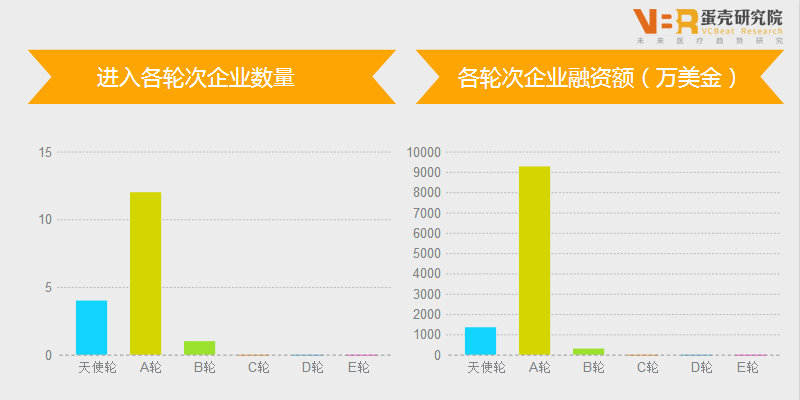
In the field of comprehensive medical services, physician groups account for nine companies; clearly, a medical background is their common hallmark. Physician groups are less integrated with the internet compared to other types of “Internet+ Healthcare” models, with most primarily using online platforms for promotion and patient referral. Their performance in internet product development is currently not prominent.
Summary
Above, we have analyzed the corporate backgrounds, financing situations, and founder profiles of companies across nine major sub-sectors. From the perspective of corporate success probability, the market debate over “Internet + Healthcare” versus “Healthcare + Internet” is well-founded. The differing backgrounds of founders determine a company’s developmental DNA, leading to markedly different trajectories and growth patterns.
In the realm of light healthcare, internet professionals hold a distinct advantage, with a higher probability of capturing large user bases and expanding into broad markets. Meanwhile, significant market opportunities also exist in heavy healthcare and technology-intensive consumer healthcare. Through an analysis of nine key subsectors, we have once again recognized the complexity, diversity, and long-term nature of the healthcare industry. Survival, perseverance, and professionalism remain the central themes for healthcare entrepreneurship, while impetuousness and aspirations for overnight wealth have a very low probability of success in this field.
Next, we will conduct a targeted analysis of 66 defunct companies, examining the causes of their failure to determine whether it was the capital winter or other factors that led to their demise. Stay tuned.
Planned by | Liu Huiguang
Written by | Liu Zongyu
Mo Renying and Wang Guanglong also contributed to this report.
Note: The information in VCBeat’s series of reports is primarily sourced from the VCBeat Research Institute database and selected publicly available materials. While we ensure objective analysis of the data, we cannot guarantee the authenticity of certain underlying data sources. We have strived to maintain objectivity and impartiality in the report’s content; however, the views, conclusions, and recommendations presented herein are for reference only.
For any feedback on the report, please feel free to contact the author, Liu Zongyu, via WeChat: q19930797.
Related Reading: