

Tmall Health Integrated into Alibaba Health Ecosystem: Jack Ma's Big Move in Digital Healthcare?
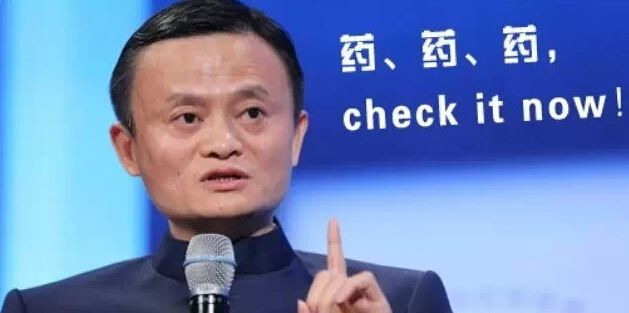
VCBeat (WeChat ID: vcbeat) learned on the evening of September 12 that Alibaba Health held an extraordinary general meeting in Hong Kong to vote on the operational service agreement signed between Alibaba Health and Tmall. That evening, Alibaba Health issued an announcement stating, “The board of directors of Alibaba Health Information Technology Limited is pleased to announce that the Company held its extraordinary general meeting on September 12, 2016, and all resolutions set out in the notice of the extraordinary general meeting dated August 26, 2016 were duly passed by way of a poll at the meeting.”
The announcement stated that the attending shareholders approved the resolution with a 100% approval rate. Effective immediately, Alibaba Health will provide comprehensive outsourcing and value-added services to Tmall Medicine, assisting Tmall in developing its pharmaceutical and healthcare e-commerce business for a fee.
This announcement, though seemingly straightforward in its wording, holds significant implications for Alibaba Health. Alibaba Health and Tmall Pharmacy have long been two highly synergistic businesses within the Alibaba ecosystem. By providing operational services, Alibaba Health will fully integrate the relevant operations of Tmall Pharmacy, seamlessly connecting Tmall Pharmacy’s vast base of Taobao users and members into Alibaba Health’s established medical network, chronic disease management, and pharmaceutical O2O (online-to-offline) services. This integration will facilitate the upgrading of their respective business models and create a comprehensive commercial closed loop.
In this integration, one party serves as a massive traffic gateway for pharmaceutical e-commerce, while the other is a professional provider of medical services. With complementary resources, the two parties will establish a healthcare and pharmaceutical ecosystem encompassing users and members, products and supply chains, as well as marketing and services.
In 2015, Alibaba established its long-term strategic goal of “Double H” (“Happiness and Health”), positioning health and happiness as the core direction for its development over the next decade. As a result, AliHealth became Alibaba’s “flagship platform in the healthcare sector.” Leveraging its strengths in internet technology and data capabilities, AliHealth subsequently rolled out strategic initiatives across medical networks, health management, and pharmaceutical O2O (online-to-offline) services.
Observing the moves of Alibaba Health since 2016, one can discern some clues about its business progress:
In January, Alibaba Health launched a pilot of its “Online Hospital to Rural Taobao” project in Honghu, Hubei Province, channeling high-quality medical resources to remote areas and beginning to establish a tiered diagnosis and treatment network structured at the provincial, county, and village levels.
In April, Alibaba Health provided diabetic patients with smart blood glucose monitoring devices and chronic disease management services. This initiative was upgraded in August to the “Smart Care Program,” which leverages mobile internet and data technologies to offer consumers services such as health data monitoring, uploading, and health management consultations. The program will subsequently expand from blood glucose management to other health management areas, including blood pressure monitoring, thermometry, body fat scales, and smart wristbands/watches.
In May, the China Pharmaceutical O2O Pioneer Alliance, jointly established by Alibaba Health and 65 chain pharmacies, gradually enabled online physician consultation services for member pharmacies and provided high-quality, competitively priced supply chain products, thereby enhancing the competitiveness of alliance pharmacies.
In the following months, the China Pharmaceutical O2O Pioneer Alliance expanded rapidly. To date, more than 100 pharmacy chains have joined, covering nearly 20,000 stores across 170 cities in China.
As can be seen, through nearly a year of operations, AliHealth has made initial forays in various fields with partners at all levels, including medical institutions, medical device brands, third-party service providers, and offline pharmacies, thereby establishing an internet-based ecosystem within the healthcare and pharmaceutical industry.
However, Ali Health remains a relatively unfamiliar brand to consumers. This gap is effectively bridged by Tmall Medicine’s years of experience in pharmaceutical e-commerce, its extensive base of users and members, and its strong brand recognition.
Meanwhile, Alibaba Health’s deep engagement in medical services and O2O offline operations can also provide Tmall consumers with a more comprehensive and multi-dimensional service experience.
For example, the substantial online pharmaceutical consultation demands from consumers on Tmall Medicine are effectively met by Alibaba Health’s cloud-based physician consultation services, while consumers’ offline needs for convenient medication access are fulfilled by the O2O Alliance Pharmacies’ network of over 10,000 pharmacy stores across China.
Envisioning the future, consumers will be able to access end-to-end services within Alibaba Health’s medical and pharmaceutical ecosystem, spanning health management, diagnosis, treatment, and medication purchase, through to rehabilitation management.
Consumers who purchase health-focused smart devices on the Tmall Health Pavilion can access value-added health management services provided by third-party physicians, nutritionists, and other professionals via the Ali Health platform. Should their condition require further diagnosis and treatment, they may seek preliminary screening from primary healthcare institutions within the Ali Health medical network.
and refer patients to higher-level medical institutions within the tiered diagnosis and treatment network based on their actual conditions; medication needs are met by offline pharmacies of pharmaceutical O2O platforms, which provide convenient and efficient home delivery or self-pickup services; during the recovery period, pharmacies or primary healthcare institutions continue to provide long-term medication management and rehabilitation services.