Innovative Trends in Asthma Management: Enhancing Efficiency through Intelligence and Personalization

By Gu Beini, Fu Haitian
China has a vast population of asthma patients, yet disease management models remain relatively outdated. Influenced by emerging technologies, smart asthma treatment and management approaches driven by the internet, big data, and artificial intelligence have begun to be piloted both domestically and internationally, prompting us to reflect on and study the current state of asthma control in China and its related market. VCBeat (WeChat Official Account: vbresearch2016) has conducted a multi-dimensional analysis of innovative trends in asthma disease management, integrating insights from the domestic market with cutting-edge overseas technologies and models.
Poor Status Quo of Asthma Disease Management in China
In recent years, the number of asthma patients in China has increased rapidly. An epidemiological survey conducted by the Chinese Asthma Alliance in 2013, covering seven major regions and eight provinces and municipalities across China with a sample size of over 160,000 individuals, showed that the overall prevalence of asthma in China was 1.24%. The prevalence in Beijing and Shanghai had increased by 147.9% and 190.2%, respectively, compared with the survey results from ten years earlier. According toWorld Health OrganizationThe "Global Asthma Burden Report" released in 2012 showed that there were nearly 20 million asthma patients in China, and this number reached 25 million in 2016.
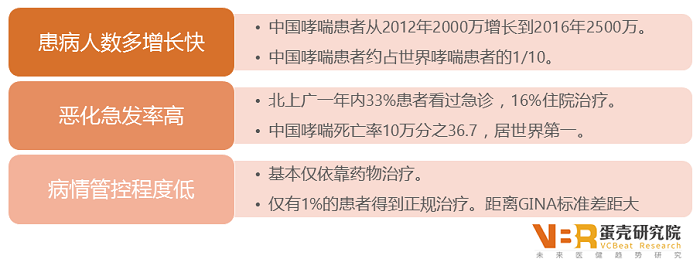
With the global number of asthma patients reaching 300 million, China accounts for nearly 10% of this figure. However, only 1% of these patients receive standardized treatment, raising serious concerns about the overall management of the disease. Currently, China’s asthma mortality rate stands at 36.7 per 100,000 people, ranking first worldwide. Recent surveys on asthma in Beijing, Shanghai, and Guangzhou have revealed that, over a one-year period, 33% of patients visited emergency departments, 16% were hospitalized, 42% had never undergone pulmonary function testing, 58% missed work due to asthma, and 63% altered their original lifestyles because of the condition. VCBeat has learned from another survey conducted by the Chinese Asthma Alliance that approximately 66% of patients in China experienced asthma exacerbations in the past year, with 26.8% requiring acute treatment and 16.2% needing hospitalization. According to the international GINA guidelines, only 2% of patients achieved complete control, 51% had partial control, and nearly half of the patients remained uncontrolled.
Overall, the current status of asthma management in China exhibits three major characteristics: a rapid increase in the number of patients, a high rate of acute exacerbations, and a low level of disease control.
Figure. Current Status of Asthma Disease Management in China
Poor Asthma Control Leads to Significant Waste of Medical Resources
Asthma is a common chronic disease, with its economic burden accounting for approximately 1%–2% of total healthcare expenditures (WHO, 2014). A study in the United States showed that from 2002 to 2007, the direct additional cost of asthma was $3,259 per person per year; the total additional societal expenditure due to asthma amounted to $56 billion, while indirect costs attributable to asthma-related mortality reached $2.1 billion.
In China, pharmacotherapy is the primary approach to asthma management. The sales volume of the anti-asthma drug market in China grew from RMB 13.3 billion in 2012 to approximately RMB 18 billion in 2015, representing a compound annual growth rate (CAGR) of around 15%. However, poor asthma control leading to emergency hospitalizations incurs substantial costs. A study published by the General Hospital of Shenyang Military Command in 2015 conducted a statistical analysis of hospitalization costs for asthma patients: among 1,151 hospitalized patients, 74.3% were hospitalized for 5–15 days. The average hospitalization cost per patient with asthma alone was RMB 6,459; however, the vast majority of patients had comorbidities that led to higher expenses, with the average cost reaching RMB 37,394 for patients with more than eight comorbid conditions. Hospitalization costs for asthma patients varied by care setting; patients admitted to the intensive care unit (ICU) due to critical illness incurred average costs 3.2 times higher than those treated in general wards. Therefore, reducing acute exacerbations and hospitalization rates among asthma patients can significantly alleviate the economic burden of asthma, underscoring that effective disease control is key.
Pain Points in Effective Asthma Disease Management
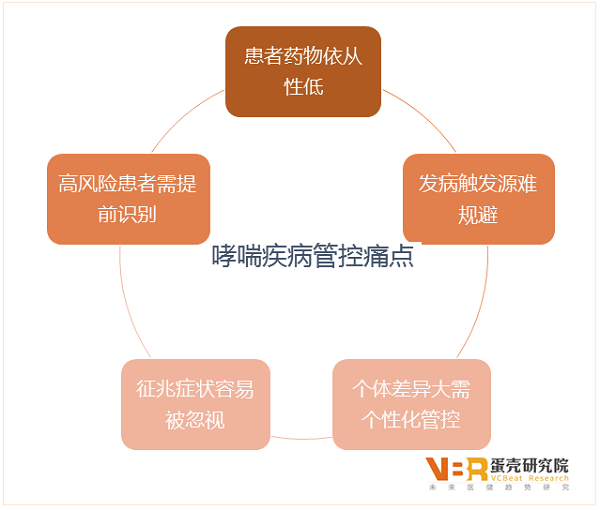
Asthma, as a common chronic disease, requires sustained efforts for effective management. The primary challenge lies in treatment adherence, with poor compliance to medical advice being prevalent. This is particularly problematic given that many asthma patients are children and adolescents, who inherently possess weaker self-management capabilities. Furthermore, preventing acute exacerbations or deterioration of asthma necessitates not only an understanding of one’s own pulmonary function status but also awareness of environmental triggers. However, due to significant inter-individual variability and the potential for rapid changes in these factors, continuous monitoring and timely preventive measures remain difficult to achieve.
Figure. Pain Points in Asthma Disease Management
Three Entry Points for Innovative Digital Technologies to Improve Asthma Disease Management
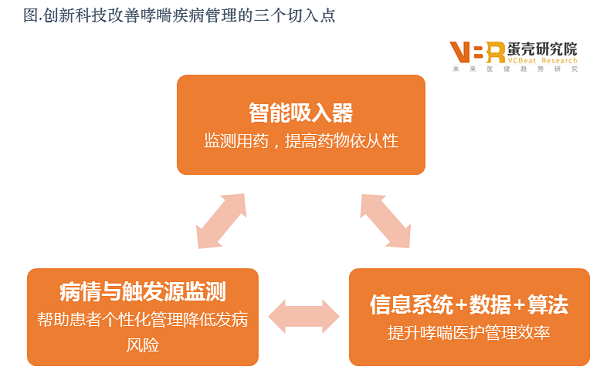
VCBeat Research Institute has found that in recent years, the application of digital technologies has given rise to innovative products and models, offering multidimensional enhancements to asthma management. These innovations span mobile health, telemedicine and remote monitoring, wearable devices, and artificial intelligence. While such solutions have already been implemented in developed countries overseas, only limited pilot initiatives have emerged in China. These innovations demonstrate advantages in several key areas: smart inhalers with medication monitoring capabilities improve drug adherence; disease and trigger monitoring enable personalized management to reduce the risk of exacerbations; and information systems, data analytics, and artificial intelligence enhance the efficiency of asthma care management.
Smart Inhalers Monitor Medication Use to Improve Drug Adherence
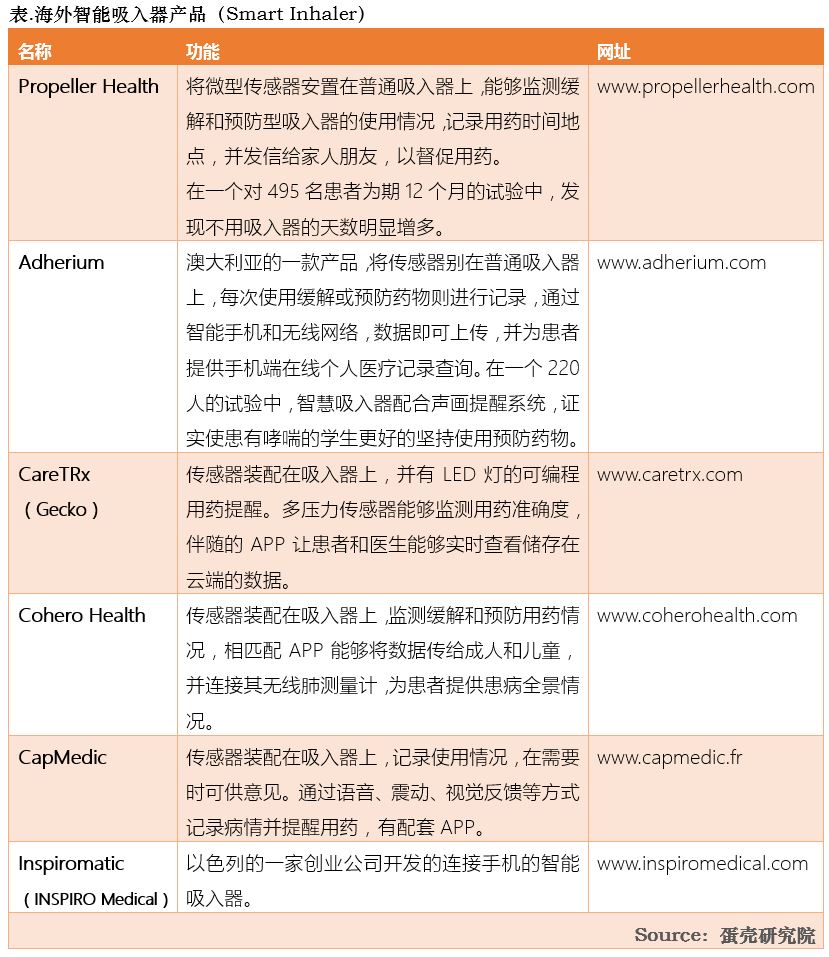
There are various types of home inhalation devices for asthma patients, primarily including pressurized metered-dose inhalers (pMDIs), dry powder inhalers (DPIs), and nebulizers. Asthma patients often need to carry these devices with them to administer rescue medication as needed for symptom relief or to take prescribed maintenance doses for prevention. By attaching miniature sensors to standard inhalers, it is possible to monitor the usage of both rescue and maintenance inhalers, record medication adherence data, upload this information to the cloud, and enable effective management through real-time access via smartphone apps. Propeller Health has integrated sensor technology into conventional asthma inhalers, linking them to a mobile app. In a trial involving 495 patients, the company found that over a 12-month period, patients significantly reduced their use of rescue inhalers and achieved better asthma control. Furthermore, innovative healthcare companies such as Adherium and CareTRx are leveraging inhaler sensor technology to address fundamental needs in asthma management, including personalized care, reminders, and early warnings.
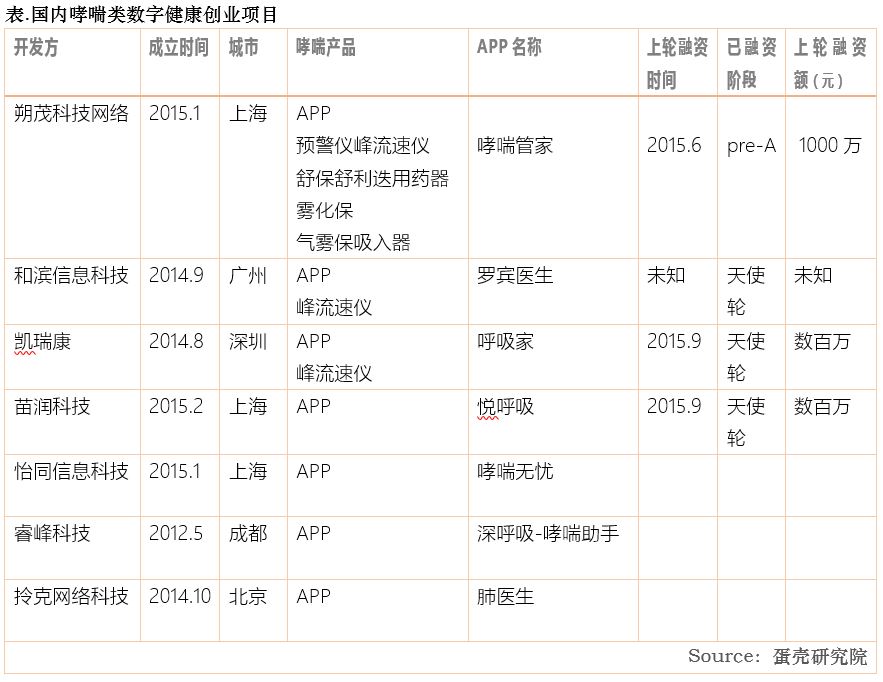
The Chinese startup “Asthma Manager” app integrates with three smart hardware devices for asthma medication—Shubao, Nebulizer Guard, and Inhaler Guard. Its primary function is to track medication usage and improve adherence. The system accurately records data such as the time, dosage, location, and air quality at the time of medication administration, enabling physicians to monitor patients’ compliance with medical advice in real time and intervene promptly. One of its developed smart hardware products, Inhaler Guard, adds sensor technology to standard inhalers and connects them to smartphones, providing features such as medication logging, reminders for forgotten doses, low-medication alerts, and emergency assistance.
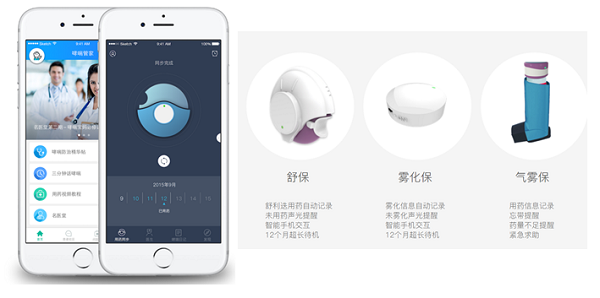
Asthma Manager App and Three Smart Devices with Medication Tracking Features
According to a market forecast report released by Grand View Research in July 2016, the global market size for smart inhalers used in the treatment of asthma or chronic obstructive pulmonary disease (COPD) is projected to reach $3.56 billion by 2024, with the Asia-Pacific market achieving a compound annual growth rate (CAGR) of 17% during this period. Although smart inhalers are an emerging product category, pharmaceutical giants and medical device companies have been highly active in recent years. Teva Pharmaceutical Industries entered the inhaler space following its acquisition of Gecko Health Innovations; OPKO Health also ventured into this field by acquiring Inspiro Medical; AstraZeneca has become a major investor in Adherium, an Australian smart inhaler company; while Novartis and Philips Respironics have also made moves in this sector. Notably, AstraZeneca, Teva, and Novartis all possess leading asthma medications in the market. In contrast, China’s asthma medications rely heavily on imports. In particular, under new policies, China will no longer approve exemptions for the use of pharmaceutical-grade chlorofluorocarbons (CFCs) starting in 2016 and will begin phasing out medicinal inhalers containing CFCs. After the complete phase-out, if domestic drug development using alternative propellants fails to make significant progress, a large number of Chinese patients with COPD and asthma will become even more dependent on imported medications.
Disease Monitoring and Trigger Source Monitoring Help People Personalize Management to Reduce the Risk of Onset
To prevent disease deterioration and asthma exacerbations, patients most need to understand two aspects of information: one is the status of their own condition control, which constitutes internal factors; the other is the environmental status, specifically whether there are triggers for asthma, which constitute external factors. Since both internal and external factors can change at any time and require timely monitoring, some companies aim to leverage various sensor technologies, remote monitoring, and mobile health solutions to address this issue, thereby enabling real-time monitoring and personalized disease management.
Real-Time Monitoring with the ADAMM Smart Patch. A New York-based company, ADAMM, has designed a smart patch that connects to smartphones to monitor coughing, breathing, sneezing, and other symptoms. It uses predefined algorithms to assess symptom severity and leverages the smartphone’s accelerometer for remote monitoring, enabling users to review their symptom history. The product aims to track trends and provide timely alerts, offering round-the-clock monitoring once the wearable device is charged. A small-scale trial involving 84 participants demonstrated the patch’s effectiveness in monitoring health conditions.
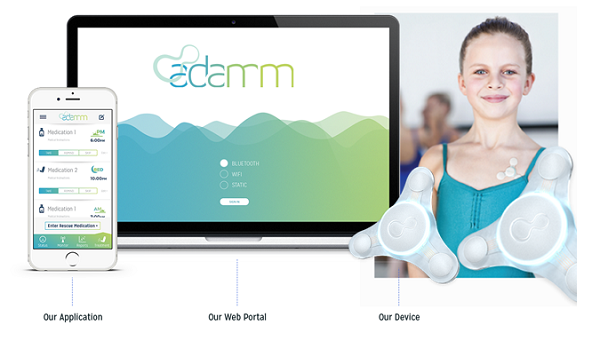
ADAMMIntelligent Patch Monitoring System
Typically, asthma patients need to use devices to monitor their respiratory status to ensure stable condition or to evaluate treatment efficacy. The primary home-use devices for respiratory function monitoring in asthma patients include peak flow meters (PFM) and spirometers. Smart versions of these devices are also available.
The portable MySpiroo smart peak flow meter, developed by MySpiroo, enables patients to monitor their condition in real time and helps prevent disease exacerbation. In early 2016, MySpiroo secured $1.1 million in angel investment.
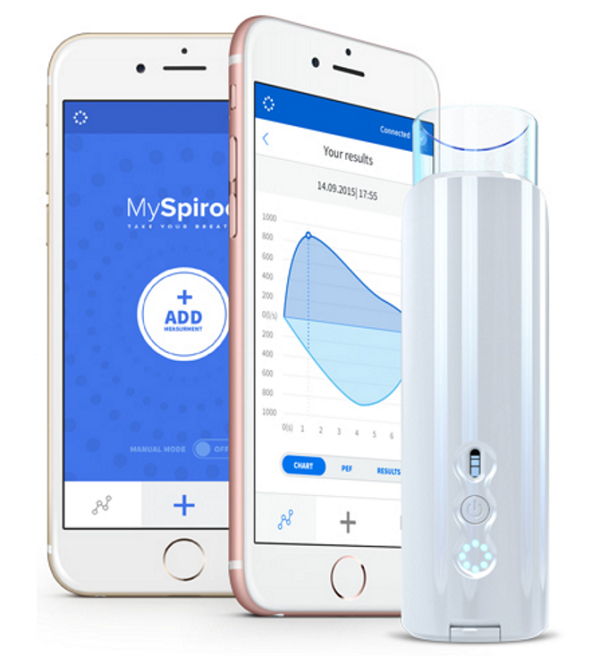
MySpirooSmart Exhalation Meter & App
Sparo Labs, a U.S. company, has developed a monitoring device called Wing, which connects as a smartphone accessory and is designed for asthma and COPD patients to monitor their respiratory status. The product received FDA approval in June 2016. In addition to smart inhalers, Cohero Health, mentioned earlier, has also developed a smart spirometer. According to data released by the market research firm MarketsandMarkets, the global market size for spirometers was approximately $858.6 million in 2020, with a compound annual growth rate (CAGR) of 9.8% from 2015 to 2020.
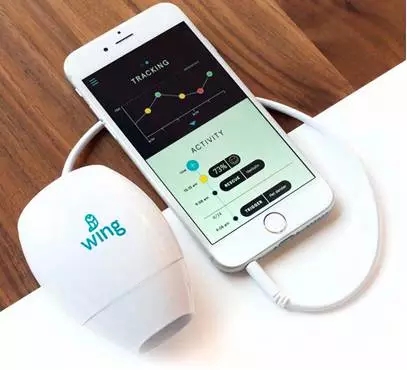
Sparo LabsThe Company's Wing Respiratory Monitor
Furthermore, the European Commission funded the myAirCoach research project, valued at £460. The myAirCoach initiative applies mobile health technologies to establish a comprehensive, personalized monitoring system that enhances patients’ self-management and raises their awareness of clinical and environmental conditions. It will create a new repository of physiological phenotypes, recording daily status data to enable experts to make early predictions of disease exacerbation. The project was conducted over a three-year period from January 2015 to December 2017.
Plume Air Report is a mobile application that collects data on atmospheric pollutants, such as NO2, O3, and CO, from 11,000 monitoring stations across 30 countries. By analyzing this data, the app visualizes pollution source status using a color-coded system and provides personalized alerts based on individual patient conditions. Similar applications include London Air. These tools enable individuals to take proactive measures to prevent disease onset.
Domestic startups such as Asthma Manager, Dr. Robin, and Respiratory Home, which integrate apps with hardware, provide supporting warning devices—namely, peak flow meters. These portable devices enable asthma patients to measure their respiratory status at any time, assess the severity of their condition, and monitor disease control in real time, allowing for timely detection of any deterioration.
Currently, only a small minority of asthma patients in China engage in self-monitoring of their condition. VCBeat has learned that studies indicate 75.24% of patients have not undergone pulmonary function testing within the past year, and only 2% use peak flow meters for self-monitoring. However, VCBeat believes that heightened health management awareness among the public, coupled with an increased incidence of acute exacerbations driven by worsening environmental conditions, will prompt individuals to strengthen their self-management practices. The current low market penetration also suggests significant potential for future growth.
In recent years, while official initiatives in chronic disease management within China’s public healthcare system have been limited, there has been significant innovation in the entrepreneurial sector. Although the consumer base willing to pay directly for mobile health or telemedicine services remains small—beyond the purchase of smart medical devices itself—insurance-funded models integrated with commercial health insurance plans are being explored. For instance, Dr. Robin has launched the “Asthma Worry-Free Plan.” Under this plan, users follow a specified care pathway and pay RMB 300 per 90-day cycle, receiving reimbursement of up to RMB 1,000 for outpatient medical expenses per cycle, including coverage for medications not covered by social insurance. This product was officially promoted in Guangzhou for two months and reportedly attracted thousands of paying users.
Information Systems, Data Value, and Artificial Intelligence Enhance the Efficiency of Asthma Care Management
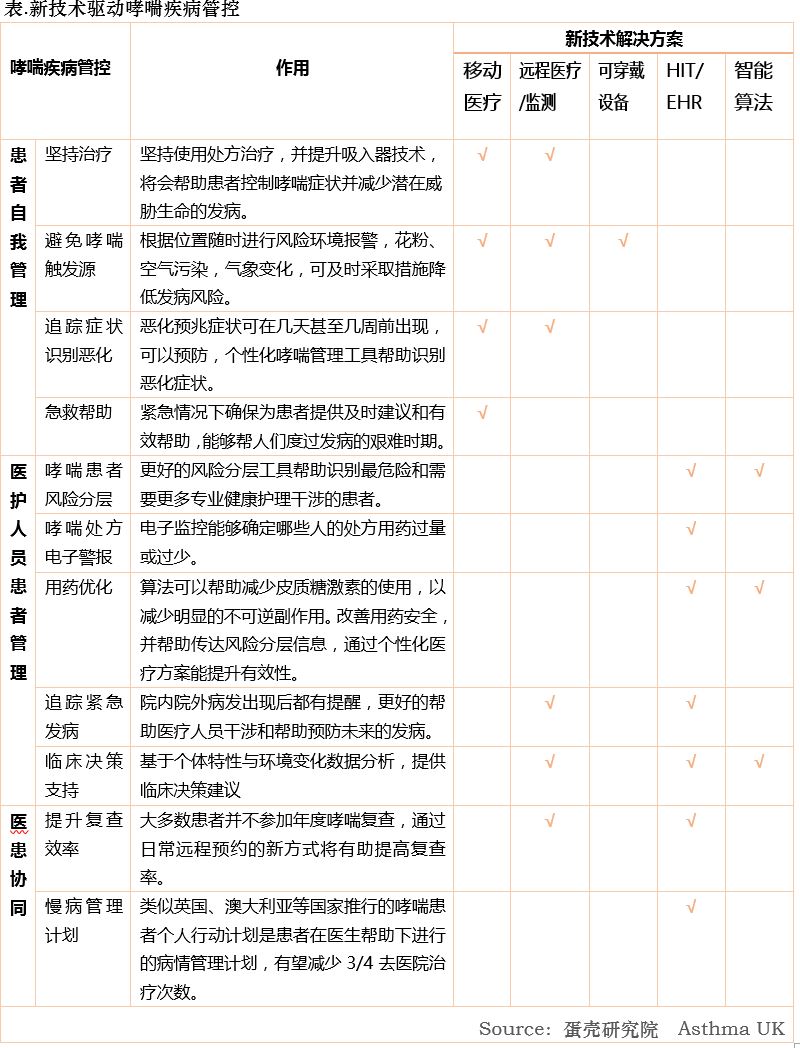
Integrating Electronic Health Records (EHR) into asthma disease management can effectively improve incidence rates. The application of EHR systems in China is relatively lagging behind. In developed countries, the integration of EHR with other Health Information Technology (HIT) applications facilitates clinical decision support for asthma management, including providing onset alerts, medication control, predictive analytics, patient education, and patient risk stratification, thereby enabling personalized disease management processes.
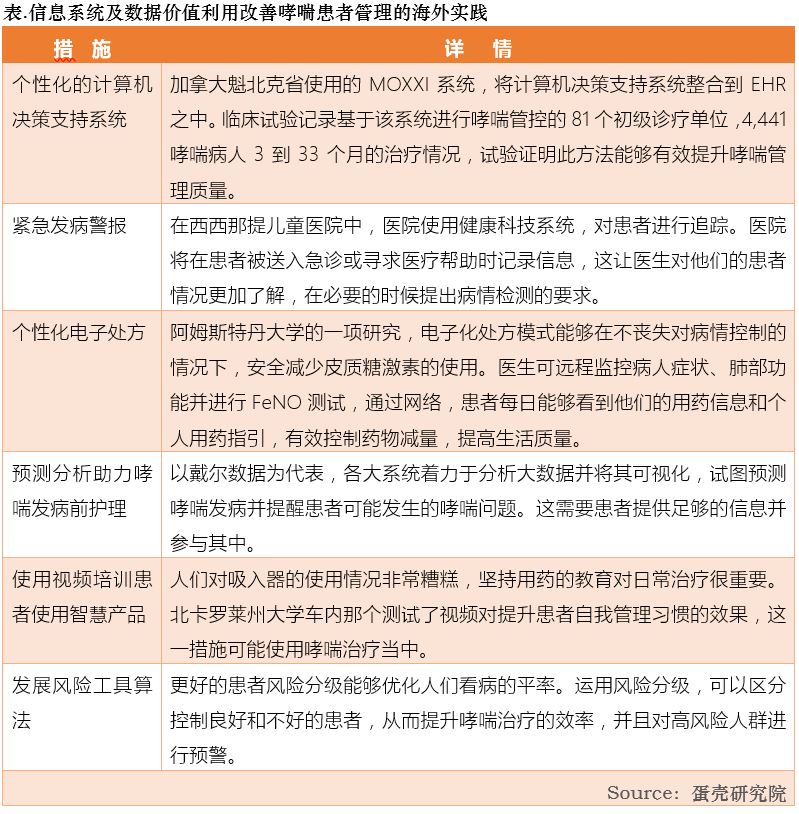
VCBeat has found that AI algorithms leveraging data value are being used to improve the efficiency of asthma disease management. This includes several aspects: optimizing medication use, enhancing treatment efficacy, and ultimately providing personalized medication plans for patients; using intelligent algorithms to stratify patient risk, identify high-risk groups, and provide early warnings; and combining environmental data mining with individual characteristics to offer clinical decision support through intelligent algorithms.
Regarding intelligent clinical decision support, it is worth mentioning Spirometix, a U.S.-based startup. Spirometix has developed portable asthma testing devices using fractional exhaled nitric oxide (FeNO) as a key biomarker for asthma detection. Its first product, the Fenom PRO portable asthma monitor, has received CE certification and incorporates multiple sensing technologies along with a digital respiratory ecosystem designed to assist in clinical decision-making; other home-use devices are still under development. Spirometix is not merely manufacturing testing equipment but is building a digital respiratory ecosystem that connects patients with physicians. It has established a cloud-based decision-support repository that leverages algorithms to rapidly provide clinical decision recommendations. This system will also integrate data from other instruments and environmental sources, such as local pollen counts, pollution indices, and air quality metrics. More importantly, its intelligent algorithms combine these data elements, introducing pattern recognition and management to asthma care for the first time. In July 2016, Spirometix completed a $17.4 million Series C financing round, led by the Chinese enterprise Fosun Pharma, indicating its ambition to enter the Chinese market.
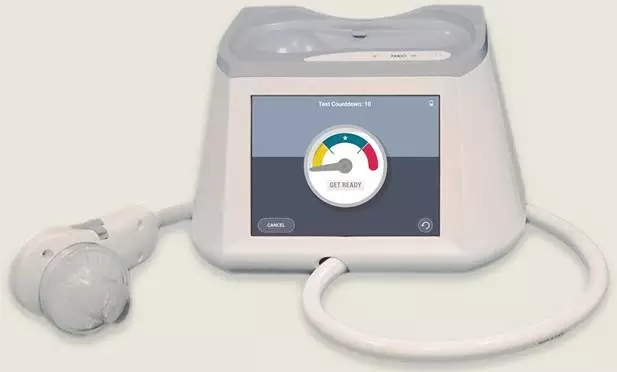
SpirometixThe Company's FeNO Monitoring Device
In summary
Emerging fields such as mobile health, wearable devices, telemedicine and remote monitoring, and intelligent algorithm-based data analysis have, to some extent, improved medication adherence in asthma management from three perspectives: patient self-management, healthcare provider-led patient management, and collaborative doctor-patient management. However, challenges remain, including weak self-management capabilities, difficulty in avoiding asthma triggers, and the subtle nature of early warnings for disease exacerbation and high-risk situations. Future asthma management models are likely to continue evolving toward greater intelligence and personalization.
To read more articles by this author, please viewGu Beini's Column
By VCBeat. Please credit the WeChat Official Account when reposting:VBResearch2016
Investors in startup teams within relevant fields are welcome to contact us for exchanges and discussions!

↓↓↓