

Shockwave Medical Submits IPO Prospectus for Lithoplasty System: A Breakthrough in Treating Calcified Peripheral Artery Disease
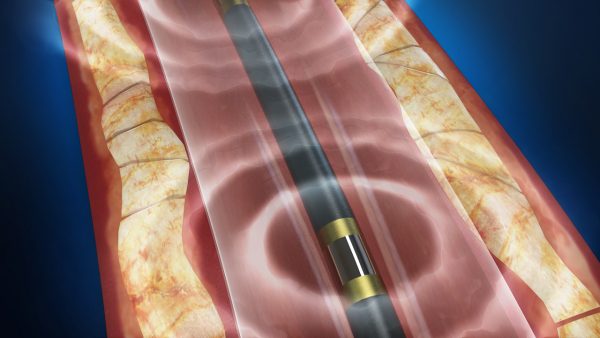 Shockwave Medical's Lithoplasty System
In the United States, more than 9 million people are affected by peripheral artery disease (PAD) each year. PAD is often caused by the buildup of arterial plaque in the blood vessels of the legs, leading to leg pain and impaired walking ability. In severe cases, surgical intervention may be required, and amputation may even become necessary. Compounding this issue, more than half of patients with PAD exhibit moderate to severe vascular calcification. Arterial calcification tends to worsen with age. Advances in medicine and the widespread adoption of preventive healthcare have extended life expectancy, making cardiovascular disease an increasingly common chronic condition.
Conventional devices and techniques for treating occlusive calcified lesions have many limitations. Due to their suboptimal performance and unpredictability, they often cause severe soft tissue injury, necessitating additional interventions. Even state-of-the-art devices target only superficial calcium and fail to remove deep-seated calcifications, frequently resulting in lesion expansion. This makes the treatment of patients with arterial calcification increasingly challenging.
A few days ago, Shockwave Medical, an emerging company based in California, claimed that its Lithoplasty system can effectively address the limitations of traditional devices. The device has received FDA approval, becoming the first and only technology that utilizes acoustic waves to treat calcified peripheral artery disease.
The Shockwave Medical Lithoplasty System can selectively target hardened calcium in patients with cardiovascular disease. The device integrates two widely used and powerful technologies: sonic calcium disruption (also known as intravascular lithotripsy, commonly used for treating kidney stones) and balloon angioplasty catheter devices. By leveraging a simple balloon catheter platform, it combines lithotripsy with balloon technology. Intermittent pulse waves disrupt both superficial and deep calcification within the vessel wall while minimizing soft tissue injury, thereby preventing restenosis caused by balloon expansion at low pressures that could otherwise impede blood flow.
“Lithoplasty is a novel therapeutic mechanism and an innovation in the care of calcified peripheral vascular disease,” said Kenneth Rosenfield, Director of Vascular Medicine and Intervention at Massachusetts General Hospital. “Current treatment devices have significant limitations; they fail to effectively restore vessel patency and are associated with vascular injury and complications. Lithoplasty offers a unique approach. By leveraging devices built on a balloon catheter platform—along with adjunctive measures such as dissection tacking—we can effectively treat these lesions while minimizing the risk of vascular injury.”
Daniel Hawkins, Co-Founder, President, and Chief Executive Officer of Shockwave Medical, believes that their technology can mitigate the risk of soft tissue injury associated with current treatments, particularly for severely calcified arteries.
Although the device was used as a monotherapy in company-sponsored clinical trials, it can in fact be employed either as a standalone medical intervention or in combination with other technologies for the treatment of calcified arteries, such as by incorporating drug-eluting coatings similar to those developed by Medtronic and Bard.This device can serve as a standalone therapeutic modality or be combined with other technologies for the treatment of calcified arteries. It represents both a competitive and complementary relationship to existing medical technologies, depending on the practices of individual physicians and patients.
In the clinical trial, the initial efficacy rate was as high as 100%, while fewer than 50% of cases ultimately required low-pressure balloon dilation. More importantly, the mean residual stenosis was only 24%, and no severe dilated lesions were observed in cases with moderate (44%) or severe (55%) residual stenosis. Doppler ultrasound assessment showed a 100% vessel patency rate at 30 days, and follow-up at six months revealed a patency rate of 81%.
“The results show that with the Lithoplasty system, both the procedural success rate and the gain ratio increased significantly, while vascular injury was minimal and implant use was rare,” said principal investigator Dr. Thomas Zeller. “These findings are very encouraging. Over the next six months, we plan to further refine the device.”
“The performance of the Lithoplasty system in treating calcified peripheral vascular disease has been highly satisfactory to all of us,” said Todd Brinton, Co-Founder and Associate Professor of Clinical Medicine at Stanford University. “It also helps us achieve our goal of improving the paradigm of cardiovascular disease treatment.”
Hawkins believes that the Lithoplasty system is the most suitable treatment for conditions such as peripheral artery disease, coronary artery disease, and valvular heart disease, marking a milestone in the company’s development. Currently, Hawkins is planning to commercially launch the device next year while continuing to gather clinical data on the Lithoplasty system.
However, Hawkins has not yet responded to whether the cost of the new device is more competitive than that of traditional devices. Nevertheless, the new device has been well received by Boston Scientific, Medtronic, and C.R. Bard.
Shockwave Medical, founded in 2009, has raised a total of $60 million in funding, with $40 million secured last year alone for its Lithoplasty project. Investors include Sofinnova Partners, Venrock, RA Capital Management, Deerfield Management, Sectoral Asset Management, Ally Bridge Group, and two undisclosed large strategic investors.
Lithoplasty has received CE certification for the treatment of peripheral vascular disease and is currently undergoing clinical trials for coronary arteries and aortic valves. “We believe this serves as compelling evidence of the technology’s potential in addressing vascular calcification. We also look forward to deepening our collaboration with the clinical community to integrate Lithoplasty into care pathways, thereby enhancing the prevention and management of cardiovascular disease,” said Hawkins.