

Three Core Themes in Healthcare Services Investment: Tiered Diagnosis, Marketization, and Internet+
By Wu Chong
From an investment perspective, the entire healthcare sector can be divided into three major systems: medical services, pharmaceuticals, and health insurance. Due to the differences among these systems, investment themes and strategies also vary. In light of the current surge in investment within the medical (services) system, VCBeat (WeChat Official Account: vcbeat) has provided detailed coverage on related topics.
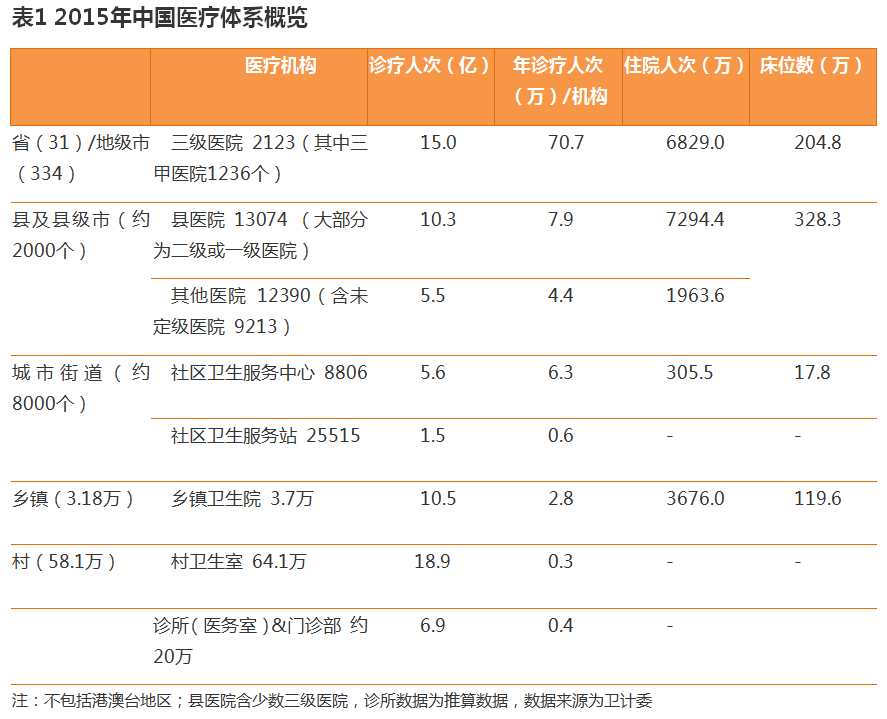
China’s healthcare service system (Table 1) has the following characteristics:
1) Three-tier healthcare service system: Classified by regional administrative levels, the system comprises three tiers—provincial/municipal, county/county-level city, and primary care—covering all 31 provinces, 334 prefecture-level cities, 2,000 counties and county-level cities, 32,000 townships, and 581,000 villages from top to bottom;
2) The siphon effect of tertiary hospitals: The 2,123 tertiary hospitals in China handle 1.5 billion outpatient and emergency visits annually, accounting for 20% of the total visits across more than 900,000 medical institutions. The average annual number of visits per tertiary hospital is 700,000, nearly ten times that of county-level hospitals. Tertiary hospitals have 2.05 million beds, representing 31% of the national total, and admit 68 million inpatients annually, accounting for 34% of all hospitalizations.
How can the vast and complex healthcare system be evaluated in a single sentence?
Here, a life expectancy–per capita health expenditure matrix is used to conduct a cross-sectional comparison of global healthcare systems (Figure 1). China and Cuba fall within the lower-left “frugal” quadrant (excluding three countries with life expectancies below 70 years—Russia, India, and South Africa, which may be categorized as “lagging”), characterized by lower healthcare spending yet greater service delivery. Although China has aligned itself with the United States in most areas, the “economical” healthcare systems of Israel, South Korea, and Singapore serve as more appropriate benchmarks than the “luxury” model; these countries achieve per capita health expenditures only one-fourth those of the United States, while attaining a life expectancy three years higher.
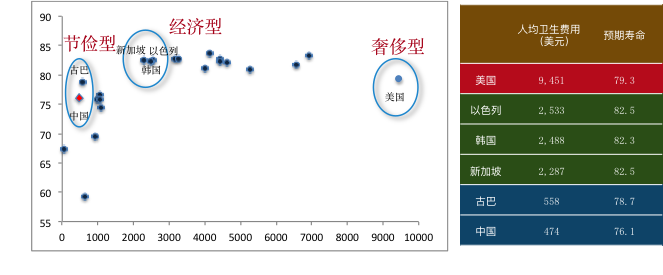
Figure 1 China’s Frugal Healthcare System (Data sources: OECD, NHFPC, WHO)
The increase in average life expectancy has accelerated population aging, leading to progressively higher demands for medical resources (Table 2). A comparative analysis reveals:
Compared with developed countries, China’s population is still relatively young; however, in contrast to developing nations such as India and South Africa, it has already entered an aging society.
China’s per capita nurse count is significantly lower than that of developed countries, amounting to less than half of Israel’s, which has a comparable level of population aging;
China’s per capita number of licensed physicians has approached that of South Korea, Japan, the United States, and the United Kingdom;
China's number of hospital beds per capita has surpassed that of most developed countries in Europe and the United States, but remains far lower than that of Germany, South Korea, and Japan.
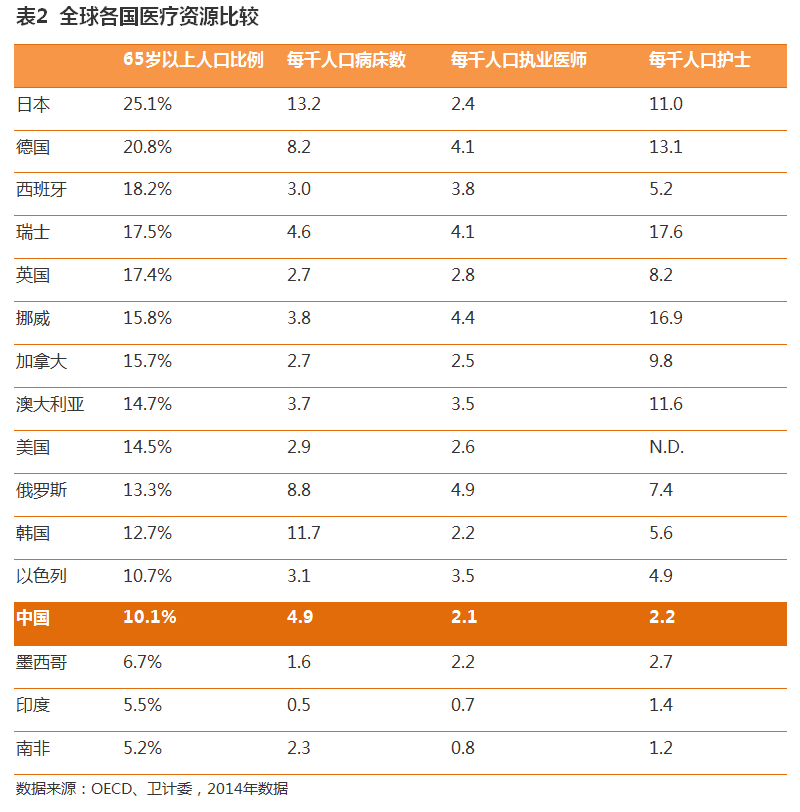
China’s healthcare system still has significant gaps in addressing an aging society.
Simplifying Complexity: Why Supply-Side Reform for Physicians Is the Most Critical Aspect of Overall Healthcare Resource Planning
1. The average educational attainment of physicians in China is low—particularly among primary care providers, whose substandard competency raises serious concerns about the quality of medical care delivered. As shown in Figure 2 below, only 55% of domestic physicians held bachelor’s or graduate degrees in 2014. Compared with the United States, there remains substantial room for improvement in China’s physician training system (Table 3);
2. Low Transparent Income for Chinese Physicians—Compared with the income levels of physicians in the United States, there is a twenty- to thirty-fold disparity; the absolute high-income elite group in developed Western countries has become a low- to middle-income group in China (Figure 3). Low income inevitably leads to low professional identity among doctors, a lower proportion of high-IQ individuals choosing medicine as a career, and growing concerns about the quality of medical care provided in the future.
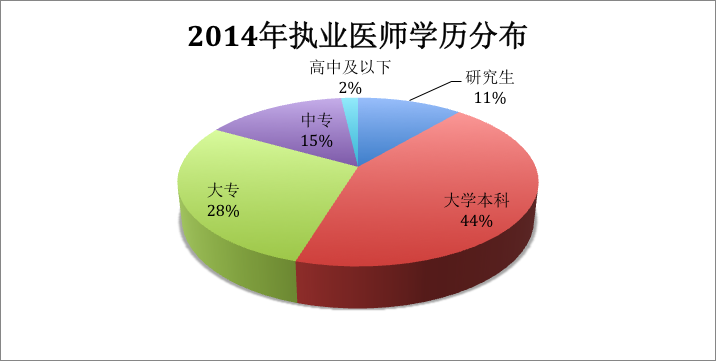
Figure 2. Distribution of Educational Attainment among Chinese Physicians in 2014 (Source: National Health and Family Planning Commission)
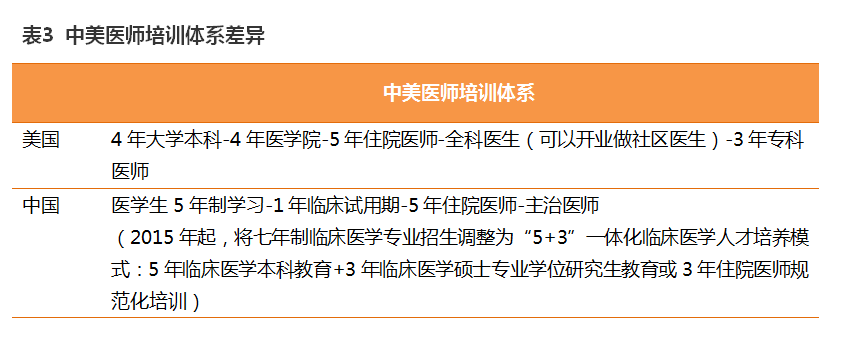
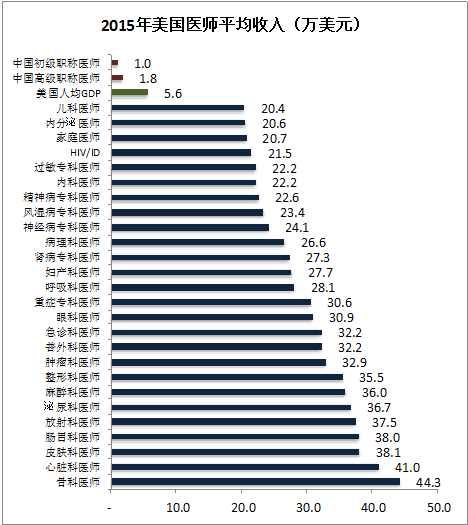
Figure 3. Comparison of Physician Income Levels in China and the United States (Data sources: Medscape’s 2016 US Physician Compensation Report; DXY’s 2015 Chinese Doctor Compensation Report)
After a holistic review of China’s healthcare system, three major investment themes emerge: tiered diagnosis and treatment, marketization, and Internet Plus.
Among these, tiered diagnosis and treatment has emerged as a key breakthrough in healthcare reform as policies enter more complex and challenging phases; marketization has been the source of dividends for private capital participating in healthcare services over the past three decades; and “Internet+” has represented the most significant investment opportunity during the ten-year cycle of healthcare service investments that began in 2011.
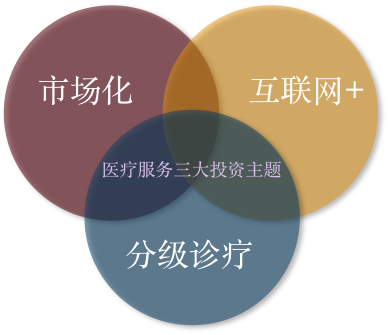
Figure 4: Three Major Themes in Healthcare Services Investment
The new healthcare reform launched in 2009 centered on addressing two core issues: “difficulty in accessing medical care” and “high cost of medical care.” The main policy thread from 2009 to 2015 can be summarized as “pharmaceutical reform” (Figure 5): universal health insurance coverage was leveraged to enhance the bargaining power of national medical insurance drug prices; provincial-level drug procurement bidding and the Essential Medicines List were used to exchange volume for price, compelling pharmaceutical companies to reduce prices annually; zero-markup policies on essential medicines controlled end-user prices for primary care patients; and the proportion of drug revenue in hospital income was treated as a political target, mandated to decline year by year. As a result, the problem of high medical costs was initially contained.
The difficulty in accessing medical care remains hard to alleviate: non-binding differential reimbursement policies under health insurance have driven patients to flock rapidly to urban tertiary hospitals. This surge in patient volume has accelerated the concentration of health insurance funds and medical resources (such as hospital beds and physicians) in tertiary hospitals, exacerbating waiting lines. Reform in the healthcare service sector is imperative.
In 2016, China’s new healthcare reform entered a critical phase. The top-level policy design emphasized the “three-medical-linkage” model, while tiered diagnosis and treatment—characterized by “initial consultation at primary care facilities, two-way referral, separate management of acute and chronic conditions, and coordination between upper- and lower-level hospitals”—became the breakthrough point in the攻坚 battle of the new healthcare reform.
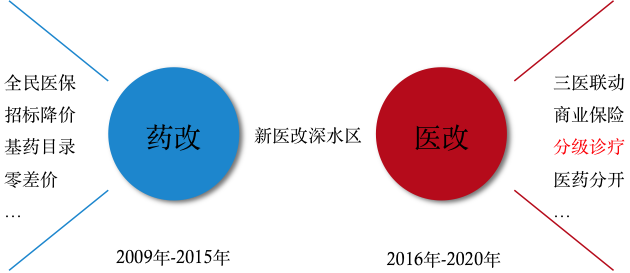
Figure 5. Evolution of New Healthcare Reform Policies—From Drug Reform to Healthcare Reform
The government’s resolve is unquestionable, and specific performance indicators for the tiered diagnosis and treatment system were established in 2017. However, the substantial gap between the current reality and the stated goals presents both opportunities and challenges (Table 4).
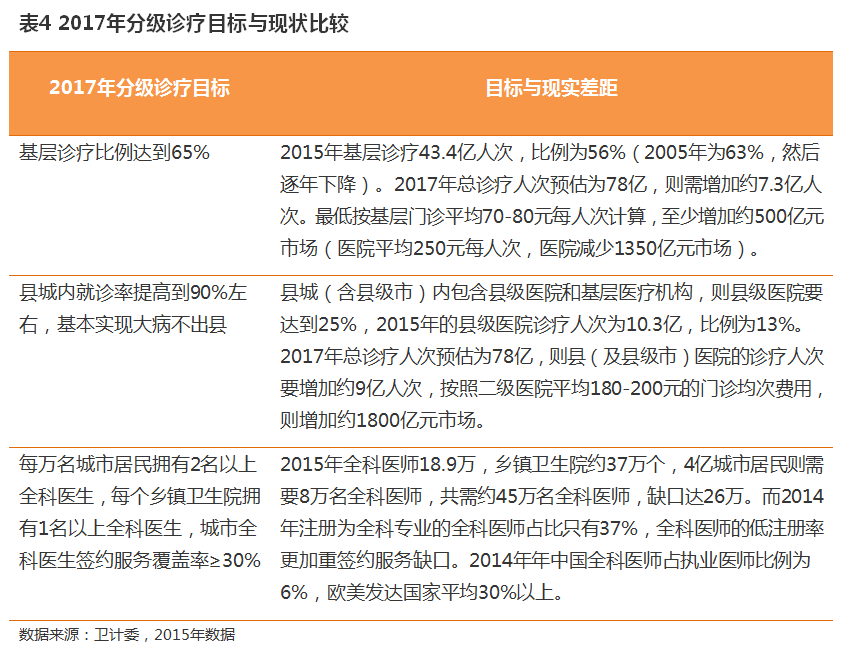
From an investment perspective, the greatest opportunity in tiered diagnosis and treatment lies with county-level hospitals under the “major diseases treated within the county” initiative. Data released by the National Health and Family Planning Commission in 2015 indicates that tiered diagnosis and treatment has transformed offline healthcare access points, with the impact on county-level hospitals already becoming evident (Figure 6).
In 2015, the growth rate of patient visits per tertiary hospital turned negative for the first time, signaling the waning of the siphon effect exerted by these institutions.
In 2015, the number of outpatient and emergency visits per institution in county-level hospitals (including county-level cities) continued to show positive growth, highlighting the increasingly prominent role of county-level hospitals in the tiered diagnosis and treatment system.
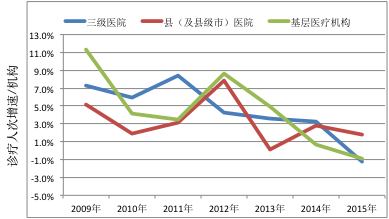
Figure 6. Growth rate of outpatient visits per unit in medical institutions at different levels, 2009–2015 (Data source: National Health and Family Planning Commission, data from 2008–2015)
Marketization is the perpetual prerequisite for investment by private capital. The marketization of the healthcare sector has undergone three decades of twists and turns (Table 5) and has now been elevated to a national strategy.
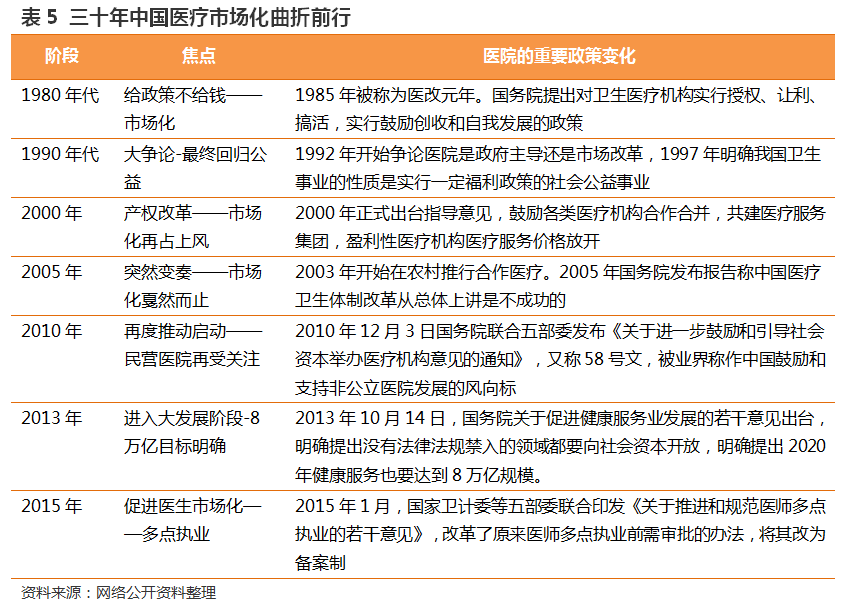
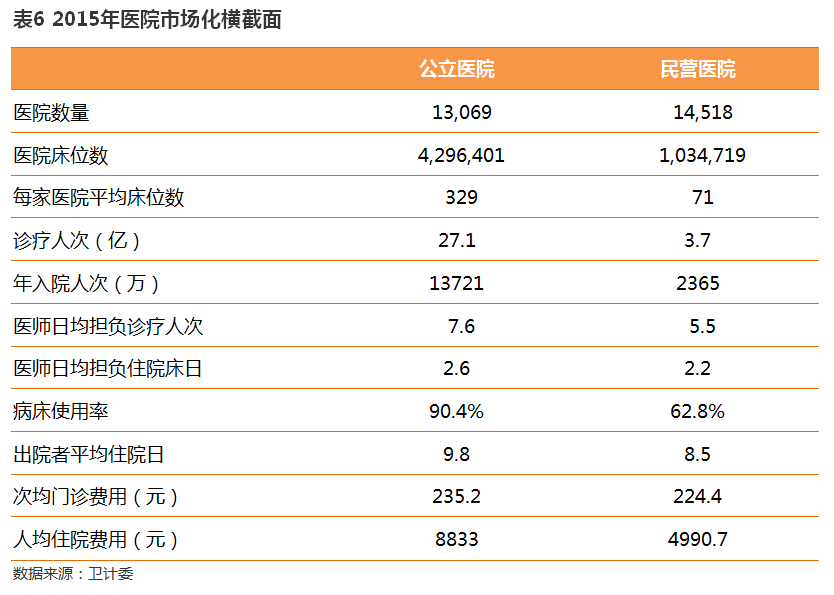
Data indicate that private hospitals currently account for half of the total number of hospitals, although their individual scale remains relatively small (Table 6).
In 2015, the number of private hospitals exceeded that of public hospitals for the first time;
Private hospitals remain predominantly concentrated at the primary care level, with an average bed count of fewer than 100, resulting in significantly lower numbers of beds, outpatient visits, and inpatient admissions compared to public hospitals;
There remains a significant gap between private and public hospitals in terms of bed occupancy rates and average hospitalization costs per patient.
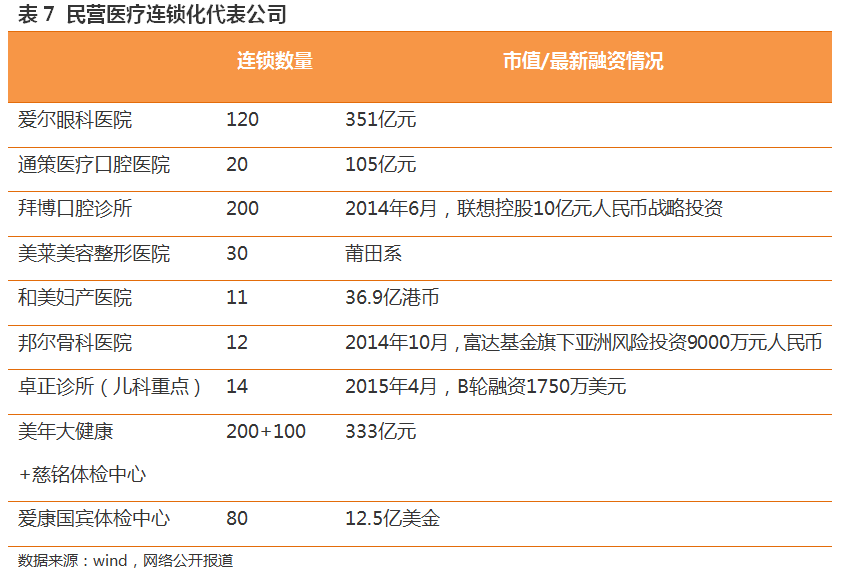
Broadly speaking, the marketization of the healthcare system can be divided into two dimensions: price marketization and physician marketization. In retrospect, price marketization took the lead in certain specialty fields, driving a reluctant yet inevitable shift toward physician marketization, thereby gradually unfolding the privatization of various specialties (Figure 7). Capital further propelled the specialization and chain-based development of private hospitals (Figure 8, Table 7).
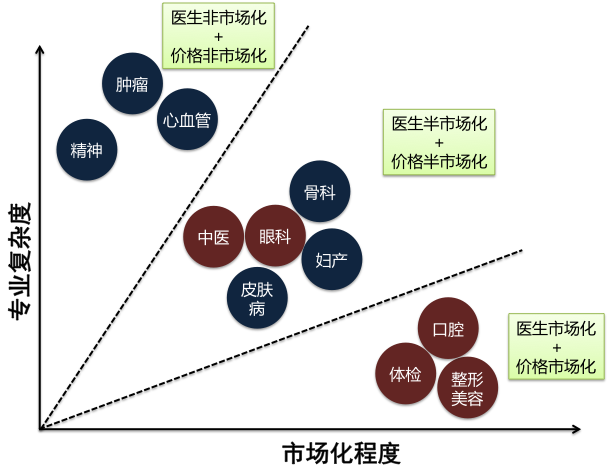
Figure 7. Price-Physician Marketization Specialty Matrix
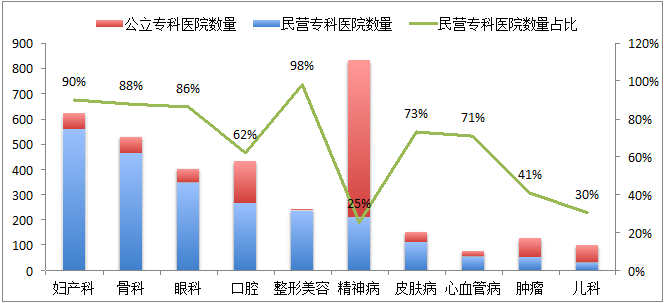
Figure 8. Comparison of Privatization of Specialized Hospitals Across Various Sectors in 2014 (Data Source: National Health and Family Planning Commission)
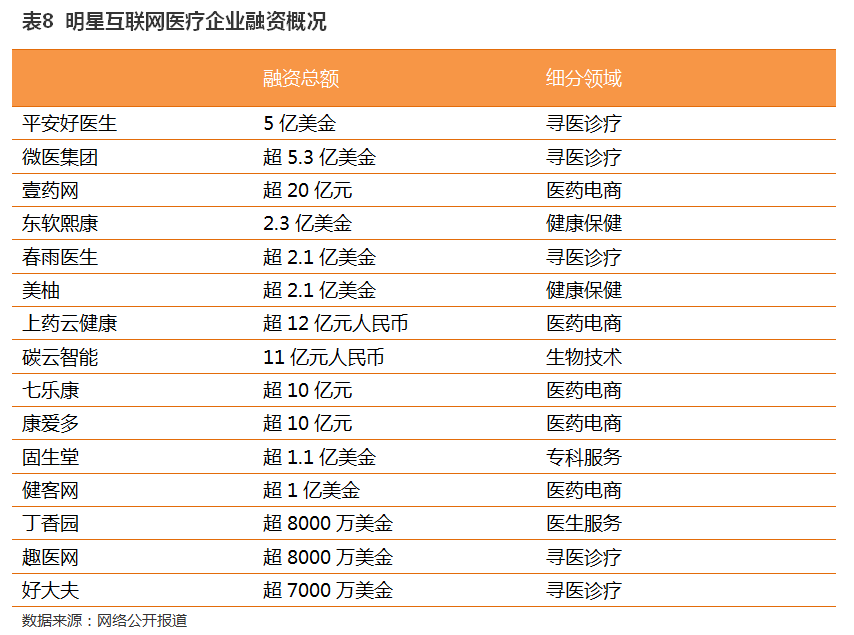
Since 2011, internet healthcare has gradually become a hot spot for medical investment (Figure 9), with 15 star internet healthcare companies raising over $3 billion in financing (Table 8).
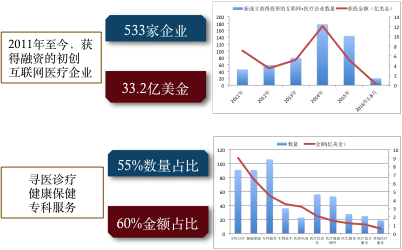
Figure 9 Overview of Investment and Financing in Internet Healthcare from 2011 to August 2016
We believe that Internet Plus Healthcare will evolve through the following three stages (Figure 10):
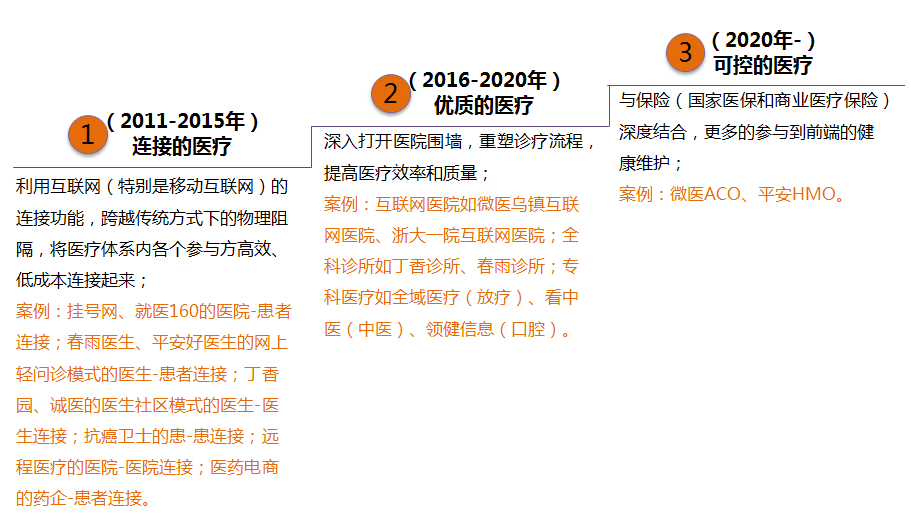
Figure 10 Three Stages of Internet + Healthcare Development
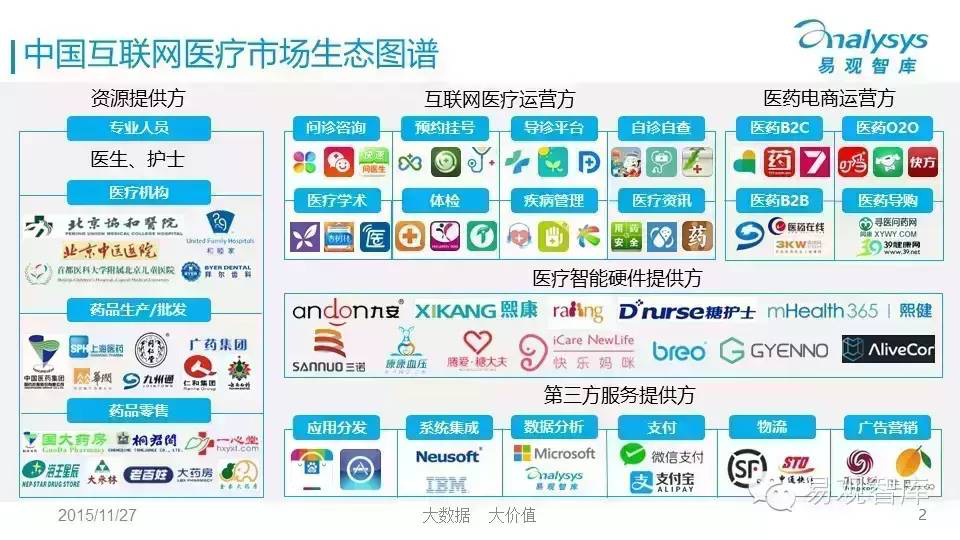
Figure 11. Ecosystem Map of Internet Healthcare Enterprises (Source: Analysys)
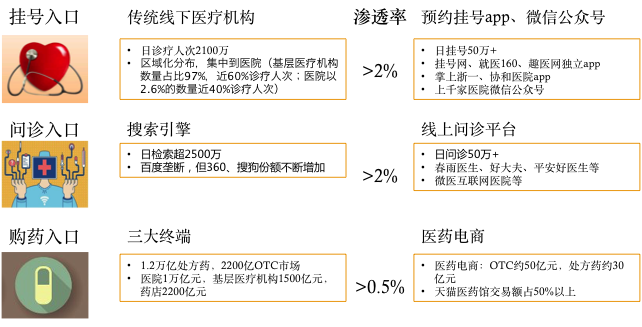
Figure 12 Online Penetration of the Three Major Healthcare Entry Points
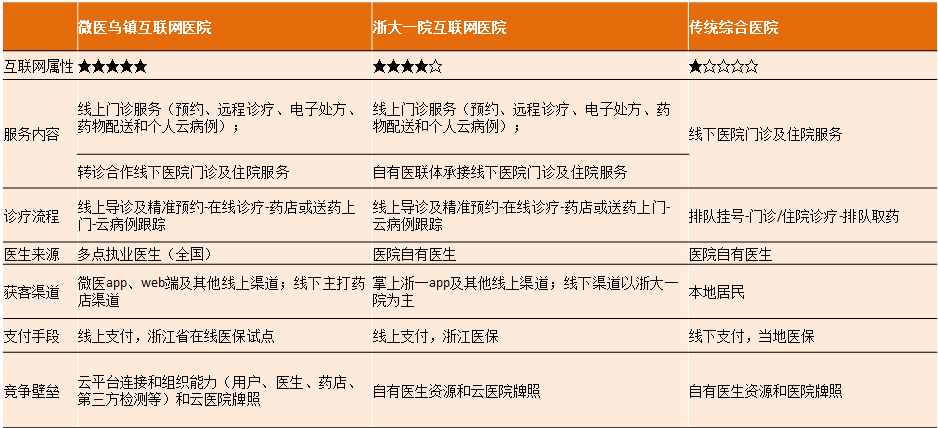
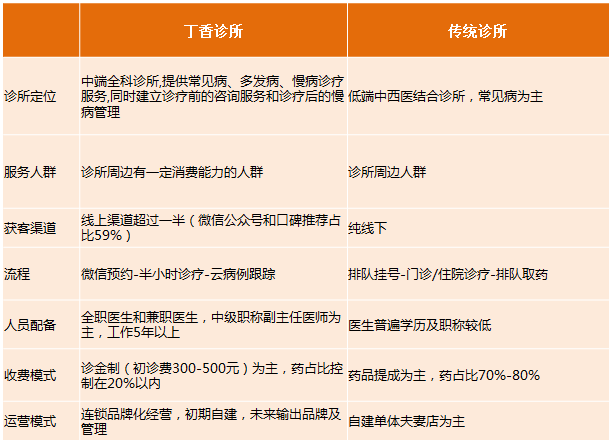
Figure 13 Comparison between Online-to-Offline (O2O) Medical Institutions and Traditional Medical Institutions
Following the first phase, “Internet + Healthcare” has successfully “connected” the entire healthcare ecosystem (Figure 11). Internet-based healthcare services have begun to penetrate the three major entry points of medical care—appointment registration, online consultations, and medication purchase (Figure 12). Although penetration rates remain relatively low, this trend is irreversible, and user habits are becoming increasingly entrenched among the younger generation. In 2016, represented by internet hospitals and integrated online-to-offline general practice clinics, internet-based healthcare started expanding into offline settings to deliver higher-quality medical services (Figure 13).
The author of this article is Wu Chong, an investment manager at Lian Fund. The views expressed herein do not represent those of VCBeat (WeChat official account: vcbeat). This article was exclusively premiered by VCBeat after editorial review; please cite the source when reposting. If you have additional insights or perspectives on internet healthcare, we welcome you to share them with us.