

12 Overhyped Medical Technologies That Could Signal an Investment Bubble
In an era where advancements in medical technology are often overhyped, people should not blindly trust current or future healthcare technologies. With an objective, rational, and optimistic perspective, let us examine these overhyped medical technologies and keep in mind their realistic potential for development in the process of healing.
You’ve surely heard the proverb: A pessimist says the glass is half empty; an optimist says it is half full; and a cynic asks, “Who drank the other half?” I am a thoroughgoing optimist, particularly when it comes to the prospects for advances in medicine and healthcare.
However, my optimism stems from facts and an objective assessment of the latest development trends in the healthcare sector. A fact-based approach is crucial, as media outlets often exaggerate groundbreaking medical discoveries, innovative healthcare solutions, or short-lived experiments to capture public attention. While such sensationalism does not enhance the feasibility or sustainability of these medical technologies, it undoubtedly draws public scrutiny.
Let us examine Theranos and its notorious founder, Elizabeth Holmes. After a decade of blind anticipation, The Wall Street Journal finally began to rigorously question Theranos’s one-drop blood testing technology. Now, we must wait for Theranos to disclose more technical details. Consider optogenetics as well! The technology that uses light to control cellular behavior in living tissue remains largely unrealized. And look at the iKnife, which claimed to detect cancerous tissue during surgery! It has all but vanished.
If a medical finding seems too good to be true, we should adopt an extremely cautious approach and seek clear evidence before disseminating related information; false hope is highly dangerous.
Therefore, we need to set aside excitement and optimism, subject revolutionary medical technologies to rigorous scrutiny, and validate their rationale with evidence. Excessive hype will only lead to development failures or create investment bubbles. We can avoid this by highlighting their shortcomings, while still hoping for remarkable success from researchers. Next, VCBeat (WeChat: vcbeat) presents a review of 12 overhyped medical technologies.
On a particularly dull Wednesday afternoon, your wife asks you to pick up medication from the pharmacy on the corner. You provide the pharmacist with her name, and shortly thereafter, the pharmacy prints out personalized pills tailored specifically for her. These capsules are manufactured according to her specific requirements and molecular profile, at the dosage prescribed by her physician. Sounds impressive, doesn’t it? Unfortunately, we are not yet able to realize this vision...
In 2015, the U.S. FDA approved Spritam, the first 3D-printed medication, which is an anti-epileptic drug designed for rapid disintegration. I also envisioned the possibility that small pharmaceutical companies could leverage new solutions to accelerate drug metabolism and streamline sales processes through this manufacturing method. I once believed that the entire pharmaceutical supply chain could be redesigned within a few years, or even months.
However, I was overly optimistic. Currently, the drug production process is relatively slow. Pharmaceutical companies are reluctant to replace their decades-old manufacturing technologies with new ones.
In 2014, Google filed a patent with the United States Patent and Trademark Office for a multi-sensor digital smart contact lens capable of detecting blinking motions and turning pages in e-books “in the blink of an eye.” Subsequently, more innovative applications for contact lenses have been proposed, such as measuring blood glucose levels through tears.
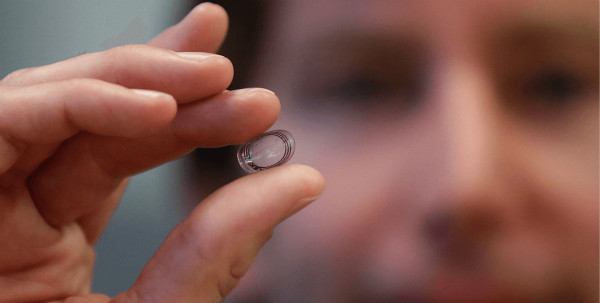
In 2014, Google announced that, based on its most optimistic estimates, digital smart contact lenses could reach the market within five years, with relevant trials conducted ahead of schedule. However, Google subsequently postponed its launch events multiple times and remained evasive about the development progress of the contact lenses. In official statements, Google even indicated that while scientists had conducted extensive research on the ability of certain bodily fluids to reflect blood glucose levels, using tears to measure blood glucose appeared somewhat fanciful due to the significant challenges associated with collecting and analyzing tear samples.
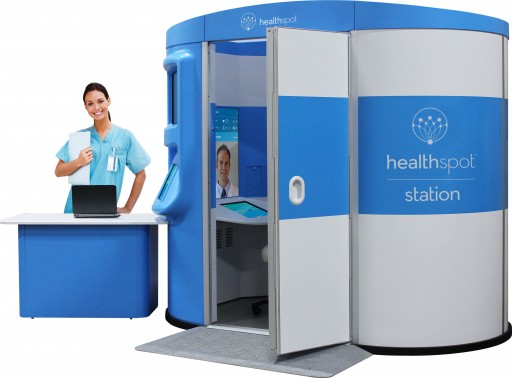
The concept behind the Healthspot telemedicine kiosk is to provide convenient, high-quality care services in high-traffic locations such as commercial districts and offices. It truly integrates telehealth with personal care. Patients can engage in face-to-face video consultations with healthcare providers within their own communities, receiving personalized medical services.
Although it began as a revolutionary breakthrough, the company ultimately went bankrupt. Why? Healthspot’s business model failed to deliver the on-demand healthcare experience it had promised. It was too expensive, its target market was too small, and the kiosks themselves were overly bulky compared with smartphones capable of streaming high-definition video.
Compared with clinical trials that are lengthy and extremely costly, microchips capable of serving as models of human cells, organs, or entire physiological systems offer distinct advantages. Researchers can conduct unrestricted testing of drugs or components on these chips, making clinical trials faster and more accurate under identical conditions and environments. Organ-on-a-chip technology leverages stem cells to simulate human organs with the aid of various devices. Many experts believe that this technology has the potential to revolutionize clinical trials and completely replace animal testing. It may also improve the efficacy of cancer treatments.
Although these experiments hold great promise, they remain far from achieving true comprehensive physiological simulation of the human body. Even if individual organs can be mimicked, the interconnections between models are more complex than we imagine.
The fact that Pokémon GO conquered the world this summer demonstrates the immense potential of augmented reality (AR) technology. Although AR in healthcare is still a nascent field, many brilliant ideas for its applications have already emerged. In the future, medical students may study anatomical structures on virtual dissection tables rather than through human cadavers. The knowledge we acquire from numerous textbooks will be transformed into virtual 3D solutions and models powered by augmented reality. During surgical procedures, surgeons can visualize anatomical structures such as blood vessels within the liver, enabling more precise resections without the need to open up the organ.
Many companies have already begun offering AR solutions. However, the HoloLens AR headset is available only to developers and is priced beyond the reach of most consumers. An American surgeon noted that the HoloLens also has certain limitations in terms of user experience, expressing hope that these issues will be addressed in future versions.
Magic Leap, based in Florida, has not even unveiled its product prototype. The company refers to this technology as mixed reality (MR), a solution that integrates AR and VR. However, this does not prove that Magic Leap can deliver on such technology. As is often the case, marketing videos tend to present a more idealized version than reality.
When Dr. McCoy from *Star Trek* uses his tricorder to scan a patient, this portable handheld device instantly lists vital signs, other parameters, and diagnostic results. It is like a Swiss Army knife for internists. With such an ultimate point-of-care medical device, you can treat patients anywhere.
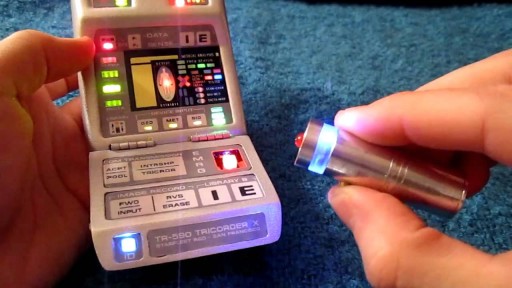
Numerous trials are already underway to achieve this level of medical care—for example, Scanadu, a nascent mobile health device, and Viatom Checkme, which can simultaneously measure body temperature, electrocardiogram (ECG), pulse rate and rhythm, blood oxygen saturation, systolic blood pressure, physical activity, and sleep. Many believe that Qualcomm’s Tricorder XPRIZE challenge will spur the development of medical devices capable of diagnosing any disease, thereby giving patients greater autonomy in managing their personal health.
And I believe that even if XPRIZE were to bring about similar devices, they would only be able to track a few physiological parameters and health indicators. For now, we can still only see tricorders in science fiction movies.
Zoltan Takats from Imperial College London has developed the intelligent scalpel (iKnife). The working principle of this scalpel is relatively straightforward: it uses electric current to heat tissue, creating incisions with minimal blood loss. The iKnife employs a mass spectrometer to analyze the vaporized smoke and detect chemical substances in biological samples. This enables real-time identification of whether the sample is malignant tissue.
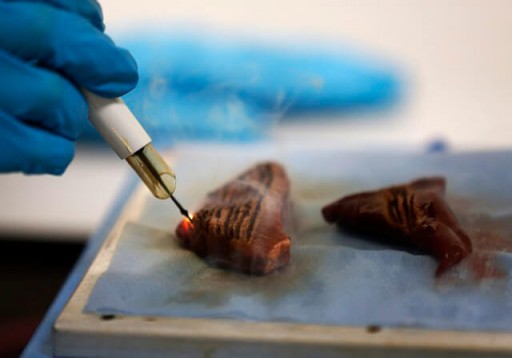
The media loved this story and hyped it extensively. A few months later, it vanished with startling speed. Even dubbing it the “Jedi Blade” could not obscure the fact that it was a failed invention.
Recently, the market for medical wearable devices and sensors has been flourishing. Sensors and health trackers can measure health parameters, helping users understand their exercise habits, sleep quality, stress levels, or brain activity.
In my pursuit of a healthier lifestyle, I have also enthusiastically tested several related products. I firmly believe that health trackers, such as the Pebble sleep tracker and the Withings blood pressure monitor, will become an integral part of our lives in the future. These devices, which can collect extensive patient health data, are particularly valuable to general practitioners (GPs). They can significantly reduce waiting times, enabling GPs to devote more time and energy to delivering more focused and reassuring care.
Unfortunately, we are not yet able to realize this vision. These medical devices remain relatively bulky and uncomfortable to wear, and the underlying algorithms are still rather rudimentary. We need to personally analyze the data and draw conclusions from it, which falls far short of the requirements for practical clinical application.
The purpose of humanoid robot nurses is to support, assist, and expand the services provided by healthcare staff. According to experts, they even have the capacity to fully replace humans in repetitive and monotonous tasks. The bear-shaped robot RoBear can lift patients from their beds; the TUG robot can move stacks of shelves, carts, or carry boxes weighing up to 453 kilograms; and Pepper, a small humanoid “social robot,” can greet and guide patients in hospitals.
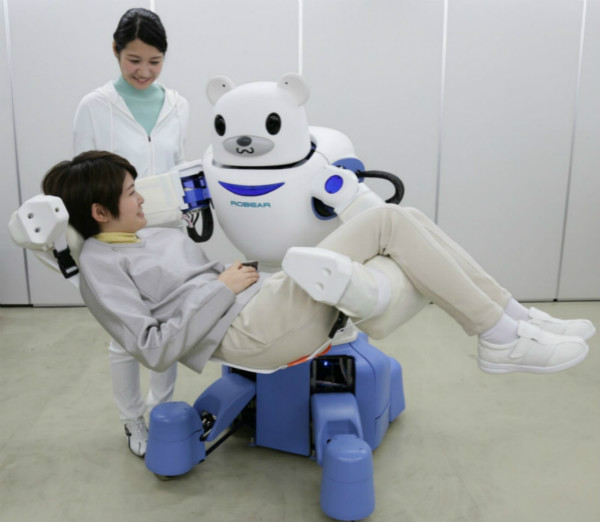
Or rather, this is merely their vision. Humanoid nurse robots remain far from our reality. Even though two Belgian hospitals have introduced the Pepper robot, it serves only as a prototype deployed in these two healthcare facilities.
In addition to goggles, some companies are also attempting to enhance the virtual reality experience through gloves. Using gloves developed by the U.S. company Manus, you can control your hands and arms in virtual reality. Such devices will become a valuable asset in the medical field, particularly in telemedicine. Doctors will be able to remotely feel and touch patients while discussing medical issues with them through telemedicine applications.
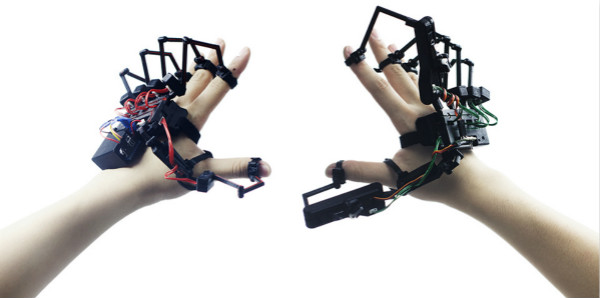
Although the concept is impressive, practical implementation lags significantly: the gloves are difficult to use, and their compatibility with VR headsets needs improvement. Furthermore, no similar products have yet emerged in the market.
The media has shown great enthusiasm for Elizabeth Holmes, the most successful female entrepreneur in the pharmaceutical industry and the youngest inventor in the healthcare sector. She has been featured in major U.S. newspapers and magazines, promising to revolutionize blood testing with just a single drop of blood. In theory, such tests could provide patients with extensive information relevant to their medical conditions. Theranos pledged to significantly reduce costs while ensuring that its testing devices were flexible, portable, safe, and reliable.
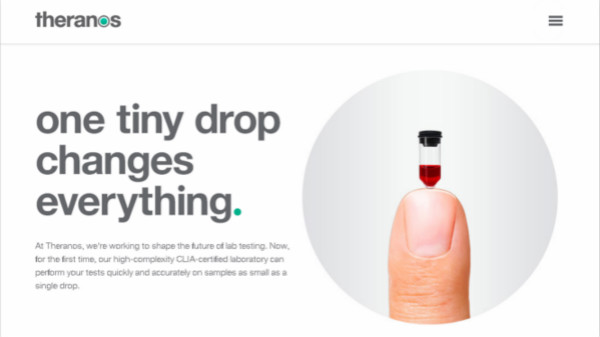
It was widely regarded as one of the greatest medical inventions of the century, as it promised to bring about a transformative change in traditional blood testing in terms of volume, quality, and cost. However, after The Wall Street Journal raised serious concerns about the feasibility of the underlying technology, regulators launched a comprehensive investigation into Theranos. In July, they revoked the company’s California laboratory license due to unsafe practices and ordered Elizabeth Holmes to be barred from operating or owning a clinical laboratory for at least two years. The once $9 billion-valued company experienced a dramatic reversal, failing even to substantiate the work it claimed to have performed.
The waiting list for organ transplants is alarmingly long, not to mention the nightmarish black market for organs. Patients truly have to wait until a donor dies before they can receive this lifeline treatment. Organs created using patients’ own stem cells will eliminate the drawbacks of the current organ donation system.
This year, researchers from Organovo, Roche Pharmaceuticals, and Early Development have offered a glimmer of hope. They utilized Organovo’s 3D-bioprinted human liver tissue to establish a model of drug-induced liver injury (DILI). Although this field is still in its infancy, many scientists anticipate that in the near future, patients will be able to replace defective livers, kidneys, and even hearts with bioengineered organs.
However, we must clarify that currently we can only print human-like tissues (liver tissue, bone, or cartilage). Using stem cells to fabricate organs remains far out of reach.
By avoiding unnecessary hype, we can prepare society to embrace these remarkable technologies and alleviate the pressure on businesses and innovators. We should also critically examine so-called disruptive technologies. Although this may seem unrealistic amid the barrage of news about medical solutions, maintaining a cautious and rational attitude is essential to truly realizing the life depicted in science fiction.