Artificial Intelligence Meets Healthcare: Applications and Innovations (Part I) – 2016 AI + Digital Health Innovation Trends Report IV
The structure of the public version of the "2016 Report on Innovation Trends in AI-Driven Healthcare" is as follows:
Article 1: AI Strategies of Tech Giants
Part II: A Detailed Analysis of IBM Watson’s AI Applications in Healthcare
Article 3: Analysis of Global AI Venture Capital Data in Healthcare, 2011–2016
Part 4: What Can AI Do for Healthcare? (Part I)
Part 5: What Can AI Do for Healthcare? (Part II)
The following is the fourth article:
What Can Artificial Intelligence Do in Healthcare? (Part 1)
Artificial intelligence has been widely applied in the healthcare sector. In terms of application scenarios, it is primarily categorized into 11 fields: virtual assistants, medical imaging, drug discovery, nutrition, biotechnology, emergency room/hospital management, health management, mental health, wearable devices, risk management, and pathology. This analysis focuses on the first eight fields, with this article covering four aspects: virtual assistants, medical imaging, drug discovery, and nutrition.
Virtual assistants are voice-enabled companions at your side, with conversation serving as the primary mode of interaction. You speak to the assistant, and after undergoing natural language processing and semantic analysis, the voice assistant responds accordingly. Siri on Apple devices is perhaps the most familiar example of a virtual assistant. Furthermore, by analyzing conversations with users, virtual assistants can intelligently assess described symptoms to determine potential medical conditions.
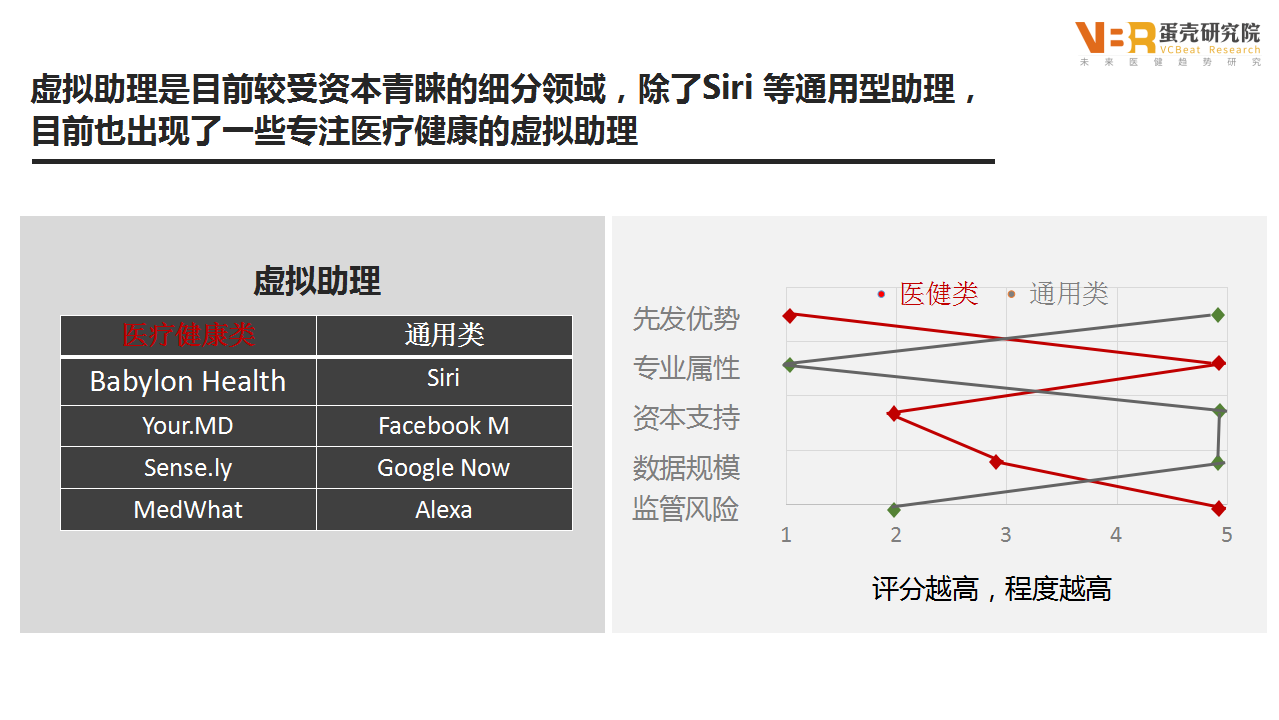
We categorize virtual assistants into two types: general-purpose virtual assistants, such as Siri, and specialized virtual assistants focused on healthcare. Compared with general-purpose assistants, healthcare is a more vertical and highly specialized domain, requiring the mastery of numerous professional terms and skills. We compare the differences between general-purpose and healthcare-focused virtual assistants from five perspectives. General-purpose virtual assistants entered the market earlier, enjoy strong capital support, and operate on a large data scale. In contrast, healthcare virtual assistants are characterized by strong professional attributes and high regulatory risks. Virtual assistants are currently a subsector of AI-driven healthcare that attracts significant investor interest. Among healthcare virtual assistants well-known to users abroad is Babylon Health, while in China, Dashu Yida and Kangfuzi are emerging as notable players in the virtual assistant space.
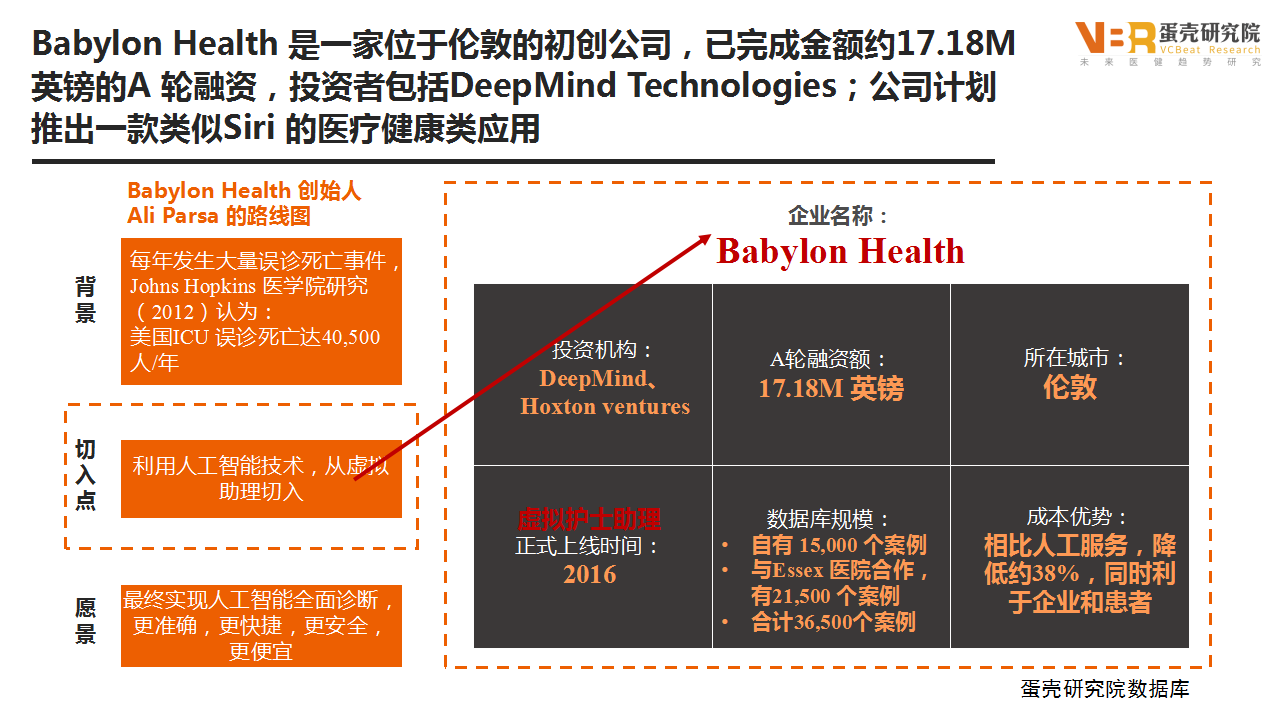
Babylon Health, a London-based startup, has completed a Series A financing round of approximately £17.18 million, with investors including DeepMind Technologies. The company plans to launch a Siri-like virtual assistant application for healthcare. Over the past two years, Babylon has built an extensive medical symptom database comprising 36,500 cases, leveraging voice recognition to ask users a series of questions before they consult a doctor. Compared to consultations with human general practitioners, this lightning-fast symptom assessment, delivered in a warm and gentle voice, is the key strategy enabling Babylon Health to reduce costs and maintain its monthly subscription fee of £5.
Babylon Health requires a two-phase development process. The first phase consists of two steps: the initial step involves natural language processing to comprehend patients’ descriptions of their symptoms and identify areas of discomfort. Subsequently, through comparison with content in disease databases and deep learning, the system provides medical and nursing recommendations to patients. This phase is limited to a narrower scope of specialties, including nephrology, hepatology, cholesterol management, and orthopedics. In the second phase, with the integration of larger-scale databases and extended training periods, Babylon Health will offer recommendations for a broader range of diseases.
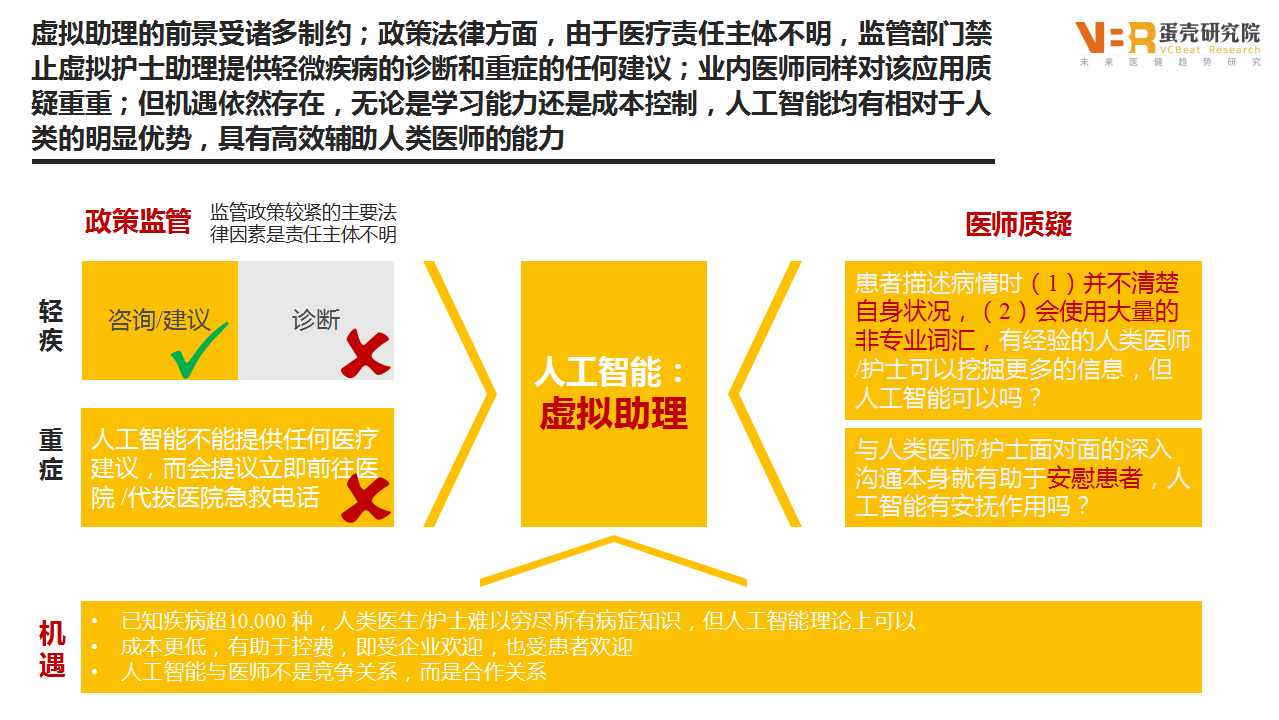
Ali Parsa, founder of Babylon Health, believes that manual patient management results in a significant number of deaths due to misdiagnosis each year. It is estimated that misdiagnoses in U.S. intensive care units (ICUs) lead to 40,500 deaths annually. By leveraging artificial intelligence technology and starting with virtual assistants, patient care can be delivered more accurately, quickly, safely, and cost-effectively. However, current policy and legal frameworks prohibit virtual assistants from diagnosing minor illnesses or providing any recommendations for severe conditions, primarily due to the lack of clarity regarding liability for medical decisions.
Currently, regulatory authorities require virtual assistants to provide only consultations and advice for minor ailments, prohibiting them from making diagnoses. For severe conditions, they are limited to recommending immediate hospital visits or placing emergency calls on behalf of patients. Physicians in the industry have also raised concerns about these applications. Patients often lack a comprehensive understanding of their own health status, potentially omitting critical information when describing symptoms. Furthermore, the extensive use of non-professional terminology during consultations may hinder virtual assistants from extracting truly useful data to make more accurate assessments. These represent the current challenges facing virtual assistants. Nevertheless, virtual assistants offer lower costs and contribute to cost containment. While human physicians cannot possibly master knowledge of every disease, artificial intelligence theoretically can. Therefore, AI has the potential to become a valuable assistant to human physicians.
The integration of medical imaging and artificial intelligence is a relatively new branch within the field of digital healthcare and has become a focal point of the digital health industry. Medical imaging generates vast amounts of data, which can sometimes overwhelm even experienced physicians. Interpreting medical images requires extensive accumulation of professional expertise, and the training cycle for radiologists is relatively long. In contrast, artificial intelligence can achieve faster detection efficiency and higher accuracy than specialist physicians, while also reducing the rate of misdiagnosis due to human error.
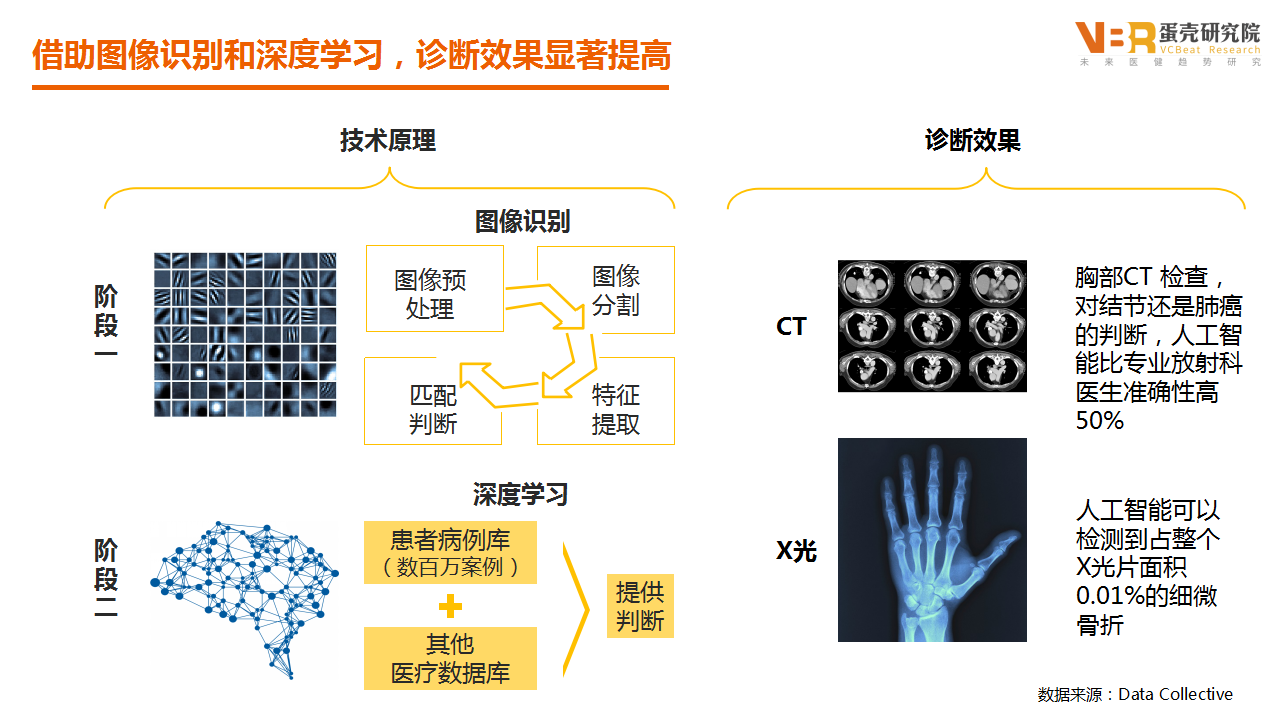
In recent years, the performance of “image recognition technology,” which identifies objects within images, has improved rapidly with the aid of “deep learning.” X-ray images have a resolution of 3000×2000 pixels, while malignant tumors within them measure approximately 3×3 pixels. Determining whether a tiny shadow-like object in such a large image is a malignant tumor is an extremely challenging task. The process typically begins with preprocessing the radiographic film, followed by segmentation into smaller patches. Feature values are then extracted from each patch and compared against a database, culminating in a positive diagnosis after matching. Throughout the diagnostic process, artificial intelligence also performs self-directed deep learning, searching for relevant cases in medical record databases to establish the basis for its judgments. It takes a radiologist 10–20 minutes to interpret a patient’s CT scan images and approximately 10 minutes to write the diagnostic report.
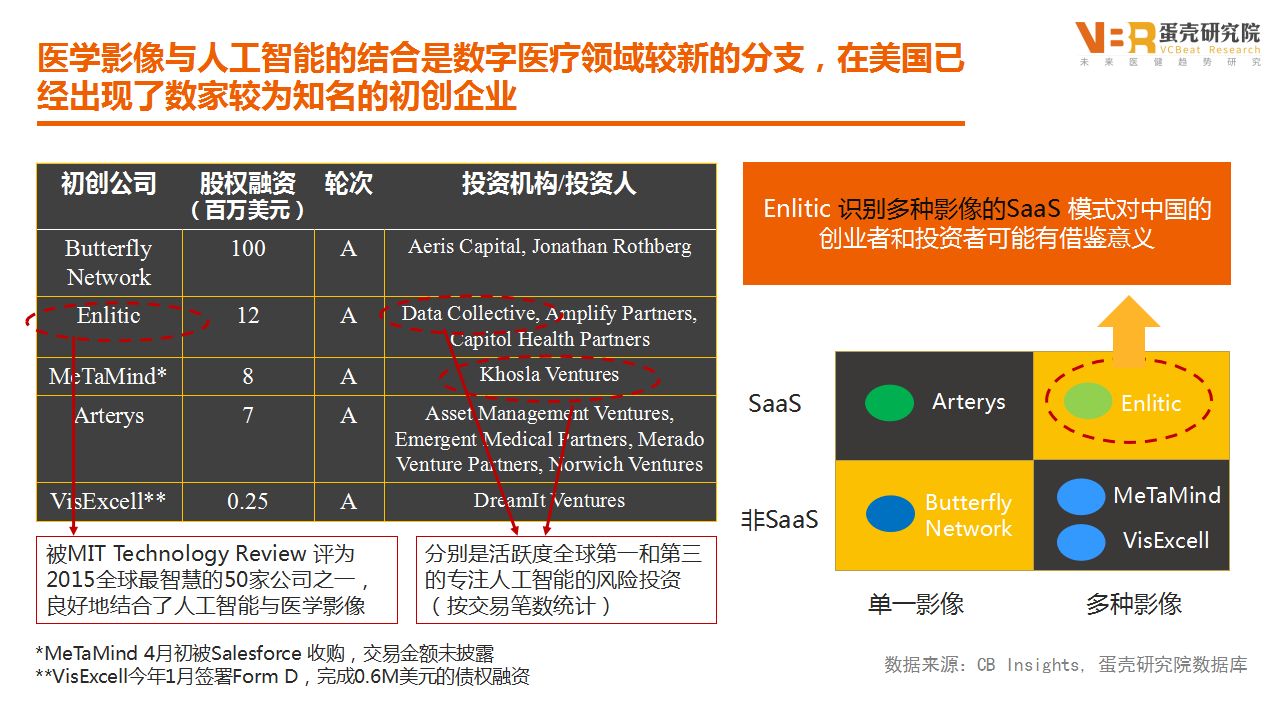
Abroad, several well-known startups have already emerged. Enlitic, listed in the table, is a prominent AI medical imaging company. Although founded in 2014, it was named one of the 50 Smartest Companies of 2015 by MIT Technology Review the following year and secured a total of $15 million in funding. Butterfly is developing a compact ultrasound device that relies primarily on software to operate, including technologies developed by AI experts to process a series of images, thereby enabling automated disease diagnosis. The world’s most active first- and third-ranked venture capital firms specializing in artificial intelligence have also become investors in AI-driven medical imaging startups.
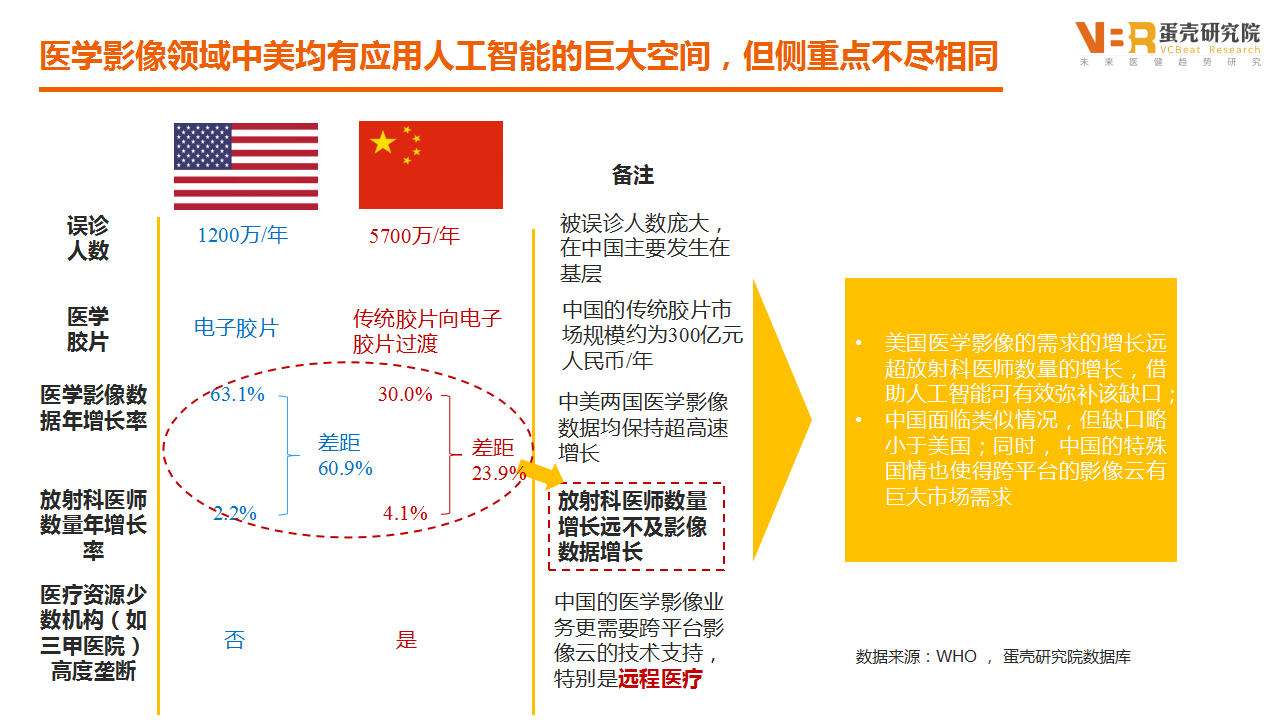
We compared the current state of medical imaging in China and the United States. In terms of misdiagnoses related to imaging, the U.S. sees 12 million cases annually, while China, due to its large population base, reaches a staggering 57 million per year, with most of these misdiagnoses occurring in primary healthcare institutions. Currently, medical imaging in China is transitioning from traditional film to digital film, whereas traditional film has become obsolete in the U.S. The widespread adoption of digital film has led to a significant increase in medical imaging data, with annual growth rates reaching 63.1% in the U.S. and 30% in China. However, the annual growth rate of radiologists is only 2.2% in the U.S. and 4.1% in China, far below the growth rate of imaging data, creating a substantial gap. This means that physicians face a significantly increased workload and reduced diagnostic accuracy. Leveraging artificial intelligence for image analysis can effectively bridge this gap. Although this gap is slightly smaller in China than in the U.S., our unique national conditions have created significant market demand for cross-platform imaging cloud solutions.
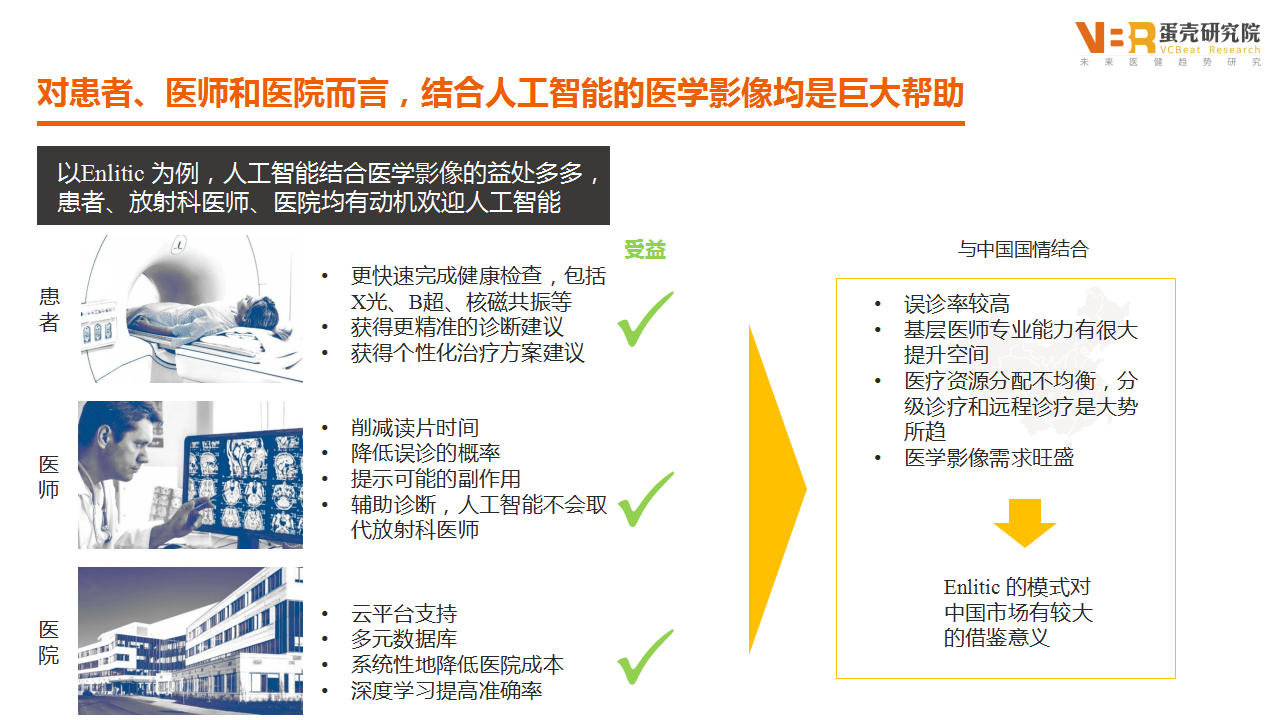
Enlitic has developed image recognition software capable of detecting malignant tumors in X-ray and CT scan images. By leveraging Convolutional Neural Networks (ConvNets), a deep learning technique, the system performs machine learning on extensive datasets of medical images previously reviewed by radiologists for the presence and location of malignant tumors. It automatically identifies “features” representative of malignant tumor morphology and determines “patterns” indicating which features are critical for diagnosing malignancy. Enlitic validated its system using the lung cancer imaging databases LIDC and NLST, finding that its system’s detection accuracy for lung cancer was more than 50% higher than that of individual radiologists. Artificial intelligence offers substantial benefits in medical imaging for patients, radiologists, and hospitals alike. It enables patients to undergo health screenings such as X-rays, ultrasounds, and CT scans more rapidly while receiving more accurate diagnostic recommendations; it assists physicians in interpreting images faster and providing more precise auxiliary diagnoses; and it allows hospitals to leverage cloud-based platforms to build diverse databases and reduce costs. Implementation of Enlitic’s system can halve the time required for diagnosing CT scan images and accurately detect bone fractures even when the affected area constitutes as little as 0.1% of the entire X-ray image.
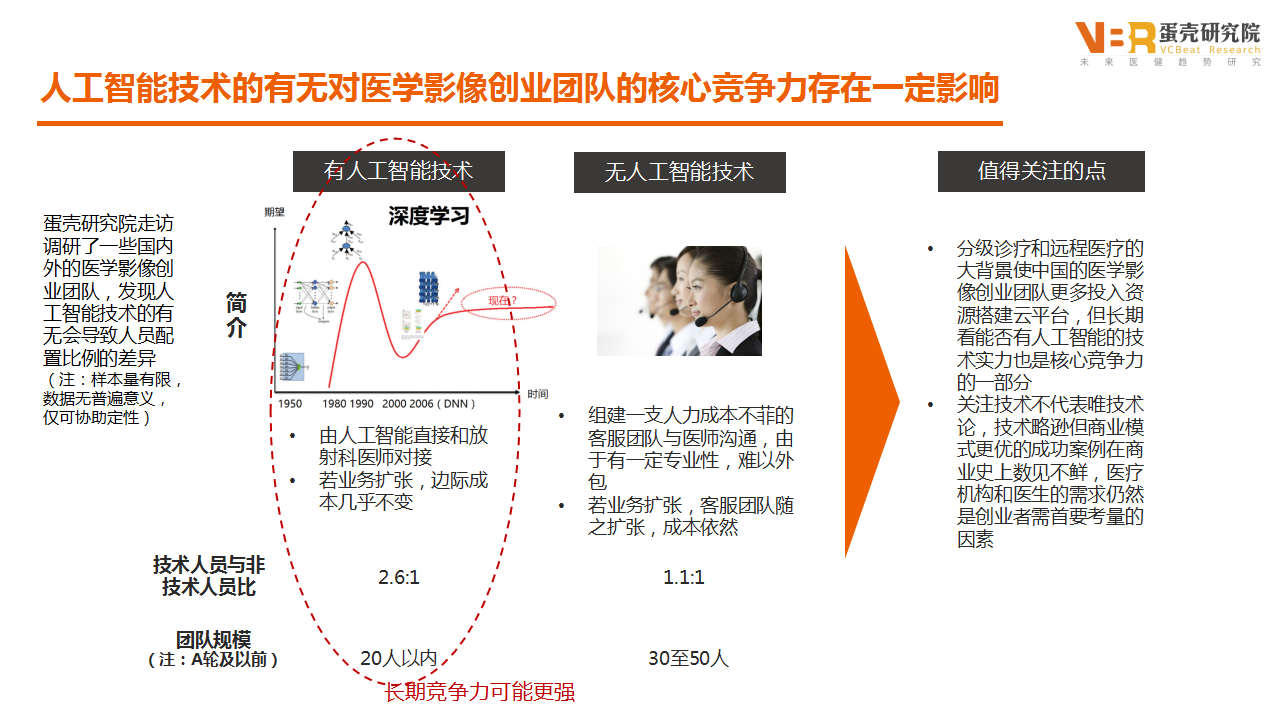
Previously, we analyzed the benefits that artificial intelligence (AI) brings to patients, physicians, and hospitals. Within medical imaging enterprises, the integration of AI technology also has a significant impact on the core competitiveness of startup teams. According to VCBeat’s interviews with medical imaging startups, companies equipped with AI technology can substantially reduce labor costs. Prior to Series A financing, their technical teams can be kept under 20 members, with a ratio of technical to non-technical staff reaching 2.6:1. In contrast, without AI technology, companies would need to assemble a costly customer service team to facilitate communication with physicians, resulting in a technical-to-non-technical staff ratio of only 1.1:1 and a total team size of 30 to 50 people. Against the backdrop of tiered diagnosis and treatment and telemedicine, Chinese medical imaging startups are increasingly investing resources in building cloud platforms. However, in the long run, possessing robust AI technological capabilities remains a critical component of core competitiveness.
Drug discovery and screening have undergone three stages.
The first phase, spanning from 1930 to 1960, was the era of random drug screening. This was a period characterized by serendipitous discoveries, with the typical example being the screening of antibiotics from natural resources using bacterial culture methods.
The second phase spanned from 1970 to 2000, an era characterized by more advanced technologies that enabled high-throughput targeted screening of large chemical libraries. The emergence of combinatorial chemistry revolutionized the way new compounds were acquired, allowing for the simultaneous synthesis of vast numbers of compounds in a short period through fewer steps. Against this backdrop, high-throughput screening (HTS) technology emerged. HTS enables the rapid screening of large numbers of candidate compounds. With further development, it has become a relatively mature technology, applied not only to the screening of combinatorial chemistry libraries but also, more extensively, to existing compound libraries. For instance, statins, which are used to lower cholesterol, were discovered through this approach.
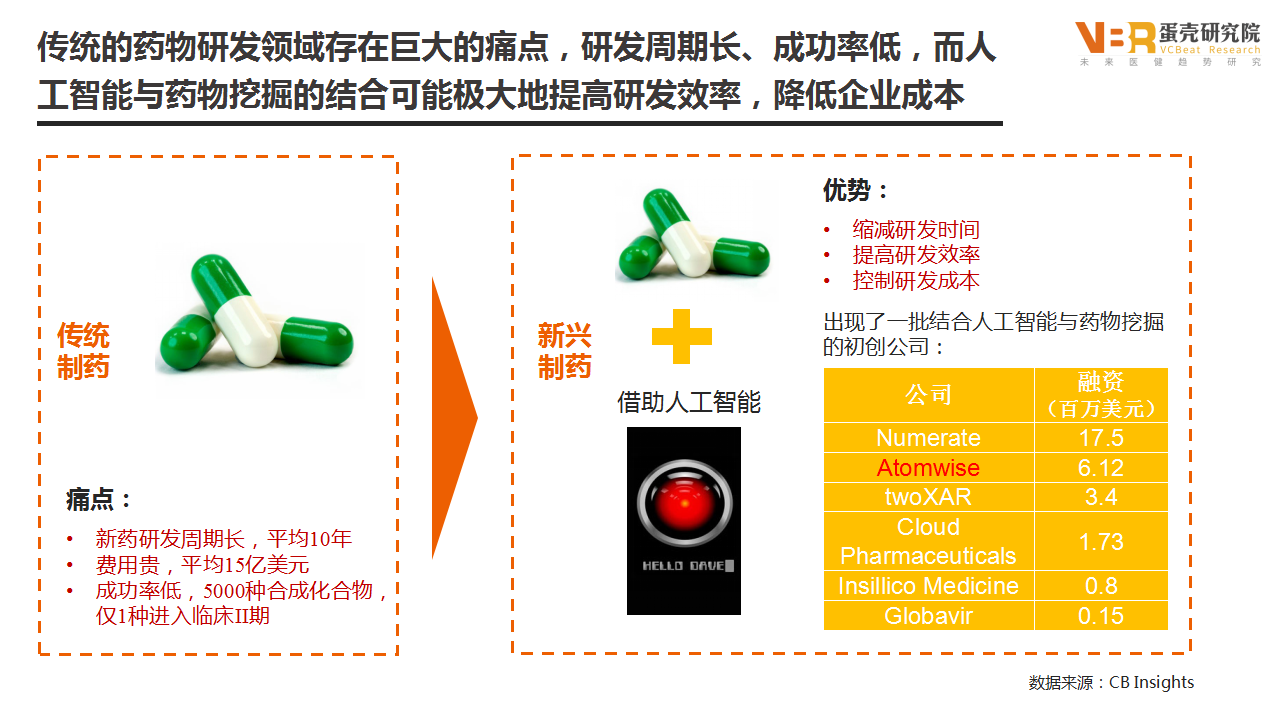
We are now in the third stage: virtual drug screening. This stage simulates the drug screening process on computers to predict the potential activity of compounds, thereby enabling targeted physical screening of those with a higher likelihood of becoming drugs, which can significantly reduce drug development costs. In the pharmaceutical field, the earliest and most significant advances in the application of computer technology and artificial intelligence have been achieved in drug discovery. These advances have played a positive role in areas such as new drug development, drug repurposing, drug screening, prediction of drug side effects, and post-marketing drug surveillance. This has effectively given rise to a new discipline known as Computer Simulation of Clinical Trials (CTS).
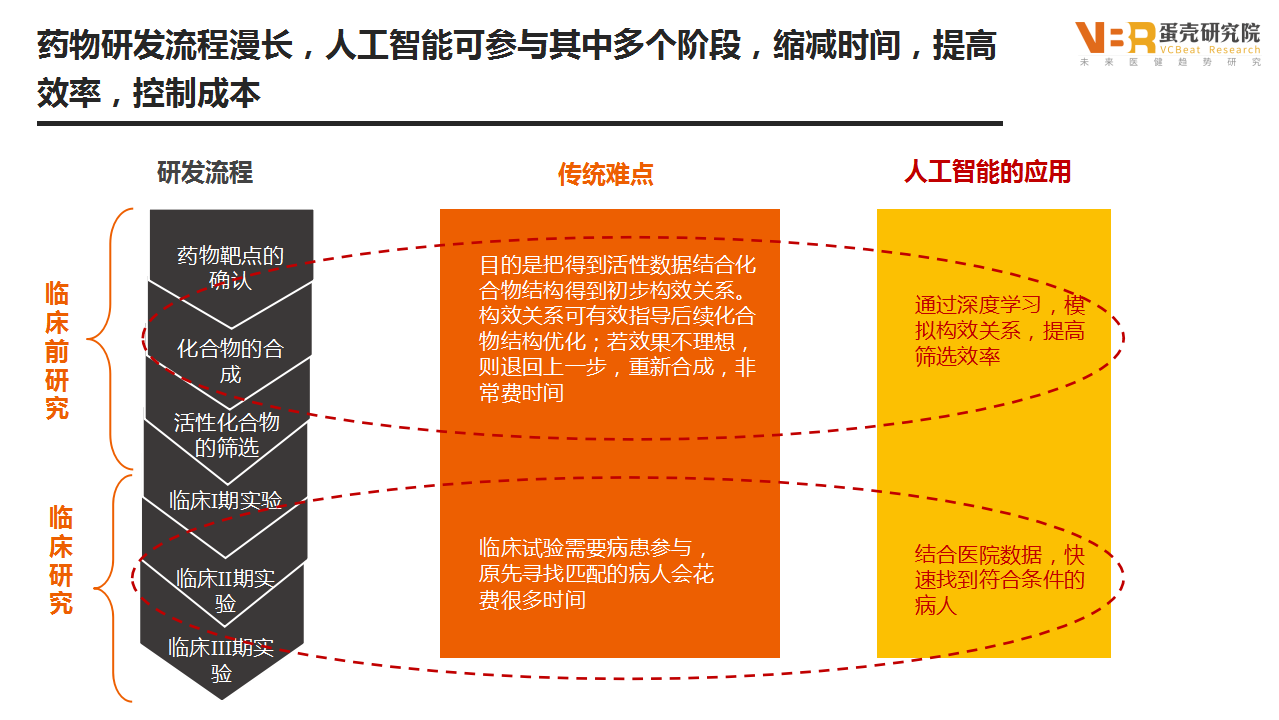
It is generally estimated that the development of a new drug takes an average of 10 years and costs $1.5 billion. However, as the complexity of drug development increases, the cost for a single new drug may now range from $4 billion to $12 billion, with no guarantee of success. In addition to demonstrating efficacy, new drug development must ensure safety, requiring animal studies and Phase I, II, and III clinical trials. Even after approval for market launch following Phase III trials, Phase IV clinical studies—post-marketing re-evaluation of the new drug—are still required. This is a major reason why drug development is characterized by long cycles and high costs.
However, today, with the advent of computers and artificial intelligence (AI), an AI-powered safety expert is available for drug assessment. First, during new drug screening, several candidates with higher safety profiles can be identified. When numerous—even thousands of—compounds demonstrate efficacy against a particular disease but their safety remains difficult to assess, AI-driven strategies leveraging policy networks, value networks, and Monte Carlo tree search algorithms can be employed to select the safest compounds as the optimal candidates for new drug development.
Secondly, artificial intelligence can also be employed to assess the safety of new drug candidates that have not yet entered animal or human clinical trials. This is because the target proteins and receptors for each drug are not entirely specific; interactions with off-target receptors and proteins can lead to adverse effects. By screening and analyzing the side effect profiles of nearly a thousand existing drugs, AI can predict whether a new candidate is likely to cause adverse effects, as well as estimate their severity. This enables the selection of compounds with the lowest probability and minimal harm from potential side effects for subsequent animal and human trials, thereby significantly increasing the likelihood of success while saving time and costs.
Furthermore, artificial intelligence can be leveraged to simulate and assess the absorption, distribution, metabolism, and excretion (ADME) of drugs within the body, as well as the relationships among dosage, concentration, and therapeutic effect, thereby accelerating the drug development process.
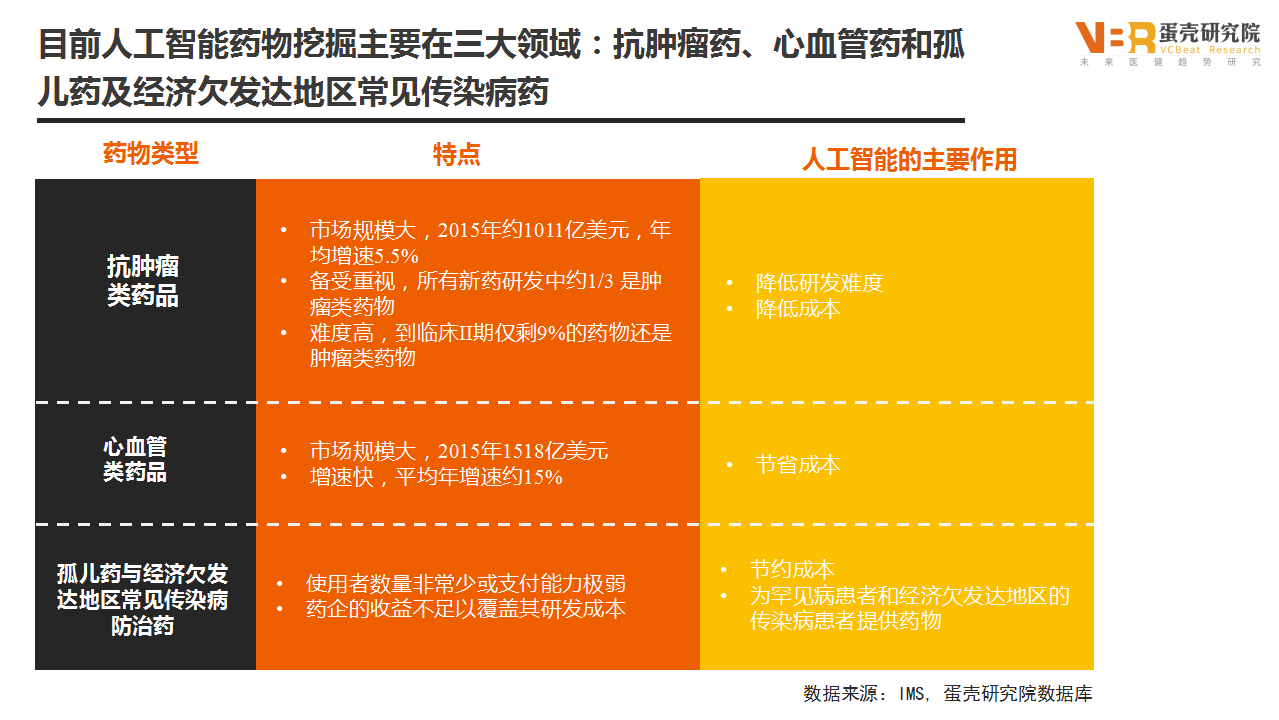
Currently, AI-driven drug discovery is primarily focused on three major areas: oncology drugs, cardiovascular drugs, and orphan drugs as well as medications for common infectious diseases in economically underdeveloped regions. Oncology and cardiovascular drugs share the characteristics of large market size and rapid growth, with sales exceeding $100 billion each in 2015. Leveraging AI for drug discovery can significantly reduce costs and development complexity. In contrast, orphan drugs and treatments for common infectious diseases in economically underdeveloped regions have low market value, meaning pharmaceutical companies’ revenues are insufficient to cover R&D costs, resulting in limited corporate incentive. However, AI can help cut costs, thereby facilitating the provision of therapies for patients with rare diseases and those suffering from infectious diseases in economically underdeveloped regions.
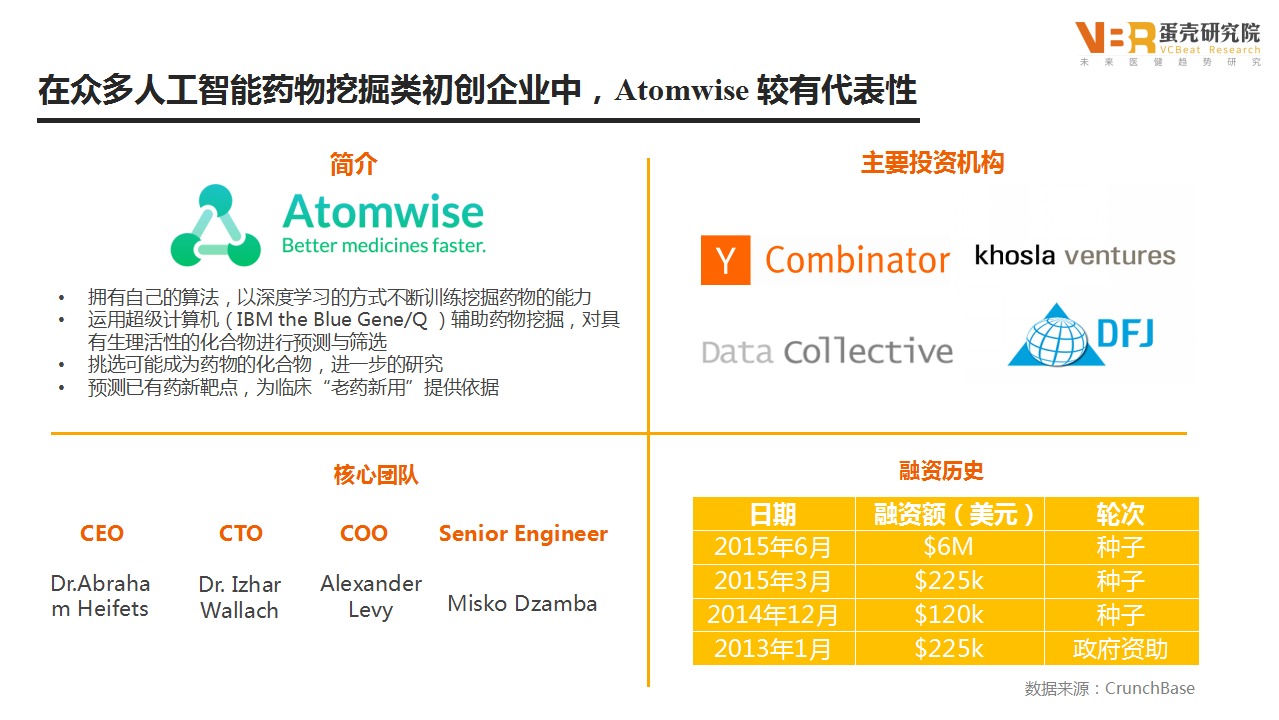
Previously, we listed six startups that integrate artificial intelligence with drug discovery, ranked by funding amount. Numerate ranked first with $17.5 million in funding, while Atomwise is a particularly representative startup among them. Atomwise uses supercomputers to analyze existing databases and employs AI and complex algorithms to simulate the drug development process. This approach allows for early-stage assessment of new drug development risks, reducing the cost of drug research to just a few thousand dollars, with assessments completed within days. The Atomwise software platform runs on IBM’s Blue Gene supercomputer, whose powerful computing capabilities enable it to perform numerous tasks, such as evaluating 8.2 million compounds and identifying potential treatments for multiple sclerosis within a few days. In 2015, the company announced progress in searching for treatments for the Ebola virus: among the drugs predicted by Atomwise, two were found to potentially combat the Ebola virus. These candidates were identified within one week at a cost of no more than $1,000.
Atomwise also provides drug candidate prediction services to pharmaceutical companies, startups, and research institutions. Its services can predict which new drugs are truly effective and which are not. The company claims to have achieved the world’s best results in new drug discovery, binding affinity prediction, and toxicity screening. In terms of partnerships, in addition to engaging in confidential projects with Merck and Autodesk, Atomwise continues to conduct research collaborations with academic and corporate clients, generating revenue by assisting pharmaceutical companies, biotechnology firms, and other related research institutions in their drug mining efforts.
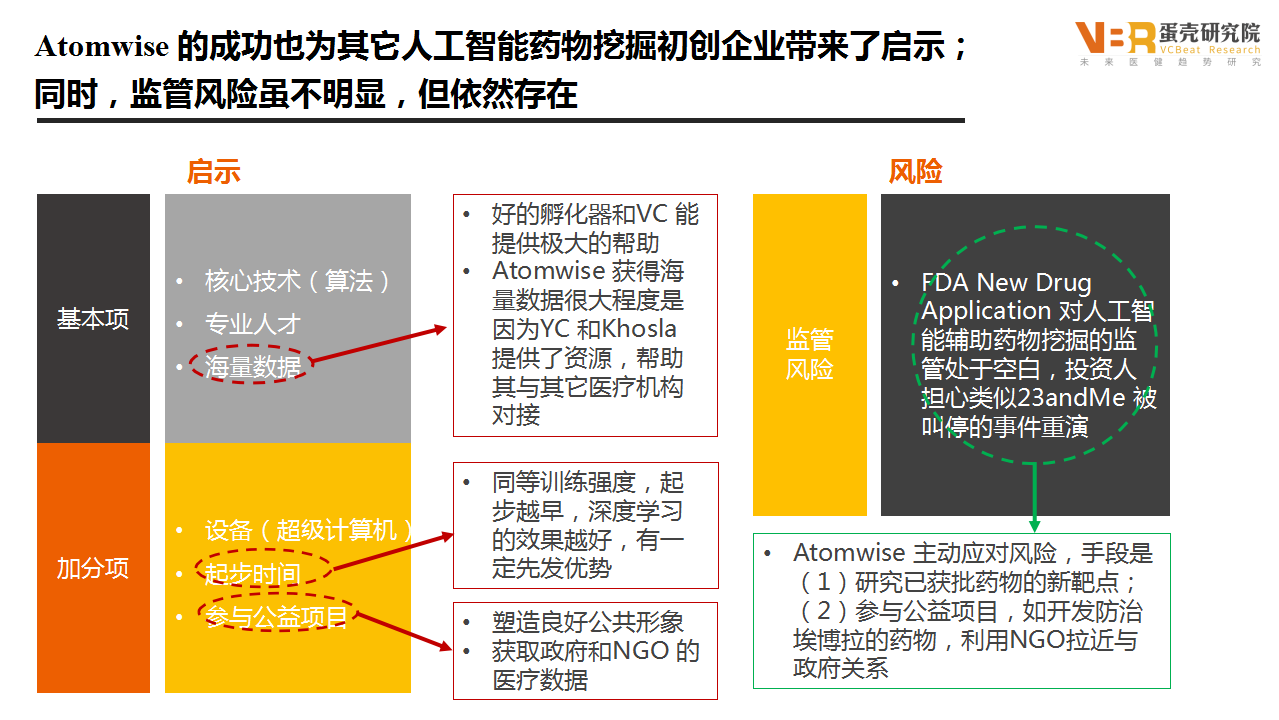
To date, Atomwise has secured a total of $6.57 million in funding. Its success can be attributed not only to its proprietary algorithms and specialized talent in the field of artificial intelligence but also to strong support from incubators and venture capital investors. Prominent early-stage startup incubator Y Combinator and venture capital firm Khosla Ventures have provided extensive data resources and facilitated connections with other medical institutions. To mitigate regulatory risks associated with the FDA’s New Drug Application process for AI-assisted drug discovery, Atomwise proactively engaged in the development of treatments for Ebola and participated in public welfare initiatives to build a positive public image.
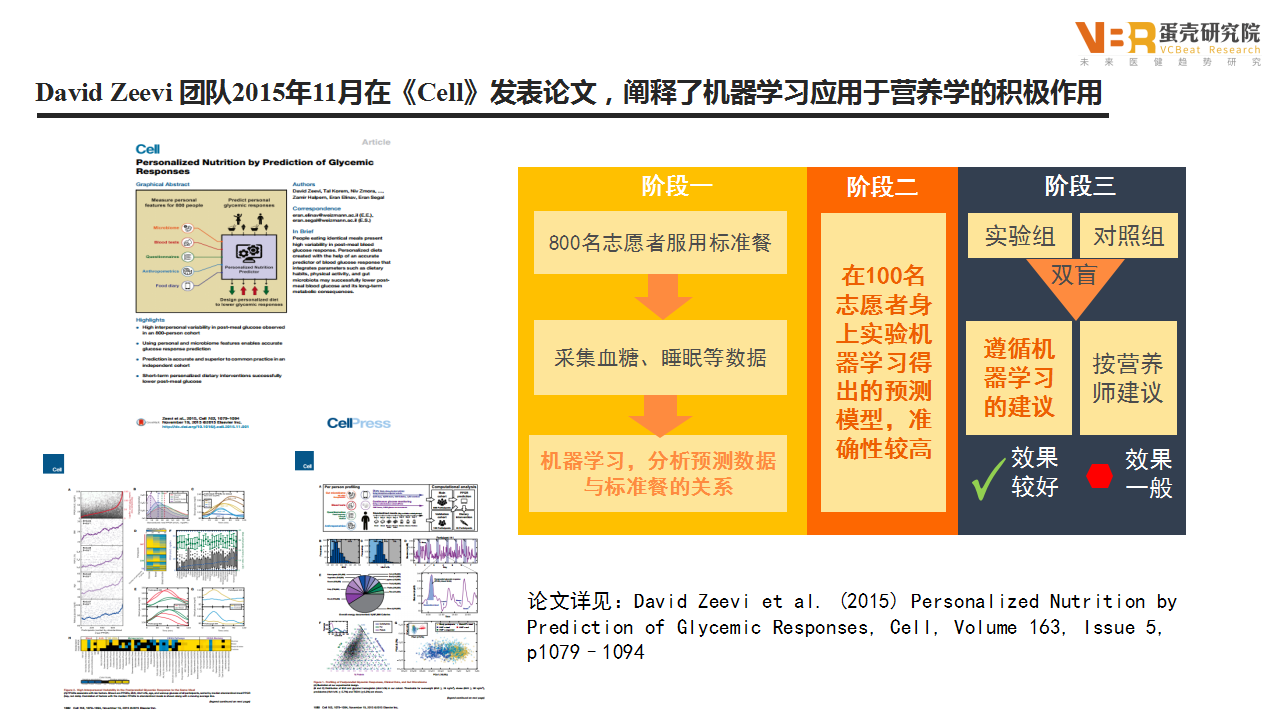
In November 2015, David Zeevi’s team published a paper in *Cell*, elucidating the positive impact of applying machine learning to nutrition. The researchers analyzed three distinct datasets, with the first dataset derived from 800 volunteers. Each participant consumed one of four standardized meals as their first meal of the day, while maintaining their usual diet for the remainder of the day. The researchers collected blood and stool samples, along with multiple data points such as blood glucose levels and gut microbiota composition. Additionally, data on food intake, physical activity, and sleep were gathered through questionnaires and mobile applications. Data collection lasted for one week.
By analyzing the results of standardized diets, researchers found that even when consuming the same foods, individuals exhibit significant variations in their physiological responses. This indicates that the “recommended nutrient intakes” derived from past empirical evidence have fundamental “flaws.” Subsequently, the researchers developed a “machine learning” algorithm to analyze and learn the associations among blood samples, gut microbiota characteristics, and postprandial blood glucose levels, attempting to predict blood glucose responses using standardized foods. Glucose is the primary energy source for human cells, and abnormal blood glucose levels can lead to multiple serious diseases. Thus, blood glucose management serves as the cornerstone of precision nutrition.
After being “trained” on data from 800 volunteers, the machine learning algorithm became capable of predicting the impact of food on human blood glucose levels. Subsequently, researchers validated the machine learning–derived predictive model in a second cohort of 100 volunteers, with highly satisfactory results.
Can machine learning-derived models be practically applied to guide healthy eating? Researchers conducted a double-blind trial in a third cohort (26 volunteers). Personalized dietary plans were developed for each volunteer based on their blood samples, microbiome data, and anthropometric measurements. One group of 12 volunteers followed recommendations generated by machine learning algorithms, while the control group of 14 volunteers adhered to advice provided by physicians and nutrition experts. The dietary plans were divided into two types: one designed to control blood glucose levels and the other with the opposite effect. Each group strictly followed the prescribed diets for two weeks—one week on a “healthy diet” and the next on an “unhealthy diet”—and the results were compared.
The final research results demonstrated that machine learning algorithms provided more precise nutritional recommendations, successfully controlling postprandial blood glucose levels and outperforming traditional expert advice. This breakthrough has opened new avenues for machine learning and precision nutrition, with the landmark paper featured on the cover of the current issue of Cell.
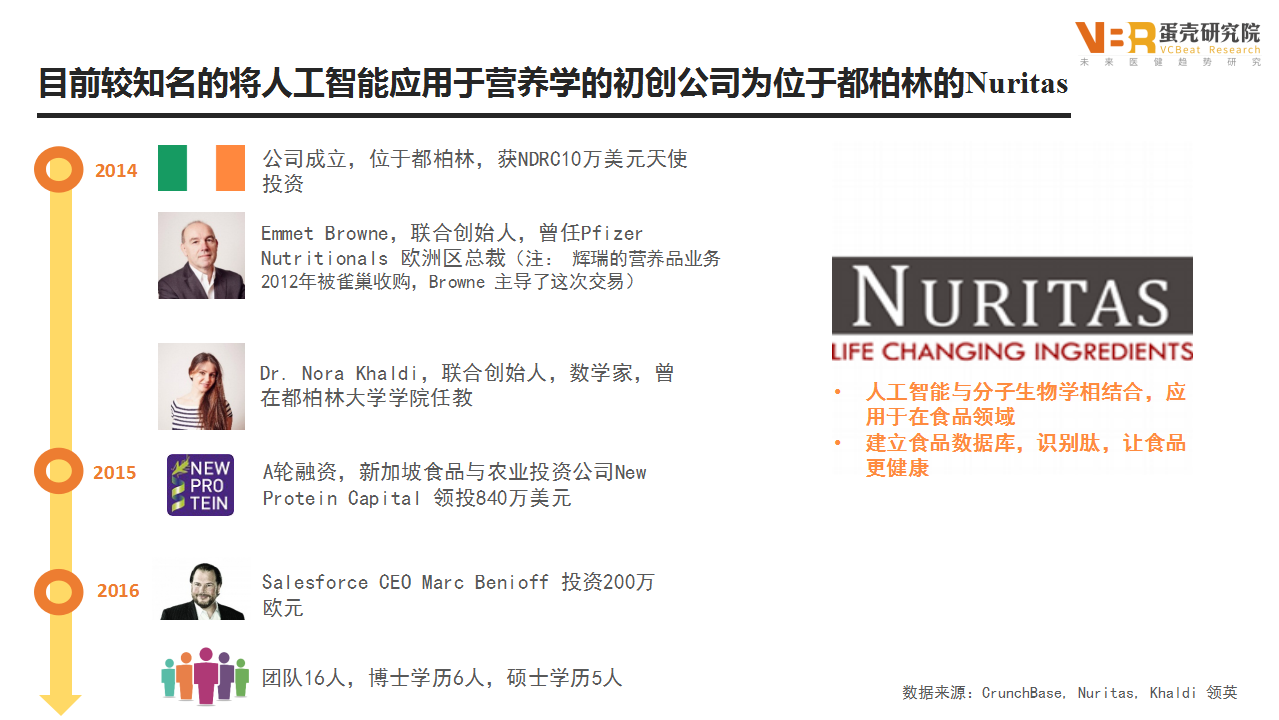
One of the more prominent startups applying artificial intelligence to nutrition is Nuritas, based in Dublin. Nuritas has sparked significant debate in the food industry with its newly developed technology that combines AI with molecular biology. By building a food database, Nuritas identifies peptides (certain molecules found in food products) that can serve as dietary supplements or novel ingredients. This identification process goes far beyond simply adding protein powder to a shake. Instead, Nuritas focuses on identifying peptides that elicit different physiological responses in the body. For example, in an interview, co-founder Dr. Nora Khaldi stated that the company had discovered certain grains that could be used for managing type 2 diabetes or as anti-aging ingredients.
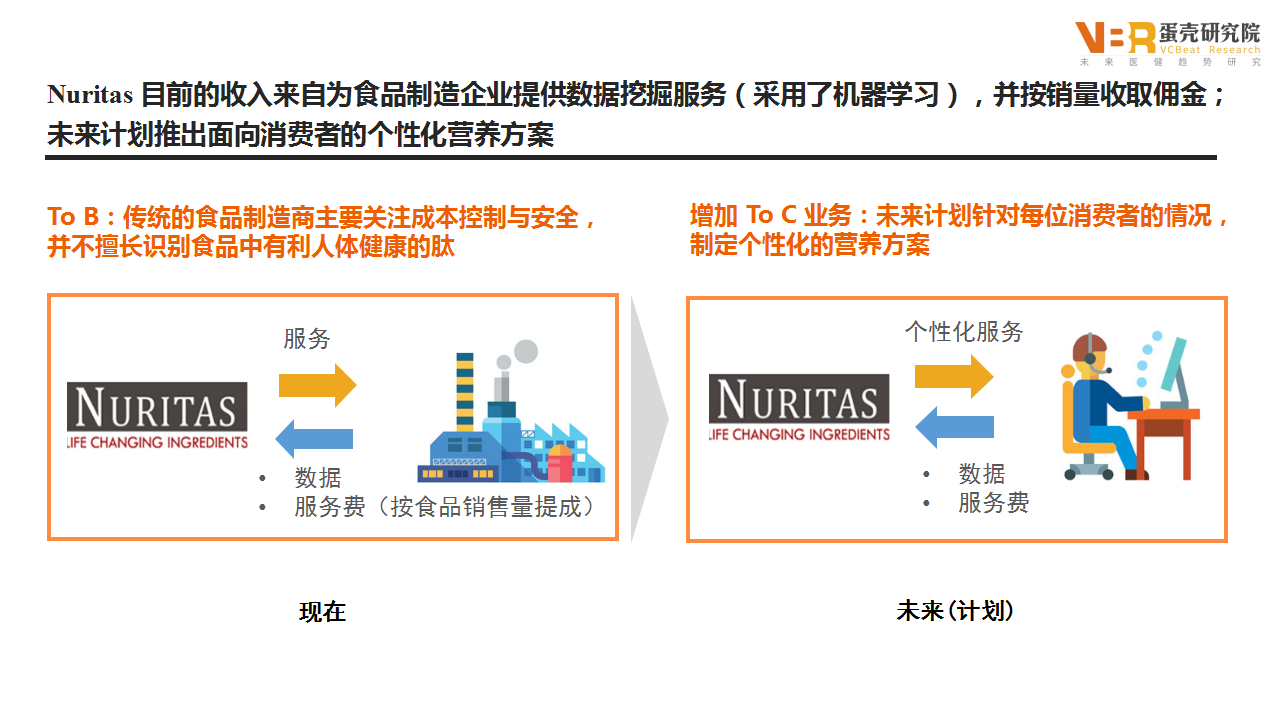
Nuritas currently generates its revenue from B2B clients. Traditional food manufacturers primarily focus on cost control and safety, lacking expertise in identifying health-promoting peptides within food products. Nuritas provides data mining services (leveraging machine learning) to food manufacturing enterprises and charges commissions based on sales volume. In the future, the company plans to launch consumer-facing (B2C) personalized nutrition solutions, tailoring plans to individual consumers’ needs and charging service fees.
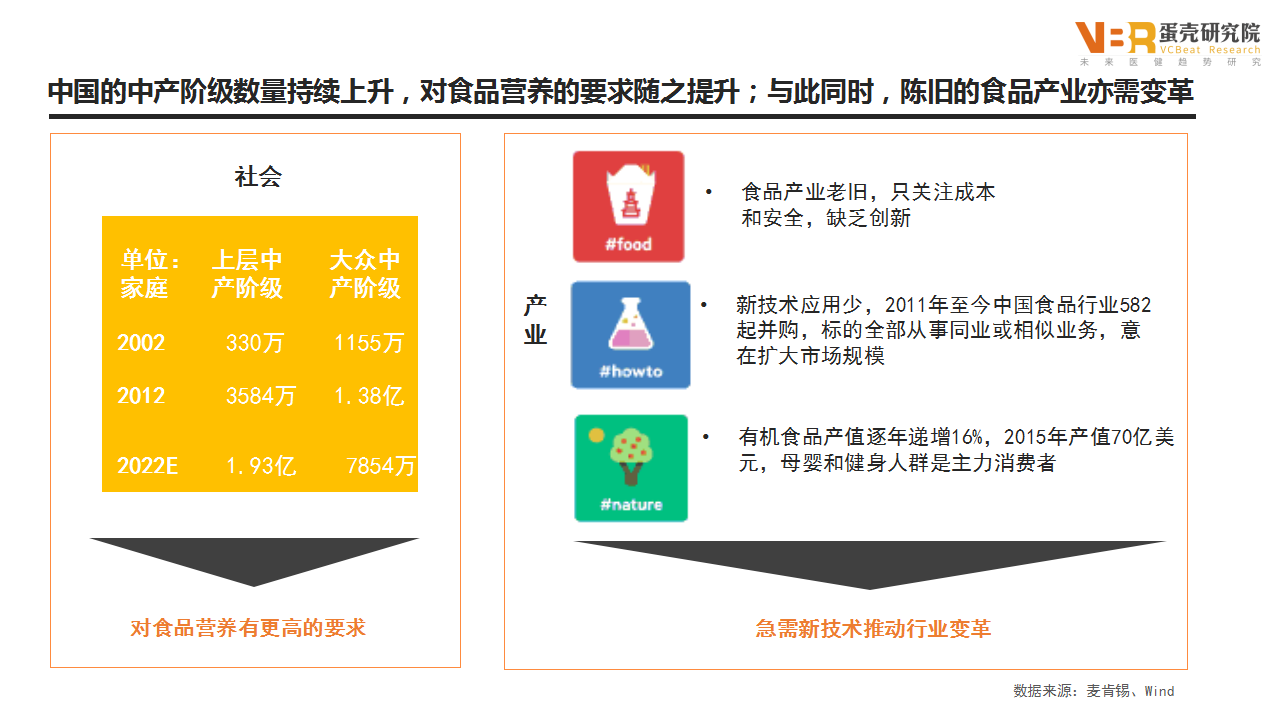
In China, following the achievement of a moderately prosperous society, living standards have risen significantly. The upper-middle-class population grew from 3.3 million in 2002 to 35.84 million in 2012, while the mass middle class expanded from 11.55 million to 138 million. These demographics have higher expectations for nutritional quality in food, shifting their focus from mere satiety to eating well for optimal health. Demand for balanced diets and safer organic foods has become a new growth driver for the food industry, creating an urgent need for new technologies to spur industrial transformation.
Chinese cuisine differs significantly from Western cuisine. Standardization is difficult to achieve in Chinese cooking, as preparation methods for the same dish can vary even among chefs trained by the same master. Furthermore, variations in ingredient combinations and cooking techniques lead to a high degree of dish diversity and incomplete nutritional data, making it impossible to provide customized nutritional meal plans.
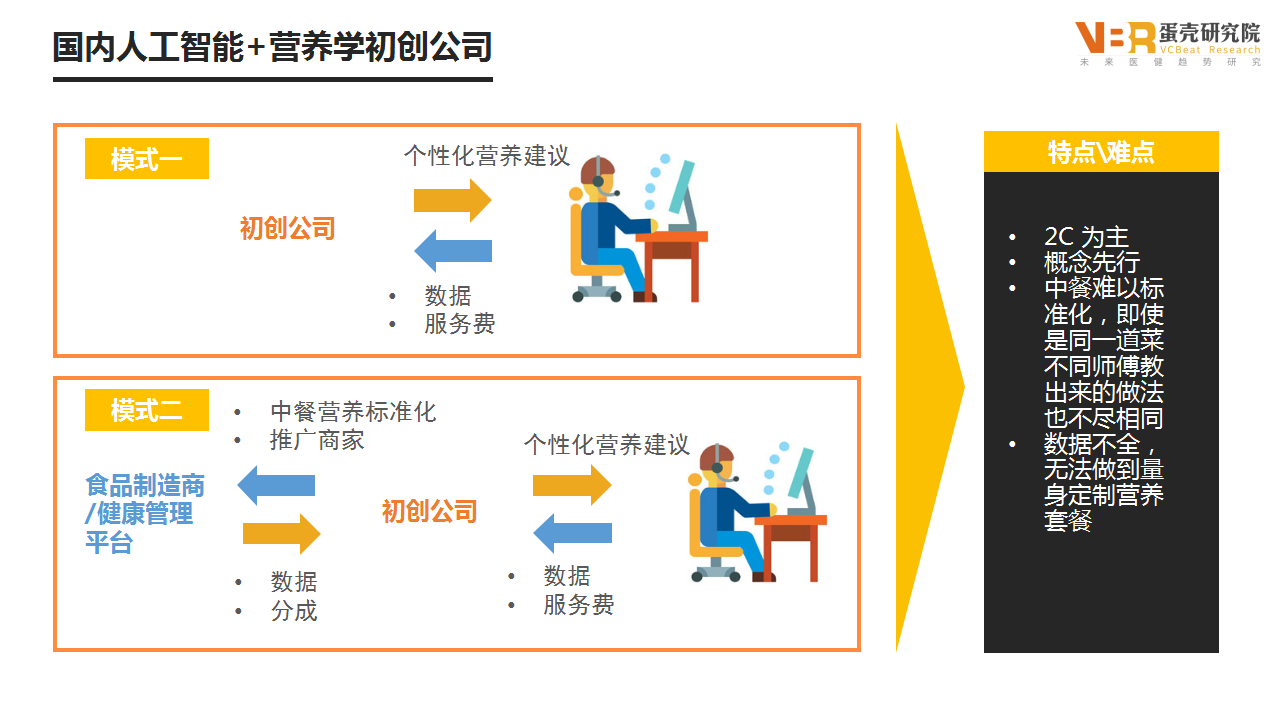
How Should Domestic AI + Nutrition Startups in China Serve Their Customers? We Recommend Two Models, Primarily Targeting C-End Users. Model One Provides Personalized Nutritional Advice to Individual Users for a Service Fee. Model Two Serves Both C-End and B-End Clients Simultaneously While Promoting the Standardization of Chinese Cuisine Nutrition.
Related Reading:
Article 1: AI Strategies of Tech Giants
Article 2: A Detailed Analysis of IBM Watson’s AI Applications in Healthcare
Part III: Data Analysis of Global AI Venture Capital Investment in Healthcare (2011–2016)
Part 4: What Can Healthcare Achieve with Artificial Intelligence? (Part I)
Part 5: What Can AI Do for Healthcare? (Part II)
If you can't wait, you can also view the full report in advance by clicking the link below to purchase:
2016 Report on Innovation Trends in AI for Healthcare