Zephyr Health Files for IPO: Empowering Life Sciences with AI-Driven Market Intelligence Platform

Zephyr Health, founded in 2011, is a healthcare big data company covering the spectrum from clinical trials to market strategy and sales. Its core product, Zephyr Illuminate™, provides life sciences companies with in-depth customer profiles and market intelligence. It helps life sciences organizations—pharmaceutical companies, biotechnology firms, and medical device and diagnostics manufacturers—leverage data to gain insights into and manage relationships with physicians, accounts, and healthcare institutions. This enables them to optimize program planning, secure a competitive advantage, target high-potential customers to enhance sales and marketing impact, and make informed decisions throughout the entire product lifecycle.
Zephyr Health’s clients include Amgen, Genentech, Gilead, GSK, Medtronic, Onyx, and Stryker. Headquartered in San Francisco, the company has offices in London and Pune, India, and currently employs 40 people.
Business Model
An increasing number of healthcare institutions are leveraging technology in their daily operations to enhance patient care, streamline workflows, and reduce costs. Zephyr Health provides solutions to the pharmaceutical and healthcare industries by aggregating global disease data, thereby enabling healthcare professionals to identify appropriate treatment plans for their patients.
The company collects data from multiple sources, therebyShiMedicalSpecializedhealthcare professionals can identify appropriate treatment plans for patients. The database can also be used to gauge the popularity of drugs and related products in a specific region, enabling hospitals to forecast and analyze pharmaceutical sales and make corresponding strategic adjustments. It is reported that the database can also sync with other office software applications, such as Salesforce and Oracle.
Zephyr HealthCloud-based analytics platforms aggregate seemingly disparate data sets, enabling healthcare organizations to derive actionable insights.Zephyr HealthIt can demonstrate the differences among participants in clinical drug trials. The company stated that it transforms data through functions such as research, integration, modeling, analysis, and visualization.
Features

Product
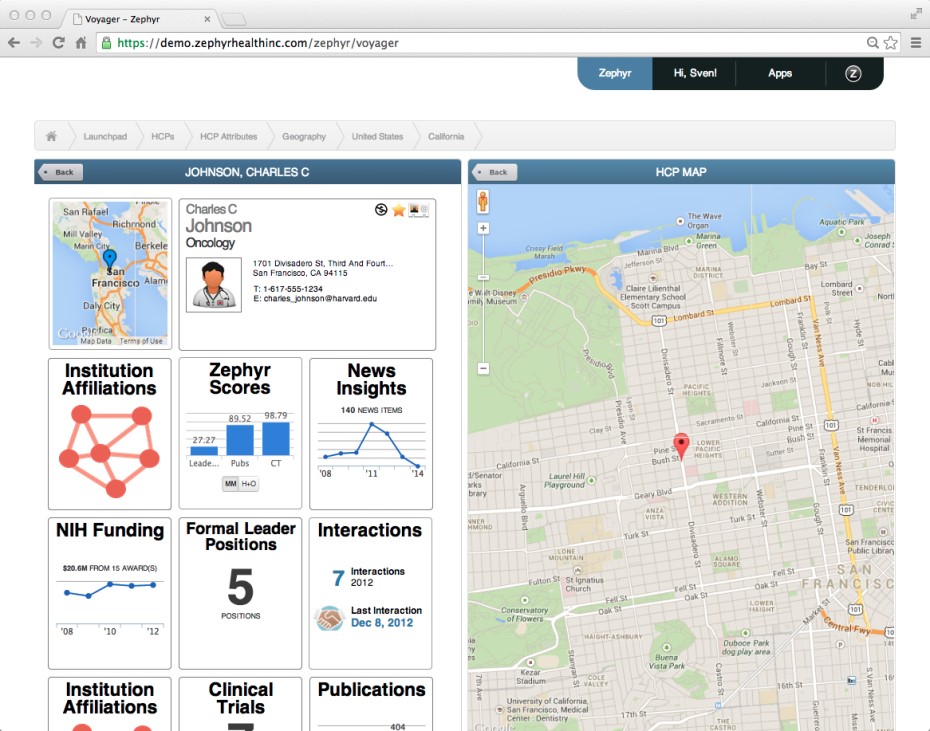
Zephyr HealthofVoyagerApp for Viewing Physician Information
Zephyr displays hospitals and clinics authorized to use a specific medication on a map, helping manufacturers make optimal decisions during promotion. The application also provides profiles of physicians who may be interested in clinical trials for the drug, enabling researchers to assess efficacy across different populations.
Illuminate integrates Zephyr’s former applications—Voyager, Cocktail, and Kaleidescope—into a unified information platform for commercial users. Illuminate’s consulting engine mines market intelligence and integrates it into CRM or business intelligence solutions. Proprietary algorithms link publicly available customer data with global public healthcare data provided by volunteers to deliver predictive analytics and actionable business insights, enabling clients to identify the most suitable physicians and hospitals for conducting clinical trials, thereby enhancing market impact and sales potential.
Through Zephyr Health’s app suite, companies can access research and development data on treatments across various regions. For instance, the apps enable users to observe variations in patient medication management during clinical trials. As a drug approaches market launch, the platform helps identify institutions and clinics that meet compliance standards and represent potential customers. Furthermore, it allows companies to track which physicians conducting research on related therapies are prescribing their manufacturers’ medications.
Ultimately, by integrating these databases, Zephyr aims to enable scientists to focus on their research and provide life sciences companies with a suite of visualization tools to help accelerate clinical trials and reduce the cost and time required to bring these therapies to market.
Table:Zephyr Product Features
Reference Analysis | Identify high-potential consulting physicians and top-tier accounts within the supplier network based on existing relationships and geographic similarity. |
Attribute Analysis | Explore, Compare, and Contrast Disparate Healthcare Providers and Institutional Organizations Based on Shared Attributes. |
Zephyr Recommendations | Obtain actionable recommendations and dynamic alerts to strengthen connections with target physicians and institutions. |
Zephyr Profile | Provide customer profiles, including billing, institutions, and affiliates. |
Zephyr Score | Analyze and compare physicians and hospitals with their peers in terms of disease treatment, connectivity, influence, and research status. |
Zephyr Scoreboard | Identify trends based on existing information and compare high-potential clients with their peers. |
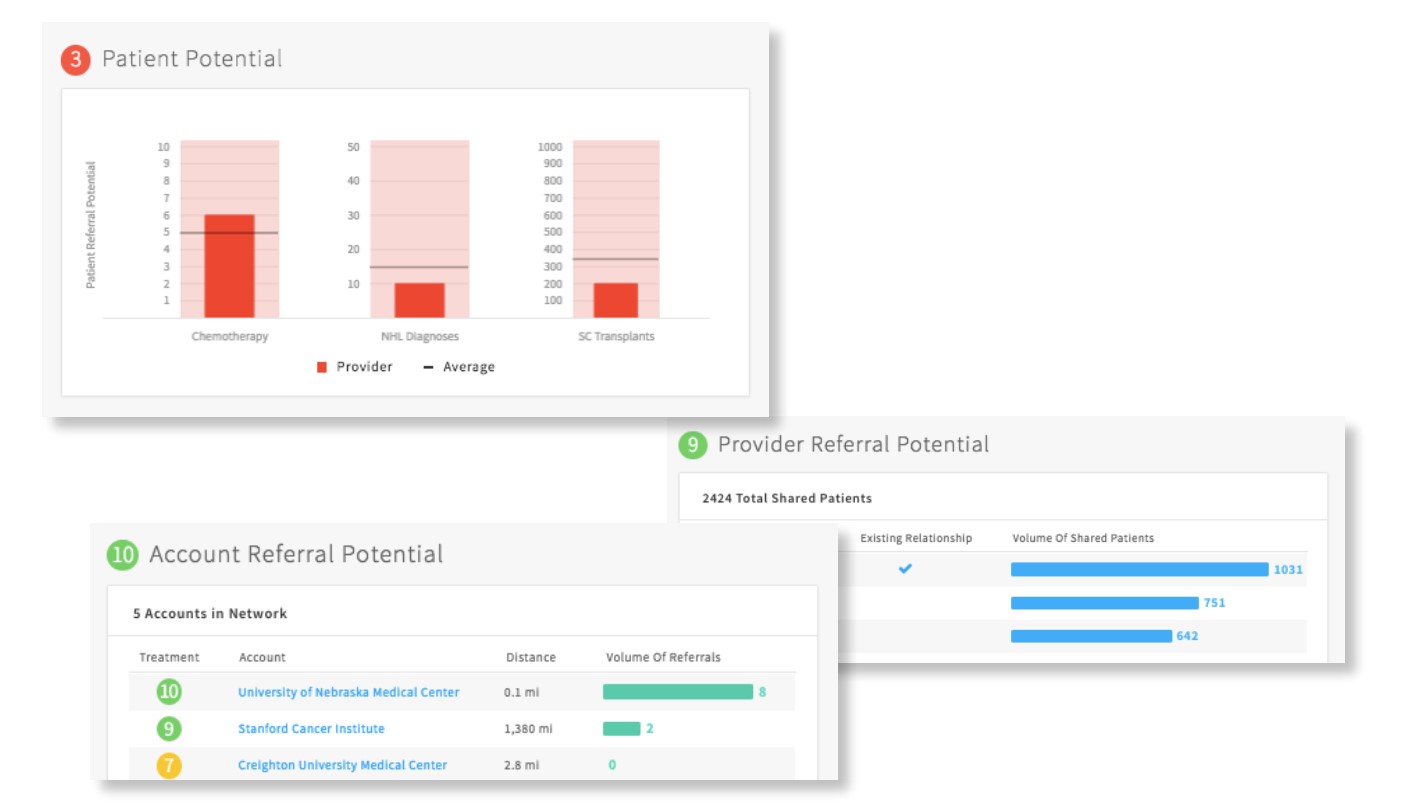
Zephyr Reference Analysis
Life sciences companies lack the capacity to process large volumes of discrete information sourced from various archives, existing targets, and potential competitors. Zephyr Iluminate’s referral analytics can differentiate among various experts based on the referral relationships between attending physicians and accounts.
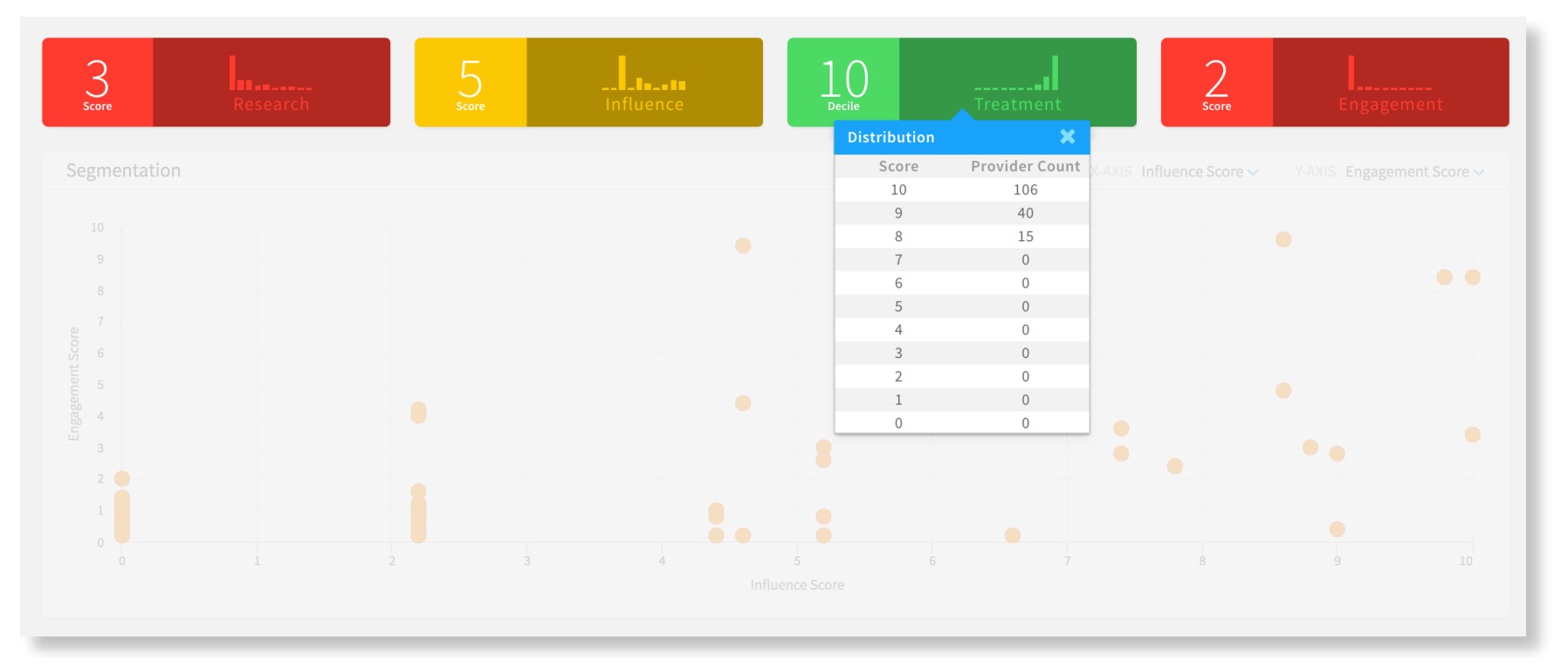
Property Analysis
Life sciences companies need to leverage advanced data analytics tools and objective, real-time, integrated datasets to identify and engage key opinion leaders. Zephyr Illuminate’s attribute analysis tool enables the exploration, comparison, and contrast of various attributes of healthcare institutions based on Zephyr scores.
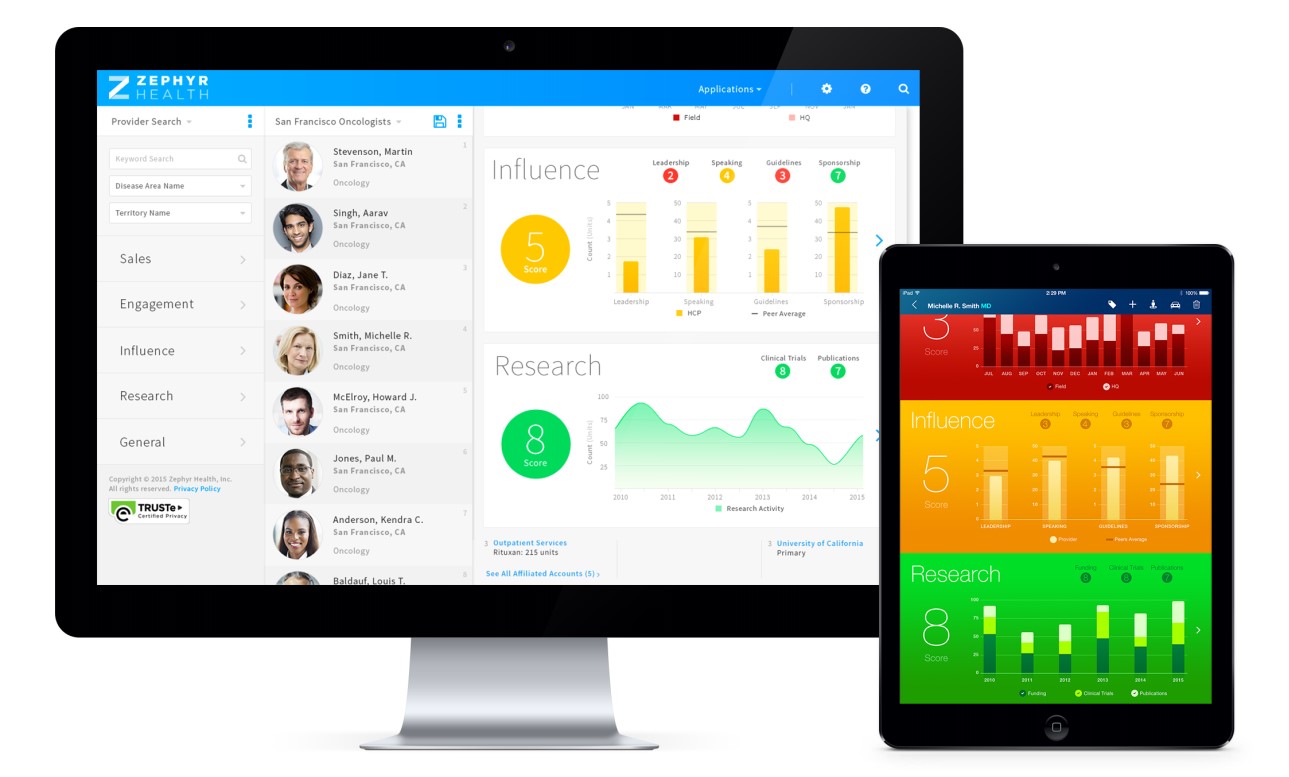
Zephyr Score
The Zephy Score conducts advanced data analytics based on a large volume of data elements within a specific disease area and assigns a rating on a scale of 1 to 10. This enables a rapid assessment of how a healthcare institution or organization compares with its peers in terms of research activities or prominence in a given aspect. The scoring system evaluates research caliber and impact across the following dimensions: volume, timeliness, relevance, and quality.
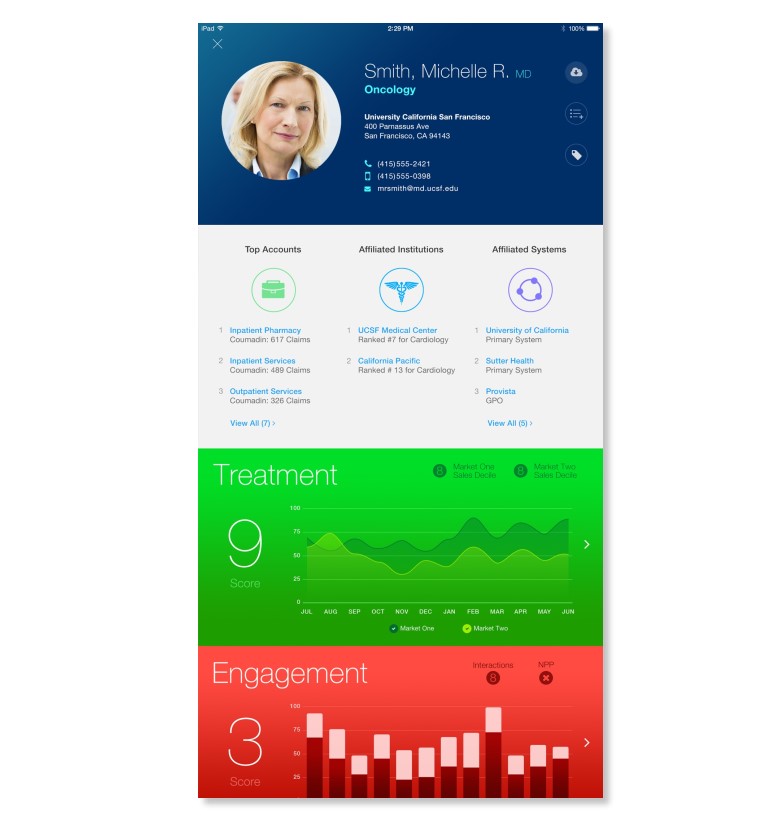
Zephyr Profile
Approximately 70% of life sciences companies lack access to comprehensive prescription data. The Zephyr Profile eliminates the need for complex forms or manual searches, enabling rapid visibility into physicians’ and hospitals’ treatment volumes, order generation, market influence, clinical research activities, and referral potential relative to their peers.
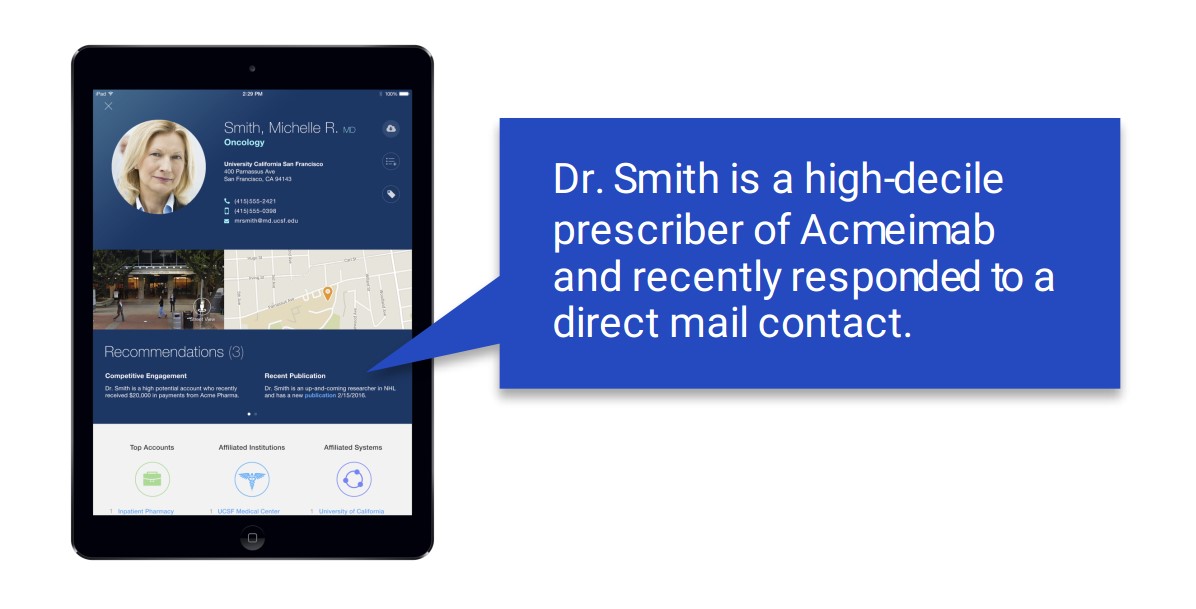
Zephyr Recommendations
Zephyr Recommendations serves as the insights output window on the Zephyr Illuminate integrated data platform. Both the web and mobile app interfaces provide actionable steps connecting healthcare institutions and public agencies, thereby facilitating deeper engagement with medical and market content. Furthermore, data visualization and scoring capabilities drive faster professional execution and enrich customer interactions.
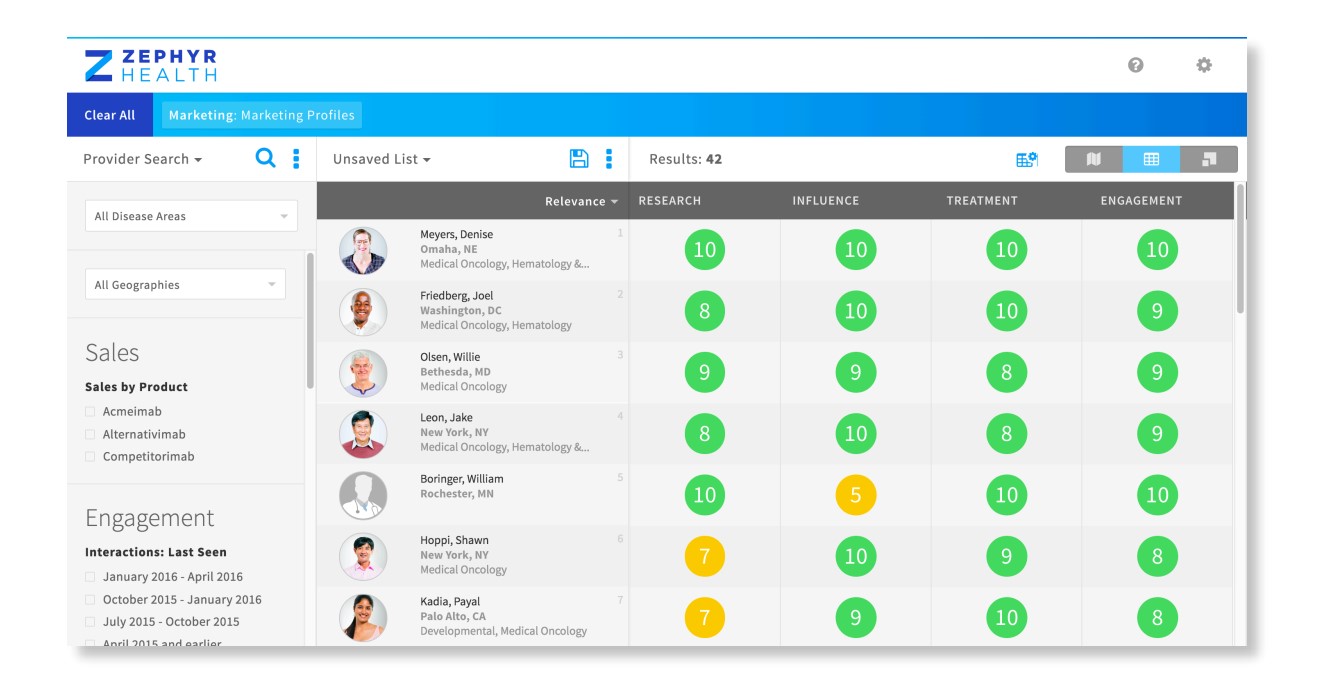
Zephyr Scoreboard
The Zephyr Scoreboard enables rapid review of various attributes of healthcare institutions and organizations. By selecting specific attribute dimensions, users can compare corresponding healthcare institutions and organizations, and identify high-potential clients who exhibit high activity and influence but with whom strong relationships have not yet been established.
Zephyr’s platform transforms massive volumes of discrete datasets into actionable insights, enabling life sciences companies to objectively assess which customers to serve, the rationale for targeting them, and how to deliver their services.
Zephyr Solution
ØMedical Affairs
- Reform target markets and conduct market segmentation: Identify scientific thought leaders, enrich strategic plans, and execute professional projects. By leveraging Illuminate’s detailed market segmentation data and comprehensive analysis, it is easy to identify top scientific experts and active leaders to better select advisory board members or congressional speakers.
- Enhance Key Opinion Leader (KOL) Engagement: Enrich the exchange of information between KOLs and industry clients without the need for complex forms or manual searches. By leveraging Zephyr scores, medical suppliers can be compared and contrasted across core attributes such as research output, influence, and engagement, thereby facilitating target guideline development, congressional testimonies, and clinical engagement initiatives.
- Bridging Strategy and Execution: Enhancing strategic initiative by connecting local institutions with remote teams. Leveraging Zephyr Illuminate’s web and mobile applications enables dynamic, real-time monitoring of physician and project performance, integrated within the medical CRM system. This facilitates seamless information sharing and fosters trust among teams.
- Impact on Medical Laboratory Education: Leverage Zephyr Illuminate to rapidly visualize the impact of medical education programs through large-scale data and quantitative methods. By utilizing Zephyr Scores, it is possible to track changes in key opinion leader profiles and measure fluctuations in metrics such as engagement, influence, clinical trial participation, and industry speaking engagements.
ØMarket
- Strategy to Extend Reach: Leverage Referral Analytics to identify and target existing and potential healthcare providers, differentiating specialty areas based on similarities among referring physicians, accounts, and geographic proximity. Utilize Referral Analytics to determine provider referral scores, thereby identifying additional providers, accounts, and patients for treatment engagement.
- Boost Sales Output: Leverage Zephyr’s recommendations to enhance sales team productivity by implementing customized actions and market insights based on competitor sales performance and market dynamics. Gain continuous, refined market intelligence through real-time feedback from professional teams via the Zephyr Illuminate website and mobile app, enabling a direct and comprehensive understanding of customers and the competitive landscape.
- Transform Target Markets and Segments: Leverage Zephyr Illuminate’s market segmentation solutions to rapidly identify high-potential customers for market expansion initiatives. Utilize Segment Analytics to explore, compare, and benchmark healthcare providers, institutions, and their peers, thereby swiftly establishing brand enhancement strategies. Aggregated scores for research, influence, treatment, and engagement facilitate the tracking of product performance and strategic adjustments.
- Build deeper brand loyalty: Develop dynamic market strategies through a continuously deepening understanding of the market, market share, and competitive activities. Zephyr Illuminate provides insights into physician alliances, prescribing habits, competitive relationships, and channel preferences to dynamically adjust marketing plans. Build brand loyalty through more personalized communication.
ØSales
- Shift in target markets and segments: The Zephyr Score enhances competitive advantage by adding core market dimensions—such as treatment volume, growth volume, market impact, and clinical research—to customer profiles.
- Strengthen customer relationships: Sales representatives can increase sales volume by reducing the time spent on creating customer profiles and researching target physicians' interests, specialties, and sentiments.
- Bridging strategy and execution: Delivering insights to clients based on the latest market and performance data. Leveraging Zephyr Illuminate’s web and mobile applications to accelerate product launch processes by aligning sales performance with corporate strategy.
- Enriching CRM with data: The professional team leverages data-driven sales plans and dynamic alerts to stay aligned with market competition and changes. Zephyr Illuminate provides recommended steps and integrates them into the daily activities of sales representatives to help individuals achieve their goals.
ØTechnology
- Leveraging Data for Internal Use: Zephyr Illuminate employs machine learning techniques to aggregate vast amounts of data from diverse sources, integrating them with internal company data such as CRM and volunteer records, and performs high-frequency data updates to support project operations.
- Enhancing Performance Through Predictive Insights: Zephyr’s market and customer analytics tools empower sales, marketing, and medical affairs professionals to identify the most impactful healthcare markets, gain actionable insights into physicians, accounts, institutions, and health systems, and determine optimal strategies for program execution.
- Exclusive Interface for Commercial Users: Zephyr Illuminate is an enterprise-grade SaaS application designed for corporate users, enabling faster insights into markets, customers, and therapeutic areas.
- Integration with Existing Assets: Zephyr Illuminate is a scalable, cloud-based platform capable of seamless integration with other systems, such as Veeva and Salesforce CRM, corporate databases, other platforms, and even mobile applications.
Zephyr Health aims to process and visualize healthcare data to help life sciences companies connect with individuals in need of relevant services.
Funding Status
Date | Amount (in million USD) | Round | Investor |
2015.08 | 17.48 | Series C | GV,Icon Ventures,Kleiner Perkins Caufield & Byers |
2014.01 | 15 | Series B | Kleiner Perkins Caufield & Byers, Icon Ventures, Susa Ventures |
2013 | 1 | Series A | - |
Attachment:
NoSQL Graph Database
Zephyr Health collects extensive life sciences data on people, places, drugs, and other entities, and provides a software-as-a-service (SaaS) platform equipped with search tools. Zephyr Health converts these resources into a document database format, while employing a layered graph store (or database) to facilitate traversal and searching of the underlying data.
Some of the world’s most knowledge-intensive organizations, including multinational banks, media companies, aerospace agencies, and logistics firms, are using graph databases.
What can you do if you continuously integrate tens of thousands of external enterprise data sources, combine them with internal data sources based on specific requirements, and enable all business users to conveniently access the aggregated data through a single application platform—something that was previously impossible? Zephyr Health’s achievements in the life sciences sector demonstrate the boundless possibilities.
The value of such advanced data collection capabilities is becoming increasingly apparent. In the biotechnology sector, specialized skills and knowledge remain highly prized. Public health companies are beginning to adopt Neo4j’s SaaS approach to address business challenges. Some of the world’s most knowledge-intensive organizations—including multinational banks, media companies, aerospace agencies, and logistics firms—are also leveraging graph databases, a practice that intelligence agencies have employed for over a decade. Other industries are expected to follow suit in the future.
Graph storage is one of the innovations that have sparked significant transformation in the field of database technology. This article provides a more in-depth analysis of graph technology and its similarities to NoSQL1 data storage methods, which were previously discussed in earlier articles.
What Is Graphic Storage?
At Zephyr Health, the core technology is Neo4j graph storage, which is used to identify and traverse relationships among data entities within raw data collected via document databases such as MongoDB. While document databases are useful for handling unstructured data, they encounter indexing and latency issues at the network level, which is why a graph database v2 was developed.
A standard enterprise database, with its relational database management system (RDBMS), cannot support rapid and flexible graph-based searches. RDBMS requires absolute consistency between rows and columns. The difference between “joins” in an RDBMS and in graph storage is akin to the distinction between a finely crafted dovetail joint and the countless possibilities that a versatile master craftsman can freely create. In a graph, connections need only converge at a single point to yield meaningful search results.
It faces its own challenges in effectively leveraging graph technology: this technology is relatively new and has only been employed in recent network-level integration tasks. To harness this technology, Zephyr Health needs to address scalability and latency issues within its network-level graph environment.
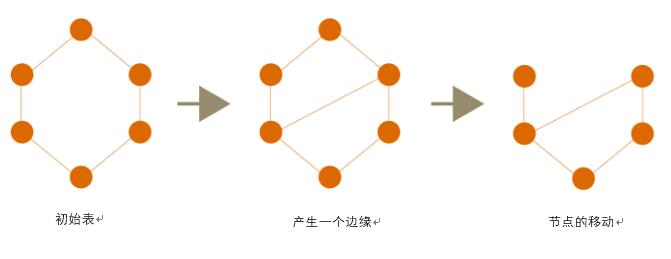
NoSQL graph storage contains flexible graphs comprising various entities (such as named individuals, locations, and events) and the connections between them. In these graphs, entities form nodes, while their relationships form connections (referred to by developers as edges), which can be combined arbitrarily. For example, if you are modeling your expanding organization, relationships present in the original graph store can be directly incorporated into your model.
From a database perspective, the distinction of graph storage lies in its extensive relationships, detailing how people, places, and events are interconnected within these sets.
If your data is rich, you will observe numerous connections between entities in your original graph schema. Traditional database technologies place little emphasis on relationships, resulting in limited contextual associations. Graphs facilitate rich contextual linkages through a many-to-many data model with abundant connections, a capability that conventional tabular or hierarchical models lack. While graphs can also store transition tables and hierarchical document object information, their distinctiveness and primary value lie in their ability to record arbitrary relationships. This richness of connectivity enhances integration potential and strengthens contextual data associations.
The verbs in the sentences depicted in the graph below constitute its richness. Entities can also have attributes, akin to keys that identify them; however, expressing these entities through verbs conveys far greater richness than simple identification or labeling. The most conventional analytical techniques for uncovering these relationships have yet to be developed, as they are not optimized for graph-based structures.
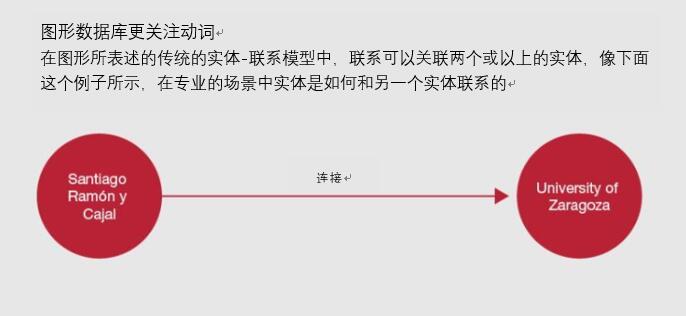
Verbs play a significant role. As more relationships are recorded online, these entities and entity clusters can be endowed with higher-level semantic meanings. For instance, in a graph, social networks can capture information such as who is married to whom, who works for whom, and who attended school together.
Each added connection enriches the profile of an individual or entity. Graphs can represent not only social relationships but also any type of relationship, such as the efficacy of an experimental drug for treating malignant tumors in specific patients, or the price per dose of a given medication.
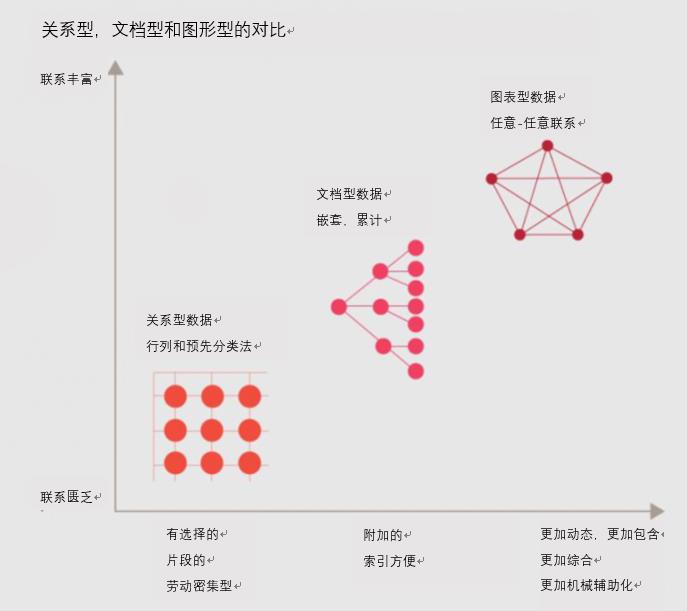
In a networked environment, everything can be represented as entities and relationships. However, this is largely an idealized design consideration, because graphs can store vast amounts of data similar to computer memory, and they do not lend themselves well to being partitioned across different machines. The most effective method you will find for analyzing, traversing, or “walking” all nodes and relationships in a large graph is to download the entire dataset into the main memory (RAM) of a single physical or virtual server.
Due to memory requirements, the scale of data useful for analyzing an entire graph has historically been smaller than what other database structures can handle. However, some vendors have begun developing solutions that allow users to process only one graph at a time.