

Further Development of Internet Healthcare Relies on 'Data Connectivity'
Recently, Founder Securities released an industry report titled “Healthcare Reform Unlocks the Commercial Value of Medical Big Data.” From a big data perspective, the report offers constructive insights into the challenges currently facing healthcare reform and the future development of internet-based healthcare. VCBeat (WeChat official account: vcbeat) has distilled the core viewpoints into three chapters, which will be presented sequentially in the coming days.
The new significance that the Internet has brought to society as a whole stems primarily from two aspects: “connectivity” (characterized by disintermediation) and “intelligence” (the automated outputs generated by applying intelligent algorithms to the data produced during the connectivity process).
The healthcare industry is characterized by a vast market, low efficiency, numerous pain points, and a long-tail structure. The transformation of the healthcare sector by the internet is inevitable.
Through exchanges with the market, opinions remain divided on whether it is “Internet + Healthcare” or “Healthcare + Internet.” However, we believe that the core lies in clearly understanding the essence of the issue.Healthcare IndustryThe essence lies in the allocation of six key elements, including:Government, Hospitals, Physicians, Pharmaceuticals, Patients, Health Insurance. AndInternetvia"Connection"and“Smart”Two Major Tools Create New Incremental Markets for the Industry.
From the perspective of connectivity, we believe that the penetration of the internet into the healthcare industry can be divided into two stages: connecting “information” and connecting “data.” Only after data is connected can we truly enter the era of intelligence.
Connecting “Information”: This primarily addresses information asymmetry in the healthcare industry through the internet, and is divided into two markets: within hospitals (medical advertising, online platforms, and online communities) and outside hospitals (healthcare informatization).
Connecting “Data”: Primarily involves integrating the vast amounts of medical big data generated during healthcare operations, thereby optimizing the allocation of resources across the six key elements of the healthcare system.
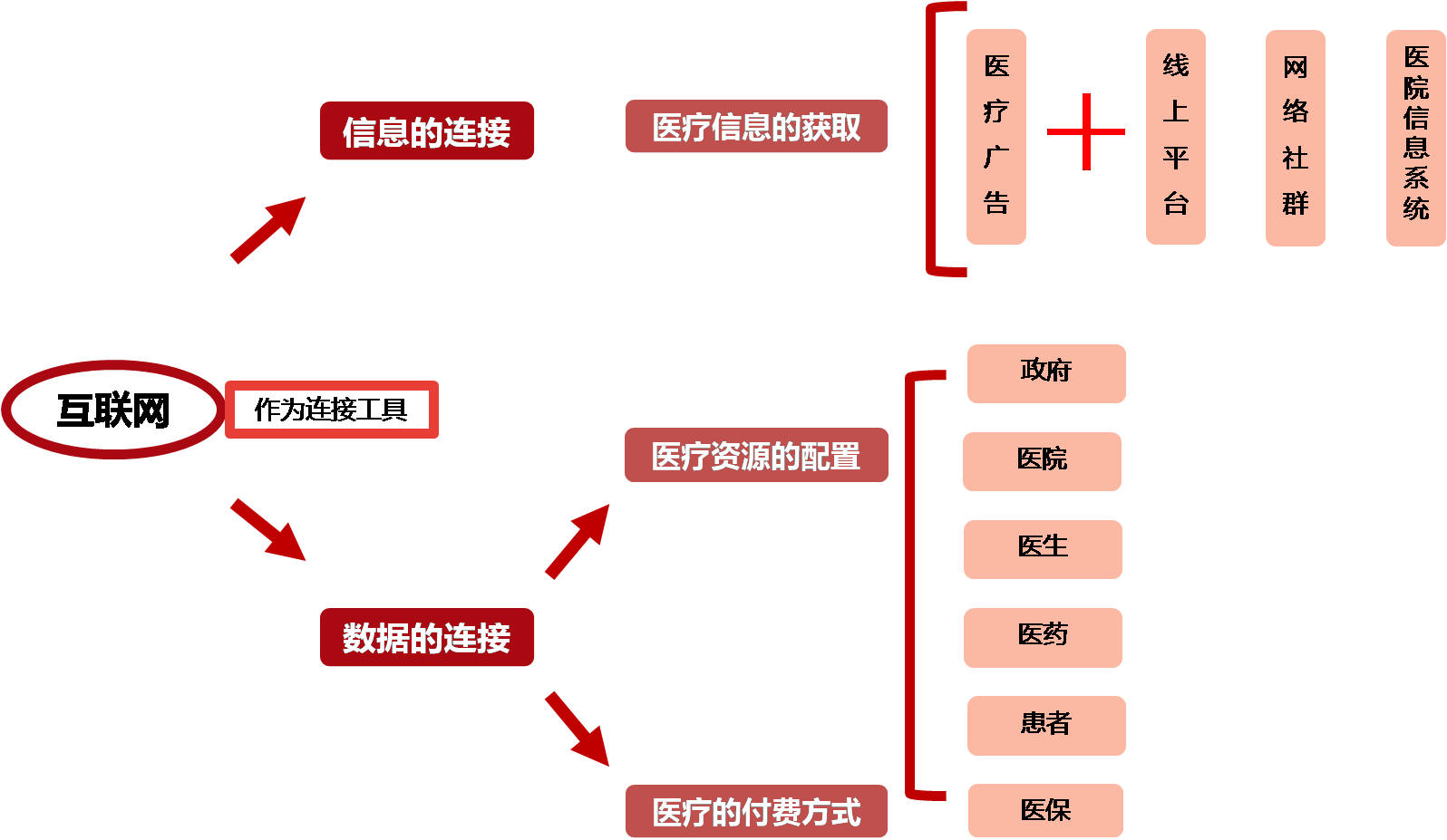
Figure 1: The Internet Connects Medical “Information” and “Data”
The First Stage of Internet Healthcare Development:
Resolved the connection for “Information”
From the perspective of addressing information asymmetry in the healthcare industry, the internet has fully leveraged its connectivity function. The medical consultation process can be divided into two segments: within-hospital and out-of-hospital. Within hospitals, information asymmetry is primarily addressed through informatization initiatives; outside hospitals, it is mainly mitigated through channels such as advertising and online forums to bridge the information gap between patients, healthcare institutions, and physicians.
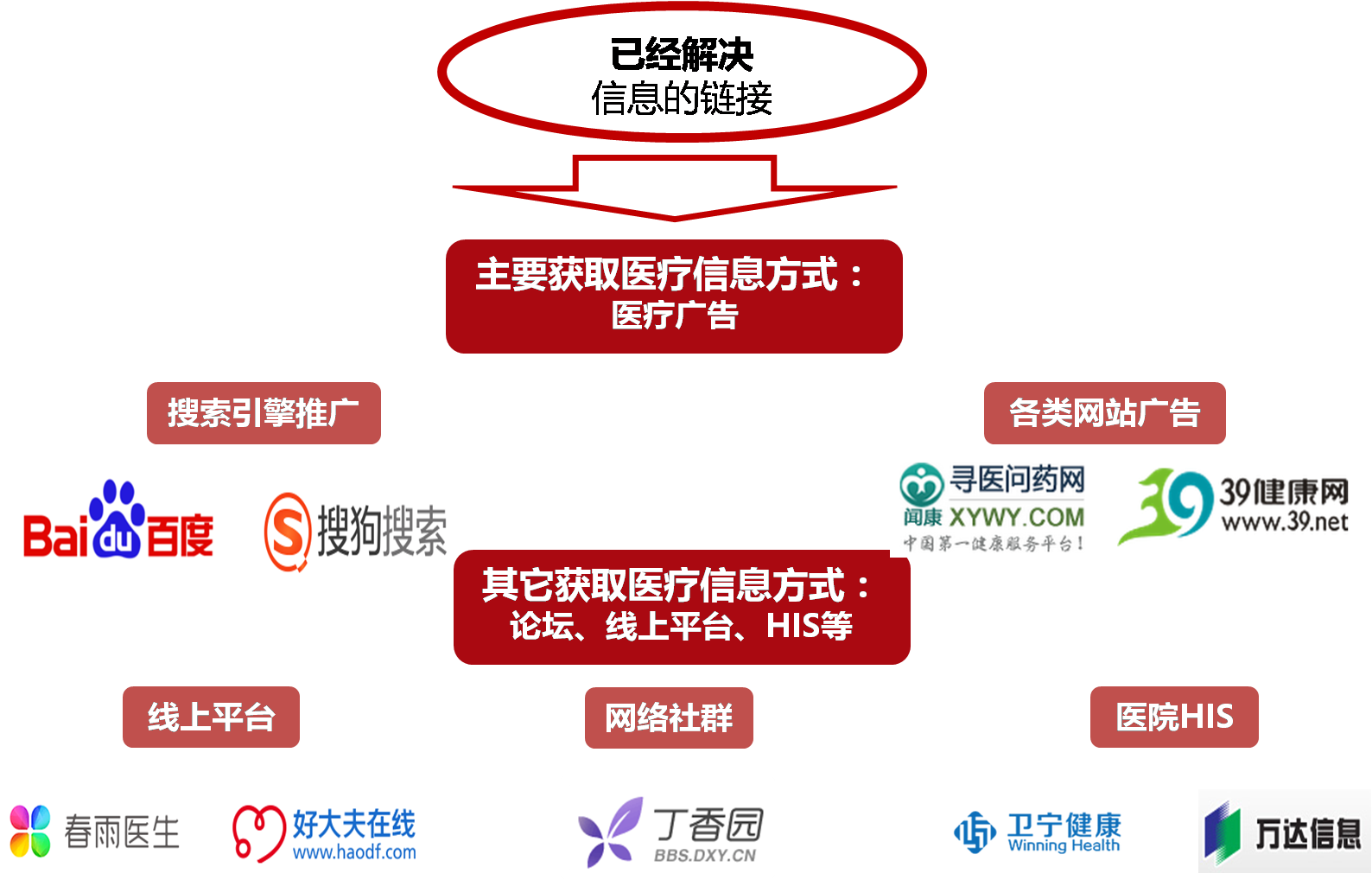
Figure 2: The Internet Has Resolved the Connectivity of “Information”
■ Internet advertising is the core revenue model for connecting information, but it has entered a stable phase
From the perspective of the three major business models addressing information asymmetry outside hospitals, internet advertising boasts a mature profit model, whereas other internet-based business models, despite their ability to aggregate resources and attract user traffic, still face a challenging path to profitability.
There are currently two models of internet advertising: search engine marketing and website display ads. As shown in the figure below, profitability for both models has entered a phase of stable growth, with a projected compound annual growth rate (CAGR) of approximately 30% over the next three years.
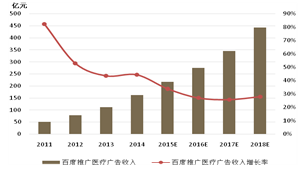
Chart 3: Baidu’s Medical Advertising Revenue to Grow at a CAGR of 28% Over the Next Three Years
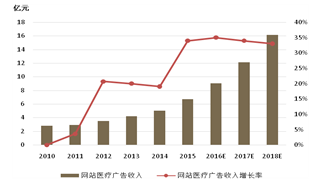
Chart 4: Online Healthcare Advertising Revenue to Grow at a 33% CAGR Over the Next Three Years
Online PlatformThe business model primarily involves self-diagnosis, self-medication, and patient triage, with representative companies includingChunyu Doctor, Haodf Onlineetc., although partially addressing users' needs, have not truly met their demands for medical consultation and diagnosis, and remain stuck in the stage of seeking viable business models.
Online CommunitiesThe key companies representing this business model areDingxiang Yuan, by addressing physicians' needs and serving as a communication platform for doctors, it has amassed a large, stable, and loyal user base; however, monetizing these users remains challenging, and the company is currently expanding into offline medical institutions.
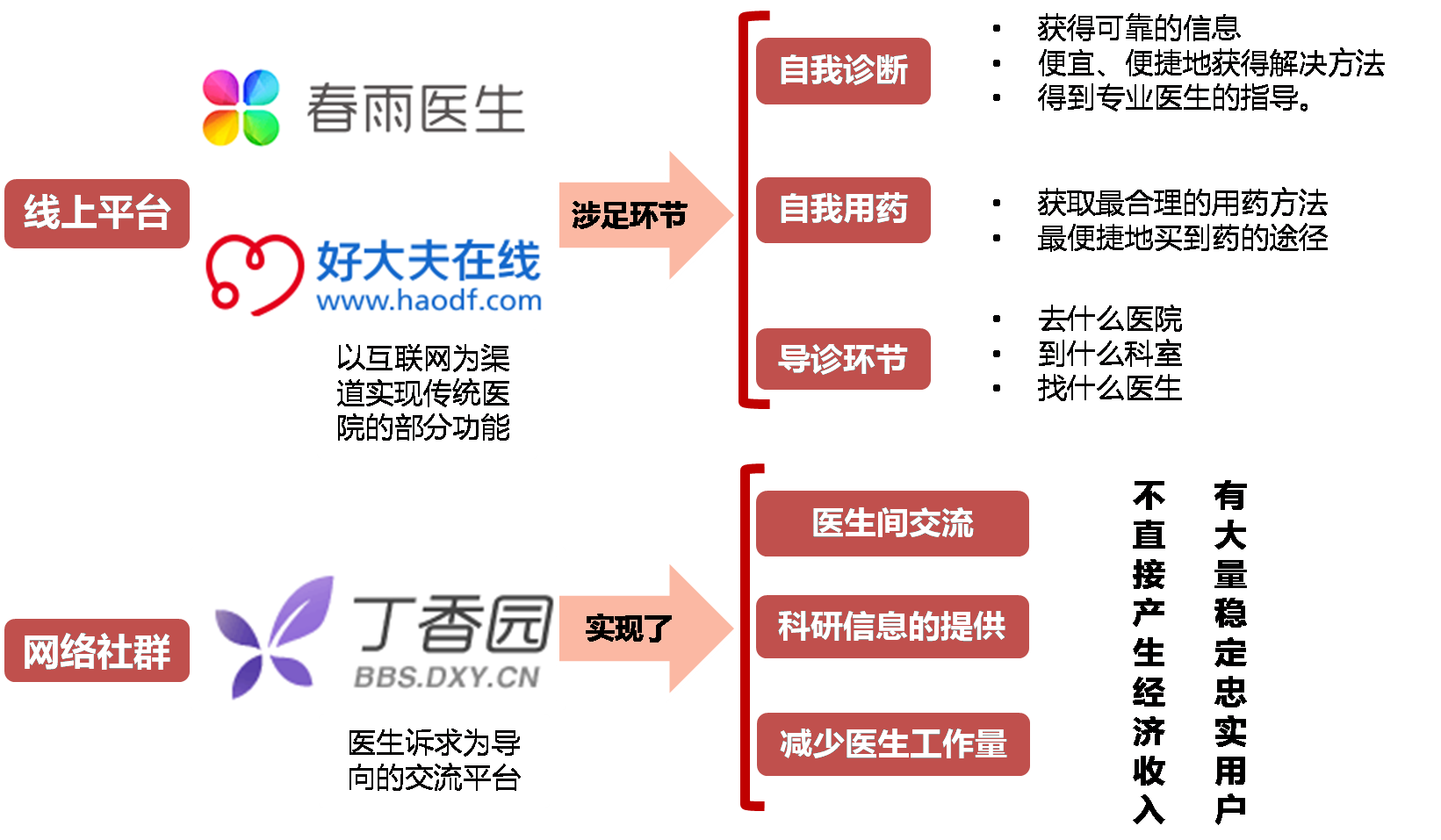
Figure 5: Online Platforms and Online Communities Struggle to Establish Mature Profit Models
■ IT investment continues to sustain growth momentum
The primary solution to information asymmetry within hospitals is the implementation of hospital information systems. China’s healthcare informatization has developed over a relatively short period, resulting in insufficient coverage, particularly regarding highly integrated and highly shared informatization solutions. As the healthcare informatization industry will be examined in detail later, we will not elaborate further here. We believe that the market size of China’s healthcare informatization sector will continue to grow, approaching RMB 40 billion in 2017. However, it will exhibit the following key characteristics:
Volume: Increase.Medical informatics products are evolving toward higher integration and greater data sharing, with an increasing number of submodules and finer granularity.
Price: Flat or slightly lower.As informatization serves as the entry point for data acquisition, and with the value of data becoming increasingly clear, vendors are willing to engage in price competition at lower margins to secure access to big medical data.
Market Concentration: Increased.Increased integration and seamless connectivity between in-hospital and out-of-hospital settings create technical barriers for products, thereby squeezing the survival space of smaller enterprises.
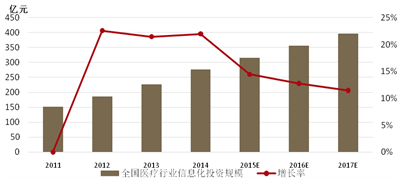
Chart 6: The CAGR of the medical informatization market size will reach 13% in the next three years
The Second Stage of Internet Healthcare Development:
“Data” Connectivity Is Just Getting Started
The purpose of connecting healthcare big data is to more rationally allocate the six major resource elements in healthcare by unlocking their commercial value. We have organized the interrelationships among these six major healthcare resource elements and found them to be intricately complex, leading us to identify two key bottlenecks:Planned NatureandInterest Chain。
1) Government planning economy thinking leads to supply-demand mismatch, generating rent-seeking behavior;
2) Inadequate infrastructure (e.g., big data, policies), hindering the effective flow of various factors;
3) Hospitals and physicians are fully bound together, lacking market-based pricing and restricting supply;Basic Supply (Primary Healthcare System), High-End Supply (Specialized Private Healthcare System)
4) The long-established benefit distribution mechanism has resulted in resource waste.
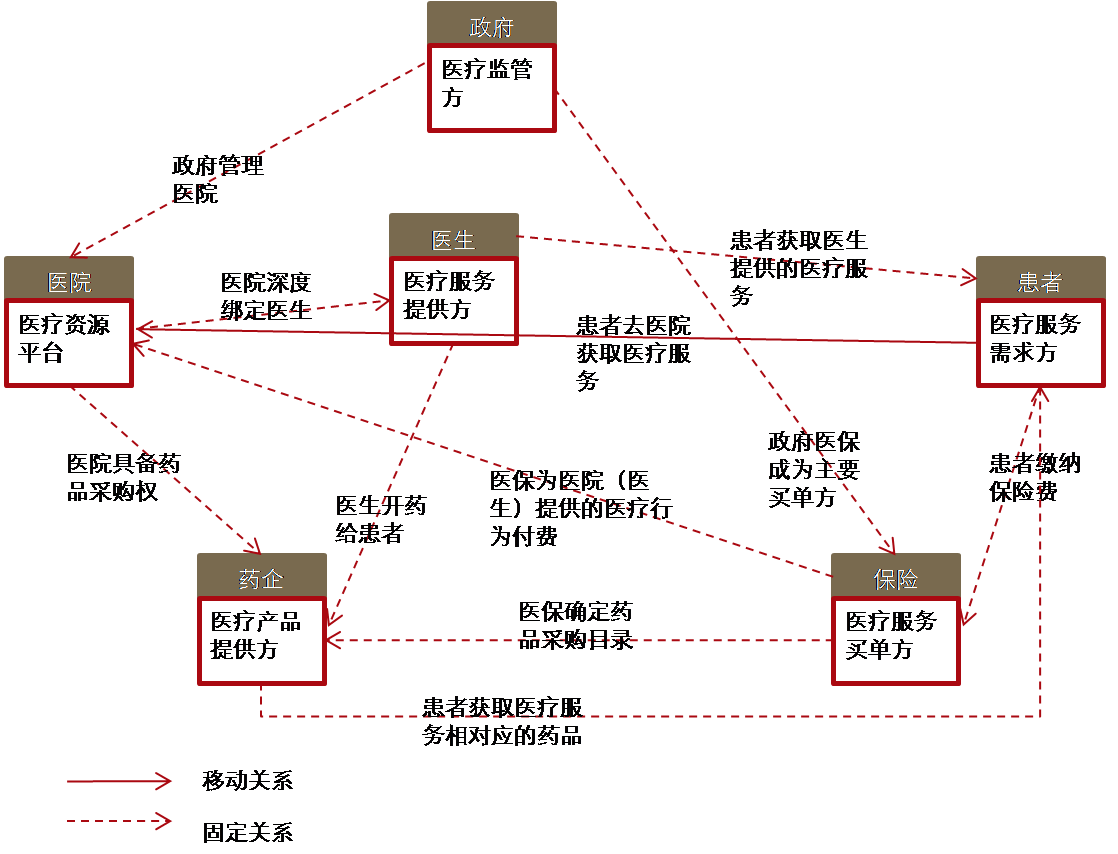
Figure 7: The Intricate Interrelationships Among the Six Key Resource Elements in Healthcare
We believe that achieving true interoperability of healthcare big data and unlocking its commercial value is a prerequisite for the optimized allocation of medical resources. Driven by the dual forces of policy (healthcare reform) and technology (digitalization and internet integration), the constraints on healthcare big data have been lifted. Its commercial value is being continuously tapped, enabling market-based optimization of the five key resource elements and fostering new business and revenue models.
As shown in the figure below, driven by big data, we have simulated the pathway for optimizing the allocation of future medical resources and conducted research on the future development directions of each resource factor. We believe that supply-side reform in the healthcare industry is the true direction for reforms that can generate incremental market growth:
Hospital:As the mainstay of the healthcare system, public hospitals will revert to their public-welfare role and serve as the primary platform for providing basic medical services to society against the backdrop of the abolition of drug markups, while simultaneously attracting greater inflows of social capital.
Doctor:As the true suppliers in the healthcare industry, they will be moderately deregulated from hospitals, seeking genuine value through market-based allocation of scarce resources, thereby achieving supply-side reform in healthcare.
Patient:With supply-side reforms, patient demand will be segmented more granularly. Years of internet research have shown that user-needs-based analysis is central to building business models.
Pharmaceuticals:The vast scope for rent-seeking will be compressed, allowing pharmaceuticals to return to their primary role in disease treatment. Meanwhile, with the advancement of internet integration and informatization, the efficiency of pharmaceutical distribution will significantly improve to serve new supply-and-demand scenarios.
Medical Insurance:Following cost-containment measures in basic medical insurance, introducing new payers to align with market-driven supply and demand structures—particularly through the adoption of private health insurance—has become an inevitable trend.
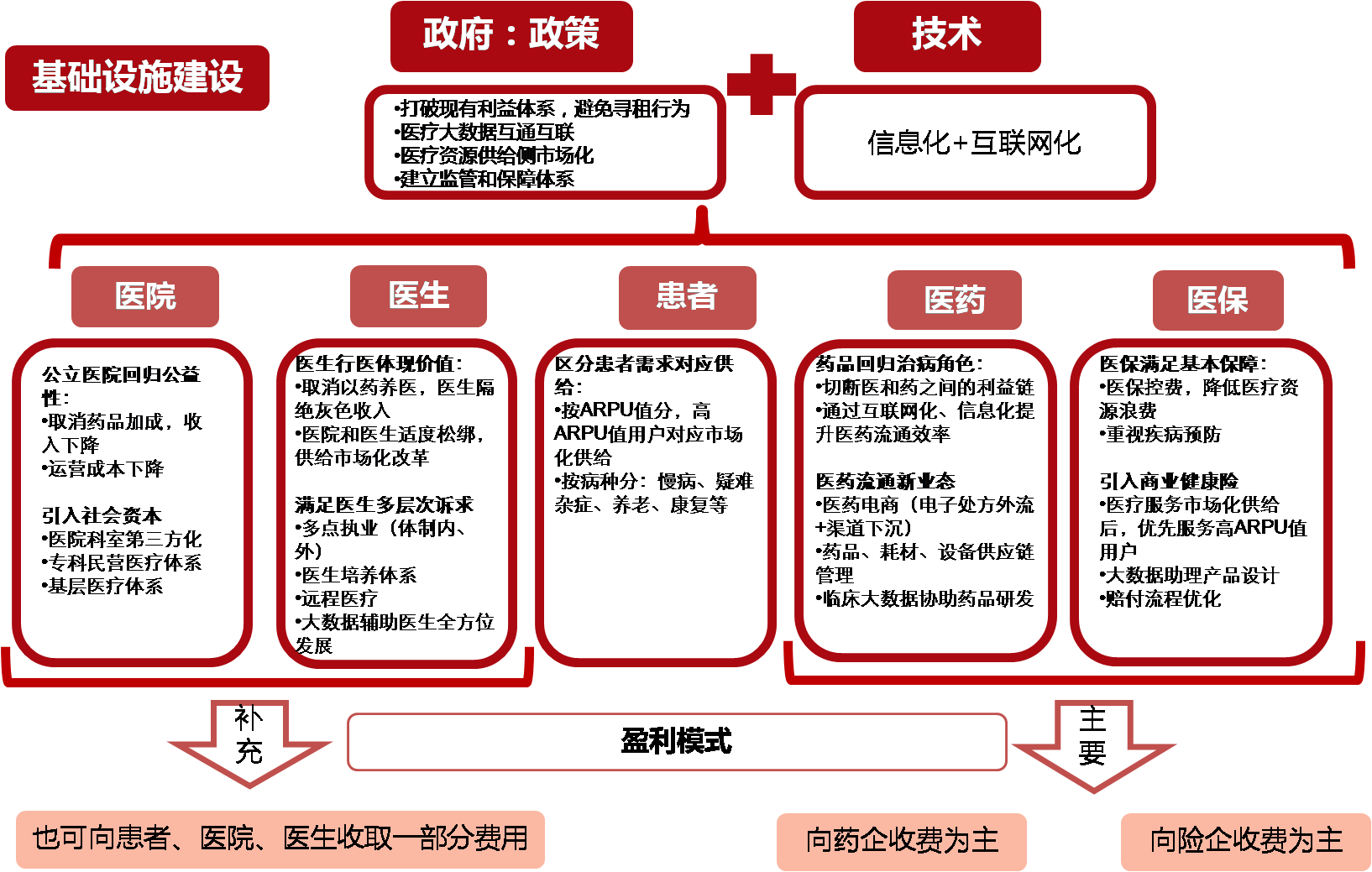
Figure 8: Panoramic View of Optimized Allocation of Medical Resources, Extending Two Major Profit Models
With the establishment of new business models characterized by a high degree of marketization, the primary revenue streams will be fees charged to pharmaceutical companies and insurance providers. As a supplementary source, fees may also be collected from patients, hospitals, and physicians. These services correspond to three major markets, each valued at over one trillion yuan.
■ Trillion-Yuan Market One: Pharmaceutical Marketing and Distribution Markets
In 2015, the market size of advertising and sales expenditures by pharmaceutical companies exceeded RMB 400 billion, and is projected to surpass RMB 550 billion by 2018. Meanwhile, the market size of the pharmaceutical distribution industry reached RMB 1.24 trillion in 2014.
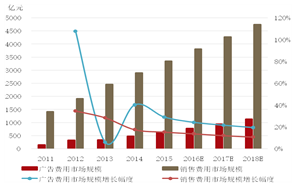
Chart 9: Market Investment in the Pharmaceutical Industry Exceeded RMB 550 Billion in 2018
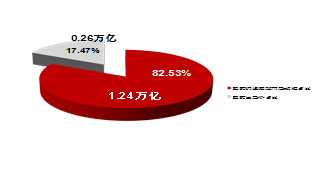
Figure 10: The market size of pharmaceutical distribution reached RMB 1.24 trillion in 2014
■ Trillion-Yuan Market II: China’s Commercial Health Insurance Market to Reach RMB 2 Trillion in 2020
We believe that as the healthcare industry becomes more market-oriented, it will stimulate the sustained rapid development of the commercial health insurance market. By 2020, the market size of commercial health insurance is expected to reach RMB 2 trillion, serving as an effective supplement to the existing medical security system.
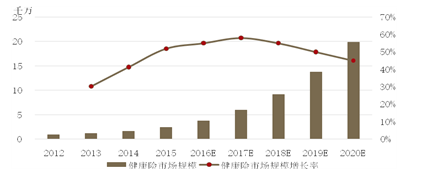
Figure 11: The market size of China's commercial health insurance will reach RMB 2 trillion in 2020
■ Trillion-Yuan Market III: Personal Healthcare Consumption Expenditure Market
In terms of total out-of-pocket health expenditure, the figure exceeded RMB 1 trillion in 2014 and is projected to surpass RMB 1.5 trillion by 2017. On a per capita basis, urban and rural health expenditures stood at RMB 3,576 and RMB 1,473, respectively, in 2014; these are expected to reach RMB 4,187 for urban residents and RMB 1,875 for rural residents by 2016.
Another major objective of studying annual per capita health expenditure is to assess the potential upside in the ARPU (Average Revenue Per User) for internet healthcare users. Once a stable B2C business model is established, substantial transaction volumes will support valuation growth.
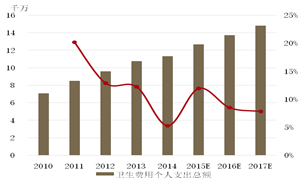
Figure 12: Personal health expenditure reached nearly RMB 1.5 trillion in 2017
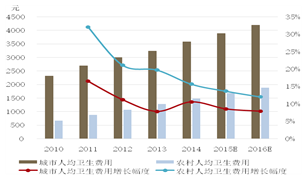
Figure 13: Per Capita Health Expenditure in Urban Areas Exceeded RMB 4,000 in 2016
Report Source: Founder Securities