

Clinical Data Derived from Electronic Medical Records Represents the Core of Healthcare Big Data, Highlights Prospectus
Recently, Founder Securities released an industry report titled “Healthcare Reform Unlocks the Commercial Value of Medical Big Data.” From a big data perspective, the report offers constructive insights into the challenges currently facing healthcare reform and the future development of internet-based healthcare. VCBeat (WeChat official account: vcbeat) has distilled the core viewpoints into three chapters, which are being presented sequentially in recent days.
Capital markets assign a high valuation premium to medical big data; however, the diverse types of big data generated in the healthcare sector vary significantly in their intrinsic value and commercialization potential. Meanwhile, the relatively short history of informatization development and the lack of unified standards have hindered the aggregation and application of big data.
To accurately assess the value of medical big data companies, we must classify and filter medical big data.
Definition of the Government:
"Medical Data" Generated from Health Activities
Before delving into medical big data, it is essential to first clarify the definition of personal health big data. Personal health big data refers to the large-scale datasets generated throughout an individual’s entire life cycle—from birth to death—through various health-related activities such as immunization, physical examinations, outpatient visits, and hospitalization. Based on the managing sectors, these data can be categorized into domains including healthcare, financial insurance, and public security. The big data retained within the healthcare sector is what we refer to as medical big data.
The state has long established a top-level design for medical big data. In 2014, the National Health and Family Planning Commission released the “46312” Project, which provided a top-level design and planning for the integration of national health and family planning resources. The “3” in this framework refers to three major databases: the Electronic Health Record Database, the Electronic Medical Record Database, and the Individual Population Case Database.
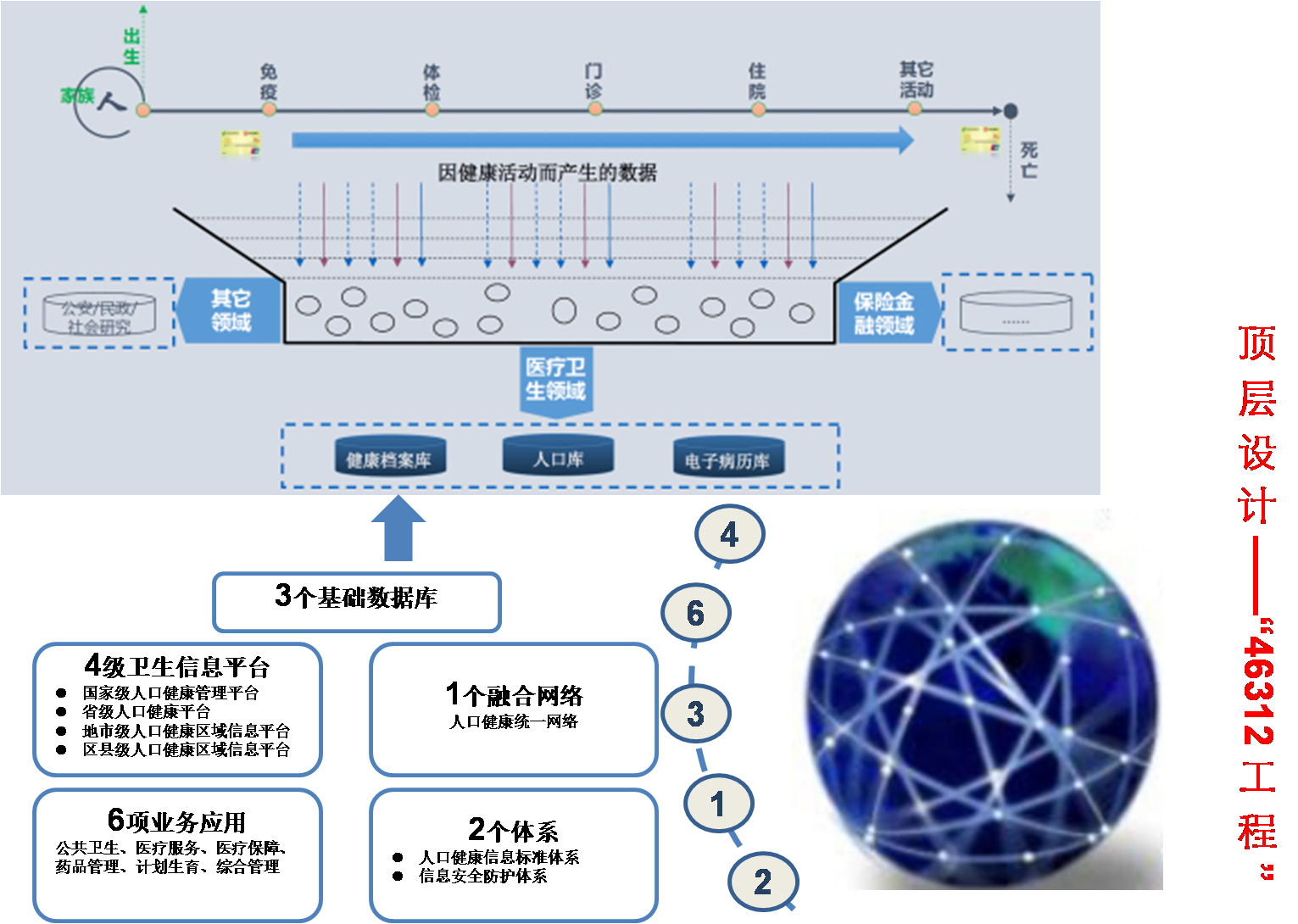
Figure 14: Healthcare Big Data: “Medical Data” Generated from Health Activities
From the perspective of data sources in these three major databases, hospitals are the primary source of medical big data, among which electronic medical record (EMR) databases hold the highest commercial value.
Population Database: Primarily contains demographic information, with data sourced from interactive sharing among major departments (including the National Health and Family Planning Commission, Public Security, Civil Affairs, Statistics, Human Resources and Social Security, Education, etc.).
Health Record Database: Primarily includes regular or irregular health examination records, various service records generated during the provision of health services, and records from targeted health or disease surveys. Data sources comprise physical examination institutions, hospitals, and primary healthcare facilities.
Electronic Medical Record Database: Primarily comprises original records of the entire hospital diagnosis and treatment process. The data is sourced from hospitals, representing the highest commercialization value.
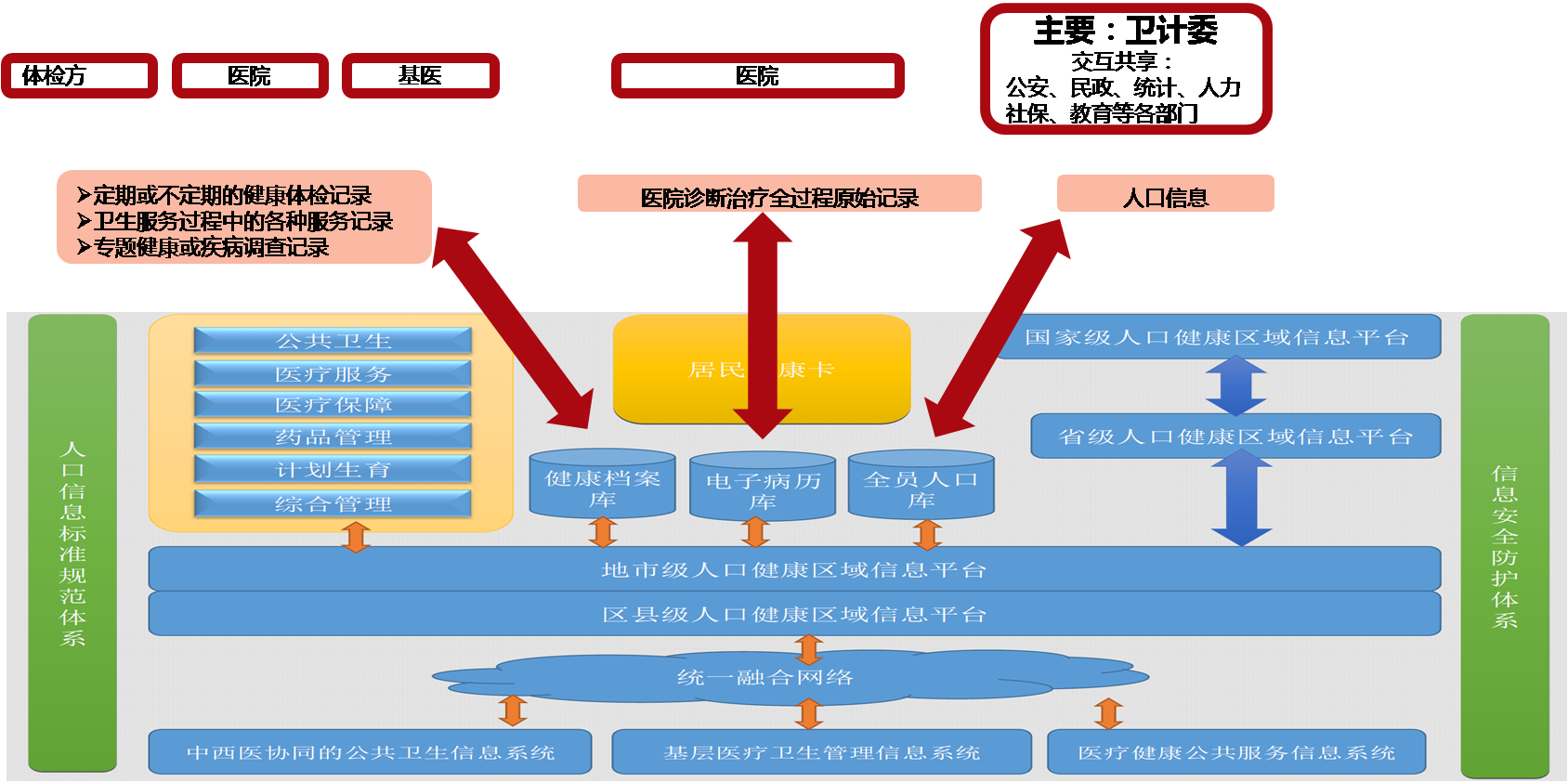
Figure 15: Overall Architecture of Healthcare Big Data
Hospital data holds the highest value,
Especially clinical data based on electronic medical records
The preceding text clarifies that the primary source of big medical data is hospitals, and the aggregation of such data within hospitals mainly depends on the extent of their information technology (IT) infrastructure development. We have summarized the development path of IT infrastructure in Chinese hospitals into four stages:
Phase I:Construction of Hospital Information Systems (HIS): In the early stages, hospitals invested in informatization to achieve standardized and meticulous management, making HIS the preferred choice. The data acquired by HIS is intended to better support hospital management. While near-universal coverage has currently been achieved, the market remains highly fragmented.
Phase II:The construction of Clinical Information Systems (CIS), centered on patient management, aims to enhance the quality of medical services and ensure patient safety. Consequently, CIS based on electronic medical records has become a focal point for investment. However, due to the multitude of system modules and the lack of unified standards, data cannot be effectively integrated, resulting in information silos within hospitals.
Phase III:Hospital Integration (Open) Platform: As hospitals increasingly recognize the value of medical data, they are investing in the construction of Hospital Integration (Open) Platforms to break down internal data silos and achieve intra-hospital data sharing. The sector is currently experiencing rapid growth.
Phase IV:Regional Healthcare Resource Information Platform: The data value of individual hospitals remains highly limited. To achieve optimized allocation of regional healthcare resources, it is essential to establish interoperability and connectivity among regional healthcare big data systems. Consequently, the development of regional healthcare resource information platforms will enter a period of rapid growth in the future.
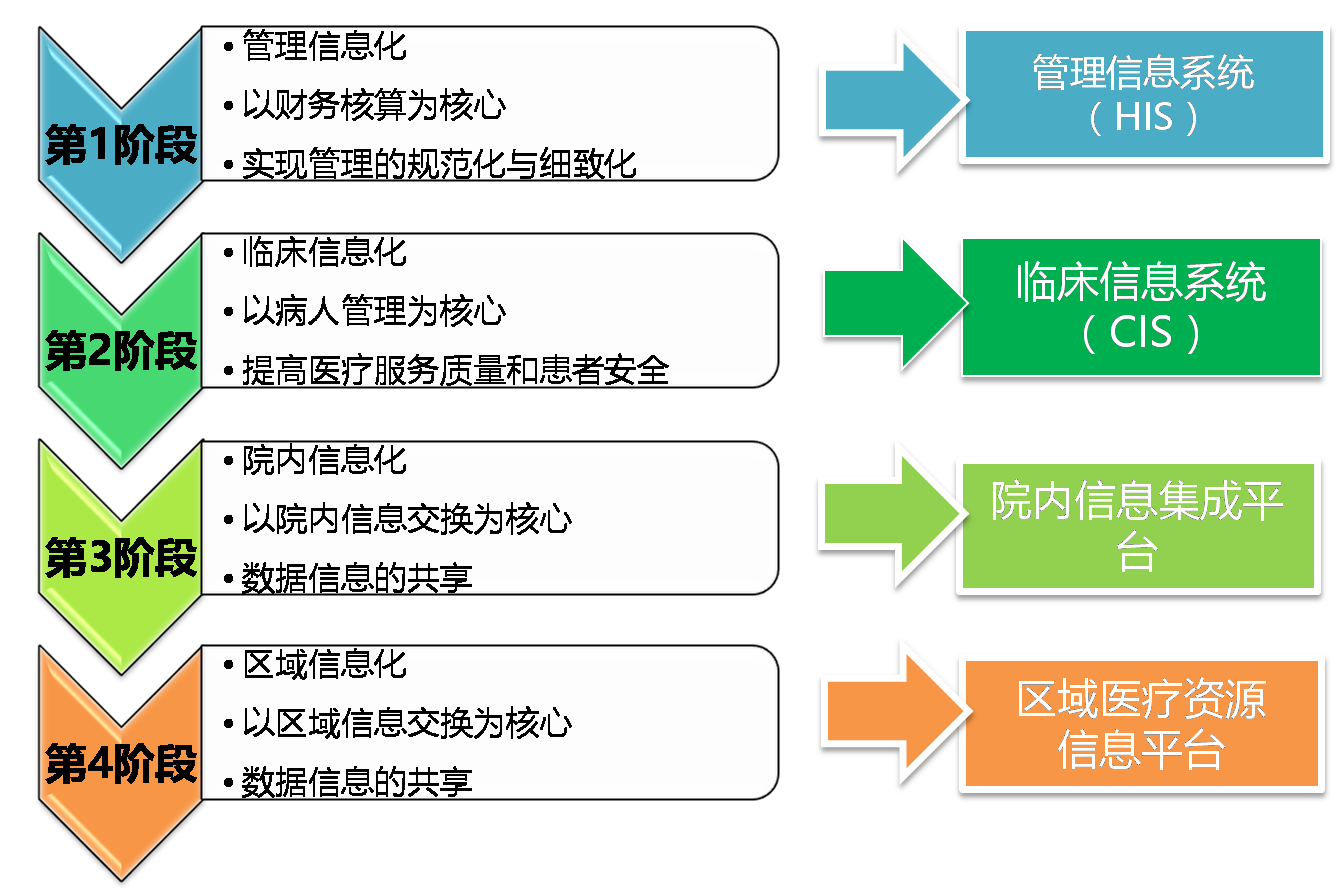
Figure 16: Four Major Stages of Investment in Healthcare Informatics
Through an analysis of the four stages of investment in healthcare informatization, we believe that the first two stages generate medical big data, while the latter two primarily focus on sharing such data. Compared with data generated by Hospital Information Systems (HIS), data produced by clinical information systems centered on patient management and based on Electronic Medical Records (EMR) possess greater commercial development value as medical big data. These clinical support systems include Laboratory Information Systems (LIS), Picture Archiving and Communication Systems/Radiology Information Systems (PACS/RIS), electrocardiography, anesthesia and handover management, intensive care unit (ICU) monitoring, rational drug use, and mobile health solutions.
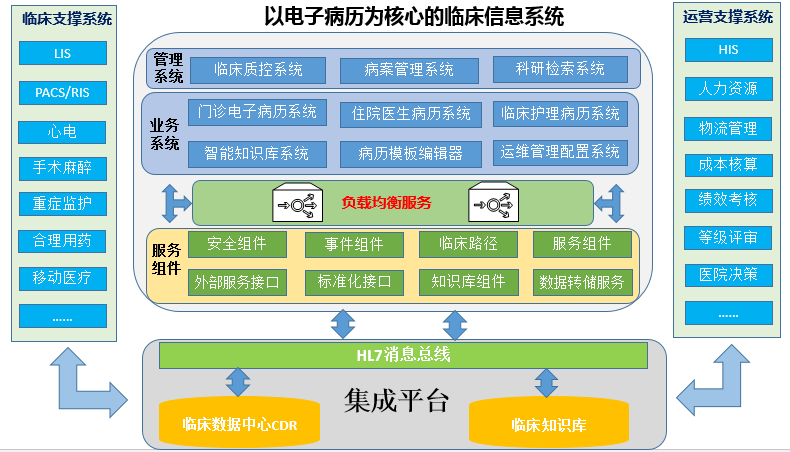
Figure 17: Sources of Medical Big Data: Clinical Information Systems Centered on Electronic Medical Records
The definition of electronic medical records (EMRs) can be categorized into narrow and broad senses. A narrow interpretation of EMRs views them merely as the digitalization of paper-based medical records, constituting a sub-module within hospital information systems. We consider this perspective incomplete.
A broad understanding of electronic medical records (EMRs) is clearly articulated in the National Health and Family Planning Commission’s “Provisions on the Management of Medical Records in Medical Institutions” and “Basic Norms for Medical Record Documentation.” Medical records refer to the aggregate of data generated by healthcare professionals during medical activities, including text, symbols, charts, images, and pathology slides. These records encompass both outpatient/emergency medical records and inpatient medical records. Electronic medical records not only refer to static medical record information but also include related services provided. They constitute information managed in electronic form concerning an individual’s lifelong health status and healthcare-related behaviors, covering all processes involved in the collection, storage, transmission, processing, and utilization of patient information.
The U.S. Institute of Medicine (IOM) also defines electronic health records as: information on an individual’s lifelong health status and healthcare managed in electronic format, which can serve as the primary source of information in medical care, replacing paper-based medical records, and meeting all clinical, legal, and administrative needs.
Therefore, it is evident that the content contained in electronic medical records constitutes the most comprehensive and detailed clinical information resource for patients.
Electronic Medical Records (EMR) have five major characteristics, including: full integration, whole-process coverage, full lifecycle management, intelligence, and multi-view presentation.
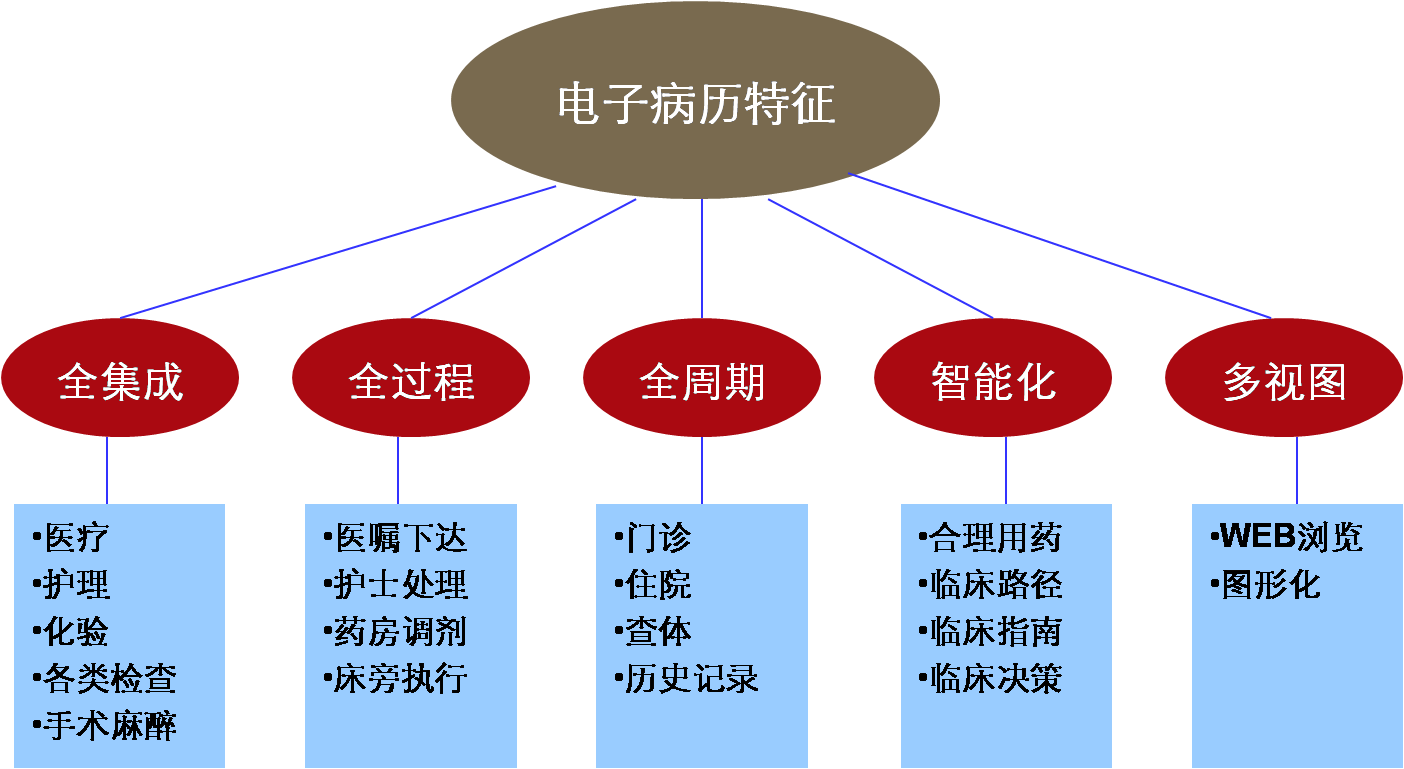
Figure 18: Five Key Characteristics of Electronic Medical Records
■ Only 6‰ of electronic medical record systems in China have reached Level 5 or above
The National Health and Family Planning Commission has established a comprehensive set of rating standards and systems for the functional application level of electronic medical record (EMR) systems in China. The functional application levels of our EMR systems are divided into eight grades (Level 0 to Level 7).

Figure 19: Eight Levels of Functional Application in Electronic Medical Record Systems
At the 2015 China Hospital Information Network Congress (CHINC), a statistical analysis was conducted on the current application levels of electronic medical records (EMR) in hospitals. Among the 2,622 hospitals that participated in data reporting, only 16 achieved EMR application level 5 or above, accounting for merely 6‰. The proportion of hospitals implementing electronic signatures among those assessed was 20%, with an average EMR application level of 2.99. It is evident that the application level of EMR systems in China remains very low, indicating substantial market potential for hospital informatization investments driven by EMR upgrades.

Figure 20: Only 6‰ of Electronic Medical Record (EMR) Systems in China Are at Level 5 or Above
■ Interoperability of medical big data based on electronic medical records serves the six key elements of the industry
It is anticipated that the realization of interoperability and connectivity in medical big data based on electronic medical records will provide critical support to the six core stakeholders in the healthcare industry, a development we refer to as infrastructure construction for the sector.
To the Government:To help the government better understand the health information of residents within the region, plan the top-level design of regional healthcare, and perform regulatory functions.
To Hospitals:Help hospitals improve operational efficiency, reduce operating costs, mitigate medical liability risks, and enhance their reputation.
To Physicians:Help physicians enhance their clinical skills, publish academic papers, and secure professional title promotions; reduce the risk of medical malpractice; and increase market visibility.
To the patient:Help patients manage their own health, use medications precisely, and reduce medical expenses.
To Pharmaceutical Companies:Help pharmaceutical companies achieve precision marketing and support new drug R&D.
For Insurance:Assist medical insurance programs in achieving cost containment, and help commercial health insurers better design products and optimize claims processing.

Figure 21: Interoperability and Connectivity of Medical Big Data as Critical Industry Infrastructure
The development trajectory of the U.S. electronic health record (EHR) market offers valuable insights for advancing our medical big data initiatives. The evolution of EHRs in the United States can be divided into three stages:
Phase I (1991–2003): A period of unrestricted development, characterized primarily by a series of market reports published by the Institute of Medicine (IOM) and some basic standards.
Phase II (2004–2007): Policy Formulation and Government-Driven Phase. In his 2004 State of the Union Address, President George W. Bush explicitly called for the vigorous development of electronic health records (EHRs). Meanwhile, the seven-stage maturity model for EHRs was also established in response.
Phase III (2009–Present): The Phase Driven by Economic Incentives. In 2009, President Obama announced the HITECH Act before Congress, committing $19 billion to health information technology (HIT) infrastructure development.
Healthcare spending in the United States totals nearly $2 trillion, with 20% of these costs failing to improve patient outcomes. The adoption of new technologies, such as electronic health records (EHRs), can effectively reduce errors, lower costs, and protect privacy.
In terms of interoperability among electronic health record (EHR) systems, major EHR vendors are reluctant to enable data exchange due to their own vested interests (such as restricting patient referrals). Government reports indicate that the EHR data-sharing rate in the United States is only around 30%. To address this issue, the non-profit organization CommonWell Health Alliance was established. Currently, more than 60 EHR companies across the country have joined and share their EHR data; however, Epic, the market-leading EHR vendor, has not joined.
As shown in the figure below, electronic health record (EHR) companies in the United States currently primarily serve hospitals and physicians; with the continued mining of data value, there is substantial room for growth.

Figure 22: Top 10 EHR Vendors with the Highest Satisfaction in the United States
We selected two representative U.S. electronic health record (EHR) companies for in-depth analysis:
The Largest Electronic Health Record Company in the United States: Epic Systems
Company Introduction:Founded in 1979 by Judy Faulkner, the company has ranked first for five consecutive years in third-party evaluations for the Best Medical Software System Award. In 2014, it generated $1.66 billion in revenue and maintained strong cash flow. Having never accepted external investment from venture capital firms, the company has no immediate plans to go public.
Product and User:The product primarily serves hospitals and healthcare institutions, capturing nearly 20% of the U.S. healthcare market share. It features strong integration capabilities and provides cloud-based services.
Business Model:Develop patient-centric products to ensure that physicians can deliver efficient, cost-free medical services. Hospitals and healthcare institutions serve as the paying parties, with revenue generated through software products, cloud services, and data sharing. Telemedicine services will be offered in the future.
Experience Summary:Although we started by providing healthcare IT products, we have always developed them with a user (patient)-centric mindset. This approach has enabled us to continuously embrace new technological advancements, which we believe is the key to our company’s sustained competitive edge. Furthermore, maintaining our position as an independent third party has allowed us to rapidly expand our market share within the industry.
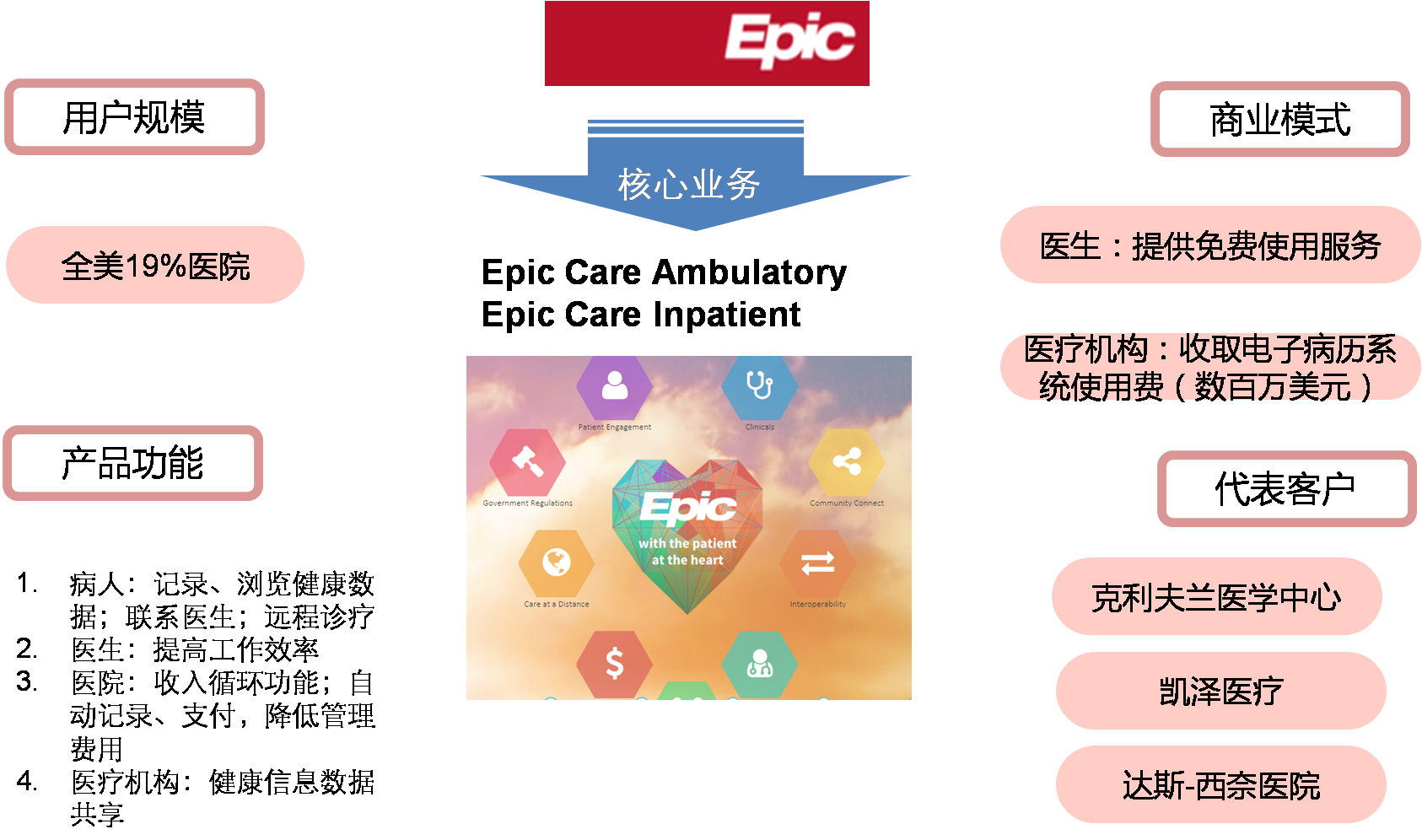
Figure 23: The Largest Electronic Health Record Company in the United States: Epic Systems
America's Largest HIT Company: Cerner
Company Profile:The company was founded in 1979, went public in the United States in 1986, and its products are now available in 24 countries worldwide. In 2015, it reported revenue of $4.4 billion, net income of $540 million, and a market capitalization of $18 billion.
Products and Users:The product portfolio is extensive, encompassing medical devices, healthcare informatics products, and solutions. Its Health Information Technology (HIT) offerings include Electronic Medical Records (EMR), Laboratory Information Systems (LIS), Hospital Information Systems (HIS), population health management, and regional healthcare integration platforms. It ranks as the fourth-largest EMR vendor in the United States, with a 9% market share.
Business Model:The primary model is the traditional healthcare IT commercial business, which provides HIT products and services to hospitals and charges medical institutions.
Experience Summary:Although the company’s revenue scale far exceeds that of Epic, it lags behind Epic in market share for electronic health records (EHR). The primary reason is that the company remains entrenched in a software-centric mindset, treating healthcare institutions as its end customers. Consequently, its expansion strategy has focused on horizontal product line diversification, making it difficult to pivot to internet-based business models once scale is achieved.
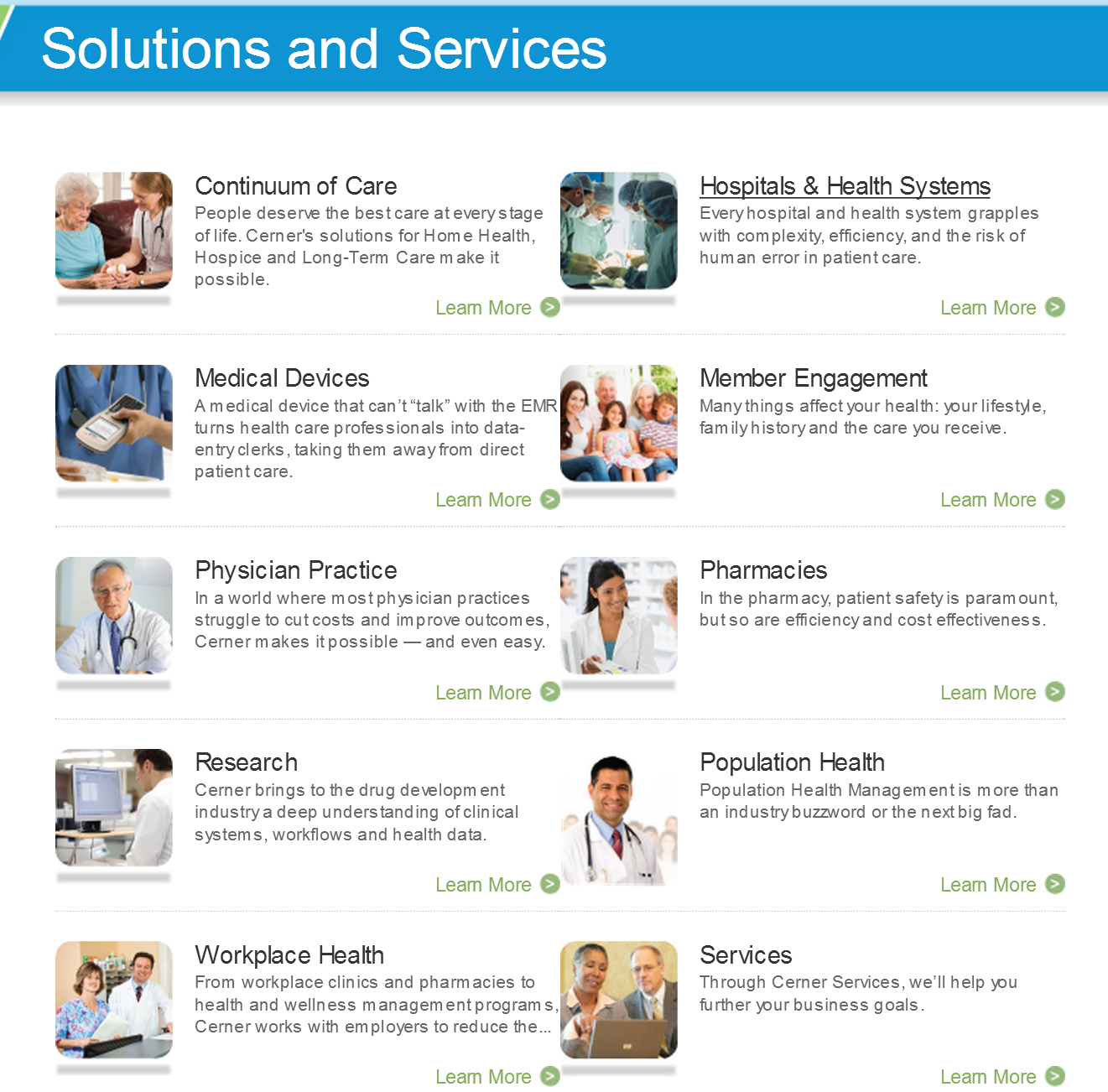
Figure 24: Cerner Has Become a Comprehensive Healthcare Service Provider
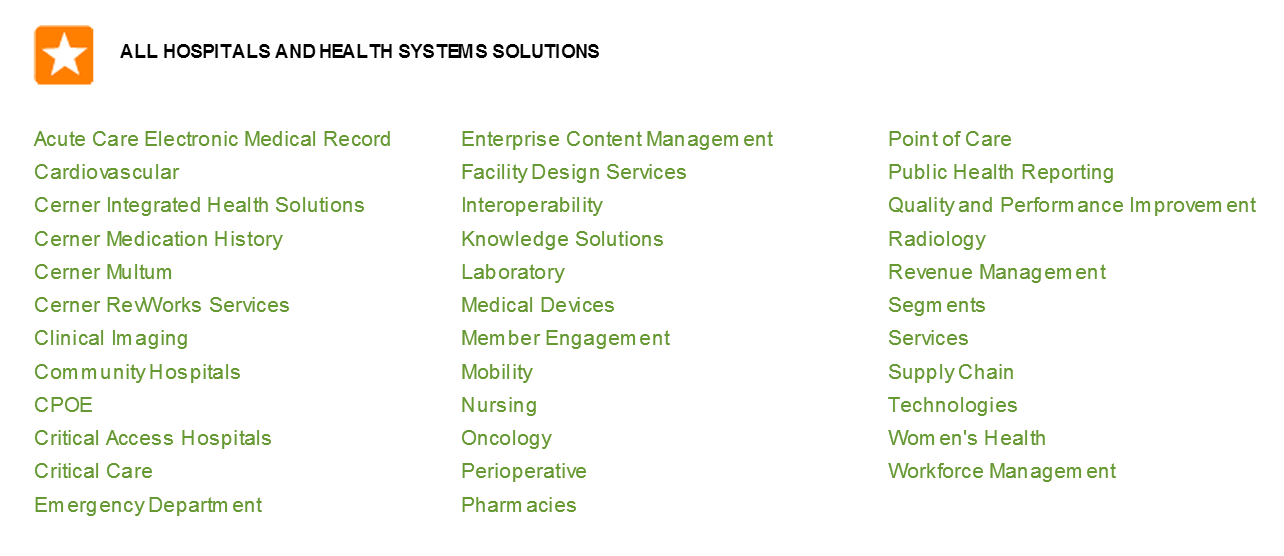
Figure 25: HIT’s Diverse Product Portfolio
Report Source: Founder Securities