

Kangkang Chronic Disease Internet Hospital Files IPO Prospectus, Pioneering a Six-Party Collaborative Ecosystem for Hypertension Management
▌Integration of Prevention and Treatment in Internet Hospitals for Chronic Diseases
Internet hospitals refer to online medical institutions that hold the appropriate licenses and possess the capabilities for patient registration, fee collection, and issuing electronic prescriptions. Currently, all internet hospitals in the market rely on offline partner hospitals as their physical foundation. For consumer-facing services (B2C), internet hospitals can be categorized based on the background of their initiators: those initiated by internet healthcare companies, healthcare IT firms, hospitals, and other entities (such as pharmaceutical companies, government bodies, real estate developers, and industry associations). Among these, internet hospitals established by internet healthcare companies are the most numerous, accounting for 57% of the total. The advantage of this type lies in its robust internet technology and platform infrastructure; however, its disadvantage is the need to source physician resources externally. Physicians typically participate as individuals through multi-site practice arrangements, primarily stemming from collaborations with offline hospitals and various online-offline physician groups.
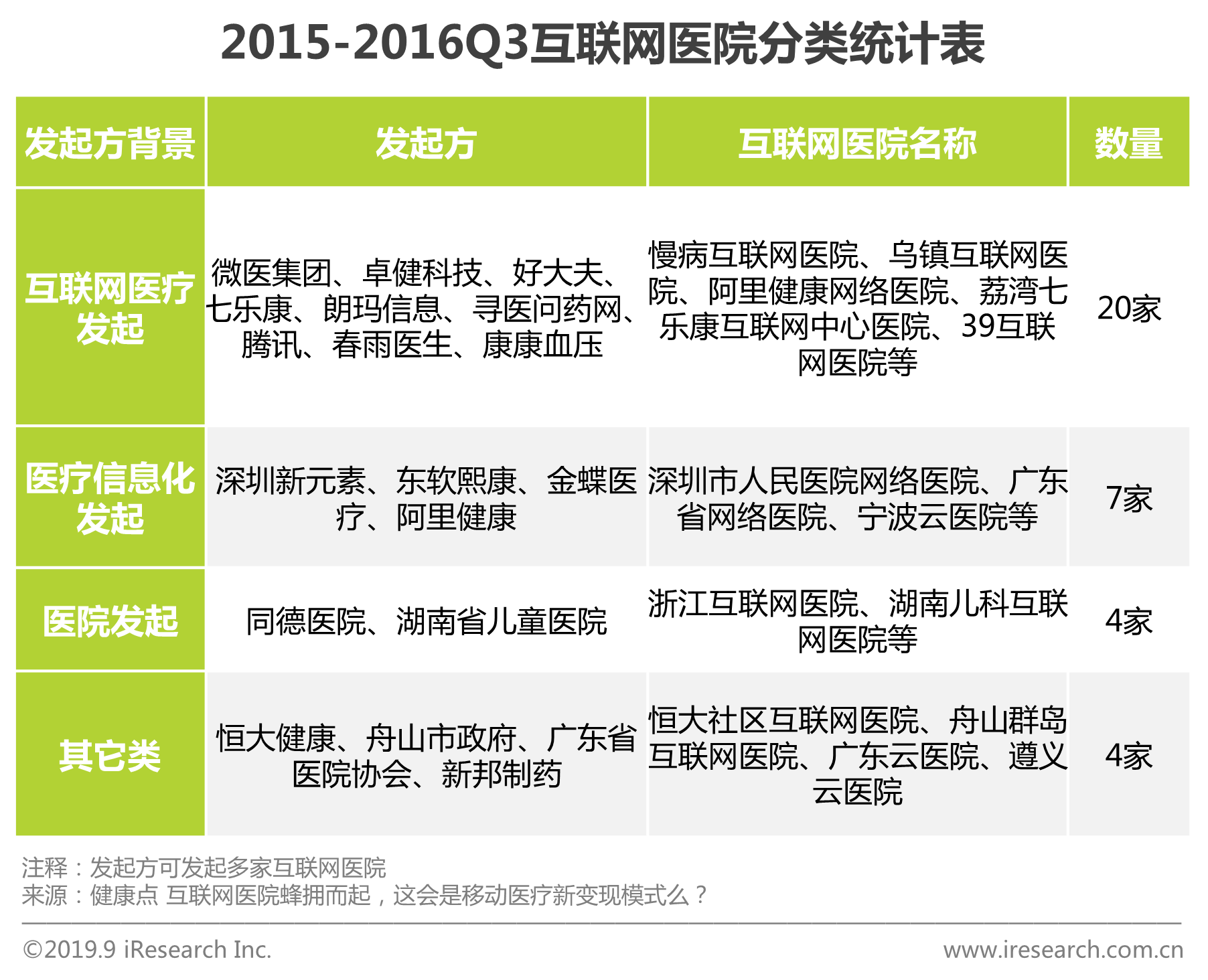
Analysis suggests that internet hospitals, through their online platforms, connect doctors with patients and allocate resources rationally, thereby alleviating patient pressure on both primary care facilities and tertiary Grade A hospitals, while assisting in improving physicians’ efficiency and disease management capabilities. On the other hand, by shortening the pharmaceutical procurement chain and collaborating directly with pharmaceutical manufacturers and pharmacies, they further reduce patients’ medical expenses. Currently, internet hospitals are in an exploratory pilot phase, with business models based on internet platforms that include initial consultations, follow-up visits, remote consultations for complex and refractory diseases, and medication delivery services. Kangkang Chronic Disease Internet Hospital, which recently received a RMB 30 million investment from Yiling Pharmaceutical on September 9, differs from most internet hospitals. Referred to as a “chronic disease internet hospital,” it focuses initially on hypertension as a single disease entity to provide chronic disease management services.
In terms of medical resources, Kangkang Chronic Disease Internet Hospital collaborates with the Chinese Hypertension League, Apricot Forest, Ali Health, Blue Card Health, and Yiling Hospital to serve hypertensive patients from the community level to across China.
In terms of patient sourcing, the majority of patients at Kangkang Chronic Disease Internet Hospital are referred from its partner offline hospitals and community clinics, enabling them to access internet-based second-opinion consultations and medication delivery services provided by physicians across China. Meanwhile, health management and disease prevention services are delivered on a community-by-community basis.
Kangkang Chronic Disease Internet Hospital’s chronic disease management model references and extends Beijing’s “Shougang Model.” Specifically, it implements tiered management at the community level, stratifying hypertensive patients into mild, moderate, and severe categories (Levels 1, 2, and 3). Smart blood pressure monitors are provided for continuous monitoring, with scheduled medication adjustments. For Level 3 patients or those who have already developed cardiovascular complications, medical records are established, pharmacological and non-pharmacological treatments are administered, regular screenings and health assessments are conducted, and the efficacy of blood pressure reduction is evaluated. For Level 1 and Level 2 patients, Kangkang collaborates with Yiling Pharmaceutical to apply Traditional Chinese Medicine theories and deliver health education covering prevention through treatment.
Analysis suggests that internet hospitals targeting patients with chronic diseases are easier to implement., primarily due to the following reasons: 1) Patients with chronic diseases have high frequency of medical visits, may require lifelong medication, and need regular monitoring of physiological data for timely adjustment of treatment. However, conflicts such as uneven distribution of medical resources, varying levels of physician expertise, difficulties in accessing care, long waiting times, and short consultation durations discourage chronic disease patients from seeking regular medical attention, monitoring, and timely medication adjustments. Internet hospitals for chronic diseases address these patient pain points by leveraging internet platforms to facilitate efficient healthcare access. 2) The medical process for chronic disease patients is relatively simple; compared to acute or complex conditions, the monitoring data is singular and does not require extensive diagnostic work by physicians, which facilitates the implementation of diagnosis and treatment processes based on internet platforms. 3) The application scenarios of mobile internet technology feature a large user base, high stickiness, and frequent usage, which align with the characteristics of chronic diseases, thereby promoting the integration and convergence of both.
The emergence of Kangkang Chronic Disease Internet Hospital is considered representative of the industry, and its operational model will be discussed in detail below.
▌Kangkang Blood Pressure Leverages Internet Hospital Platform to Establish a Complete Closed-Loop Chronic Disease Management System
Kangkang Blood Pressure focuses on the blood pressure sector, deeply exploring the vertical service chain to establish a complete closed-loop system for chronic disease management, helping patients reduce medical costs and improve their quality of life. The Kangkang Blood Pressure chronic disease management closed loop is primarily achieved through the collaboration between its proprietary smart blood pressure monitors and its internet hospital.
First, Intelligent Healthcare Hardware Opens the Entry Point to a Closed-Loop System for Chronic Disease Management
Kangkang Smart Blood Pressure Monitor serves as the entry point to a closed-loop chronic disease management system. Patients can monitor their blood pressure using wearable static or ambulatory blood pressure monitors, with results automatically uploaded and stored on the “Kangkang Cloud” platform. This enables community physicians, online specialists, and physician assistants to perform real-time analysis, risk assessment (utilizing disease risk control models provided by the Chinese Hypertension League), and intelligent diagnosis. Additionally, it facilitates care and attention from patients’ children and relatives.
To ensure the accuracy of Kangkang’s ambulatory blood pressure data, the Kangkang blood pressure monitor requires clinical validation at a hospital (Anzhen Hospital), enabling patients to obtain effective and precise monitoring results.
Analysis suggests that, from a data perspective, medical-grade smart hardware must meet two fundamental characteristics.: 1) Data measurements must be precise and valid, specifically meaning that monitoring data should maintain accuracy across different scenarios and applications to serve as a reliable reference for professionals. 2) Enterprises need to possess certain data analysis capabilities (such as cloud computing, disease risk models, or manual applications) to generate health reports that are readable and usable by patients. Data monitoring occupies a crucial position in the closed-loop management of chronic diseases. Only based on precise and effective big data samples can reasonable health guidance and medication adjustments be provided promptly. Smart blood pressure monitors have added cloud data storage functionality, overcoming the isolated nature of traditional blood pressure monitors and becoming the entry point for the closed-loop management of chronic diseases.
Second, Internet Hospitals for Chronic Diseases Connect Healthcare Roles and Close the Loop in Chronic Disease Management
Kangkang Chronic Disease Internet Hospital was granted an internet hospital license by the Guiyang Municipal Health and Family Planning Commission, enabling it to provide services such as patient registration, fee collection, and issuance of electronic prescriptions. Kangkang has established its own chronic disease internet hospital to offer users secondary consultations for chronic conditions via the internet. Its cloud hospital model is primarily operated by online physicians and physician assistants, delivering timely medical consultations, advice, and medication adjustments based on blood pressure monitoring data (with physician resources provided by Apricot Forest). Following medication adjustments, users can place orders directly through the Kangkang Chronic Disease Internet Hospital, with partner pharmaceutical companies or pharmacies completing home delivery of the medications.
In the closed-loop management of chronic diseases, insurance serves as an indispensable financial tool for controlling medical costs. Kangkang collaborates with insurance companies (with Taikang Online and ZhongAn Insurance providing insurance partnerships) to bundle sphygmomanometers with insurance services for joint sale, thereby cultivating users’ habits of regular blood pressure monitoring to acquire more valid data. Only by leveraging extensive personal data can Kangkang deliver effective, real-time chronic disease management services to patients.
Another key player in the closed-loop chronic disease management ecosystem is pharmaceutical companies (such as Yiling Pharmaceutical and Dekai Pharmaceutical, which provide pharmaceutical distribution services). By leveraging continuous blood pressure monitoring data from Kangkang Blood Pressure, these companies gain data support for new drug development and precision marketing of medications. In contrast, Yiling Pharmaceutical, a partner of Kangkang Blood Pressure, is dedicated to the research and development of traditional Chinese medicine (TCM) for conditions such as coronary heart disease and angina pectoris, and participates in the establishment of Kangkang’s Internet Hospital for Chronic Diseases in the capacity of a chronic disease prevention and management provider.
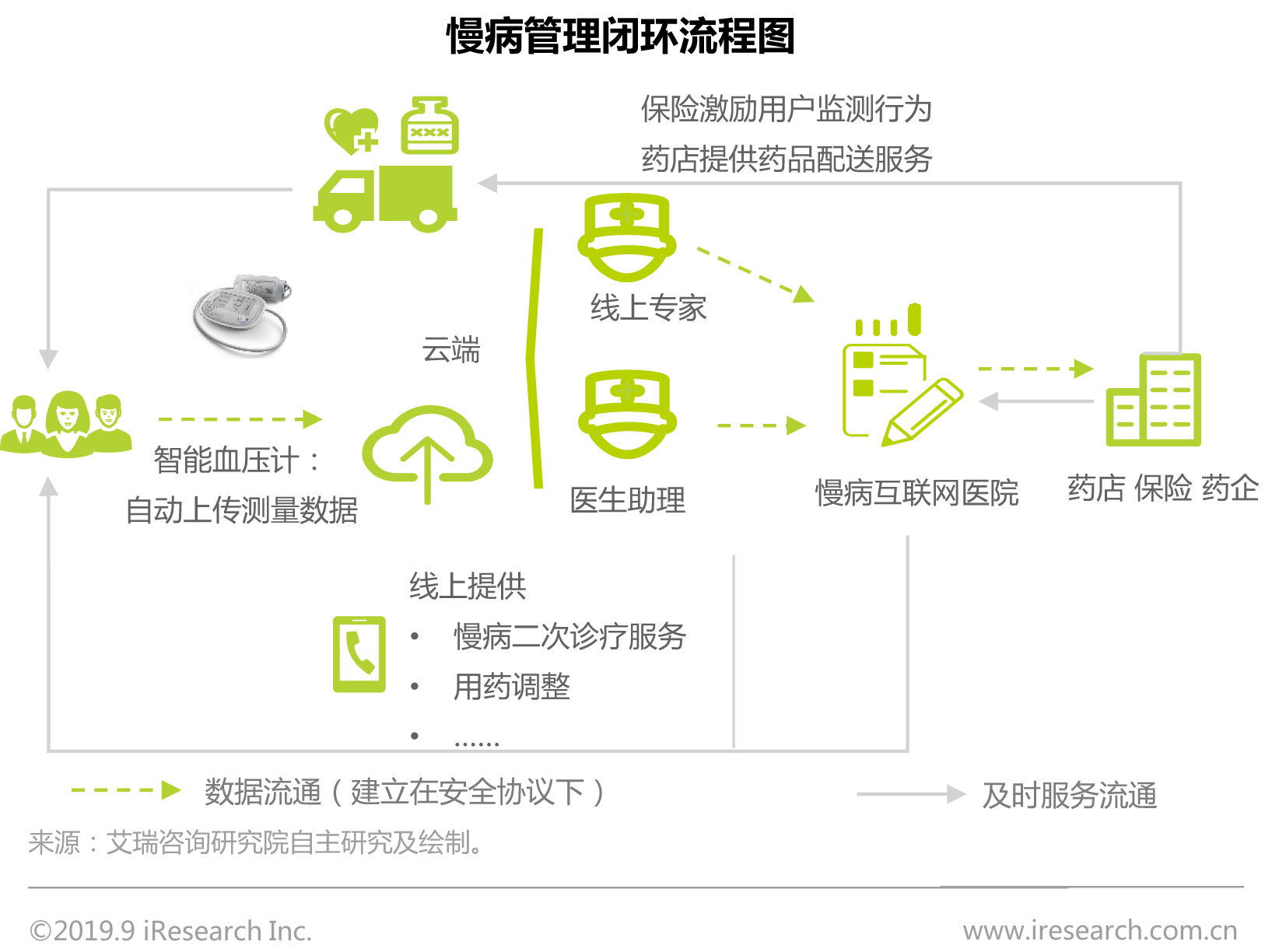
Analysis suggests that a complete closed-loop chronic disease management system primarily consists of five key stakeholders—mobile health providers, physicians, healthcare institutions, pharmaceutical companies, and insurers—who collaborate to serve patients with chronic diseases.Among these, mobile healthcare refers to smart blood pressure monitors, which serve as the entry point for a closed-loop chronic disease management system. Doctors, healthcare institutions, and pharmaceutical companies are service providers within this closed loop. Healthcare institutions include internet hospitals, general hospitals, clinics, and organizations offering nutritional and dietary counseling that can provide diagnostic, therapeutic, and health consultations. Internet hospitals for chronic diseases connect various medical stakeholders through a platform-based approach, storing patient information and facilitating information exchange among different medical roles, ultimately enabling timely medical and pharmaceutical services for patients. Insurance serves as a financial tool to help patients control medical costs and is also a primary payment method. After purchasing relevant insurance, patients who adhere to real-time monitoring and medication protocols as stipulated by the insurance policy can reduce their risk of complications and thereby lower their insurance premiums; conversely, non-compliance results in increased premiums.
▌Internet Hospitals Connect Multiple Stakeholders to Alleviate the Healthcare Burden
Analysis suggests that reducing patient mortality and alleviating the financial burden of medical expenses on patients have become current priorities in healthcare.To address these two major tasks, efforts can begin with patients suffering from chronic diseases, primarily due to their large population base, long disease duration, and the relative ease of achieving stable control after diagnosis. The 2015 China Health and Family Planning Statistical Yearbook reported a chronic disease prevalence rate of 24.5% in China. Chang Jile, an inspection commissioner at the Bureau of Disease Prevention and Control under the National Health and Family Planning Commission, stated in May 2014 that the number of diagnosed chronic disease patients in China had approached 300 million, with chronic diseases accounting for 85% of all deaths and contributing to 70% of the total disease burden.
Chronic disease internet hospitals, which integrate internet technology with the healthcare industry, establish a closed-loop system for chronic disease management. They provide real-time intervention in patients' lifestyles and timely adjustments to medication regimens, ultimately reducing the likelihood of complications. Effective prevention of complications not only lowers patient mortality rates but also reduces subsequent treatment costs, thereby alleviating the medical burden. Furthermore, the convergence of pharmaceuticals and the internet shortens the drug distribution supply chain, fundamentally lowering corporate sales costs and, consequently, drug prices, which further eases the financial burden on patients.
Internet hospitals are merely a small branch of internet healthcare. As companies explore this space, they can apply successful models integrating the internet with chronic disease management to the broader internet healthcare sector, serving diverse patient populations including those in community health, remote consultations, and complex disease categories. By developing mobile health products or building medical management platforms targeted at specific populations or diseases, enterprises can more effectively concentrate medical resources. Furthermore, internet healthcare connects the fragmented silos of traditional medicine, bridging gaps in the existing healthcare industry and ultimately achieving a closed-loop internet healthcare management system based on population characteristics. This entails a patient-centered, multi-party collaborative innovative medical management platform designed to provide effective and timely healthcare services, reduce mortality rates, and alleviate the medical burden.
In the future, the healthcare and health industry will evolve into an efficient ecosystem driven by the collaborative synergy of six key stakeholders: hospitals, physicians, pharmaceuticals, medical devices, insurance, and the internet.
By Gao Xuezhen
Source: iResearch