

Healthcare Reform Unlocks the Commercial Value of Medical Big Data
Recently, Founder Securities released an industry report titled “Healthcare Reform Unlocks the Commercial Value of Medical Big Data.” From a big data perspective, the report offers constructive insights into the challenges currently facing healthcare reform and the future development of internet-based healthcare. VCBeat (WeChat official account: vcbeat) has distilled the core viewpoints into three sections; this is the final installment.
The potential market for big data in healthcare is enormous, but what exactly is hindering the current interoperability and commercial development of medical big data? To thoroughly address this question, we must first clarify the four rights associated with medical big data: ownership, management rights, control rights, and operational rights.
Ownership of medical data resides with individual patients; however, data from a single user holds little value. True commercial value is realized only when such data is aggregated into big data.
The government holds the administrative authority over big medical data. To improve management, it is eager to break down data silos and enable data interoperability and connectivity; however, it lacks actual control over such data.
Control over medical big data resides with hospitals. With the development of hospital-based integration platforms, hospitals have already secured access to big data resources. However, under the current profit-distribution framework, hospitals lack sufficient incentive to genuinely open up medical big data to society.
The operational rights to medical big data reside with third-party institutions. Although these entities have access to the data, commercial exploitation remains challenging without government support and hospital cooperation.
Ultimately, we believe that under the existing healthcare benefit distribution system (where hospitals rely on drug sales to subsidize medical services), if hospitals open up their data, it will inevitably lead to patient diversion and increased transparency, thereby affecting the income of hospitals and doctors. ThereforeThe key to unlocking medical big data lies in dismantling the drug-reliant healthcare model through healthcare reform.
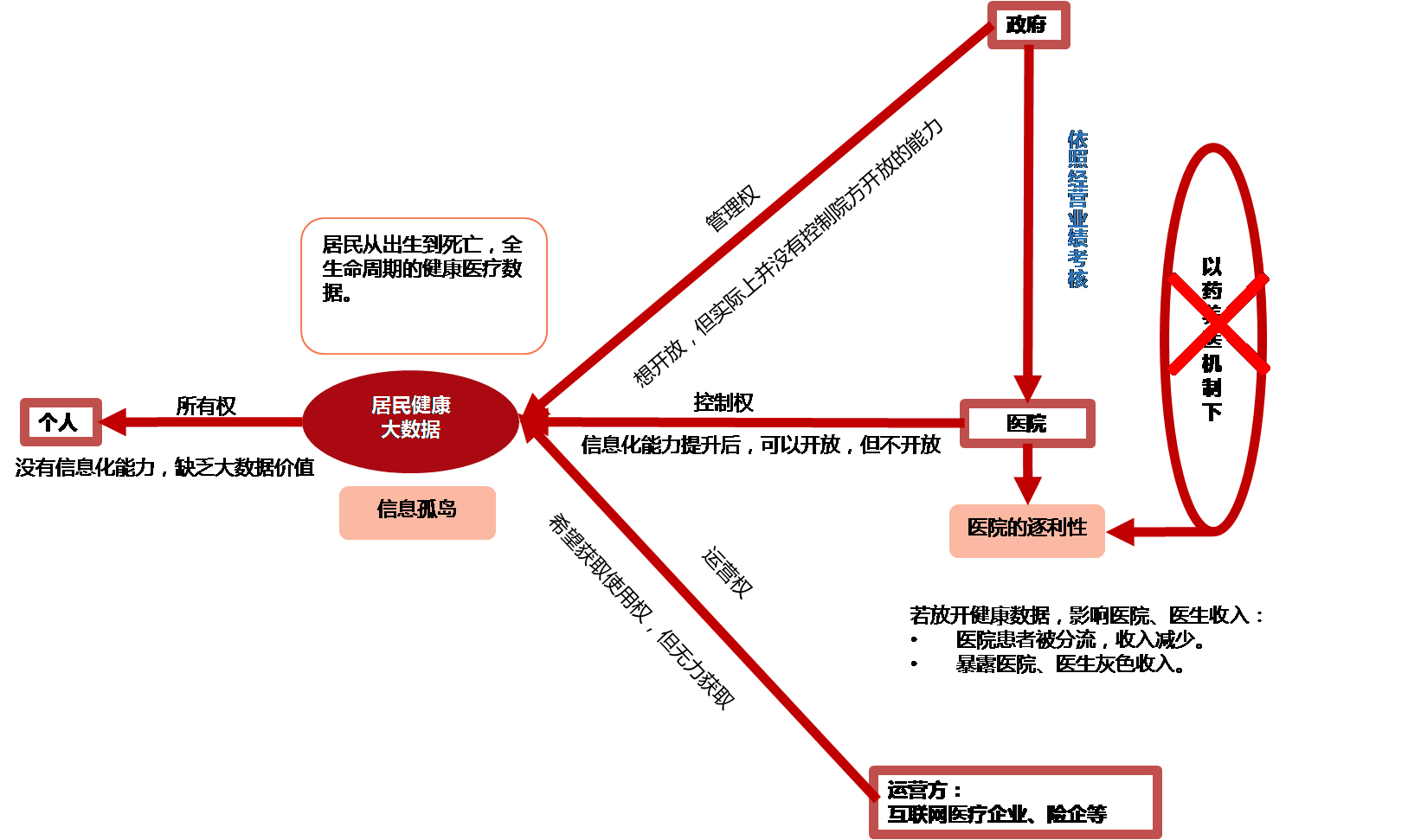
Figure 26: “Drug-Dependent Hospital Financing” Is the Shackle on Medical Big Data
■ Drug-Dependent Medical Practice: The Realistic Dilemma in Healthcare
We believe that the profit-distribution mechanism of “funding healthcare through pharmaceutical sales” has led to the current severe healthcare crisis, which is primarily manifested in four aspects: strained doctor-patient relationships; difficulty and high cost in accessing medical care; a substantial increase in health insurance fund expenditures; and undervalued medical service prices that fail to reflect the true worth of physicians.
Tense Doctor-Patient Relationships. Under the mechanism of funding healthcare through drug sales, hospital revenue depends on drug markups, and physicians’ income is also tied to pharmaceuticals; meanwhile, patients seek medications with better cost-effectiveness. This divergence creates conflict between the two parties. According to relevant statistics, there are over 100,000 medical disputes annually in China, and incidents of violence against healthcare workers are increasing year by year.
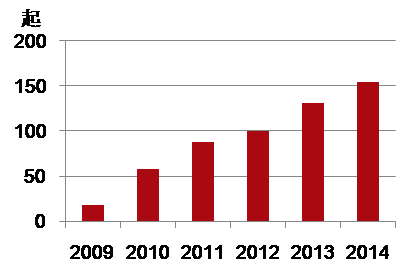
Figure 27: Upward Trend in Annual Incidents of Violence Against Medical Personnel
Access to medical care is difficult and expensive. Driven by the “drug-revenue-subsidized healthcare” model, hospitals, as profit-seeking entities, are more inclined to use high-priced drugs and consumables, while physicians also take their own financial interests into account when prescribing medications, resulting in substantial waste of medical resources.
Significant Surge in Healthcare Insurance Fund Expenditures. The waste of medical resources inevitably leads to a substantial increase in healthcare insurance fund expenditures, ultimately resulting in expenditures exceeding revenues. As shown in the figure below, the growth rate of revenue for China’s healthcare insurance fund has already fallen behind that of its expenditures. If this trend continues, the social security system will face significant strain. Therefore, we believe that the long-term deficit of the healthcare insurance fund, where expenditures exceed revenues, is the core driver behind the government’s genuine commitment to healthcare reform.
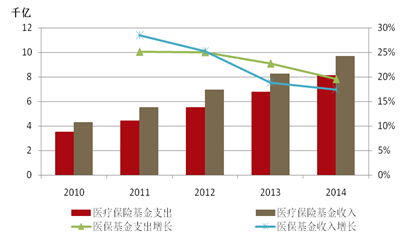
Figure 28: Growth in Health Insurance Fund Expenditures Outpaces Revenue Growth
Low Pricing of Medical Services. The low pricing of medical services is a core factor affecting the supply of healthcare resources. Currently, revenue from pharmaceuticals and consumables accounts for over 40% of hospitals’ income and continues to grow. Under the premise of overall cost containment, only by eliminating the reliance on drug sales to subsidize medical practice can the price level of medical services be raised, thereby truly achieving supply-side reform in healthcare resources.
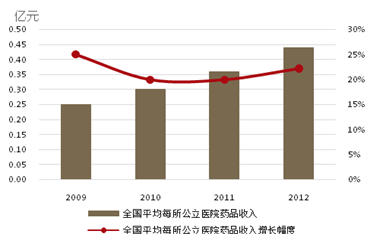
Figure 29: Hospital Drug Revenue Continues to Grow
The profit distribution mechanism under the “drug-revenue-dependent healthcare” model has led to value destruction across all key elements of the medical industry, directly or indirectly resulting in artificially inflated drug prices by pharmaceutical companies, excessive prescribing by hospitals, physicians’ preference for high-cost medications, rising medical expenses, high out-of-pocket costs for patients, and a heavy financial burden on the medical insurance system.
Therefore, we believe thatThe core of healthcare reform is to eliminate the practice of subsidizing medical services with drug profits.
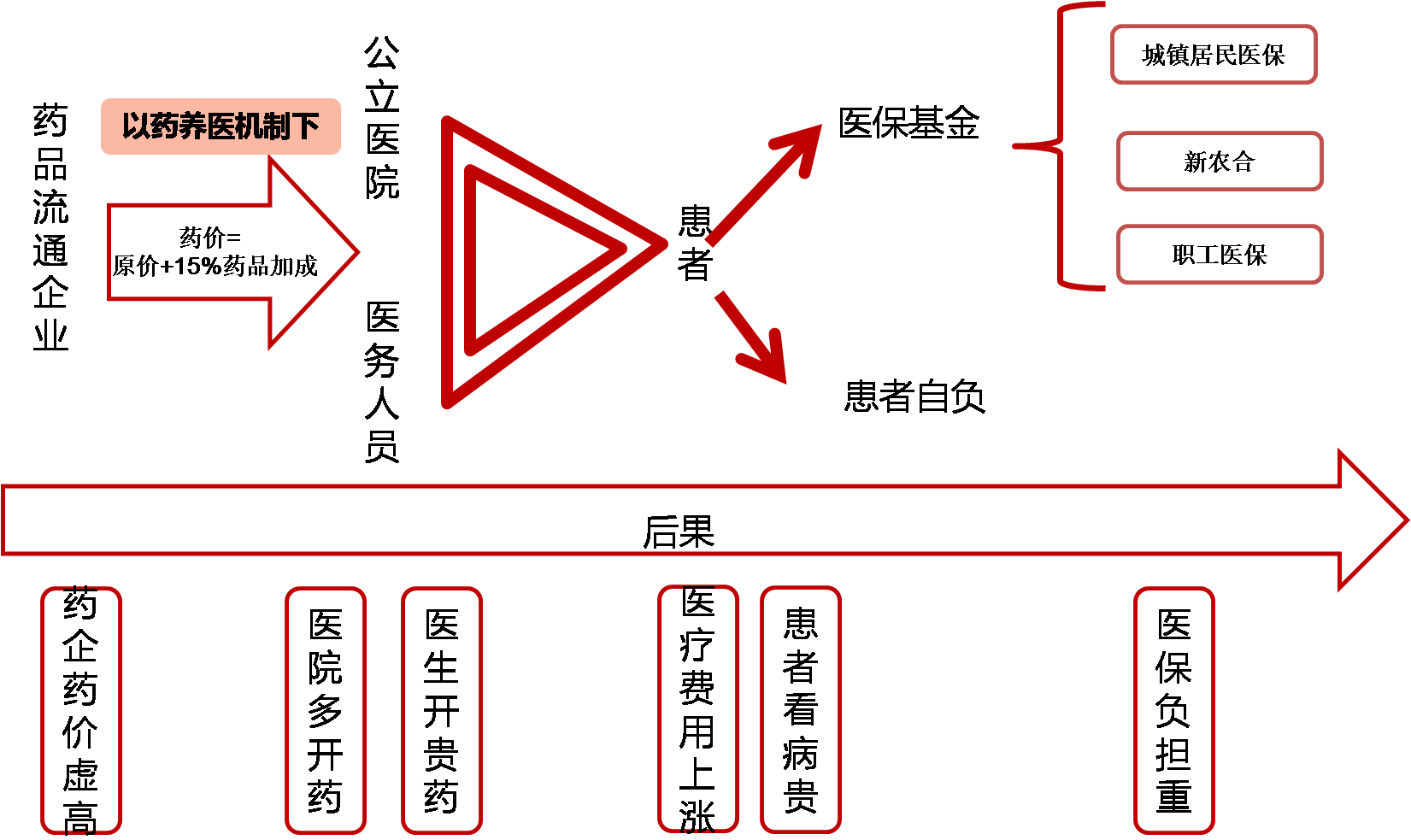
Figure 30: The Core of Healthcare Reform Is to Eliminate the Practice of Subsidizing Hospitals with Drug Profits
Recognizing problems is easy; solving them is difficult. This statement aptly describes the healthcare industry as well. Ultimately, there are two main reasons: 1) The healthcare sector involves numerous stakeholders with complex interrelationships; 2) Over the past two decades, the practice of subsidizing medical services through drug sales has created a large group of vested interests, hindering the progress of reform.
For healthcare reform to succeed, it is essential to first streamline the relationships among all stakeholders and then use administrative measures to break up the distribution of vested interests. As shown in the figure below, China’s healthcare security system can be divided into two major subsystems: prevention and treatment, with the treatment system serving as the main component.
The prevention system includes: specialized prevention organizations and grassroots prevention organizations.
The treatment system includes: the medical security system, the medical service system, and the pharmaceutical supply system.
Therefore, we believe that the prerequisite for successful healthcare reform is its advancement under the coordinated framework of the "three-medical-linkage" model.
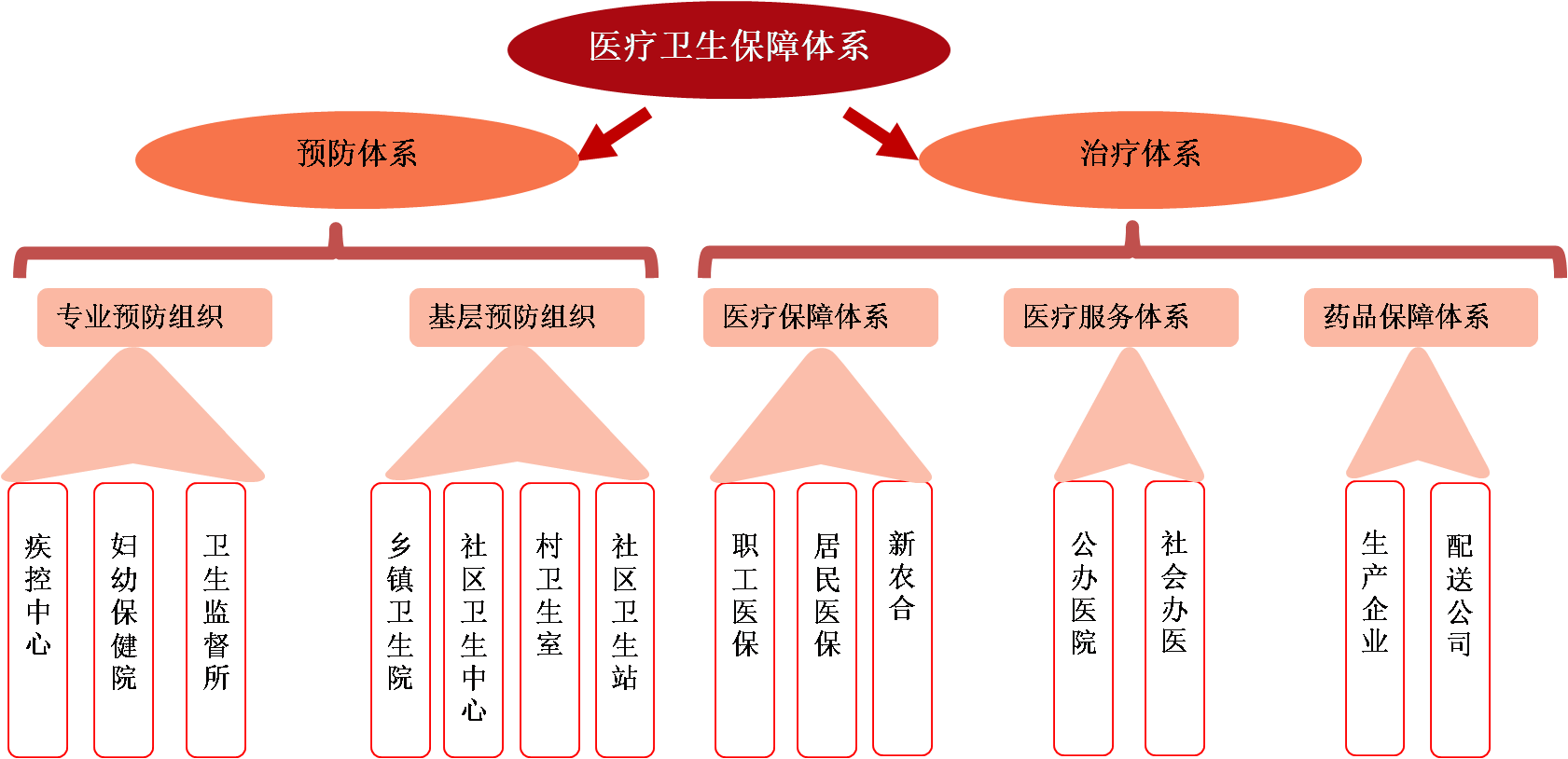
Figure 31: China’s Healthcare System Is a Complex Organizational Entity
■ Healthcare Reform Equals Public Hospital Reform
China has a diverse array of healthcare service providers, including specialized preventive organizations such as Centers for Disease Control and Prevention (CDCs) and Maternal and Child Health Hospitals; primary-level preventive organizations such as community health centers and village clinics; and medical service institutions such as public and private hospitals. However, the planned-economy characteristics of the healthcare system are highly pronounced, with medical resources predominantly concentrated in public hospitals, whose administrative nature significantly impedes the market-based allocation of medical resources.
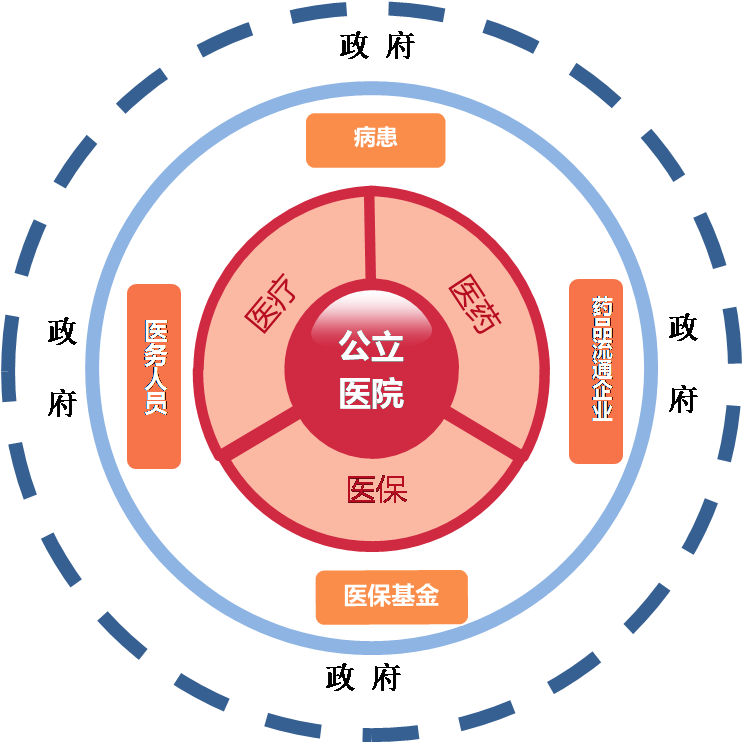
Figure 32: Public Hospitals Are the Core of the Healthcare System
The “2015 Report on the Development of Private Hospitals in China” shows that in 2013, the number of hospital beds in public hospitals in China reached 3.86 million, accounting for 85% of the total, while private hospitals had only 710,000 beds. Public hospitals handled 2.555 billion patient visits, representing nearly 90% of the total, whereas private hospitals recorded only 287 million visits. It is evident that public hospitals occupy a concentrated and dominant position on the supply side of the healthcare industry.The core of healthcare reform is the reform of public hospitals.
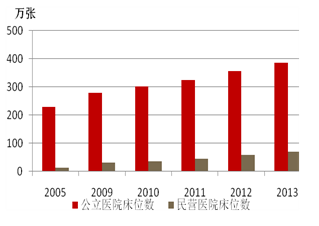
Figure 33: Public hospitals account for 85% of total hospital beds
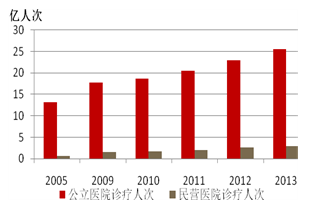
Figure 34: Public Hospitals Account for Nearly 90% of Total Patient Visits
The difficulties in reforming public hospitals lie in two aspects: 1) fragmented regulatory authority; and 2) the profit-driven nature of hospitals. These issues have led to mutual shirking of responsibilities among stakeholders during the reform process, making it difficult to implement relevant policies.
Fragmented Regulatory Authority: Public hospitals are subject to multi-headed leadership, involving not only the National Health and Family Planning Commission, the Ministry of Human Resources and Social Security, the National Development and Reform Commission, the Ministry of Finance, and the China Food and Drug Administration, but also various universities. The lack of effective oversight makes it difficult for public hospitals and their directors to proactively drive reforms under the legacy benefit-distribution mechanism.
**The Profit-Seeking Nature of Hospitals:** The profit-seeking orientation of hospitals originated in the 1990s, during the transition from a planned economy to a market economy. In the absence of adequate fiscal support, hospitals were required to be financially self-sufficient, leading to the establishment of a drug markup system. After more than two decades of entrenchment, hospitals and physicians have become integral components of the benefit distribution chain under the “drug-revenue-subsidized healthcare” model, leaving them with little incentive to advance reforms and even prompting opposition to such efforts.
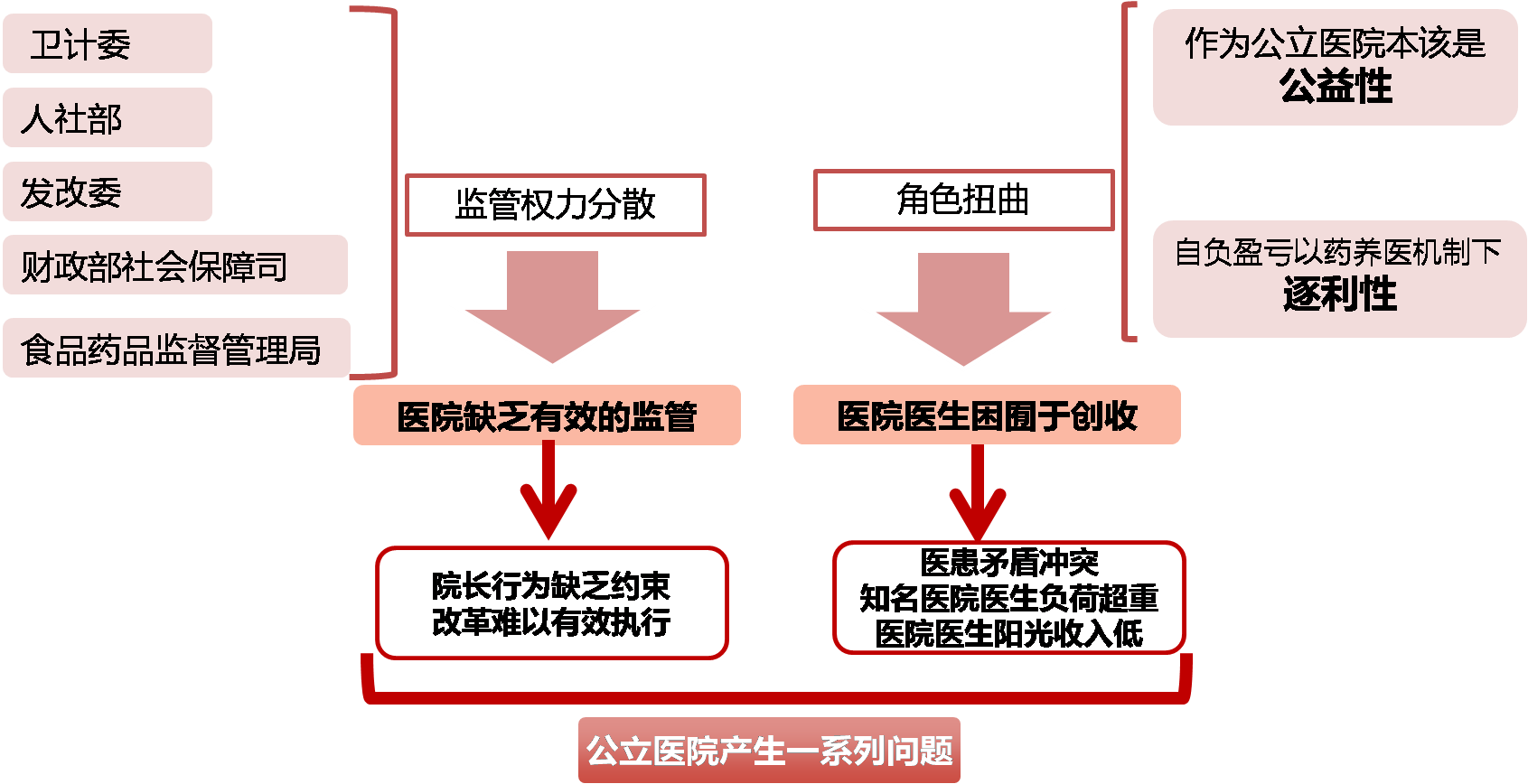 Figure 35: Two Major Dilemmas in Public Hospital Reform
■ Reforming Medical Insurance: Unification Is Key
China’s basic medical security system is primarily composed of three pillars: urban employee basic medical insurance, urban resident basic medical insurance, and the New Rural Cooperative Medical Scheme (NRCMS), supplemented by commercial health insurance, social medical assistance, civil affairs medical aid, and trade union medical mutual aid. The most pressing issue facing the current medical insurance system is its lack of uniformity, including inconsistent regulatory oversight (with the NRCMS under the National Health and Family Planning Commission, while urban employee and resident schemes fall under the Ministry of Human Resources and Social Security), divergent reimbursement formularies, varying contribution standards, and differing reimbursement rates, which severely impede the progress of healthcare reform. Therefore,The Key to Reforming Medical Insurance Is to Unify the Payer。
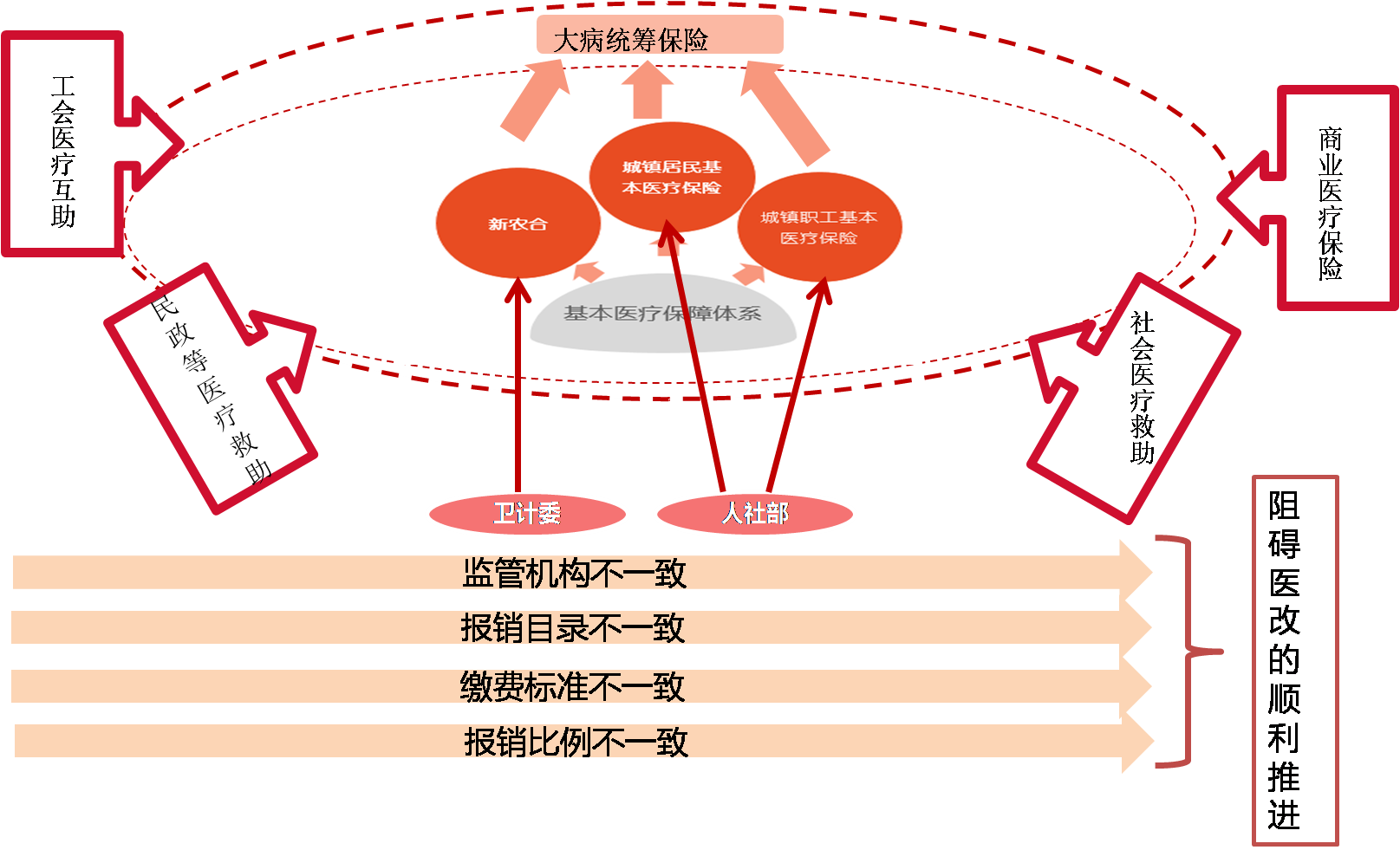
Figure 36: The Key to Reforming Medical Insurance Is Unifying the “Payer”
■ Reforming Pharmaceuticals: Channel Waste Is a Malignant Tumor
Due to the unique characteristics of the healthcare industry and pharmaceutical products, channel transformation in the pharmaceutical sector has been the slowest. As shown in the figure below, the market size of pharmaceutical distribution channels is four times that of the pharmaceutical product market itself. This discrepancy encompasses numerous rent-seeking activities and constitutes a key mechanism behind the practice of subsidizing healthcare providers with drug profits. Drawing on channel transformations in other industries, there are two potential pathways: 1) Market-driven approaches, such as the impact of e-commerce, though pharmaceutical e-commerce must await the liberalization of electronic prescriptions; 2) Administrative measures, such as healthcare reform, to forcibly break the ice.
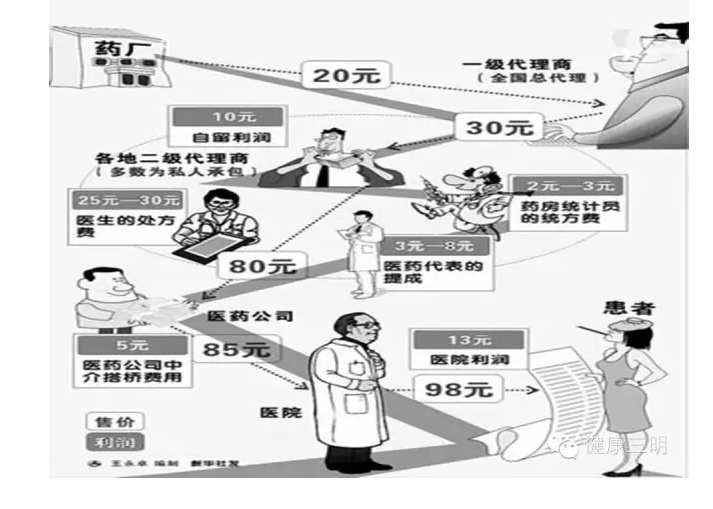
Figure 37: The retail price of drugs is five times the ex-factory price
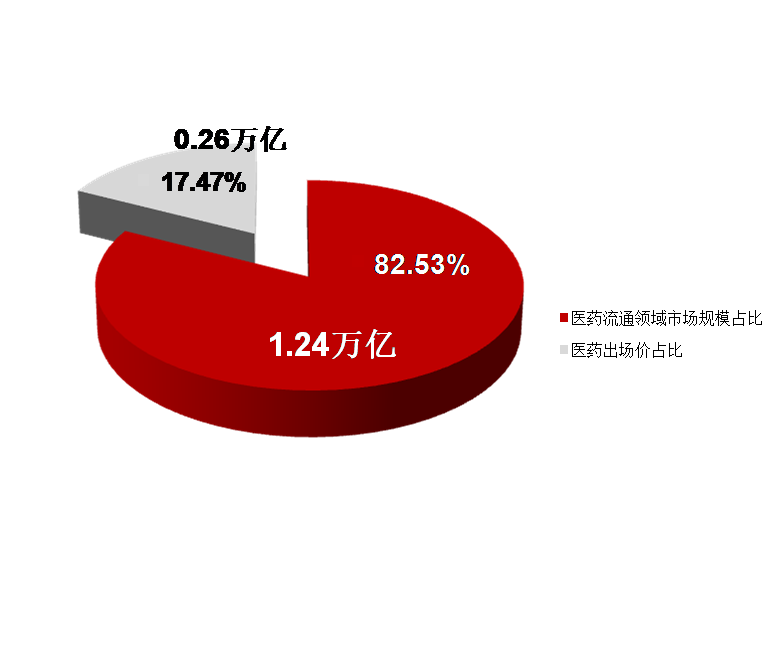
Figure 38: The market size of pharmaceutical distribution reached RMB 1.24 trillion in 2014
Based on an assessment of the practical challenges and reform directions in healthcare delivery, health insurance, and pharmaceuticals, we have summarized the general trajectory of healthcare reform under the “Three-Medical Linkage” framework. However, tailored adjustments should be made according to the specific conditions of each city or region.
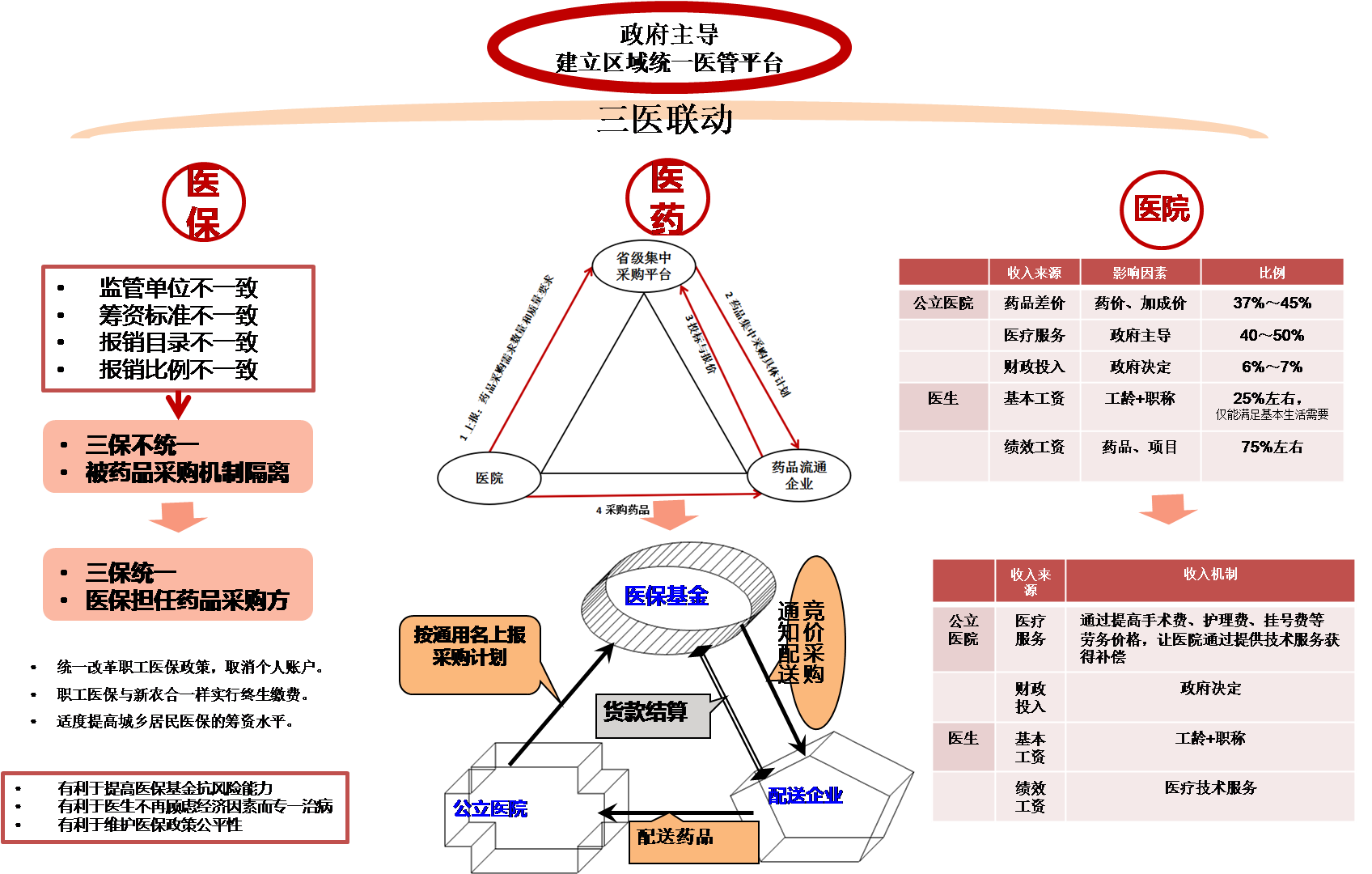
Figure 39: The Major Direction of Healthcare Reform: Tripartite Coordination Among Medical Care, Health Insurance, and Pharmaceuticals Under a Unified Regional Healthcare Management Platform
China’s new healthcare reform was launched in 2009. By reviewing annual healthcare reform policies, we believe that the initial phase of reforms primarily focused on expanding health insurance coverage and piloting reform initiatives. With mixed outcomes, these efforts laid the foundation for the subsequent introduction of comprehensive healthcare reform plans.
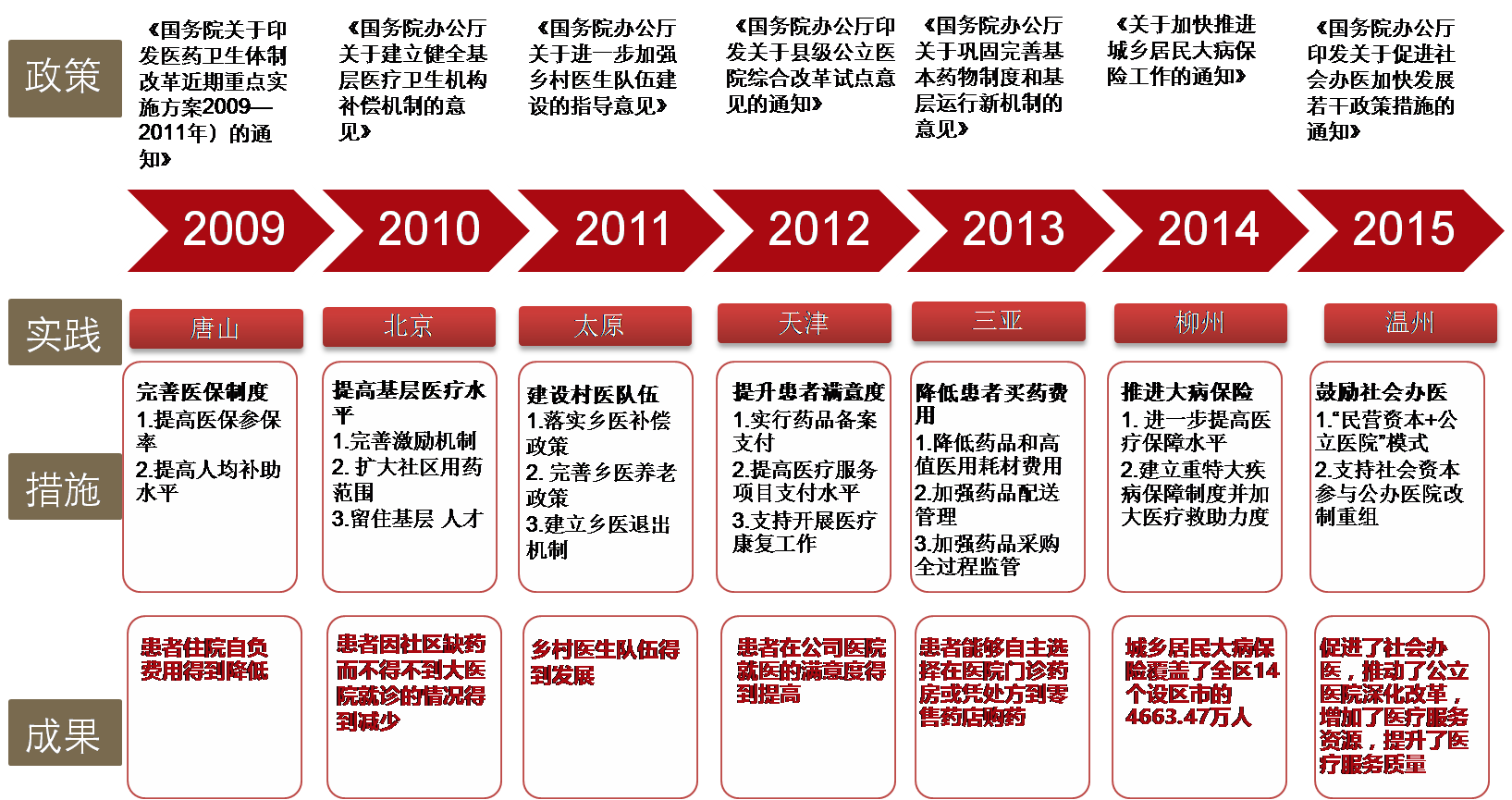
Figure 40: The New Healthcare Reform Was Launched in 2009
Pilot programs for healthcare reform were progressively rolled out in 100 cities in 2010, 2014, and 2015, with the first and second batches of pilot cities being particularly representative. Following extensive piloting, the 2016 healthcare reform plan expanded the initiative to 200 prefecture-level cities.
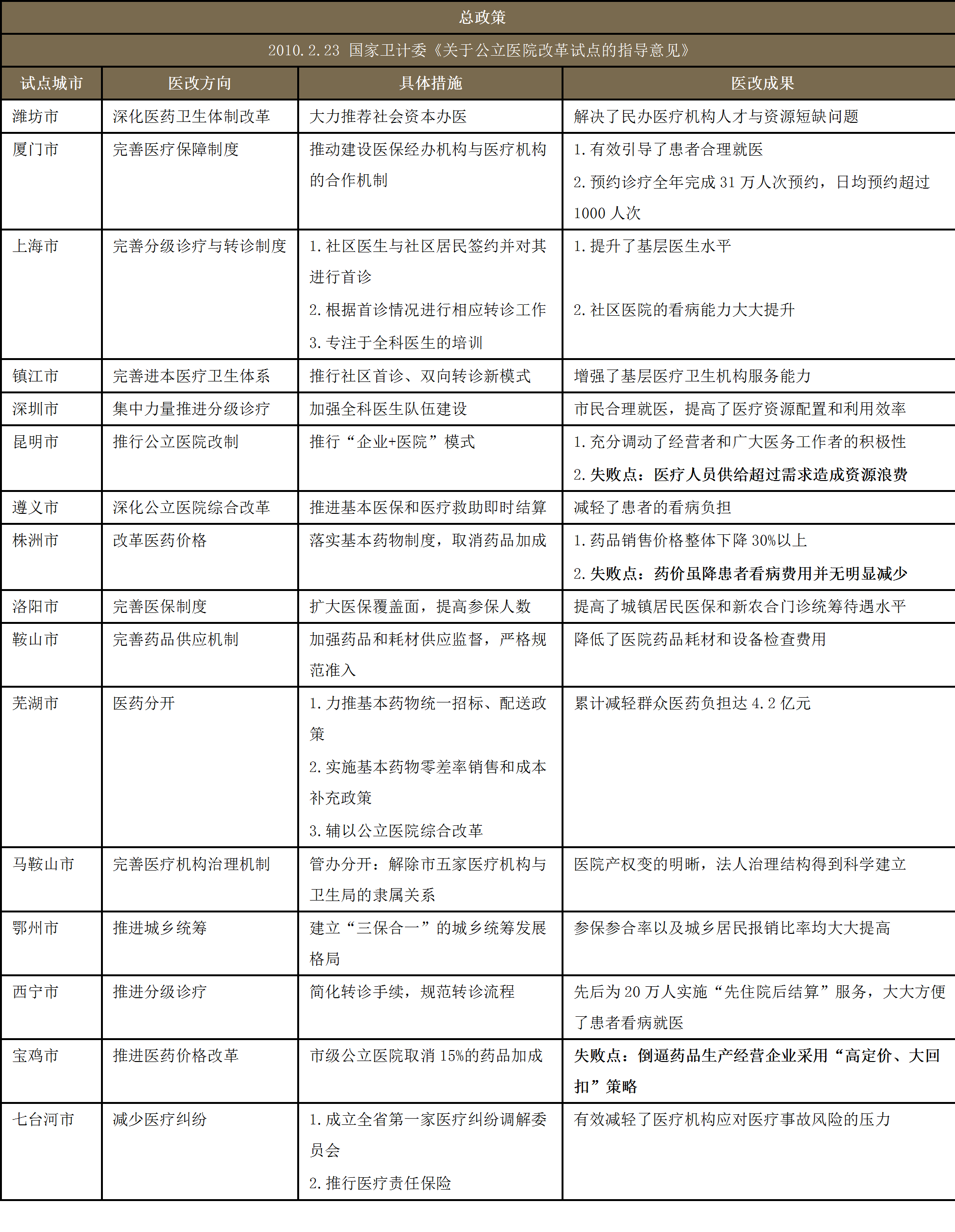
Figure 41: The First Batch of 16 Pilot Cities for Healthcare Reform in 2010
In the first batch of 16 pilot city plans in 2010, we saw that Zhuzhou City and Baoji City attempted to advance medical price reforms, but ultimately both failed. This demonstrates that the long-established benefit distribution mechanism within the pharmaceutical industry constitutes a significant obstacle.
Through our research into the healthcare industry, we have identified two prevailing debates regarding reform: 1) Administrative intervention should yield to market forces, employing market-based mechanisms to align supply and demand, with government oversight following thereafter; 2) Administrative measures should first be used to dismantle the profit-driven mechanism of “subsidizing hospitals through drug sales,” after which market-based approaches are introduced to enhance market vitality and balance supply and demand.
Faced with the social reality of “rigid control leading to stagnation, and deregulation resulting in chaos,” we are more inclined to choose the second option. Because the healthcare industry plays a role in maintaining social stability and providing public welfare guarantees, administrative management will maximize the protection of medical needs for grassroots residents.
Suqian’s healthcare reform, initiated in 2000 as a typical example of market-oriented reforms, saw the government fully divest from the operation of public hospitals and extensively introduce social capital. After nearly a decade of implementation, the problem of “high medical costs” for patients became increasingly severe, ultimately necessitating a complete overhaul of the system.
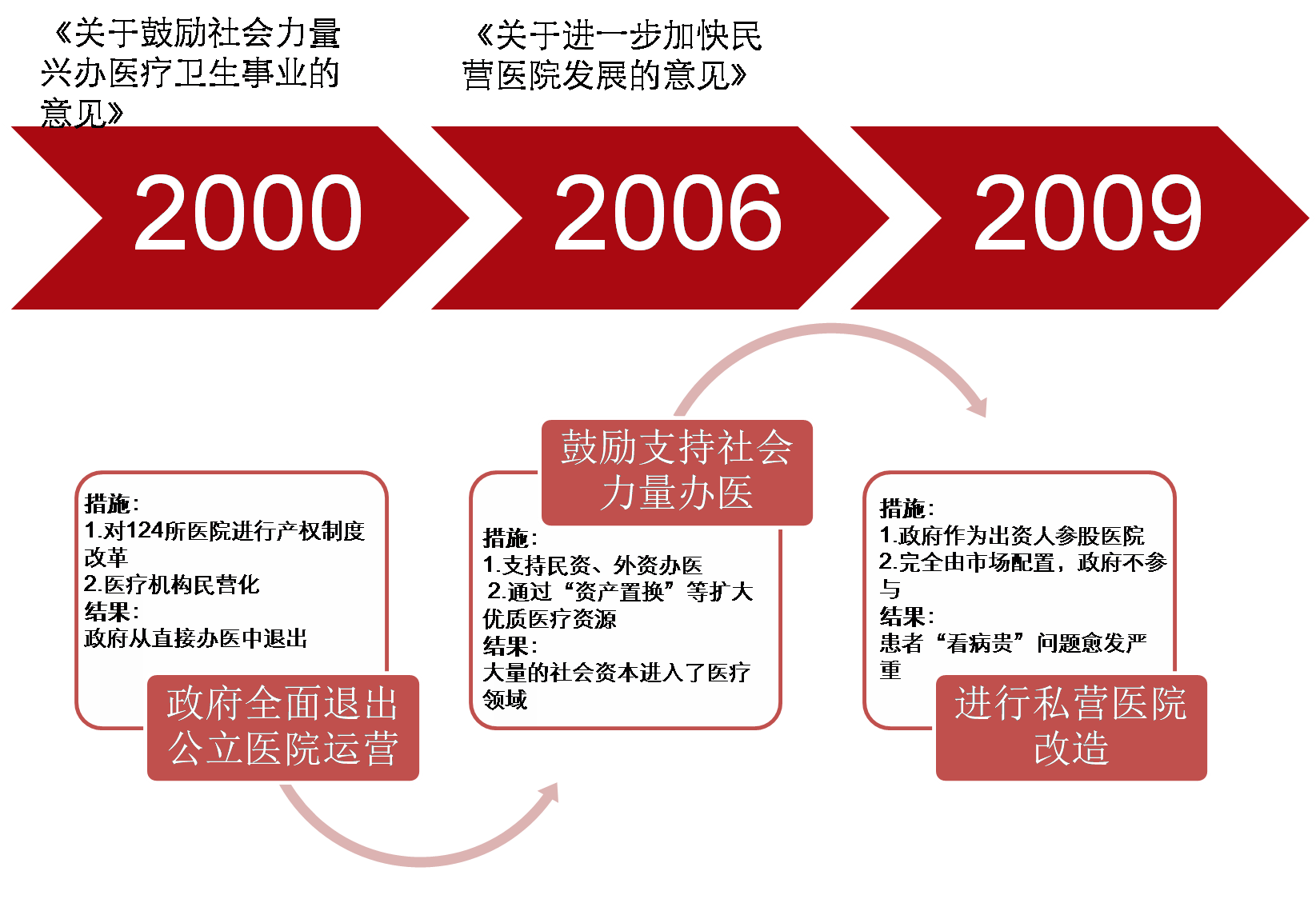
Figure 42: Case Study of Market-Oriented Healthcare Reform: The Suqian Healthcare Reform
The Sanming Healthcare Reform, initiated in 2012, is a government-led comprehensive healthcare reform initiative. The municipal government established a Healthcare Management Center to implement unified administration and promote the coordinated development of medical care, health insurance, and pharmaceutical supply (known as the “Three-Medical Linkage”). Supporting policies have been introduced for each specific sector to fundamentally sever the interest chain of subsidizing healthcare providers through drug profits.
In response to declining drug prices and the resulting drop in hospital and physician incomes, fiscal support will be provided to underpin a transitional period during which the performance evaluation systems for hospitals and physicians are restructured, ultimately paving the way for the introduction of market-driven forces.
In response to the reduction in pharmaceutical product portfolios, the Medical Management Center has established a review committee to comprehensively evaluate the cost-effectiveness of drugs and is seeking to enhance bargaining power through joint procurement with other regions.
We believe that the healthcare reform initiative in Sanming has achieved certain short-term results, and its core principles and methodology are replicable, thereby facilitating the comprehensive advancement of healthcare reform across China.
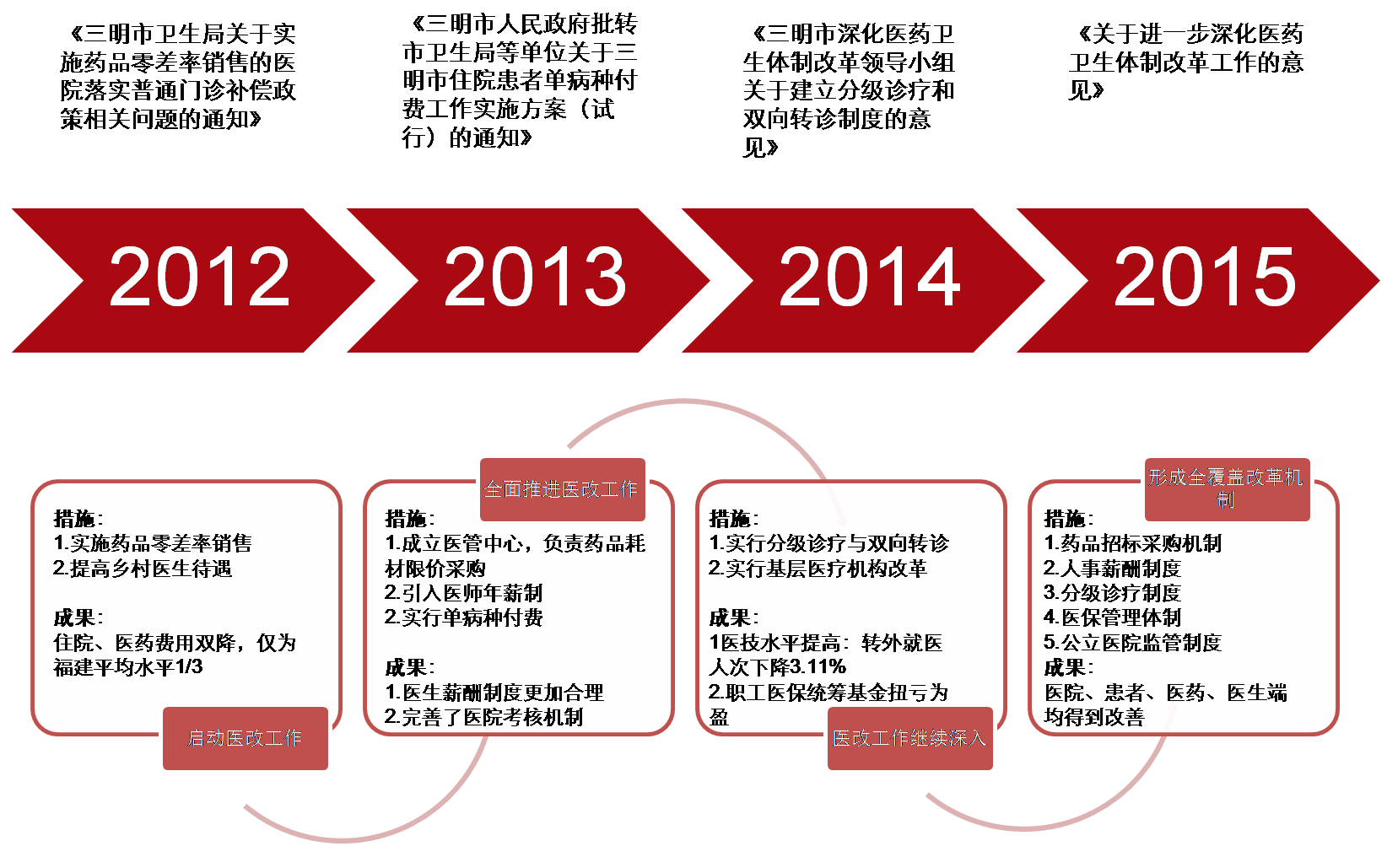
Figure 43: Case of Administrative Healthcare Reform: The Sanming Model
After four years of healthcare reform in Sanming, improvements have been achieved across hospitals, patients, the pharmaceutical industry, medical insurance, and physicians. However, we believe this is only the beginning, as administrative measures alone cannot resolve all issues. The core focus of the next phase of healthcare reform will be: 1) addressing unreasonable problems arising during the reform process (such as rigid operational protocols) through dynamic error-correction mechanisms; and 2) introducing market-based approaches to better align supply and demand structures in the healthcare market. The government will revert to its role of establishing institutional frameworks and providing regulatory oversight.
■ Employee Health Insurance: The pooled fund has turned a profit after losses.
The driving force behind the Sanming healthcare reform was the continuous deterioration of the medical insurance fund’s financial structure. Amid a declining number of contributors, a growing retiree population, and a steadily decreasing dependency ratio, the reform achieved significant improvements over three years: the employee basic medical insurance fund shifted from a deficit of RMB 210 million before the reform to a surplus of RMB 86 million; the average hospitalization cost per employee decreased from RMB 6,600 to RMB 5,200; and the financial structure of the medical insurance system improved markedly.
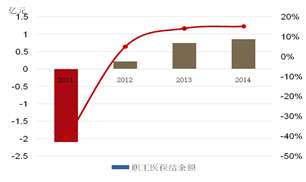
Figure 44: Employee Basic Medical Insurance shifted from a deficit of RMB 210 million to a surplus of RMB 86 million
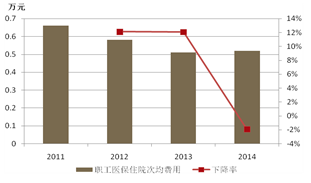
Figure 45: The average hospitalization cost per employee decreased by 20%
■ Hospital Side: Significant Increase in the Proportion of Medical Service Revenue
By reconstructing a scientific performance evaluation system, fully implementing the annual salary system for hospital directors and physicians, and adjusting medical service prices, hospitals’ financial interests are decoupled from pharmaceutical sales, enabling them to focus more on medical care itself. Through a three-year pilot of healthcare reform, the proportion of medical service revenue in hospitals has increased significantly.
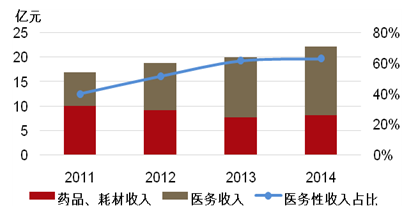
Figure 46: The proportion of medical service revenue increased from 39.92% to 63.06%
In 2014, the proportion of patients referred for medical treatment outside the local area decreased by 3.11 percentage points compared to 2011, while the share of insurance fund expenditures for such referrals dropped by 0.73 percentage points. Meanwhile, from 2010 to 2014, there was a net inflow of 844 healthcare professionals.
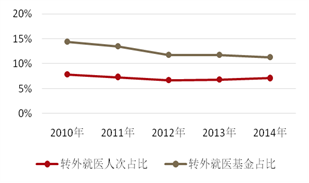
Figure 47: Decline in Out-of-Area Medical Referrals
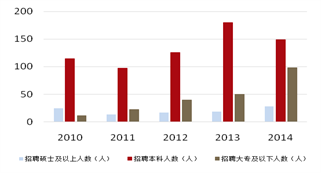
Figure 48: Net Inflow of Talent Totaled 844 from 2010 to 2014
■ Patient Side: Dual Decline in Inpatient and Medication Costs
For patients, the difficulties of accessing medical care and the high costs of treatment are two distinct issues that require separate solutions. Healthcare reform can moderately address the issue of high costs, while resolving the problem of limited access requires introducing market forces and increasing the supply of medical services.
From the perspective of patient reimbursement rates in Sanming in 2014, the reimbursement rates for urban employees, urban residents, and the New Rural Cooperative Medical Scheme were all higher than the national average.
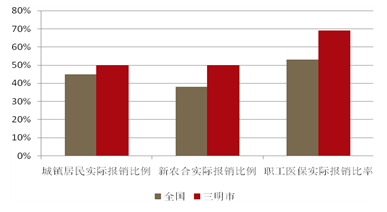
Figure 49: In 2014, the reimbursement rates for patients in Sanming were all higher than the national average
In 2015, Sanming had the lowest average cost per visit in the province, primarily due to significantly lower medication costs compared to other cities in the province.
■ Physician Side: Income increased by over 100% compared to 2011
By introducing a reasonable performance assessment mechanism and providing financial subsidies, doctors’ transparent income has significantly increased.
Under the new assessment scheme, performance evaluations are decoupled from sales revenues of pharmaceuticals and medical consumables, as well as from income generated by diagnostic imaging and laboratory tests, thereby effectively curbing excessive prescribing and over-testing in hospitals and reducing healthcare expenditure.Achieve the dual effect of reducing patients’ medical expenses and lowering expenditures from the basic medical insurance fund; link these outcomes to healthcare service revenue and hospital directors’ performance evaluations, thereby compelling hospitals to improve their assessment and evaluation systems.
Meanwhile, the annual salary system is implemented to safeguard physicians’ income.
Clinical Medical Technologist > More than three times the average salary level of local public institutions
Nursing Salaries Slightly Exceed the Average for Teachers
Skilled Worker = Standard based on the average salary level of public institutions
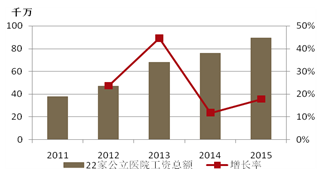
Figure 51: Total hospital wages in 2015 increased by 135% compared to 2011
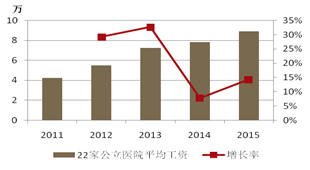
Figure 52: The average physician salary in 2015 increased by 111% compared to 2011
■ Pharmaceutical Sector: Significant Decline in Drug Prices
Sanming’s pharmaceutical centralized procurement and bidding system has undergone the most significant changes. By implementing a zero-markup policy for drugs and consumables, it severed the hospital revenue chain of “subsidizing medical services with drug profits.”
Monitoring of Key Medications: Establish a Blacklist System; Sign Commitments to Ethical Medical Practice; Implement a Dean Responsibility System for Combating Commercial Bribery in Pharmaceutical Procurement and Sales.
Implement Price-Capped Procurement: Citywide price-capped procurement of medications for medical institutions.
Implement joint price-capped procurement for medical consumables (diagnostic reagents): establish an expert pool for medical consumables (diagnostic reagents); collect data on the clinical use of medical consumables; and carry out joint price-capped procurement for medical consumables (reagents).
After three years of pilot healthcare reform, the procurement prices for both essential and non-essential medicines have dropped significantly.
The new procurement mechanism implements the “Two-Invoice System”: one VAT invoice is issued from the pharmaceutical manufacturer to the hospital, and another from the hospital to the patient. This ensures drug traceability and transparent pricing.
Implement the "One Drug, Two Specifications" Policy: Limit each drug variety to two specifications to prevent physicians from selecting rebate-driven variants of the same medication, thereby avoiding dual waste in both volume and cost.
Distributor advances are prepaid by the fiscal authority.
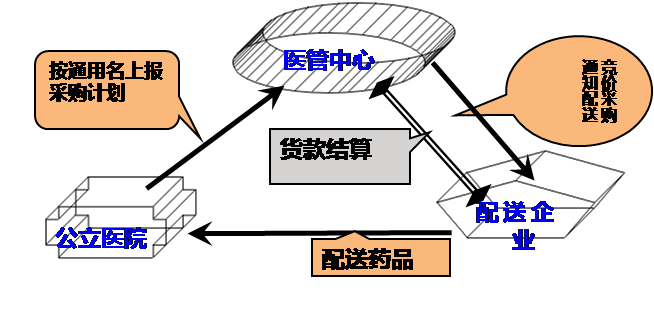
Figure 55: “Two-Invoice System + One Product, Two Specifications” Procurement Mechanism
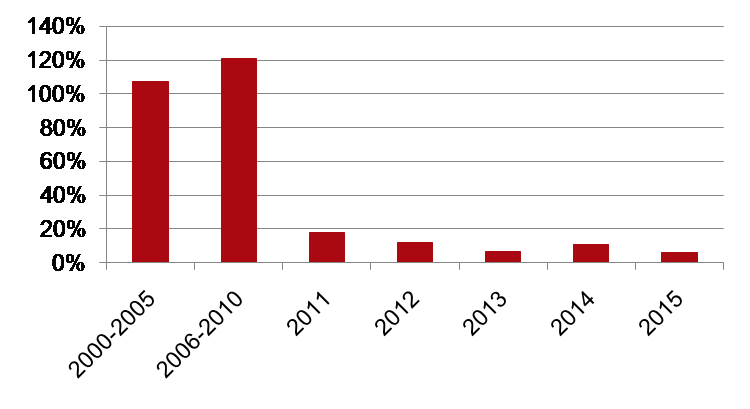
Figure 56: Comparison of Pharmaceutical Revenue Growth Rates Among 22 Public Hospitals in Sanming
Investment Logic for Medical Big Data:
Commercial Operation Rights Are Granted to the Party That Satisfies the Demands of All Three Stakeholders
The commercial value of big data in healthcare is immense. Acquiring the rights to its commercial operation requires meeting two conditions: 1) breaking the existing interest chains in the healthcare industry through healthcare reform, thereby incentivizing hospitals to genuinely share their data; and 2) acquiring healthcare big data through the informatization initiatives of hospitals and medical insurance systems, and standardizing it.
From a regional perspective, we believe that the development of medical big data at the prefecture-level city level holds greater value and is easier to implement. This is evident from the fact that the national healthcare reform pilots also began in prefecture-level cities, for three reasons:
Prefecture-level cities boast relatively abundant medical resources, with tertiary Grade A hospitals and primary care facilities effectively complementing each other.
In terms of patient healthcare-seeking behavior, the proportion of local visits is relatively high, with distinct regional characteristics.
As the payer, medical insurance is managed at the prefecture-level city level.
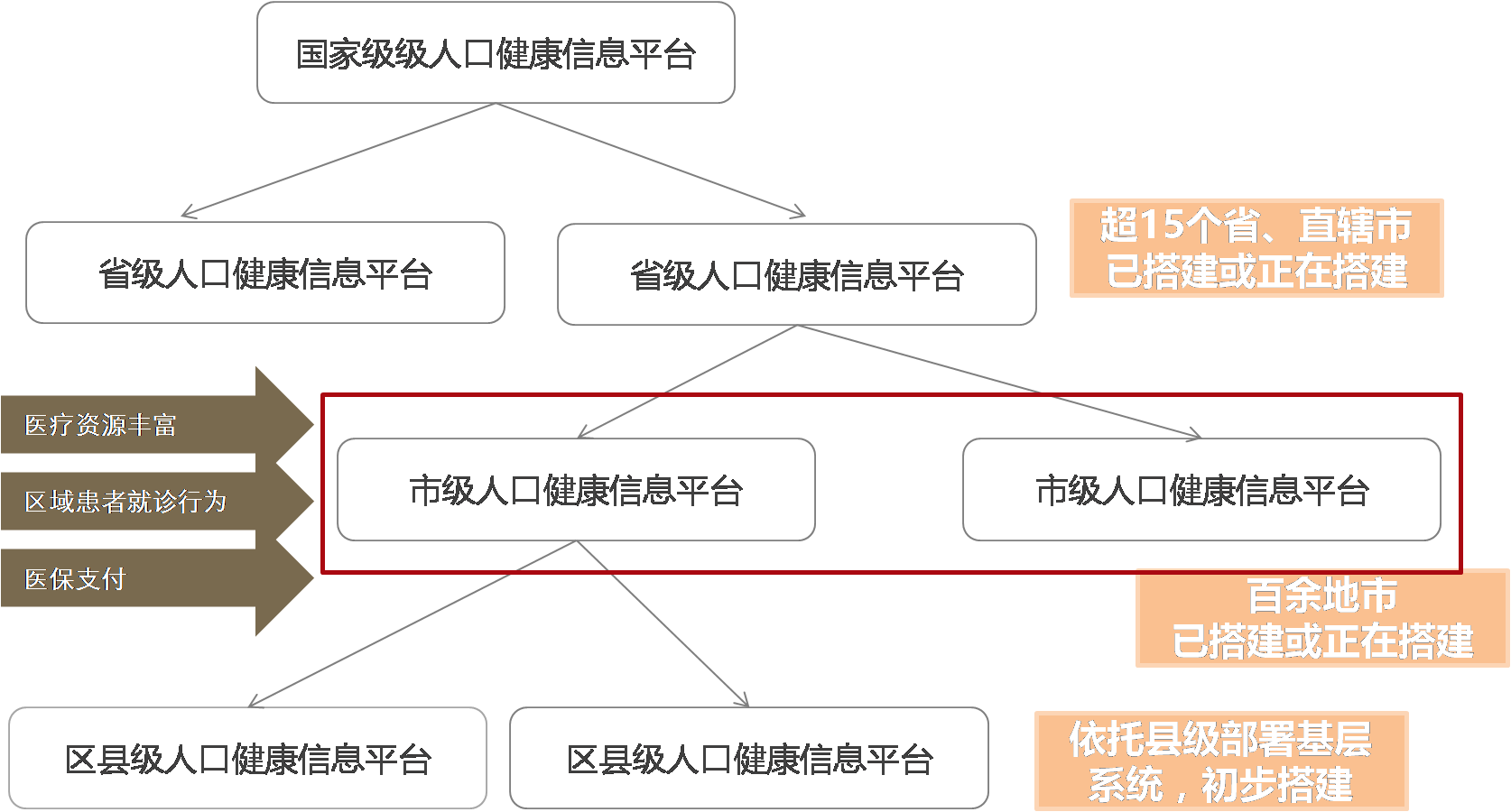
Figure 57: Prefecture-Level Platforms Offer the Greatest Commercial Value
We have categorized the demands of local governments, hospitals, and medical insurance authorities; only by satisfying all three parties can the commercial operation of healthcare big data be truly realized.
Local Government’s Requests: 1) Assist in designing the top-level healthcare reform plan under the advancement of the new healthcare reform; 2) Build a regional health information platform to better manage the health of residents in the region.
Hospital Requirements: 1) In-hospital informatization construction; 2) Informatization construction of the primary healthcare system; 3) After abolishing the practice of subsidizing hospitals with drug markups, public hospitals must establish a two-way referral system for more efficient operations, which relies on the development of a regional tiered diagnosis and treatment system.
Demands of Medical Insurance: 1) Informatization Construction of Medical Insurance; 2) Cost Control in Medical Insurance.
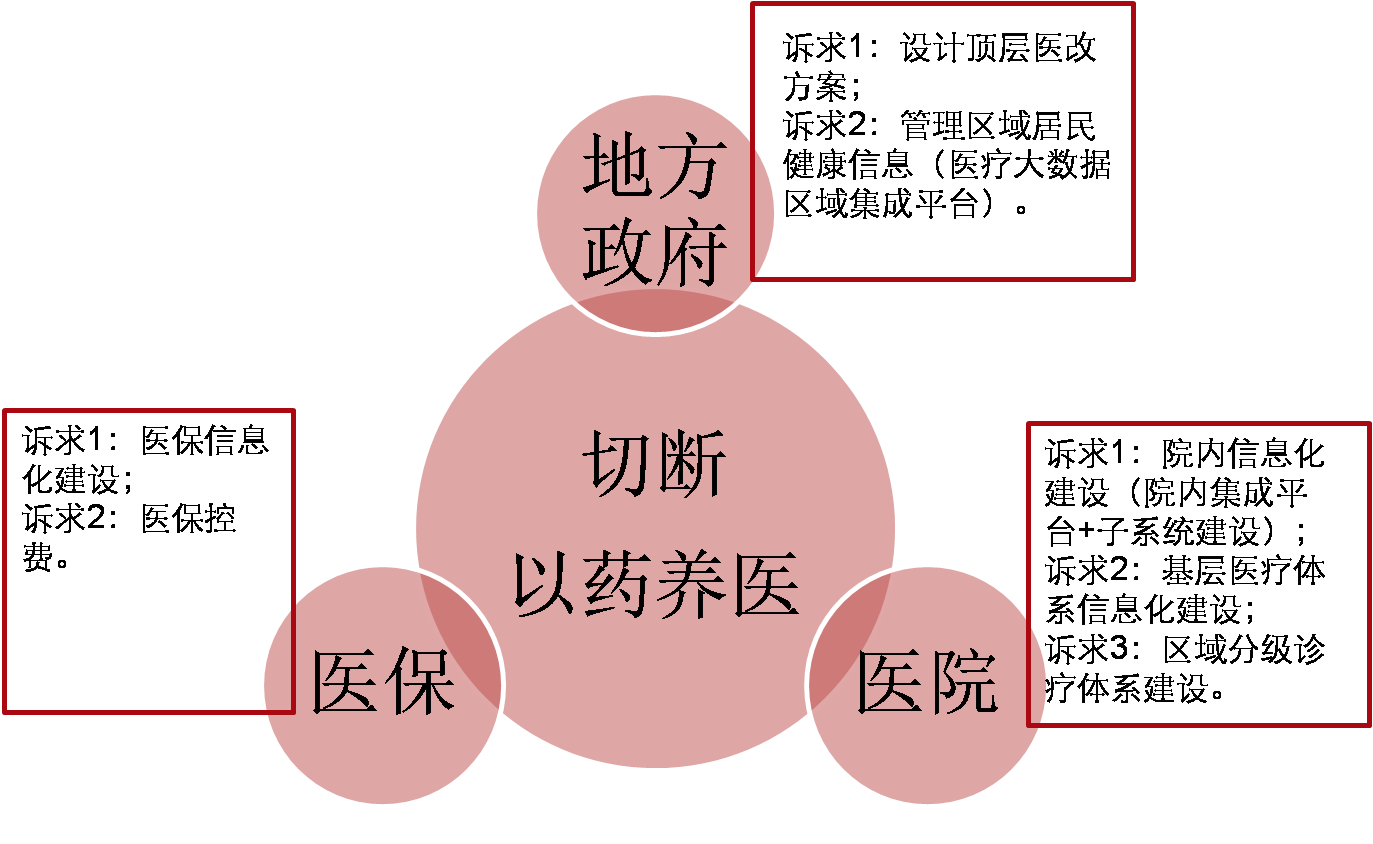
Figure 58: Operationalizing Healthcare Big Data Must Meet the Demands of Three Parties
Report Source: Founder Securities