

FDA Approves First Artificial Pancreas for Type 1 Diabetes: Medtronic's MiniMed 670G Set for Commercial Launch
By Yuan Bingling
For patients with diabetes, a policy recently approved by the FDA is undoubtedly of significant importance! On Wednesday, the U.S. Food and Drug Administration (FDA) approved the first artificial pancreas device (Medtronic’s new MiniMed 670G system), an external device designed to alleviate the daily management burden for some patients with diabetes and help maintain stable blood glucose levels. This technology is expected to become available in the first quarter of next year for patients with type 1 diabetes aged 14 years and older.
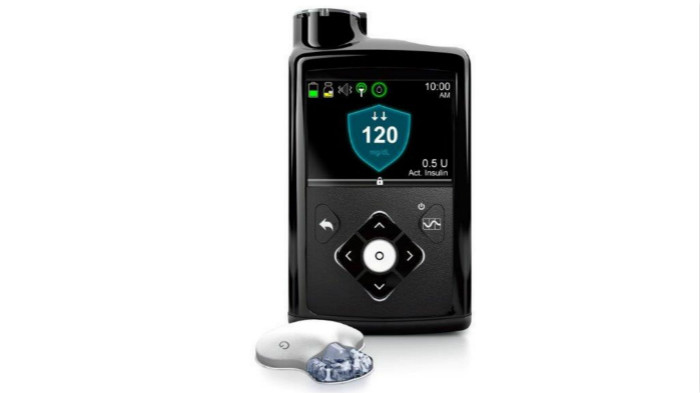
Medtronic's First Artificial PancreasMiniMed 670G
Functionally, the artificial pancreas device resembles a smartphone. It is designed to automatically monitor and manage insulin delivery for patients with type 1 diabetes who have impaired endogenous insulin production. The device wirelessly connects an insulin pump with a glucose monitoring system, allowing patients to partially offload the process of detecting and adjusting blood glucose levels. The sensor measures blood glucose levels every five minutes and administers or suspends insulin as needed. However, patients still need to manually manage their glucose levels before meals.
Doctors, they have long anticipated this device capable of automatically monitoring patients around the clock. Currently, patients with type 1 diabetes must manage their insulin levels through multiple injections or insulin pumps, a cumbersome process that exposes them to the risks associated with hyperglycemia, cardiovascular disease, and numerous other health complications. Concerns also persist within the diabetes community, particularly regarding the potential high cost of new devices, which could remain out of reach for patients already struggling to cope with skyrocketing insulin prices.
Currently, Medtronic has not announced the planned price for its artificial pancreas device. However, spokesperson Leslie Bryant indicated that the company expects to provide a reference based on “the current pricing of Medtronic’s pump systems” and will negotiate with health plans to ensure patient access.
Medtronic’s application was approved following a study that evaluated the progress of 123 patients with type 1 diabetes using artificial pancreas devices. No patients reported complications such as hyperglycemia or hypoglycemia, which can result from inadequate monitoring. Medtronic is also evaluating the use of artificial pancreas devices in pediatric patients. Jonathan Platt, a 13-year-old patient, continued to use the device after the trial concluded, and his blood glucose instability improved significantly after the initial adjustment period.
The approval of artificial pancreas devices has drawn enthusiastic acclaim from JDRF, the world’s largest charitable funder of type 1 diabetes research. Over the past decade, JDRF (Juvenile Diabetes Research Foundation) has significantly expanded access to these devices on the market by funding research and lobbying the federal government. Derek Rapp, President of JDRF, expressed delight that this system will help people lead fuller, safer, and higher-quality lives. Rapp also emphasized that it is crucial for individuals not only to afford the basic device but also to be able to purchase disposable supplies such as infusion sets, reservoirs, and adhesive tapes.