

Business Model Innovation in U.S. Commercial Health Insurance: Integration of Insurance, Healthcare Services, and Digital Platforms
Recently, Founder Securities released an industry report titled “Commercial Insurance Completes the Business Model Loop for Internet Healthcare.” The report offers constructive insights on breaking the current impasse in internet healthcare business models from the perspectives of healthcare reform and medical big data. VCBeat (WeChat Official Account: vcbeat) has distilled the core viewpoints into four chapters, which are being presented sequentially in recent days.
Although China and the United States differ significantly in several key factors influencing the health insurance market, such as social systems, levels of economic development, healthcare systems, and consumer spending habits, the highly developed and well-functioning U.S. commercial health insurance market offers valuable insights for China’s own development. In 2014, the U.S. commercial health insurance market reached $2.2 trillion, a 6% year-on-year increase. In terms of scale, the U.S. commercial health insurance market is more than 60 times larger than that of China.
Looking at the development history of commercial health insurance in the United States, we believe there are several important insights:
A fully marketized healthcare supply system and the rise of managed care are prerequisites for the development of health insurance.The emergence of employer-led health maintenance organizations, exemplified by the Kaiser Permanente model in the 1920s, and the provider-led “Blue Cross Blue Shield” plans in the 1930s, reflected that supply and demand in the U.S. healthcare market were entirely guided by market forces. Meanwhile, both types of organizations incorporated health maintenance characteristics, representing an early stage of managed care. Their emergence marked the beginning of the development of health insurance in the United States.
Group insurance should take precedence over individual insurance.In the United States, group insurance represents a critically important market. Driven by policy initiatives during the 1940s–1960s, U.S. commercial insurers extensively entered the group insurance market, which has since remained the mainstream segment of the U.S. health insurance industry. The individual insurance market began to develop rapidly only after the mandatory implementation of the Affordable Care Act (Obamacare) in 2010. However, due to substantial moral hazard and adverse selection risks associated with individual coverage, commercial insurers have demonstrated limited enthusiasm for this segment.
Insurance is the key to a closed commercial loop, and the dominance of managed care ultimately belongs to insurance.From the employer-led Kaiser Permanente model of the 1920s, to the healthcare institution-led “Blue Cross and Blue Shield” model of the 1930s, and then to the insurer-led HMO model of the 1970s, the underlying logic reflects the evolution of the healthcare market from a bilateral supply-demand structure into a commercial closed loop comprising “providers–payers–patients.”
Improvements in Payment Methods Unleash the Momentum for the Healthy Development of Health Insurance.In 1983, the United States began introducing and widely implementing the Diagnosis-Related Groups (DRGs) payment system, which significantly enhanced cost-containment capabilities in health insurance and spurred rapid growth in the U.S. commercial health insurance sector.
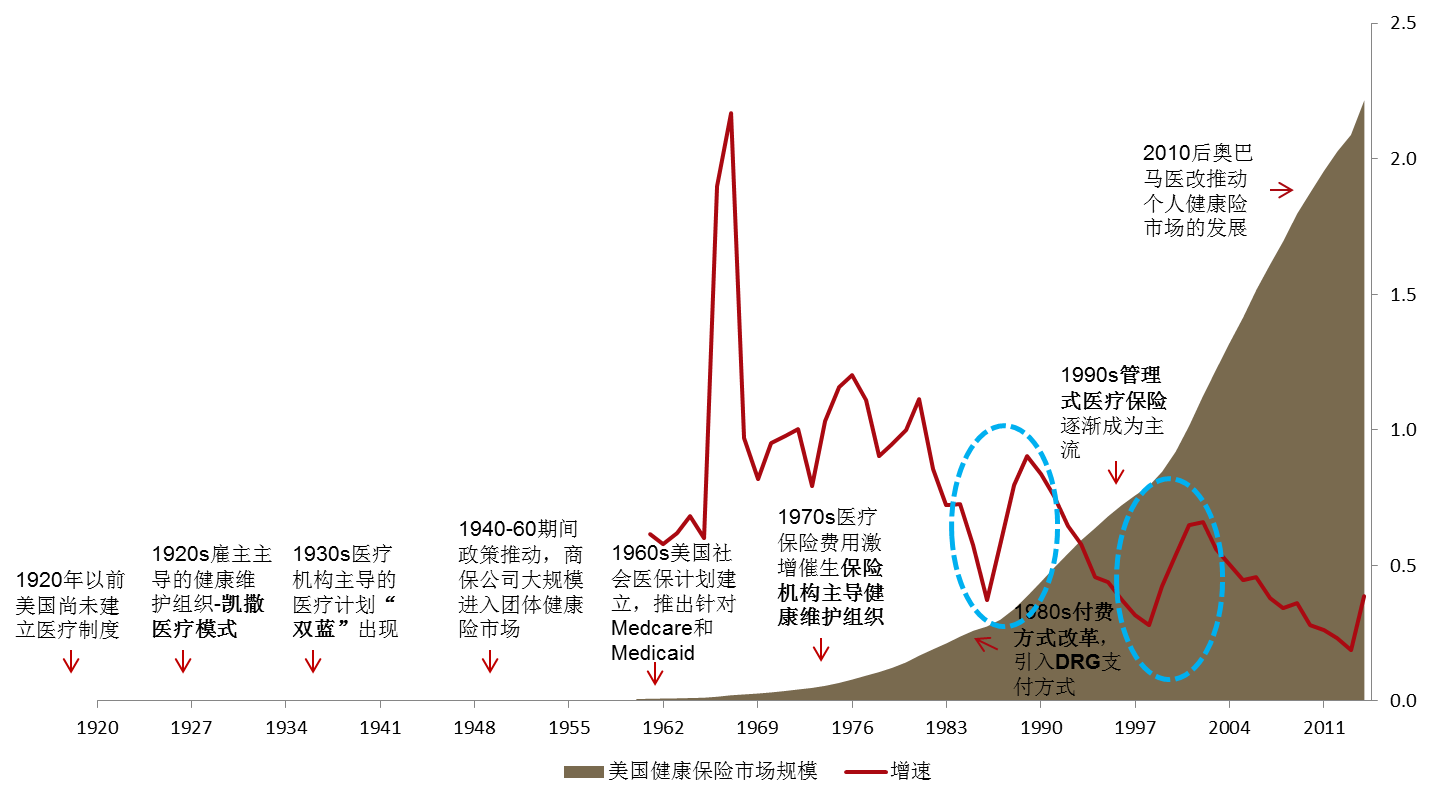
Figure 27: History of the Development of the U.S. Health Insurance Market
From an international perspective, health insurance in the United States has replaced medical services as the core of the entire healthcare industry chain. The top five commercial health insurers in the U.S. are UnitedHealth Group, Anthem, Humana, Aetna, and Cigna, all of which are Fortune Global 500 companies. In 2015, their premium revenues were $127.2 billion, $73.4 billion, $52.4 billion, $51.6 billion, and $29.6 billion, respectively.
An analysis of the operations of the top five commercial health insurance companies in the United States indicates that the health insurance industry can maintain stable profitability. (1) Unlike domestic health insurance companies, which are “investment-driven,” U.S. commercial health insurers achieve profitability through their underwriting operations. Investment income accounts for only a small proportion of total revenue and has shown a declining trend year by year; in 2015, investment income represented less than 3% of total revenue for the top five U.S. commercial health insurers. (2) Net profit margins have remained relatively stable, ranging between 2% and 6% in recent years. (3) The loss ratios for health insurance business have also remained stable, with four of the five companies reporting ratios between 80% and 85%. Cigna, which focuses on the premium market segment, has a lower loss ratio compared to its peers.
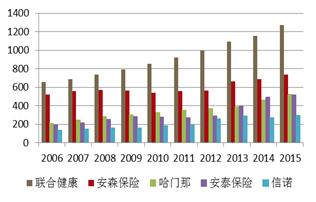
Figure 28: Premium Income Scale of Health Insurance Companies, 2006–2015
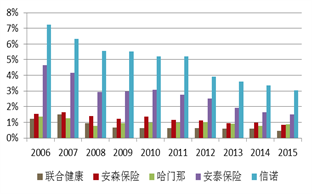
Figure 29: Investment Income/Revenue of Health Insurance Companies, 2006-2015
In the early stages of the development of commercial health insurance in the United States, traditional fee-for-service reimbursement products dominated, and insurance remained relatively disconnected from health services, with limited deep integration between the two. It was not until the passage of the Health Maintenance Organization Act of 1973 that health maintenance organizations (HMOs) emerged, gradually integrating health management services into health insurance as a key tool for risk management. Consequently, health management has also been referred to as health risk management. The joint participation of U.S. commercial health insurance and health risk management has effectively curbed the rapid growth of healthcare costs in the American medical and healthcare industry.
After more than 30 years of development, the operational model of U.S. health insurance completed its transition from traditional fee-for-service reimbursement to managed care in the 1990s, thereby establishing a fully integrated business model for health insurance. In terms of customer experience, managed care offers distinct advantages over traditional reimbursement models by incorporating health management and maintenance into health insurance services, thus enriching the scope of such services. Regarding cost control (medical cost containment), managed care has strengthened collaboration between healthcare providers and insurers, enhanced oversight of medical practices, promoted the rational use of medical resources, and mitigated the rapid rise in medical expenses driven by excessive medical interventions.
As the health industry chain matures, health insurance plays a pivotal bridging role within the entire healthcare ecosystem. Upstream, it integrates resources across health services, medical services, pharmaceuticals, and information sectors. Downstream, it aligns with patients’ health needs by delivering integrated service models. Consequently, new business models have emerged, including “Health Insurance + Healthcare,” “Health Insurance + Health Management,” “Health Insurance + PBM,” and “Health Insurance + Internet/PBM.”
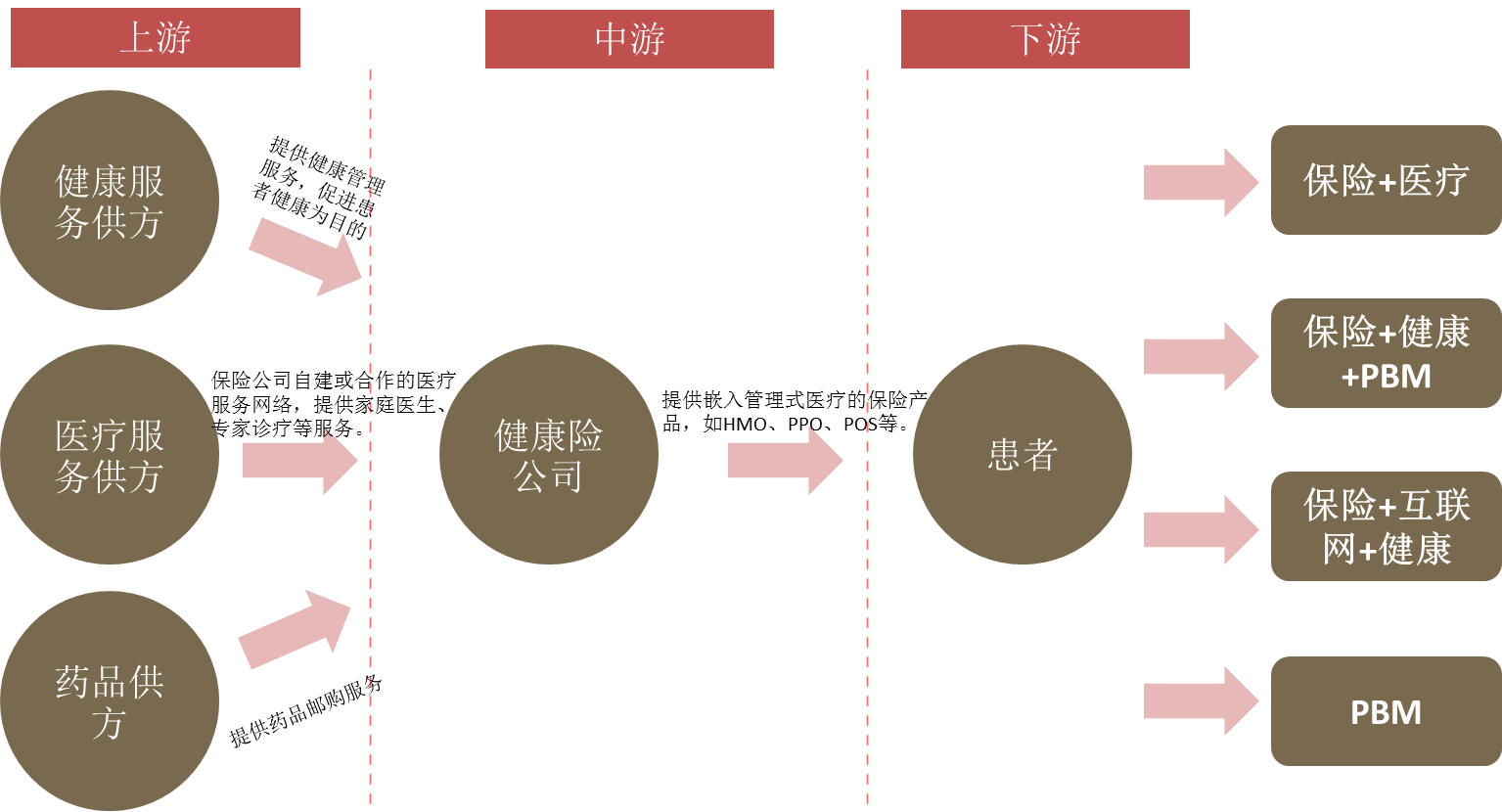
Figure 32: Diversified Business Models Emerging from the Integration of U.S. Commercial Health Insurance
■ Kaiser Permanente: Insurance + Healthcare Services
Kaiser Permanente: Evolving from a primary care group into a global healthcare model, it is the pioneer and current leader of Health Maintenance Organizations (HMOs) in the United States.
The Group’s Management Model: Integration of Health Insurance and Healthcare Services, with an Emphasis on “Prevention First and Combined Prevention and Treatment”This model has demonstrated advantages in disease prevention and control, health management, and reducing healthcare costs, while placing significant emphasis on the supply costs of medical services, as well as the operational costs and efficiency of healthcare institutions. By adopting medical personnel as the fundamental management unit, it integrates health management with clinical diagnosis and treatment, and has established strong collaborative relationships with the government.
As of 2013, Kaiser Permanente had 9 million members, 170,000 employees (including nearly 50,000 nurses), and 17,000 physicians in the United States. Its service area covered eight regions across nine states and the District of Columbia, with annual revenue of $53.1 billion and net income of $2.7 billion. The advantages of integrated healthcare include: coordinating work among primary care physicians, specialists, hospitals, pharmacies, and laboratories; strengthening communication and collaboration among care providers to improve care quality and offer greater convenience to members; reducing costs while maintaining or enhancing service quality due to the effectiveness of preventive care; and fostering innovation.
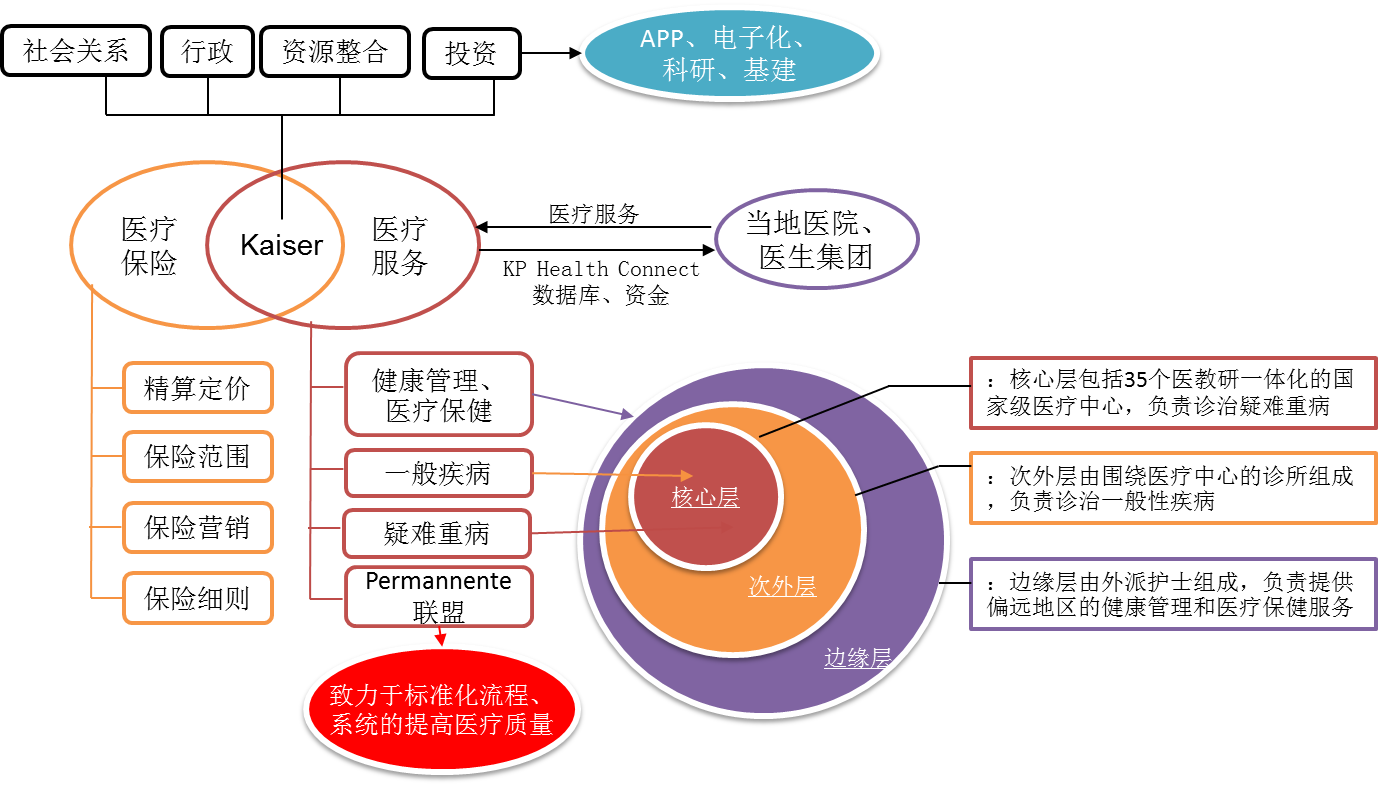
Figure 33: Kaiser Permanente: Insurance + Healthcare Services Model
■ UnitedHealth Group: Insurance + Health Management + PBM
UnitedHealth Group (hereinafter referred to as “UnitedHealth”) was founded in 1974. Its business operations span more than 50 countries across the Americas, the Middle East, Africa, Europe, and the Asia-Pacific region. The company is an industry leader in health insurance, health information technology, and health management. In 2011, UnitedHealth ranked 62nd on the Fortune 500 list.
UnitedHealth Group is primarily divided into two business segments: health insurance and the health management industry chain. As an extension of its health insurance business, the health management industry chain mainly consists of three subsidiaries: OptumHealth (a health management company), OptumInsight (a health information technology services company), and OptumRx (a pharmacy benefit management company).
OptumHealth is a company that provides health management services to group clients, primarily targeting the group customers of UnitedHealthcare’s insurance segment. It delivers personalized services and charges corresponding administrative fees, with service offerings spanning areas such as preventive care, chronic disease management, and emotional well-being management.
Optum Insight is an IT company specializing in the research, development, and operation and maintenance of information systems within the healthcare industry. It provides information systems, data management, and consulting services to key stakeholders such as hospitals, commercial health insurers, and government healthcare programs. The company not only designs clinical care pathways for hospitals but also helps insurers develop core business and financial systems. Furthermore, it leverages historical data analysis to assist governments in optimizing health insurance schemes, thereby enhancing the efficiency and quality of public services.
OptumRx is a pharmacy benefit manager (PBM) under UnitedHealth Group, serving as an administrative and coordinating intermediary among insurance providers, pharmaceutical suppliers, hospitals, and pharmacies. OptumRx has established a drug distribution network covering 66,000 pharmacies and two postal systems, along with a back-end support system that connects hospitals, pharmacies, and insurers. For the group, its value lies in both meeting customers’ needs for convenient medication purchases and helping patients effectively manage healthcare costs, particularly prescription drug expenses.
The full realization of synergies is the most prominent feature of UnitedHealth's layout across the industry chain.On one hand, the insurance companies under UnitedHealth Group provide a stable source of business for the three companies operating under the Optum brand. On the other hand, Optum’s specialized development in health management, systems infrastructure, and pharmacy services has significantly propelled the growth of UnitedHealth’s insurance subsidiaries. Optum not only enhances insurers’ service capabilities, acting as a business accelerator, but also assists them in strengthening monitoring of medical practices, effectively reducing claims costs, thereby serving as a cost-control system for the core insurance business.
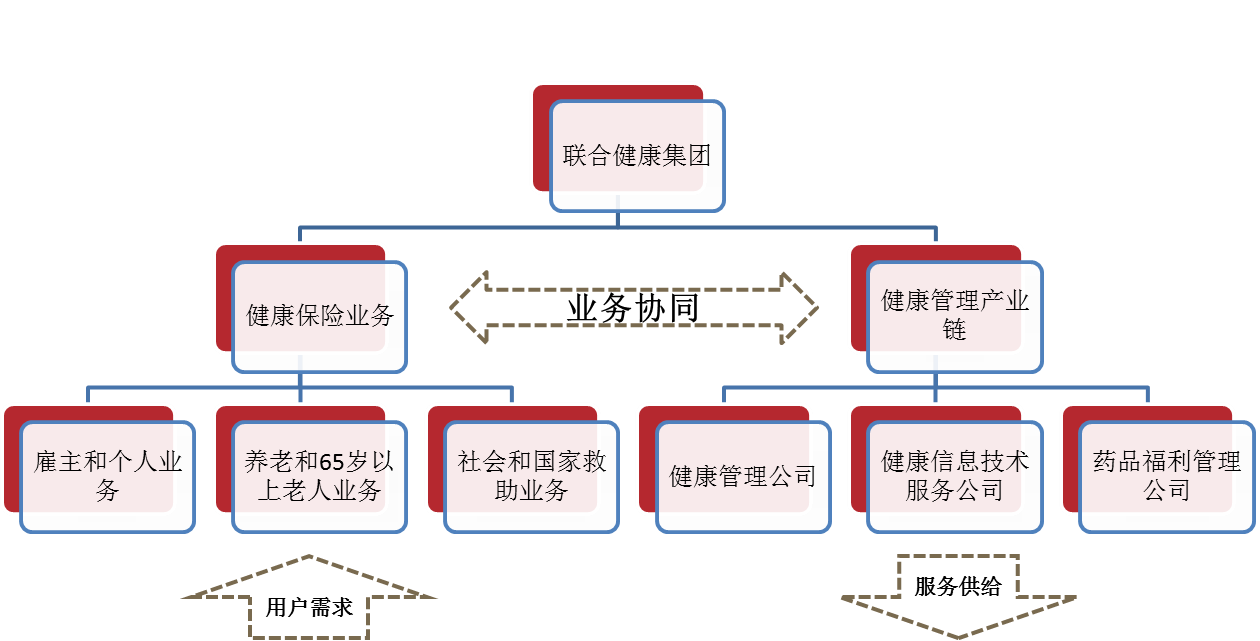
Figure 34: UnitedHealth Group (US): Insurance + Health Management + PBM
■ Oscar Health: Insurance + Internet + Health Management
Oscar Health, founded in 2013, is an emerging personal health management and insurance company. Differentiating itself from large insurers through competitive positioning, Oscar Health primarily serves small business owners, small companies, freelancers, and similar groups.
Benefiting from the rapid expansion of the individual health insurance market driven by the Affordable Care Act (Obamacare) and the advantages of internet-based dissemination, the company experienced surging membership growth, increasing from 17,000 members in early 2015 to 145,000 in early 2016. With an average annual premium of $5,000 per household, its annual revenue reached $750 million, and its latest valuation stood at $2.7 billion.
Compared with traditional health insurance companies, its characteristics are:
Leverage the advantages of the Internet to enhance transparency, medical consultation efficiency, and user experience for health insurance customers, thereby transforming insurers from mere “claims payers” into internet-based portals that provide users with health management and medical consultation services.
# TranslationThe company adopts a strategy of leasing and narrow networks for its healthcare service network development. (1) In terms of building its healthcare service network, the company rapidly expands by leasing other small-scale healthcare service networks rather than constructing its own. (2) Regarding the selection of healthcare service networks, unlike large insurance companies that pursue comprehensive and extensive networks, Oscar Health focuses on collaborating with specialized, niche healthcare providers.
Oscar Health's Core Business Modules:
Rapid Underwriting: Individuals can remotely provide basic information to instantly access company products and pricing.
Mobile Healthcare: 24-Hour Telephone Doctors and Remote Consultations.
Medical Services: Low-cost, flexible, and diverse medical services based on leasing and narrow networks.
Health Management: Providing members with free wearable devices for exercise assistance and health tracking.
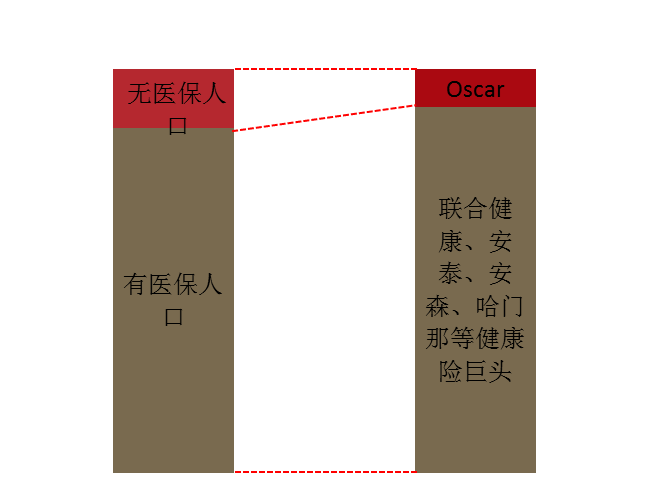
Figure 35: Oscar primarily targets the uninsured population
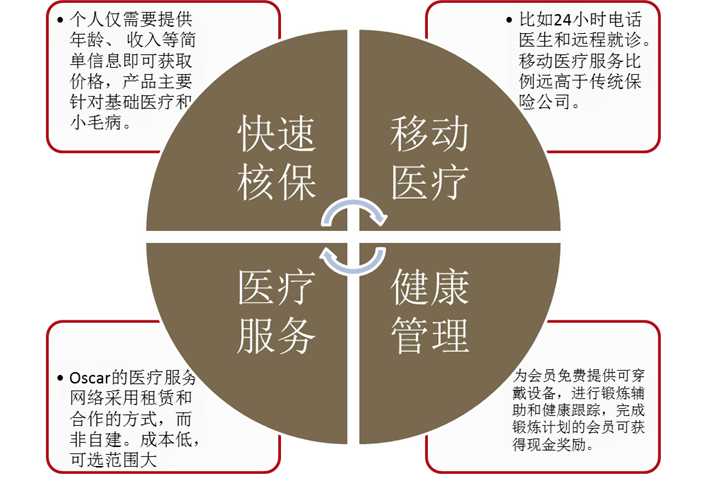
Figure 36: Oscar’s Four Core Business Segments
■ ESI: The largest PBM company in the United States
ESI (Express Scripts), one of the Fortune Global 100 companies in 2013, ranked 20th in the United States. Headquartered in St. Louis, Missouri, it is the largest pharmacy benefit manager (PBM) in the U.S., with annual revenue reaching $110 billion.
ESI was established in 1986 and has grown significantly over the years through numerous major mergers and acquisitions. Currently, ESI has become a typical representative of comprehensive service systems in the PBM sector, with its service offerings including:
Assist in developing drug benefit plans
Processing Medication Reimbursement Claims
Review prescription medications to identify and prevent drug-drug interactions
Develop Programs to Encourage the Use of Low-Cost Generic and Brand-Name Drugs
Launch Mail-Order Pharmacy Services
Health Management for Patients
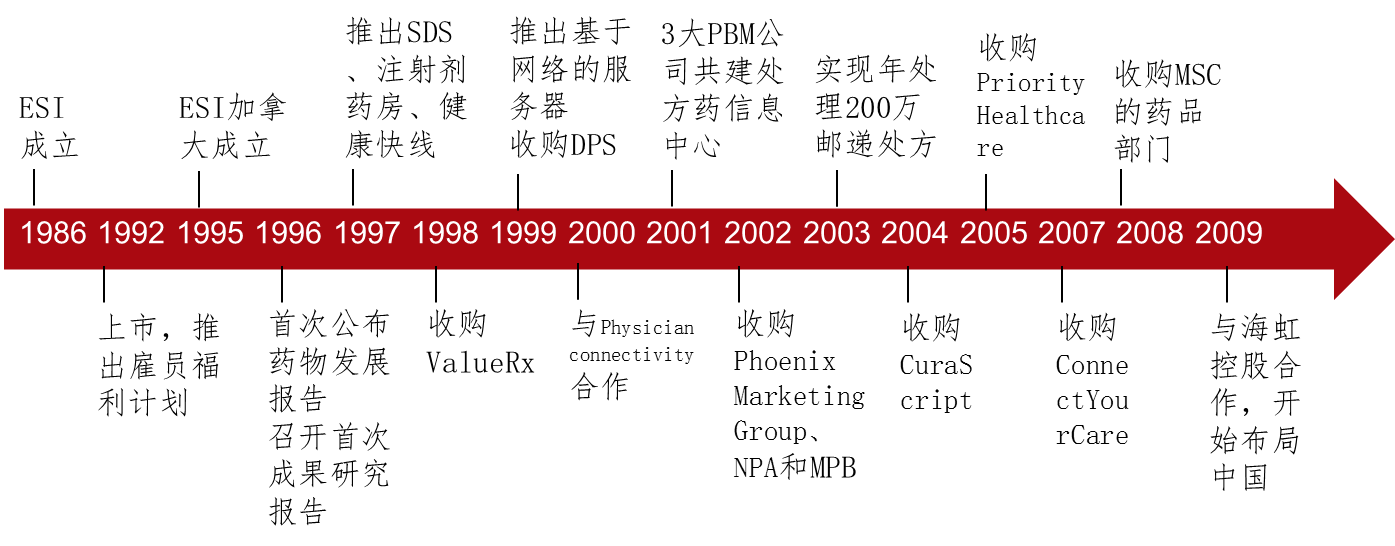
Figure 37: ESI: The Largest PBM Company in the United States
In the United States, approximately one-third of healthcare expenditures fail to yield substantial improvements in medical quality or reductions in healthcare costs. The vast and complex healthcare system has led to continuously rising costs, creating an urgent need for a highly flexible platform to address this issue—namely, the healthcare cost containment system.
ESI has established a comprehensive healthcare cost containment system, encompassing four core business segments:
Pharmacy Benefit Management: Providing employee pharmacy benefit management services to government agencies, corporate employers, and commercial insurance companies, including benefits plan design, cost review, claims processing and payment, formulary management, clinical pathway management, and payment model management.
High-Tech Information Technology Services: Provides a system for physicians to query drug-related information online (including side effects, similar medications, and usage instructions). Meanwhile, DrugDigest.com offers general public members online access to health information regarding common drugs, vitamins, and herbal remedies.
Pharmaceutical Distribution Management: Provision of pharmaceutical supply chain management, including procurement, warehouse management, and distribution; as well as mail-order and online pharmacy services, patient medication inquiry support, specialty drug wholesale, specialty pharmacies, and physician trial samples.
Healthcare Service Management and Disease Management: Includes physician evaluations, analysis and comparison of prescribing patterns, recommendations for reducing medication costs, physician profile cards, and educational materials; health management communication for patients, disease prevention, and education on modifying patient behaviors; as well as benefits management inquiry services for both physicians and patients.
■ The Ultimate Vision for China’s Health Insurance: Managed Care Health Insurance
We believe that the U.S. managed care insurance model represents best practices for effectively curbing the rapid growth of healthcare costs, and China will gradually shift toward a landscape dominated by managed care insurance in the future.
From the perspective of health insurance, managed care insurance uses insurance as a platform to integrate a series of comprehensive health services, building a customer-centric health service system that covers the entire life-cycle industry chain. The focus is on productizing four-in-one services and achieving interoperability and connectivity of medical big data.
Specifically, health insurance companies integrate currently fragmented medical and healthcare service resources—including medical care, health management, rehabilitation, elderly care, nursing, and pharmaceuticals—into comprehensive health insurance product portfolios. By offering both coverage and integrated services, they aim to position health insurance as the primary entry point for all medical and healthcare service needs of demand-side stakeholders (employers and individuals), ultimately achieving a dominant position within the medical and healthcare industry chain. Furthermore, by leveraging information technologies such as the internet and big data to capture data from both demand-side users and service providers, these companies can better match supply with demand and more effectively control costs across service delivery processes.
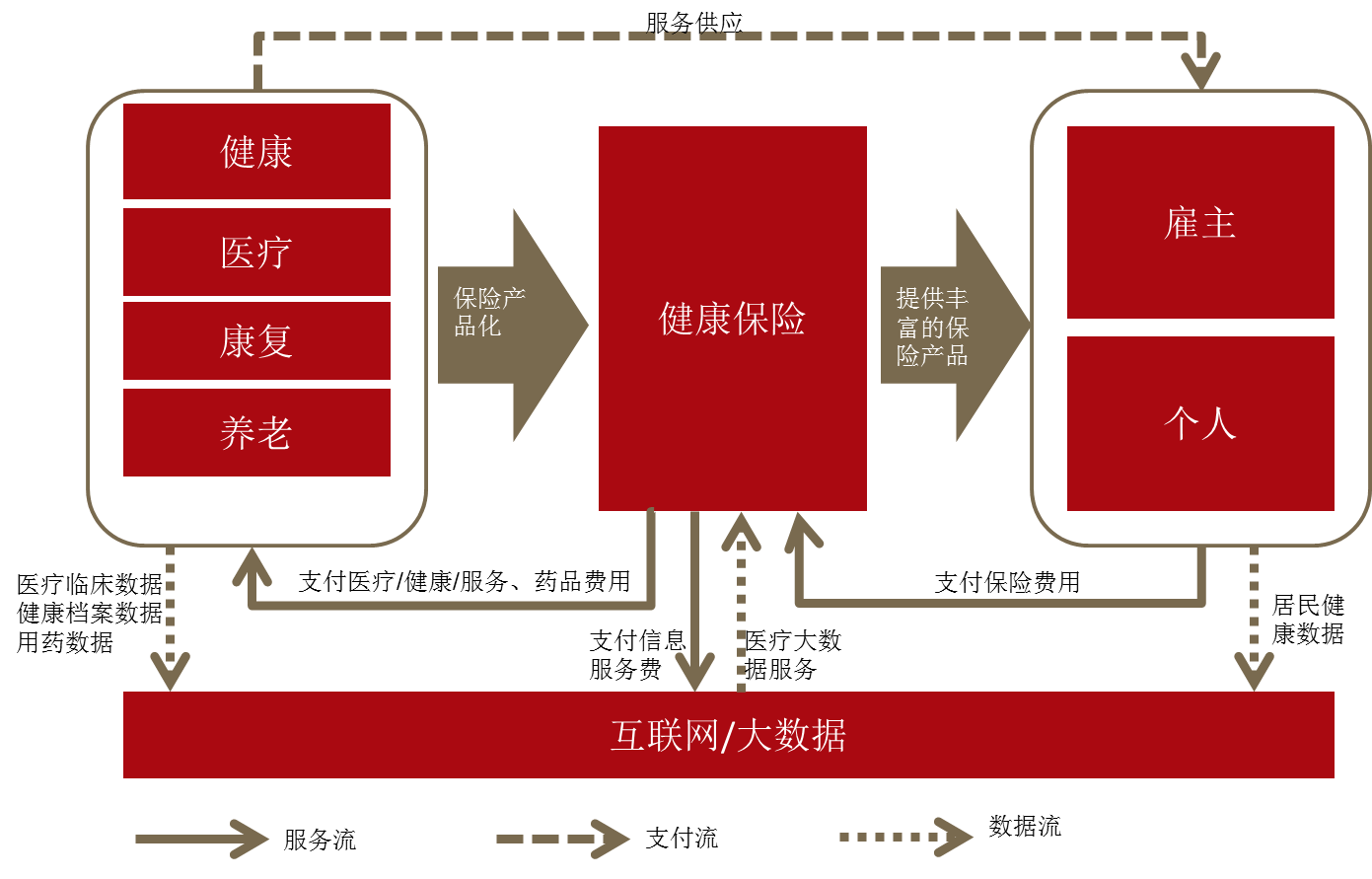
Figure 38: The Ultimate Vision for Health Insurance: Managed Care Health Insurance
■ Two Major Breakthroughs in Managed Care Health Insurance
Managed care health insurance offers substantial market potential and has become a strategic focus for intense competition among various capital investors. There are three primary models for developing managed care health insurance, each entering from different positions within the industry chain:
Entry via Insurance Companies: Leveraging customer bases, license resources, and capital advantages, insurers enter the healthcare services sector through self-built facilities, acquisitions, or participation in the restructuring of public hospitals. They secure scarce medical resources as a core competitive advantage while establishing cost-control systems by acquiring, taking equity stakes in, or partnering with medical big data companies.
Starting from the healthcare provider side: Leveraging monopolistic advantages in regional medical resources to form regional healthcare service groups, initiating or taking equity stakes in health insurance companies, which generates significant synergies in customer resources and capital. Finally, by acquiring, investing in, or partnering with medical big data companies, these groups can accurately and comprehensively master customer data while enhancing their own operational efficiency.
Starting with medical big data companies: Big data firms hold data resources that have natural synergies with health insurance. Big data facilitates product innovation, precision marketing, accurate pricing, and efficient claims processing for health insurers. With a health insurance platform in place, further development of a healthcare service network can be pursued, thereby perfecting the “data + insurance + healthcare” management model to create a comprehensive medical insurance ecosystem.
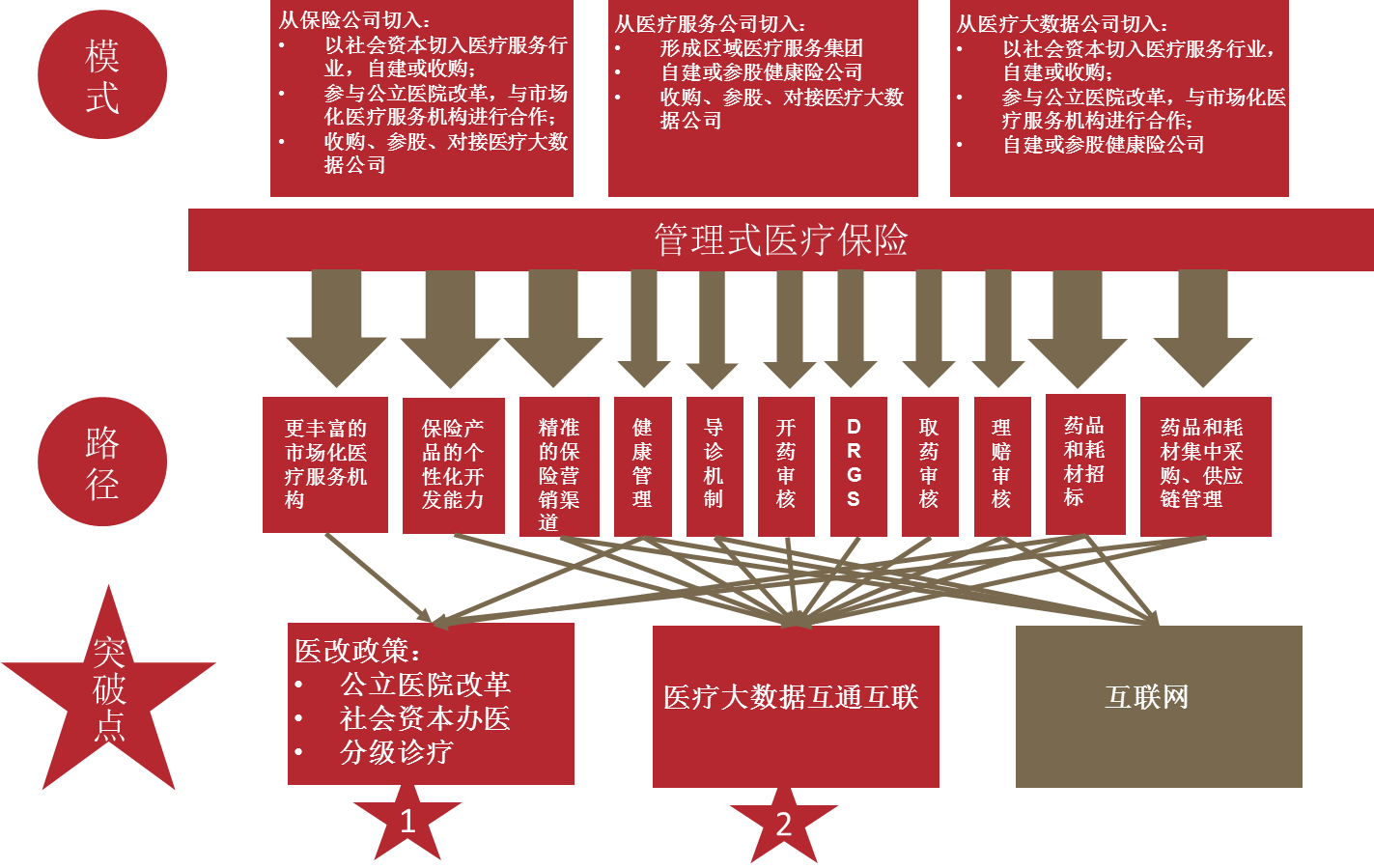
Figure 39: Two Major Breakthroughs in Managed Care Health Insurance
The successful advancement of managed care health insurance presupposes mature external conditions, including a robust market-oriented healthcare service supply system; the capacity for personalized insurance product development; precise insurance marketing channels; health management; patient triage mechanisms; prescription review; Diagnosis-Related Groups (DRGs); medication dispensing review; and supply chain management for pharmaceuticals and medical consumables.
Report Source: Founder Securities