

The $200 Billion Opportunity: Wearables Tackle Health by Shaping User Habits

Consumers have high expectations that wearable devices will improve their physical health, or more directly, aid in weight loss. Features such as step-count goals, calorie calculations, and running route tracking generate substantial amounts of data within health and fitness applications. But how can we effectively utilize this data? A previous two-year study conducted by the University of Pittsburgh found that among two groups of participants undergoing weight loss interventions, the group that adopted only a healthy diet and exercise regimen achieved better weight loss outcomes than the group that used the BodyMedia wearable fitness tracker.
The report offers no explanation as to why trackers hinder, rather than facilitate, nutrition and fitness programs. There is no doubt that merely using a tracker is insufficient to change your habits.
It is estimated that by 2019, wearable devices will improve physical health conditions (Weight Loss, etc.) The market size will reach $200 billion. This has greatly increased tech companies' interest in addressing the technical challenges of first-, second-, and even third-generation wearable devices. However, the greater challenge lies in finding satisfactory solutions. In addition to software engineers, an increasing number of wearable device companies are beginning to collaborate with behavioral scientists, data scientists, and even psychologists, hoping to create distinctive devices.
So, what recommendations have scientists and doctors made to these companies?How Will Wearable Tech Companies Improve Your Behavior? VCBeat (WeChat: vcbeat) Has Compiled Perspectives from Some Wearable Device Manufacturers. It’s TimeTransforming textbook psychology and prior research to fit digital interfaces, thereby subtly influencing human behavior. Of course, weight loss remains entirely your own responsibility, but their mission is to assist you in achieving your health goals to the greatest extent possible.
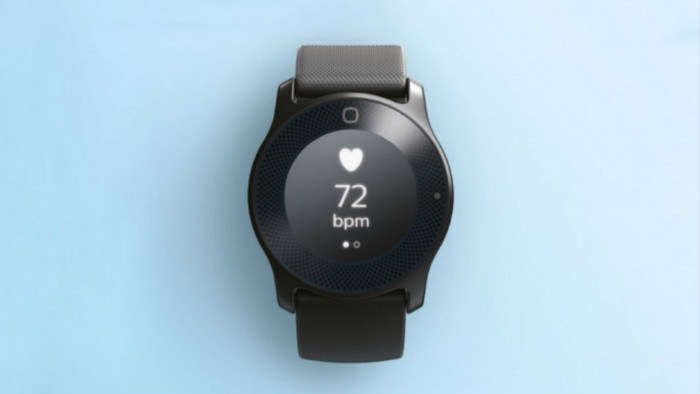
Methods for the sustained use of fitness trackers have just been discussed. Although related solutions are still in the research and development phase, Dr. Mark Aiola, Global Head of Behavior Change Programs at Philips, states that technology companies are close to finding the optimal way to help you modify your behavior.
He stated, “When we take a moment to carefully reflect on this issue, we find that there is only one reason to monitor health behaviors: to drive change, or to clarify what changes need to be made. This is where behavioral science comes into play. I believe most companies have already recognized this.”
Smart earbuds, which have only just begun to gain real popularity this year, may encourage people to make genuine behavioral changes through in-ear guidance. For instance, the Apple Watch and Fitbit already feature reminders for users to stand up and move around. Over time, you can disable these notifications as your behavior becomes self-motivated.
Such solutions still differ from having a private physical therapist. So how can we get as close to this goal as possible? Aiola suggests that the process of establishing a “digital care relationship” may be more straightforward.
“My solution will help patients establish an organic relationship with their therapists, while digitizing this process as much as possible.” Such a solution still differs from having a private physical therapist, so how can we get as close as possible to this goal?
Dr. Rebecca Shultz, a product researcher and biomechanist at Lumo (which launched the Lumo Lift, a device for monitoring body posture), stated that combined algorithms would help change people’s behavior. “We have incorporated behavioral changes based on biomechanical movement patterns into our coaching algorithm,” she said.
“This algorithm will track users’ exercise patterns and identify the optimal times for strength training throughout the week. However, since most runners are reluctant or unwilling to engage in such exercises, it is crucial to convince them that these activities are essential for maintaining good health.”
Shultz stated that after completing the first exercise, users can continue to maintain good exercise habits based on their own metrics. The exercises themselves are not difficult, but the exercise tasks created by the application are “highly challenging.”

Both past fitness trainers and today’s wearable-device scientists would advise you to set reasonable exercise goals. In this regard, Lumo does not overly pressure users. Aiola stated that Philips believes people should start with small changes in their daily lives.
“Many people do not believe that small things in life can help them stay healthy,” he said.
“We have established our own metrics for normal weight, and the widespread emphasis on Body Mass Index (BMI) has also guided us toward the same research direction. Numerous studies indicate that losing 5–10% of body weight and maintaining this loss for nine months can significantly improve health outcomes over the following decade, even if weight is regained to baseline levels within the next seven years. This is one of the goals we aim to achieve through small, everyday lifestyle changes.”
Dr. Hanson Lenyoun, Head of Health Projects at Mark One, the manufacturer of the smart bottle Pyrme Vessel, stated that the Pyrme Vessel can help users with the “right mindset” achieve their goals. Persuading users to use devices to change their behavior is inherently challenging, and it is even more difficult to convince those who do not prioritize their health. He remarked, “Wearable and connected devices truly have the potential to transform people’s lives by helping them maintain wellness, manage, or prevent chronic diseases. Accountability and engagement are key to making this a reality.”
“But people must first adopt the right mindset. Wearable devices are merely tools to help you achieve your goals; they can encourage you to make changes step by step. From a psychological perspective, cultivating the willingness and interest to exercise is the foundation for achieving effective exercise outcomes.”
For many, it may represent both a small step and a giant leap. Now that people understand the role of health devices, we hope they realize that wearable devices alone cannot address health issues such as overweight.
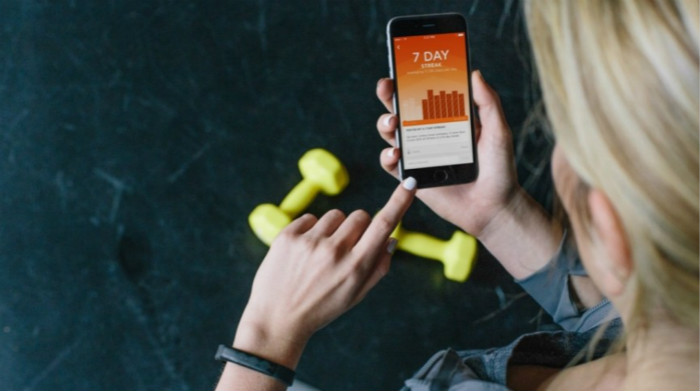
Monisha Perkash, CEO and co-founder of Lumo, stated that the wearable device industry has sparked a new trend: interpreting the obscure data generated by heavy-duty medical equipment. In essence, any actionable recommendation should be clear and concise, rather than merely consisting of highly customized plans and prompts tailored to individual patient circumstances.
Lenyoun from Mark One stated that only through the combined influence of various factors can companies deliver fully personalized experiences to their customers. “Therefore, we have redirected our focus back to product design. These factors are interrelated, making it impossible to create a connected device experience that suits everyone simultaneously. We must tailor highly personalized products for individual users.”
“We have encountered a wide array of vastly different use cases. What we need to do is understand these diverse types of experiences and design specifically for them.”
Aiola also put forward a similar view, believing that psychology needs to play a certain role in this regard. "We will strive to achieve personalized experiences so that customers understand they have the right to choose how to change their lifestyle habits," he said.
“In addition to our recommendations, clients may choose actions they believe are feasible for them. Ultimately, we will support them in sustaining these efforts over the long term. Rather than merely guiding or leading our clients, we stand alongside them as partners, providing the right information at the right time.”
Aiola believes that the entire wearable device industry is confident in its ability to help people improve their physical health and achieve other health goals. However, he is not yet certain that wearable devices can immediately meet the demand for effectively achieving sustainable changes. Overall, he remains optimistic and is currently testing existing behavior change interventions to inform improvements in future projects.
“We are currently busy testing hypotheses regarding behavioral changes and collecting relevant data. If we can leverage this data effectively, we will certainly identify the optimal solution. I believe that developing individualized plans for each user is not feasible, which also represents the greatest challenge of the project.”
“To this end, we must develop algorithms that are nearly fully personalized to guide users in ways that meet their individual needs.”
Lenyounn believes that activity trackers have sufficiently demonstrated that people’s behaviors can be improved. Like Aiola, he also holds that genuine progress takes time, and it is equally important to identify the most effective ways to help individuals.
“We can easily change and improve certain behaviors, but achieving more ambitious goals requires persistent effort. We can always do better. Over time, we will see the impact of wearable devices on human health, though this will take some time. The information we currently have is just the tip of the iceberg.”