

Industry Trend: Health Insurance Must Integrate Healthcare Services – Prospectus Overview
Recently, Founder Securities released an industry report titled “Commercial Insurance Completes the Business Model Loop for Internet Healthcare.” From the perspectives of healthcare reform and medical big data, the report offers constructive insights on breaking the current impasse in internet healthcare business models. VCBeat (WeChat Official Account: vcbeat) has distilled the core viewpoints into four chapters; this is the final installment.
■ The Commercial Closed Loop Enabled by the Maturation of Health Insurance
As discussed above, the breakthroughs for managed care health insurance hinge on supply-side reforms in healthcare driven by medical reform policies, as well as the interoperability and connectivity of healthcare big data. Once these two key areas achieve a qualitative leap from quantitative accumulation, the health insurance industry will undergo profound transformation.
The profitability of health insurance primarily depends on morbidity variance and expense variance, thereby enabling a breakdown of the revenue and cost sides of the health insurance profit model to identify the key core elements for building a commercial closed loop in health insurance.
Key Determinants of Revenue:
Driven by healthcare reform policies, various market-oriented medical service institutions established through supply-side reforms have created a diverse healthcare supply landscape.
Precision Pricing of Health Insurance Products in the Era of Interconnected Medical Big Data
Precision Recommendation Channels for Health Insurance Products Driven by “Internet Plus” and Big Data
Determining Key Cost Drivers: A Multi-Dimensional Cost Control System
Pre-service cost control. This mainly includes health management and patient triage.
- Health management is the core of cost containment in commercial insurance, but establishing a closed-loop health management service system relies on implementation by family doctors under the tiered diagnosis and treatment model and specialized health management service enterprises.
- Conduct triage through general practitioners (family doctors or internet hospital physicians) to transform how patients access medical information while reducing misdiagnosis rates.
Real-time Cost Control. Modules driven by medical big data to assist in precise medical practices, including prescription review, clinical decision support, and DRGs.
Post-Event Cost Control. This primarily includes claims informatization, and the management of pharmaceuticals and medical consumables.
- The informatization of claims processing primarily enhances claims efficiency and accelerates turnover rates.
- Management of pharmaceuticals and medical supplies primarily depends on centralized procurement, distribution, and supply chain management.
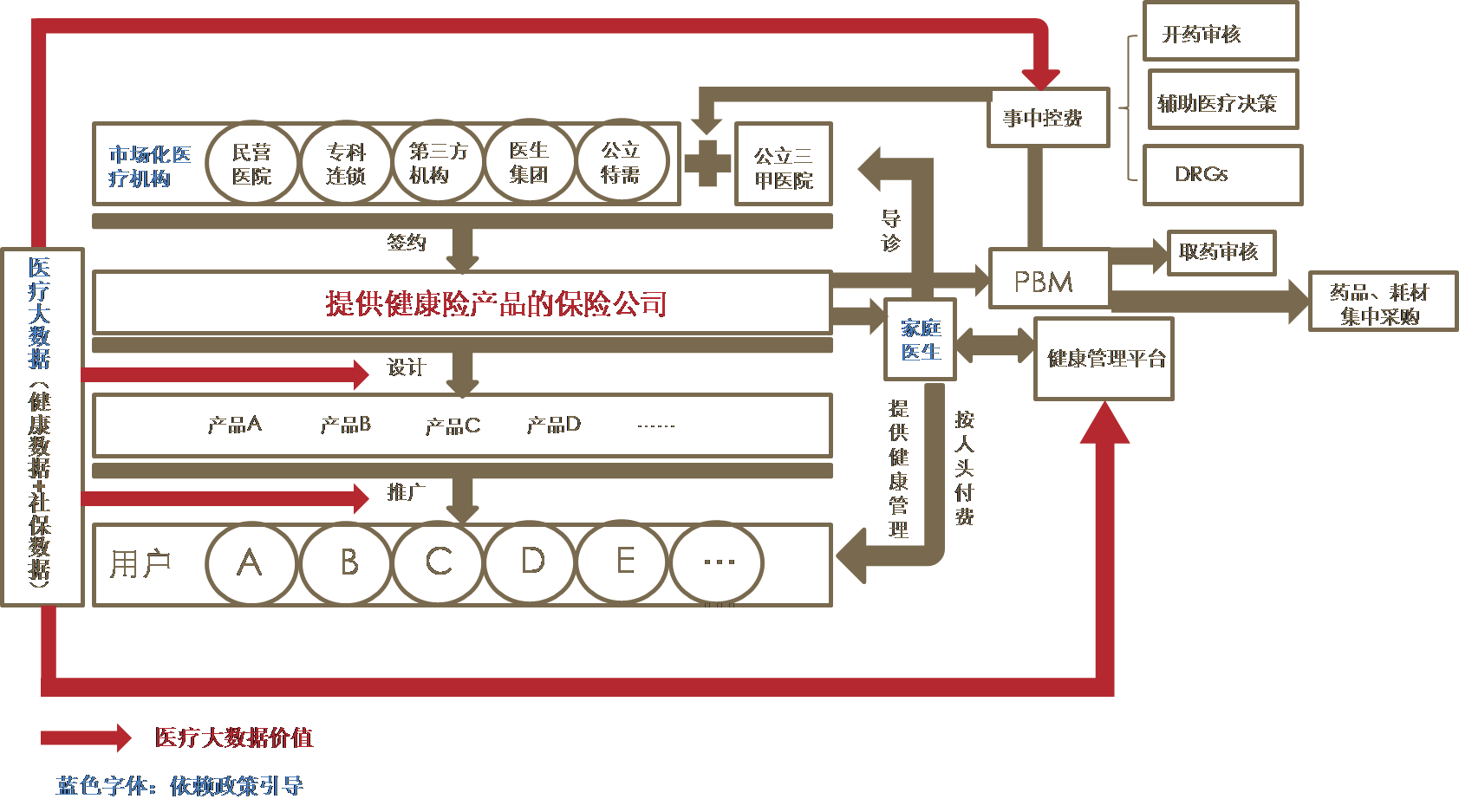
Figure 93: The Commercial Closed Loop Driven by the Maturation of Health Insurance
■ Screening Internet Healthcare Sub-segments by Time Dimension
We categorize internet healthcare into two phases: information connectivity and data connectivity. The healthcare reform policy promoted by the government in 2016, centered on eliminating the practice of subsidizing healthcare providers with drug profits, serves as a significant industry dividing line. Only by breaking this inherent profit chain can medical resources be allocated more effectively, thereby giving rise to new business models.
We systematically reviewed all relevant sub-sectors across four dimensions—information flow, capital flow, services, and product flow—and, by integrating their respective developmental logics, identified key segments within the internet healthcare market from a temporal perspective.
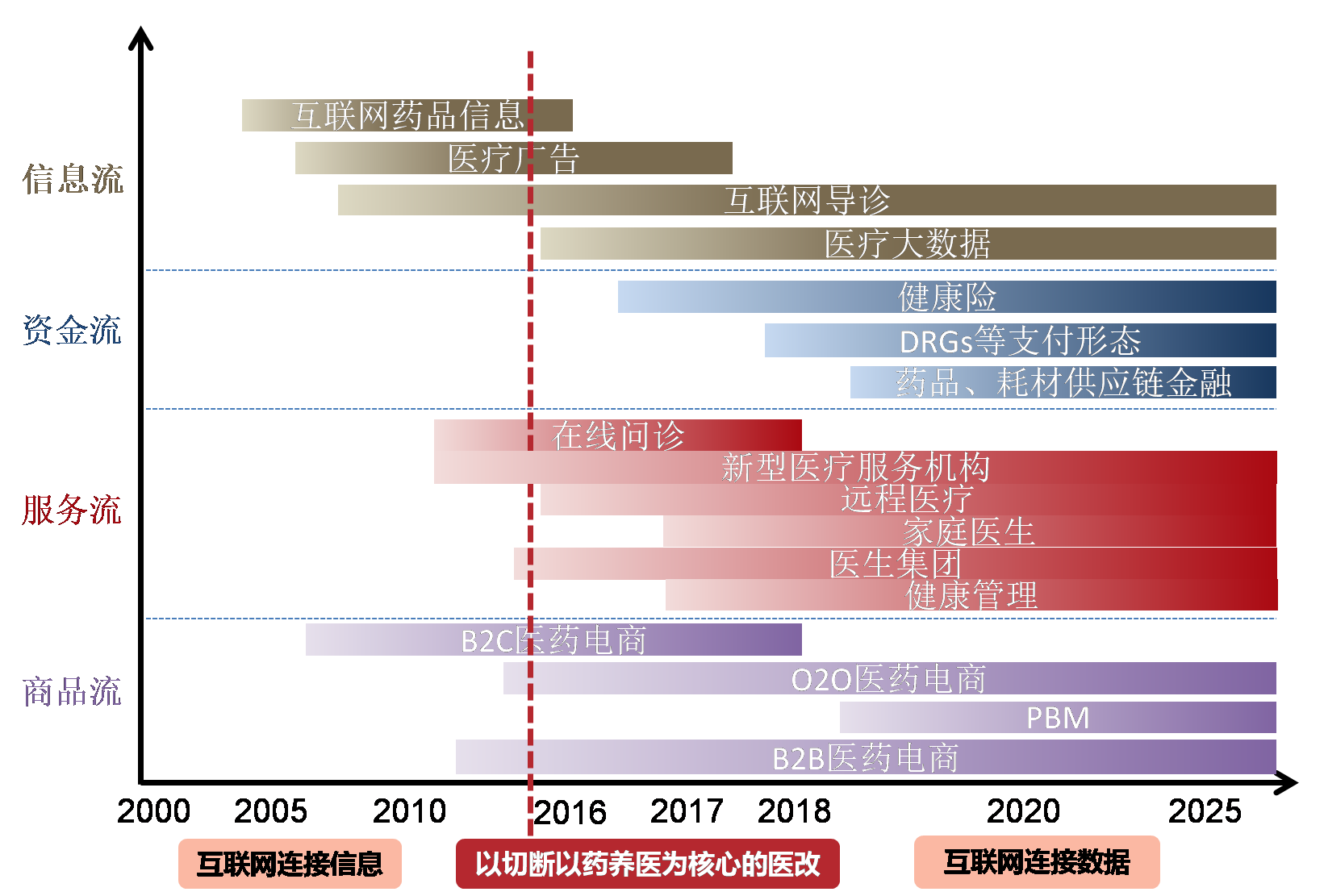
Figure 94: Key Focus on 11 Market Segments in 2017–2018
■ Medical Big Data: Interconnectivity of Regional Platforms
From a regional perspective, we believe that the interconnectivity and interoperability of medical big data are easier to achieve and will be realized earlier at the prefecture-level city level. This is evidenced by the fact that national healthcare reform pilots have also been launched in prefecture-level cities, for three reasons:
Prefecture-level cities boast relatively abundant medical resources, with tertiary (Grade A) hospitals and primary care facilities effectively complementing each other.
In terms of patient healthcare-seeking behavior, the proportion of local consultations is relatively high, with distinct regional characteristics.
Payers and medical insurance are also managed at the prefecture-level city level.
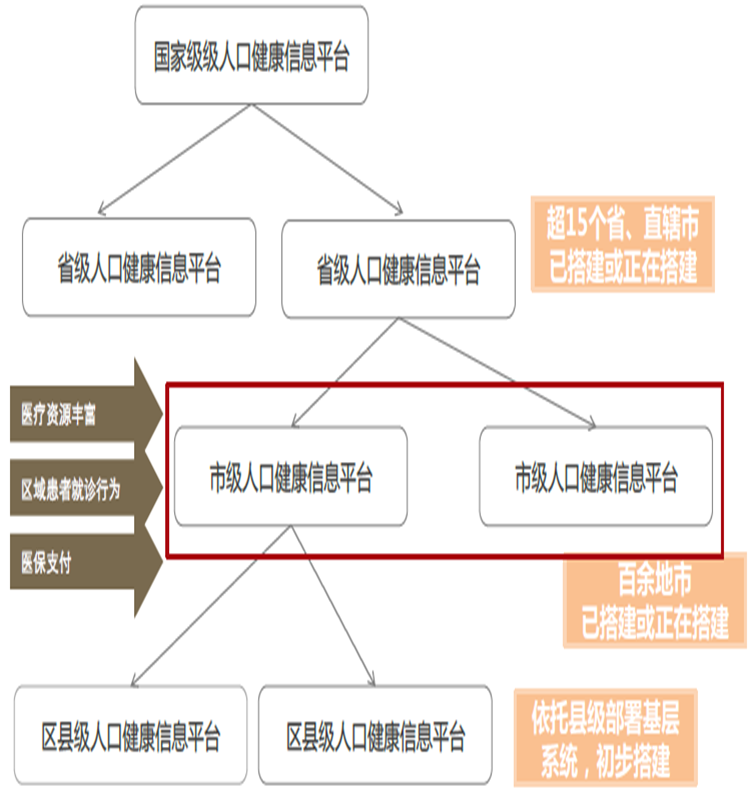
Figure 95: Interconnectivity of Regional Medical Big Data Platforms
Only by addressing the demands of the government, hospitals, and medical insurance can the commercial operation of big data in healthcare be truly realized.
Demands of Local Governments: 1) Assist in designing top-level healthcare reform plans under the promotion of the new healthcare reform; 2) Build regional health information platforms to better manage the health of residents in the region.
Hospital Requirements: 1) In-hospital informatization construction; 2) Informatization construction of the primary healthcare system; 3) After the abolition of the "drug-revenue-dependent" model, public hospitals must establish a two-way referral system for more efficient operations, thereby relying on the development of a regional tiered diagnosis and treatment system.
Healthcare Insurance Demands: 1) Informatization of healthcare insurance; 2) Healthcare insurance cost containment.
■ Patient-Physician Information Connectivity: Internet-Based Triage Model
Traditional patient triage models primarily consist of internet advertising, traditional media, and hospital service counters. Due to the absence of a credit rating system for medical institutions, the profit-driven model of paid ranking in online healthcare advertising has drawn widespread public criticism. Meanwhile, conventional healthcare-seeking behaviors have led to overcrowding in public hospitals, thereby increasing the likelihood of doctor-patient disputes.
The online triage model is a transitional phase at present, primarily consisting of mobile appointment registration and internet hospitals. It is also the main area of investment for current internet healthcare companies. However, we believe that due to the relatively closed nature of hospital appointment slots and the limitations of internet hospitals, it is not the ultimate business model.
The final internet-based triage model has been formed under the tiered diagnosis and treatment system, comprising three formats: initial consultation and referral by family doctors, internet hospitals, and mobile appointment registration, thereby serving as an effective supplement.
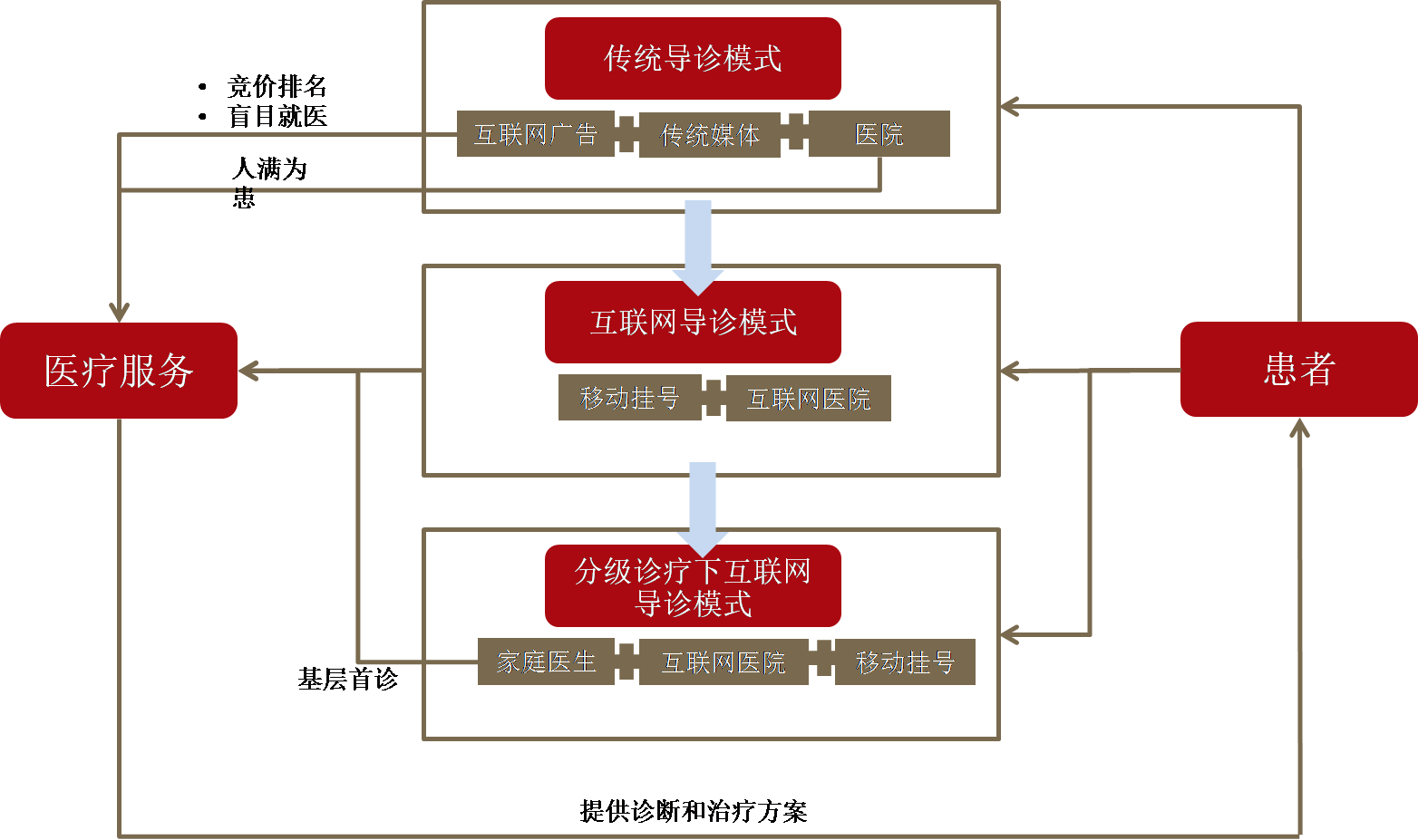
Figure 96: From Traditional Triage Models to Internet-Based Triage Models Under the Tiered Diagnosis and Treatment System
Currently, there are numerous internet healthcare companies in the market providing online triage services, such as Chunyu Doctor, XYWY (Xun Yi Wen Yao), Guahao 160 (Jiuyi 160), and Haodf (Hao Daifu). Their business models are largely similar. Chunyu Doctor is characterized by its integration of online and offline services, using online family doctor services to drive patient traffic to offline physicians and to promote pharmaceutical sales. XYWY operates as a purely online platform. Guahao 160 uses appointment registration as its entry point, contracting directly with hospitals; its triage services culminate in scheduling appointments with the relevant departments, thereby synergizing with its core registration business. Haodf charges users for its telephone consultation services.
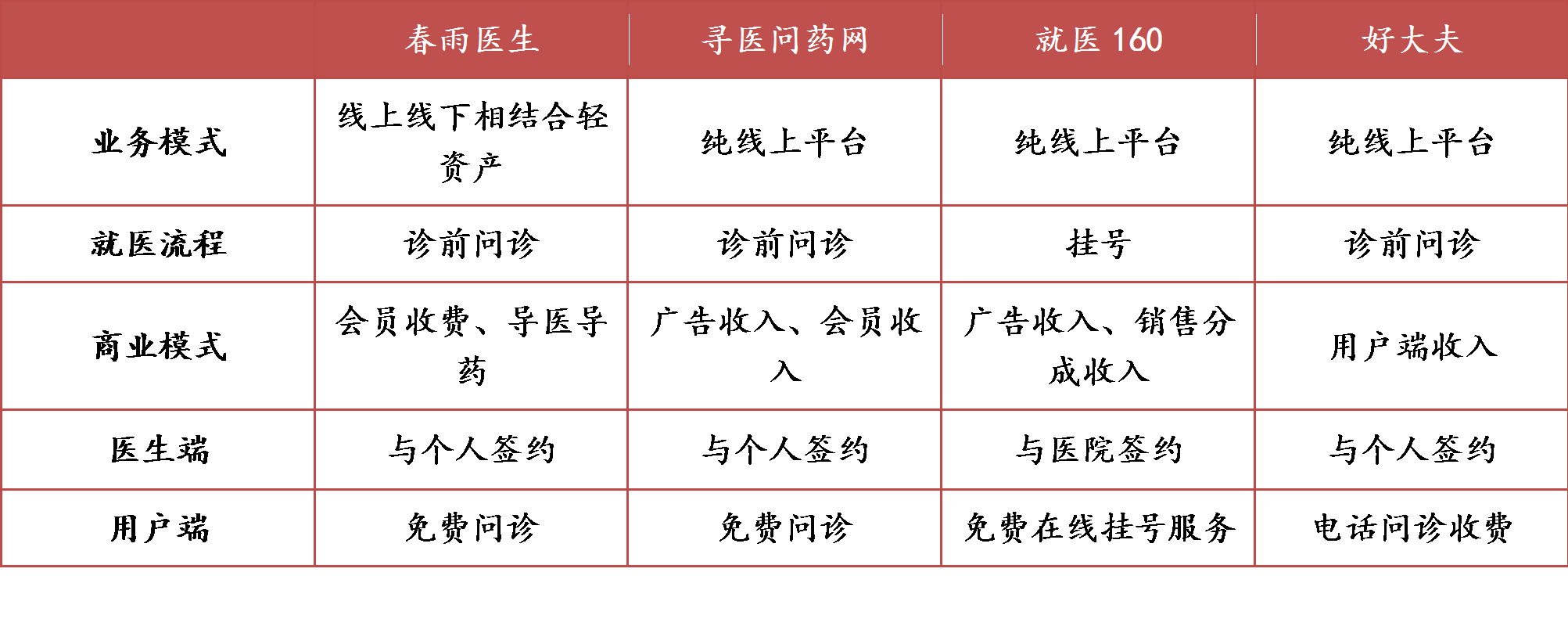
Figure 97: Comparison of Business Models for Internet Healthcare Companies Focusing on Patient Triage
■ New Models of Medical Services: Multi-Layered, Multi-Form, and Diversified
The preceding text summarizes the diverse forms of healthcare service delivery. In addition, medical specialties are intricately subdivided, encompassing general hospitals, specialized hospitals, ophthalmology, rehabilitation, dentistry, obstetrics and gynecology, health check-ups, and medical imaging. The high-resilience niche sectors that attract social capital must necessarily meet the following criteria:
Standardization of Diagnosis and Treatment Processes
Low medical risk
Low Level of Manual Operation
Greater reliance on devices than on humans
Scalable Business Model
Policy Support
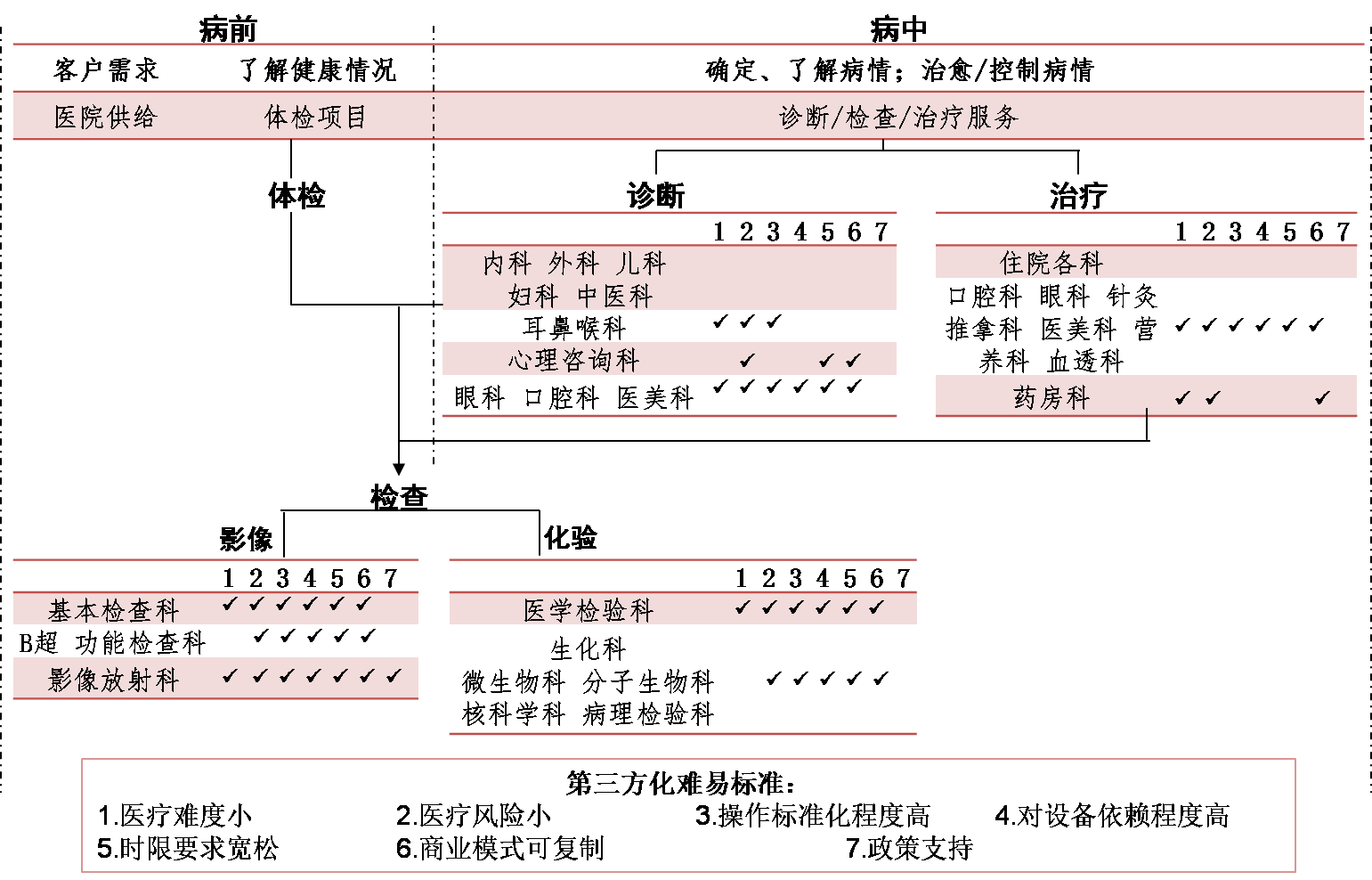
Figure 98: New Models of Medical Services: Multi-tiered, Multi-form, and Diversified
As shown in the figure below, for numerous niche sectors, we have selected and recommended the three most representative ones based on policy, market potential, and industry chain structure: medical imaging, hemodialysis, and health checkup industries.
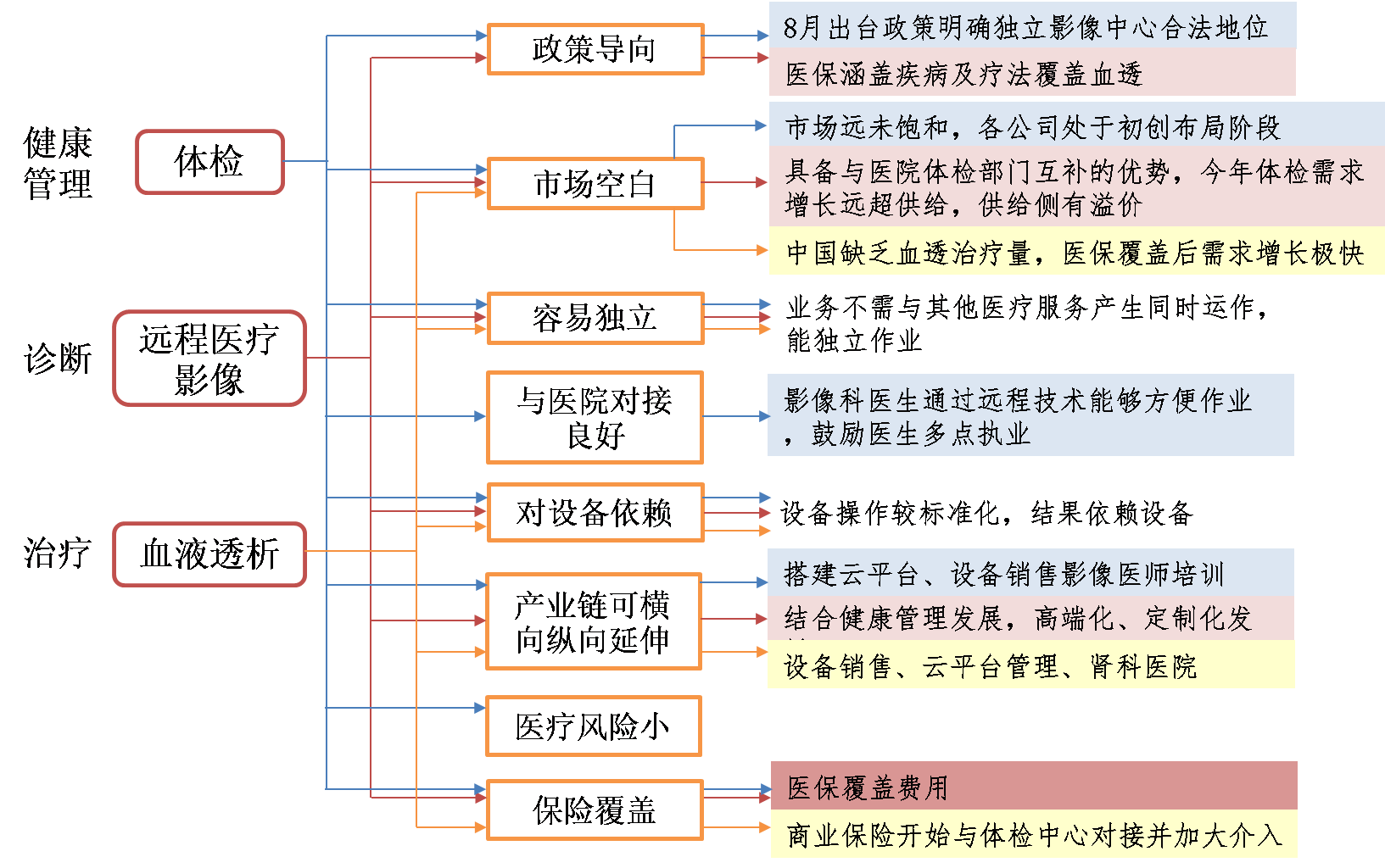
Figure 99: Medical Imaging, Hemodialysis, and Health Examination Industries
■ Physician Groups: A New Organizational Form for Medical Talent Resources
The number of patients is the core source of competitiveness for physician groups. With a sufficient patient base, physician groups can secure their revenue streams and enhance their bargaining power. In the industrial structure of physician groups, the relationships among key elements—patients themselves, insurance, the internet, healthcare institutions, and physician groups—are still in their early stages, meaning any of these elements could serve as an entry point. However, having patients alone is not enough; behind the patient base lies paying capacity. Only by integrating with the payment side can physician groups achieve sustainable long-term development.
Currently, physician groups primarily operate under four models: physician-led, tiered diagnosis and treatment within the public healthcare system, platform-based, and management service organizations. Each model can be further categorized into specialized and comprehensive directions. Fundamentally, these models differ in the supporting services provided by hospitals and their respective operational approaches.
Physicians take the lead, practicing independently. Physician teams sign cooperative agreements with hospitals to earn revenue shares or insurance payments by providing medical services. Physician-led physician groups are primarily specialty-focused, and their physicians have largely left the public healthcare system.
Doctors remain within the public healthcare system while practicing at multiple institutions, thereby facilitating tiered diagnosis and treatment and promoting the redistribution of medical resources from large hospitals to primary care facilities; physicians’ income is derived from the incremental revenue generated by providing medical services.
De-emphasize the role of hospitals and build a platform for direct communication between doctors and patients; leverage mobile internet technology to enable cross-regional, cross-hospital, and cross-departmental collaboration, where doctors generate income by providing services, and the group charges fees for management.
A fee-based service organization that refrains from engaging in specific medical affairs but is responsible for the operational management and legal support of physician groups, providing professional management expertise with specialized services and cost-control capabilities. It generates revenue by collecting franchise fees and management fees. Physicians may enter into contracts with such management service organizations.
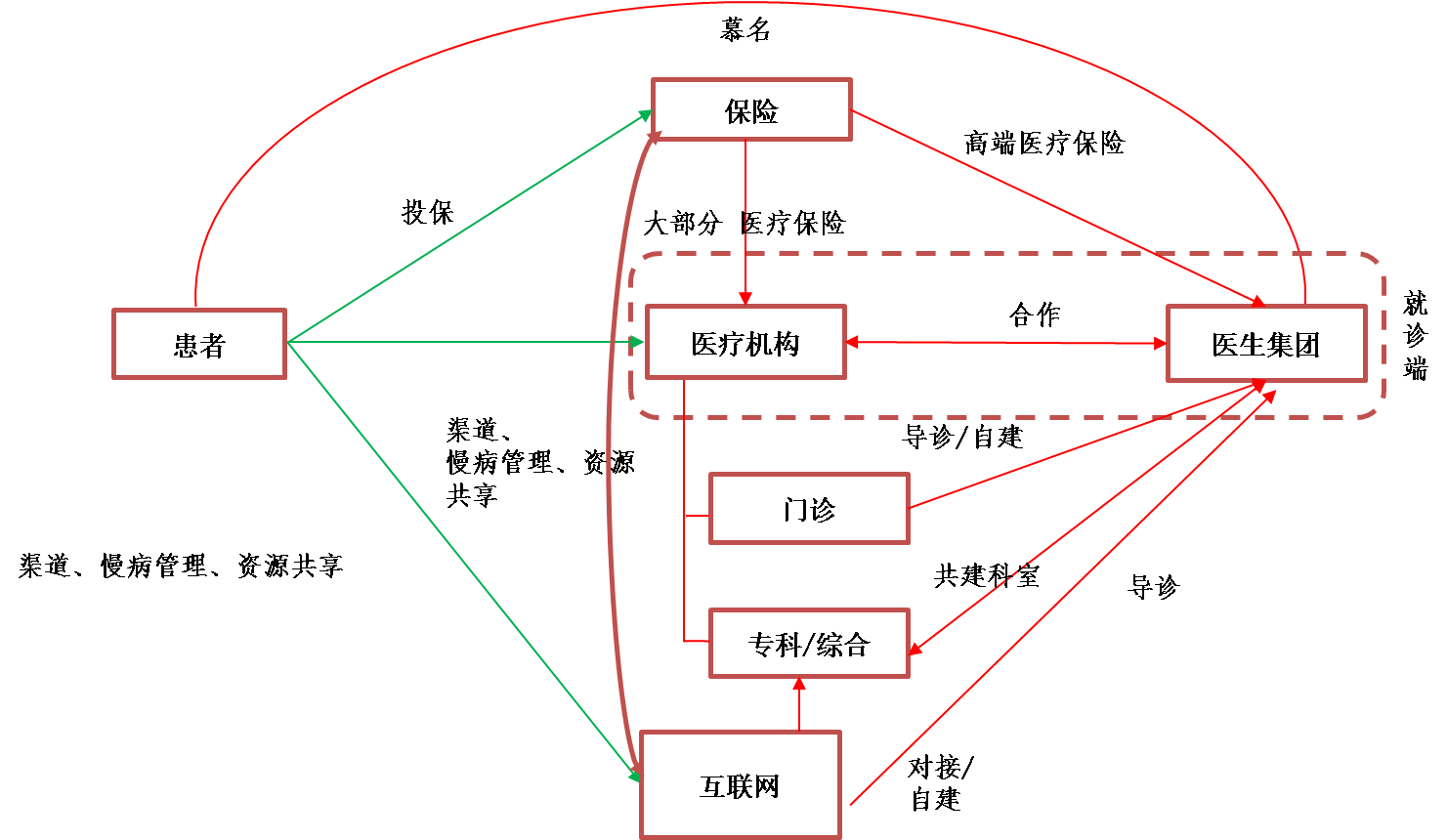
Figure 100: Key Industry Elements of Physician Groups
■ Family Physicians: The Core of the Tiered Diagnosis and Treatment Service Model
Establishing a tiered diagnosis and treatment system, gradually forming a model characterized by initial consultation at primary care facilities, two-way referrals, separate management of acute and chronic conditions, and coordinated care between upper- and lower-level medical institutions, is a key objective of the new round of deepening healthcare reform. It is also a crucial measure to improve the efficiency of medical resource utilization and alleviate the difficulties and high costs associated with accessing medical care.Among these, whether primary care capacity can keep pace and effectively serve a triage function constitutes a critical foundation for the tiered diagnosis and treatment model, with the key breakthrough being the implementation of family doctor contract services tailored to China’s national conditions.
There Are Two Main Reasons for Promoting Family Doctor Services(1) With the transformation of medical models and the trend of population aging, chronic diseases are gradually showing an "explosive" growth trend. From the perspective of urgency in tiered diagnosis and treatment, chronic diseases account for more than 70% of the disease burden in China and are one of the objective reasons behind "overcrowded public hospitals" and the difficulties and high costs associated with accessing medical care. From the standpoint of patient needs, individuals living long-term with chronic conditions require continuous, comprehensive, and personalized community-based intervention services, such as health education, continuous monitoring of blood pressure/blood glucose, and modifications to behavioral lifestyles for patients with hypertension and diabetes. (2) As medical technology becomes increasingly specialized and refined at the regional level, a mismatch between "high health demands" and "highly specialized service technologies" has become commonplace. Patients struggle to accurately identify appropriate medical services, leading to issues such as desperate and indiscriminate seeking of medical help, overtreatment of minor ailments, and blind consultations.
The primary distinction between the new healthcare delivery model and the traditional one lies in the fact that the former centers on family physicians (general practitioners) as the core providers, whereas the latter relies on specialist physicians as the core providers.They differ significantly in terms of medical model, service model, focus areas, scope of services, service delivery methods, doctor-patient relationship, work priorities, as well as examination methods and objectives.

Figure 101: Family Physicians (General Practitioners) vs. Specialists
The biggest bottleneck in the development of family doctor service models is the availability of physician resources.The positioning of family doctors dictates that their workforce primarily consists of general practitioners (GPs). By the end of 2015, China had trained 189,000 qualified GPs, equating to 1.4 GPs per 10,000 residents in urban and rural areas. According to plans by relevant authorities, achieving the target of 2–3 qualified GPs per 10,000 urban and rural residents by 2020 would require a total of 280,000–420,000 GPs, indicating a substantial shortfall. In developed countries and regions, GPs account for 30–50% of the total physician workforce; however, according to data released by the Chinese Medical Doctor Association, this figure stands at only 3% in China. Based on the international standard of one GP serving 2,000 registered residents, China would need at least 700,000 GPs nationwide, resulting a gap of 500,000.
Policy directions are becoming increasingly clear, and the implementation of the family doctor system is accelerating.To promote the establishment of a tiered diagnosis and treatment system, the government has clarified the positioning of primary healthcare institutions and defined the career development path for general practitioners to address the talent shortage at the grassroots level. However, these measures have remained largely at the level of strategic direction and mechanisms. In 2016, seven ministries and commissions, including the State Council’s Office of Healthcare Reform, issued the “Guiding Opinions on Promoting Family Doctor Contract Services,” elevating family doctor services to a national strategy. This document not only provided detailed guidance on how to implement family doctor contracting but also established a clear timeline: achieving a family doctor contract coverage rate of over 30% by 2017, with coverage exceeding 60% among key populations, and essentially achieving universal coverage by 2020. We believe that the state’s determination and pace in advancing the family doctor strategy are unquestionable.
■ Telemedicine: Internet-based Service Flow between Doctors and Patients
Driven by advancements in internet technology and supportive policies, the evolution of telemedicine has progressed through four eras: 1.0 Remote Consultation, 2.0 Online Medical Consultation, 3.0 Remote Diagnosis, and 4.0 Online Clinic.
Teleconsultation: Refers to consultations between medical institutions facilitated by information technology. Its primary characteristic is B2B, mainly addressing the treatment of complex cases in medical institutions located in remote areas.
Online Medical Consultation: Refers to doctors providing light consultation services, such as inquiries and answers, online in their personal capacity. It is characterized by a C2C model and primarily addresses users’ needs for pre-consultation inquiries and post-consultation follow-ups.
Remote Diagnosis: Refers to medical institutions providing diagnostic and therapeutic services online. It is characterized by a B2C model, primarily addressing user needs in the diagnosis and treatment processes.
Online Clinic: Refers to physicians practicing medicine in their individual capacity, providing diagnostic and therapeutic services online. It is characterized by a C2C (consumer-to-consumer) model, premised on the realization of physician freelancing.
With the development of internet technology, telemedicine in China has evolved from remote consultations to the widespread emergence of online medical consultations in recent years. Currently, it is undergoing an upgrade from the stage of online consultations to remote diagnostics characterized by web-based hospitals and internet hospitals.
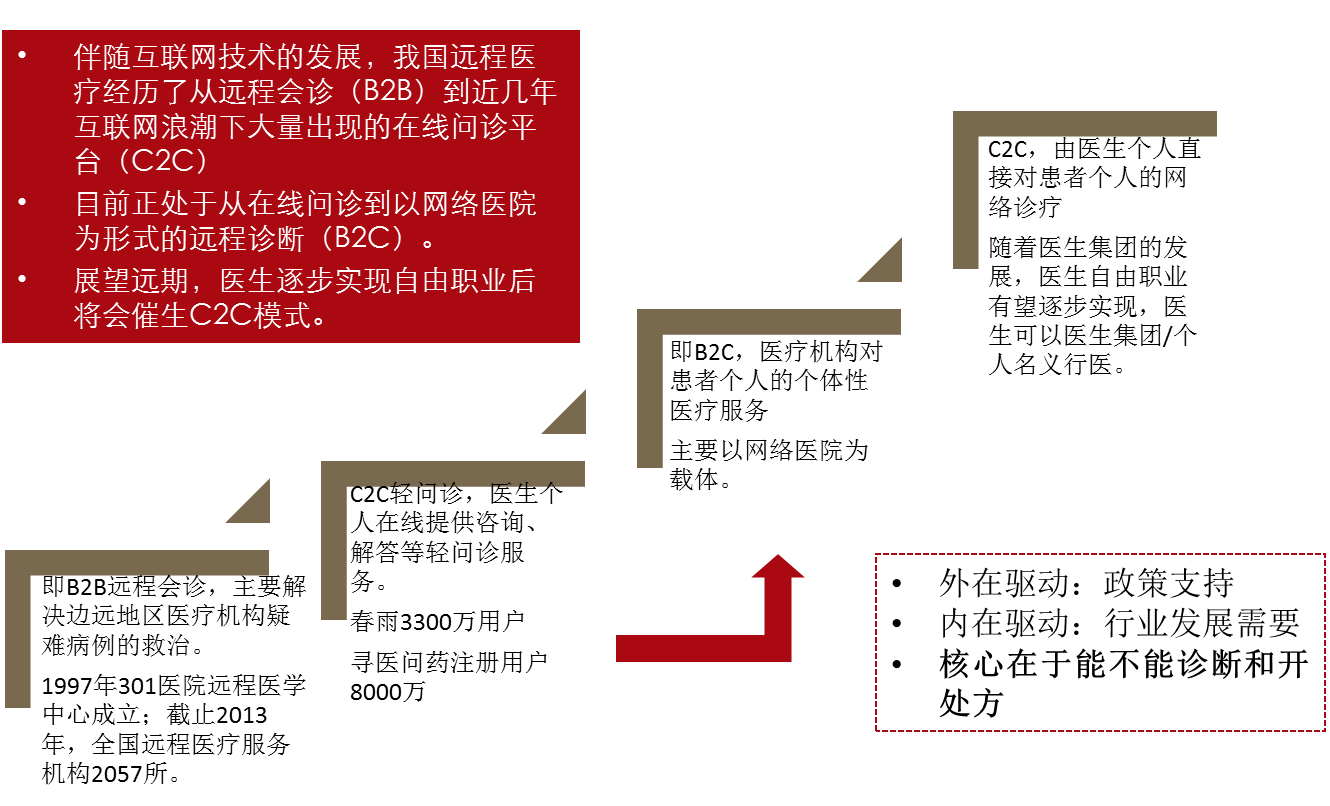
Figure 104: New Healthcare Models in the “Internet+” Era: Telemedicine
■ Health Management Platform: Integrating Hardware and Software to Build a Deeply Vertical Ecosystem
In “The Second In-Depth Report on the Internet Healthcare Series,” we have thoroughly demonstrated that the deeply vertical model, built around specific disease categories, is an inevitable trend in internet healthcare.
"Deep vertical integration" refers to a business model in which enterprises, by building or integrating a complete chain of medical services within a specific disease niche, enable consumers to access comprehensive, one-stop, closed-loop healthcare services on a single platform.
In the absence of deep vertical integration, patients face fragmented healthcare resources and disjointed processes, requiring them to individually “procure” necessary services based on their limited understanding. In contrast, deep vertical integration is patient-centric, consolidating resources within specific niches to create a comprehensive, closed-loop service ecosystem.
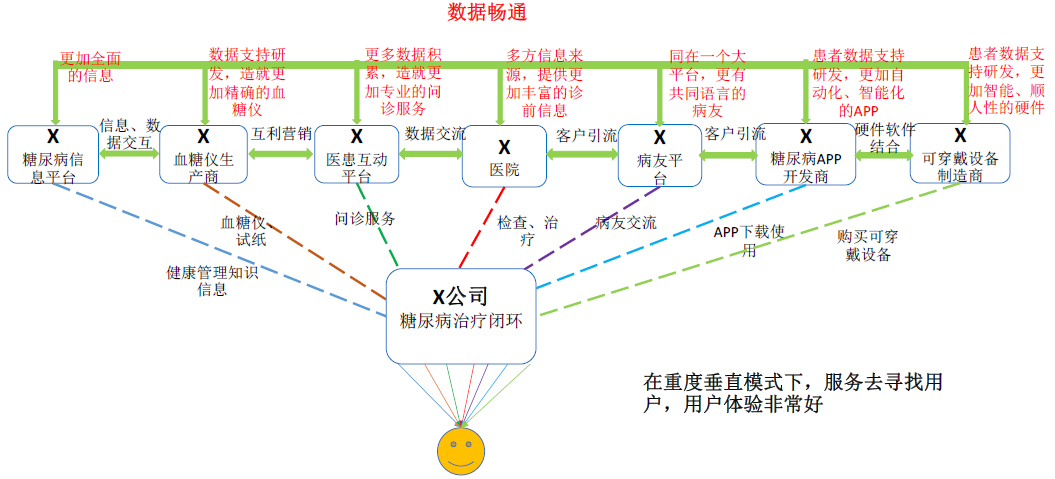
Figure 106: User Acceptance in the Context of Internet Healthcare under the Deep Vertical Model
Subspecialties suitable for the heavily vertical model should possess seven key elements:
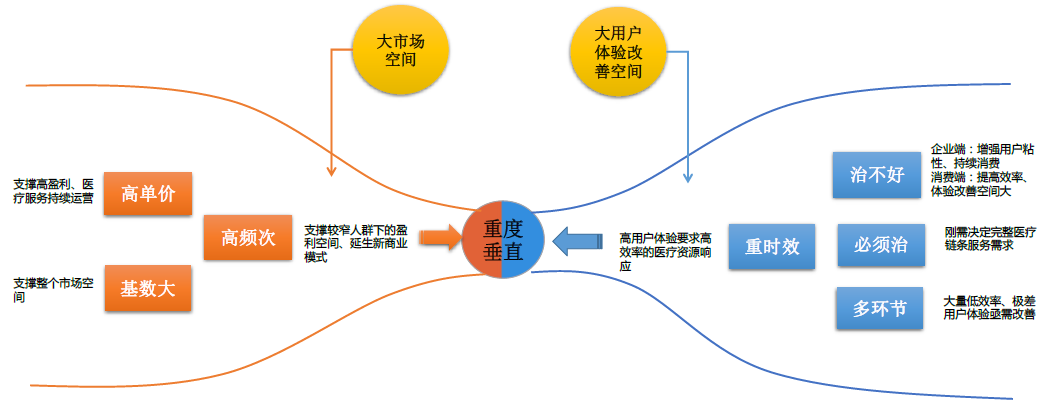
Figure 107: The Seven Elements of Deep Vertical Integration
Data lies at the core of health management, with hardware, software, and data forming an information closed loop for “Internet + Health Management.” Both hardware and software serve as entry-point products. Hardware entry points feature higher barriers to entry, clearer monetization models, and greater competitive advantages. In contrast, software entry points have lower barriers to entry but boast higher user stickiness.
Hardware solutions; consumer habits for health management have not yet taken shape, and the barriers to entry for chronic disease management are relatively high.Currently, hardware available on the market can monitor data such as physical activity, posture, blood pressure, blood glucose, blood oxygen saturation, heart rate, electrocardiogram (ECG), body temperature, and body weight, primarily offering two types of services: personal health management and chronic disease management.
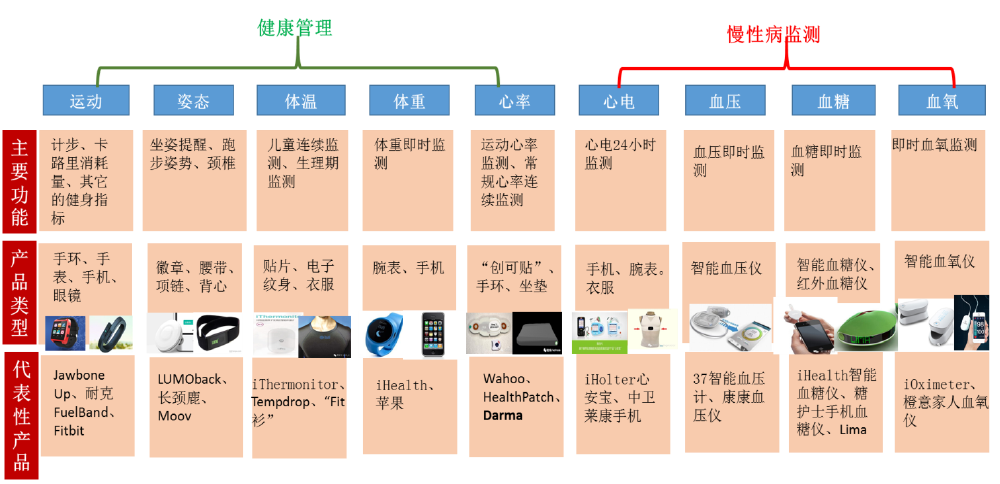
Figure 108: Internet-Plus Health Management Service Model Based on Hardware Solutions
Software Solutions: With a mature information systems market, platform-based companies have significant growth potential. Current software products in the market primarily consist of informatization systems and platforms for individual users. Individual user platforms are further categorized into self-use types and connectivity-driven types. Self-use platforms do not require multi-party connectivity between doctors and patients; the future trend lies in building community-based commerce to unlock greater market potential.
■ Reform of Medical Expense Payment Methods
Based on the timing of medical insurance payments, payment methods can be divided into prospective payment and retrospective payment.
Prepayment SystemThe prepayment system refers to a mechanism whereby payers reimburse healthcare providers for medical expenses in advance, based on predetermined standards, before the costs are actually incurred. The payment standards remain fixed for a specified period and are subsequently adjusted according to actual conditions. Prepayment models include global budgeting, capitation, and Diagnosis-Related Groups (DRGs). The advantages of this system include curbing patient demand for medical services and preventing provider-induced demand, thereby reducing overall healthcare costs. However, its disadvantages may include a potential decline in the quality of care and the refusal or shifting of critically ill patients.
Retrospective payment refers to a system in which payers reimburse healthcare providers based on the actual medical expenses incurred by insured individuals after the services have been delivered. The primary models of retrospective payment include fee-for-service and per-unit-of-service payment. Its advantages lie in operational simplicity, while its drawbacks include inducing excessive demand for medical services and resulting in waste.
Prior to 2011, China primarily employed a fee-for-service payment model under a retrospective reimbursement system, which led to issues such as over-treatment and excessive prescribing, resulting in the wastage of medical resources. In 2011, the Ministry of Human Resources and Social Security issued the "Opinions on Further Advancing the Reform of Medical Insurance Payment Methods," encouraging medical insurance authorities to implement global budgeting for fund revenue and expenditure and to explore global prospective payment systems, thereby officially launching the reform of healthcare payment methods. In 2012, the State Council released the "Plan and Implementation Scheme for Deepening the Reform of the Pharmaceutical and Healthcare System during the 12th Five-Year Plan Period," proposing the nationwide adoption of new payment models such as global prospective payment, diagnosis-related group (DRG) payment, and capitation, further clarifying the direction of healthcare payment reform.
We believe that the implementation of reforms toward multiple healthcare payment models represents the ultimate trend. Different healthcare payment methods exert varying incentives and constraints on healthcare providers; therefore, appropriate payment models should be adopted for different healthcare service scenarios.
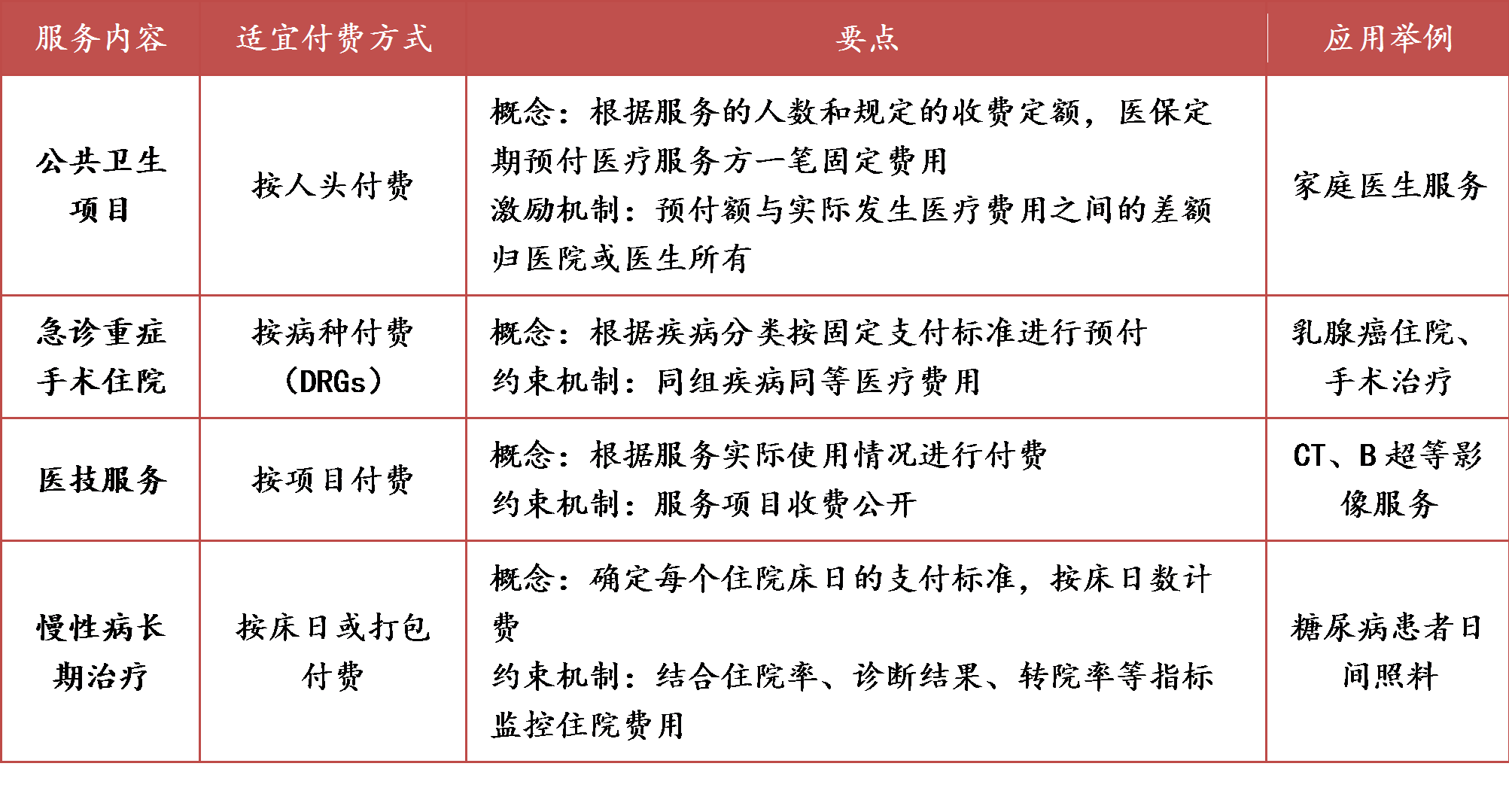
Figure 109: Multiple Payment Methods Will Be Applied in Different Healthcare Service Scenarios
■ CN-DRGs: An Advanced Form of Payment for Surgical Inpatient Care
DRGs (Diagnosis-Related Groups), a case-based payment system, classify similar cases into the same group based on discharge medical records, taking into account the patient’s principal diagnosis and primary treatment procedures, as well as individual characteristics such as age, complications, and comorbidities, according to disease complexity and costs. Based on this grouping, health administrative departments can conduct relatively objective performance evaluations of medical services across different healthcare institutions with the assistance of the DRG system, while health insurance agencies can manage reimbursement payments accordingly. Currently, DRGs are widely used in many countries around the world, including the United States, Australia, Germany, and France.
The United States was the first country globally to introduce Diagnosis-Related Groups (DRGs), effectively controlling the growth of healthcare costs through their implementation. Prior to 1983, the U.S. employed a fee-for-service payment model, which contributed to unreasonable increases in healthcare expenditures to some extent. In 1983, the Medicare program first introduced a prospective payment system based on DRGs for acute inpatient services, achieving significant success in cost containment. Between 1980 and 1983, the average annual growth rate of per capita Medicare expenditures declined from 15.5% to 6.6%, and the average length of hospital stay decreased from 10.2 days in 1983 to 8.9 days in 1987.
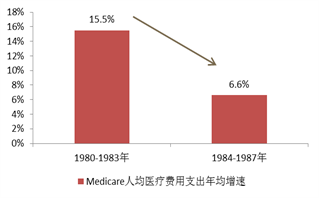
Figure 110: Significant Decline in the Growth Rate of Per Capita Healthcare Expenditure in the United States Following DRG Implementation
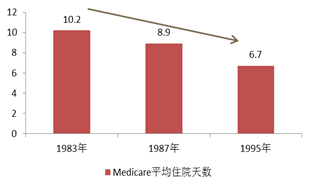
Figure 111: Significant Decline in Average Length of Stay in the United States Following DRG Implementation
The establishment process of CN-DRGs comprises five steps: data collection, standardization, database creation, model-based grouping, and implementation of diagnosis-related group (DRG)-based payment.
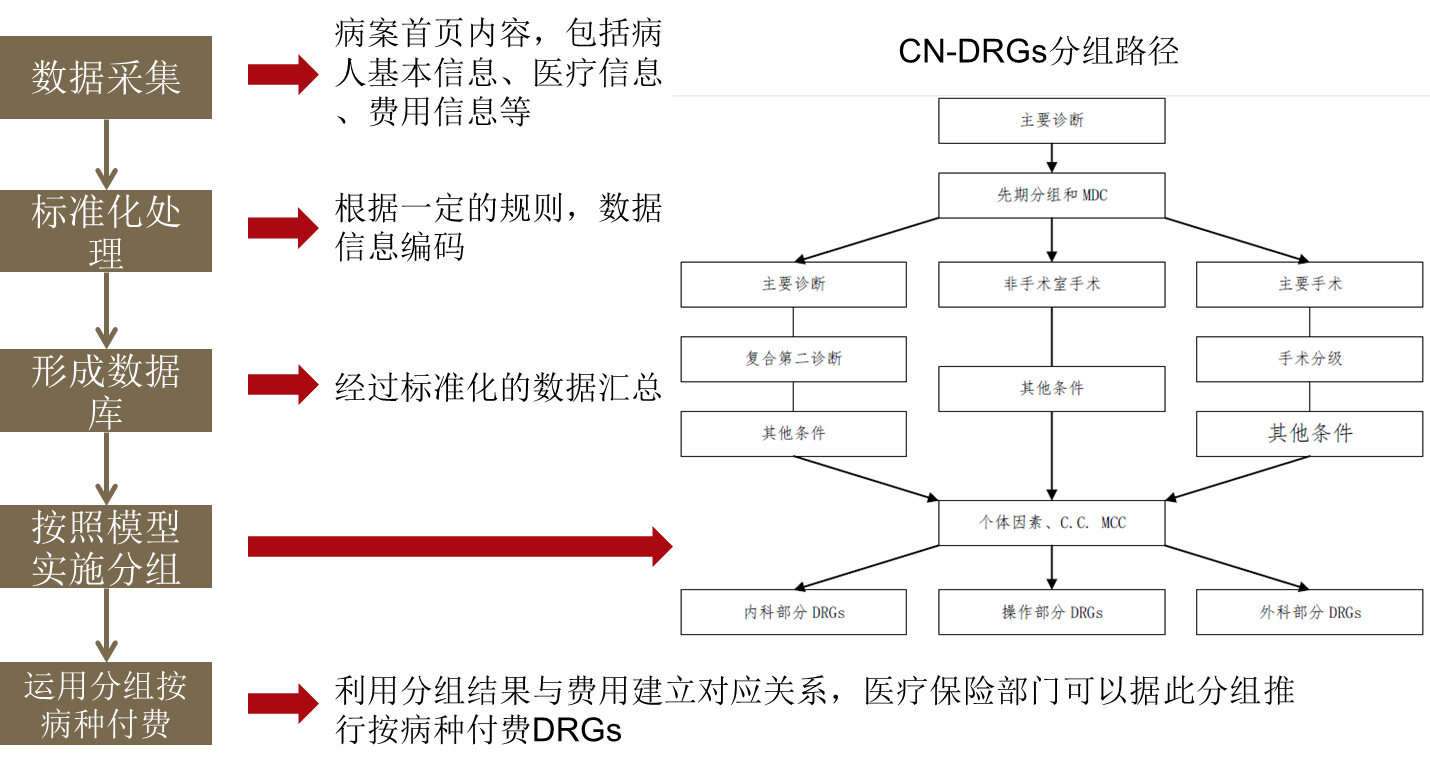
Figure 112: Development Process and Application of CN-DRGs
China’s research on Diagnosis-Related Groups (DRGs) was initiated in 2004, when a project team comprising 240 experts from relevant specialties across multiple hospitals in Beijing was established to develop a DRG grouping system based on the American and Australian DRG models. In 2006, the implementation phase of the Diagnosis-Related Group Prospective Payment System (DRGs-PPS) began. In 2008, a version of DRGs tailored to the characteristics of the Beijing region, known as BJ-DRGs, was successfully developed. In 2013, the BJ-DRG grouping system was upgraded, and the BJ-DRG Grouping Management System software was developed. In 2015, the CN-DRG grouping scheme was established based on BJ-DRGs.
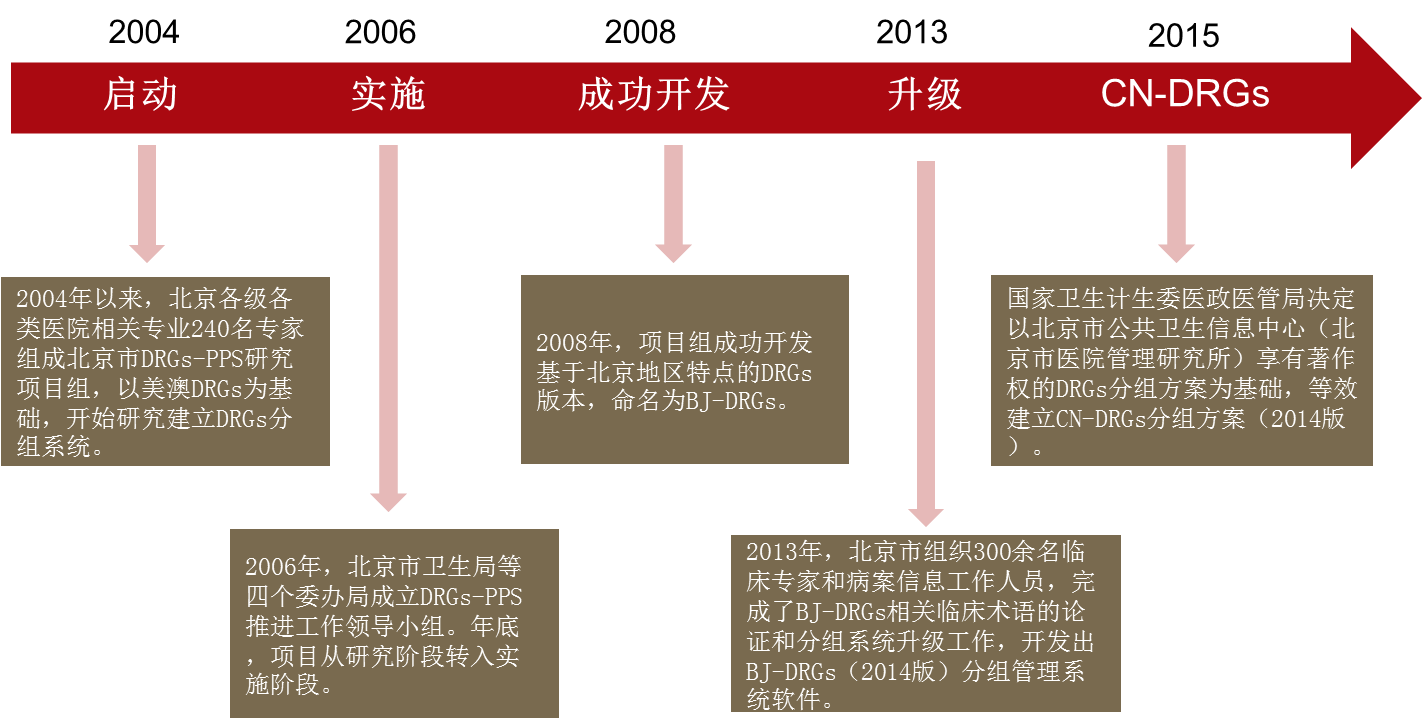
Figure 113: CN-DRGs: China’s Standard DRG System
■ PBM: A Cost-Control System Coordinating Stakeholders Across the Healthcare Ecosystem
PBM Revenue Sources:
From the patient: Due to their extensive resources of insured members from insurance companies, PBMs can designate pharmacies for the policyholders of their insurer clients. In the U.S., PBMs possess strong bargaining power when negotiating with pharmacies and pharmaceutical manufacturers, enabling them to secure discounted medications. They then sell these drugs to patients, and this drug dispensing process constitutes their primary revenue model.
From insurance companies: First, they review policies to help insurers control costs and charge service fees based on the number of policies. Second, during the drug sales process, PBMs advance funds for insurers and settle accounts with them on schedule, earning profits from the price differential on medications.
From pharmaceutical manufacturers: By including their manufactured drugs in the designated formulary of insured medications, PBMs can secure certain rebate revenues from the manufacturers.
From Healthcare Providers: The PBM database contains extensive records of patients' insurance histories and healthcare institutions' treatment histories. Newly issued hospital prescriptions and pharmacy drug sales records are transmitted in real time to the database for matching and review. In the event of medication errors or abuse, immediate alerts are triggered to achieve cost containment objectives. Healthcare institutions are required to pay service fees to the PBM.
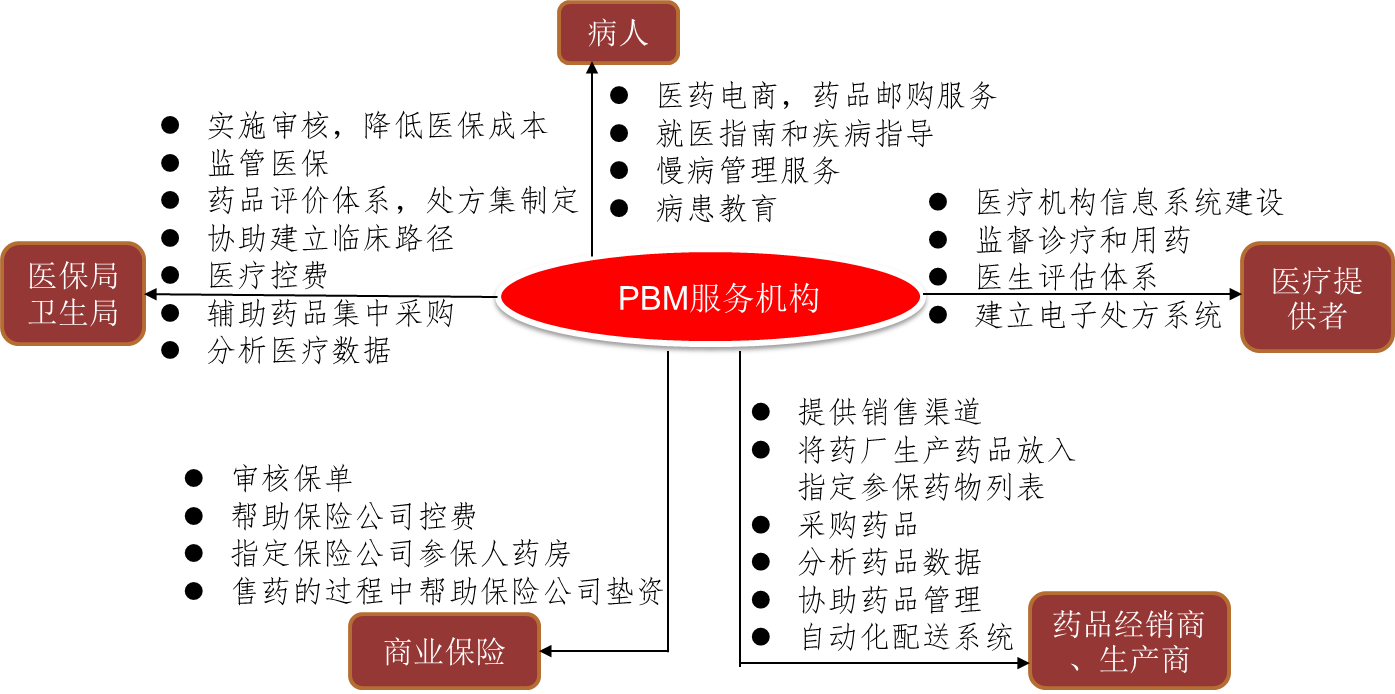
Figure 114: PBMs Coordinate Various Market Participants
The development of Pharmacy Benefit Management (PBM) in China has been relatively slow, constrained by hospitals, insurers, and the government. In particular, the lack of prescription transparency is the most critical barrier. Currently, PBM services are primarily focused on drug procurement and prescription review, making it difficult to implement interventions such as prescription modification to reduce medication costs.
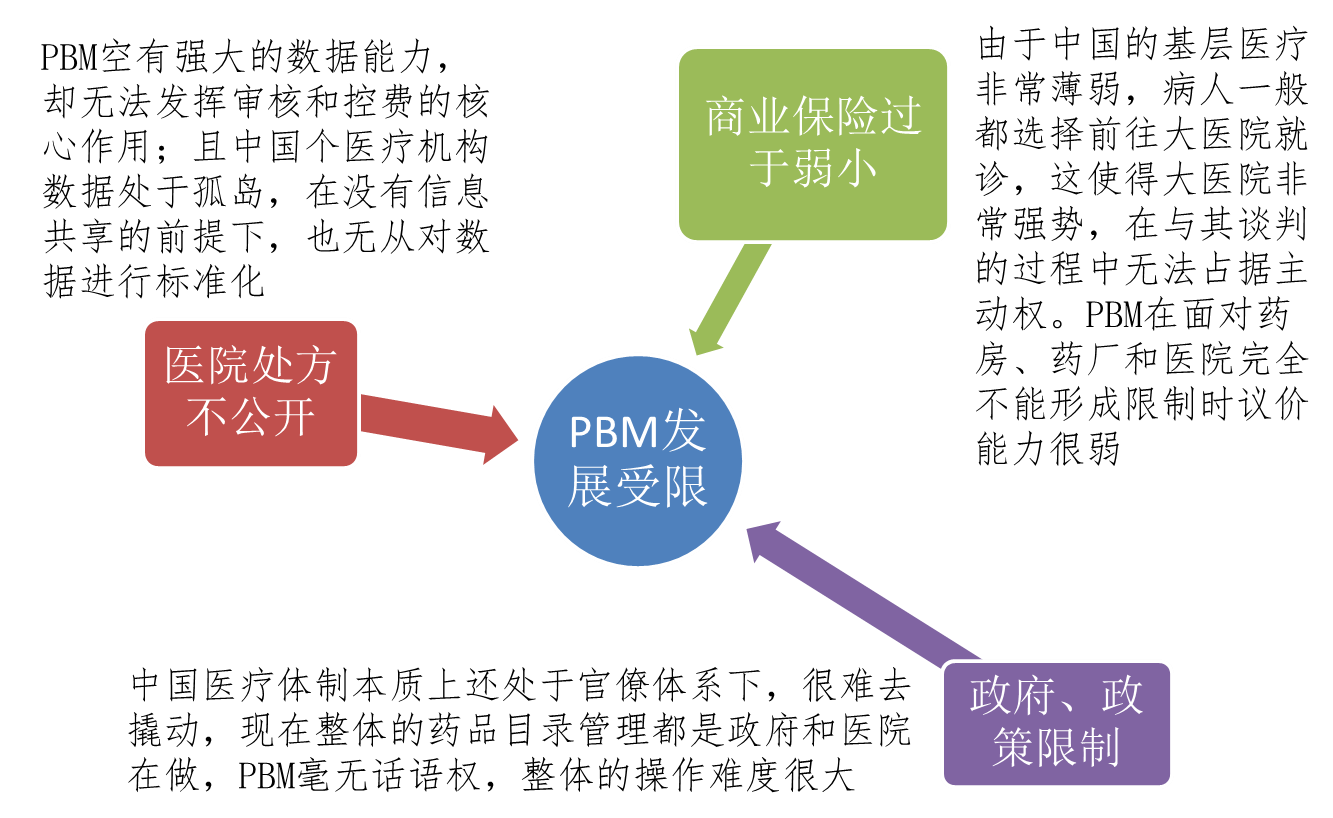
Figure 115: China’s PBM Sector Constrained by Three Parties, Resulting in Slow Development
■ Pharmaceutical E-commerce O2O: Integrating Pharmaceutical E-commerce into Primary Healthcare Services
From the perspective of the pharmaceutical e-commerce industry chain, O2O sits between upstream resource providers and downstream pharmaceutical B2C channel providers. Its function and value lie in connecting upstream resources with downstream channels. Upstream resources include medical resources and retail pharmacies, while downstream channel resources primarily consist of pharmaceutical e-commerce platforms with traffic advantages.
From a longitudinal perspective—the development trajectory of pharmaceutical e-commerce—as the importance of services increases, pharmaceutical e-commerce platforms will gradually integrate service offerings. The sector has evolved from the B2C era to the O2O era.
B2C Era (2005–2013): With the removal of policy barriers to online drug sales, various capital investors gradually entered the pharmaceutical e-commerce sector. The first wave of pharmaceutical e-commerce platforms, such as Haoyaoshi under Jointown Pharmaceutical Group, Yaofang.com under Renhe Pharmaceutical Co., Ltd., and Baiji Health Mall under Cardinal Health Pharmacy, all emerged after 2005. Until 2014, most new entrants in the pharmaceutical e-commerce market adopted the B2C model.
O2O Era (2014–Present): In the past two years, O2O has witnessed rapid growth, with an increasing number of O2O enterprises or products emerging in the pharmaceutical e-commerce sector, such as Wen Yao, Yao Ji Song, Yao Bi Jiao, Yao Kuai Hao, Kuai Fang Song Yao, Dingdang Kuai Yao, and BAT-affiliated platforms including Ali Health and JD Daojia (healthcare services).
From a horizontal perspective—specifically regarding the strategic layout of O2O pharmaceutical e-commerce—there is a prevalence of players providing logistics services, while notable gaps remain in pharmaceutical care, medical services, and health management services. Due to high demand and relatively low barriers to entry, most O2O pharmaceutical e-commerce platforms have focused on logistics, resulting in a crowded market with participants primarily originating from three sectors: first, internet companies such as JD Daojia, Yao Kuaihao, Yao Geili, and Kuaifang Songyao; second, traditional pharmaceutical enterprises such as Dingdang Kuaiyao and Yao Jisong; and third, express delivery companies such as ZJS Express and YTO Express, which generally enter the pharmaceutical distribution market through strategic partnerships with pharmaceutical e-commerce platforms. We believe that the logistics service sector is gradually becoming a red ocean market, and future opportunities will lie more prominently in other areas, specifically medical services, pharmacist services, and health management services, in that order.
■ Pharmaceutical E-commerce B2B: An Efficient Model for Drug Distribution and Supply
Pharmaceutical B2B refers to the circulation of pharmaceuticals and raw materials between enterprises or institutions. Based on the industry chain structure of "raw material procurement – drug manufacturing – drug distribution – drug retail," these enterprises and institutions include raw material suppliers, pharmaceutical manufacturers, pharmaceutical wholesalers, pharmaceutical retailers, and medical institutions, thereby forming six B2B transaction scenarios: (1) between raw material suppliers and pharmaceutical manufacturers; (2) between pharmaceutical manufacturers and pharmaceutical wholesalers; (3) between pharmaceutical manufacturers and pharmaceutical retailers; (4) between pharmaceutical manufacturers and medical institutions; (5) between pharmaceutical wholesalers and pharmaceutical retailers; and (6) between pharmaceutical wholesalers and medical institutions.
Following the digital transformation of pharmaceutical B2B e-commerce, services align with six transaction scenarios, forming four types of pharmaceutical B2B e-commerce models: (1) government-led B2B platforms; (2) upstream B2B—between raw material suppliers and industrial/production enterprises; (3) midstream B2B—between industrial enterprises and wholesale/retail enterprises; (4) downstream B2B—between retail enterprises and industrial/wholesale enterprises. Among these,
Government-led B2B platforms are non-profit platforms serving centralized drug procurement for public hospitals, with representative entities being the local government drug bidding and procurement platforms.
Market-oriented B2B pharmaceutical e-commerce, across its upstream, midstream, and downstream segments, operates either as a matchmaking platform or a self-operated platform. Its revenue models consist of one or more of the following: transaction commissions, promotional fees, sales price differentials, membership services, and logistics and distribution.
Representative enterprises or models in the upstream B2B sector include Renhe Pharmaceutical’s “Heli IoT,” Kangmei Pharmaceutical’s “Kangmei E-Drug Valley,” and Shennonggu Drug Information Network; representative enterprises or models in the midstream B2B sector include Jointown, Zhencheng Pharmaceutical Online, Neptunus Medical E-commerce, and Putian Medical Device Trading Network; and representative enterprises in the downstream B2C sector include Yitong Tianxia, Tianxia Yaocang, and Block 1 of Yihaodian.
The primary competitors in the B2B pharmaceutical e-commerce market are traditional pharmaceutical wholesalers and internet-based enterprises. As the internet becomes increasingly ubiquitous, pharmaceutical e-commerce platforms are gradually becoming a standard component for distribution companies. This shift will bring about profound changes to the pharmaceutical distribution supply chain, reshaping new business models and industry landscapes.

Figure 116: Pharmaceutical B2B Enhances the Efficiency of Pharmaceutical Distribution
Report Source: Founder Securities