

Business Model Challenges in Internet Healthcare: The Failure to Close the Loop with Health Insurance
Recently, Founder Securities released an industry report titled “Commercial Insurance Bridging the Business Model Loop of Internet Healthcare.” From the perspectives of healthcare reform and medical big data, the report offers constructive insights on breaking the current impasse in internet healthcare business models. VCBeat (WeChat Official Account: vcbeat) has distilled the core viewpoints into four chapters, which are being presented sequentially in recent days.
The healthcare services market is a vast ecosystem involving patients, hospitals, physicians, pharmaceutical companies, insurers, and the government, with intricate interrelationships among these stakeholders. From a supply-and-demand perspective, patients and insurers constitute the demand side of the healthcare services market, where patients are the core demanders and insurers serve as supplementary demanders. Hospitals, physicians, and pharmaceutical companies form the supply side, with hospitals and physicians providing medical services as the core suppliers, while pharmaceutical companies supplying medications act as supplementary suppliers. The fundamental relationship within the healthcare services ecosystem is that between the core demanders (patients) and the core suppliers (hospitals and physicians).
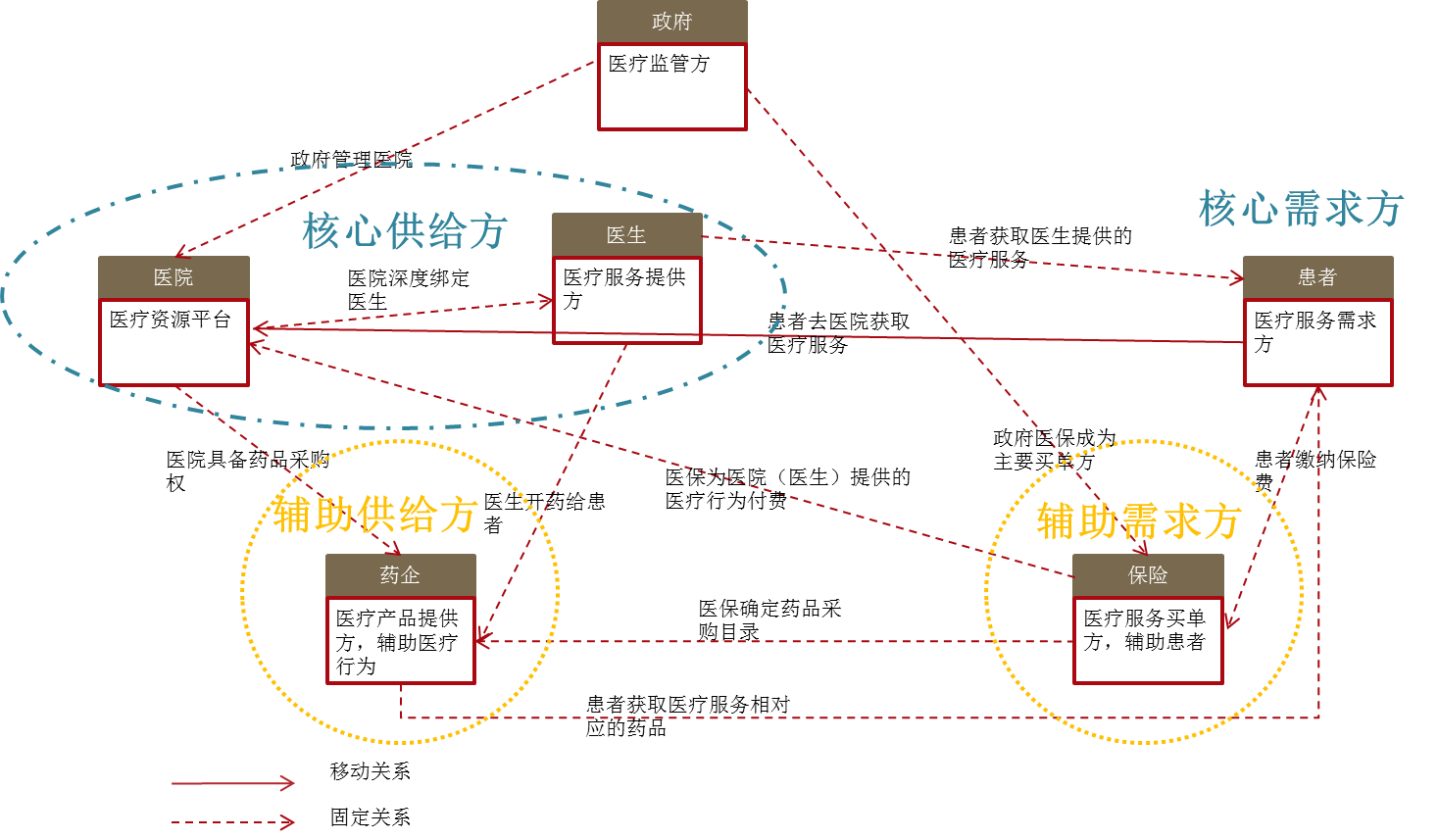
Figure 1: The Essence of Healthcare Arises from the Core Supply and Demand Parties
Chinese society is undergoing a wave of internetization. Throughout the history of internet development, it has successively disrupted industries such as print media, communications, retail, and tourism. Its core trajectory involves penetrating, in order from easy to difficult, those industries characterized by low efficiency, multiple pain points, significant market potential, and long-tail features. China’s healthcare services industry precisely exhibits these characteristics—vast market space, low efficiency, numerous pain points, and long-tail dynamics—indicating tremendous potential for the development of “Internet + Healthcare.”
From the perspective of target users, focusing on the three core elements of the medical service ecosystem—patients, physicians, and hospitals—three primary business models of internet healthcare have emerged: internet healthcare services for patients, internet healthcare services for physicians, and internet healthcare services for hospitals.
■ Internet Healthcare Services for Patients
Patients are the core of the entire internet healthcare service chain. The business model of charging patients is based on meeting their essential needs. These essential needs can be broken down across the various stages of the medical consultation process, offering numerous entry points for monetization. Each of the nine key segments of healthcare services presents its own pain points. Specific methods for charging consumers can be broadly categorized into hardware sales models and software service models.
Hardware Sales Model: Companies such as Jawbone, Fitbit, and Codoon Band, which primarily offer health management features, as well as iHealth and Lifesense, which focus on chronic disease monitoring and management, all operate under a hardware sales-driven profit model. However, this model faces challenges in long-term development. First, as market penetration increases, the demand for device upgrades becomes non-essential. Second, given the existence of other potential derivative revenue streams that can subsidize hardware costs, hardware prices are expected to continue declining over the long term. Hardware sales primarily serve as a user acquisition channel, while their standalone profitability is difficult to sustain.
Software-as-a-Service (SaaS) Model: This model offers basic services free of charge to acquire traffic and enhance user stickiness, while generating revenue through physician and medication referral services and value-added services. Although specific pricing strategies are relatively flexible, the revenue model based on physician and medication referrals faces a bleak outlook due to the adverse consequences associated with paid ranking mechanisms, which are fundamentally similar in nature. Furthermore, given the inevitable trend of promoting family doctor services, the functions of physician and medication referrals will gradually shift to family doctors. Regarding the value-added service revenue model, the limited value of online consultations under the current restriction that physicians cannot practice freely makes it difficult to establish a viable market. However, market opportunities may emerge when this software service model is integrated with diagnostic services provided by licensed medical institutions or remote services offered by family doctors.
Community Model: This model is still in the exploratory phase, but its trends can be identified.
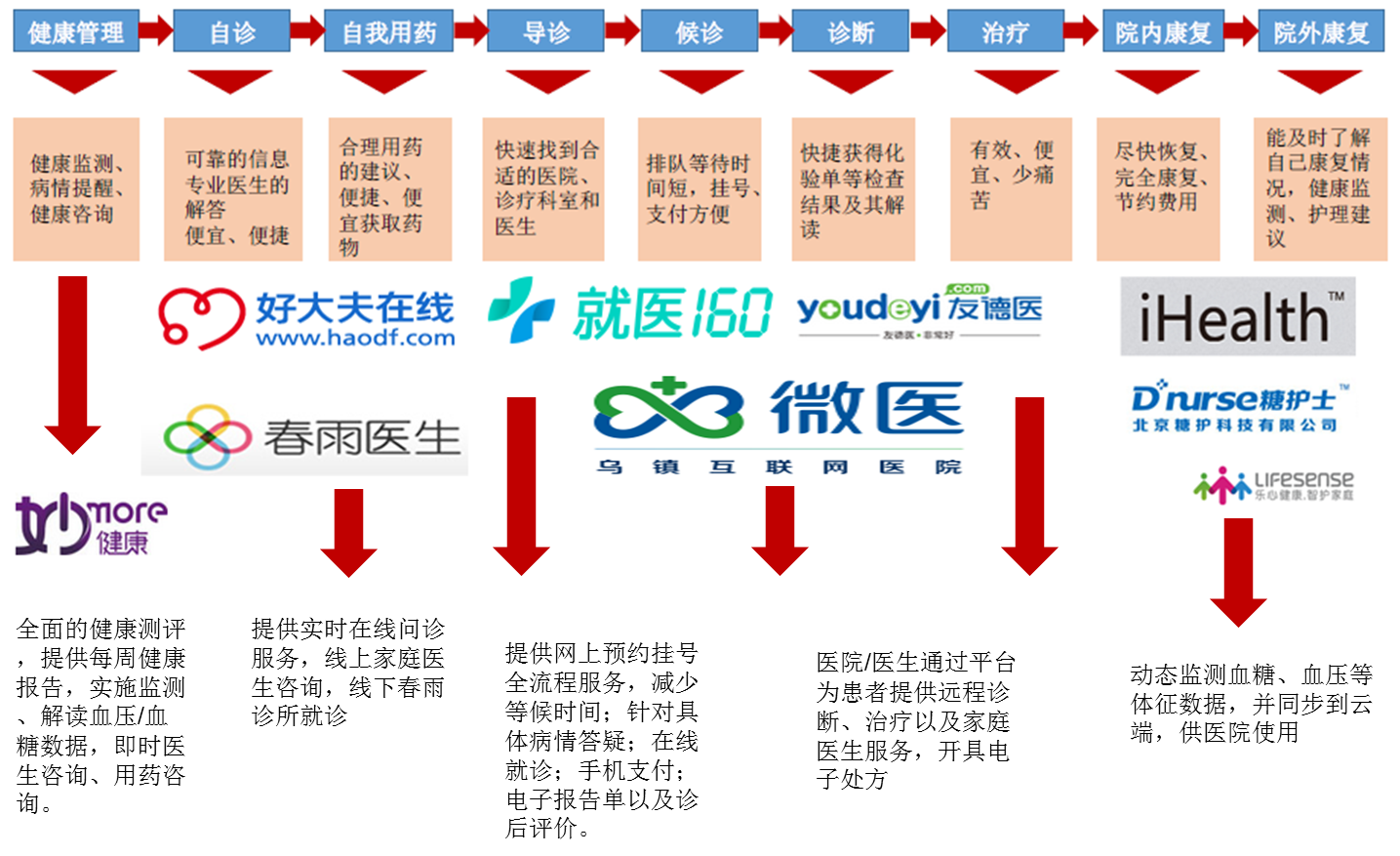
Figure 2: Business Models of Internet Healthcare: Serving the Patient Segment
■ Internet Healthcare Services for Physicians
The foundation of the fee-charging model targeting physicians lies in addressing their core demands. These core demands include increasing legitimate income, enhancing personal brand visibility, publishing more research papers to attain higher professional titles, and reducing workload. The primary entry points for charging physicians mainly involve diagnostic and treatment support services as well as appointment platforms. The former features sustained demand, while the latter holds significant growth potential driven by the advancement of multi-site practice policies for physicians.
Currently, the primary revenue model for companies charging physicians is membership fees. In the United States, where physicians practice independently and enjoy considerable autonomy in patient consultations, their profit models are highly diverse, with monetization opportunities spanning patient referral, diagnosis, post-consultation services, pharmaceuticals, and medical devices. In contrast, China’s healthcare system imposes stringent restrictions on physicians, limiting monetization strategies to auxiliary diagnostic medications and professional exchanges among doctors. Although appointment-based platform fee models have shown promising development, they face regulatory risks and thus have a less optimistic outlook for future growth.
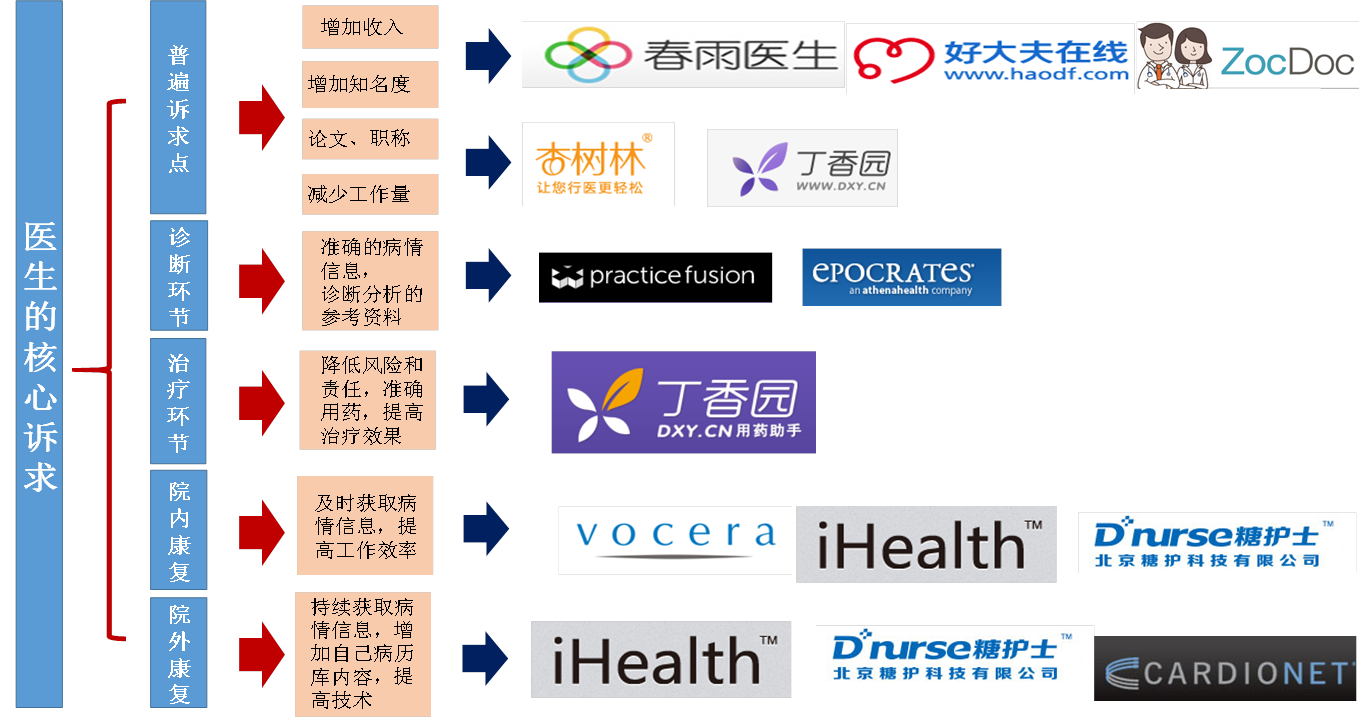
Figure 3: Business Models of Internet Healthcare: Serving the Physician Segment
■ Internet healthcare services for hospital settings
Revenue models targeting hospitals focus on improving management efficiency and increasing revenue. Demand from hospitals is strong in these two areas, offering significant potential for profitable business models; however, these models are more closely related to healthcare informatization rather than pure internet-based approaches. Currently, the primary revenue models for companies charging hospitals fall into three categories: (1) software sales and maintenance/operational fees; (2) hardware sales; and (3) remote monitoring service fees.
Profit Model for Software and Hardware Sales:This model serves as the primary profit source for companies charging hospitals in the short term, but its future profit margins will gradually shrink.
Revenue Model for Remote Monitoring Service Fees:In the medium term, this model is poised to become a primary revenue stream derived from hospital billing, offering considerable room for growth. However, given that mobile health cannot readily substitute the role and standing of hospitals, current profits generated from the hospital sector stem solely from improvements to traditional medical practices, which limits market potential. While this revenue model will yield some income in the short to medium term, it is insufficient to meet long-term profitability requirements. There are few opportunities for innovation within this revenue model, and the mobile health industry chain remains relatively short.
Currently, companies involved in hospital billing are proposing data-driven strategic plans for their future development. We believe that data-based profitability will be the primary model for hospital billing in the future.
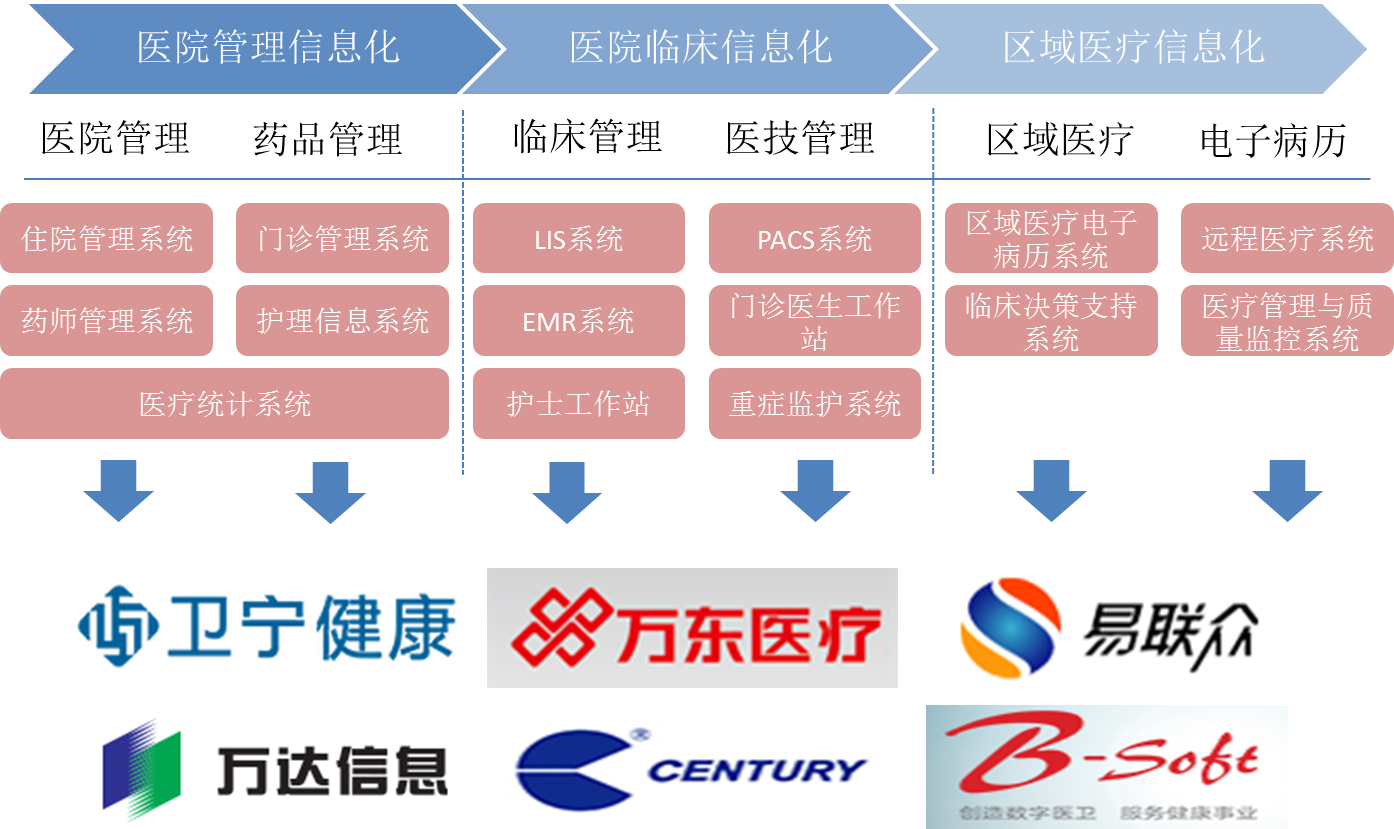
Figure 4: Business Models of Internet Healthcare: Serving the Hospital Segment
From the perspective of addressing information asymmetry in the healthcare industry, the internet has fully leveraged its connectivity function. Based on the stages of medical care, this can be divided into two areas: within-hospital and out-of-hospital. Within hospitals, information asymmetry is primarily addressed through health information technology infrastructure; outside hospitals, it is mainly mitigated through advertising, online forums, and other channels to bridge the information gap between patients, healthcare institutions, and physicians.
Internet advertising has a mature profit model, with two current models: search engine promotion and website page advertisements. As shown in the figure below, both of these models have entered a period of stable growth, with an expected compound annual growth rate of around 30% over the next three years. Other internet business models still face challenges on their path to profitability.
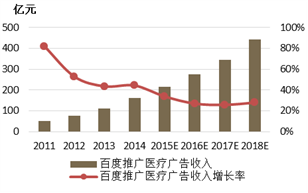
Figure 5: Baidu’s medical advertising revenue to grow at a 28% CAGR over the next three years
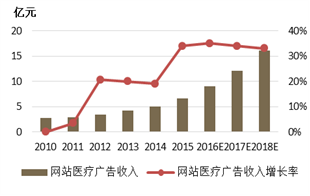
Figure 6: Online healthcare advertising revenue to grow at a CAGR of 33% over the next three years
Information technology investment continues to have strong growth momentum.The primary solution to information asymmetry within hospitals is hospital informatization. China’s healthcare informatization has developed over a relatively short period, resulting in insufficient coverage, particularly regarding highly integrated and highly shared informatization solutions. As the healthcare informatization industry will be examined in detail later, we will not elaborate further here. We believe that the market size of China’s healthcare informatization sector will continue to grow, approaching RMB 40 billion in 2017. However, it will exhibit the following key characteristics:
Volume: Increase. Medical informatics products are evolving toward higher integration and greater data sharing, with an increase in sub-modules and finer granularity.
Price: Stable or slightly declining. As digitalization serves as the entry point for data acquisition, vendors are willing to engage in low-price competition to secure medical big data, given the gradually clarifying value of such data.
Market Concentration: Increasing. Enhanced integration and the bridging of in-hospital and out-of-hospital settings have established technological barriers for products, thereby compressing the survival space for smaller enterprises.
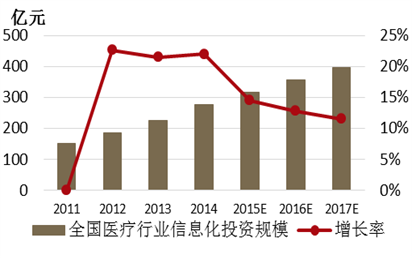
Figure 7: The CAGR of the healthcare IT market size will be 13% in the next three years
Establishing seamless payment flows is a prerequisite for generating the next phase of profitable business models.We believe that achieving true interoperability of healthcare big data and unlocking its commercial value is a prerequisite for the optimized allocation of medical resources. Driven by the dual forces of policy (healthcare reform) and technology (digitalization and internet integration), the constraints on healthcare big data have been lifted. Its commercial value is being continuously tapped, enabling market-oriented optimization of the five key resource elements and fostering new business and revenue models.
As shown in the figure below, driven by big data, we have simulated the pathway for the optimized allocation of future healthcare resources and conducted research on the future development directions of each resource element. We believe thatSupply-side reform in the healthcare industry is the true direction for generating incremental market growth.:
Hospitals: As the mainstay of the hospital sector, public hospitals will revert to their public-welfare role and become the primary platform for providing basic medical services to society against the backdrop of the elimination of drug markups. Meanwhile, greater social capital will be introduced into the sector.
Physicians: As the true providers of healthcare services, physicians will be moderately decoupled from hospitals to discover their intrinsic value through market-based allocation of scarce resources, thereby advancing supply-side reform in the healthcare sector.
Patient: With supply-side reforms, the demand side of patients will be segmented more granularly. Years of internet research have shown that user-needs-based studies are at the core of building business models.
Pharmaceuticals: The vast scope for rent-seeking will be compressed, and drugs will return to their primary role in disease treatment. Meanwhile, with the advancement of internet integration and informatization, the efficiency of pharmaceutical distribution will significantly improve to serve new supply-and-demand scenarios.
Medical Insurance: After implementing cost-containment measures for medical insurance, introducing new payers to align with market-oriented supply and demand structures has become an inevitable trend, with the adoption of individual health insurance being a key direction.
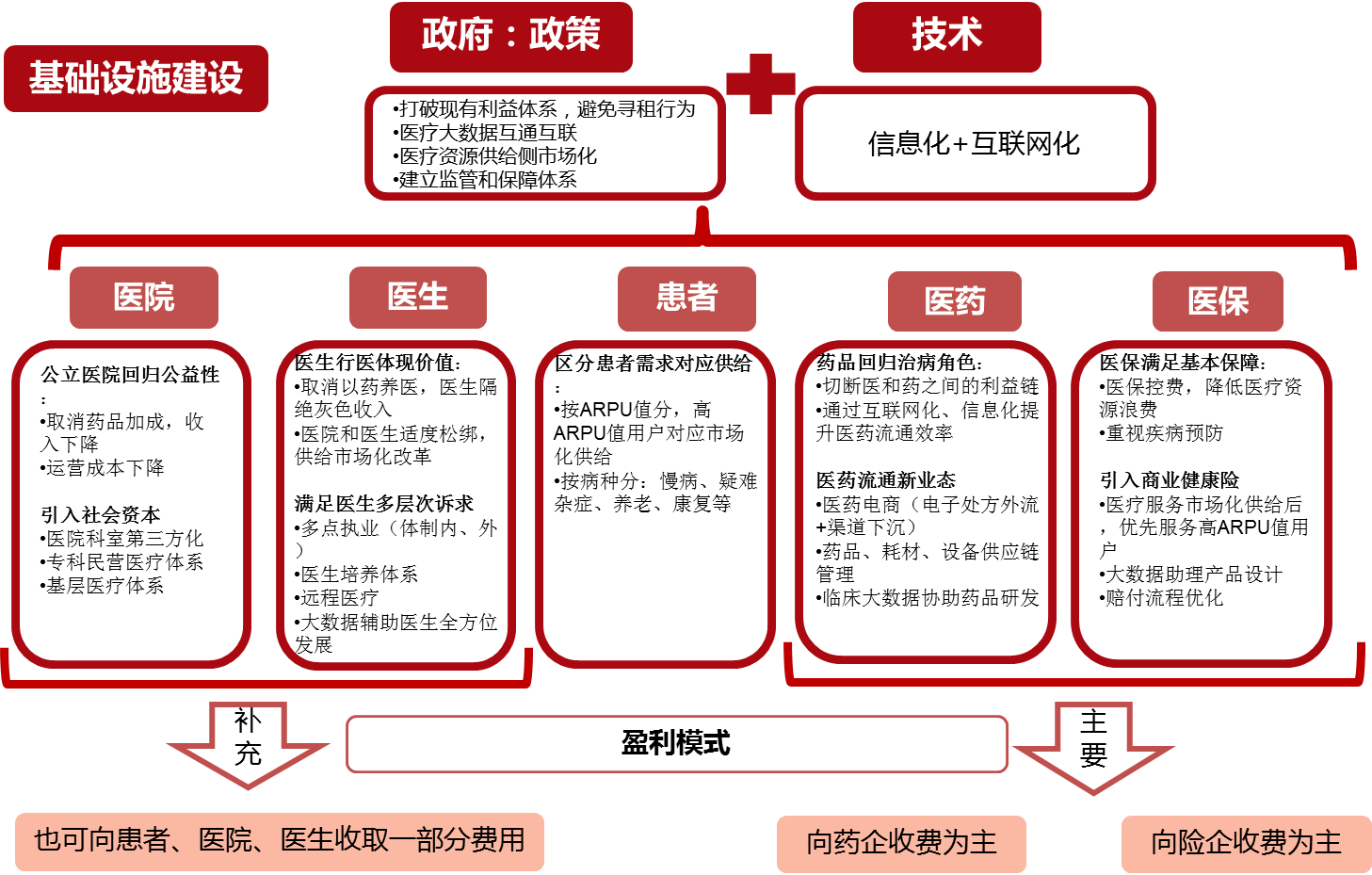
Figure 8: Integrating Payment Flows Is a Prerequisite for Establishing the Next-Phase Profit Model
With the establishment of new business models characterized by a high degree of marketization, the primary revenue streams will shift to fees charged to pharmaceutical companies and insurance providers. Additionally, as a supplementary source, fees may also be collected from patients, hospitals, and physicians, corresponding to three multi-trillion-yuan markets.
Trillion-Yuan Market 1: Pharmaceutical Marketing and Distribution Markets
In 2015, the market size of pharmaceutical companies' advertising and sales expenditures exceeded RMB 400 billion, and is projected to surpass RMB 550 billion by 2018. Meanwhile, the market size of the pharmaceutical distribution industry reached RMB 1.24 trillion in 2014.
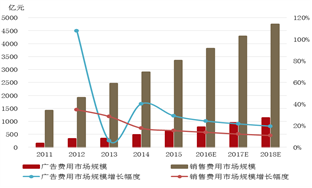
Figure 9: Market Investment in the Pharmaceutical Industry Exceeded RMB 550 Billion in 2018
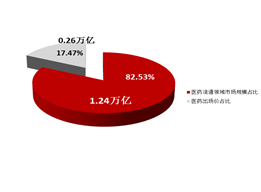
Figure 10: The market size of pharmaceutical distribution reached RMB 1.24 trillion in 2014
Trillion-Yuan Market II: China's Commercial Health Insurance Market to Reach RMB 2 Trillion in 2020
We believe that as the healthcare industry becomes more market-oriented, it will stimulate the continued rapid development of the commercial health insurance market. By 2020, the market size of commercial health insurance is expected to reach 2 trillion yuan, becoming an effective supplement to the existing medical security system.
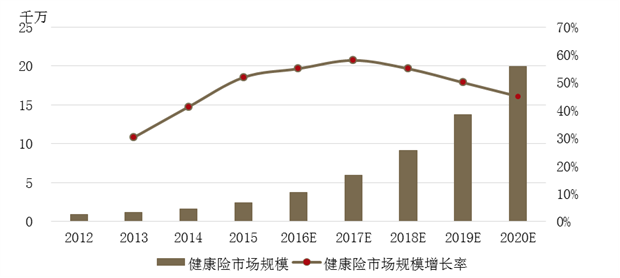
Figure 11: China’s Commercial Health Insurance Market Size Is Projected to Reach RMB 2 Trillion by 2020
Trillion-Yuan Market Three: Personal Healthcare Consumption Expenditure Market
In terms of total out-of-pocket health expenditure, the figure exceeded RMB 1 trillion in 2014 and is projected to surpass RMB 1.5 trillion by 2017. From a per capita perspective, urban and rural per capita health expenditures were RMB 3,576 and RMB 1,473, respectively, in 2014; these are expected to reach RMB 4,187 in urban areas and RMB 1,875 in rural areas by 2016.
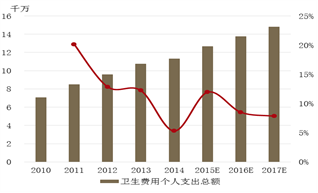
Figure 12: Out-of-Pocket Personal Health Expenditures Reached Nearly RMB 1.5 Trillion in 2017
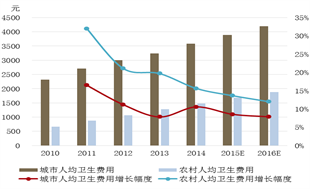
Figure 13: Urban Per Capita Health Expenditure Exceeded RMB 4,000 in 2016
China's current healthcare cost payers are primarily composed of basic medical insurance.Payers of medical expenses consist of three components: social health insurance (including basic medical insurance and social medical assistance), commercial insurance, and individuals. Among these, basic medical insurance accounts for 56% of total healthcare expenditures. It encompasses the Urban Employee Basic Medical Insurance, the Urban Resident Basic Medical Insurance, and the New Rural Cooperative Medical Scheme, providing coverage for outpatient services, hospitalization, and critical illnesses.
Commercial health insurance currently accounts for only 3.5% of total medical expenditures,Plays a limited role in providing healthcare coverage.Out-of-pocket expenses are relatively high, accounting for 40% of total medical costs, primarily stemming from self-paid items excluded from the basic medical insurance reimbursement catalog and co-payments for items included within the catalog.
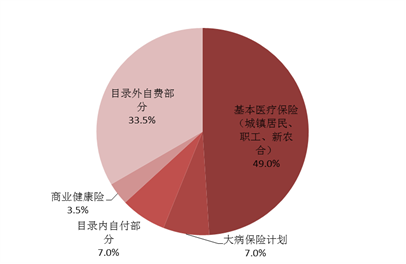
Figure 14: Basic Medical Insurance Accounts for 49% of Total Medical Expenditures
The establishment of the medical insurance fund aims to provide social health security for patients. Its operation is implemented by agencies under government departments and is not profit-oriented, thus lacking the incentive for cost containment. Furthermore, the operation of domestic medical insurance funds is relatively closed.It neither participates in the provision of upstream medical services, pharmaceuticals, and other products and services, nor does it engage in patient health management or care coordination. In short, the basic medical insurance fund lacks cost-containment mechanisms for the entire continuum of medical service delivery and pharmaceutical distribution, functioning primarily as a “cashier.”
The utilization rate of medical insurance funds continues to rise, increasing the pressure on revenue and expenditure.According to statistical data from the New Rural Cooperative Medical Scheme (NRCMS) Research Center, the utilization rate of NRCMS funds showed a rapid upward trend between 2004 and 2013. By 2012, the fund utilization rate in eastern China had exceeded 100%, indicating that current revenues were insufficient to cover expenditures, thereby depleting the cumulative balances from previous years. Similarly, the utilization rate of the Basic Medical Insurance Fund for Urban Employees also demonstrated an upward trend, surpassing 80%. Jin Weigang, Director of the Institute of Social Security under the Ministry of Human Resources and Social Security, stated that in 2013, 225 pooling regions across China experienced deficits in their urban employee medical insurance funds, accounting for 32% of all such pooling regions nationwide; among these, 22 regions exhausted their entire cumulative surpluses from previous years. Regarding medical insurance for urban residents, 108 pooling regions nationwide faced deficits in 2013. The "Report on the Development of China's Healthcare Industry 2014" predicted that the Basic Medical Insurance Fund for Urban Employees would incur current-year deficits by 2017, and would face a severe cumulative deficit of RMB 735.3 billion by 2024.
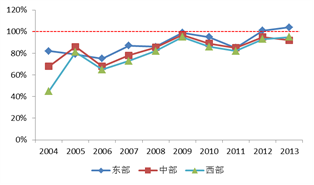
Figure 15: Utilization Rates of New Rural Cooperative Medical Scheme Funds in Parts of China Have Exceeded 100%
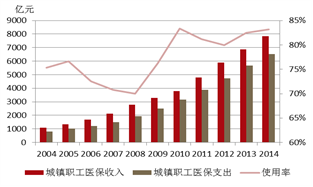
Figure 16: The Utilization Rate of the Basic Medical Insurance Fund for Urban Employees Continues to Rise
Commercial health insurance is poised to play a more significant role in healthcare payment. By comparing commercial health insurance with social medical insurance across dimensions such as operational mechanisms, population coverage, fund management objectives, scale, development potential, and growth rate, it can be concluded that commercial health insurance holds comparative advantages in three key areas.
Commercial health insurance has stronger incentives for cost containment.The operation of commercial health insurance is market-driven and profit-oriented, so its incentive to monitor medical expense expenditures is inevitably stronger than that of government-led social health insurance, which aims to ensure account solvency.
Commercial health insurance has greater room for future development.The population coverage rate of commercial health insurance remains low, with less than 1% of the population covered and a relatively small premium scale. Benchmarking against the general level in developed countries—where commercial health insurance accounts for 10% of total healthcare expenditures—there is still substantial room for growth. In contrast, social health insurance has already achieved near-universal coverage; further expansion of its fund size can only rely on increasing per capita contributions, which will inevitably increase fiscal pressure on the government and offers limited growth potential.
Commercial health insurance is growing faster.Driven by policy and market forces, commercial health insurance has maintained a rapid annual growth rate of approximately 50%, playing an increasingly significant role in the payment of medical expenses.

Figure 17: Social Health Insurance vs. Commercial Health Insurance
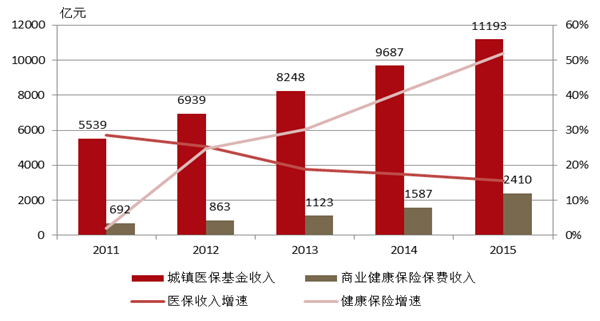
Figure 18: The growth rate of commercial health insurance is significantly higher than that of social medical insurance
From a policy perspective, the government has been continuously elevating the strategic positioning of commercial health insurance within the healthcare services sector.The 2009 “Opinions on Deepening the Reform of the Medical and Healthcare System” served as a landmark document that launched the new healthcare reform, positioning health insurance as a supplement to basic medical insurance and encouraging enterprises and individuals to purchase commercial health insurance to address needs beyond basic medical coverage. The 2013 “Several Opinions on Promoting the Development of the Health Service Industry” clearly outlined development goals for the health service industry by 2020 and identified health insurance as a key segment of this industry. In 2014, the “Several Opinions on Accelerating the Development of the Modern Insurance Industry” repositioned health insurance as an important pillar of the medical security system, rather than merely a supplement to basic medical coverage. That same year, the “Several Opinions on Accelerating the Development of Commercial Health Insurance” explicitly promoted the rapid growth of health insurance. Subsequently, the “Opinions on Fully Implementing Critical Illness Insurance for Urban and Rural Residents” and the “Interim Measures for the Administration of Individual Tax-Preferential Health Insurance Business” were direct drivers behind the near-doubling of health insurance growth in 2016.

Figure 19: Summary of Policies Related to Commercial Health Insurance
Source: Founder Securities