StartUp Health Releases Q3 2016 Digital Health Funding Report Amid Record Investment Surge
On October 3 (local time), StartUp Health, an internet healthcare accelerator, released its review of financing and investment in digital health startups for the third quarter of 2016. The reported data, current as of September 30, covers seed funding, venture capital, corporate venture capital, and private equity financing. VCBeat (WeChat ID: vcbeat) has compiled StartUp Health’s review to help you gain a clearer understanding of current trends in the international healthcare venture capital market.
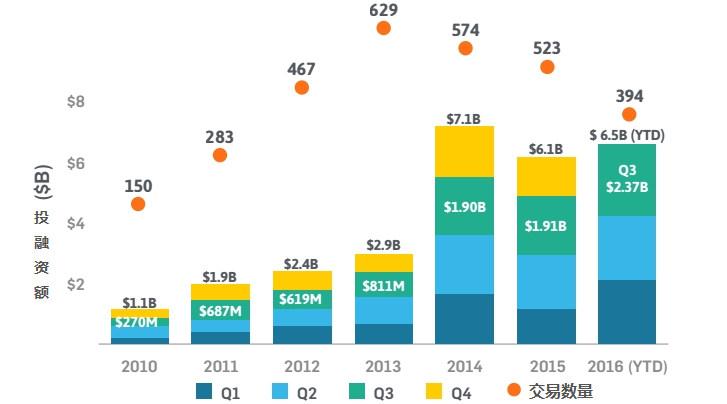
The digital health industry has caught up with the most robust year for investment and financing. In the third quarter of this year, the sector secured nearly $2.4 billion in funding, with almost half stemming from international collaborations. We have witnessed the gradual expansion of the global healthcare market, marked by several major international financing rounds.
Growth Beyond the Pacific Coast: Although the Pacific Coast still accounts for the majority of capital in the digital health sector, this quarter we have seen a trend of Minnesota, Tennessee, and Florida catching up in terms of transaction volume. New ecosystems are gradually developing, and investors are increasingly turning their attention to previously overlooked companies and healthcare entrepreneurship sectors.
The digital health investment and financing market in the third quarter of 2016 was quite active, surpassing that of any previous third quarter. The total transaction amount in Q3 of this year exceeded the combined annual totals for 2010 and 2011, and matched the full-year figure for 2012. It is certain that we are witnessing the strongest momentum in healthcare venture capital and private equity investment on record, as the cumulative investment and financing volume across the first three quarters of 2016 has already surpassed the full-year total of $6.1 billion in 2015.
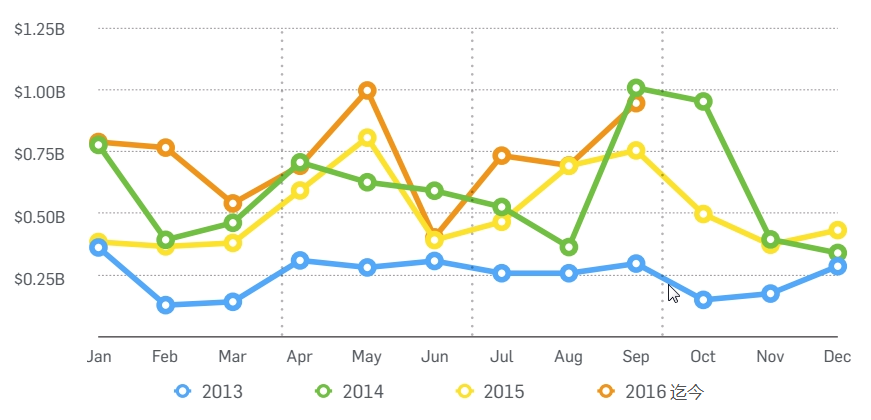
The chart illustrates the year-on-year monthly investment and financing trends from 2013 to date in 2016. Notable peaks occur in May and September of each year, a pattern entrepreneurs can leverage when formulating their fundraising strategies. Five of the first nine months this year have set new records for investment and financing.
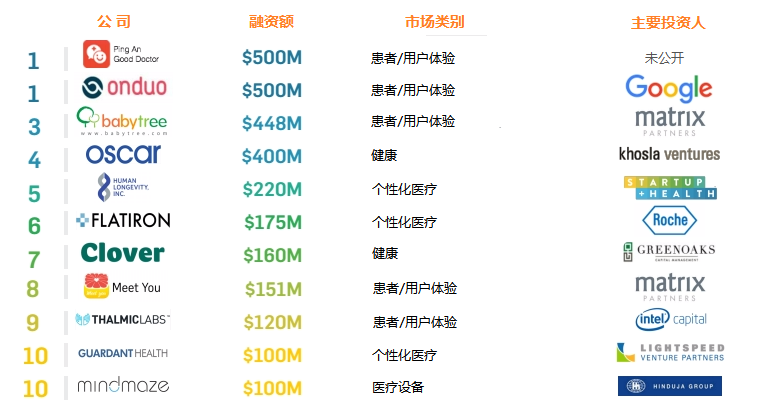
Despite monthly fluctuations, the overall investment trend in the digital health sector has been on the rise. The third quarter also witnessed some of the largest deals in the history of healthcare venture capital to date (such as Onduo, jointly invested by Ping An Good Doctor, Sanofi, and Verily, the former Google Life Sciences division). Indeed, even the smallest deal in Q3 of this year exceeded the largest deals recorded in Q3 of previous years.
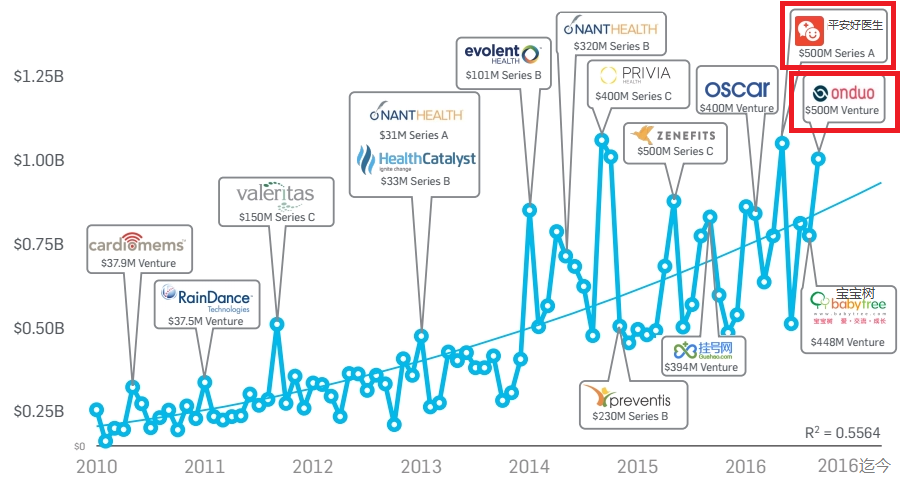
Two $500 million deals tied for the top spot on the list, also setting new records in the healthcare venture capital sector. The areas they focused on were vastly different:Ping An Good DoctorIt aims to popularize medical services across the broader Chinese market through mobile devices, with its financing round completed this May setting a new record for internet healthcare startups globally.Maximum Financing per Transaction、Highest Valuation in Series A FinancingTwo records; and the joint venture established by Sanofi and Google, each contributing $248 millionOnduo, is dedicated to addressing the challenge of diabetes, the most prevalent chronic disease in the United States.
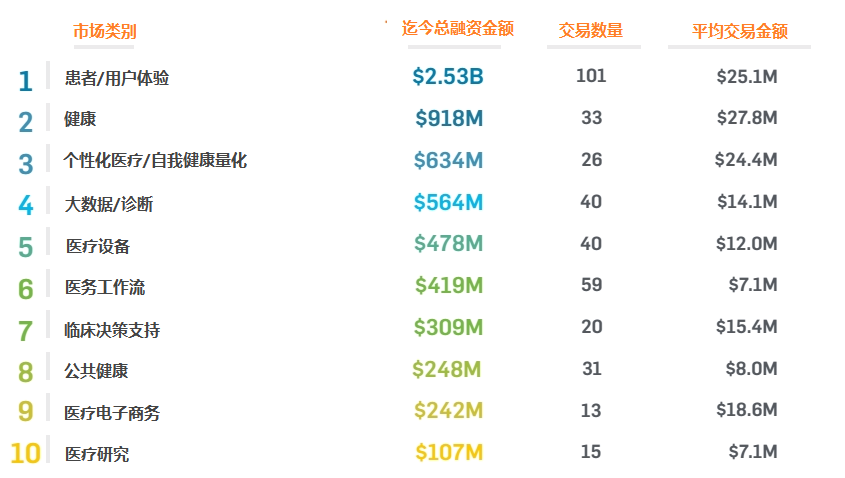
The one that received the most investment is “Patient/User ExperienceIn this sector, total funding was nearly three times that of the second-ranked category. Even after excluding two $500 million deals in the “Patient/User Experience” category (Ping An Good Doctor and Onduo), this sector remained at the top of the list.
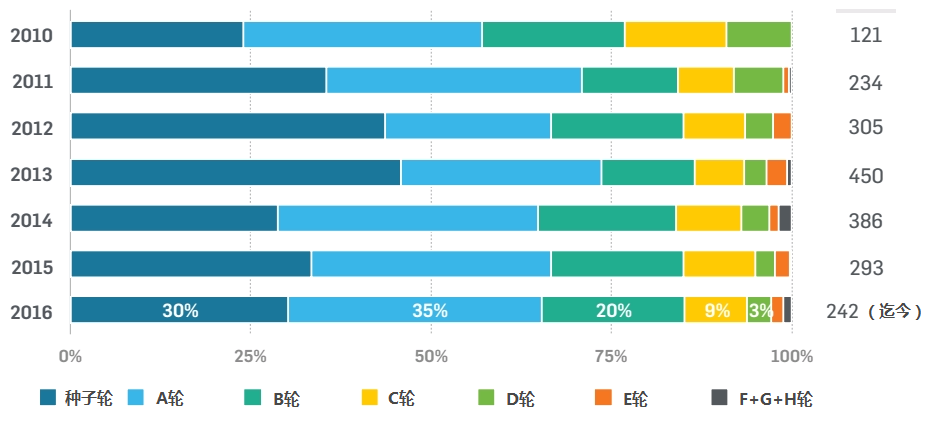
This year, 65% of financing flowed into companies at the Seed and Series A stages. The proportion of Seed-stage financing was lower than last year, while the share of Series A financing saw a slight increase. Series B financing has maintained a proportion of around 20% in recent years.
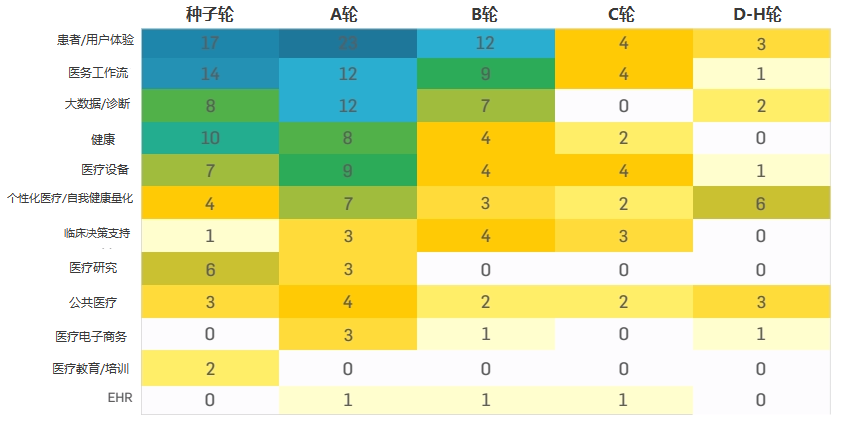
In early-stage investment and financing projects, the categories of “Patient/User Experience” and “Clinical Workflow” are the most prevalent, whereas projects beyond Series D are predominantly concentrated in the “Personalized Medicine/Self-Quantified Health” category. The “Medical Education/Training” category remains an nascent market.
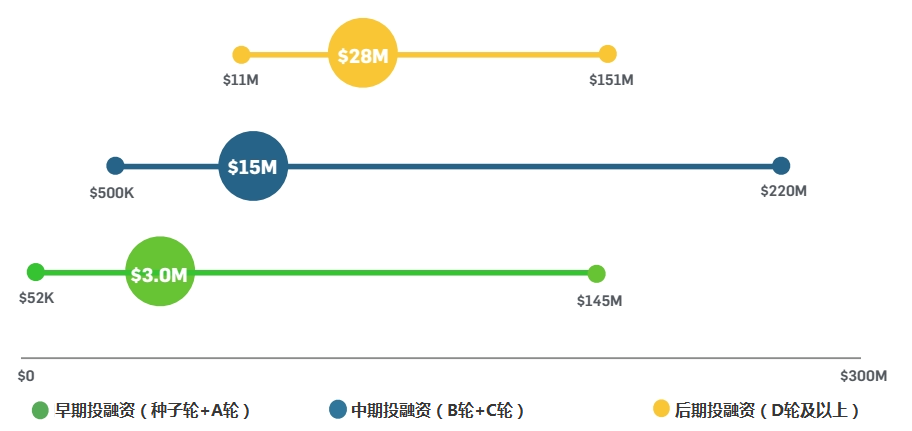
This year’s transactions exhibited significant diversity in both scale and financing stage. The median funding amount for late-stage projects was approximately twice that of mid-stage projects; however, it is noteworthy that several early- and mid-stage financing rounds this year exceeded the amounts raised in certain late-stage deals.
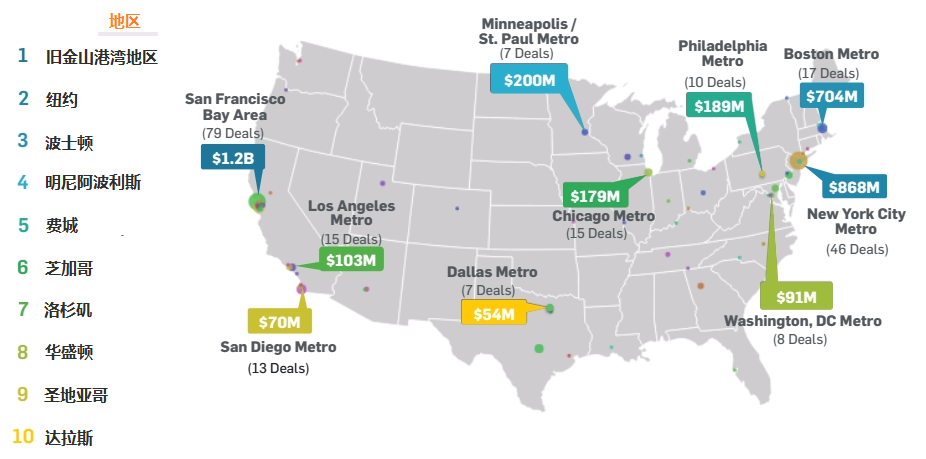
The largest share of investment still flows intoSan Francisco Bay AreaandNorthwest RegionThese regions accounted for 142 transactions, representing 36% of the total number of transactions; the total investment and financing amount was approximately USD 2.7 billion, accounting for 42% of the total amount.
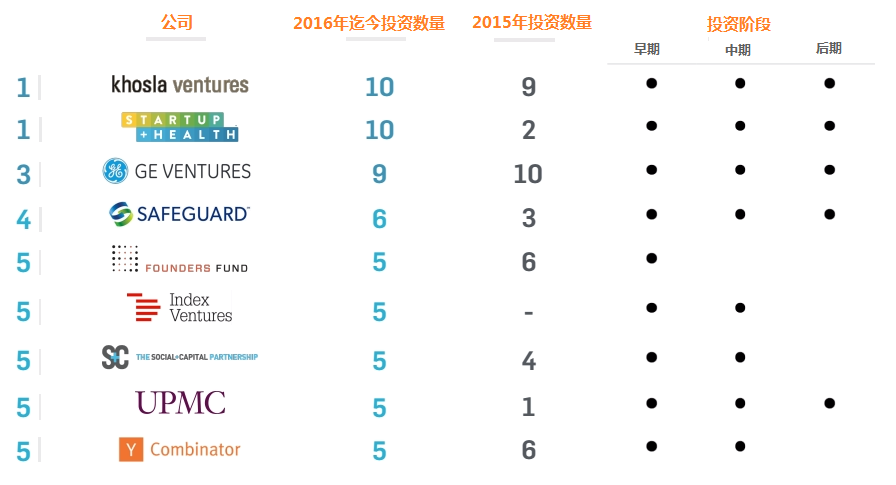
This year, StartUp Health followed in the footsteps of frequent digital health investors GE Ventures and Khosla Ventures, increasing its investment count from two deals last year to ten this year. This surge propelled it to second place on the list, establishing it as one of the most active investors in the field. Additionally, Index Ventures, which had not previously participated in healthcare venture capital, made the list at sixth place with five investments this year.