

2016 AI + Healthcare Innovation Trends Report V: What Can Artificial Intelligence Do in Healthcare? (Part II)
The content structure of the public version of the "2016 Report on Innovation Trends in AI for Healthcare" is as follows:
Article 1: Tech Giants’ AI Strategic Layout
Part 2: A Detailed Analysis of IBM Watson’s AI Applications in Healthcare
Part III: Data Analysis of Global AI Venture Capital Investment in Healthcare (2011–2016)
Part IV: What Can Healthcare Achieve with Artificial Intelligence? (Part 1)
Part 5: What Can AI Do in Healthcare? (Part II)
The following is the fifth article:
What Can AI Do in Healthcare? (Part 2)
Artificial intelligence has been widely applied in the healthcare sector. In terms of application scenarios, it is primarily categorized into 11 fields: virtual assistants, medical imaging, drug discovery, nutrition, biotechnology, emergency room/hospital management, health management, mental health, wearable devices, risk management, and pathology. We focus our analysis on the first eight areas; this article covers four of them: biotechnology, emergency room/hospital management, health management, and mental health.
In the realm of biotechnology, artificial intelligence offers us superior methods for data processing. In China, AI has already taken a global lead in the field of biotechnology; in areas such as speech technology and biometric recognition, it even stands on par with developed nations. The most prominent AI-driven biotech startup in China is iCarbonX.
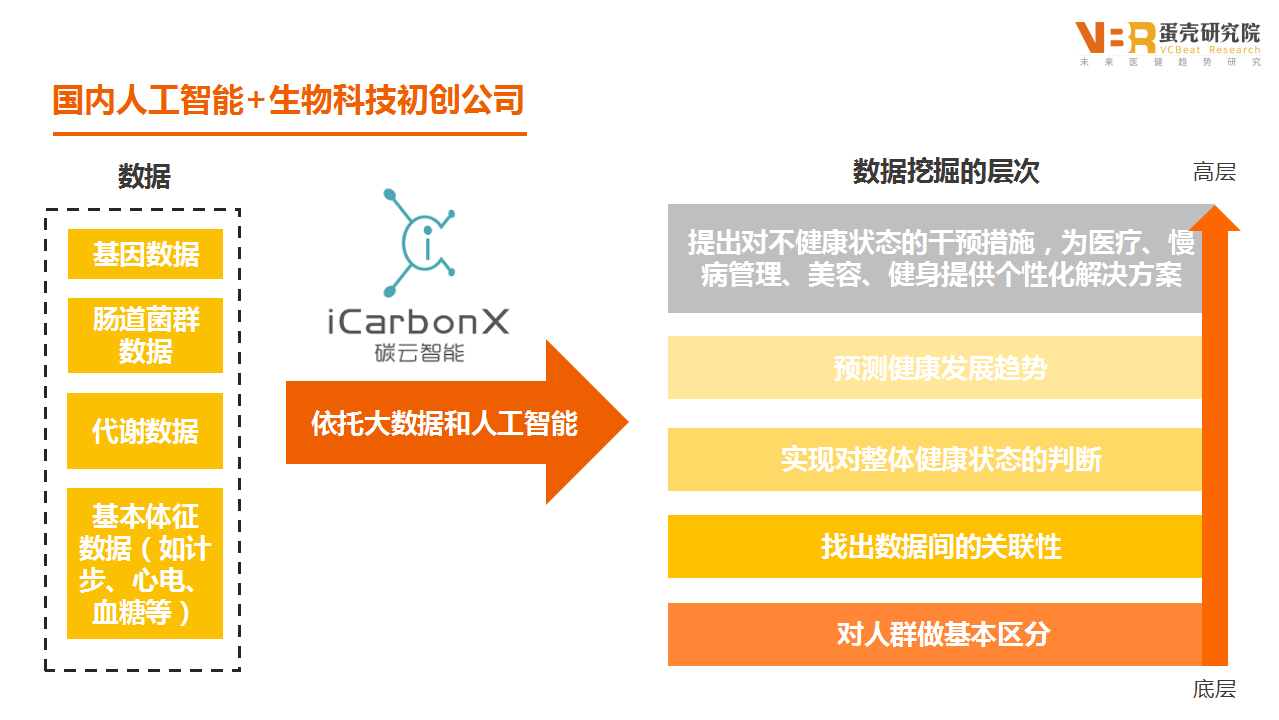
iCarbonX aims to establish a health big data platform by collecting diverse biological data from individuals, building an artificial intelligence (AI) core model based on this data, and integrating these components. By leveraging AI technologies to process such data, the company seeks to assist individuals in managing their health. iCarbonX’s data sources are twofold: one portion is acquired through its proprietary technological capabilities, and the other through partnerships. Data obtained via the team’s core technologies include genomic data, microbiome data (from the gut, oral cavity, skin, etc.), and proteomic and metabolomic data (from urine, sweat, blood, etc.). The primary mission of iCarbonX is to integrate biotechnology, life-science big data, artificial intelligence, and the internet.
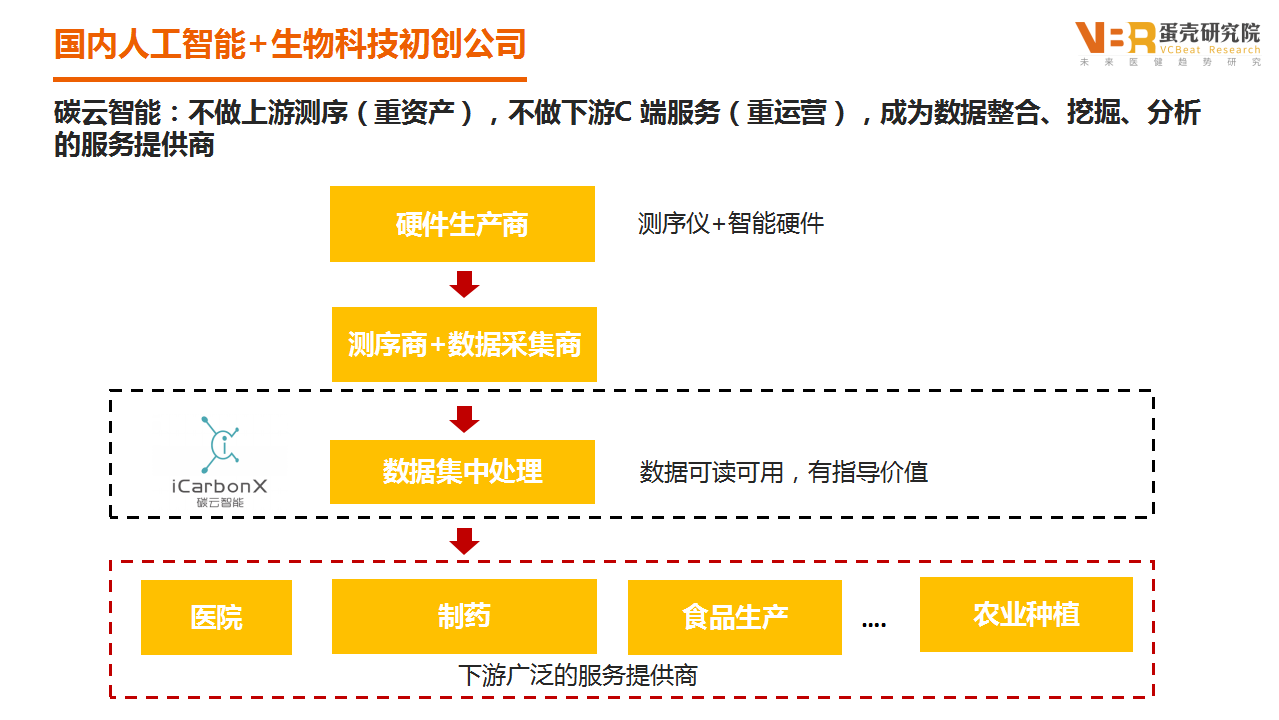
The founders of iCarbonX came from BGI, but they chose not to enter the capital-intensive upstream sequencing industry, nor did they opt for the operation-heavy downstream consumer-facing genetic testing services. Instead, they positioned themselves as a midstream service provider specializing in data integration, mining, and analysis. Leveraging intelligent big data analytics, iCarbonX proposes interventions for suboptimal health conditions, delivering personalized solutions for healthcare, chronic disease management, aesthetics, and fitness.
In large hospitals, emergency department (ED) management is often chaotic. From ordinary chain hospitals to top-tier medical institutions, administrators and frontline healthcare professionals face thousands of daily challenges, such as staffing, operating room scheduling, and estimating occupancy times. The overall efficiency of management and patient care processes is low, placing heavy demands on physicians’ experience. Taking Peking Union Medical College Hospital as an example, its emergency department was established in 1983. At its inception, the average daily ED volume was approximately 30–40 patients; this figure rose to over 100 by 1996 and reached 500–600 by 2012. To accommodate the growing number of emergency patients, the number of ED beds increased from 21 to more than 100. However, the rate of bed expansion seems unable to keep pace with patient growth; newly added beds are quickly filled, leaving the emergency department perpetually overcrowded. In reality, non-emergency patients account for at least one-third of visits, while only about 5%–10% require immediate life-saving intervention. In the United States, annual healthcare expenditures approach $3 trillion, accounting for over 18% of GDP. More distressingly, $750 billion is wasted annually. For instance, the cost of an operating room remains $5,000 per hour even when no surgery is performed. Waste of medical resources is a persistent problem. Consequently, improving healthcare service efficiency is a major challenge for governments. Due to the lack of intelligent healthcare systems, situations frequently arise where patients wait hours at the emergency department entrance without receiving treatment, or where medical staff and hospital beds remain idle due to a mismatch in resource allocation.
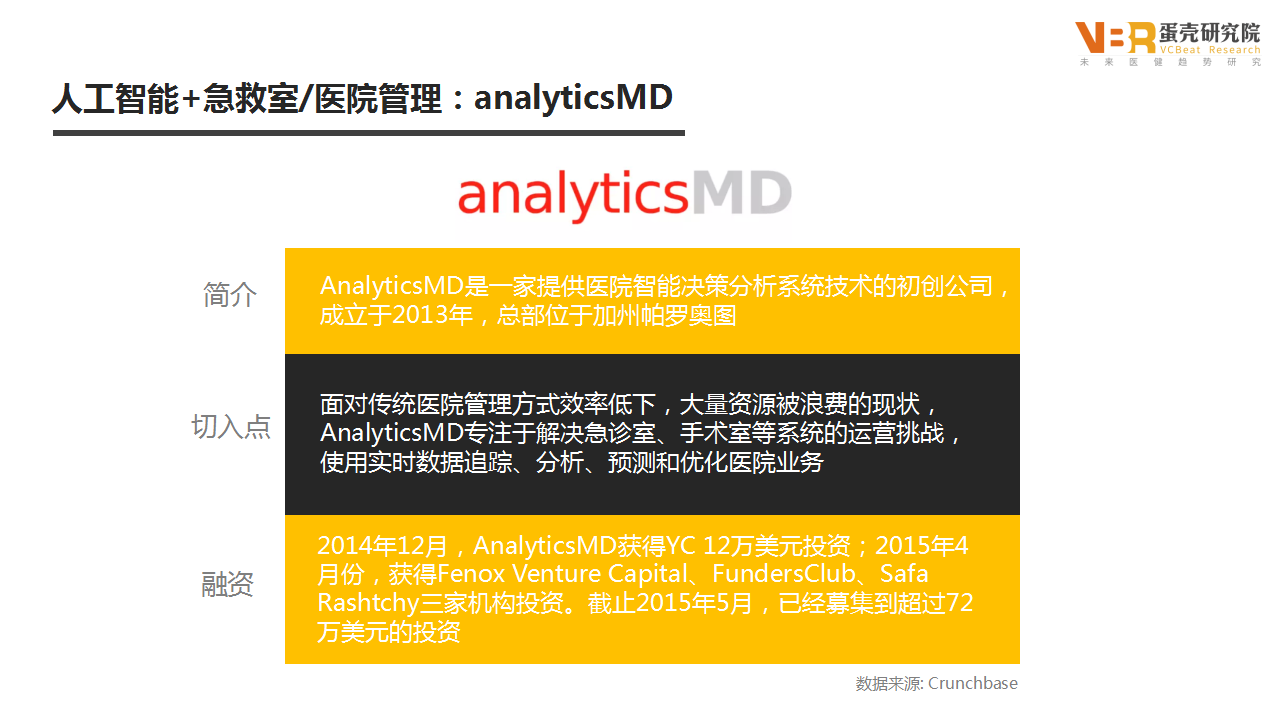
AnalyticsMD is a startup that provides technology for intelligent decision-making analytics systems in hospitals. Founded in 2013 and headquartered in California, USA, AnalyticsMD has developed HIPAA-compliant SaaS solutions that have been deployed in healthcare institutions in San Francisco. The company aggregates detailed data from U.S. government healthcare websites, consolidating information on all medical facilities across the United States that accept Medicare and Medicaid funding. By leveraging its real-time analytics SaaS platform to analyze this data, AnalyticsMD generates actionable recommendations to assist hospital administrators and clinical staff in making informed decisions.
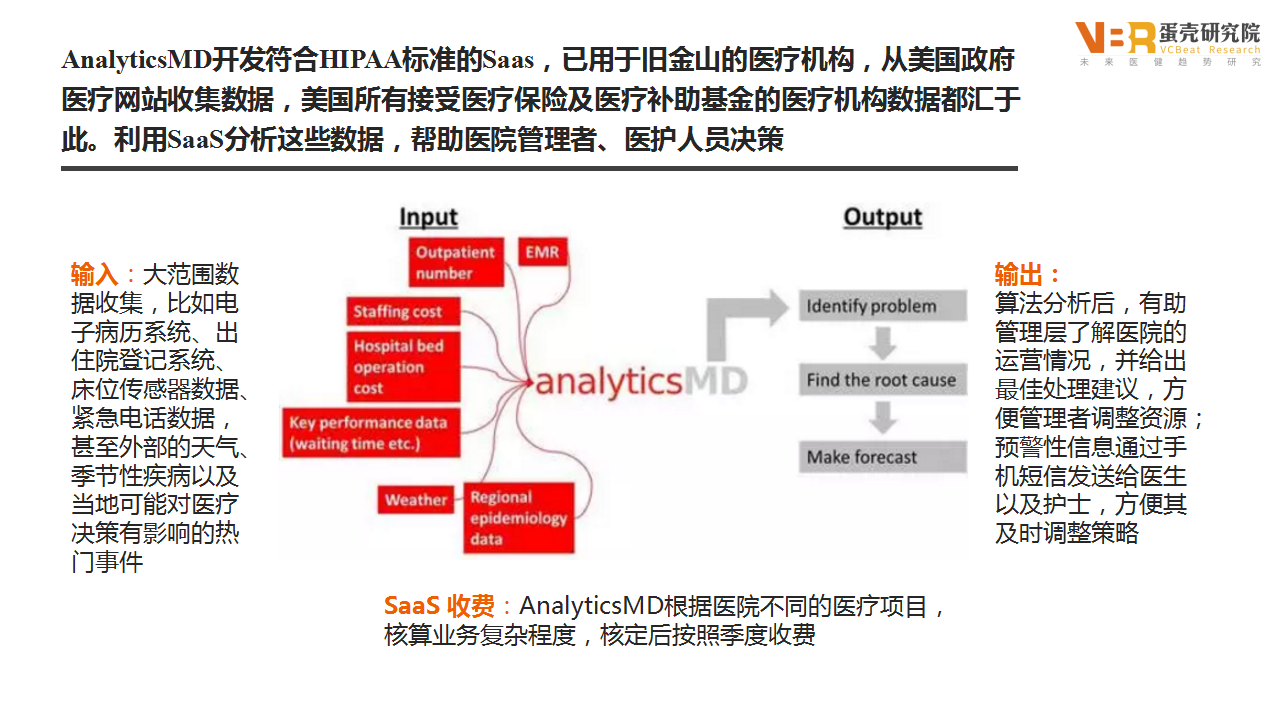
How to analyze the massive amounts of data obtained, output intuitive and reference-worthy results, and reduce the waste of medical resources is a difficult problem for AnalyticsMD, but also its competitive advantage. AnalyticsMD helps hospitals establish SaaS systems with two purposes. The first is to allow hospital managers to keep track of current work status and progress at all times, make better choices, and stay ahead of their peers. The second purpose is to improve the quality and efficiency of patient care and healthcare workers, such as utilizing resources like healthcare staff and beds as soon as they become available, preventing situations where patients are left untreated at the emergency room entrance. Additionally, by using the system developed by AnalyticsMD and leveraging the analyzed data, suggestions can be provided on how to help patients avoid treatment bottlenecks.
Historically, the key to reducing healthcare costs lay with frontline medical personnel, including clinicians and nurses, whose experience was critical in determining both cost efficiency and service quality. In reality, however, they are constantly managing a succession of emergency cases, leaving them no time to analyze extensive patient charts to improve efficiency. The introduction of DecisionOS, built into the AnalyticsMD development system, has changed this dynamic. By extracting big data from hospitals’ own Electronic Medical Record (EMR) systems—compatible with most mainstream EMR platforms and encrypted to comply with HIPAA regulations—the system employs machine learning algorithms to automatically analyze, monitor, and predict outcomes. It provides clinicians with optimal recommendations, enabling them to deliver the most appropriate treatment and care within the right timeframe. Physicians no longer need to repeatedly sift through complex case reports and other data. As a result, issues related to patient safety, satisfaction, and healthcare cost control are effectively addressed.
AnalyticsMD leverages large-scale machine learning predictions to analyze key metrics, such as patient length of stay and patient volume. The resulting visualized data provides enhanced decision support for healthcare professionals. By analyzing hospital-specific service data, the system identifies root causes of operational bottlenecks, such as insufficient ward or operating room capacity, thereby helping administrators optimize resource allocation.
Personal health data is highly complex. If we were to collect all of an individual’s health data, it could aptly be described as the “digitization of life.” This digitization encompasses data across multiple dimensions, including genetic data, physiological data (such as blood pressure and pulse), environmental data (such as daily air quality), social data, and proteomic data. With big data in life sciences and the integration of artificial intelligence, proactive health management can ultimately be achieved.
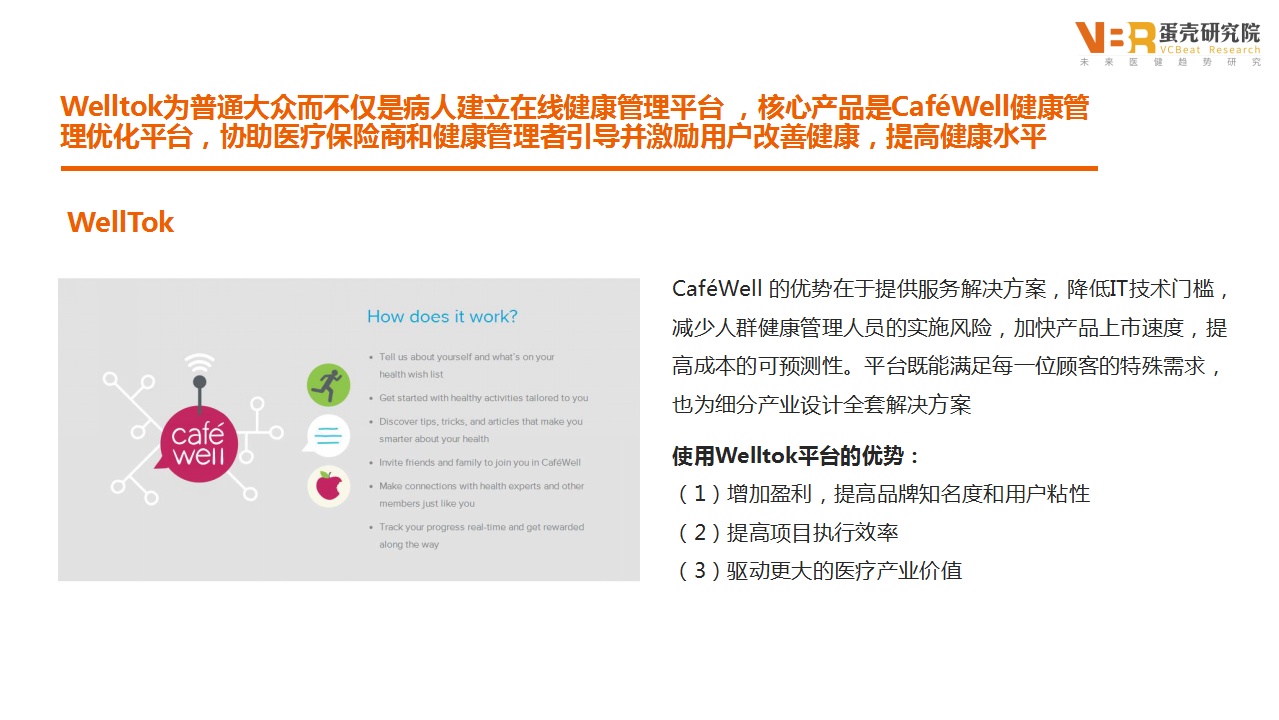
Welltok is a health management company that primarily focuses on personal health management and lifestyle improvement. It not only provides health data analytics and professional health management recommendations but also leverages these capabilities as a platform entry point to integrate other service providers, such as hardware manufacturers, insurance companies, content creators, and application developers. Additionally, Welltok offers management solutions to certain population health management companies.
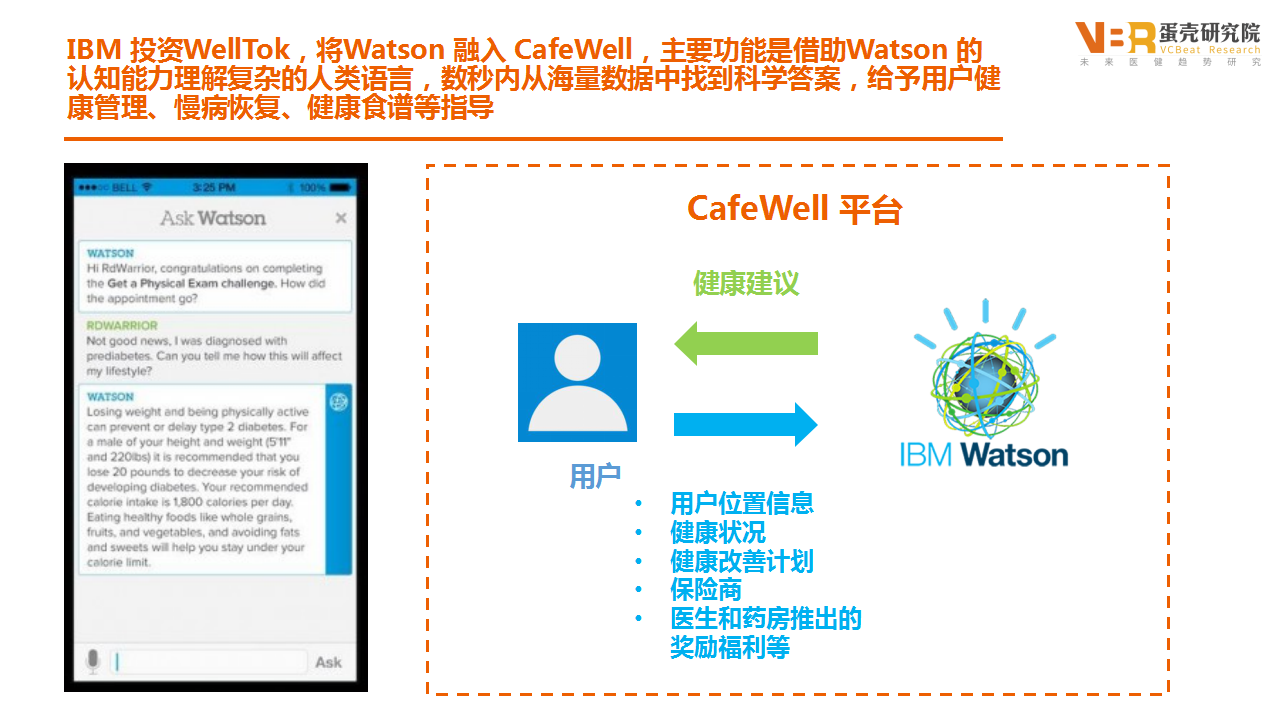
The most renowned offering is its CaféWell Health Optimization Platform, a habit-intervention and preventive health management program that primarily uses a website as its entry point. It partners with data-tracking wearable hardware providers such as MapMyFitness and Fitbit, as well as social networks. The platform features tailored programs and outcome predictions, leveraging gamification and personalized data to deliver precisely individualized services. When users adopt healthy habits according to the plans provided by Welltok, they receive corresponding rewards—such as points, gift cards, or cash—to incentivize health improvements. IBM invested in Welltok and integrated Watson into CaféWell. Its primary function is to leverage Watson’s cognitive capabilities to comprehend complex human language, rapidly identify scientifically grounded answers from vast datasets within seconds, and provide users with guidance on health management, chronic disease recovery, and healthy meal planning.
Artificial intelligence has considerable potential in the realm of human mental health, which can be discussed from two perspectives: applications for the general population and applications for patients with mental disorders. For ordinary individuals, the most significant benefit of AI in mental health lies in its emotion recognition capabilities.
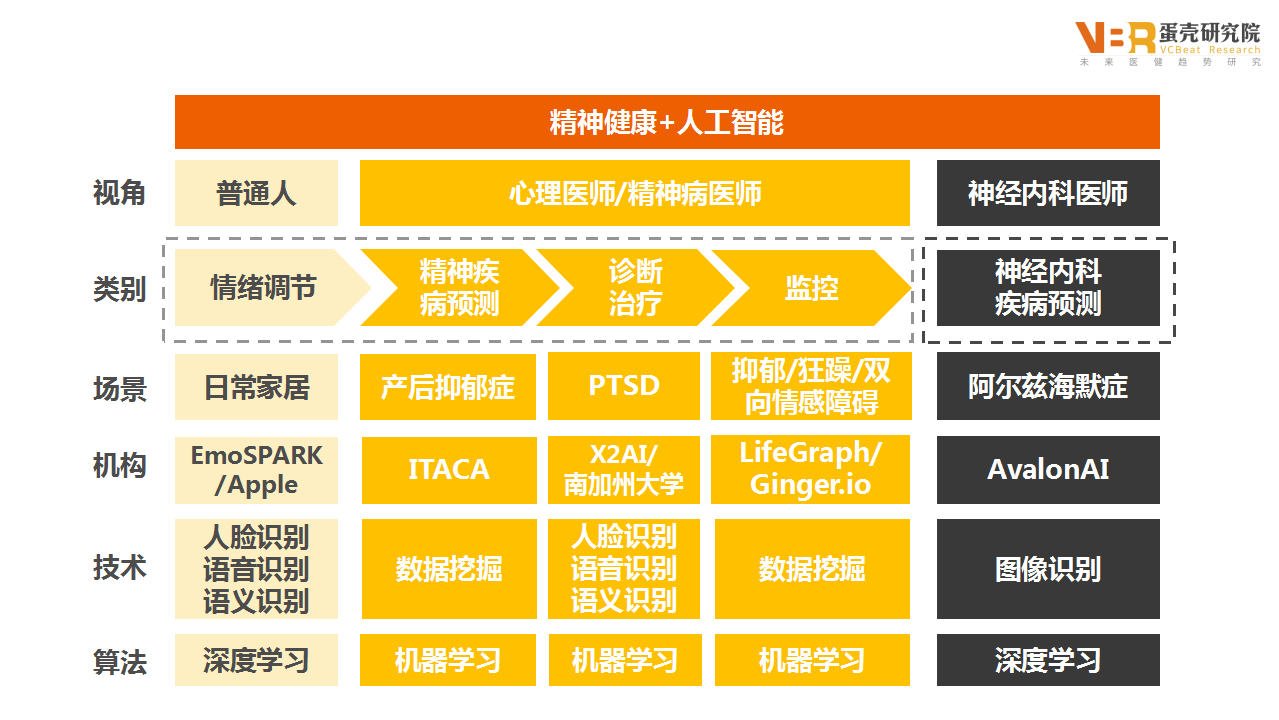
Emotion recognition primarily infers an individual’s psychological state by collecting data on external facial expressions and behavioral changes. It can assess emotional shifts through facial expressions, voice, behavior, heart rate, and even handwriting. The most common approach uses cameras to capture and record facial expressions, analyzing changes to determine whether the individual is experiencing happiness, anger, disgust, confusion, or other emotions. Another method employs intelligent recognition of vocal characteristics, including pitch, speech rate, tone, and word choice.
Even when individuals deliberately control their facial expressions and vocal tones to remain unchanged, or display expressions and voices that contradict their inner emotional states, they inevitably reveal subtle cues. These cues may be minute or fleeting, making them difficult for humans to detect. However, identifying such subtle phenomena and capturing transient changes are precisely the strengths of artificial intelligence (AI). In this regard, AI may surpass humans in understanding human emotions. Once emotional shifts are identified, various methods can be employed to assist individuals in managing and regulating their emotions.
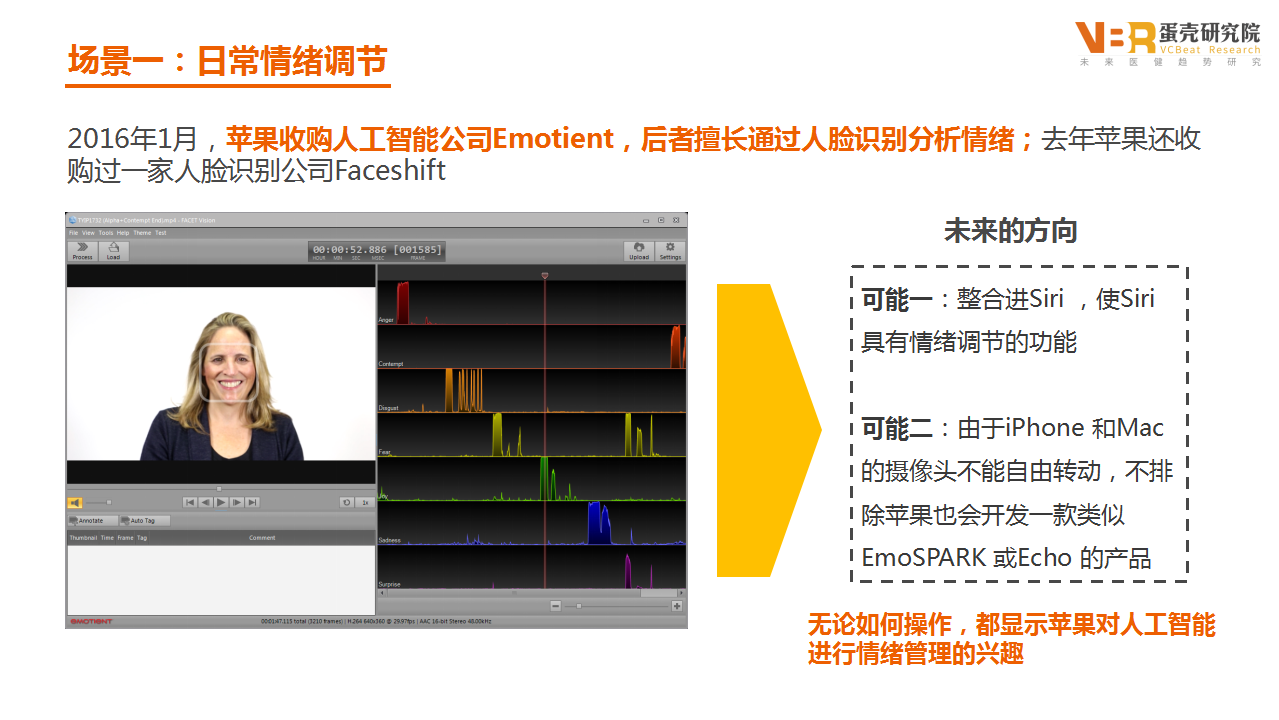
Emotient, the artificial intelligence company acquired by Apple, specializes in emotion analysis through facial recognition. Emotient can already identify basic expressions such as joy, anger, sadness, and surprise, while also analyzing more subtle and complex emotions like anxiety and depression. Originating from the University of California’s Machine Perception Lab, Emotient aims to create an “ubiquitous” human emotion analysis system. The company uses cameras to capture and record facial muscle movements, applying computational models to analyze facial expressions and generate dynamic emotional insights. Additionally, Emotient provides API interfaces that enable seamless integration of its technology with any hardware or software platform.
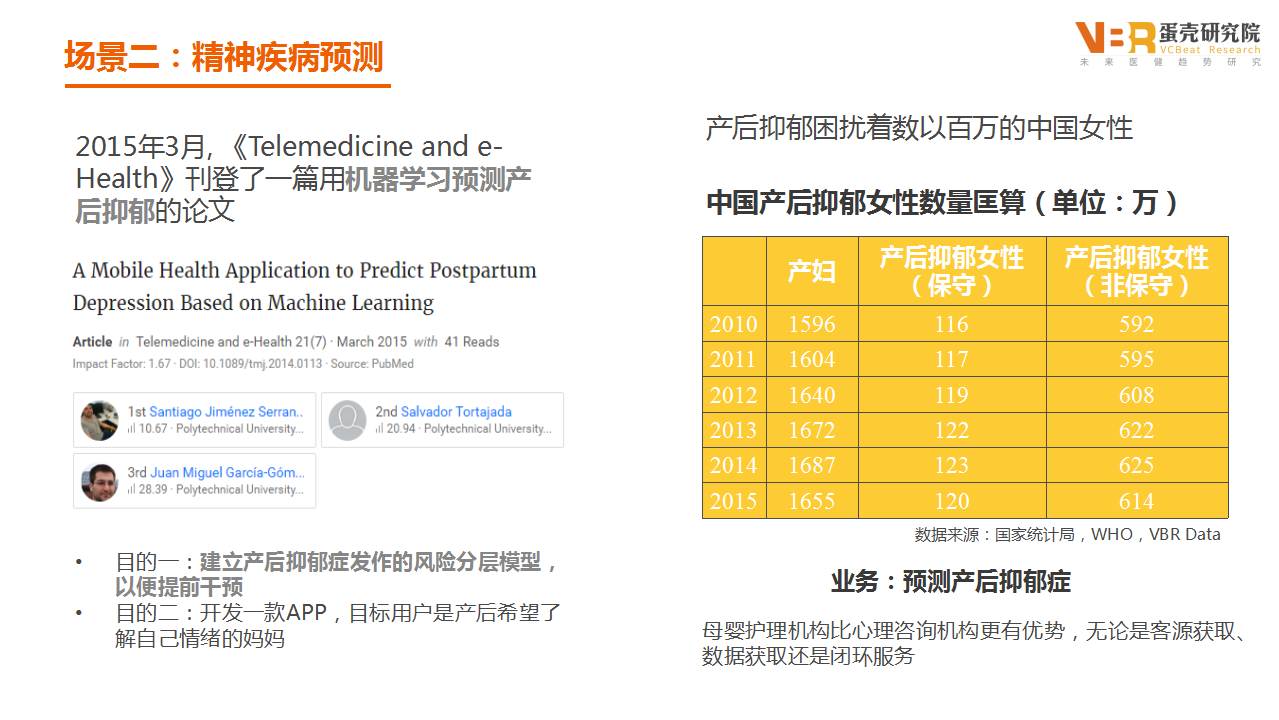
In the treatment of mental disorders, artificial intelligence (AI) can play an even more significant role. In March 2015, Telemedicine and e-Health published a paper on using machine learning to predict postpartum depression, aiming to establish a risk stratification model for the onset of postpartum depression to facilitate early intervention. An app was also developed, targeting postpartum mothers who wish to monitor their emotional well-being. Furthermore, AI can play a substantial role in the diagnosis and treatment of post-traumatic stress disorder (PTSD), as well as in the monitoring of mental illnesses.
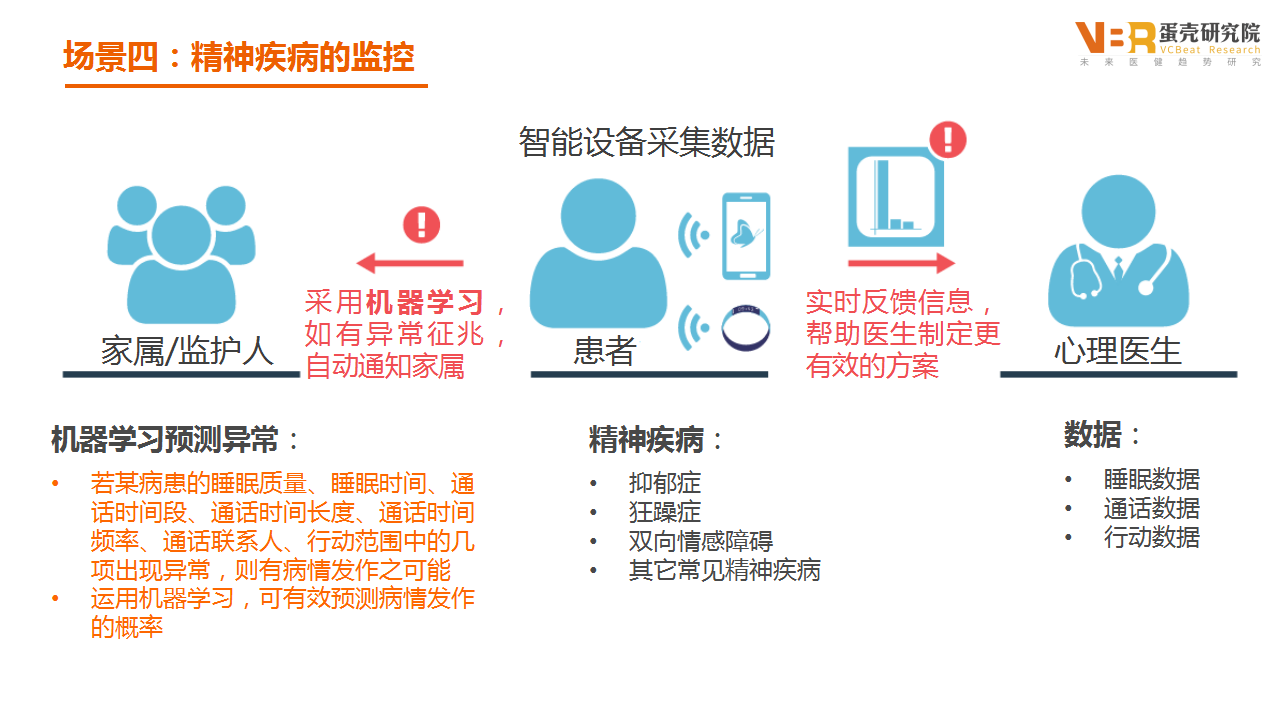
NeuroLex’s AI product records patient information via a smartphone or other device mounted on a nearby, inconspicuous wall. It searches audio recordings for linguistic cues and presents them in a digital format—similar to blood pressure readings—for psychiatrists to reference during diagnosis. As the algorithm is trained on data from an increasing number of patients, the generated readings become more accurate.
Beyond aiding in diagnosis, artificial intelligence can more rapidly prescribe the appropriate medication and dosage for psychiatric patients. By conducting “pre-post studies” on psychiatric inpatients already hospitalized, it is possible to observe how speech patterns change during episodes of psychosis or depression.
If a person’s speech exhibits fewer signs of depression or mania after taking a certain medication, the tool can help demonstrate that the drug is effective. If no changes are observed after medication, the AI may recommend immediately trying an alternative drug. Furthermore, once it has accumulated sufficient data, it can recommend medications based on the outcomes of patients with similar speech characteristics.
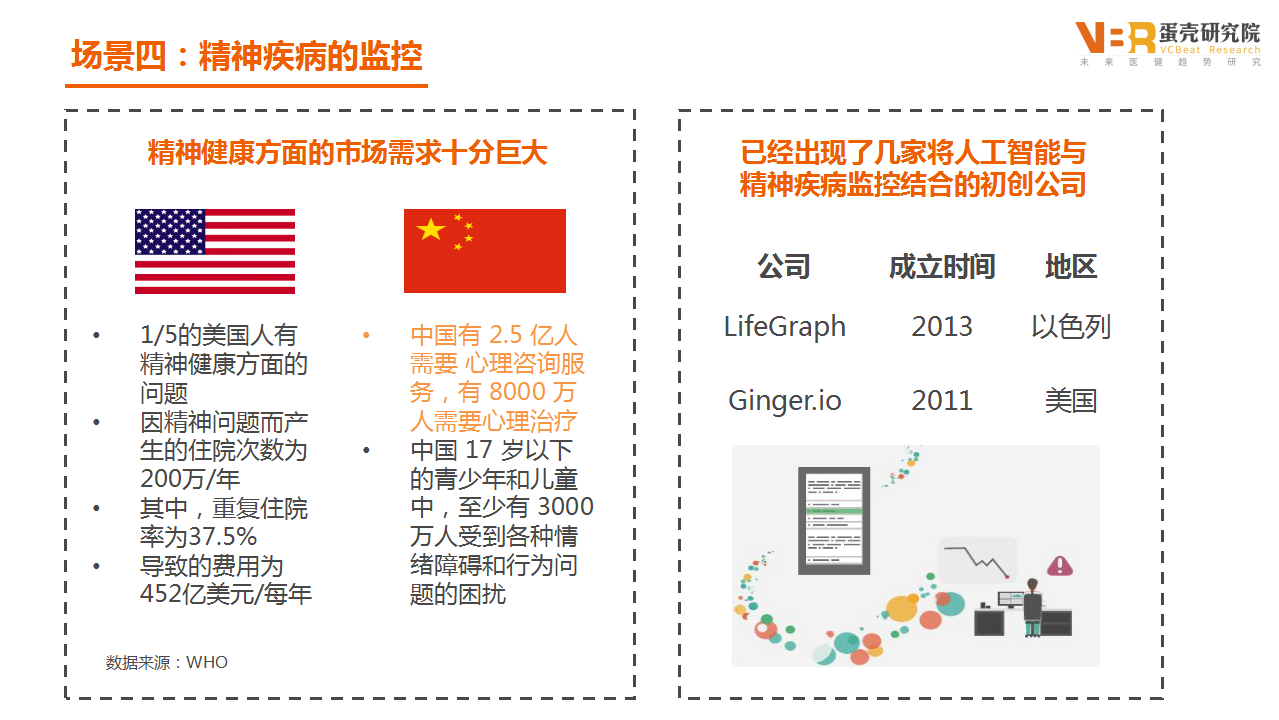
The market demand for artificial intelligence in mental health is enormous. According to WHO data, one in five people in the United States experiences mental health issues, resulting in 2 million hospitalizations annually due to psychiatric conditions. Moreover, recovery from mental illness is considerably challenging, with a patient readmission rate of 37.5%, leading to an annual expenditure of $45.2 billion. In China, due to its large population base, the number of individuals affected by mental health issues is even greater.
Having covered the comprehensive development and strategic landscape of the artificial intelligence industry, as well as its applications and corporate deployments in the healthcare sector, we now conclude this section. Should you require our full report,Please click the link below to purchase:
2016 Report on Innovation Trends in AI for Healthcare
Related Reading:
Article 1: AI Strategies of Tech Giants
Article 2: A Detailed Analysis of IBM Watson’s AI Applications in Healthcare
Article 3: Data Analysis of Global AI Venture Capital Investments in Healthcare, 2011–2016
Part IV: What Can AI Do for Healthcare? (Part 1)
Part 5: What Can Healthcare Achieve with Artificial Intelligence? (Part II)
