

Quarter of U.S. Generic Drugs Doubled in Price Since 2010: GAO Report Highlights Five Key Drivers
A new report from the U.S. Government Accountability Office (GAO) reveals that since 2010, despite the continuous introduction of new drugs, the prices of 315 biosimilars under Medicare Part D have doubled compared to their 2010 levels. More than half of domestically produced pharmaceuticals in China are biosimilars. VCBeat (WeChat ID: vcbeat) has compiled and translated the key findings of this report, hoping to provide insights for China’s pharmaceutical market.
Medicare, the U.S. federal health insurance program, serves individuals with disabilities and those aged 65 and older. Medicare Part D is the abbreviation for the Medicare Prescription Drug Coverage program.
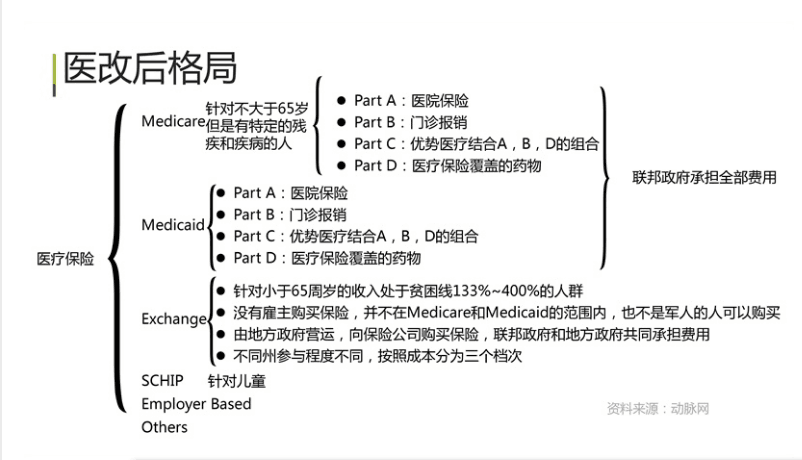
Medicare Part D prescription drug coverage helps beneficiaries save on prescription medication costs. Beneficiaries are required to pay a monthly premium and certain other miscellaneous fees each year. When purchasing covered medications, beneficiaries have two options: those with Original Medicare (Parts A and B) can obtain prescription drug benefits through a standalone Prescription Drug Plan (PDP), while those enrolled in Medicare Advantage can receive coverage through a Medicare Advantage Prescription Drug plan (which includes Parts A, B, and D). Both types of Medicare plans are offered by private insurance companies.
Healthcare is the largest public payer. In 2014, retail prescription drugs accounted for 29%. Biosimilar prescription drugs have fundamentally reduced costs in the U.S. healthcare system, as they are low-cost medications compared to certain brand-name drugs. However, recent price increases for certain biosimilars may negatively impact this situation. Through research, we explain the pricing trends of biosimilars and the factors influencing their prices. The main contents include:
1) How do the prices of biosimilars under Medicare Part D change over time?
2) The extent and trajectory of price increases for biosimilar drugs under Medicare Part D, as well as their impact on patient insurance coverage, have been determined.
3) Identify the relevant factors contributing to price changes
Overall Decline in Prices of Medicare Part D Biosimilars: From the first quarter of 2010 to the second quarter of 2015, biosimilar prices decreased by 59% overall. This decline reflects changes among 2,378 biosimilars, including market exits and entries during this period. The GAO also analyzed 1,441 biosimilars present in the market throughout this timeframe. In contrast to the substantial shifts caused by product turnover, the price trend for established drugs showed a slight increase following a modest initial decline. The price reduction driven by biosimilar replacement was rapid, partly due to the entry of new biosimilars into the market.
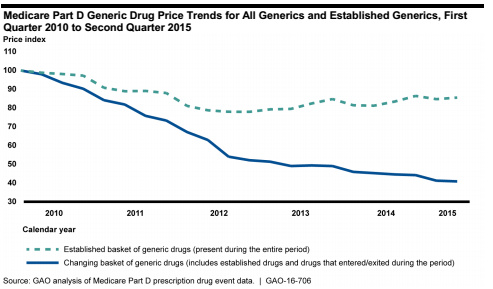
Unlike the dramatic shifts seen in drug iterations,
The price trend of the identified drugs showed a slight increase after a minor decline.
Among the 1,441 identified drugs, 300 experienced at least one significant price increase, with prices doubling compared to the period from the first quarter of 2010 to the second quarter of 2015. The GAO found that drugs with substantial price increases slowed the overall price decline of biosimilars. Furthermore, these significant price hikes typically lasted for one year, and in most cases, prices did not decrease after the increase. Given that biosimilars offer cost reductions relative to their brand-name counterparts, manufacturers stated that competition is the primary factor in biosimilar pricing, noting that their prices are often set based on those of competitors. Reduced competition drives price increases. Stakeholders pointed out that the level of competition in the biosimilar market is influenced by various factors, including raw material shortages, production difficulties, consolidation among manufacturers, and the backlog of new drugs awaiting federal review.
Medicare Part D biosimilar drug prices have declined overall, driven by a slight decrease in established drug prices and a sharp plunge in those of new biosimilars.
From Q1 2010 to Q4 2012, prices for Medicare Part D drugs declined rapidly. After 2,400 biosimilar drugs were replaced in Q2 2015, prices saw another slight decrease. From Q1 2012 to Q2 2015, the overall price of biosimilar drugs under Medicare Part D dropped by 59%, with an average quarterly decline of 4.2%. The continuous replacement of drugs led to a sustained price reduction. For instance, from Q1 2010 to Q4 2012, the average quarterly decline was 5.7%, whereas from Q4 2012 to Q2 2015, the average quarterly decline was 2.4%. In contrast, the prices of 1,441 established drugs increased slightly from 2010 to 2012. Overall, from Q1 2010 to Q2 2015, total drug prices fell by 14%, with an average quarterly decline of 0.7%, although this figure remains subject to change.
From the first quarter of 2010 to the fourth quarter of 2012, the price of specialty generic drugs decreased by 22%, representing an average quarterly decline of approximately 2.2%. This trend continued until the second quarter of 2015; however, the prices of established drugs rose by 10%, averaging a 0.9% increase per quarter.
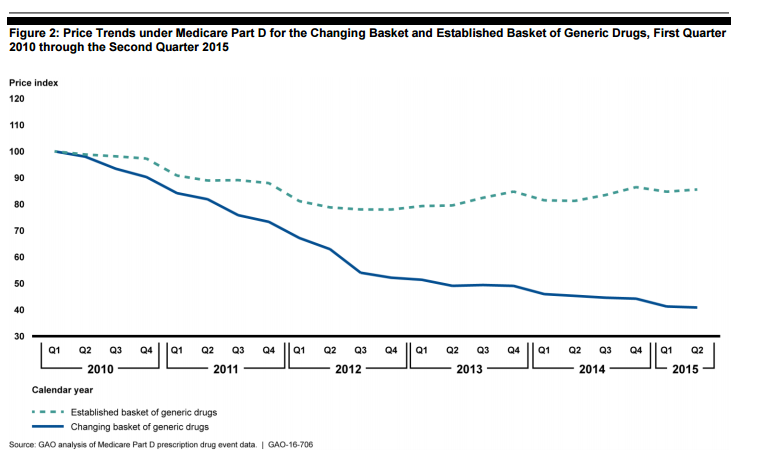
Confirmed Drug Price Trends
Abstract: The trend analysis encompasses all biosimilars, with the number of drugs per period ranging from 1,733 to 2,124; for instance, there were 1,733 drugs from Q1 2010 to 2012.
Due to the sharp price decline driven by changes in biosimilars, the prices of new drugs within established therapeutic categories have also been significantly reduced. We found that the prices of newly approved biosimilars decreased much more rapidly than those of established biosimilars. For instance, from the first quarter of 2010 to the first quarter of 2011, the prices of newly approved biosimilars dropped by approximately 54%, whereas those of established biosimilars declined by less than 10%.
Among identified biosimilars, 300 have experienced at least one significant price increase; currently, most of these increases persist and will have a limited impact on insurance.
From the first quarter of 2010 to the first quarter of 2015, 300 out of 1,441 identified biosimilars experienced a significant price increase—defined as a rise of at least 100%—while the prices of many other biosimilars continued to decline. The number of biosimilars undergoing substantial price hikes also rose, increasing from 45 between 2010 and 2011 to 103 between 2014 and 2015. In contrast, approximately 50% of the identified biosimilars (ranging from about 687 to 851) experienced price decreases.
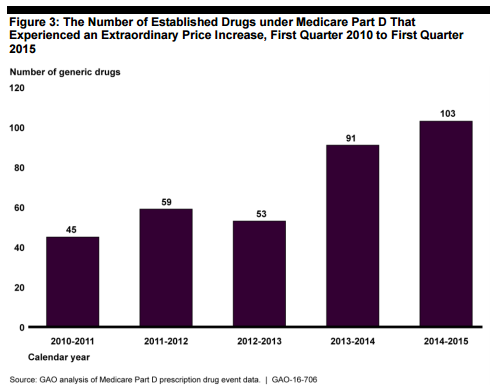
The Number of Biosimilars Experiencing Significant Price Hikes Is on the Rise
Abstract: A price increase exceeding 100% from the first quarter of one year to the first quarter of the following year is defined as a significant price hike. Drugs included in Medicare Part D claims data from the first quarter of 2009 to the second quarter of 2015 are defined as identified drugs.
During the survey period, the 315 identified biosimilar drugs experienced a total of 351 price increases. Statistics show that a single drug may undergo multiple price hikes within the period from the first quarter of one year to the next. From the first quarter of 2010 to the first quarter of 2015, 280 biosimilar drugs saw one significant price increase, 34 experienced two substantial price hikes, and one underwent three major price adjustments. This trend was particularly evident among antibiotics; for instance, 500mg oral erythromycin tablets were subject to three non-consecutive price adjustments, with the price at least doubling. In the first quarter of 2010, the drug was priced at $0.24, but by the first quarter of 2015, it had risen to $8.96.
The vast majority of price increases ranged from 100% to 200%, with a smaller subset experiencing even sharper hikes. Specifically, there were 351 instances of significant price increases, 48 of which exceeded 500%, and 15 of which surpassed 1,000%. For example, the price of oral clomipramine hydrochloride capsules, used to treat obsessive-compulsive disorder, surged by 2,000% within one year, rising from $0.34 in 2013 to $8.43 in 2014. In stark contrast, among the 351 significant price hikes, 183 generic drugs saw increases of less than 200%. For instance, the oral steroid medication hydrocortisone was priced at $0.16 in 2012 and rose to $0.41 in 2013. Furthermore, as some generic drugs started from relatively low base prices, their upward price trajectory is expected to continue.
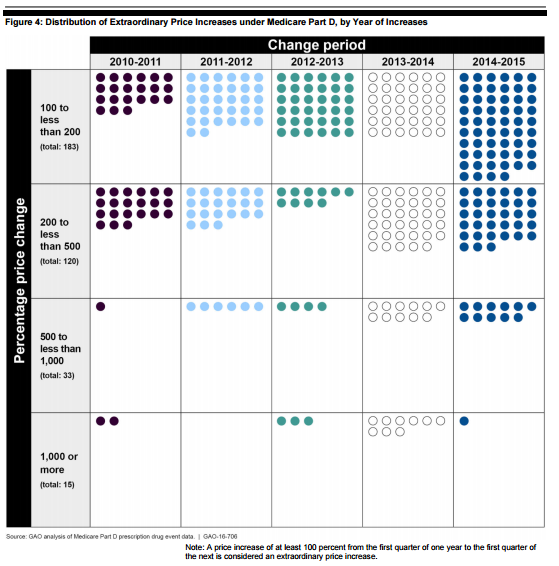
The vast majority of price increases ranged from 100% to 200%,A minority experienced even greater increases
Sharp price increases for 315 drugs slowed the overall downward trend in biosimilar drug prices. To isolate the impact of these sharply priced drugs on the average price of 1,441 biosimilars, the GAO excluded these 315 drugs and recalculated the established drug price index. Comparing this with the previous price index for all drugs, the GAO found that these 315 drugs raised the average price of overall biosimilar drugs by 25%.
In the second quarter of 2015, the average selling price of all biosimilars, excluding the 315 drugs with significant price increases, lagged by 39%, whereas the average overall price of the 1,441 biosimilars lagged by only 14%. These results indicate that the prices of the latter group experienced substantial growth.
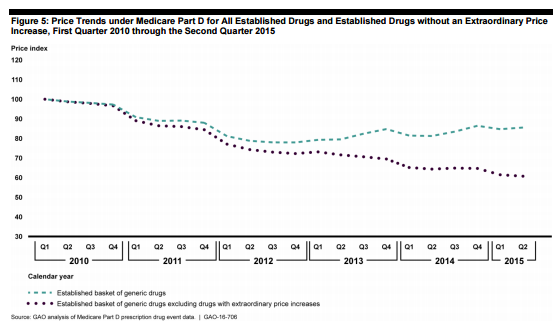
Sharp price hikes for 315 drugs have slowed the overall downward trend in biosimilar prices
Among the 351 significant price increases, the GAO tracked 248 of them and found that nearly all experienced another rise within a year. For instance, among the 45 drugs whose prices increased from the first quarter of 2010 to the first quarter of 2011, 44 saw further price hikes in 2012. Furthermore, longer-term tracking of 157 drugs revealed that these price increases lasted for at least one year. For example, the oral nonsteroidal anti-inflammatory drug (NSAID) piroxicam, used to treat rheumatoid arthritis, saw a 2,000% price increase between 2010 and 2011. Although its price decreased in 2015, it remained 1,900% higher than the original price.
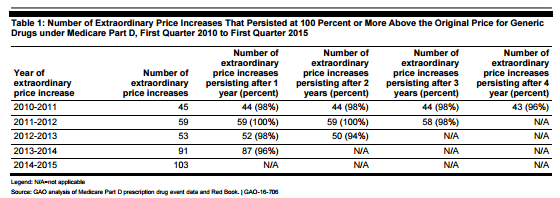
Furthermore, data indicate that drugs with substantial price increases show no downward trend; among 248 such drugs, 184 continue to be priced at the same level or higher. Methazolamide, a medication used to treat glaucoma, saw its price rise by approximately 454% from 2010 to 2011, and in 2015, its price was again significantly increased, representing an increase of at least 1,528% compared to the original price.
Some drug price increases have been anomalous and persistent, but fortunately, these drugs are generally not the most commonly used. Among the drugs that experienced significant price hikes from 2013 to 2014, none were among the top 100 most commonly used medications; of the 91 price increases recorded, only four involved drugs within the top 100 most commonly used list.
Some managed-care drugs have also seen disproportionate price increases. For example, ophthalmic drugs, which account for about 3% of all medications, contributed 18% of the overall increase; topical medications, such as creams and ointments, represented 8% of all drugs but accounted for 46% of the total price increase from 2011 to 2012. In contrast, oral medications, which make up 78% of all drugs, contributed 51% of the total increase.
Despite the persistent trend of rising prices, stakeholders have pointed out that drug price increases have a limited impact on insurance design. Plan sponsors and pharmacy benefit managers (PBMs) stated that biosimilars constitute an important component of prescription drugs, with costs significantly lower than those of branded patent-protected drugs. During the survey period, the share of biosimilars in Medicare Part D increased from 71.9% to 85.7%, while the cost share of biosimilars fluctuated between 22% and 28%. In the first quarter of 2010, the overall proportion of raw material costs for biosimilars was 22%; by the second quarter of 2015, this figure had risen to 23%. Furthermore, the overall proportion of raw material costs for biosimilars experiencing significant price hikes ranged between 2% and 4%. This indicates that biosimilars will continue to deliver value to Medicare Part D through relatively high utilization rates and low costs.
Manufacturers and other stakeholders have pointed out that market competition is influenced by multiple factors, including production difficulties, consolidation, and other elements, all of which impact drug prices.
Some manufacturers have stated that competition is the primary driver of biosimilar drug pricing. They noted that pricing for multi-source drugs—those with identical active ingredients, strengths, and dosages produced and marketed by multiple manufacturers—typically needs to be benchmarked against the market prices of comparable products from other companies.
The market dynamics of generic drugs resemble those of a commodity market. If one manufacturer sets a lower market price, other manufacturers typically adjust their prices accordingly in response to competitors; otherwise, they risk losing market share.
Furthermore, when new companies enter the market, they typically set prices lower than the prevailing market rate to establish a foothold. Consequently, whenever new manufacturers enter the market, the price of such generic drugs tends to decline until some companies begin to exit the market. Influenced by these factors, generic drug manufacturers constantly face competitive threats, which continues to drive down the prices of these medications.
Manufacturers and stakeholders have identified several factors influencing the overall price level in the market:
A. Active Pharmaceutical Ingredient (API):Reliable and cost-effective APIs are key to ensuring the continuous and stable production of pharmaceuticals. Any issues with APIs can impact market competition and manufacturing. If the production volume of a drug decreases, leading to supply shortages in the market, prices will also rise.
B. Pharmaceutical Production Volume:For pharmaceuticals such as narcotics and sterile products, manufacturing is relatively challenging due to their stringent requirements, resulting in a limited number of manufacturers. Should production disruptions occur—such as factory closures or temporary shutdowns leading to insufficient output—it would be difficult for other suppliers to fill the resulting gap, potentially driving up prices.
C. Supplier Consolidation:Acquisitions and consolidation among manufacturers also affect the competitiveness of the biosimilar market, leading to a reduction in the number of manufacturers producing a given drug. Meanwhile, due to cost and market share considerations, some manufacturers may exit the market. These factors can all contribute to fluctuations in drug prices.
D. Buyer Consolidation:Mergers between wholesalers and retail pharmacies, or among retail pharmacies themselves, are also factors influencing drug prices. On the one hand, the consolidated purchasing power of these organizations may force prices to decline further. On the other hand, reduced purchasing power could make it difficult for some small manufacturers to gain market share and sustain their operations. A reduction in the number of manufacturers, in turn, would lead to price increases.
E. Motivations for Market Entry:If a biosimilar drug targets only a small patient population, it may receive some financial support to help the manufacturer enter the market. Due to the limited number of manufacturers for such drugs, they may not face significant pressure to lower prices, making price increases more likely.
Economists also agree with the view that if the production volume of a certain drug is lower than expected, its price will be affected. Furthermore, as indicated in an FDA report, the entry of new manufacturers into the market may lead to a decline in biosimilar drug prices. Based on data analysis from 1999 to 2004, the FDA found that the average price of biosimilars decreased by nearly half compared to brand-name drugs, and prices are expected to continue falling as more manufacturers enter the market.
If a drug attracts a large number of biosimilar manufacturers, its average selling price will drop to 20% or even lower than that of the brand-name drug. To some extent, the price reduction is the result of market competition.