Deep Dive Report: Five Digital Transformation Opportunities in China's Rehabilitation Industry

Preface
(This report extends special thanks to Beijing Cheung Kong Healthcare International Medical Investment Management Co., Ltd.)
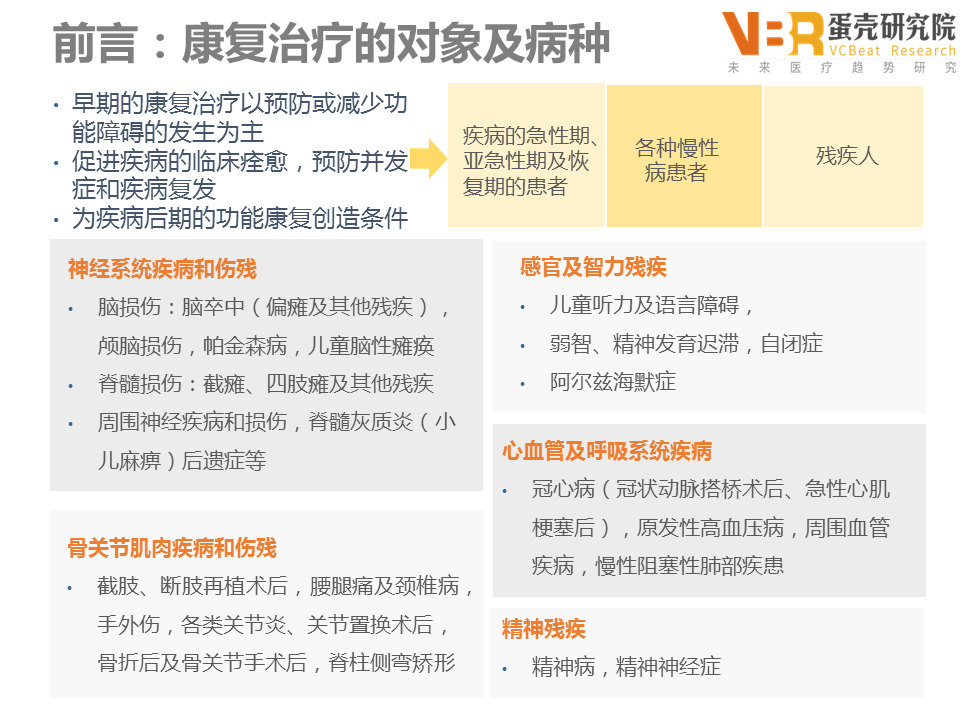
Rehabilitation medicine is a medical discipline dedicated to promoting patient recovery, encompassing the prevention, diagnosis, evaluation, treatment, training, and management of functional impairments. Also known as the "Third Medicine," it follows clinical medicine (the "First Medicine") and preventive medicine (the "Second Medicine").
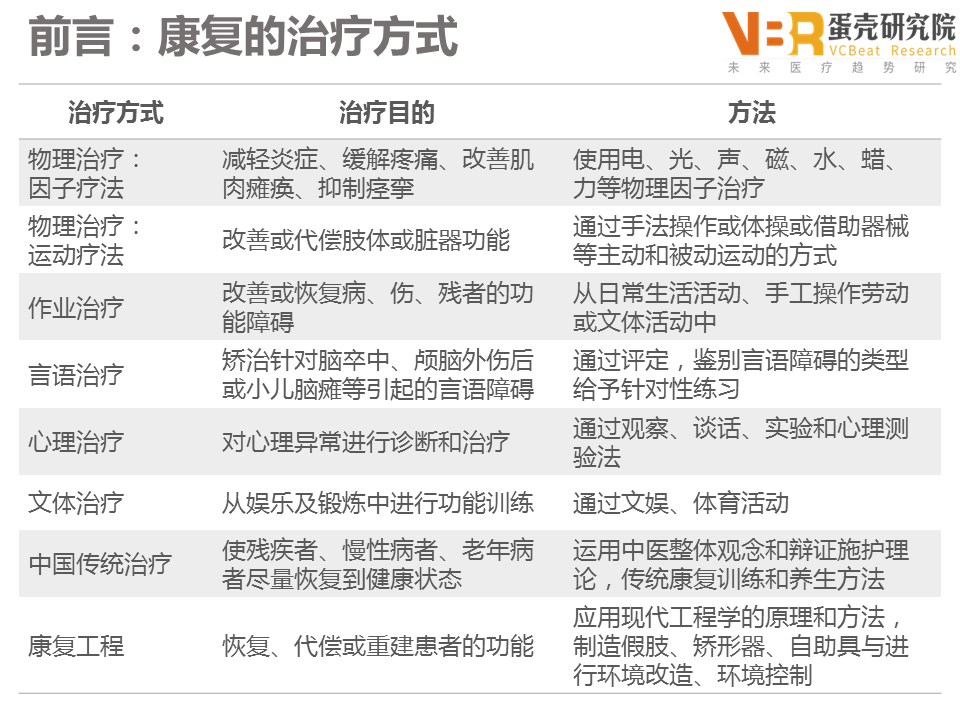
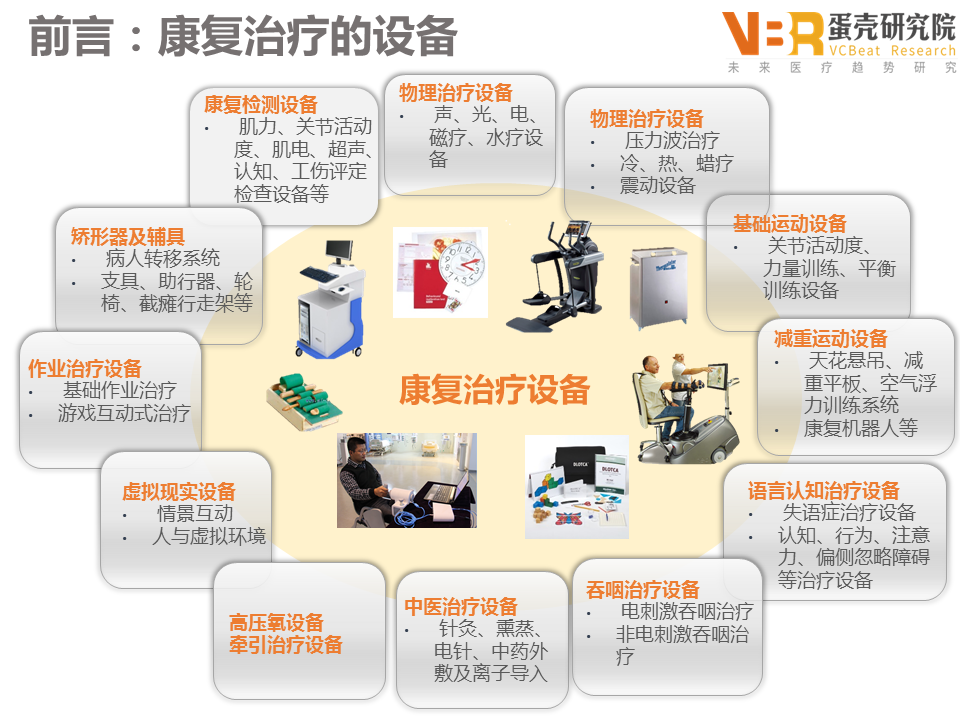
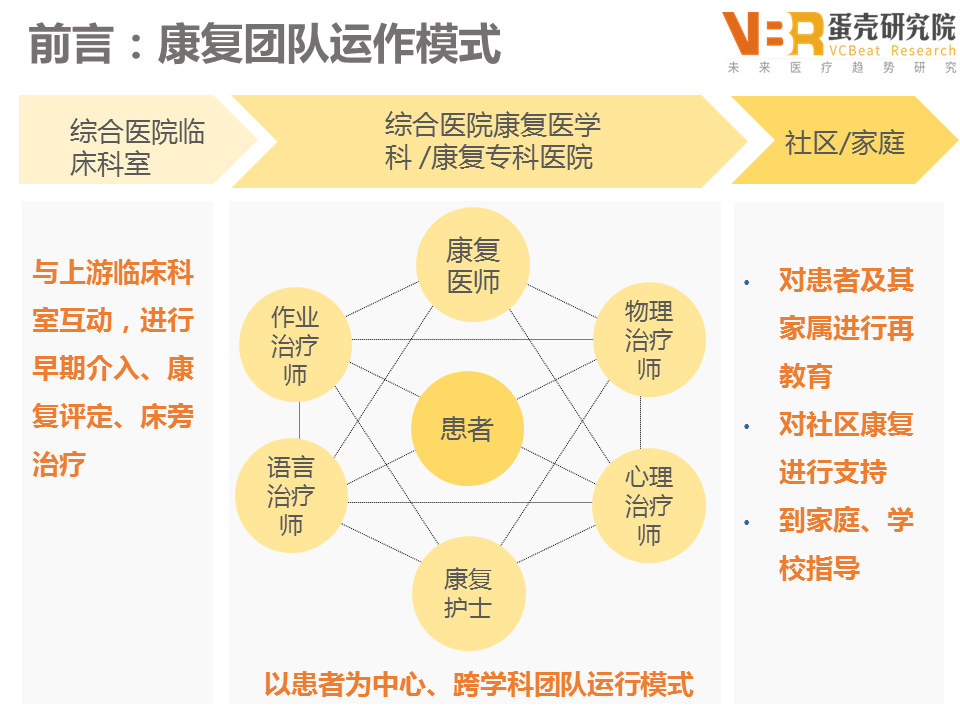
Therapeutic approaches in rehabilitation medicine involve the use of electricity, light, heat, sound, and other modalities to diagnose, treat, and prevent disabilities and diseases (including pain). These interventions aim to achieve physical, psychological, social, and vocational rehabilitation for patients with illnesses, injuries, or disabilities, thereby eliminating or alleviating functional impairments, helping them maximize their residual functions, and restoring their capacity for daily living and work. Nearly every type of rehabilitation therapy has corresponding rehabilitation equipment. The roles within the rehabilitation treatment team vary depending on the therapeutic modality, and the team typically operates through interdisciplinary collaboration.
This article provides a brief overview of the rehabilitation industry in China and is divided into four parts:
1. Favorable Policies Boost the Development of the Rehabilitation Industry
2. Current Development Status and Challenges of China’s Rehabilitation Industry
3. Distribution of Venture Capital in the Rehabilitation Sector
4. Five Key Subsectors to Watch
I、Policy Trends Favor the Development of the Rehabilitation Industry
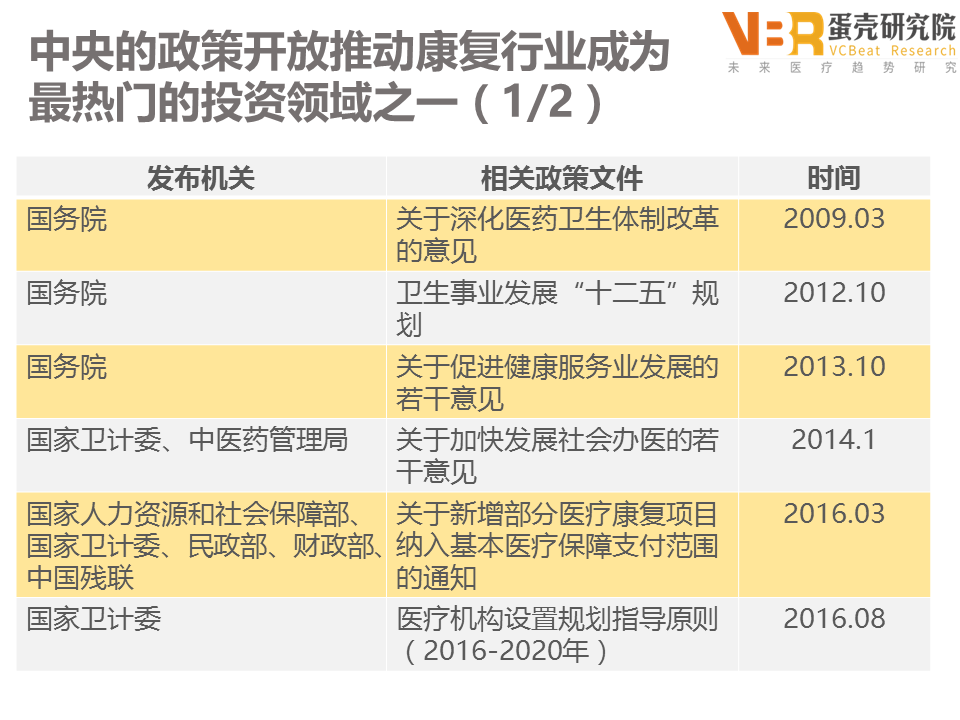
Favorable central government policies are driving the rapid development of the rehabilitation industry. Since 2009, the State Council, the National Health and Family Planning Commission, and the State Administration of Traditional Chinese Medicine have successively introduced policies to encourage and support the development and expansion of rehabilitation medicine.
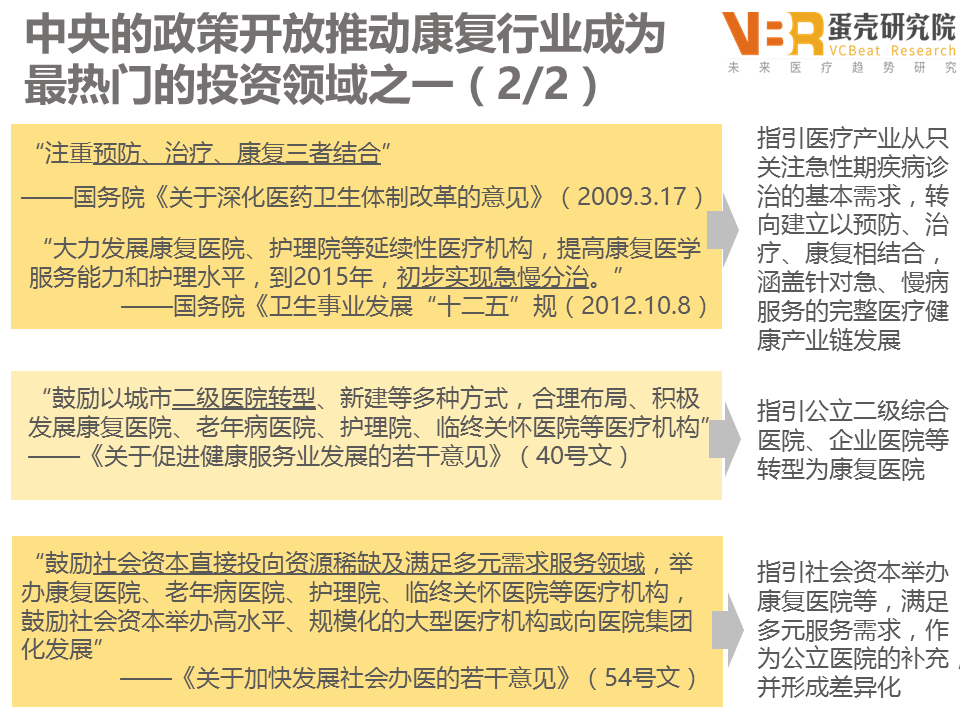
In accordance with the State Council’s “Opinions on Deepening the Reform of the Medical and Health Care System” and the “12th Five-Year Plan for Health Development,” the healthcare industry has shifted from merely addressing basic needs for acute disease diagnosis and treatment toward building a comprehensive medical and health industry chain that integrates prevention, treatment, and rehabilitation, covering services for both acute and chronic conditions. The “Several Opinions on Promoting the Development of the Health Service Industry” specifically proposes transforming public secondary general hospitals and enterprise-affiliated hospitals into rehabilitation hospitals. Furthermore, the “Several Opinions on Accelerating the Development of Privately Run Medical Institutions” explicitly encourages social capital to establish rehabilitation hospitals.
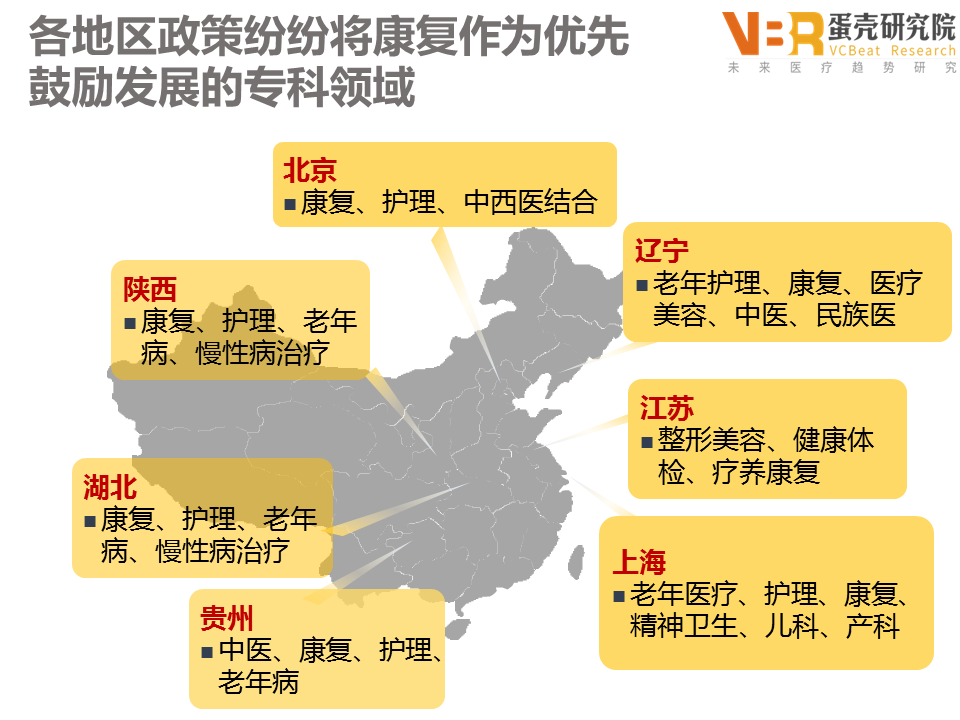
Local governments in Beijing, Liaoning, Jiangsu, Shanghai, Guizhou, Hubei, Shaanxi, and other provinces and municipalities have successively introduced supporting policies to foster the development of the rehabilitation industry.
II. Current Development Status and Challenges of China's Rehabilitation Industry
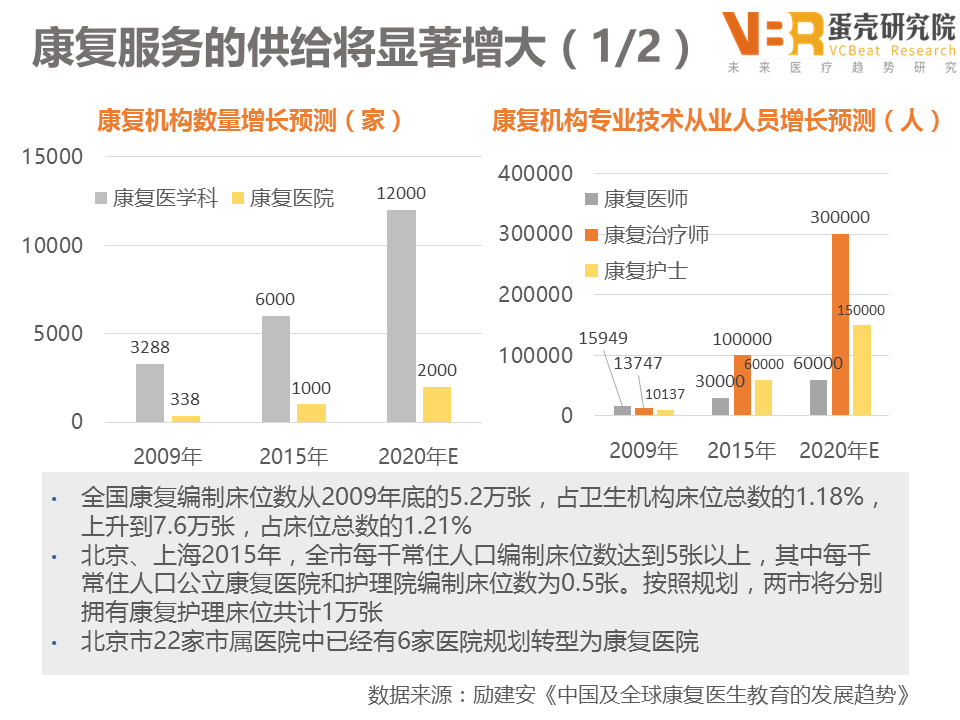
The supply in China's rehabilitation industry is continuously growing. The number of authorized rehabilitation beds nationwide increased from 52,000 at the end of 2009, accounting for 1.18% of the total number of beds in healthcare institutions, to 76,000, representing 1.21% of the total bed count.
In 2015, the number of licensed hospital beds per 1,000 permanent residents in both Beijing and Shanghai exceeded five, with 0.5 licensed beds per 1,000 permanent residents specifically allocated to public rehabilitation hospitals and nursing facilities. According to the plan, each city will have a total of 10,000 rehabilitation and nursing beds. Furthermore, six of the 22 municipal hospitals in Beijing have already been planned for transformation into rehabilitation hospitals.
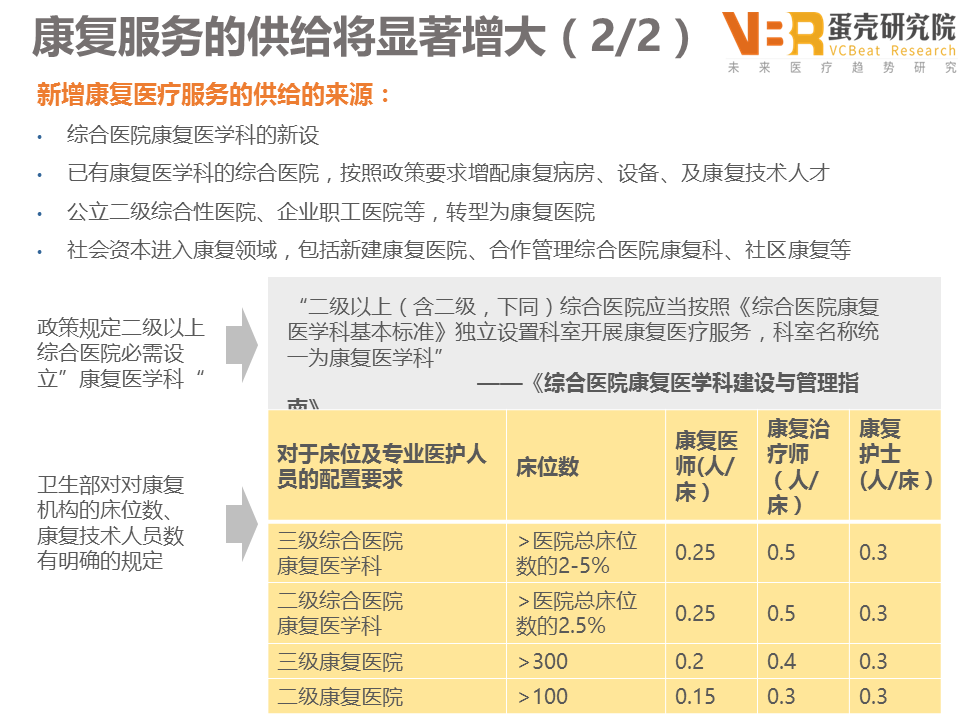
There are four sources for the increased supply of rehabilitation medical services:
Establishment of the Department of Rehabilitation Medicine in General Hospitals;
General hospitals with existing departments of rehabilitation medicine shall, in accordance with policy requirements, increase the allocation of rehabilitation wards, equipment, and skilled rehabilitation professionals.
Public secondary general hospitals, enterprise employee hospitals, and similar institutions are being transformed into rehabilitation hospitals;
Social capital is entering the rehabilitation sector, including through the establishment of new rehabilitation hospitals, collaborative management of rehabilitation departments in general hospitals, and community-based rehabilitation services.
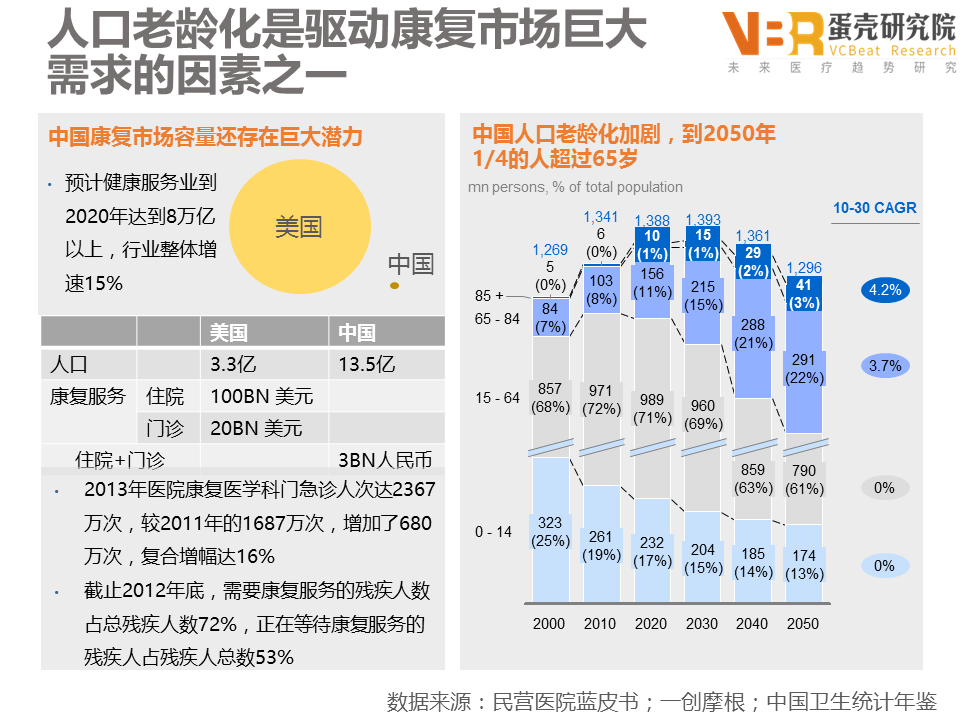
Beyond favorable policy factors, the rapid development of China’s rehabilitation industry is primarily driven by population aging and changes in the disease spectrum. As population aging intensifies in China, one-quarter of the population is projected to be over 65 years old by 2050. This demographic shift has generated substantial demand for rehabilitation services. In 2013, outpatient and emergency visits to hospital rehabilitation departments reached 23.67 million, an increase of 6.8 million from 16.87 million in 2011, representing a compound annual growth rate of 16%. By the end of 2012, 72% of individuals with disabilities required rehabilitation services, while 53% of the total disabled population was awaiting such services.
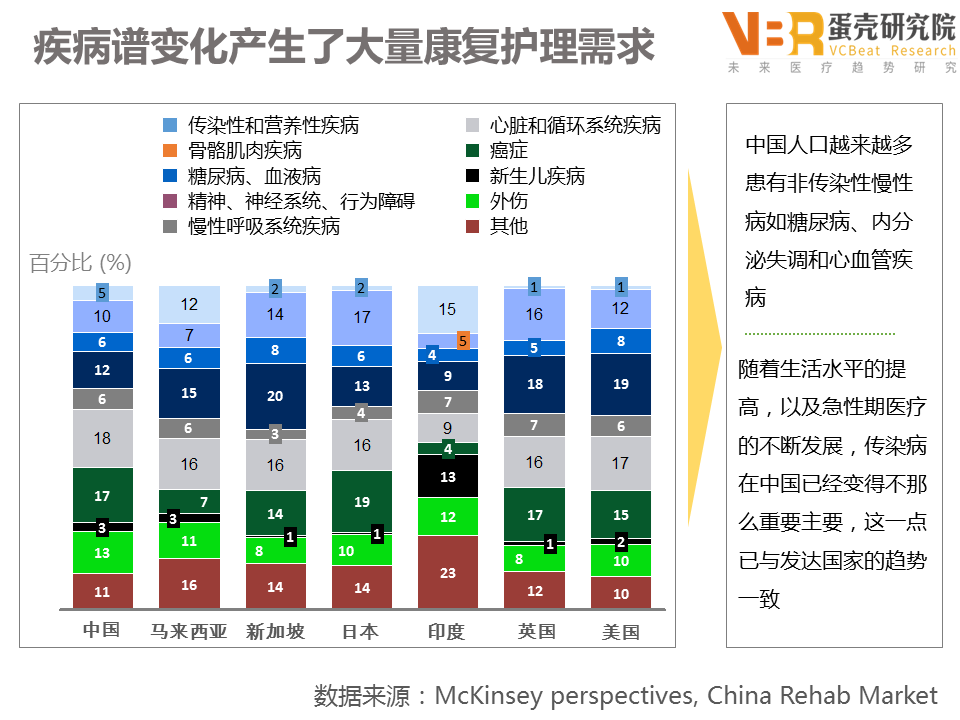
Meanwhile, with improvements in living standards and continuous advancements in acute-care medicine, infectious diseases have become less of a primary health concern in China, aligning with trends observed in developed countries. An increasing proportion of the Chinese population is affected by non-communicable chronic conditions, such as diabetes, endocrine disorders, and cardiovascular diseases. This shift in the disease spectrum has also led to a growing demand for rehabilitation services.
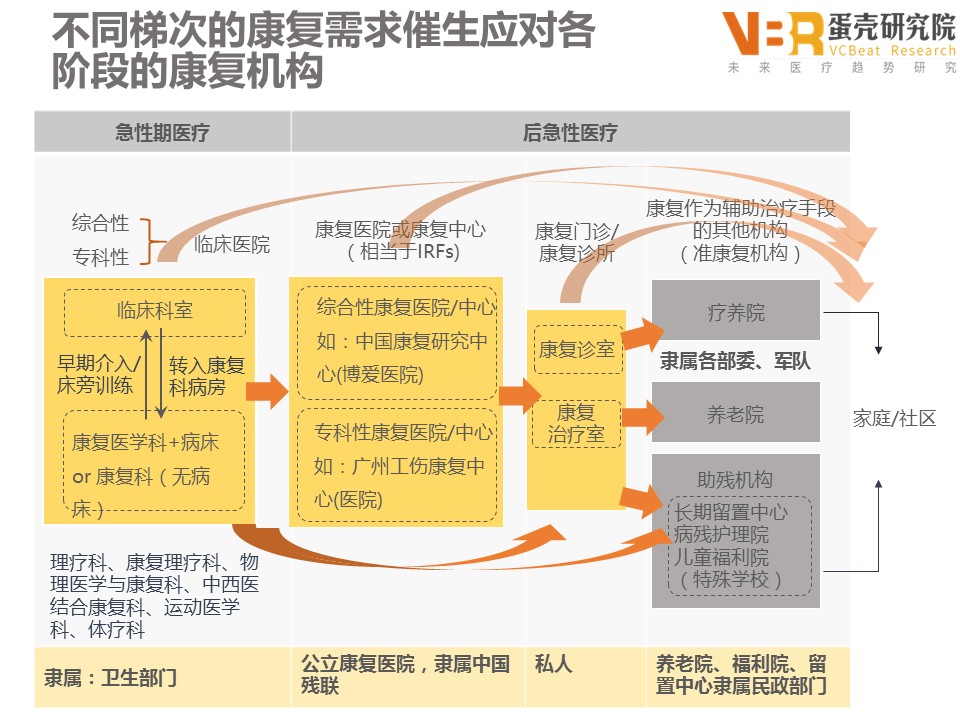
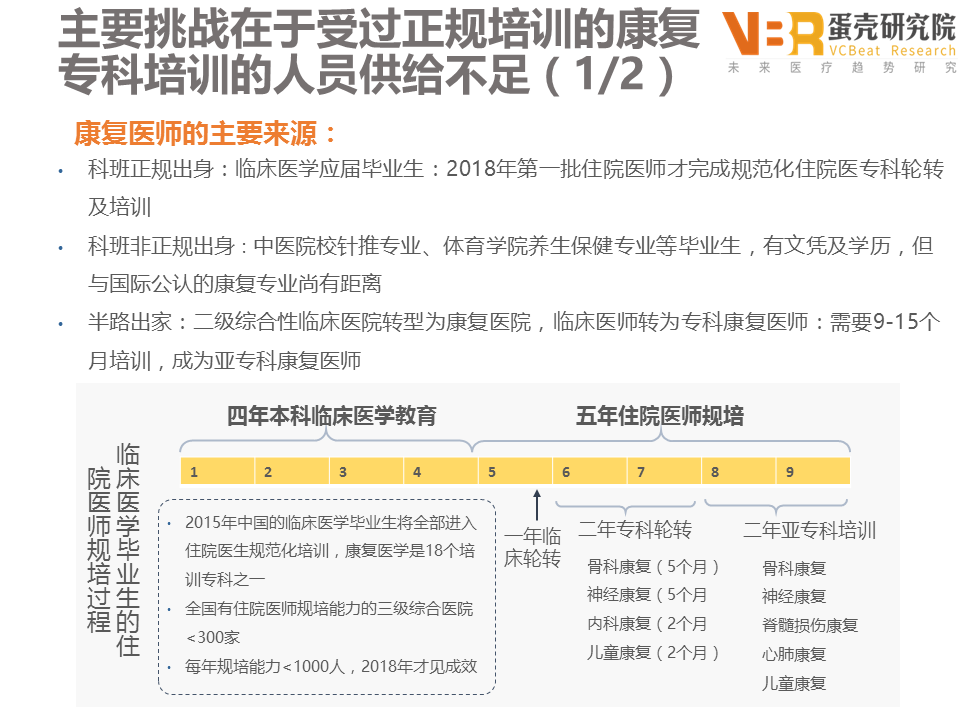
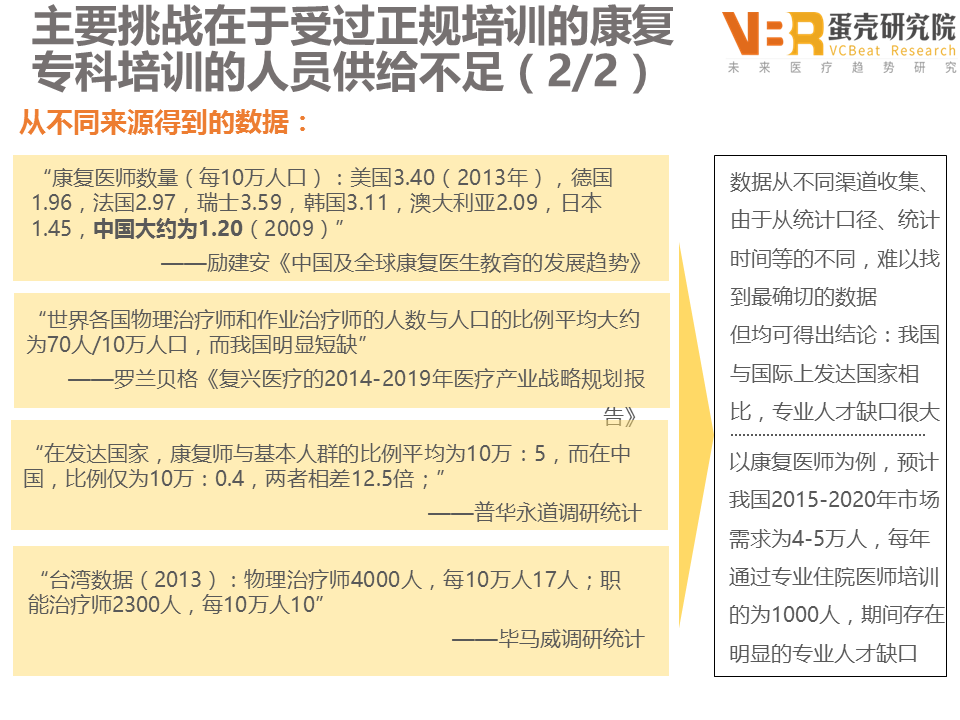
Rehabilitation needs at different levels have given rise to rehabilitation institutions catering to various stages of recovery. In the process of establishing a comprehensive rehabilitation system, the greatest challenge lies in the insufficient supply of professionals who have received formal specialized training in rehabilitation. Taking rehabilitation physicians as an example, the market demand in China from 2015 to 2020 was estimated at 40,000–50,000 individuals, while only 1,000 specialists were trained annually through standardized residency programs, resulting in a significant shortage of qualified personnel. According to research by PwC, the ratio of rehabilitation therapists to the general population in developed countries averages 5 per 100,000 people, whereas in China, the ratio is merely 0.4 per 100,000—a 12.5-fold difference.
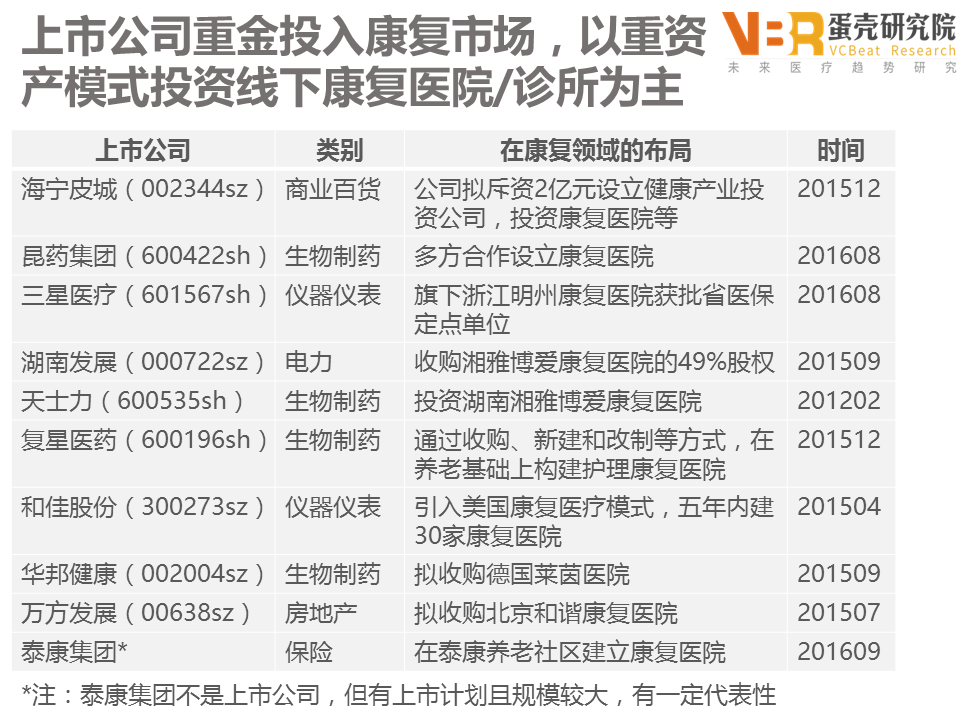
VCBeat Research Institute has reviewed the layout of listed companies in the rehabilitation sector in recent years. As of September 30, 2016, a total of nine listed companies (Haining Leather City, Kunming Pharmaceutical Group, Sanxing Medical, Hunan Development, Tasly, Fosun Pharma, Hejia Shares, Huapont Life Sciences, and Wanfang Development) have made significant investments in the rehabilitation market, adopting an asset-heavy model to invest in offline rehabilitation hospitals and clinics. A representative case is Tasly’s investment in Xiangya Boai Rehabilitation Hospital.
In addition, there is Taikang Group. Although Taikang Group is not a publicly listed company, given its scale and plans for an initial public offering, its strategic layout in the rehabilitation sector is also worth considering.
III. Distribution of Venture Capital Investment in the Rehabilitation Sector
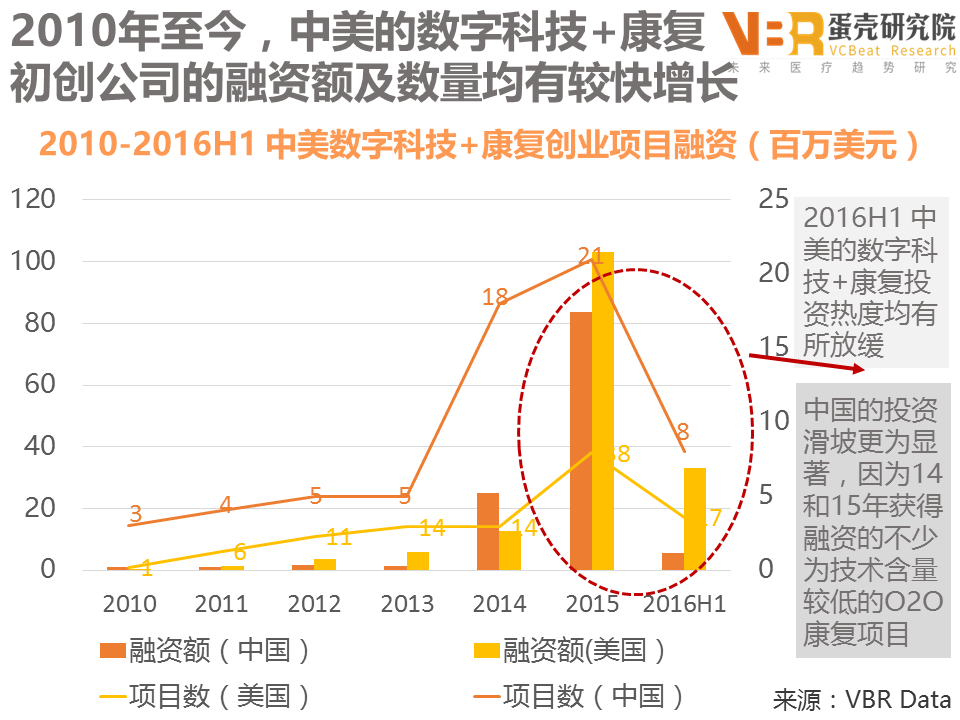
VCBeat Research Institute compiled statistics on financing amounts and the number of deals for rehabilitation-focused startups in China and the United States from 2010 to the present. Between 2010 and 2013, both investment volumes and transaction counts in this sector were low in both countries, but they rose significantly in 2014. The tipping point occurred in 2015, when fundraising by rehabilitation startups in China and the U.S. surpassed $8 billion and $10 billion, respectively. China recorded 24 transactions, far exceeding the number in the U.S., indicating that Chinese startups were at an earlier stage of development, with many being online-to-offline (O2O) rehabilitation projects. In the first half of 2016, as enthusiasm across the broader venture capital market cooled, both the scale of investment and the number of transactions in the rehabilitation sector declined. In China, numerous O2O rehabilitation projects failed.
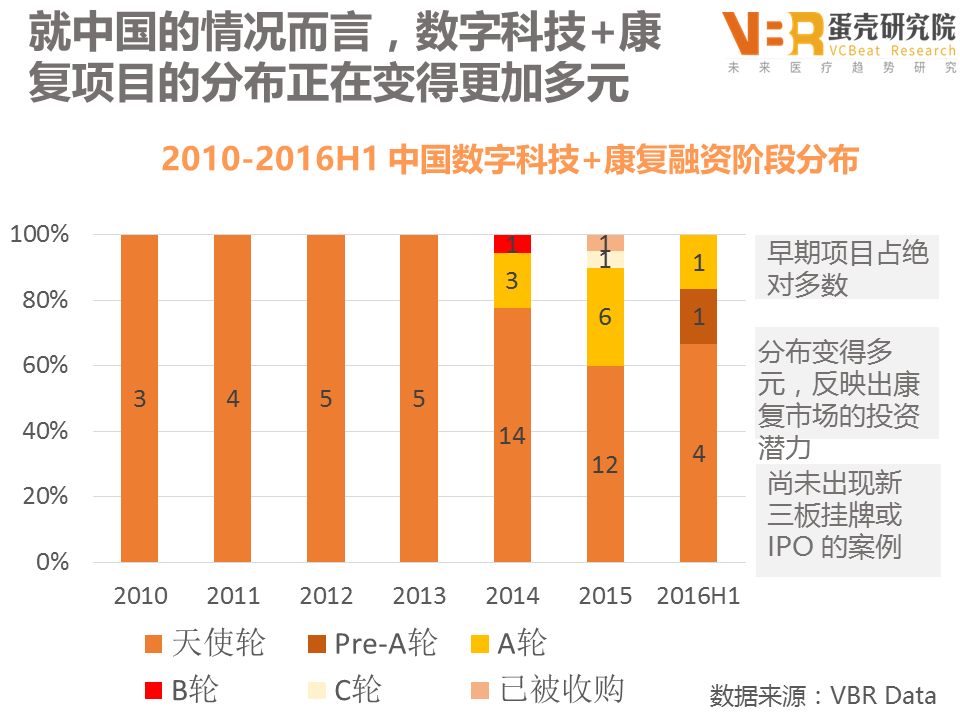
From the perspective of investment stages, data from VCBeat Institute shows that between 2014 and the first half of 2016, venture capital preferences in China’s rehabilitation market became increasingly diversified, although no cases of listings on the National Equities Exchange and Quotations (NEEQ) or initial public offerings (IPOs) had yet emerged. This indicates that certain niche segments within the rehabilitation market are gradually maturing and hold considerable investment potential.
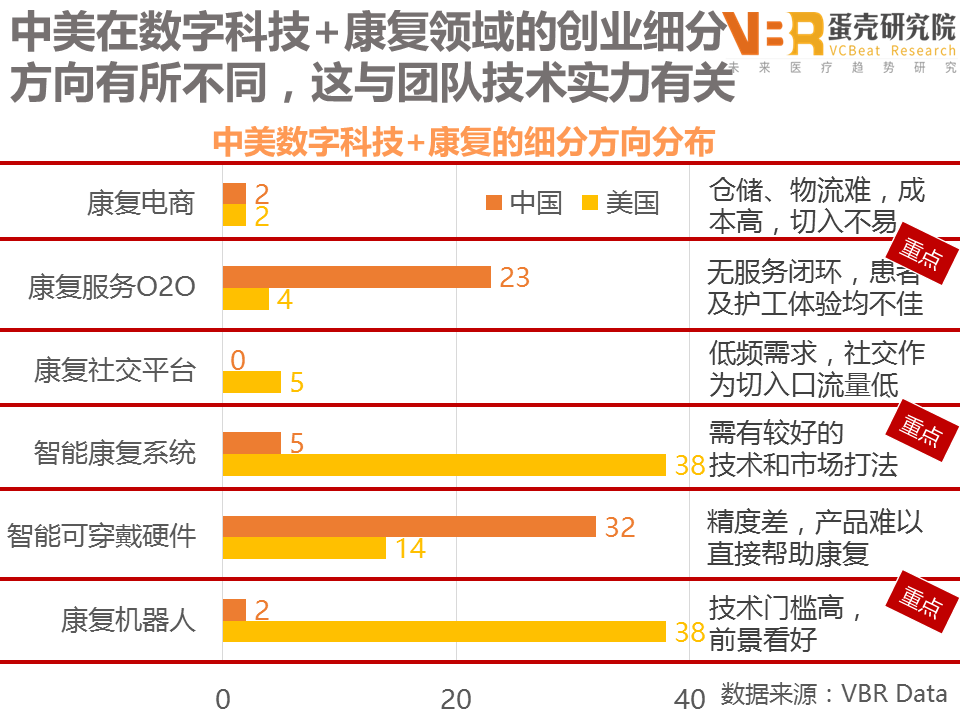
After researching and analyzing a large number of rehabilitation-related startups in China and the United States, VCBeat has identified six business models: e-commerce for rehabilitation products, O2O rehabilitation services, social platforms for rehabilitation, intelligent rehabilitation systems, smart wearable hardware, and rehabilitation robots. Among these, VCBeat believes that O2O rehabilitation services, intelligent rehabilitation systems, and rehabilitation robots are the areas deserving particular attention.
The reasons for not choosing rehabilitation e-commerce and rehabilitation social platforms are as follows: the former involves high warehousing and logistics costs, operational challenges, and difficulty in market entry; the latter suffers from low precision and an inability to directly support clinical practice.
According to VCBeat, the biggest challenge in the rehabilitation sector currently lies in the insufficient supply of rehabilitation professionals, which is not expected to increase significantly in the short term. Moreover, as many listed companies are heavily investing in establishing offline rehabilitation hospitals and clinics, entrepreneurial opportunities lie in leveraging asset-light models to enhance the efficiency of existing rehabilitation personnel and institutions.
IV. Five Key Subsectors Warranting Close Attention
(I) Rehabilitation Robots
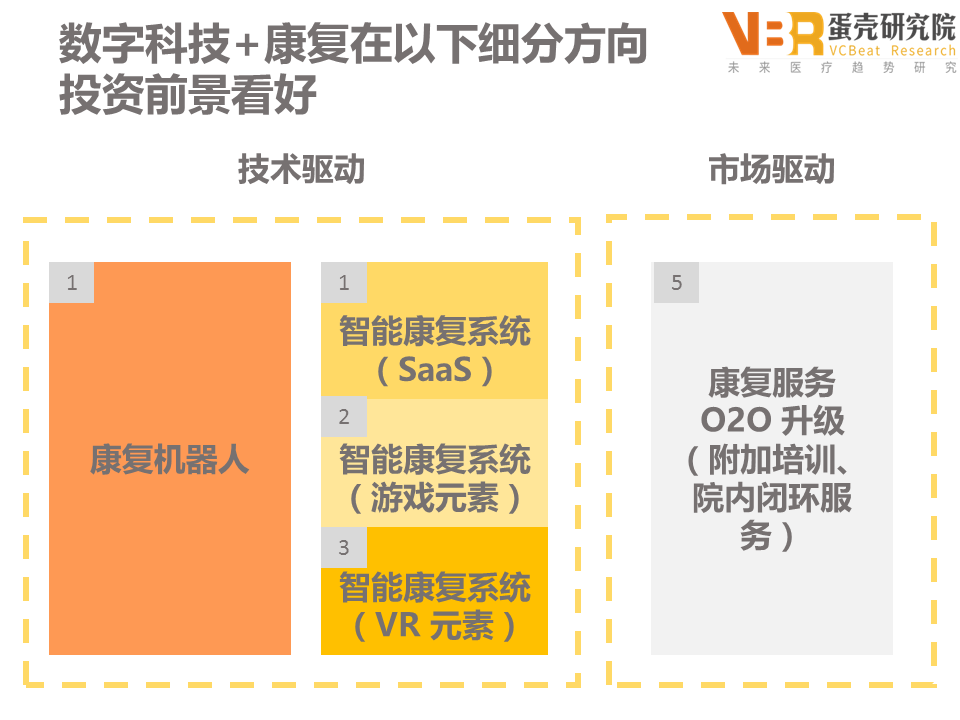
Building on the analysis in the previous chapter, this chapter focuses on five key subsectors within the rehabilitation industry worthy of close attention: rehabilitation robotics, intelligent rehabilitation systems (further categorized into SaaS-based, gamified, and VR-enabled solutions), and the upgrading of rehabilitation O2O models. Although a large number of rehabilitation O2O projects failed last year, this does not imply that rehabilitation demand, whether inside or outside hospitals, is illusory. As stated in Chapter 2, rehabilitation needs continue to grow; therefore, upgraded rehabilitation O2O initiatives that genuinely address these needs remain promising.
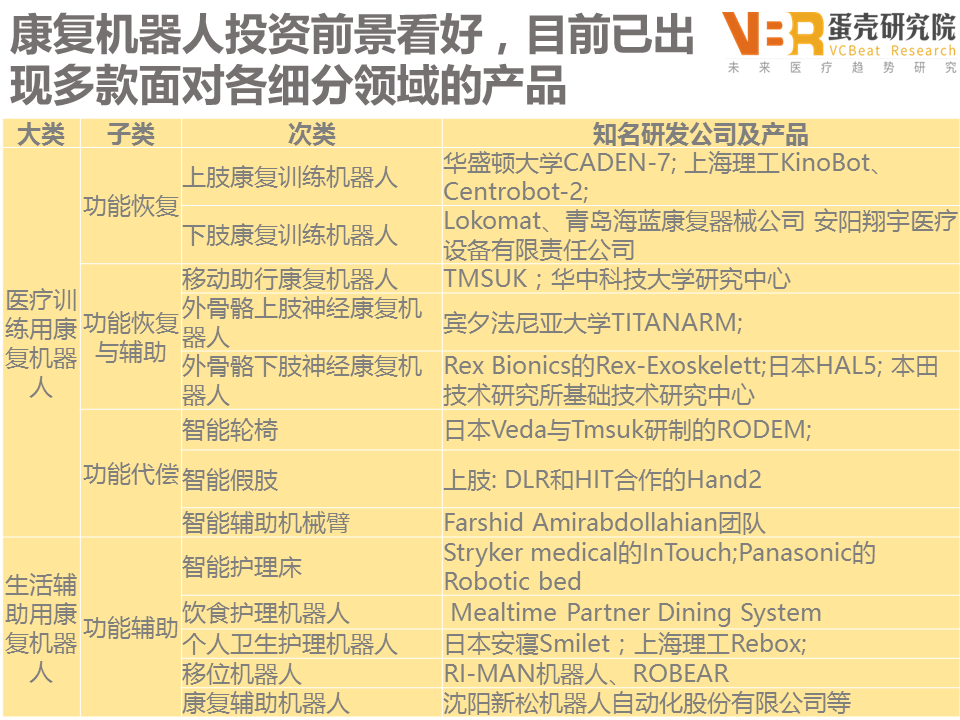
Rehabilitation robots are an important branch of medical robots, and their research and development involve many fields such as rehabilitation medicine, biomechanics, mechanics, electronics, materials science, computer science, and robotics. Currently, rehabilitation robots have been widely used in areas such as rehabilitation nursing, prosthetics, and rehabilitation therapy.
The investment outlook for rehabilitation robots is currently promising, with multiple products already available; however, they are primarily concentrated in the United States and Japan.
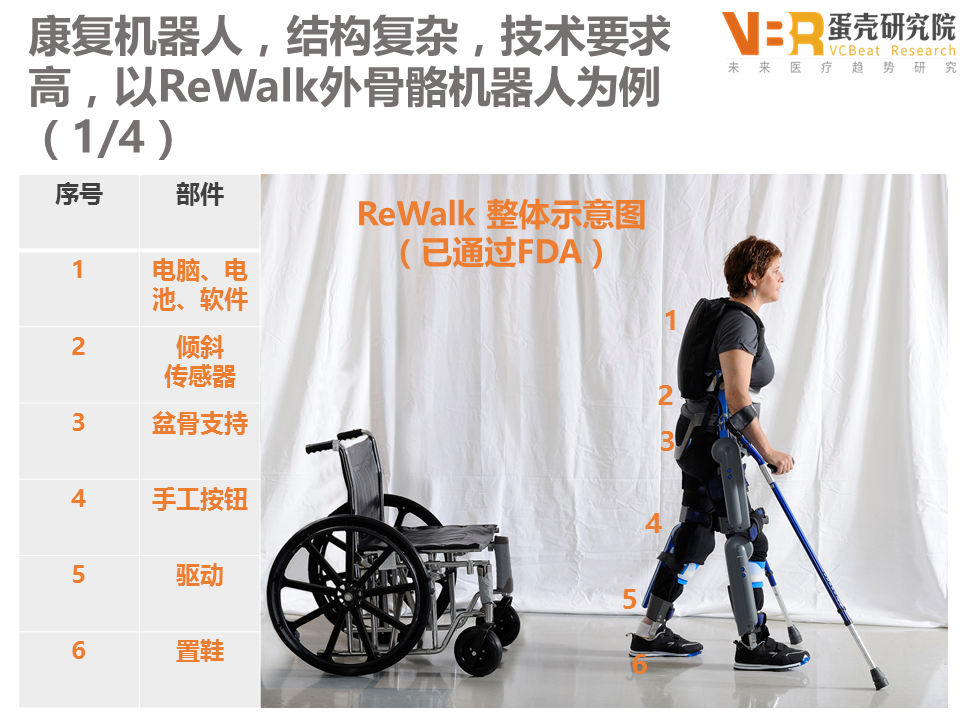
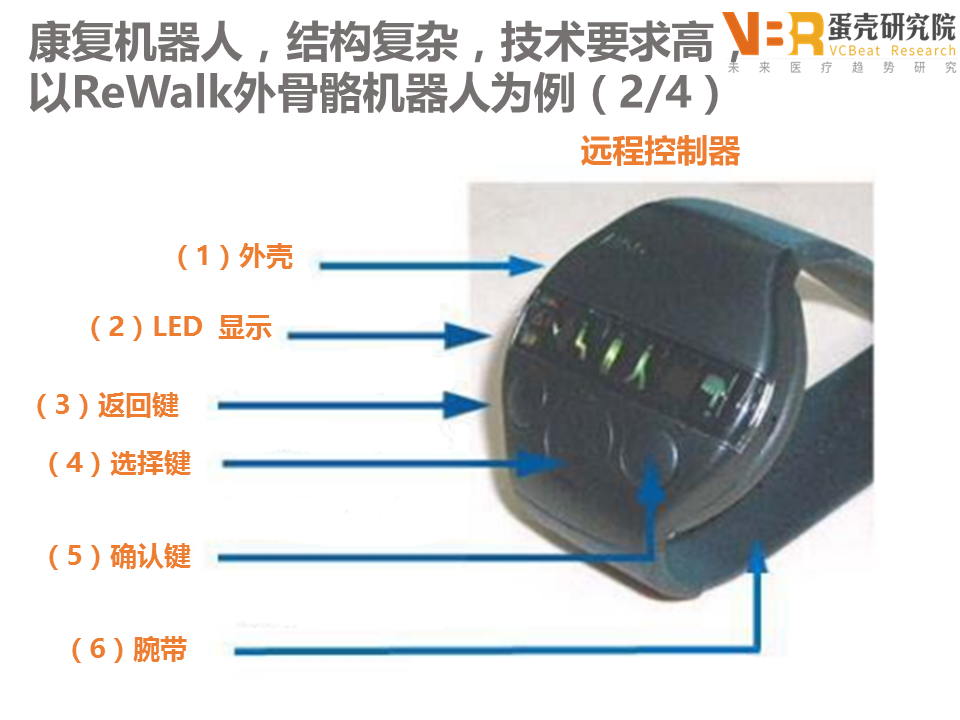
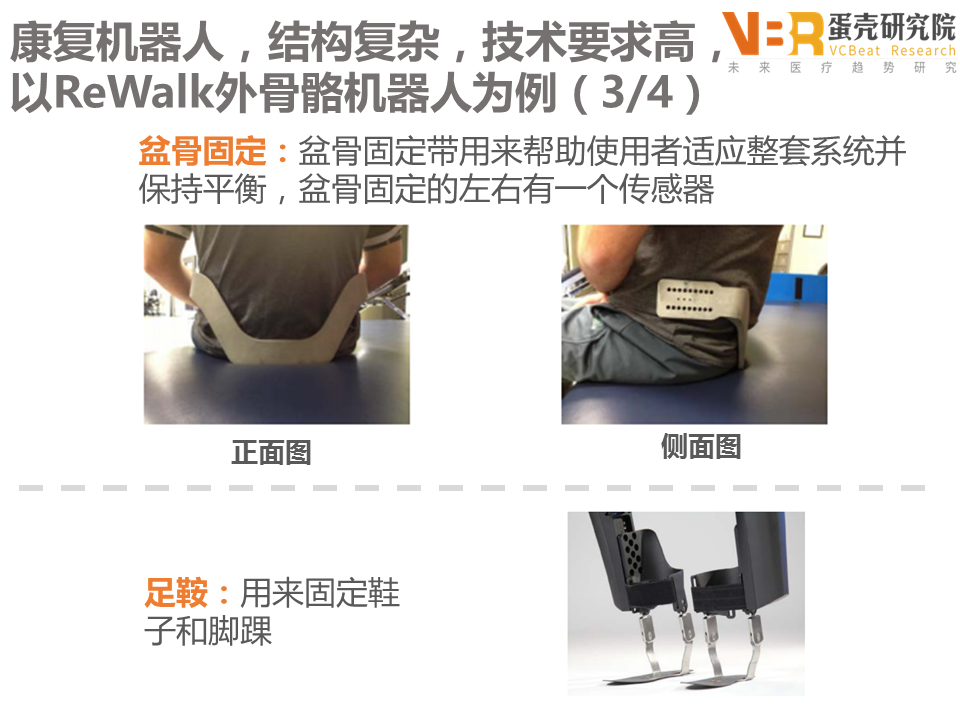
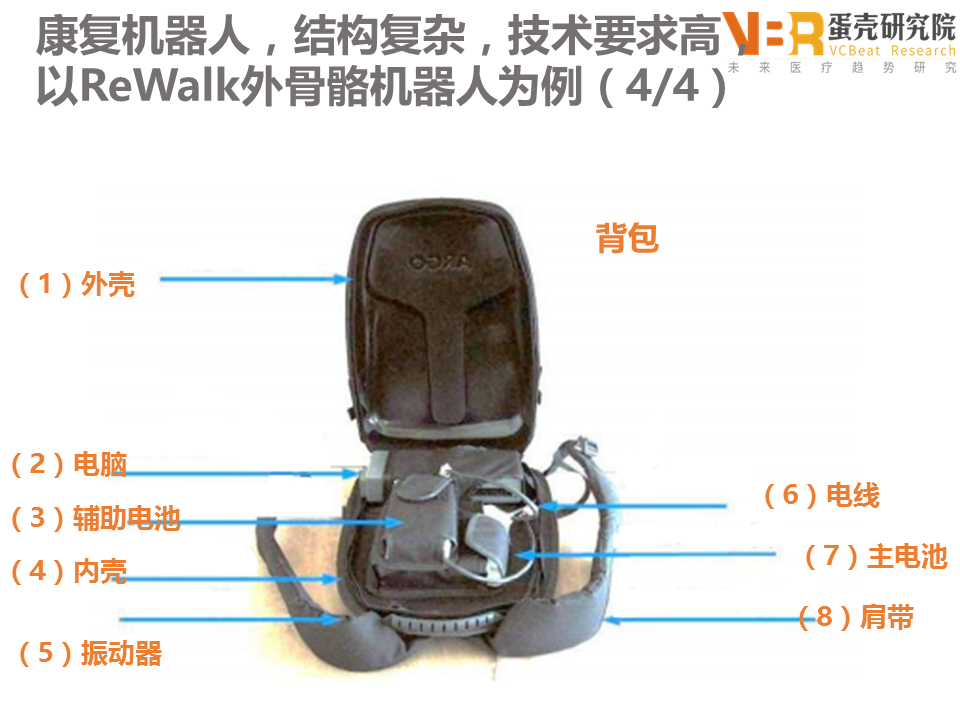
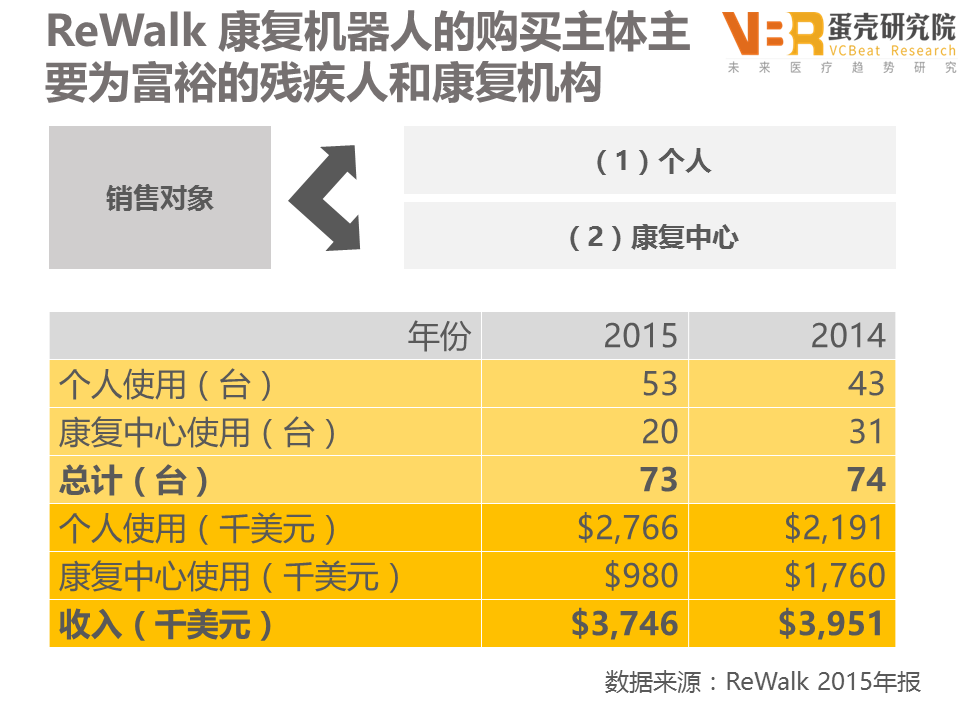
Taking the ReWalk exoskeleton robot as an example, its purchasers fall into two categories: affluent individuals and rehabilitation institutions. Over the past two years, ReWalk’s primary revenue has come from affluent individuals, with sales volumes of 43 and 53 units in 2014 and 2015, respectively, generating sales revenues of $2.191 million and $2.766 million. Revenue from rehabilitation institutions accounted for a relatively small proportion, and sales volume declined in 2015.
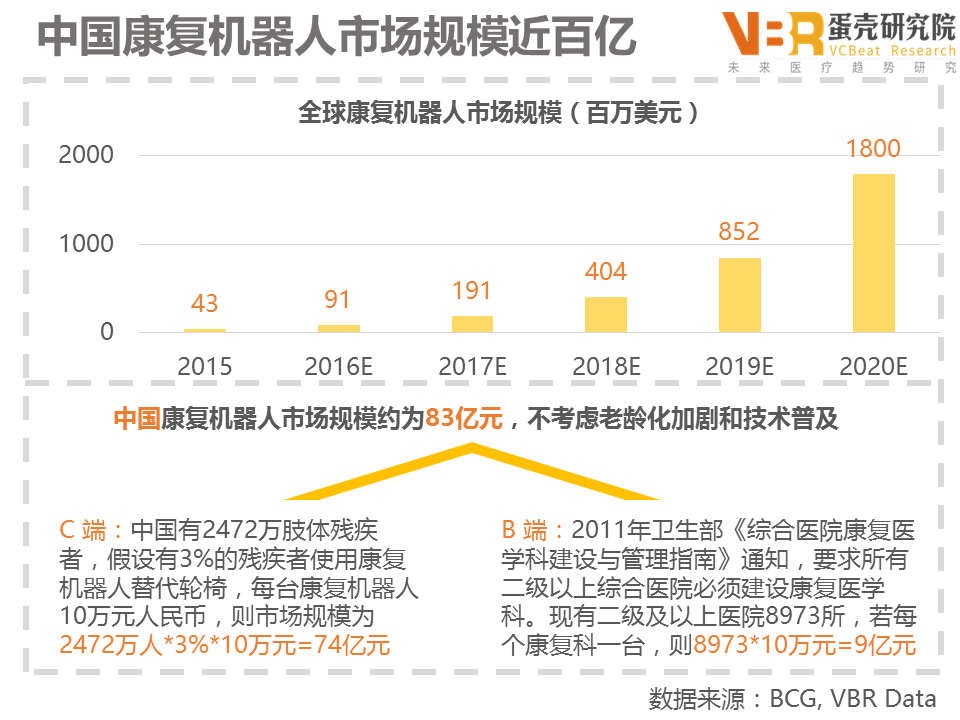
According to a 2015 report by Boston Consulting Group, the global market size for rehabilitation robots was approximately $43 million in 2015 and is projected to grow to $1.8 billion by 2020. VCBeat estimates that the market size for rehabilitation robots in China is approximately RMB 8.3 billion. This estimate represents the sum of the consumer (C-end) and business (B-end) segments.
Consumer Segment: China has 24.72 million individuals with physical disabilities. Assuming that 3% of these individuals use rehabilitation robots to replace wheelchairs, and with each rehabilitation robot priced at RMB 100,000, the market size would amount to RMB 7.4 billion.
B2B Sector: According to the 2011 notice issued by the Ministry of Health titled “Guidelines for the Construction and Management of Rehabilitation Medicine Departments in General Hospitals,” all general hospitals at Level II and above are required to establish a Department of Rehabilitation Medicine. With 8,973 such hospitals currently in operation, if each rehabilitation department purchases one rehabilitation robot at a unit price of RMB 100,000, the total market size would amount to RMB 900 million.
With rapid population aging and the widespread adoption of technology, the market size is expected to expand further.
Some domestic rehabilitation robot projects are still in their early stages, with a low level of commercialization. For example, the EXOP-1 developed by the Chinese Academy of Sciences is voltage-driven. Its main body is made of aerospace-grade aluminum, featuring nine fixation straps distributed across the waist and legs, along with 22 sensors, six actuators, and one controller. The device weighs approximately 20 kilograms and costs RMB 300,000.
Currently, investment institutions with a strategic presence in this field in China include Yuanhe Origin and Guofuyuan Investment.
(II) Intelligent Rehabilitation System (SaaS)
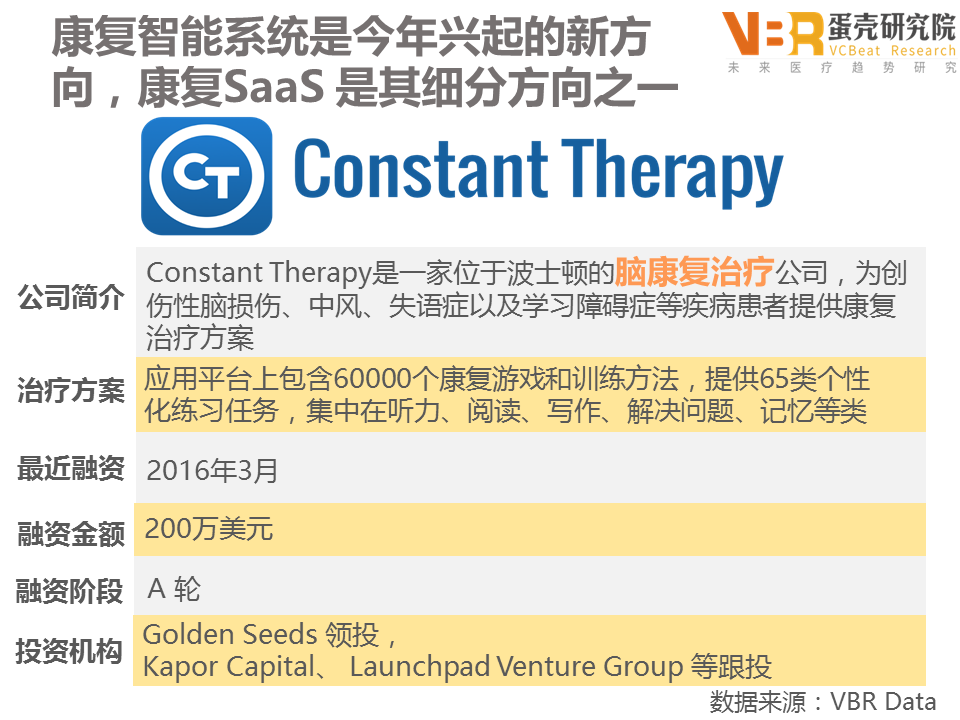
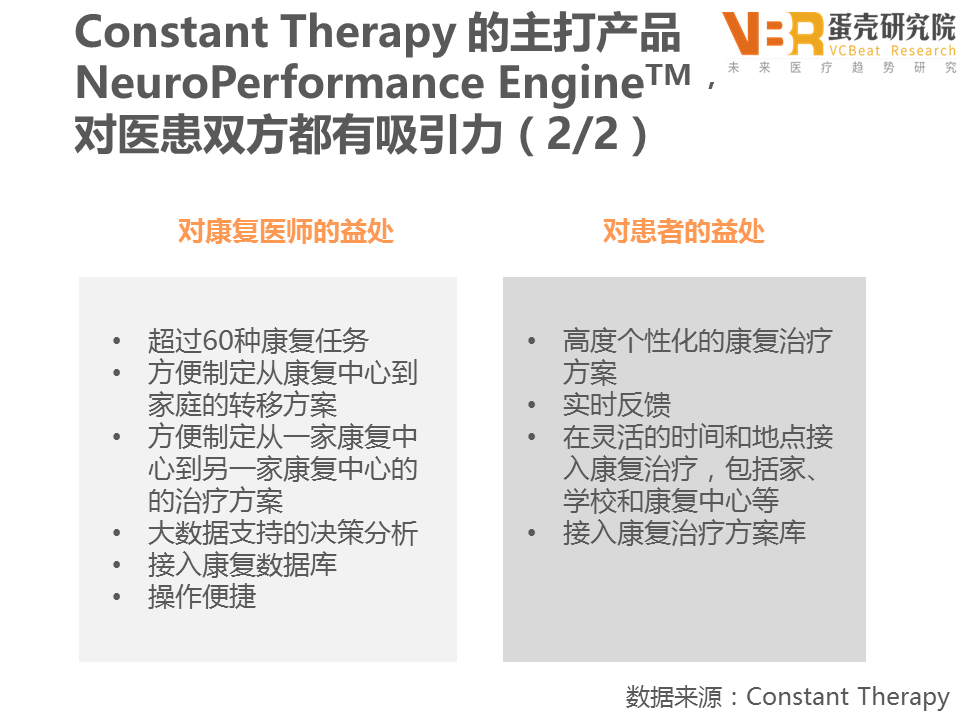
Constant Therapy is a Boston-based startup founded in 2015. The company has standardized and digitized various therapeutic interventions commonly used in clinical practice for traumatic brain injury (TBI), serving both patients and rehabilitation clinicians. The Constant Therapy platform now offers more than 60,000 rehabilitation therapy protocols, providing 65 categories of personalized exercises targeting core cognitive functions, including auditory comprehension, reading, writing, problem-solving, and memory.
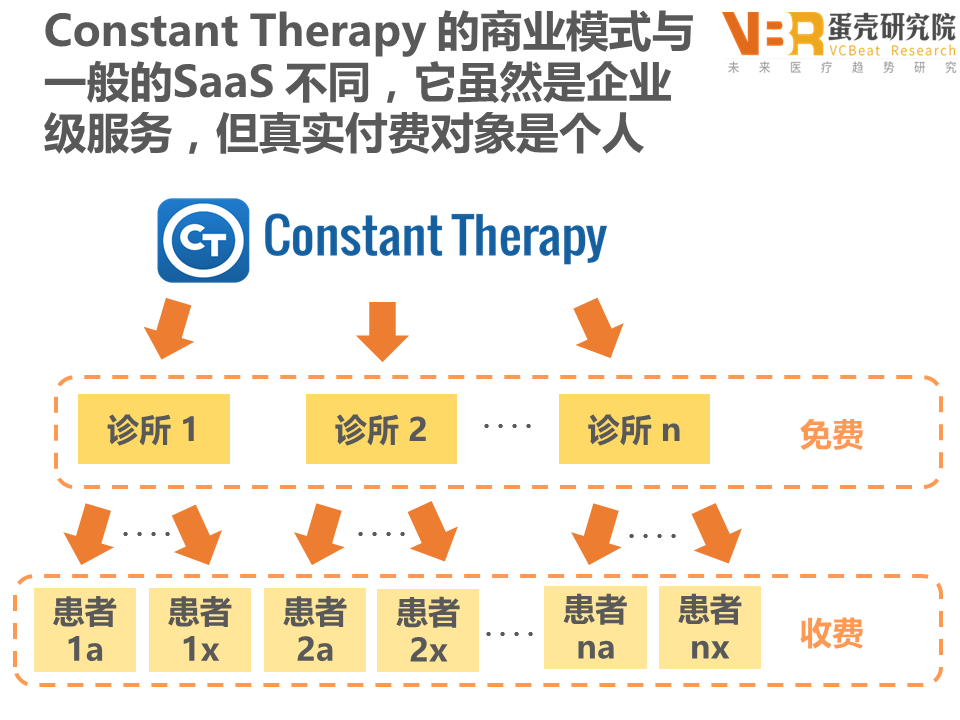
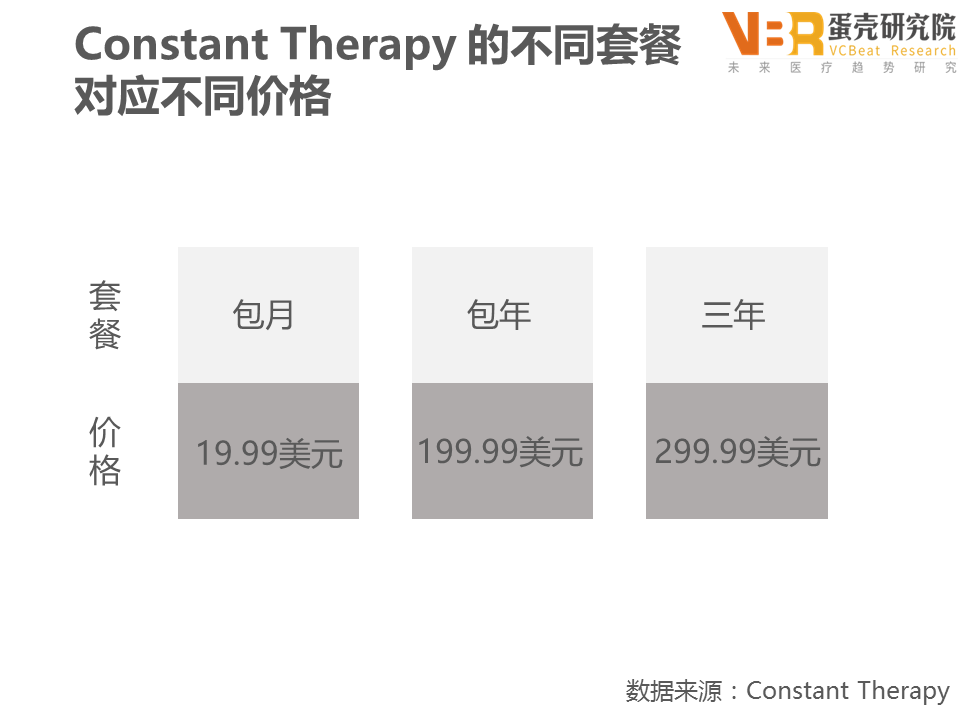
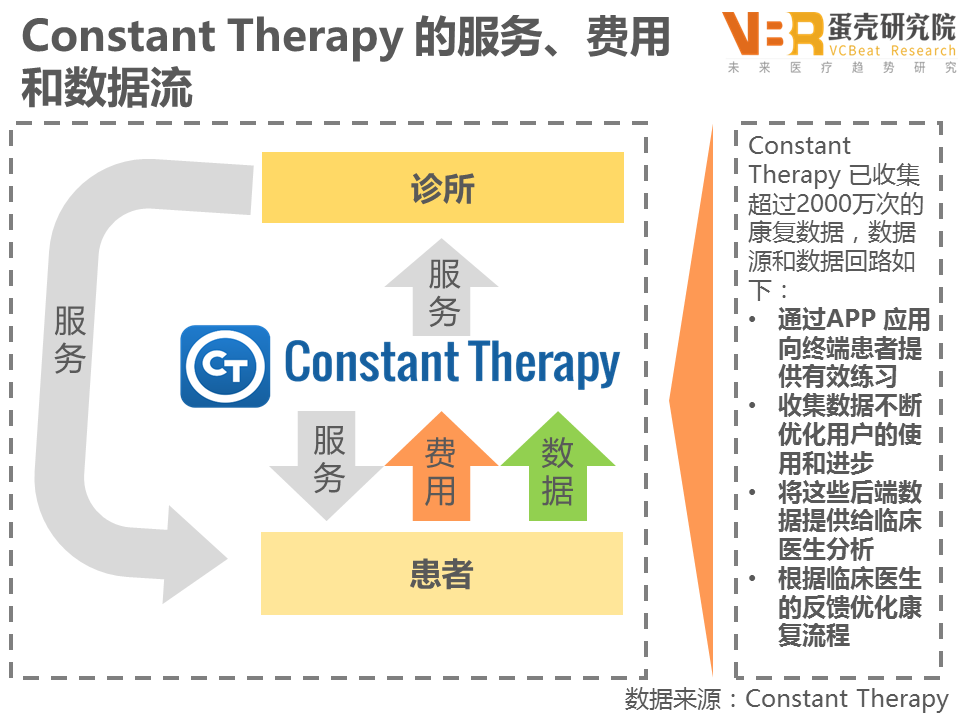
Constant Therapy’s business model differs from typical SaaS offerings. While it targets rehabilitation clinics as its primary channel for promotion, the service is provided to clinics free of charge; instead, revenue is generated directly from rehabilitation patients. In other words, Constant Therapy acquires customers through clinics and offers patients tiered subscription packages at different price points. Currently, there are three options: $19.99 per month, $199.99 per year, and $299.99 for three years.
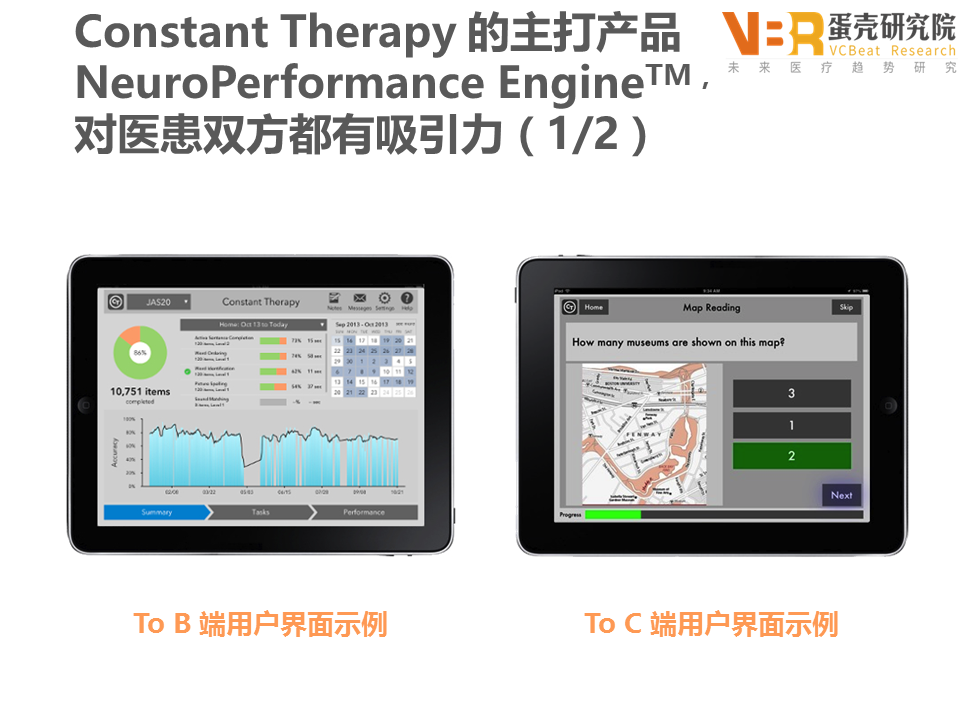
The core reason why Constant Therapy’s unique business model succeeds lies in its ability to provide rehabilitation physicians with a vast array of effective treatment plans, thereby securing their loyalty, while also offering patients relatively affordable prices to attract them. Professionalism and low cost are key to Constant Therapy’s user retention and rapid expansion, which is achieved through big data technology. The Constant Therapy analytics engine—NeuroPerformance™ Engine—can automatically optimize and personalize solutions on a daily basis, leveraging usage data from users worldwide. As patients use the platform daily, they generate substantial amounts of data; based on this accumulated historical data, the system creates a detailed and unique brain profile.
Currently, the company’s applications have collected over 20 million user exercise data points. Constant Therapy delivers effective exercises to end-users via its mobile app, continuously optimizing rehabilitation outcomes through data collection, and provides this backend data to clinicians for analysis.
(3) Intelligent Rehabilitation System (Including Gamification Elements)
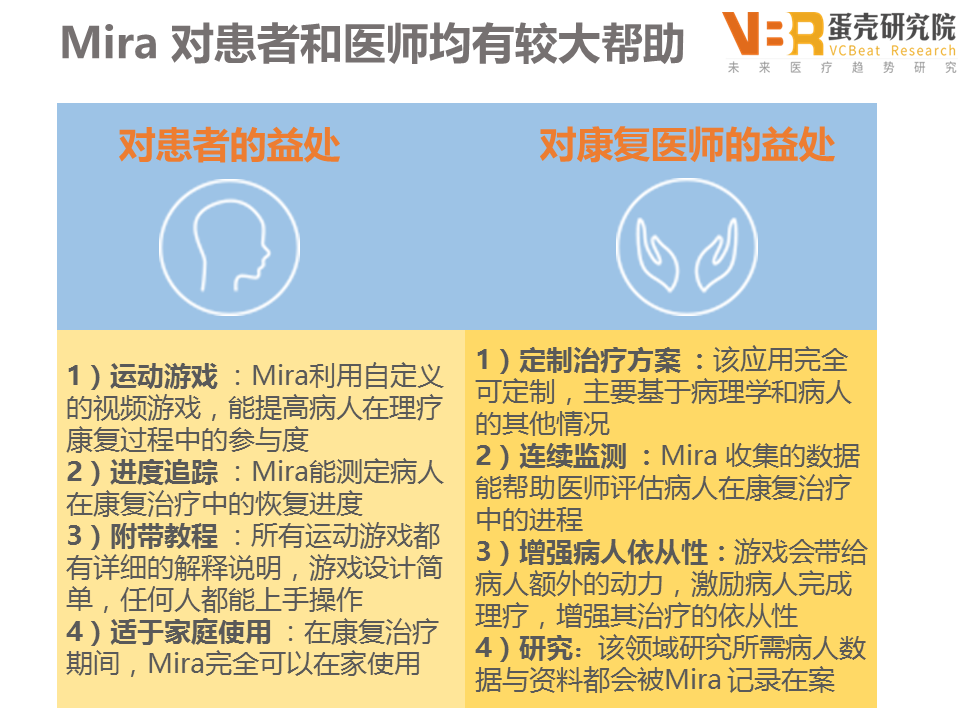
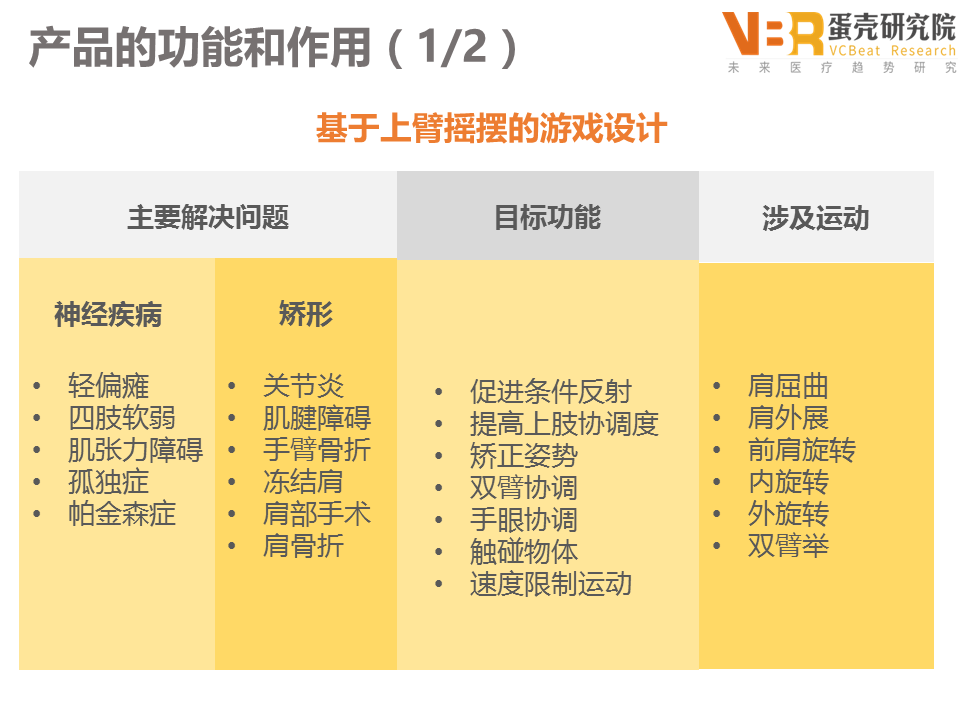
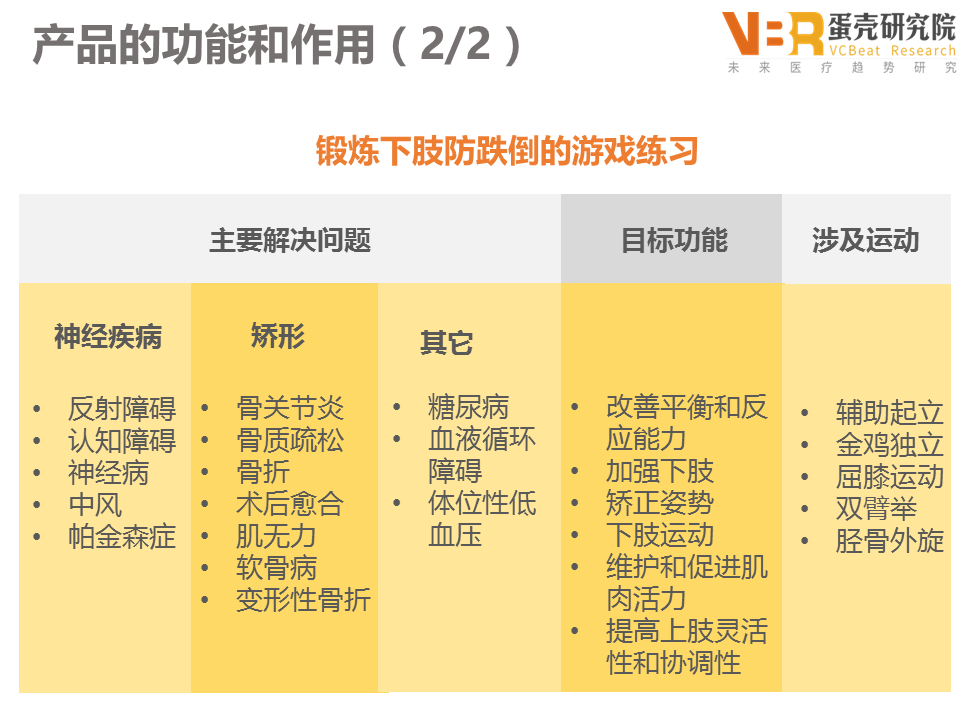
Mira Rehab is a company that transforms medically recognized rehabilitation therapy protocols into games, aiming to provide patients with an engaging, convenient, and straightforward approach to physical therapy. Mira (Medical Interactive Recovery Assistant) offers a clinical rehabilitation tool. In essence, Mira converts conventional physical therapy exercises into medically validated video games. The system employs sensors to track and assess patient adherence, making the rehabilitation process more relaxed and enjoyable, thereby accelerating recovery from injuries or surgeries. Currently, Mira utilizes Microsoft Kinect sensors, which can track users’ movement trajectories within a certain range without requiring additional operations, while also evaluating the correctness of movements and monitoring improvements in patients’ motor function over time.
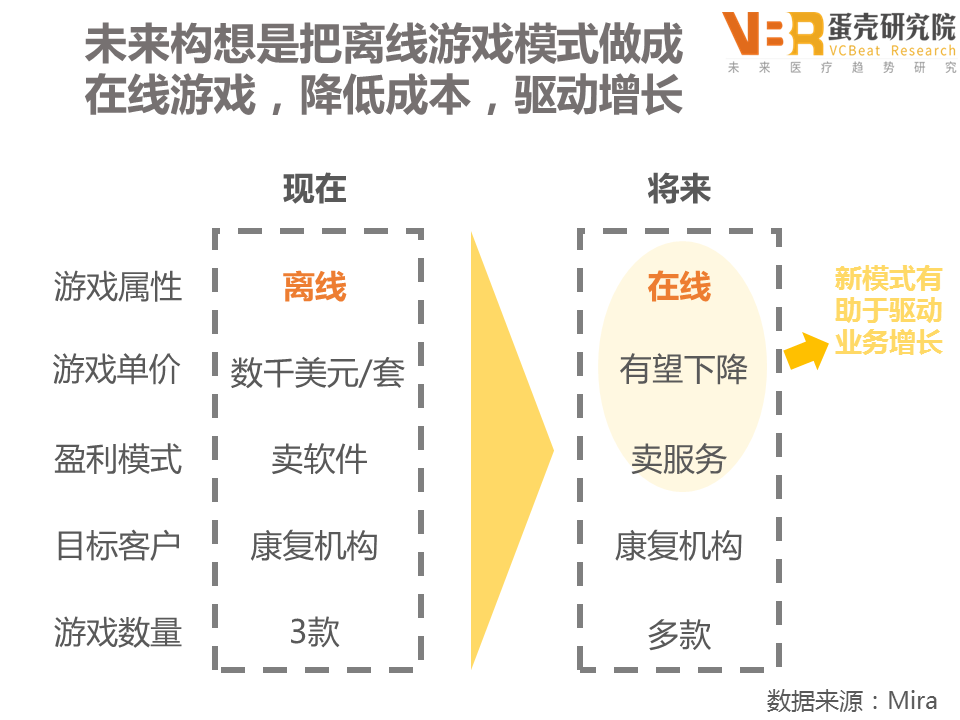
Mira offers a comprehensive software suite on the provider side, including a diagnostic application and a patient management application. The diagnostic application is designed for patients to measure body angles and distances during physical therapy sessions. The patient management application is tailored for physicians and physical therapists, enabling them to store and record data and documents generated throughout the rehabilitation process. Based on this information, clinicians can adjust treatment plans and protocols accordingly. Mira’s gamified elements serve as motivational tools, with games developed specifically for different rehabilitation regimens to better accommodate and meet patient needs. Mira plans to migrate its games to an online platform in the future to reduce costs and drive growth.




(4) Intelligent Rehabilitation System (with VR Elements)
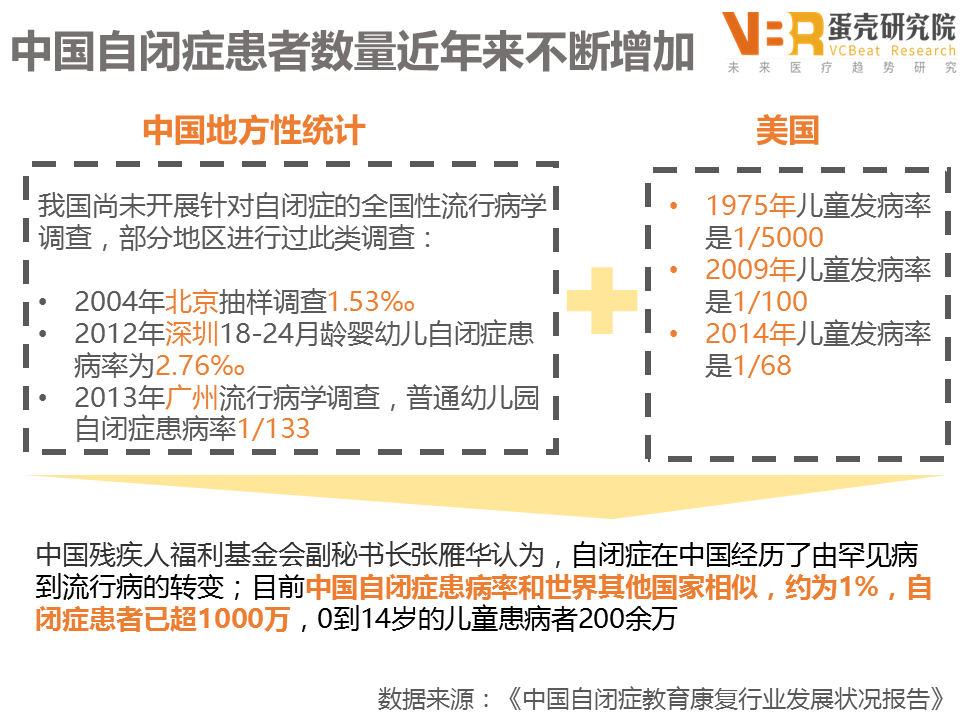
In recent years, the number of individuals with autism in China has been steadily increasing. Zhang Yanhua, Deputy Secretary-General of the China Disabled Persons’ Welfare Foundation, believes that autism in China has transitioned from being considered a rare disease to an epidemic. Currently, the prevalence of autism in China is similar to that in other countries worldwide, at approximately 1%. The number of individuals with autism in China has exceeded 10 million, including over 2 million children aged 0 to 14 years.
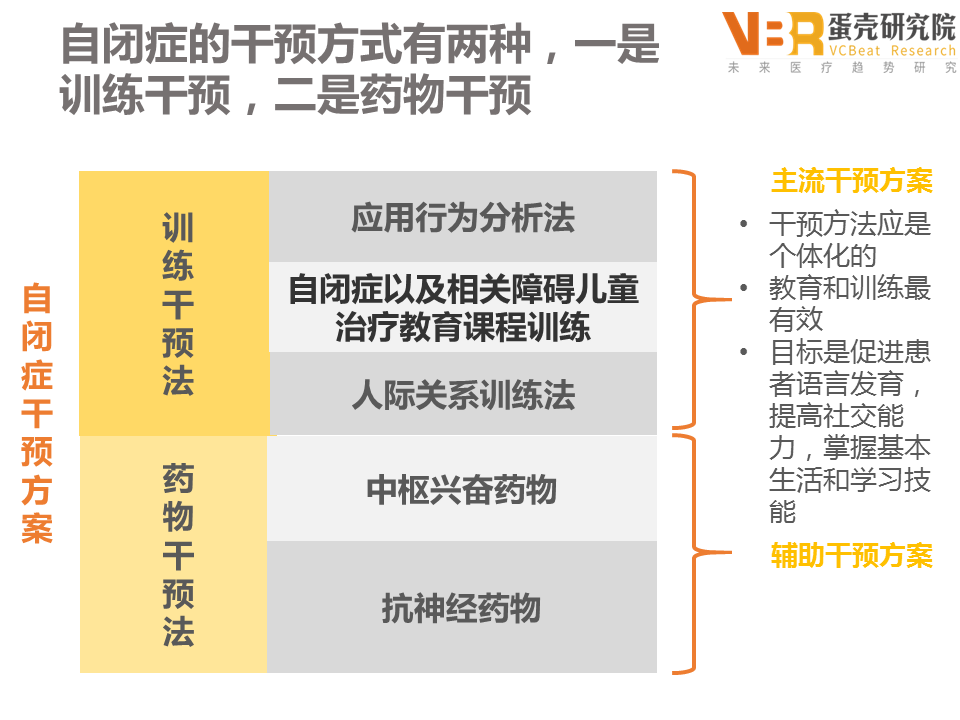
There are two approaches to autism intervention: behavioral training and pharmacological intervention, with the former being the mainstream treatment modality. Intervention strategies should be individualized, aiming to promote language development, enhance social skills, and help patients acquire basic daily living and learning skills. Pharmacological intervention serves as an adjunctive measure.
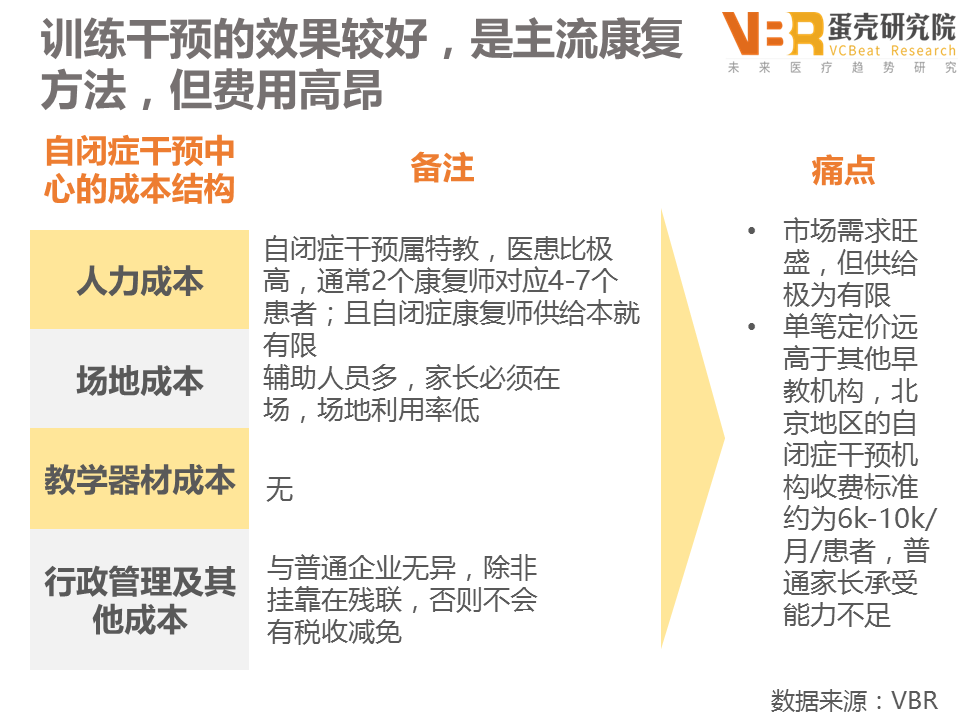
Although training-based interventions are mainstream, they are prohibitively expensive. The per-case pricing is significantly higher than that of other early childhood education institutions; in Beijing, the standard fee for autism intervention services ranges from RMB 6,000 to 10,000 per patient per month, which exceeds the financial capacity of most ordinary families.
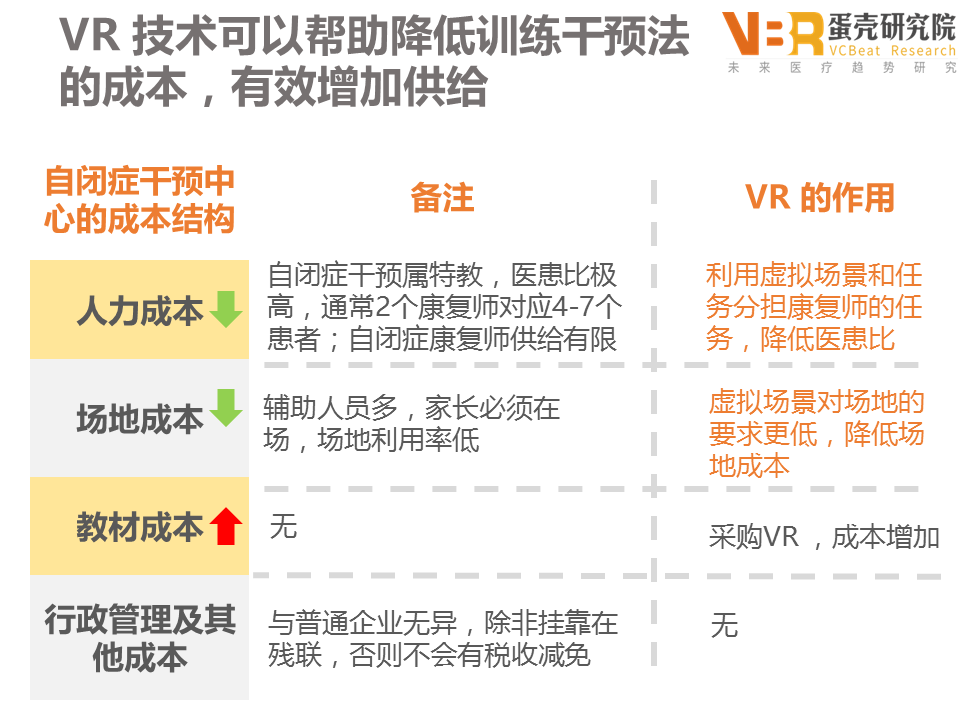
For autism intervention centers, the primary costs fall into four categories: labor costs, facility costs, instructional equipment costs, and administrative management costs. Among these, labor and facility costs constitute the two largest expenditures. Autism intervention is a form of special education with an exceptionally high therapist-to-patient ratio; typically, two rehabilitation therapists serve 4–7 patients, a figure far exceeding the teacher-student ratio in general education. Coupled with the inherently limited supply of autism rehabilitation therapists, labor costs remain persistently high. Furthermore, during intervention sessions, parents of the children are required to be present, which results in low facility utilization rates.
VR technology can help reduce the costs of training-based interventions. First, it leverages virtual scenarios and task-sharing to alleviate therapists’ workload, thereby lowering the patient-to-therapist ratio. Second, it reduces facility costs through the use of virtual environments.
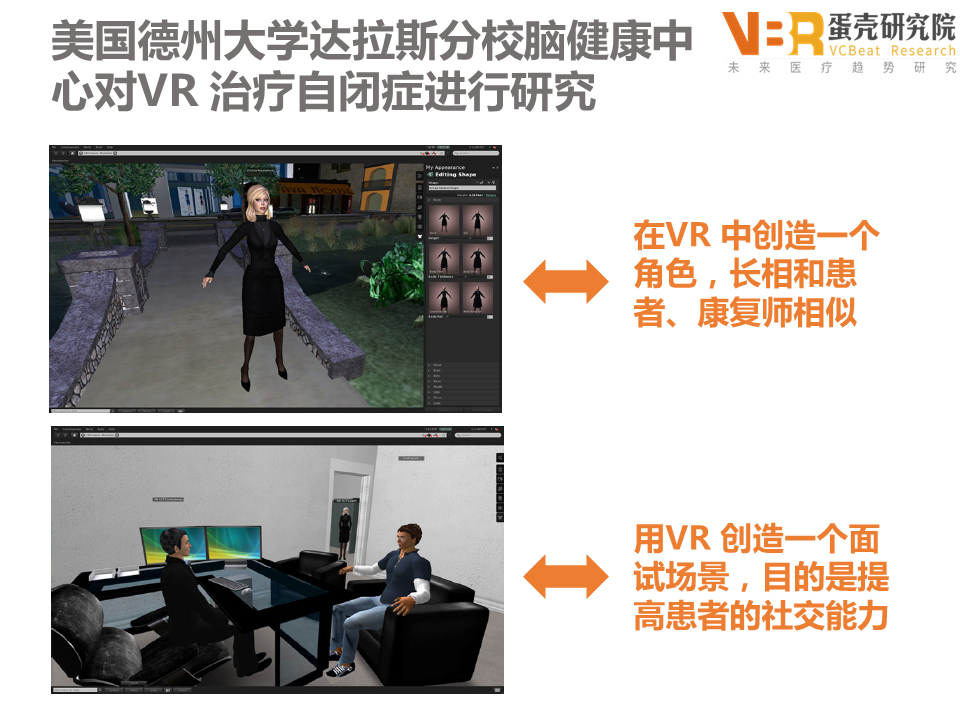
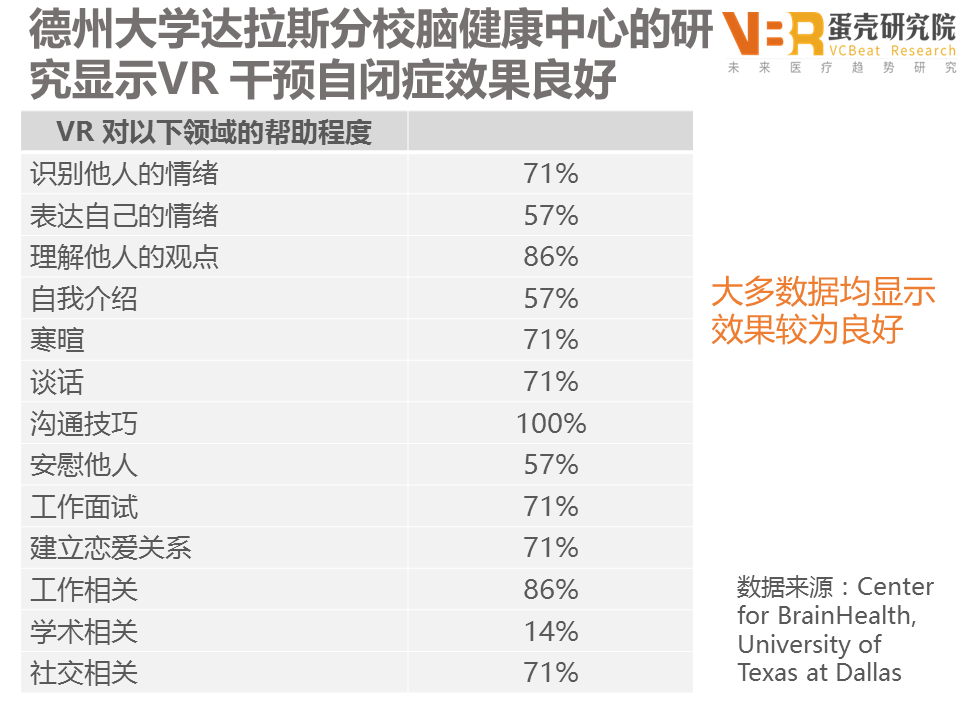
The Center for BrainHealth at the University of Texas at Dallas has conducted research on VR therapy for autism. By creating characters and scenarios familiar to patients, the study found that VR-based interventions positively assist patients in recognizing others’ emotions, expressing their own emotions, and understanding others’ perspectives.
(V) O2O Upgrade in Rehabilitation Services
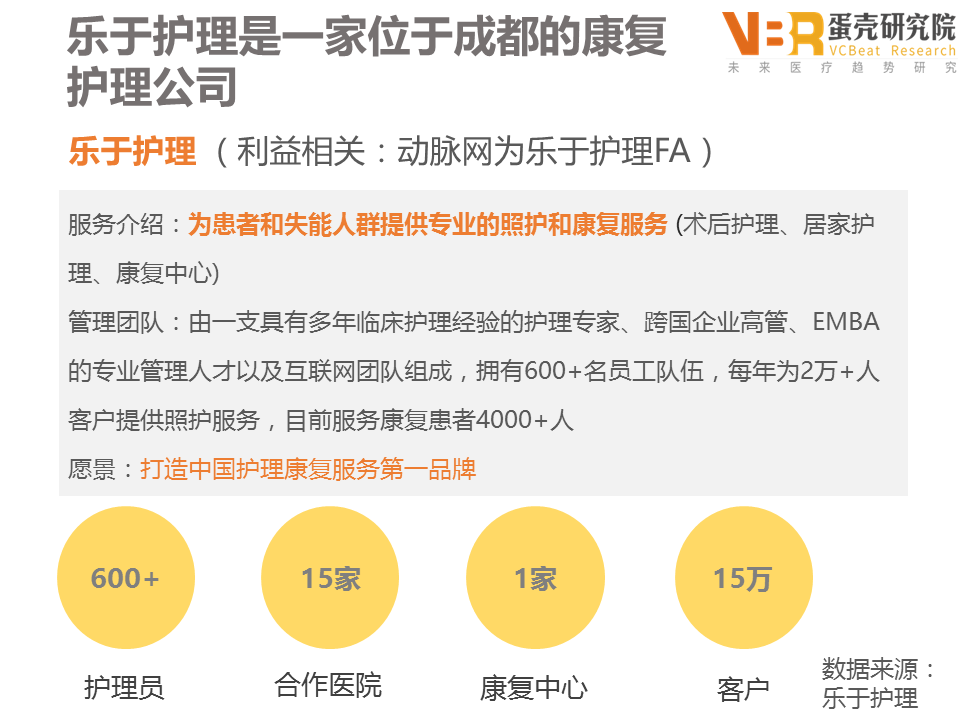
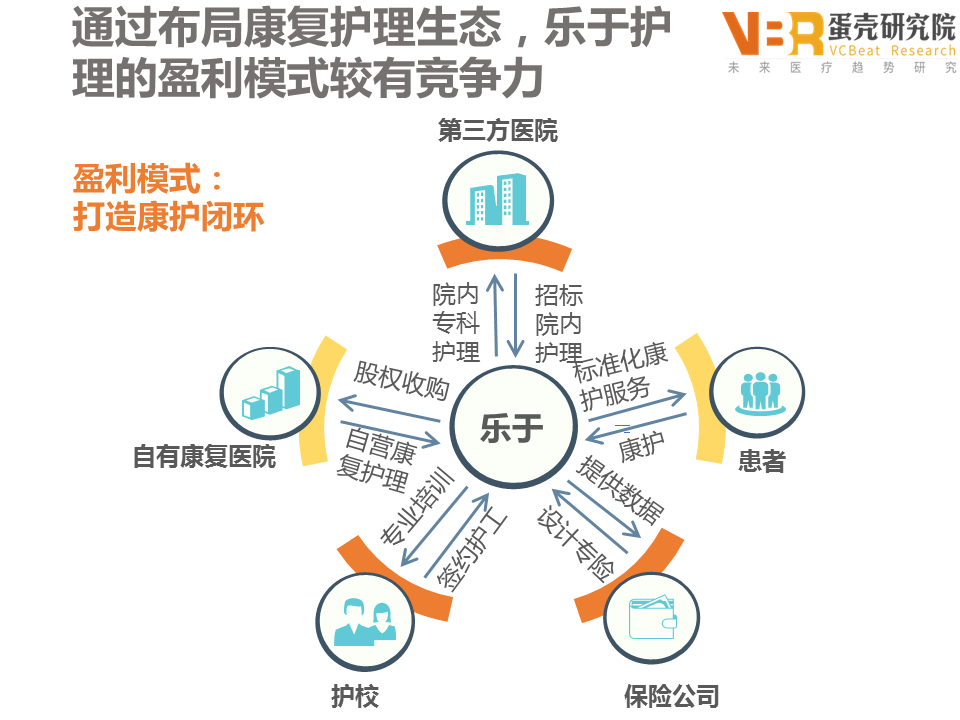
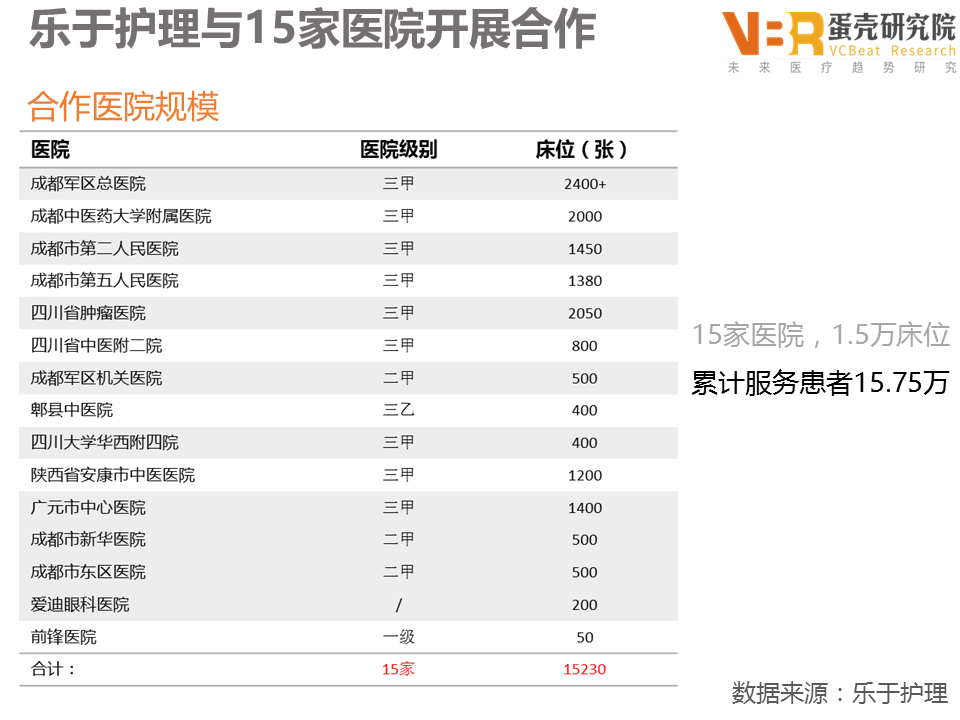
LeYu Nursing is a rehabilitation and nursing company based in Chengdu, primarily providing professional care and rehabilitation services to patients and individuals with disabilities. Its offerings include post-operative care, home-based nursing, and rehabilitation centers. The company currently operates one rehabilitation center, collaborates with 15 hospitals, and partners with over 600 nursing institutions, having served a cumulative total of 150,000 clients.
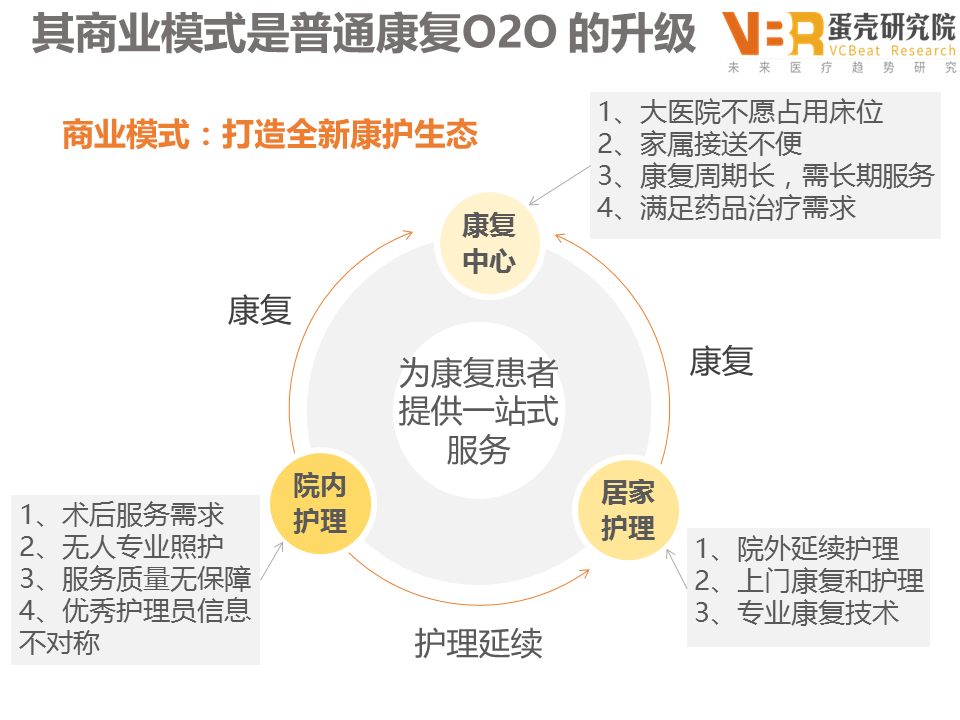
Earlier rehabilitation O2O models merely connected online and offline resources without directly contracting with caregivers, resulting in high turnover within the caregiver workforce and insufficient professionalism and targeted care. In contrast, LeYu Nursing directly partners with nursing schools to provide standardized training. Meanwhile, LeYu Nursing has acquired a rehabilitation hospital, enabling its own team of rehabilitation physicians and nurses to deliver rehabilitation and nursing services at partner hospitals, and even provide home-care services for select high-end clients. Furthermore, doctors from its owned rehabilitation hospital can offer online consultations to patients via remote diagnosis. Finally, LeYu Nursing has developed an online system to collect and analyze user rehabilitation data, with the aim of integrating with insurance systems.
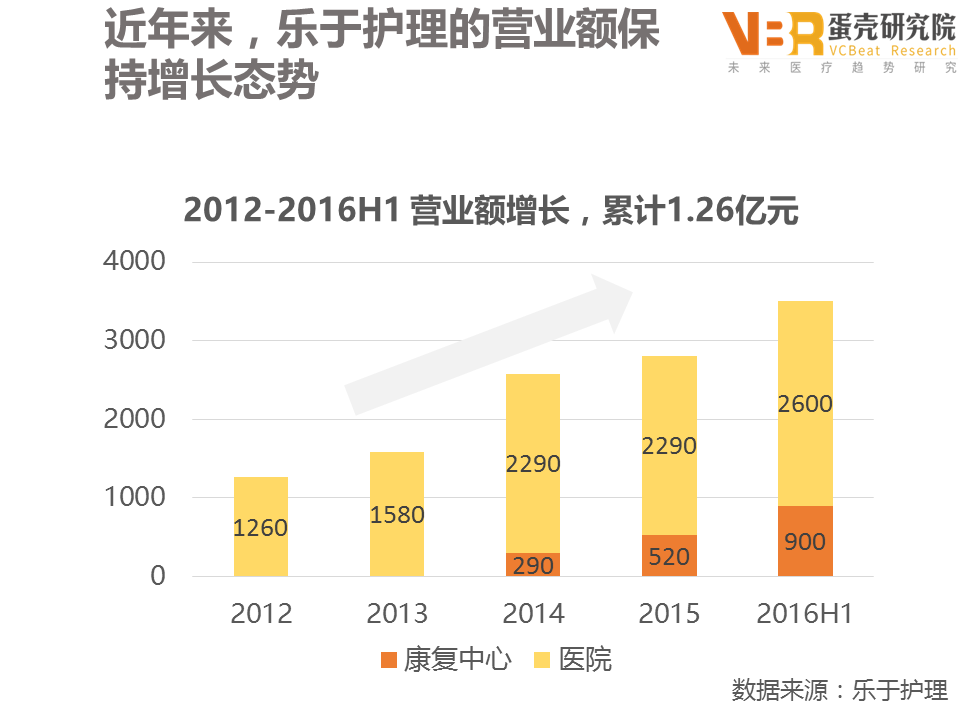
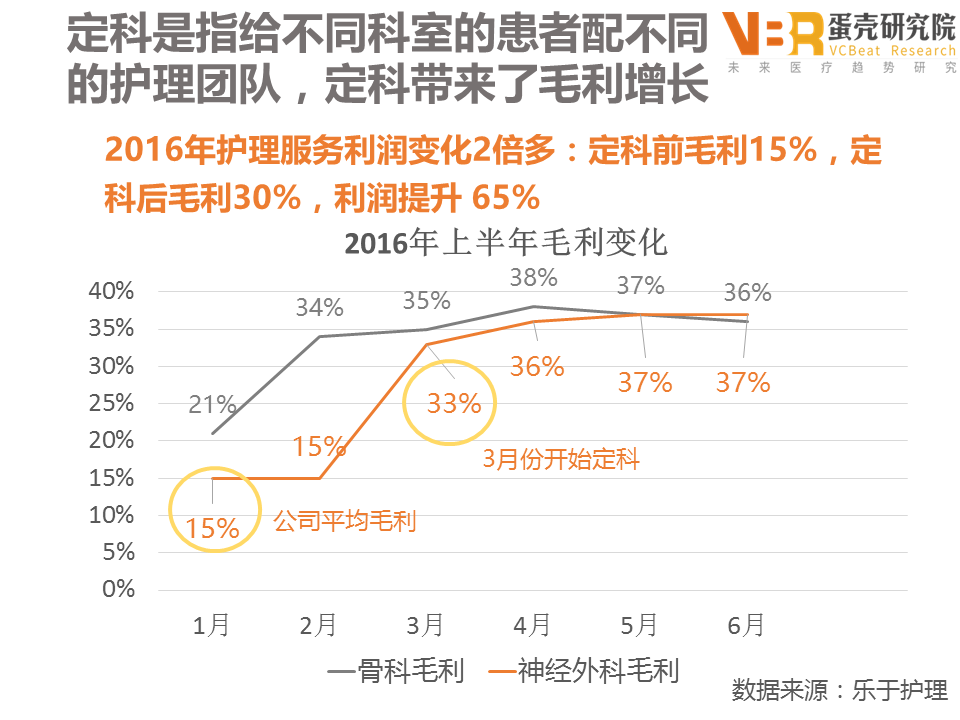
Currently, LeYu Nursing has partnered with a total of 15 hospitals, including the General Hospital of Chengdu Military Command, the Affiliated Hospital of Chengdu University of Traditional Chinese Medicine, Chengdu Second People’s Hospital, Chengdu Fifth People’s Hospital, Sichuan Cancer Hospital, and West China Fourth Hospital of Sichuan University, cumulatively serving over 150,000 patients. Since 2012, LeYu Nursing’s revenue has maintained steady growth, reaching a cumulative total of RMB 126 million. Notably, starting in March this year, LeYu Nursing began assigning specialized rehabilitation nursing teams tailored to different clinical departments, which not only enhanced the professional expertise of its teams but also significantly improved gross profit margins.

Acknowledgements: This report extends special thanks to Beijing Changhe International Medical Investment Management Co., Ltd. for its guidance.
By VCBeat. Please credit the WeChat Official Account when reprinting:VBResearch2016
↓↓↓