

Gene Sequencing Drives Rapid Advancement of Precision Medicine: Industry Analysis and IPO Filing
Over the course of more than two months, China Galaxy Securities conducted an in-depth and comprehensive analysis of the policy environment, technological trends, and the business models and investment rationales of industry giants in the gene sequencing sector, and released a deep-dive research report titled “Development Trends and Business Models in Gene Sequencing—Part I of the Precision Medicine Series.” VCBeat (WeChat ID: vcbeat) will present its core insights, divided into five chapters, in sequence in the coming days.
With the rapid advancement of human genome sequencing technologies, the swift development of biomedical analysis techniques, and the increasing sophistication of big data analytics tools, we are entering a new era of healthcare—precision medicine.
Precision medicine is a personalized, customized healthcare model.It is based on an individual’s omics and genetic information, with environment, lifestyle, medical history, and diagnosis and treatment methods as the focus of monitoring. It collects comprehensive, quantifiable, forward-looking, and timely individual data, and through comprehensive analysis and mining of these data, generates valuable medical insights, ultimately designing optimal solutions tailored to the individual.
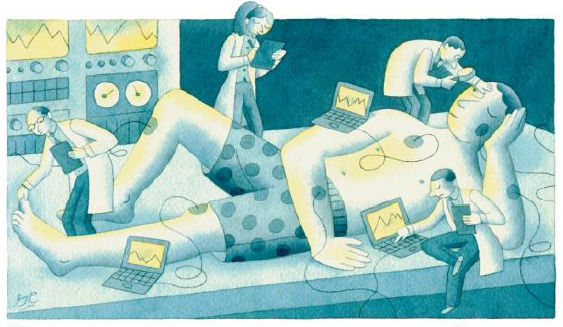
Figure 1. Precision Medicine: A Personalized, Quantified Medical Model Based on the Individual
Gene sequencing technology has become the mainstream method for acquiring human genomic data in genetic testing, owing to its advantages of high sensitivity, high accuracy and throughput, and low cost.By integrating genomic data with vital sign information obtained from wireless biosensors (such as blood pressure, heart rate, electroencephalogram waves, and body temperature), individual imaging data from medical devices (such as CT, MRI, and ultrasound), and traditional medical records, precision medicine delivers a new era of personalized healthcare tailored to the individual.
Pain Points in Traditional Medicine Drive Demand for Precision Medicine。Traditional evidence-based medicine combines clinicians’ personal practical experience with objective scientific research evidence, administering the same drug at the same dosage to patients with identical symptoms; however, therapeutic outcomes vary widely. Conventional treatment regimens have shown inefficacy rates as high as 75% for tumors, 43% for diabetes, and 38% for depression. It is increasingly recognized that the onset of most diseases results from the interplay between an individual’s genetic code and external environmental factors.
Precision medicine leverages monitorable genetic and environmental information to provide customized, optimized treatment plans for individuals, thereby enhancing current therapeutic standards and aiming for effective prevention prior to disease onset.
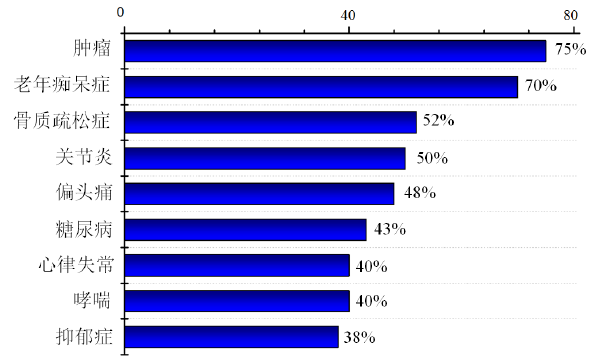
Figure 2. Traditional “one-size-fits-all” medical treatment leads to high rates of medication inefficacy
Precision medicine is characterized by four key features: quantification, personalization, proactive prevention, and continuity., represents a significant innovation in traditional medicine, further addressing its pain points. It prevents physicians from over-relying on subjective experience, descriptive narratives, and population-level data from evidence-based medicine—a pitfall akin to “seeing the forest but missing the trees”—which often leads to low diagnostic and therapeutic efficacy for individual patients, severe side effects, and hasty reactive measures. While enhancing medical efficiency, precision medicine also reduces the high costs associated with inappropriate care, thereby delivering broad social benefits.
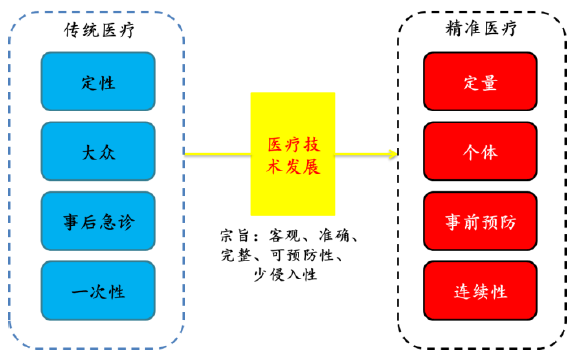
Figure 3. Technological advancements drive a qualitative transformation in traditional healthcare, with precision medicine characterized by four key features: quantification, personalization, proactive prevention, and continuity.
■ Gene sequencing serves as the foundation for establishing large-scale “omics” databases and analytics, driving precision medicine to realize “differentiated treatment for the same disease” and “common treatment for different diseases.”
Precision medicine aims to provide patients with accurate disease diagnoses and personalized treatment plans, while advancing medical technology to the level of pre-disease prevention.The development of related technologies hinges on two key elements: 1. Building large-scale “omics” data biobanks, such as those for genomics, transcriptomics, and proteomics; 2. Investigating the associations between genotypes and sample phenotypes. Through bioinformatics analysis and genetic diagnosis, correlations are established between genetic information and clinical laboratory and imaging data, enabling precise disease classification and diagnosis, as well as the formulation of personalized disease prevention and treatment strategies, thereby achieving “different treatments for the same disease” and “the same treatment for different diseases.” Both elements are inextricably linked to gene sequencing.
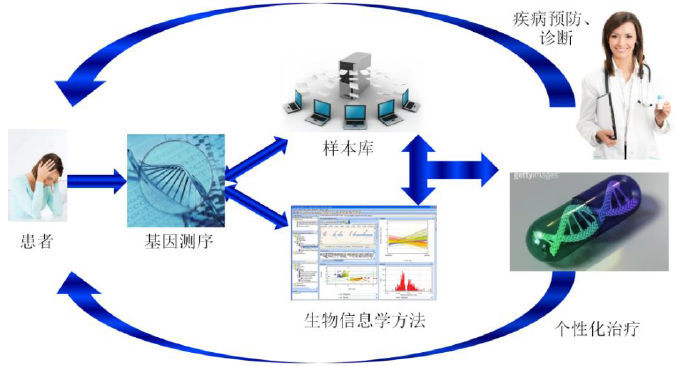
Figure 4. Gene Sequencing Is the Foundation of Precision Medicine
■ A 0.5% inter-individual genomic variation can be captured by gene sequencing
The human genome consists of 3 billion base pairs, with only a 0.5% difference between individuals.It is precisely this less-than-1% difference, in conjunction with external environmental factors, that determines human phenotypes, such as height, body weight and shape, alcohol tolerance, lactose tolerance, and susceptibility to diseases. Genetic sequencing involves collecting blood, bodily fluids, or cells to obtain the subject’s DNA sequence using sequencing instruments. Bioinformatics methods are then employed to compare this genetic information against known gene mutation databases, analyze abnormal mutations, and thereby facilitate disease diagnosis and even predict disease risk.
Human genome sequencing primarily includes targeted resequencing, exome sequencing, transcriptome sequencing, and whole-genome sequencing.Abnormal mutations were identified through alignment with the normal sequence.Abnormal mutation information is categorized into three classes based on the number of mutated bases.:
(1) Single-base mutations: single nucleotide polymorphisms (SNPs); (2) Variations involving fewer than 20 base pairs: insertions and deletions (Indels); (3) Variations involving more than 20 base pairs: insertions, deletions, copy number variations (CNVs), and structural variations (SVs).
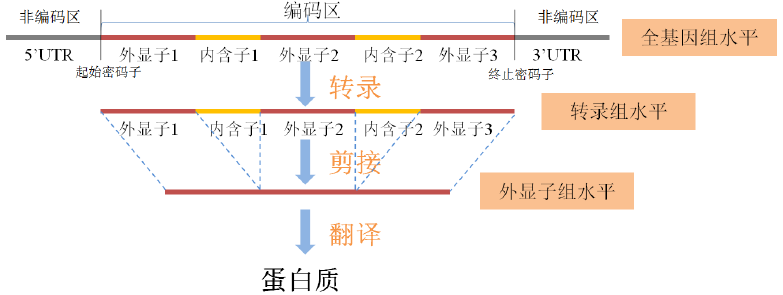
Figure 5. Distinction at the levels of human whole-genome, exome, and transcriptome
■ Gene sequencing is the foundational and mainstream technology for genetic testing
Genetic testing technology utilizes molecular biology methods to detect changes in the structure or expression levels of genetic material within a patient’s body, enabling precise diagnosis and thereby guiding optimal treatment strategies. Current common genetic testing methods include polymerase chain reaction (PCR), fluorescence in situ hybridization (FISH), gene chip technology, transcription-mediated amplification (TMA), and gene sequencing technologies, among whichGene sequencing is the foundational and mainstream technology for the other four detection methods.
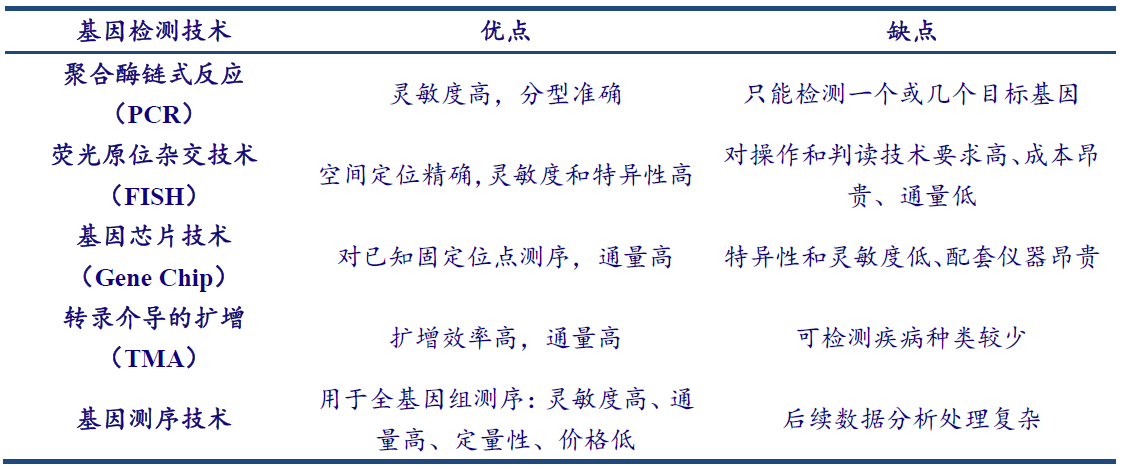
Table 1. Gene sequencing is the foundational and mainstream technology for genetic testing
■ Sequencing costs and turnaround times have decreased exponentially
The cost and time required for sequencing have decreased exponentially.With the continuous innovation of Next Generation Sequencing (NGS) technology, the cost of determining an individual's whole-genome data has rapidly decreased from over $100 million to the current $1,000, while the sequencing time has been reduced to three days.
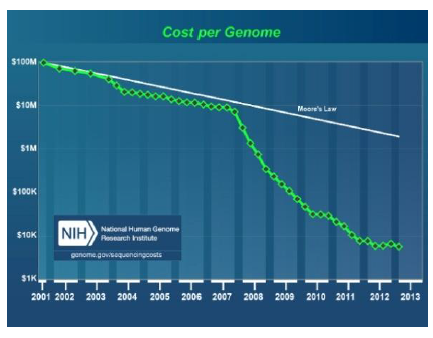
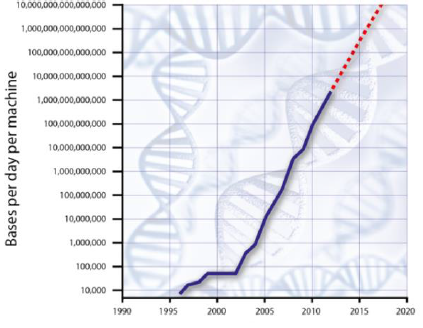
Figure 6. Sequencing costs decline beyond Moore’s Law, while sequencing throughput advances rapidly
■ Completion of the Initial Phase of Human Genomic Big Data Accumulation
After more than a decade of accumulation, the human genome database has begun to take shape on a significant scale.In 2003, the Human Genome Project, a 13-year endeavor involving scientists from six countries including the United States and China at a cost of $3 billion, was declared complete. In the same year, the Encyclopedia of DNA Elements (ENCODE) project was launched, with its findings publicly released in 2012, marking a significant impact on research into gene sequences associated with human diseases. Subsequently, the International 1000 Genomes Project, the UK’s 100,000 Genomes Project, and the US All of Us Research Program (formerly known as the Precision Medicine Initiative, often referred to in this context as the Million Veteran Program or broader million-genome initiatives) were launched in 2008, 2014, and 2015, respectively, laying a solid foundation for the accumulation of human genomic samples and the exploration of the relationship between diseases and genes.
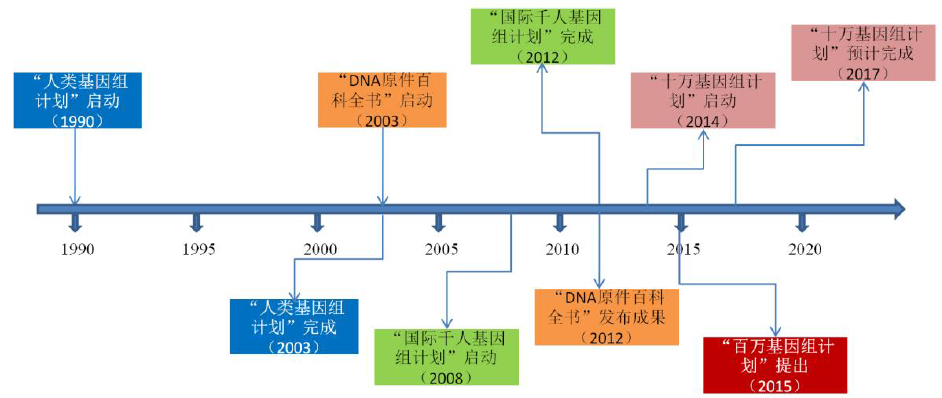
Figure 7. Preliminary Completion of Human Genome Data Accumulation; Accelerated Advancement of Major Projects
■ Genomic Data Analysis Methods Emerge
Analysis of the human genome has been preliminarily standardized and streamlined into a routine workflow.Since its inception in 1987, bioinformatics has undergone nearly three decades of development. It has evolved from the initial collection and storage of genomic data to leveraging mathematical modeling and artificial intelligence concepts to uncover the biological significance behind data, perform rational classification of sample data, and establish well-structured secondary and tertiary databases. Furthermore, by employing comparative genomics approaches—including short-read sequence assembly, gene prediction, and functional annotation—bioinformatics has acquired substantial capability to process vast and complex genomic datasets.
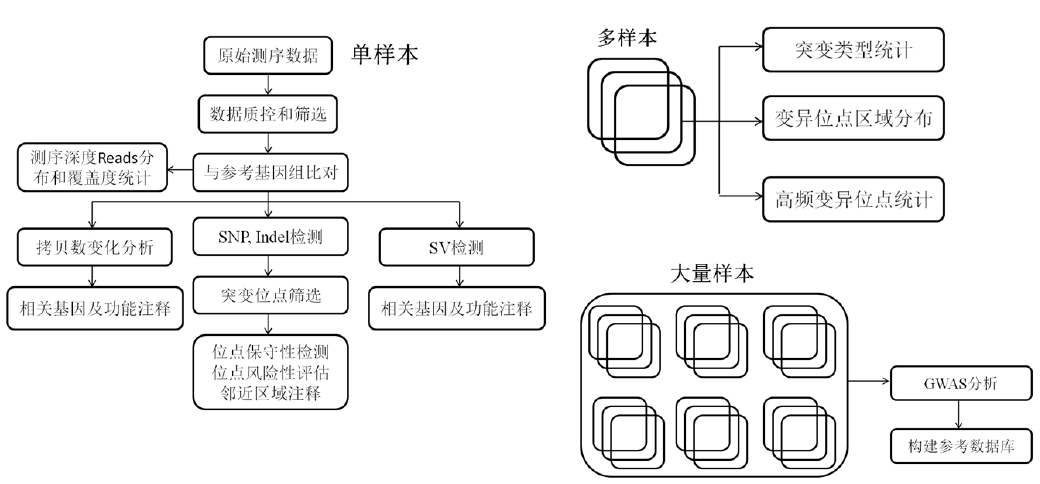
Figure 8. Schematic diagram of the bioinformatics analysis workflow for the human genome
■ Unmet Needs in Disease Prevention and Personalized Treatment
Modern science has confirmed that most diseases result from the interplay between genes and the external environment, and the occurrence of nearly all diseases (excluding trauma) is associated with genetic factors.Research findings from the Human Genome Project indicate that the vast majority of individuals carry susceptibility genes for certain diseases. When exposed to specific adverse factors and environmental conditions, these individuals face a significantly higher risk of developing such diseases compared to those without these genetic susceptibilities. Consequently, there is growing recognition that only by thoroughly understanding one’s own genetic profile can individuals effectively delay or prevent disease onset through measures such as optimizing environmental conditions and undergoing regular health screenings.
China's rapidly growing population of patients with chronic diseases has created an urgent need for precision medicine.Driving the Demand for Precision Medicine. China currently sees 3.1 million new cancer cases annually, 260 million patients with hypertension, over 100 million individuals with diabetes, and 150 million people at risk of developing diabetes. Each year, there are 2.2 million cancer-related deaths and 3 million cardiovascular disease-related deaths. These conditions are difficult to eradicate or cure through conventional methods, creating an urgent need for precision medicine.
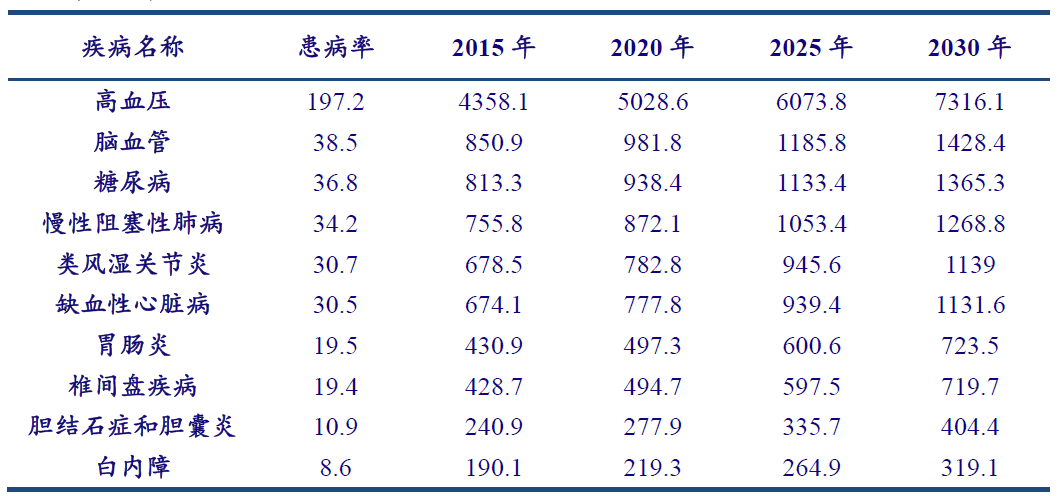
Table 2. Projected Number of Elderly People with Chronic Diseases in China (10,000 persons)
An increasing number of people are recognizing the importance of gene sequencing for their own health. When Steve Jobs, the founder of Apple Inc., who passed away in 2011, was battling cancer, he underwent whole-genome sequencing. In May 2013, Academy Award-winning actress Angelina Jolie reduced her risk of developing breast cancer from 87% to 5% through genetic testing and subsequent preventive mastectomy.
■ The gene sequencing market is expected to maintain an annual growth rate of over 20%
The precision medicine market is set to grow at a rate far exceeding the overall pharmaceutical industry.According to BCC Research, the global market size for precision medicine was nearly $60 billion in 2015, with an projected annual growth rate of 15% over the next five years—three to four times the overall growth rate of the pharmaceutical industry. Among these,Global Gene SequencingThe market size grew from $8 million in 2007 to approximately $4.5 billion in 2013, and is projected to maintain a growth rate exceeding 20% in the coming years, reaching around $11.7 billion by 2018. MarketsandMarkets predicts that the compound annual growth rate (CAGR) of China’s gene sequencing industry will likely reach 20%–25% between 2012 and 2017.
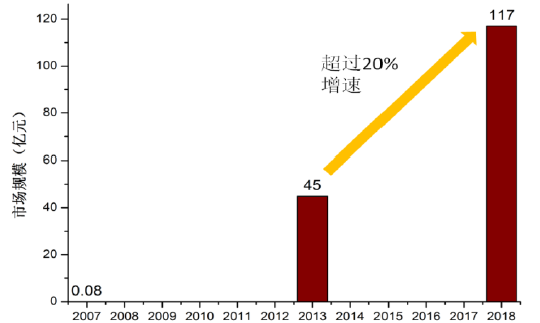
Figure 9. The global sequencing market is expected to maintain a growth rate of over 20% in the coming years
By: Li Pingzhu, Huo Chenyi, Wang Xiaoqi (Intern)
Source: China Galaxy Securities