

Gene Sequencing Industry Chain: Third- and Fourth-Generation Technologies as the Upstream Trend, Sample Accumulation as the Downstream Key
Over a period of more than two months, China Galaxy Securities conducted an in-depth and comprehensive analysis of the policy environment, technological trends, and the business models and investment rationales of industry giants in the gene sequencing sector, and released an in-depth research report titled “Development Trends and Business Models in Gene Sequencing—Part I of the Precision Medicine Series.” VCBeat (WeChat ID: vcbeat) has distilled the core insights into five chapters; this article presents Chapter Two.
The entire gene sequencing industry chain is divided into the upstream market for sequencing instruments and reagents/consumables, the midstream market for gene sequencing services, and the downstream market for bioinformatics analysis. The mid- and downstream markets serve hospitals, pharmaceutical companies, research institutions, and consumers, and can be categorized into medical and non-medical sectors.
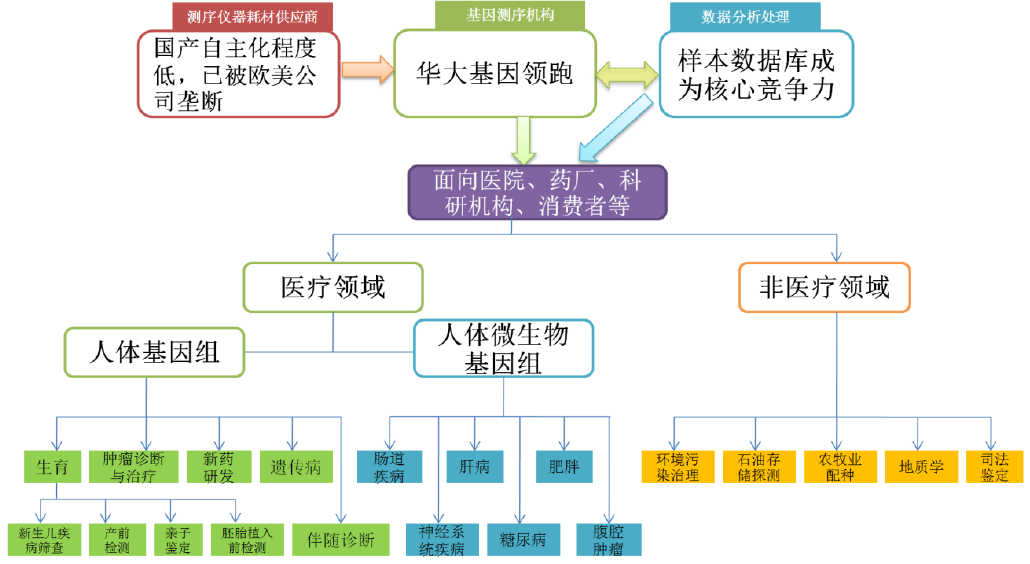
Figure 10. The Entire Industry Chain and Applications of Gene Sequencing
The medical field can be divided into two subfields: the human genome and the human microbiome.Key applications of the human genome include oncology (diagnostic screening and treatment, targeted therapy, companion diagnostics, etc.), reproductive health (non-invasive prenatal testing, preimplantation genetic testing, newborn genetic disease screening, paternity testing, etc.), guidance for genetic diseases and new drug development. Currently, the relationship between the human microbiome and host health has also gained significant attention. For instance, in 2007 and 2008, the U.S. National Institutes of Health (NIH) and the European Union launched the Human Microbiome Project (HMP) and the Metagenomics of the Human Intestinal Tract (MetaHIT) project, respectively. These initiatives enable the detection of host intestinal diseases, neurological disorders, liver diseases, diabetes, obesity, and abdominal tumors through analysis of the human microbiome.
InNon-Medical Sector, it can be applied to developing novel approaches for environmental pollution remediation through environmental microbial genomics research, detecting petroleum reserves, and conducting geological studies. It also finds applications in animal and plant breeding as well as forensic identification. This report primarily discussesApplications of Gene Sequencing in the Human Genome within the Medical Field。
■ Next-generation sequencing (NGS) is currently the mainstream sequencing technology, with Illumina holding the largest market share.
Sequencing technology is the core of sequencing instruments and has undergone four generations of development to date. The primary technologies are the first three generations: the first-generation sequencing technology, namely Sanger sequencing; the second-generation sequencing technology, which is currently the mainstream, mainly including Illumina’s Solexa and HiSeq technologies, Life Technologies’ SOLiD technology, and Roche’s 454 technology; and the third-generation SMRT sequencing technology from Pacific Biosciences. Fourth-generation sequencing technology is evolving toward more compact instrument sizes, such as Oxford Nanopore Technologies’ MinION nanopore single-molecule sequencing technology.
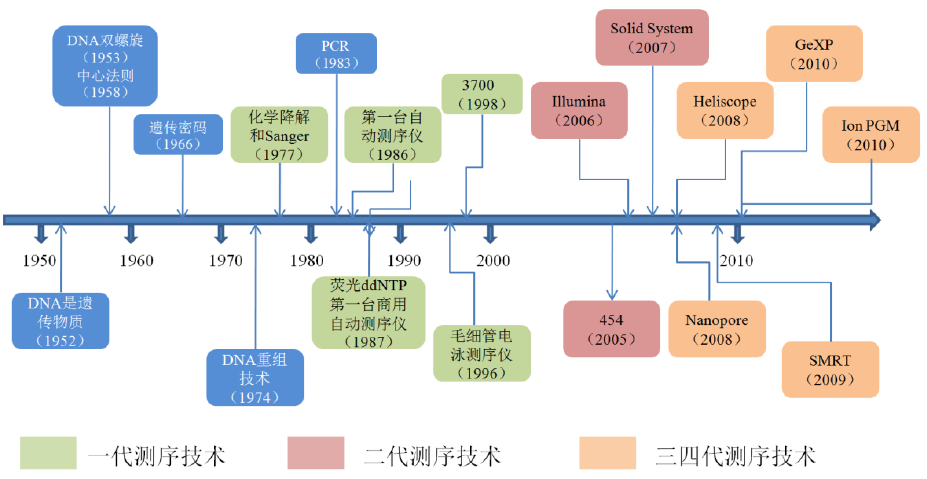
Figure 11. History of Sequencing Technology Development
Next-generation sequencing (NGS) has become the mainstream sequencing technology due to its advantages of high throughput, high accuracy, and relatively low cost. Owing to strong patent protection and high technical barriers, the market for NGS instrument manufacturing has significant entry barriers and is monopolized by European and American companies.Major companies include Illumina, Life Tech (acquired by Thermo Scientific for $13.6 billion), and Roche. Among themIllumina holds over 70% of the market share, leveraging its advantages in ultra-high throughput and relatively long read lengths.
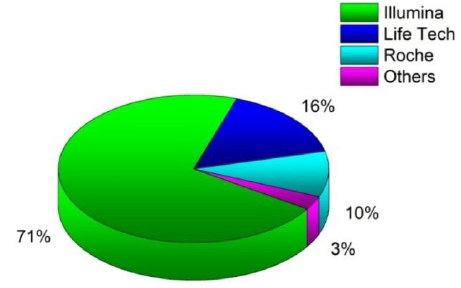
Figure 12. Market Share of Next-Generation Sequencing Instruments
■ Third- and fourth-generation sequencing technologies will replace second-generation sequencing within 10 years, leveraging ultra-long read lengths.
We anticipate that next-generation sequencing (NGS) technology will be superseded by third- and fourth-generation sequencing technologies within the next decade.Each generation of sequencing technology has its limitations. The primary drawbacks of first-generation sequencing are low throughput and high cost, while second-generation sequencing is limited by short read lengths. Third- and fourth-generation sequencing technologies suffer from significant accuracy issues. Since the short-read limitation of next-generation sequencing (NGS) can be partially mitigated through bioinformatics tools, second-generation sequencing remains the most stable and widely adopted sequencing technology today. However, scientists are currently working to improve the accuracy of third-generation sequencing by slowing down the translocation speed of DNA strands through nanopores, with related findings published in a Nature subsidiary journal. We anticipate that within the next decade, the accuracy of third- and fourth-generation sequencing will improve significantly, enabling them to replace second-generation sequencing by leveraging their advantage of ultra-long read lengths while maintaining high throughput.
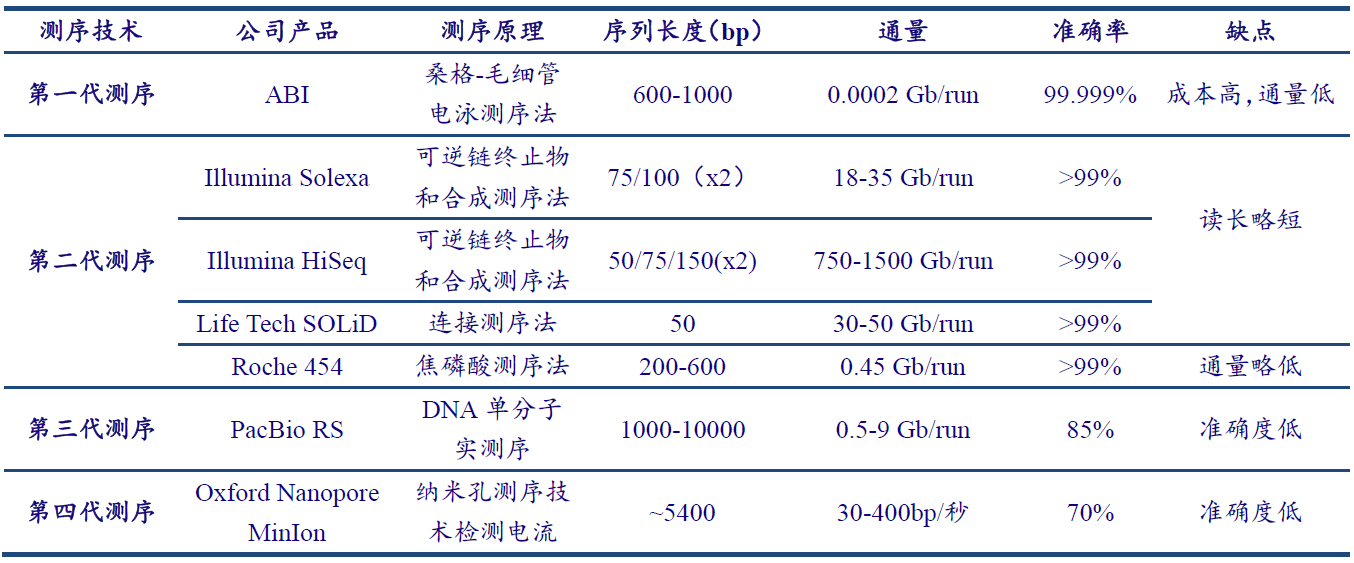
Table 3. Comparison of Key Parameters of Fourth-Generation Sequencing Technologies
Currently, there are thousands of vendors providing sequencing services worldwide, with over 200 in China.The United States possesses the largest number of DNA sequencers worldwide, whereas China has no more than 500 units. As market demand for sequencing continues to rise, midstream companies providing sequencing services cater to hospitals, centers for disease control and prevention, and research institutions. These services include gene sequencing for non-invasive prenatal testing, tumor diagnosis and treatment, genetic diagnosis, and assisted reproductive technologies.
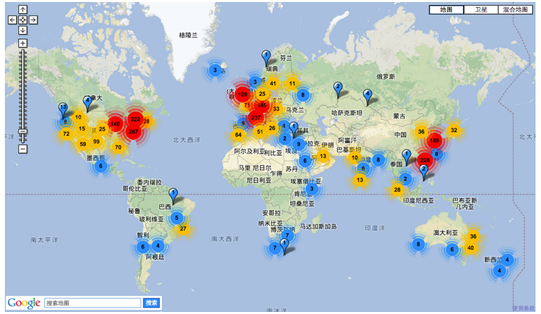
Figure 13. Global Distribution of Sequencing Instruments
Sequencing service providers in China are actively extending upstream along the industry chain. Domestic development strategies in the sequencing instrument market fall into two categories:
(1) The first category involves collaborating with foreign instrument manufacturers to buy out all domestic rights to the products. Examples include the new sequencers produced through the partnership between Berry Genomics and Illumina; the BGISEQ-1000 sequencer developed by BGI Genomics based on the platform of Complete Genomics, a U.S. gene sequencing company it acquired; and the DA8600 sequencer developed through the collaboration between Da An Gene and Life Technologies. Although this model leverages foreign instrument technology, it allows for relatively faster registration and approval by submitting applications for China Food and Drug Administration (CFDA) clearance through domestic medical device channels.
(2) The second category is the independent R&D model. For instance, the second-generation sequencing instrument independently developed by Zixin Pharmaceutical in collaboration with the BGI (Beijing Genomics Institute) of the Chinese Academy of Sciences was released on April 18, 2014, with data output comparable to that of the Roche 454 system.
The midstream and downstream markets are closely integrated, with sequencing service providers often offering paid bioinformatics analysis services. Major sequencing service companies in the United States include Sequenom, CardioDx, and Foundation Medicine, while leading domestic sequencing service providers in China include BGI Genomics, Novogene, Berry Genomics, Daan Gene, and Beilu Pharmaceutical. Companies differentiate themselves based on the specific services they offer.
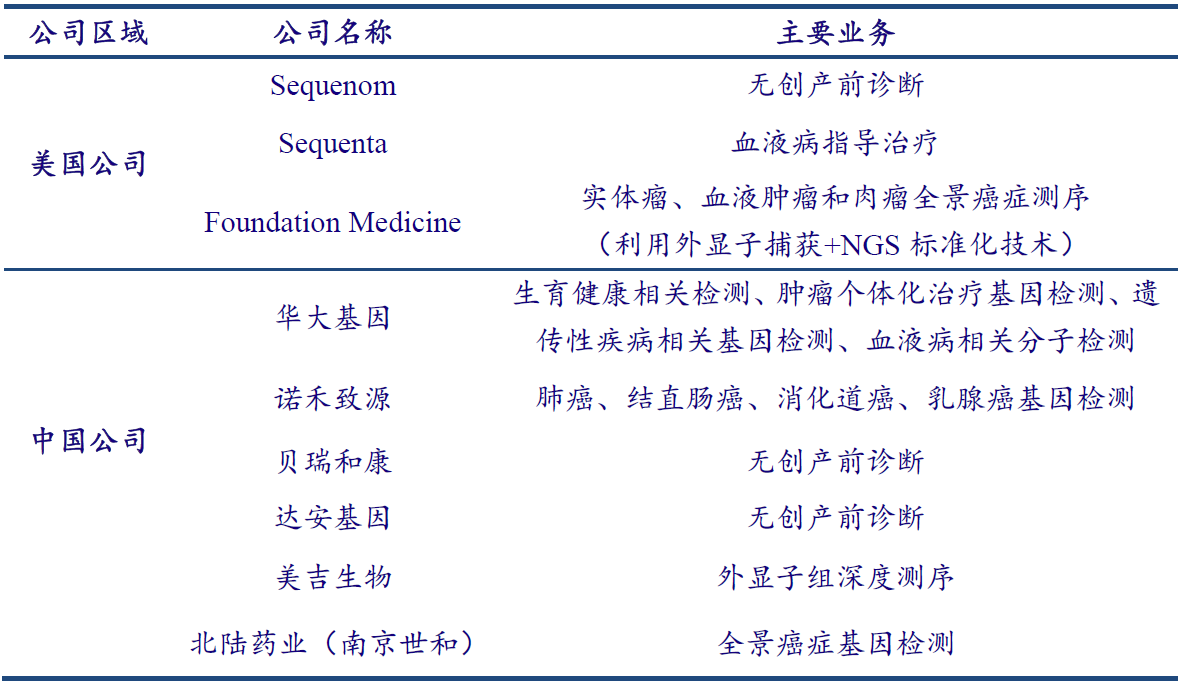
Table 4. Mainstream Sequencing Service Providers in China and Abroad
The human genome comprises 23 pairs of chromosomes and contains over 3 billion base pairs, yet currently only 3% can be clinically interpreted. Raw sequence files provided by sequencing service companies cannot yield any valid information before undergoing systematic analysis and processing. The three essential elements for effective data analysis are a high-performance computing platform, specialized analysis software, and a high-quality large-sample database. The computing platform performs foundational analytical tasks on raw sequence files generated by sequencing instruments, such as quality filtering and sequence alignment, while the analysis software and large-sample database are used for genetic interpretation and counseling. According to a survey by Ebiotrade, 69% of respondents believe that data analysis and interpretation constitute the most significant bottleneck affecting the development of the sequencing industry chain.
The effectiveness of data analysis will determine the core competitiveness of companies in downstream markets. Currently, there are over 100 bioinformatics companies worldwide providing gene data analysis services. Mature high-throughput sequencing technologies have generated massive amounts of data, and the bioinformatics analysis market encompasses data compression and storage, work platforms, and data analysis software. At present, bioinformatics technologies can perform primary analysis of genomic data, mainly focusing on the detection of single nucleotide polymorphisms (SNPs) and insertions/deletions (Indels) in the human genome. However, the analysis of structural variations (SVs) and copy number variations (CNVs) is limited by small sample sizes and the limitations of next-generation sequencing (NGS) technologies, making it impossible to use precise mathematical models to correlate these variants with sample phenotypes.
By: Li Pingzhu, Huo Chenyi, Wang Xiaoqi (Intern)
Source: Galaxy Securities