

Gene Sequencing Market Outlook: Slowing Growth in Upstream Segment, Significant Potential in Midstream and Downstream Markets
Over the course of more than two months, China Galaxy Securities conducted an in-depth and comprehensive analysis of the policy environment, technological trends, and the business models and investment logics of industry giants in the gene sequencing sector, and released a detailed research report titled “Development Trends and Business Models in Gene Sequencing—Part I of the Precision Medicine Series.” VCBeat (WeChat ID: vcbeat) has distilled the core insights into five chapters; this article presents Chapter Three.
The gene sequencing services market is growing rapidly and is expected to surpass the sequencing instruments market in 2016.According to MarketsandMarkets, the compound annual growth rate (CAGR) for sequencers in the upstream market from 2014 to 2020 was projected to be 15.4%. The midstream sequencing services market, characterized by heavy asset investment and low technological value-added, is expected to be the fastest-growing segment of the industry chain; BCC Research predicted a CAGR of 29% for this sector from 2011 to 2016. The downstream bioinformatics analysis market, which is asset-light and offers high technological value-added, was projected by Frost & Sullivan to achieve a CAGR of 22.7% from 2012 to 2018.
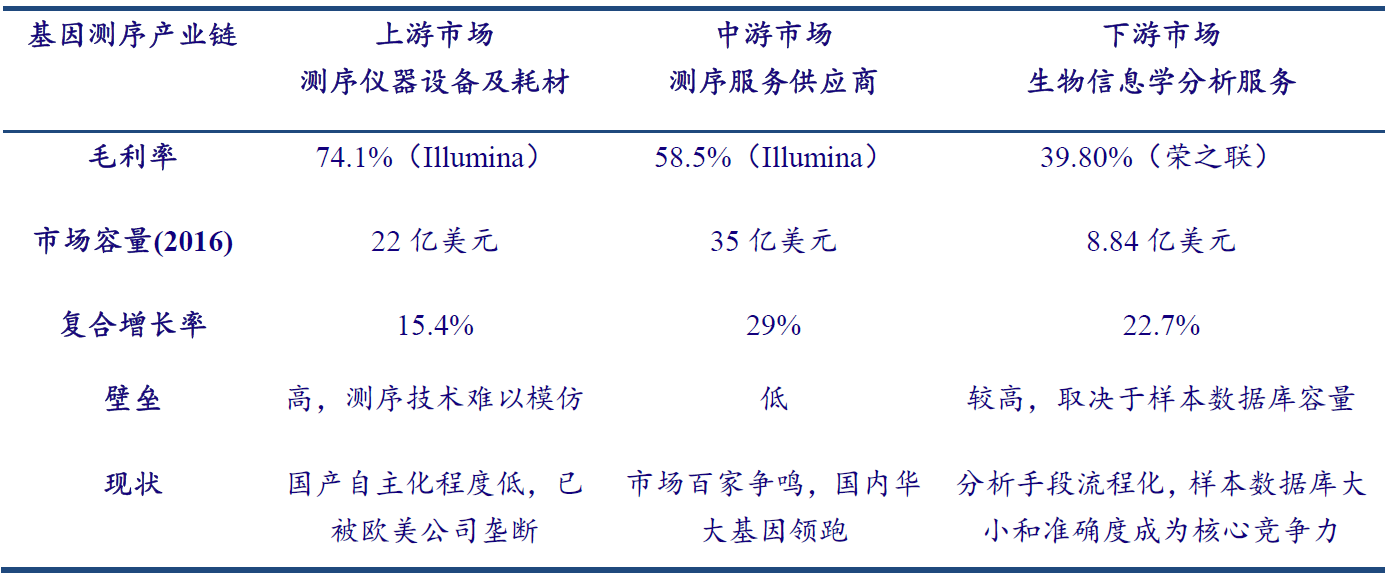
Table 5. Current Status of the Gene Sequencing Market
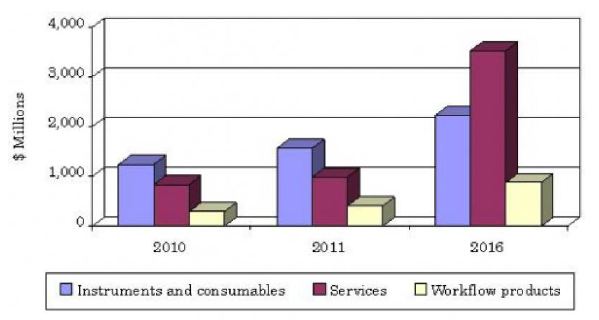
Figure 14. Projected Growth Rate of the Gene Sequencing Market
Currently, the main application areas in the mid- and downstream markets include non-invasive prenatal diagnosis, tumor diagnosis and treatment, genetic disease risk assessment, and assisted reproduction.Non-invasive prenatal diagnosis is relatively mature, cancer diagnosis and treatment are expected to be commercialized soon, and the market for genetic disease risk assessment still requires cultivation. Different fields are distributed across various stages of the lifecycle according to their level of technological maturity.
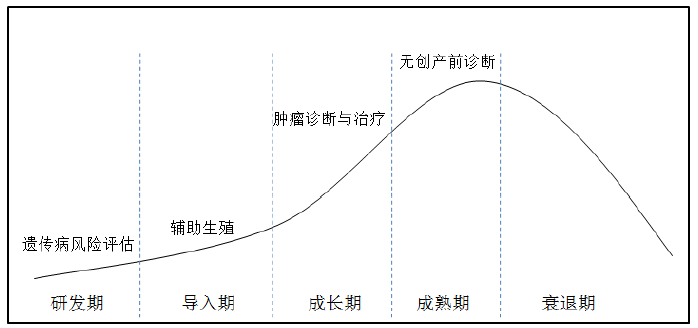
Figure 15. Technology Development Life Cycle of Sequencing Products
Sequencing products have market sizes of varying magnitudes across their primary application areas, among whichTumor diagnosis and guidance for personalized treatment represent the largest future market, with an expected scale reaching the hundred-billion level.
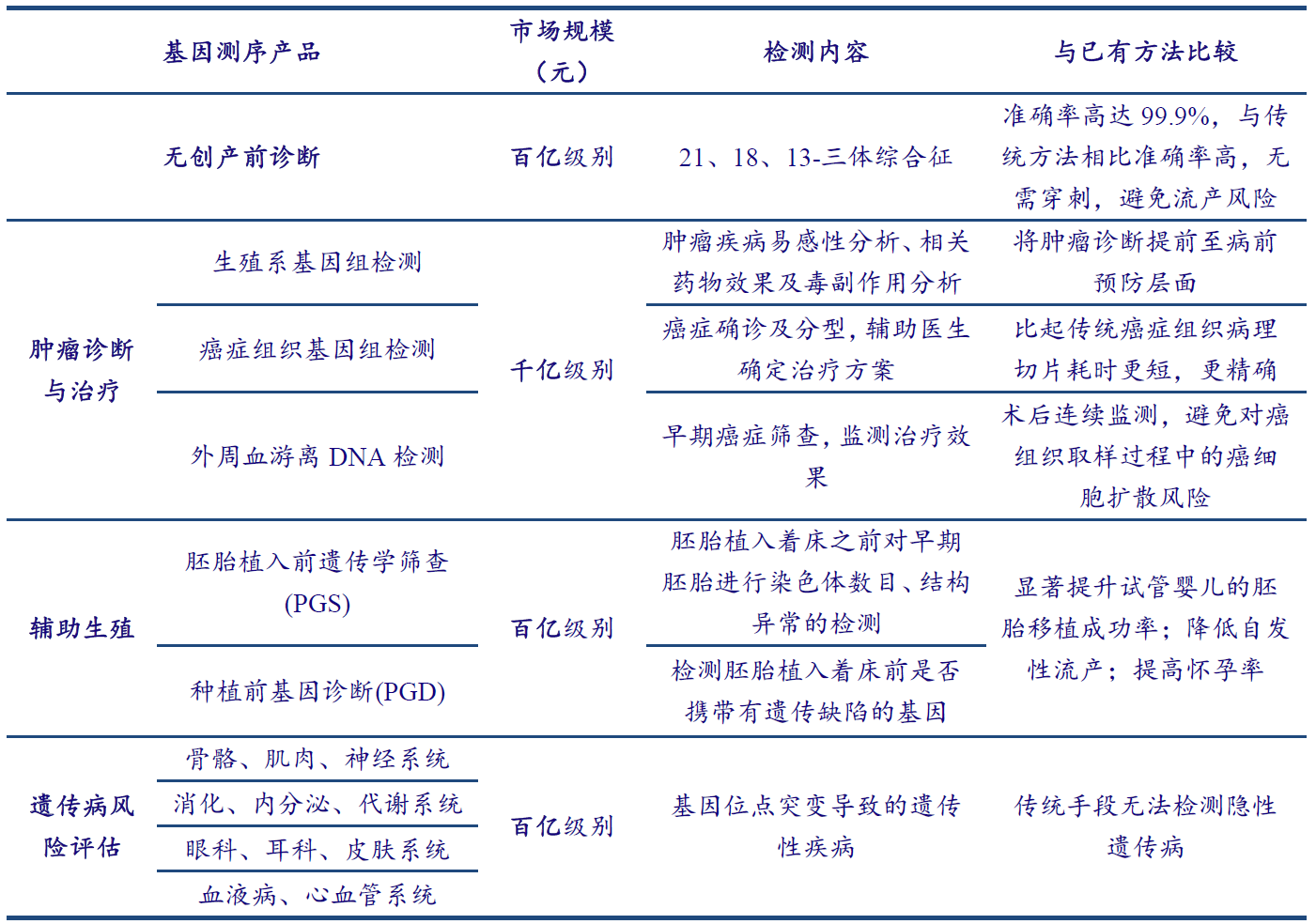
Table 6. Introduction to Gene Sequencing Products
Sequencing products can be categorized into clinical-grade, consumer-grade, and R&D-grade applications, differentiated by whether they have received approval from the National Medical Products Administration (NMPA) and their level of technological maturity.
Clinical-Grade ProductsProducts requiring approval from the drug regulatory authority exhibit the highest market maturity but represent the smallest product category. In the United States, clinical-grade products mainly include Illumina’s cystic fibrosis testing product, approved in November 2013, and 23andMe’s Bloom syndrome testing product, approved in February 2015. In China, non-invasive prenatal testing (NIPT) is currently the only clinical-grade product, with BGI Genomics, Berry Oncology, Daan Gene, and CapitalBio Technology having obtained qualifications from the China Food and Drug Administration (cFDA). Most sequencing products are currently at the consumer or research and development stage, enhancing human understanding of diseases and providing guidance for clinical diagnosis and treatment.
■ Non-Invasive Prenatal Diagnosis: A Revolutionary Innovation in Fetal Prenatal Diagnostic Technologies, with a Far-From-Saturated Market
Background: Predicting Common Chromosomal Abnormalities by Analyzing Cell-Free Fetal DNA in Maternal Plasma
Non-invasive prenatal testing (NIPT) requires the collection of 5 mL of maternal venous blood, from which cell-free DNA derived from plasma is extracted. By comparing the number of sequence fragments obtained via next-generation sequencing (NGS) that map to each chromosome, the risk of fetal chromosomal aneuploidy is assessed. Common clinical chromosomal aneuploidies include Trisomy 21 (Down syndrome), Trisomy 18 (Edwards syndrome), Trisomy 13 (Patau syndrome), as well as certain sex chromosome trisomies and monosomy X. Chromosomal aneuploidies have profound implications for infant health. Notably, the incidence of Down syndrome is as high as 1/800 to 1/600. Affected infants present with congenital intellectual disability, delayed growth and development, and often exhibit malformations involving facial features, limbs, and other structures. These conditions remain incurable to date; therefore, prevention through prenatal screening and diagnosis is recommended.
Significance of the Test: A Revolutionary Innovation in Prenatal Diagnostic Technology for Fetuses
Traditional serological screening and fetal nuchal translucency ultrasound have an accuracy rate of 60%-80%. Although chorionic villus sampling, amniocentesis, and cordocentesis achieve an accuracy rate of 99%, they carry a miscarriage risk of approximately 1%, and most of these procedures are performed during the late stages of pregnancy. Non-invasive prenatal testing (NIPT), which analyzes cell-free fetal DNA in maternal peripheral blood, eliminates the miscarriage risk associated with invasive procedures. It simultaneously detects all chromosomal aneuploidies with an accuracy rate of 99.9%, offering a viable alternative to existing methods and representing a revolutionary innovation in prenatal diagnostic technology.
The Non-Invasive Prenatal Testing Market Is Far from Saturated, with Room for 10-Fold Growth
Non-invasive prenatal testing (NIPT) currently has a market size of RMB 1–2 billion in China, with a penetration rate of only about 3%. The low penetration rate is attributed to two main factors: first, the National Health and Family Planning Commission has designated NIPT services to be offered only in a limited number of hospitals and clinical laboratories; second, the current price remains relatively high (RMB 2,000 per test at the end-user level). It is expected that the penetration rate of NIPT will increase significantly as availability expands and prices decline. The potential market size is estimated to reach approximately RMB 20 billion.
Insurance companies and government subsidies jointly drive the development of China's NIPT industry. Currently, many insurance companies are collaborating with sequencing firms to offer NIPT-related insurance products. Since 2011, BGI has partnered with China Life Insurance and PICC to provide compensation for false-negative NIPT results. In 2013, Berry Genomics collaborated with insurance companies, offering a compensation amount of RMB 400,000 for missed diagnoses. The Shenzhen Municipal Government provided RMB 30 million in funding through its Special Fund for Bioindustry Development over a three-year period (2013–2015). For insured individuals undergoing maternity insurance, the maternity insurance fund covers RMB 400 per test, while the individual pays an actual out-of-pocket amount of RMB 705. Starting in June 2012, Weifang City launched a non-invasive testing program for pregnant women identified as high-risk by traditional screening methods across the entire city, with subsidies provided by municipal and county finances; participants only need to bear a cost of RMB 800. The Tianjin Health Bureau has incorporated NIPT into the prenatal screening projects within the secondary prevention tier of Tianjin's Birth Defect Prevention and Control System. In Shandong Province, the government subsidizes 40% of the cost.
Non-invasive prenatal testing (NIPT) has been adopted earlier and achieved higher penetration in the United States than in China, yet significant growth potential remains. Currently, NIPT in the U.S. is predominantly utilized by high-risk women (aged 35 years or older, or those with relevant medical histories or health conditions). However, medical evidence indicates that Down syndrome is primarily identified among low-risk women under the age of 35, suggesting substantial room for expansion within this low-risk population.
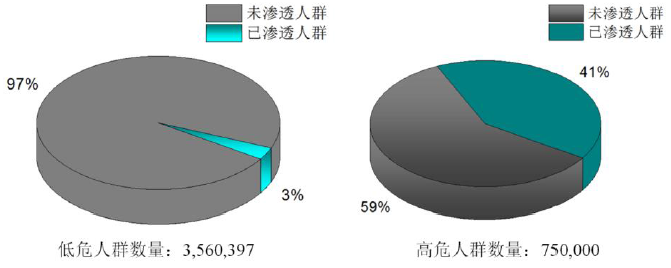
Figure 16. Penetration of NIPT in High-Risk and Low-Risk Populations in the United States
NIPT is a test for chromosomal aneuploidy, not at the base-pair sequence level. With low technical barriers, it is the most fiercely competitive segment in gene sequencing. Currently, BGI Genomics and Berry Genomics collectively hold approximately 90% of the market share, roughly equally divided. In the future, companies with access to obstetric hospital channels and cost advantages are poised to emerge as winners.
■ Cancer Diagnosis and Treatment: Predict cancer risk, develop personalized treatment plans, and monitor the treatment process
Background Introduction
Cancer is a disease caused by abnormal cell proliferation resulting from mutations in specific genes. Numerous gene mutations have been identified as closely associated with cancer, and these mutated genes can guide targeted therapy. Tumor genomic testing primarily encompasses three categories: germline genomic testing, cancer tissue genomic testing, and circulating free DNA (cfDNA) testing in peripheral blood.
1. Germline genomic testing.The germline genome refers to the genome inherently carried by an individual from birth, rather than acquired through postnatal mutations. This analysis is primarily used for assessing susceptibility to tumor diseases, as well as evaluating drug efficacy and adverse effects. Genome-wide association studies (GWAS) have identified numerous loci associated with tumor susceptibility; while individual loci generally exhibit limited discriminative power, their combined analysis can provide substantial information. Theoretically, sequencing of the germline genome should be performed using cell samples collected at birth for optimal accuracy; in practice, however, DNA is typically derived from saliva or peripheral blood leukocytes.
2. Genomic Testing of Cancer Tissues.Genomic sequencing of patients’ tumor tissues can be used to confirm a cancer diagnosis or to subtype different types of cancer, thereby helping physicians determine the appropriate treatment regimen. For example, targeted therapies for colorectal cancer directed against epidermal growth factor receptor (EGFR) mutations exhibit reduced efficacy in the presence of KRAS gene mutations. In recent years, with the advancement of The Cancer Genome Atlas (TCGA) project, extensive mutational profiles across various cancer types have been generated. Tumor genomic information is typically integrated with germline genomic data to jointly guide treatment decisions.
3.Peripheral blood cell-free DNA testing.Since cancer tissue samples typically require surgical procedures for acquisition, their practical application presents certain challenges. Recent research has focused on leveraging tumor genomic information contained in peripheral blood. Due to their rapid growth and apoptosis, tumor tissues release substantial amounts of cell-free DNA (cfDNA) into the surrounding environment, which subsequently enters the bloodstream. Additionally, some cancer cells detach from the primary tissue, infiltrate the blood, and travel to other organs, thereby facilitating cancer metastasis. Therefore, the sources of tumor genomic information in peripheral blood fall into two categories: cell-free DNA and circulating tumor cells (CTCs). While research has been conducted on both, sequencing of cell-free DNA appears more promising. In fact, the widely adopted non-invasive prenatal testing (NIPT) for Down syndrome is based on sequencing cell-free placental DNA in maternal blood, a process that is fundamentally similar in terms of sample handling.
Clinical Significance of Testing
1. Germline genomic testing serves two primary purposes: first, to assess an individual’s risk of developing tumors, thereby enabling early prevention and interventional treatments to avert cancer onset, with BRCA gene screening for female breast and ovarian cancer being the most classic example; second, to evaluate tumor patients’ efficacy responses and adverse drug reactions to common oncology medications, assisting clinicians in selecting appropriate therapeutic agents for cancer patients and facilitating personalized treatment.
2. Cell-free DNA testing in peripheral blood holds greater clinical significance, as it can be applied across all stages of cancer diagnosis and treatment, offering broad prospects.
First, for early screening in healthy populations, cell-free DNA (cfDNA) in peripheral blood can be included as a routine component of health check-ups. An elevated level of cfDNA in the blood typically suggests the potential presence of cancer or other autoimmune diseases. If subsequent genomic sequencing identifies cancer-associated genomic mutations, this finding can be integrated with other diagnostic tests to comprehensively assess the likelihood of cancer.
Secondly, for cancer patients, sequencing of cell-free DNA (cfDNA) in peripheral blood can replace tissue samples for cancer subtyping to determine treatment plans and prognosis. During treatment, cfDNA testing can also be used to monitor therapeutic efficacy. For instance, if cancerous tissue is completely resected during surgery, no cfDNA will be detected; conversely, if high levels of cfDNA persist and contain corresponding cancer-associated mutations, it indicates that the cancerous tissue has not been fully eradicated or has metastasized to other tissues.
Finally, cell-free DNA testing can also monitor the evolution of cancer cells and detect whether they have evolved drug-resistant mutations.
■ Personalized oncology treatment will be the primary application area of precision medicine
Tumors are characterized by heterogeneity and complexity, leading to a clinical reality where they are difficult to cure; the inefficiency rate of traditional clinical medical practices is as high as 75%.With the development of targeted drug therapies and sequencing technologies,Personalized tumor therapy has become a development trend in modern medicine. Personalized medication is based on disease target gene diagnostic information (companion diagnostics) and evidence-based medical research results, providing patients with the basis for receiving the correct treatment plan. Clinical studies have confirmed that predicting drug efficacy and evaluating prognosis by detecting gene mutations, gene SNP genotyping, and gene and protein expression status in biological samples of tumor patients can guide clinical personalized treatment, improve efficacy, reduce adverse reactions, and promote the rational use of medical resources.
Oncology medications represent a significant and steadily growing component of China’s healthcare expenditure. With approximately 3 million cancer-related deaths annually in China, the high cost of tumor treatment imposes a substantial burden on both patients and medical insurance programs.Substantial investment is expected to flow into the field of personalized oncology therapeutics. Based on an understanding of various diseases, technical feasibility, and projected development timelines, personalized treatment for cancer is anticipated to be the first to achieve widespread implementation.
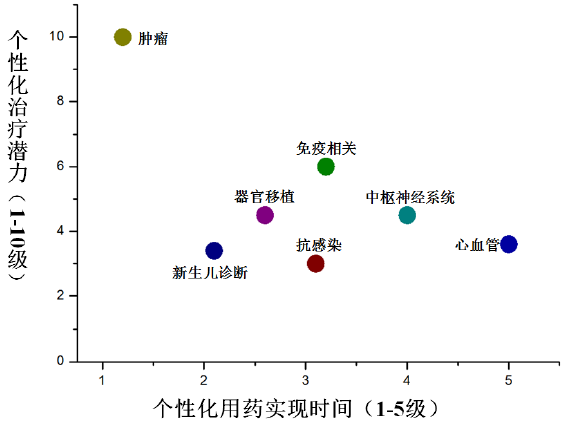
Figure 17. The market for precision oncology therapeutics is the largest and is poised to achieve personalized treatment most rapidly.
The development and progression of tumors are associated with thousands of genes. Currently, 2,000 known and potential gene targets have been identified in tumor genomics, and hundreds of tumor driver genes have been confirmed.
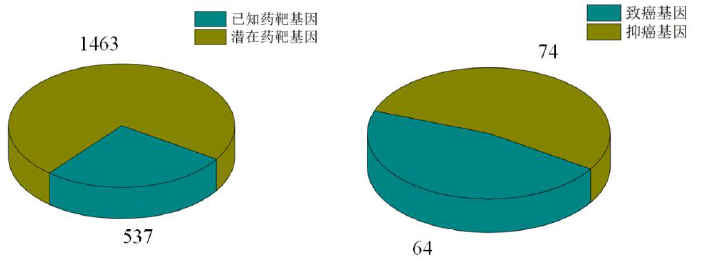
Figure 18. The tumor genome harbors thousands of known and potential targets (left), and hundreds of tumor driver genes have been validated (right)
China’s National Health and Family Planning Commission released the “Technical Guidelines for Personalized Cancer Therapy Testing (Trial)” this July, recommending that cancer patients undergo genetic testing prior to treatment to guide physicians in selecting medication regimens. As fewer targeted therapies are currently marketed in China compared with Europe and the United States, the range and number of personalized medication options recommended in China are significantly lower than those in Western countries. With the discovery of new therapeutic targets and the launch of additional targeted drugs, the market potential in this field is expected to increase substantially in the future.


Table 7. Personalized Oncology Medication Regimens (Based on Genetic Testing)
■ Assisted Reproductive Technology: Selecting Healthy Embryos to Improve IVF Success Rates
Background Introduction
Preimplantation Genetic Diagnosis (PGD) is primarily used to examine whether embryos carry genes with genetic defects. Emerging from in vitro fertilization (IVF) technology, this process involves the combination of sperm and eggs outside the body to form zygotes, which then develop into embryos. Before these embryos are implanted into the uterus, genetic testing is conducted to help IVF-conceived offspring avoid certain genetic diseases. Preimplantation Genetic Screening (PGS) refers to the detection of abnormalities in the number and structure of chromosomes in early-stage embryos before implantation, determining through comparative analysis whether the embryos have genetic material abnormalities.
Significance of Testing
The advantages of preimplantation genetic screening include significantly improving the success rate of embryo transfer in IVF, reducing spontaneous miscarriage, increasing pregnancy rates, and enabling single-embryo transfer to minimize the risks associated with multiple pregnancies.
■ Genetic Disease Risk Assessment: Identify disease risk for early intervention
Background
Monogenic genetic disorders are diseases caused by gene mutations, characterized by heritability and lifelong persistence. Most of these conditions are difficult to cure and carry a risk of transmission to the next generation. Half of the patients develop symptoms during childhood or even at birth, with rapid disease progression and high mortality rates. Their inheritance patterns follow Mendelian laws, including autosomal and sex-linked recessive and dominant inheritance. According to data published by the World Health Organization, approximately 7,000 monogenic genetic disorders have been identified globally, with the pathogenic mechanisms of more than 2,000 being relatively well understood. Although the incidence rate of each individual monogenic disorder is low, the combined prevalence reaches as high as 1 in 100. Due to the low incidence of each specific condition, there is a lack of attention, limited therapeutic options, and insufficient support systems.
Significance of Testing: To Prevent the Occurrence of Severe Genetic Disorders
Studies have shown that, on average, each individual carries 2.8 pathogenic mutations associated with recessive genetic disorders. These mutations may be inherited from parents or arise de novo, and all carry the potential to be passed on to the next generation. Children affected by recessive genetic disorders often have asymptomatic parents, and abnormalities are typically undetectable through routine prenatal examinations; the condition is usually identified only after symptoms manifest postnatally. If single-gene disorder testing is conducted during the preconception period or early pregnancy to promptly identify carrier status of pathogenic mutations and assess the risk of having an affected child, serious genetic disorders can be effectively prevented through genetic counseling and prenatal diagnosis. Furthermore, single-gene disorders involve multiple medical specialties, present with complex clinical symptoms, and are challenging to diagnose. Traditional diagnostic techniques carry risks of missed or misdiagnosis, which may cause patients to miss the optimal window for treatment. Genetic testing enables early detection, early intervention, and early treatment of single-gene disorders.
■ United States: The NIPT market is fully saturated, with close attention paid to cancer diagnosis and treatment.
Non-invasive prenatal testing (NIPT) has achieved the highest level of market penetration. The U.S. NIPT market is predominantly covered by Sequenom, Verinata Health, Ariosa Diagnostics, and Natera, all of which have obtained certification from the College of American Pathologists (CAP) and comply with the Clinical Laboratory Improvement Amendments (CLIA). These companies employ slightly different sequencing strategies: Sequenom and Verinata Health utilize whole-genome sequencing, whereas Ariosa Diagnostics and Natera use targeted region sequencing. Turnaround times range from 8 to 15 days. Regarding payment, these major companies are actively seeking partnerships with insurance providers. As of February 2014, Verinata had secured insurance coverage agreements for 130 million individuals in the United States, while Sequenom had secured coverage for 113 million individuals.
There are currently numerous companies in the United States offering tumor diagnosis and treatment services, as well as single-gene genetic disorder testing. Their product pricing varies depending on the sequencing strategy employed (targeted region testing vs. whole-genome testing).

Table 8. Introduction to U.S. Gene Sequencing Products
Major companies are vying for dominance in the cancer diagnosis and treatment market. For instance, in January 2015, Roche invested $1.03 billion to acquire a stake in Foundation Medicine, aiming to combine its advanced sequencing technologies with Foundation Medicine’s robust tumor genetic diagnostic capabilities to develop personalized therapies for solid tumors, hematologic malignancies, and sarcomas. On April 21, 2015, Color Genomics raised $15 million in funding to support research into genetic risk testing for breast and ovarian cancers.
The U.S. FDA classifies genetic testing technology as a “medical device.” Health-related genetic sequencing services are not directly available to consumers and require a prescription and approval from licensed physicians at healthcare institutions. In response, some companies have expanded into overseas markets, partnering with foreign firms and pursuing local regulatory approvals for their technologies. For instance, in 2013, the FDA ordered 23andMe to halt the provision of disease-risk reports to new users, although the company was permitted to continue offering raw sequencing data and ancestry analysis. In April 2015, 23andMe jointly announced with Superdrug, a subsidiary of Watsons, that it would launch personal genomic testing services—approved by the Research Ethics Committee—on its official website and in more than 600 physical stores, thereby resuming the provision of information related to personal health and familial hereditary diseases.
■ China: The NIPT market is far from saturated, with companies increasingly entering the oncology diagnostics and therapeutics market
In China's NIPT sector, BGI and Berry Genomics dominate the market. The total size of the domestic prenatal screening market is approximately RMB 1–2 billion, indicating that the market is far from saturated and still holds a tenfold growth potential.Testing products have been gradually launched since late 2012, during which they experienced an emergency suspension and subsequent approvals by the China Food and Drug Administration (cFDA). The testing technology adopted is high-throughput whole-genome sequencing. In terms of pricing, BGI Genomics offers a subsidized rate of as low as RMB 880 for Shenzhen residents, while the price in other regions is RMB 2,600. Berry Genomics charges a uniform nationwide price of RMB 2,600.
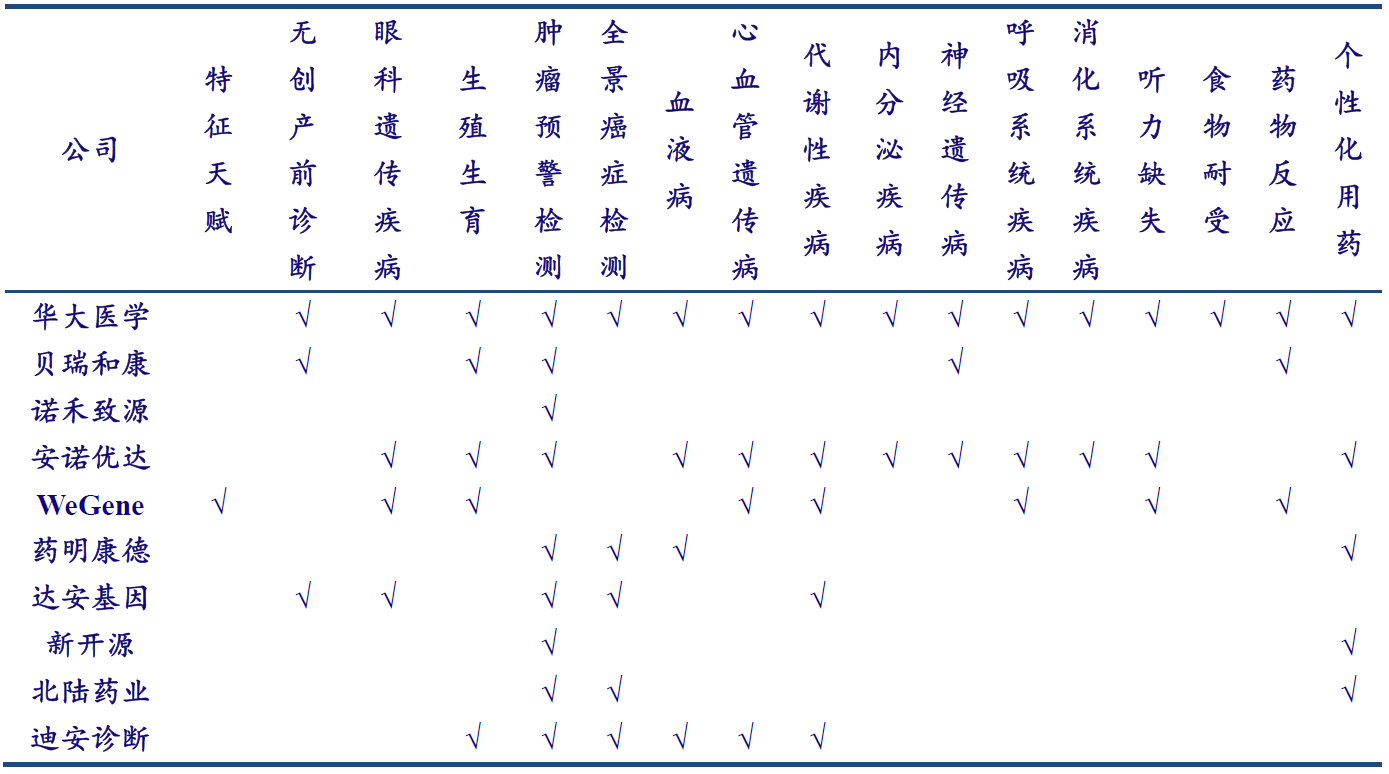
Table 9. Introduction to Domestic Gene Sequencing Products
BGI, Dian Diagnostics, and Daan Gene have become the first institutions approved as clinical pilot sites for high-throughput gene sequencing technology in tumor diagnosis and treatment projects.Meanwhile, New Open Source acquired 100% equity stakes in He'er Medical, Sanji Biotechnology, and Jingneng Biotechnology, and raised matching funds. Following the acquisition, New Open Source will enter the field of in vitro diagnostic services, including early cancer diagnosis, molecular diagnostics, and gene sequencing. Beilu Pharmaceutical invested in Nanjing SeeGene Biotechnology Co., Ltd. and is actively assisting SeeGene in obtaining pilot qualifications for gene sequencing as soon as possible to rapidly expand into the high-throughput comprehensive cancer gene testing market.
Tumor diagnosis and treatment will account for the largest share of the mid-to-downstream market. According to Illumina’s forecast, the total addressable market for gene sequencing services is $20 billion, with gene sequencing and diagnostics-related services comprising 70% of this total. This includes $12 billion for oncology and $2 billion for genetic reproductive health.
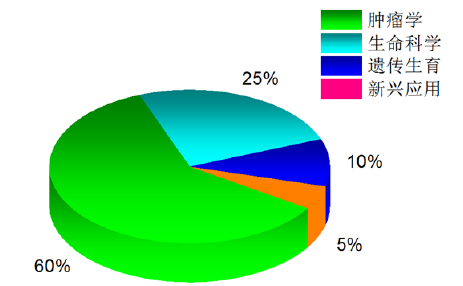
Figure 19. Market Share of NGS Products
It is projected that the penetration rate of next-generation sequencing (NGS) will exceed 70% for melanoma and colorectal cancer, surpass 40% for lung cancer, and exceed 30% for breast cancer.China currently sees approximately 600,000 new lung cancer cases, 400,000 new colorectal cancer cases, and 200,000 new breast cancer cases annually. With the average cost of whole-genome sequencing at RMB 25,000 per case, China’s annual tumor sequencing market is projected to reach nearly RMB 15 billion.
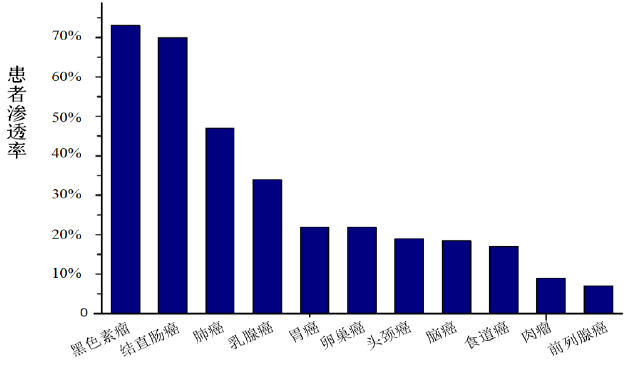
Figure 20. Projected Penetration Rate of NGS Sequencing in the Treatment of Various Tumors
■ Genomic Sample Size Determines the Accuracy of Disease Prediction Models
The maturity of the application of gene sequencing products depends on the accuracy of genomic data interpretation,Currently, under the limitation of short read lengths in NGS sequencing,Interpretation capabilities are primarily limited by the scarcity of genomic data based on precise disease classification.According to a survey by Ebiotrade, 69% of respondents believe that the analysis and interpretation of data constitute the most significant bottleneck affecting the development of the sequencing industry chain. The three essential elements for effective data analysis include high-performance computing platforms, specialized analysis software, and high-quality large-sample databases. Raw sequence files provided by sequencing service companies cannot yield any valid information until they undergo systematic analytical processing. Computing platforms are used to perform a series of basic analytical tasks on raw sequence files generated by sequencing instruments, such as quality filtering and sequence alignment, while analysis software and large-sample databases are utilized for genetic interpretation and counseling.
The effectiveness of data analysis will determine the core competitiveness of downstream market companies. The human genome consists of 23 pairs of chromosomes and contains over 6 billion base pairs, yet currently only 3% can be clinically interpreted. There is an urgent need to employ mathematical modeling methods to analyze the complex relationships between genomic mutations and diseases. The modeling process involves establishing a mapping relationship between genomic sample independent variables and clinical phenotype data. To investigate variant information associated with specific diseases in the genome, high-quality “disease-specific” genomic datasets play a pivotal role in training model parameters.
■ NGS sequences are difficult to reconstruct into complete genomes
Short read lengths in NGS sequencing result in missing information at certain loci.During next-generation sequencing (NGS), the target DNA sequences are randomly fragmented into short, equal-length segments (<150 bp) and prepared as either single-fragment templates or paired-end/mate-pair templates. To ensure that the entire genome is sequenced multiple times, the prepared templates are immobilized on spherical supports and amplified via emulsion PCR. The average number of times each base is sequenced is referred to as the sequencing coverage depth. Finally, parallel sequencing is performed on millions of templates.
Short reads obtained via next-generation sequencing (NGS) fail to provide specific information on structural variants (SVs) and copy number variations (CNVs) across the genome, thereby limiting certain applications in tumor diagnosis and treatment, genetic disease risk assessment, and assisted reproductive technology. During sequencing data analysis, sequence fragments must be mapped to their corresponding chromosomal locations in the reference genome based on sequence similarity. This approach gives rise to two major issues: (1) The test genome and the reference genome originate from different individuals, and genomic differences between them introduce errors when reconstructing the test genome; (2) When large-scale base mutations occur in the test sample, such as SVs and CNVs, the mutated sequence fragments cannot be mapped back to the reference genome, even though this information is critical for analyzing the relationship between diseases and the genome.

Figure 21. Partial information loss during the reconstruction of complete genomes from NGS sequences
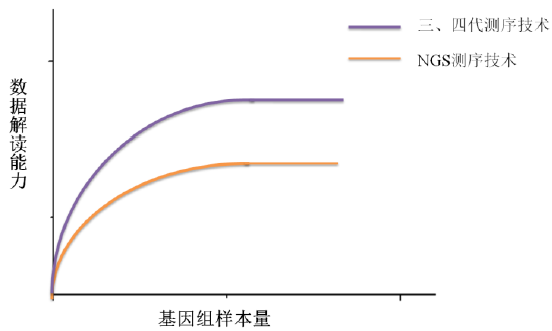
Figure 22. With the development of third- and fourth-generation sequencing technologies, the required sample size for genomic analysis has decreased, while interpretation capabilities have improved.
■ Shortage of Genetic Counseling and IT Professionals
Next-generation sequencing (NGS) technology has become highly mature. To effectively deliver sequencing services, three categories of professionals are required: biotechnology (BT) specialists for laboratory operations, bioinformatics (IT) experts for data analysis, and genetic counselors involved in medical diagnosis and treatment. Currently, the supply of biotechnology talent in China is largely aligned with industry growth. However, there is at least a tenfold shortfall in bioinformatics professionals relative to industry demand; this gap is expected to ease within five years, owing to the strong learning agility of young professionals in the IT sector. The most critical shortage lies in genetic counseling, as this role demands expertise not only in genomics but also in clinical practice. Going forward, more clinicians with hands-on experience will need to acquire genomic knowledge. At present, it is challenging for most companies to assemble a high-caliber team that integrates excellence in biotechnology, bioinformatics, and genetic counseling.
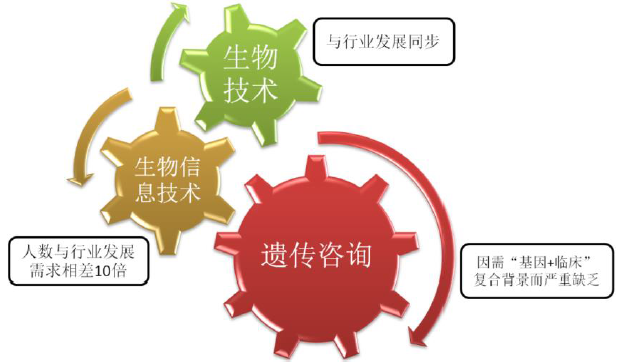
Figure 23. Talent Required for Industry Development and Current Status
■ Clinicians lack genomics knowledge, making it difficult to guide clinical treatment plans
The market for gene sequencing applications is dominated by clinical hospitals, and clinicians’ lack of understanding of genomics represents a significant bottleneck to the clinical adoption of gene sequencing. Gene sequencing data are highly complex, making analysis difficult for most physicians, which may lead to resistance toward next-generation sequencing (NGS) technologies. Furthermore, only a small number of hospitals possess NGS-related instrumentation; most such equipment is held by gene sequencing service companies. Healthcare institutions are also highly cautious about sharing patient data with external professionals for analysis. Even in the United States, where gene sequencing applications are most advanced, clinicians often feel ill-at-ease using genomic data to guide clinical treatment. In the future, strengthening genomics training for physicians and shifting their traditional medical mindsets will substantially improve the clinical application of gene sequencing technologies.
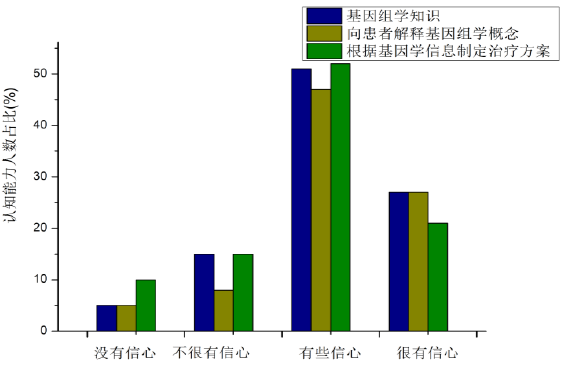
Figure 24. US Clinicians Are Optimistic About Next-Generation Sequencing, but Most Struggle to Adapt to Its Broad Clinical Application
■ Sequencing bottlenecks are being gradually overcome, with significant improvements in healthcare services expected after 2018
With the accumulation of data, the refinement of sequencing technologies, the alleviation of talent bottlenecks, and the deepening understanding of sequencing among clinicians, gene sequencing will gradually penetrate various application fields, providing continuously improving healthcare services to hundreds of millions of people. Genomics will transcend the current phase of accumulating knowledge to perfect medical science, significantly enhancing the effectiveness of healthcare services. The National Institutes of Health (NIH) projected that this milestone would likely be reached in 2018.
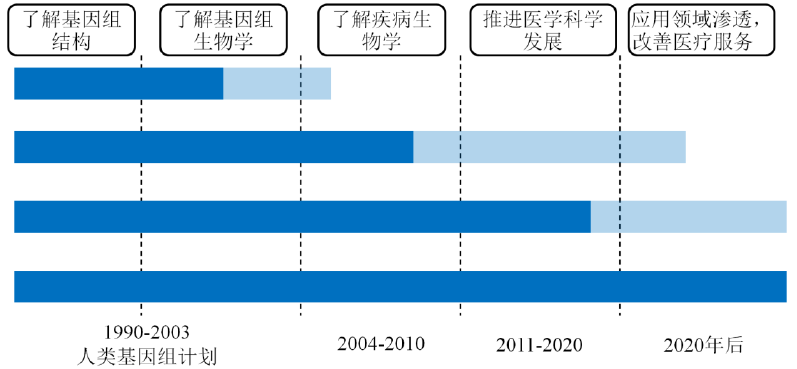
Figure 25. NIH’s Roadmap for Genomics (1990–2030), projecting widespread application of next-generation sequencing in healthcare and medicine after 2018
By: Li Pingzhu, Huo Chenyi, Wang Xiaoqi (Intern)
Source: Galaxy Securities