

DSMS Platform Advances Intelligent Diabetes Management, Files IPO Prospectus
In recent years, with the rise of “Internet + Healthcare,” diabetes management has emerged as a representative sector, witnessing the proliferation of so-called intelligent health management platforms for diabetes. Most of these platforms primarily offer features such as blood glucose logging, information推送 (push notifications), and step counting, yet their effectiveness remains questionable. Health management for patients with diabetes is a systematic and continuous endeavor that requires collaborative efforts from multiple stakeholders. It is urgent to verify whether the digital adaptation of the “Five Carriages” framework via mobile applications can truly improve glycemic control and lower blood glucose levels.
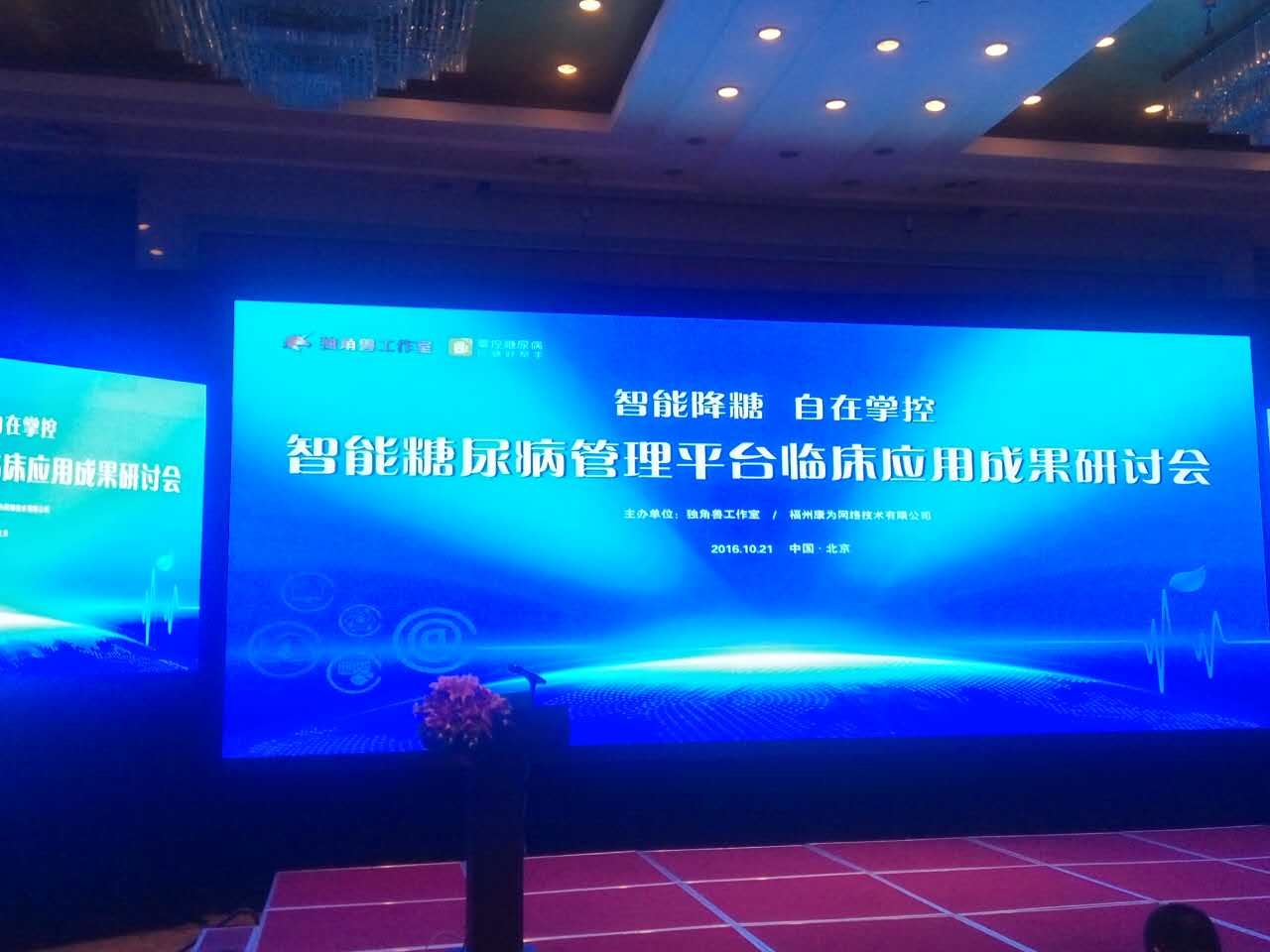
Based on this, the Mobile Health App Evaluation Project Team of the Chinese Center for Disease Control and Prevention, led by authoritative institutions such as the Chinese Center for Disease Control and Prevention, conducted a one-year study to evaluate the effectiveness of mobile health applications for diabetes. On October 21, the Seminar on Clinical Application Achievements of Intelligent Diabetes Management, hosted by Unicorn Studio and Fuzhou Kangwei Network Technology Co., Ltd., was held in Beijing, where discussions and research on this topic were carried out. VCBeat (WeChat ID: vcbeat) was invited to attend and report on the conference.
I. Diabetes Management: Unprecedented Challenges
According to data from the International Diabetes Federation, China has the largest number of diabetes patients in the world. Diabetes patients account for 11.6% of China's total population and one-third of the global diabetes patient population. The combined number of diabetes patients and individuals with early symptoms exceeds the total population of the United States. By 2018, the number of diabetes patients in China is projected to reach a staggering 121 million.
Amid the explosive growth in the number of patients with diabetes, the existing healthcare service system has clearly failed to keep pace. Behind the high incidence rate lies a reality of low diagnosis and treatment rates. Due to lagging diagnostic and therapeutic infrastructure, many patients remain unaware of their condition; by the time they are diagnosed, they often already face high-risk complications. It is estimated that there are currently around 5 million undiagnosed diabetic patients in China. By the time of diagnosis, complications such as stroke, blindness, and kidney disease may have already occurred, with some even facing the risk of amputation. After diagnosis, weak self-management awareness among patients frequently leads to non-adherence to medical advice, poor dietary control, and failure to monitor blood glucose levels, which can exacerbate the condition and even become life-threatening.
In 2015, direct medical expenditures attributable to diabetes in China reached a staggering RMB 173.4 billion, accounting for 13% of the nation’s total healthcare spending. This figure is projected to rise rapidly over the next 10–20 years. The prevention, control, diagnosis, treatment, education, and management of diabetes are facing unprecedented and severe challenges.
II. Value of Diabetes Management Tools Gains Recognition
The traditional diabetes management model relies on post-visit telephone follow-ups initiated by hospitals on an irregular basis. Patients often have insufficient understanding of diabetes; even with the “Five Carriages” framework in place, they face significant challenges in searching for and identifying relevant services, and there is virtually no integration among these services. Consequently, patients lack the motivation for self-driven management. Imagine a patient having to navigate daily between knowledge acquisition, peer support, product purchases, physician consultations, and physical exercise—how much patience would be required to sustain such an effort?
As a chronic, often lifelong condition, diabetes necessitates complex, lifelong self-care immediately upon diagnosis. For both patients and high-risk individuals, it is essential to stimulate patients’ willingness for self-management and enhance user experience. In addition to patients’ intrinsic motivation, there is an urgent need for the intervention of an intelligent health management platform to serve as a timely solution for daily health management.
At the China Chronic Disease Conference, jointly hosted by authoritative industry bodies including the Chinese Preventive Medicine Association, the Chinese Medical Association, and the Chinese Center for Disease Control and Prevention on November 28, 2015, it was unanimously affirmed that self-management measures—such as effective early-stage monitoring, intervention, and standardized medication adherence—can significantly reduce the incidence of chronic diseases and the risk of complications. Mature platforms and models are already available to provide patients with comprehensive online and offline services. Consequently, the value of intelligent diabetes management tools has gained recognition from multiple stakeholders, including hospitals, industry associations, academic societies, and government agencies.
III. DSMS Platform Gains Favor from CDCs
The prolonged disease course, large patient population, and significant market potential have made diabetes one of the hottest fields in healthcare. Both leaders in the internet healthcare industry and experts in clinical research are actively exploring new approaches to the intelligent management of diabetes. During the “Hundred Diabetes Apps War” in 2015, various diabetes management platforms—such as community-based, O2O (Online-to-Offline), and tool-oriented services—emerged in rapid succession, reaching an unprecedented level of popularity.
The technological and practical shift from Diabetes Self-Management Education (DSME) to Diabetes Self-Management Support (DSMS) has emerged as a focal point of innovation in diabetes education and management. Distinct from mere patient education, DSMS—which leverages disease management programs, continuing education, peers and community health workers, community-based management initiatives, and information technology—has gained increasing recognition among diabetes educators both domestically and internationally for its role in diabetes education and management.
As the urgency of chronic disease prevention intensifies, health management application platforms will become a critical tool for early intervention in chronic diseases, offering significant benefits to the innovation and deep reform of healthcare models.