

China's Gene Sequencing Industry in Early-Stage Development Submits IPO Prospectus
Over a period of more than two months, China Galaxy Securities conducted an in-depth and comprehensive analysis of the policy environment, technological trends, and the business models and investment logics of industry giants in the gene sequencing sector, and released the in-depth research report titled “Development Trends and Business Models in Gene Sequencing—Part I of the Series on Precision Medicine.” VCBeat (WeChat ID: vcbeat) has distilled the core insights into five chapters; this article presents the final chapter.
■ Favorable policies for gene sequencing are emerging, with clinical-grade products subject to government pilot programs and regulatory oversight
Favorable policy winds are increasingly shaping the regulation of the gene sequencing industry, with clinical-grade products subject to pilot licenses issued by the National Health and Family Planning Commission (NHFPC) and the China Food and Drug Administration (CFDA). Prior to 2014, China lacked specific regulatory policies for gene sequencing products. In early 2014, following the CFDA’s classification of sequencing products as Class III medical devices, all gene sequencing activities were swiftly suspended. Subsequently, the CFDA and NHFPC gradually standardized the gene testing market, approving BGI Genomics’ and Daan Gene’s non-invasive prenatal testing (NIPT) products for market launch in June and November 2014, respectively. Before April 2015, pilot licenses were sequentially issued for high-throughput sequencing applications in genetic disease diagnosis, prenatal screening and diagnosis, preimplantation genetic testing, and tumor diagnosis. In July 2015, guidelines on gene testing technologies for personalized cancer medication, drug-metabolizing enzymes, and drug target genes were released, signaling that precision medicine based on gene sequencing was poised for substantial progress. Following supportive policies from the CFDA and NHFPC, the National Development and Reform Commission (NDRC) also began guiding and promoting the development of China’s gene sequencing sector at the national level.
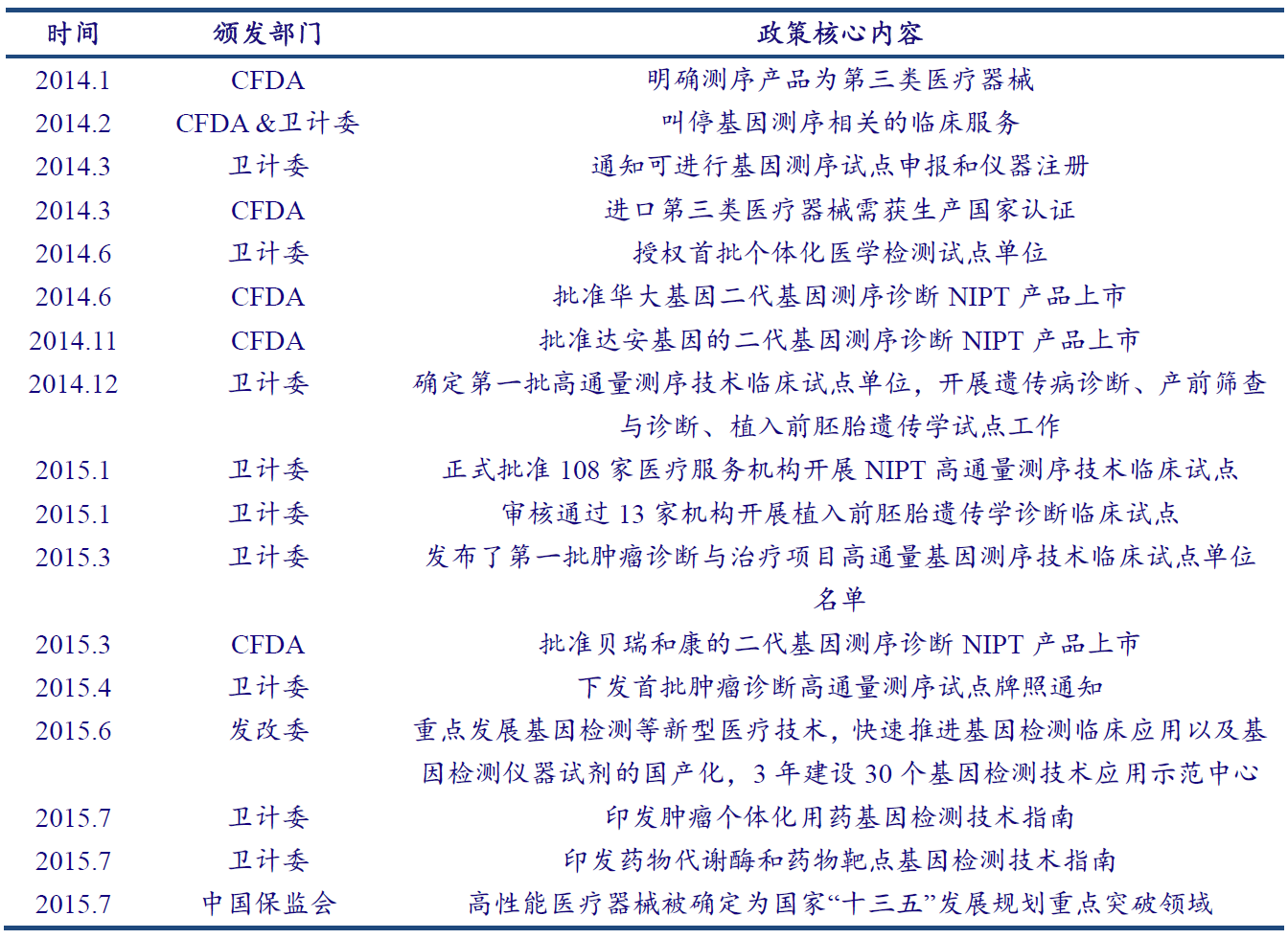
Table 10. Overview of Relevant Policies on Gene Sequencing in China
■ Regulatory and certification frameworks for consumer-grade sequencing products in China remain to be established
Consumer-grade sequencing products are intended to guide physicians in designing diagnostic and treatment plans rather than for direct clinical application, and thus fall outside the regulatory oversight of the National Health and Family Planning Commission and the China Food and Drug Administration. However, due to the lack of effective regulation, this sector is characterized by significant heterogeneity, with experimental methods, interpretation approaches, and results remaining largely unconstrained. Consequently, consumers find it difficult to assess the accuracy of test results from different companies or the reasonableness of their pricing. There is an urgent need in China to establish a regulatory and certification framework for such sequencing products.
The U.S. genetic sequencing industry is jointly regulated by the Centers for Medicare & Medicaid Services (CMS), the Food and Drug Administration (FDA), and the Federal Trade Commission (FTC). CMS primarily oversees consumer-grade and research-grade applications through the Clinical Laboratory Improvement Amendments (CLIA), the FDA is responsible for approving clinical-grade products, and the FTC regulates false and misleading product advertising.
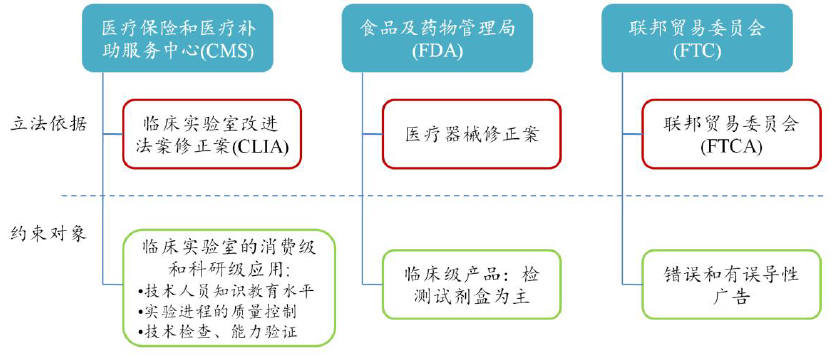
Figure 26. Division of Regulatory Responsibilities for the Gene Sequencing Industry in the United States
Third-party medical laboratories are a vital component of the U.S. healthcare system, with nearly half of all clinical samples processed annually in these facilities. Meanwhile, approximately 80% of laboratories in the United States are CLIA-certified, signifying that the accuracy, reliability, and timeliness of their clinical test results are recognized by the Clinical Laboratory Improvement Amendments (CLIA). This certification paves the way for these laboratories to undertake more clinical trial projects and enables them to rapidly develop Laboratory Developed Tests (LDTs) in response to market demands, providing reliable clinical guidance through practical application. Since its implementation in 1992, a total of 232,000 laboratories across the United States have obtained CLIA certification. Many innovative emerging technologies serve clinical practice through such laboratories. To date, WuXi AppTec is the only company in China to have received U.S. CLIA certification.
China’s gene sequencing industry is still in its nascent stages, with both technology and policy frameworks remaining immature. BGI Genomics stands as the industry leader, with talent from BGI supporting the development of the domestic gene sector. Among publicly listed companies, many have entered certain segments of the gene sequencing business through mergers and acquisitions, actively establishing positions across the upstream, midstream, and downstream portions of the industrial chain. Furthermore, apart from the relatively mature non-invasive prenatal testing (NIPT) market, sectors such as tumor diagnosis and personalized therapy, preimplantation genetic screening and diagnosis (PGS/PGD), and genetic disease diagnosis have yet to form mature markets. Related diagnostic and therapeutic approaches have not become standard practices within the healthcare industry and will require considerable time for accumulation and development.
■ Domestic companies: In the early stage of industrial development, actively laying out in the field of gene sequencing
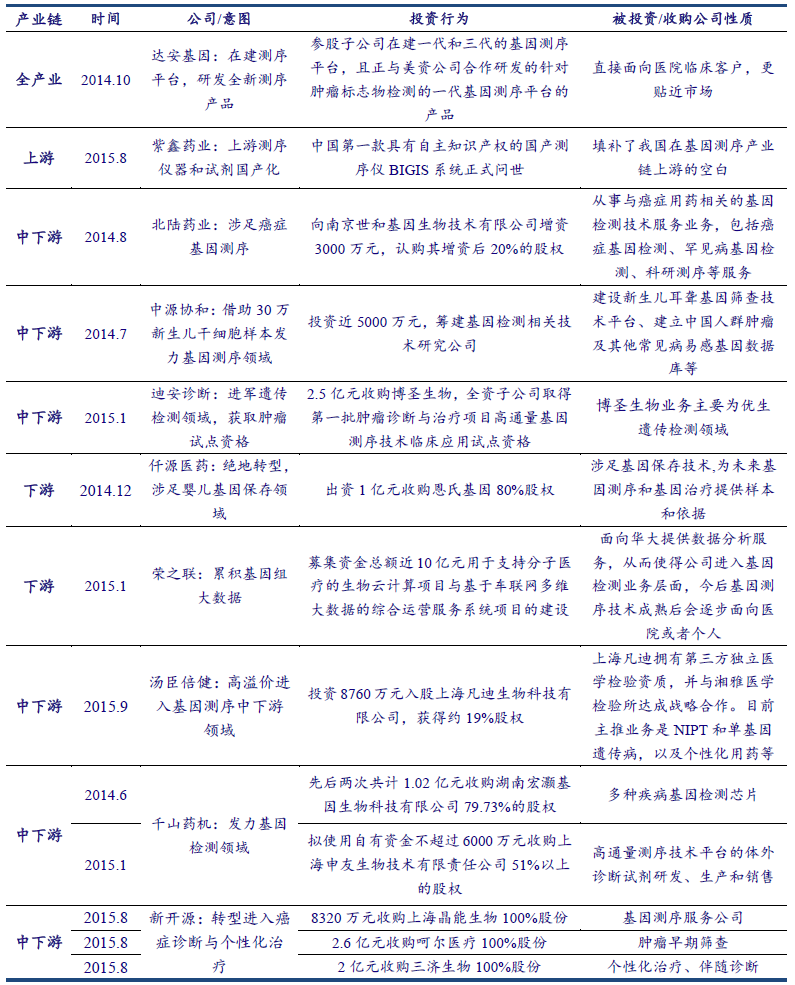
Table 14. Business Models of Chinese Companies in the Field of Gene Sequencing
1. Da An Gene: Developing a sequencing platform and researching new sequencing products
Da An Gene Co., Ltd. leverages the robust research platform of Sun Yat-sen University. It is a high-tech biomedical enterprise led by molecular diagnostic technologies, integrating the R&D, production, and sales of clinical laboratory reagents and instruments with nationwide chain independent clinical laboratory services.
In November 2014, the company obtained approval for its fetal chromosomal aneuploidy detection kits for trisomy 21, trisomy 18, and trisomy 13, as well as for its gene sequencers. A representative from the company’s Investor Relations Department stated that two subsidiaries in which the company holds equity stakes are currently constructing first-generation and third-generation gene sequencing platforms, respectively. Additionally, a product based on a first-generation gene sequencing platform for tumor marker detection is being developed in collaboration with a U.S.-funded company. Daan Gene’s gene sequencing platforms are directly oriented toward hospital clinical customers, thereby maintaining closer proximity to the market.
2. Zixin Pharmaceutical: Localization of Upstream Sequencing Instruments and Reagents
Zixin Pharmaceutical operates in three major sectors: traditional Chinese medicine (TCM) proprietary medicines, the ginseng industry, and gene sequencers. In its board of directors’ strategic guidelines, the gene sequencing sector is explicitly designated as the vanguard of the company’s development.
On August 7, 2015, the company, in collaboration with the Beijing Genomics Institute of the Chinese Academy of Sciences, officially launched BIGIS, China’s first practical domestically developed sequencer with independent intellectual property rights (with data throughput comparable to Roche 454). This launch filled a gap in the upstream segment of China’s gene sequencing industry chain and marked the beginning of large-scale, multi-field applications of domestically produced sequencers.
3. Beilu Pharmaceutical: Venturing into Cancer Gene Sequencing
Beijing Beilu Pharmaceutical Co., Ltd. was established in September 1992 and is primarily engaged in the research and development, production, and sales of pharmaceutical products.
In August 2014, the company injected RMB 30 million into Nanjing Geneseeq Biotechnology Co., Ltd. to acquire a 20% equity stake following the capital increase. Nanjing Geneseeq is primarily engaged in gene testing technical services related to oncology medications, including cancer gene testing, rare disease gene testing, research sequencing, and related technical support. Currently, Beilu Pharmaceutical is actively assisting Geneseeq in obtaining pilot qualification for gene sequencing as soon as possible, aiming to leverage this opportunity to position itself within the “gene sequencing” sector.
4. Vcanbio: Leveraging 300,000 Neonatal Stem Cell Samples to Strengthen Its Position in the Gene Sequencing Sector
Vcanbio is the integrator of China’s stem cell industry chain, boasting the most extensive stem cell storage network in the country. The company currently stores stem cells from 300,000 newborns. If tracking of disease incidence among these newborns can be achieved, these stem cell samples hold immense potential to evolve into a precisely classified genomic database, providing Vcanbio with a distinct competitive advantage for entering the gene sequencing industry.
In June 2014, Vcanbio acquired Shanghai Zhicheng Biology for RMB 800 million, marking its entry into the diagnostic reagent sector. In July, Vcanbio invested nearly RMB 50 million to establish a company dedicated to research on gene testing technologies, focusing primarily on building platforms for neonatal deafness gene screening and non-invasive prenatal screening, as well as establishing a database of susceptibility genes for tumors and other common diseases in the Chinese population.
5. Dian Diagnostics: Entering the Genetic Testing Field and Venturing into Tumor Gene Sequencing
Dian Diagnostics Co., Ltd., established in 2001, is an independent third-party medical diagnostic service provider with outsourced diagnostic services as its core business. The company has established a development strategy centered on “One Core, Two-Dimensional Innovation, and Three Major Platforms.” This involves vertically extending the industrial chain upstream and downstream around diagnostic services, while horizontally expanding across multi-field testing platforms to achieve two-dimensional innovation in both technology and business models. The three major platforms include the Third-Party Comprehensive Diagnostic Platform, the Smart Healthcare Platform, and the Health Industry Investment Platform.
In January 2015, Dian Diagnostics acquired Bosheng Biology for RMB 250 million, entering the field of eugenics and genetic testing. On April 8 of the same year, Hangzhou Dian Medical Laboratory Center, a wholly-owned subsidiary of Dian Diagnostics, obtained the qualification as one of the first pilot entities for the clinical application of high-throughput gene sequencing technology in tumor diagnosis and treatment projects. Although the National Health and Family Planning Commission subsequently abolished the access approval for the application of Class III medical technologies, Dian Diagnostics’ position as one of the first companies to receive such pilot qualifications highlights its strategic layout in the field of tumor sequencing.
6. Qianyuan Pharma: A Dramatic Transformation into the Infant Gene Preservation Sector
Qianyuan Pharmaceutical is a publicly listed pharmaceutical company integrating research and development, production, and sales. Since its establishment, the company has been committed to providing comprehensive anti-infective products and solutions to address bacterial resistance, with key products including Mezlocillin Sodium and Sulbactam Sodium for Injection and Fosfomycin Trometamol Powder. Since the implementation of policies restricting antibiotic use, the company's core antibiotic business has been constrained. In 2013, through the acquisition of Hailisheng and Baoling Group, the company expanded into the fields of pediatric products and prenatal health supplements.
In 2014, the company acquired Hangzhou Enshi Gene, entering the field of gene preservation. The value of gene preservation technology lies in maintaining the integrity of genes, while providing samples and a basis for future gene sequencing and gene therapy, thereby supporting the company’s subsequent entry into the gene sequencing sector.
7. Rongzhilian: Accumulating Genomic Big Data
Rongzhi Lian was established in 2001 and is a leading domestic information technology service provider, dedicated to integrating cloud computing and big data technologies to drive innovative applications of enterprise information resources. Its current business comprises three major segments: cloud computing and IT services, big data and the Internet of Things (IoT), and BioCloud.
In January 2015, Rongzhi Lian raised no more than RMB 1 billion through a private placement of shares to support the construction of a bio-cloud computing project for molecular medicine and an integrated operational service system based on multi-dimensional big data from the Internet of Vehicles (IoV). Previously an IT services outsourcing provider, the company had collaborated with BGI Genomics for many years, providing system integration for its bio-cloud computing data centers as well as related IT services. It is widely believed that, in its initial phase, the platform will primarily provide data analysis services to gene sequencing companies such as BGI, thereby enabling Rongzhi Lian to enter the genetic testing business. As gene sequencing technology matures in the future, the platform is expected to gradually expand its services to hospitals and individual consumers.
8. By-Health: Entering the Mid-to-Downstream Segments of the Gene Sequencing Industry at a High Premium
By-Health is the first enterprise in China’s health supplement industry to receive an AAA credit rating. Upholding the brand philosophy of “Sourced Globally, Healthy for the Whole Family,” By-Health has established a comprehensive and scientifically based dietary supplement system, striving to become a leading enterprise in the dietary supplement industry.
On September 7, 2015, By-Health decided to invest RMB 87.6 million of its own funds to acquire an equity stake in Shanghai Fandi. Upon completion of the transaction, By-Health will hold a 19.0435% equity interest in Shanghai Fandi. Shanghai Fandi specializes in providing safe, accurate, and rapid genetic testing services based on gene sequencing technology. The company holds qualifications as a third-party independent medical laboratory and has established a strategic partnership with the Xiangya Medical Laboratory of Central South University. Its core business focuses on promoting non-invasive prenatal testing (NIPT), genetic testing for monogenic hereditary diseases, and personalized medication guidance. This transaction represents one of By-Health’s initiatives to leverage capital markets to integrate external resources and build a comprehensive health ecosystem. Following the deal, both parties will integrate their resources and continue to invest in next-generation technologies such as gene sequencing, which represent future strategic directions.
9. Qianshan Medical Machine: Expanding into the Genetic Testing Sector
Qianshan Pharmaceutical Machinery is primarily engaged in the manufacturing, sales, and import/export of pharmaceutical machinery, medical device equipment, packaging machinery, and medical device products. It is a leading domestic supplier of production equipment for injectable drugs. In March and June 2014, Qianshan Pharmaceutical Machinery acquired a 79.73% equity stake in Hunan Honghao Gene Biotechnology Co., Ltd. through two transactions totaling RMB 102 million. In January 2015, the company proposed to use no more than RMB 60 million of its own funds to acquire over 51% of the equity in Shanghai Shenyou Biotechnology Co., Ltd., marking its entry into the gene testing sector.
Hunan Honghao Gene Biotechnology Co., Ltd. specializes in gene detection chip technology for various diseases. Its hypertension gene detection chip is an exclusive product in China, offering broad market prospects. More importantly, the company has accumulated extensive clinical data during the research and development of disease gene detection chips, providing a solid foundation for Qianshan Pharmaceutical Machinery’s future development of gene sequencing products.
Shanghai Shengyou’s shareholder, the Shanghai Human Genome Center, is a key national base for research and development in the field of human genomics, boasting robust scientific research capabilities. Building on human genetic information, Shanghai Shengyou focuses on “personalized medicine” and “personalized healthcare.” Its core business involves the R&D, production, and sales of in vitro diagnostic reagents based on quantitative real-time PCR (qPCR), traditional Sanger sequencing, and high-throughput sequencing technologies, as well as providing related testing services.
10. New Open Source: Traditional Enterprises Transition into Cancer Diagnosis and Personalized Treatment
On November 17, 2014, New Open Source, a producer of functional polymer PVP materials that had been suspended from trading for six months, announced its plan to acquire 100% equity interests in He'er Medical, Sanji Biology, and Shanghai Jingneng Biology through private placements of shares to specific investors, at consideration amounts of RMB 260 million, RMB 200 million, and RMB 83.2 million, respectively.
He'er Medical is primarily engaged in the early diagnosis of tumors. The company’s “SPICM-DNA Fully Automated Cellular Tumor Screening and Analysis System” is currently an internationally advanced system for the early detection of cervical cancer, capable of scanning every exfoliated cell and precisely measuring the DNA content within each cell.
As the first Chinese member of the International Consortium for Personalized Medicine, Sanji Bio is the only enterprise in China dedicated to promoting the clinical application of pharmacogenomics and a leading pioneer in the field of personalized therapy. The company focuses on the research and development, production, and academic promotion of companion diagnostic reagents based on pharmacogenomics, with an emphasis on clinical collaboration and practical applications in personalized medicine.
Shanghai Jingneng Biotechnology has been engaged in NGS sequencing technology services for many years. It is one of the first enterprises in East China to provide technical services such as the application and promotion of NGS sequencing and gene chip technologies, as well as bioinformatics analysis services. Currently, the company has established six major technology platforms, including a high-throughput sequencing platform, a gene chip platform, and a single-molecule optical mapping platform, enabling it to offer customers a diverse range of gene sequencing technology services, such as genomics research services, bioinformatics analysis services, and molecular biology technical services.
■ Discussion on Domestic Business Models
1. Sequencing Instruments and Reagents: Strive to localize the production of non-core sequencing consumables in China
The relatively low level of China’s manufacturing industry makes it difficult for domestically produced sequencing instruments to match the performance of their European and American counterparts. Therefore, achieving domestic production of non-core sequencing consumables will be the mainstream direction for Chinese enterprises to expand into the upstream market. Illumina’s financial report for the second quarter of 2015 showed that consumables revenue amounted to $303 million, accounting for more than 50% of total revenue, which clearly demonstrates the significant expenditure by sequencing service companies on sequencing consumables. Apart from core consumables such as sequencing chips, reagents and other consumables are more likely to be localized in the short term; companies such as Da An Gene and Zixin Pharmaceutical are already entering this field.
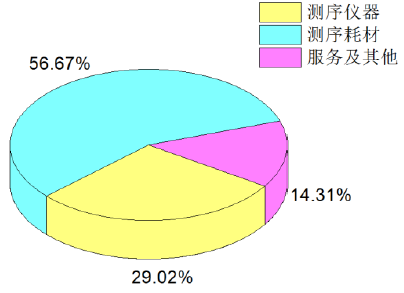
Figure 30. Breakdown of Illumina's Operating Revenue
2. Analytical Technology: The barriers to existing data analysis methods are relatively low; therefore, it is essential to actively secure genomic data resources to develop advanced analytical methodologies.
Current data analysis methods primarily rely on analytical software released by university and research institutions, which present relatively low barriers to entry. Although such software explicitly prohibits any unauthorized commercial activities, the open-source nature of the research outputs allows analysis service providers to offer similar analytical services by either paying for licensed use or modifying the source code independently.
To develop high-precision analytical software, it is essential to construct training sets from large numbers of samples to train model parameters; therefore, massive genomic data samples are a necessary prerequisite for ensuring the accuracy and validity of gene sequencing analysis results. The size of the sample set in the database plays a crucial role in algorithm modeling and parameter training. A larger sample size leads to smaller residuals in mathematical models and higher confidence levels, thereby making the results of whole-genome data analysis more reliable. It is estimated that reaching a sample size in the millions for classification represents an ideal state. Consequently, the core of downstream analytical technologies lies in how to collect more samples and classify and store them appropriately. Companies such as BGI Genomics, Berry Genomics, Rongzhi Lian (Joinn), Zhongyuan Union Cell & Gene Engineering, Qianyuan Pharmaceutical, and New Open Source possess higher barriers to entry in the accumulation of genomic samples.
3. Gene Sequencing Products: CFDA Approval Is Key, and Sales Channels Are Crucial
China’s gene sequencing market is still in its early stages of development. Gene sequencing services and analytical products are classified as Class III medical devices, while China lacks a certification standard for healthcare institutions comparable to the U.S. Clinical Laboratory Improvement Amendments (CLIA). Consequently, without approval from the China Food and Drug Administration (CFDA), sequencing products will struggle to gain significant market share.
Sales channels for sequencing products are also a critical issue. Companies such as Beilu Pharmaceutical, Qianshan Medical Machinery, Dian Diagnostics, and By-Health possess first-mover advantages, with a particular emphasis on collaborations with healthcare institutions, insurance companies, and pharmaceutical manufacturers. As third-party clinical laboratories, partnerships with healthcare institutions create a win-win scenario. On one hand, healthcare institutions can provide gene sequencing service providers with a continuous stream of patient samples, enabling profitability while effectively expanding the company’s genomic database and strengthening its competitive barriers. On the other hand, test results can help physicians devise more effective personalized treatment plans. For instance, tamoxifen is a drug widely used to treat breast cancer; however, due to non-functional enzymes in some patients, it exhibits minimal efficacy in 20% of those who take it. Furthermore, insurance companies, which bear medical costs, can leverage gene sequencing results for risk mitigation, thereby reducing unnecessary medical expenditures.
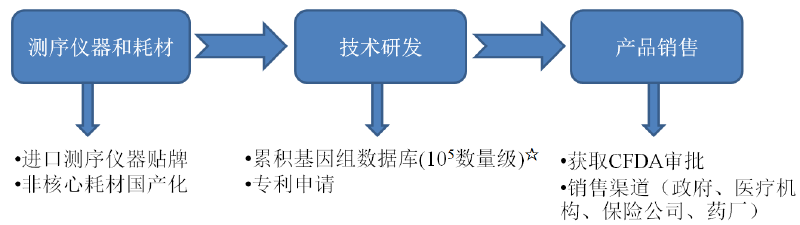
Figure 31. Hypothetical Business Models for Genetic Sequencing in China
We believe that the precision of disease prevention and diagnosis will become theCore Values. Correlating sample genotypes with phenotypes, and on this basis integrating data from clinical laboratory tests, medical imaging, and other sources, will become the industry chain'sKey Issues. Improvements in sequencing technologies to increase read lengths, along with the capability to acquire genomic data and corresponding clinical data, will determine a company's position in the industry chain.Discourse Power。
By: Li Pingzhu, Huo Chenyi, Wang Xiaoqi (Intern)
Source: Galaxy Securities