

Business Model Analysis of Leading International Genomics Companies: Leveraging Core Competencies for Systematic Market Expansion
After more than two months of research, China Galaxy Securities conducted an in-depth and comprehensive analysis of the policy environment, technological trends, and the business models and investment logic of industry giants in the gene sequencing sector, and released a deep-dive research report titled “Development Trends and Business Models in Gene Sequencing—Part I of the Precision Medicine Series.” VCBeat (WeChat ID: vcbeat) presents its core insights in five chapters; this article covers Chapter 4.
Foreign companies have adopted strategic and systematic approaches to their deployment in the gene sequencing sector, leveraging their inherent advantages to extend upstream or downstream, thereby reinforcing their industry barriers.
23andMe focuses on lowering prices to collect human genomic samples for subsequent collaborations with pharmaceutical companies;
Illumina consolidates its dominance in NGS sequencing while expanding into the mid- and downstream markets;
Roche is focusing on the development and acquisition of third- and fourth-generation sequencing technologies, while simultaneously expanding into midstream and downstream markets;
Google fully leverages the advantages of internet companies to collect genomic samples by developing cloud-based storage and analytics technologies.
23andMe is a startup company that provides genetic sequencing services., offering services in ancestry analysis, talent assessment, and health testing. The service process is highly convenient: after purchasing the product, customers receive a sample collection kit directly mailed by the company; upon completing saliva sample collection, they mail it back to the company for testing. From its humble beginnings in 2006, to the suspension of its health testing services in 2013, and now to the restoration of these services through expansion into overseas markets as well as venturing into drug development, its journey offers valuable insights.
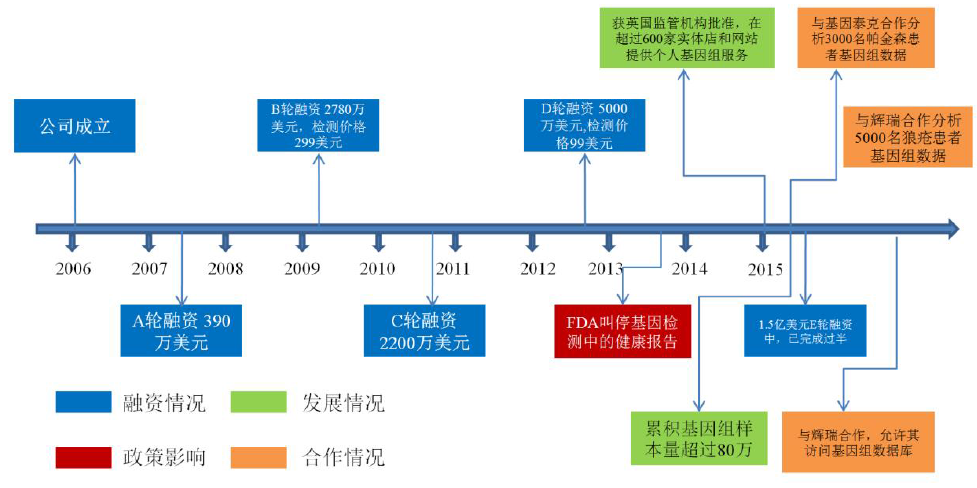
Figure 27. Major Milestones in the Development of 23andMe
23andMe has acquired genetic data from nearly one million consumers by offering testing at prices significantly lower than those of its competitors, with the aim of building the world’s largest genetic information database.23andMe, deCODE, and Navigenics offer highly overlapping services, with respective prices of $399, $985, and $2,499. Leveraging its significant price advantage and entertainment-oriented consumer model, 23andMe has attracted a large number of customers for genetic testing, accumulating hundreds of thousands of consumer data records to date.
23andMe Lowers Sequencing Costs Primarily Through Two Approaches to Collect More Genomic Data: (1) Only single nucleotide polymorphisms (SNPs) are detected during sequencing, rather than performing whole-genome sequencing; (2) Financing subsidies have been used to reduce testing prices: Following Series B and C financing rounds (totaling $50 million), the testing price was $299; after the Series D financing round ($50 million), the price dropped to $99. The company is currently preparing for a $150 million Series E financing round, having already secured $79.1 million, with widespread speculation that sequencing prices will see further significant declines.
23andMe has also been collecting genomic data by actively expanding into the European and American markets.Following the FDA’s halt of its health testing services in 2013, 23andMe’s personal health testing service gained approval from UK regulators in early 2015. The company launched its personal genomics service on the Superdrug website and in more than 600 affiliated brick-and-mortar stores across the United Kingdom, providing information on individual health and familial genetic disorders. Meanwhile, in February 2015, 23andMe repaired its relationship with the FDA, as its genetic test for Bloom syndrome regained FDA approval.
After collecting a sufficient number of genomic samples, 23andMe pivoted to the field of drug development. To date, 23andMe has completed over one million tests, although its total revenue remains under $200 million. Nevertheless, its large-scale database is highly coveted by biopharmaceutical companies. 23andMe’s primary business model has shifted to aggregating consumer genetic data and selling it to pharmaceutical or biotechnology firms, which use this information to guide drug development. In January 2015, 23andMe signed a $60 million agreement with Genentech, a subsidiary of Roche, to jointly analyze genomic sequencing data from 3,000 Parkinson’s disease patients, aiming to identify new therapeutic approaches for this neurodegenerative disorder. Subsequently, in its collaboration with Pfizer, 23andMe granted Pfizer access to its research platform, including 23andMe’s services and genetic data analysis from more than 800,000 individuals. During the initial phase of the partnership, Pfizer focused on analyzing genomic data from 5,000 lupus patients provided by 23andMe to gain deeper insights into the genetics of lupus. Meanwhile, in early March 2015, 23andMe announced the establishment of a new pharmaceutical company dedicated to identifying and developing novel therapies for diseases, marking the company’s formal entry into drug development.
Roche, founded in October 1896, is a research-driven multinational corporation primarily operating in four sectors: pharmaceuticals, medical diagnostics, vitamins and fine chemicals, and fragrances and flavors. Roche Pharmaceuticals provides internationally advanced oncology drug development, with its anti-tumor drugs holding a dominant market position. The Roche Diagnostics division offers sequencing products and services, strategically positioning for future growth while providing sequencing foundations for new drug development. Spanning both drug development and gene sequencing, Roche has implemented a new strategic layout in the gene sequencing field after its second-generation sequencing instrument, Roche 454, lost market share to Illumina.
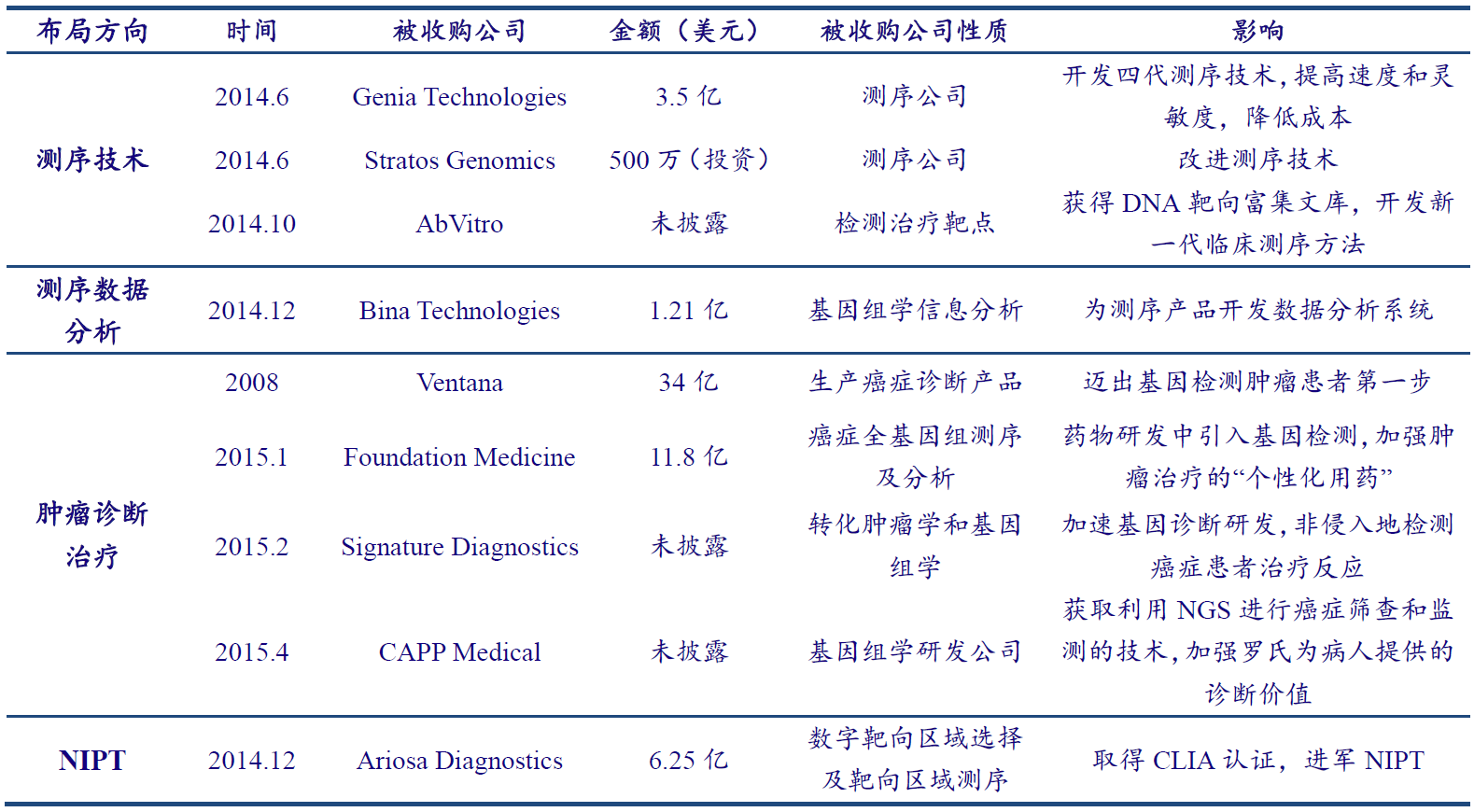
Table 11. Roche’s Business Model in the Field of Gene Sequencing
Roche’s proprietary next-generation sequencing (NGS) technology had relatively low throughput; consequently, the company abandoned its in-house NGS platform and instead acquired Genia Technologies, Stratos Genomics, and AbVitro to develop next-generation sequencing technologies., while improving accuracy and extending read lengths, it reduces sequencing time and costs. Meanwhile, the acquisition of Bina Technologies enabled Roche to develop the Bina-GMS system for its sequencing products, supporting data analysis from second-generation to fourth-generation sequencing platforms.
Roche’s Most Valued Market: Cancer Diagnosis and Personalized Treatment, Since its acquisition of Ventana in 2008, Roche has demonstrated its ambition in the oncology-related market. Subsequently, in late 2014 and early 2015, through the acquisitions of Foundation Medicine, Signature Diagnostics, and CAPP Medical, Roche gradually mastered advanced cancer screening and detection technologies, showcasing its potential in personalized oncology treatment.
Roche also through the acquisition of Ariosa DiagnosticsObtained Clinical Laboratory Improvement Amendments (CLIA) certification,Entering the NIPT Market。
Illumina was founded in 1998, at which time the company had no products or prototypes. In 2006, Illumina officially entered the second-generation DNA sequencing market through its acquisition of Solexa, and to this day, it holds over 70% of the sequencing instrument market share. Its significant advantages in next-generation sequencing forced Roche to shut down its 454 sequencing services and led to the acquisition of Complete Genomics by BGI. After rejecting Roche’s hostile takeover bid, Illumina recognized an excellent opportunity to enter the healthcare market, leveraging its high barriers to entry in the upstream segment of the industry chain to expand into the medical genomics sequencing market.
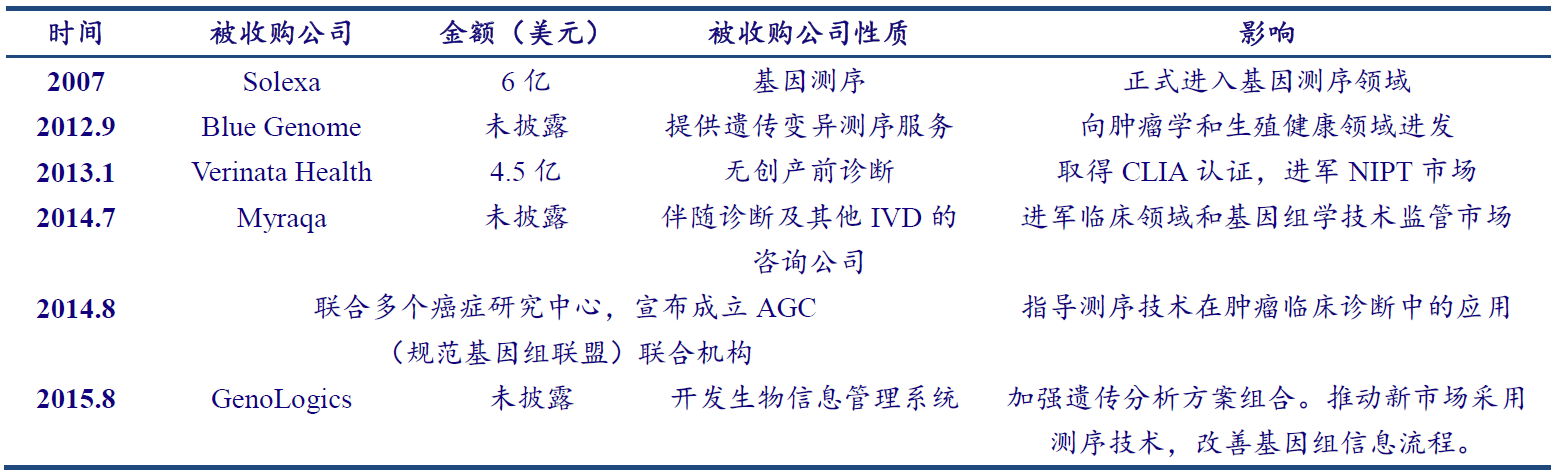
Table 12. Illumina’s Business Model in the Field of Gene Sequencing
Illumina's primary direction for downstream expansion is the application of sequencing products.: Entered the NIPT market through the acquisition of Verinata Health; entered the field of preimplantation genetic screening and diagnosis (PGS/PGD) through the acquisition of Blue Genome, and launched NGS sequencing solutions specifically designed for PGS/PGD; promoted the adoption of Illumina sequencing technology in the market through the acquisition of GenoLogics, further solidifying its position in the sequencing market. Meanwhile, Illumina entered the oncology sector by establishing the Regulated Genomics Consortium to guide the application of next-generation sequencing technology in clinical cancer diagnostics. Their goal is to define the “cancer-specific genome,” thereby enabling oncologists and pathologists to determine optimal treatment plans or improve patient prognosis.
In August this year, tech giant Google announced a restructuring to create a new holding company, Alphabet, with the original Google becoming a wholly-owned subsidiary of Alphabet. This strategic move underscores the company’s ambitious vision in the realm of technology applications, particularly in life sciences and healthcare. Leveraging its vast user base, mobile technologies, and robust computing and cloud storage capabilities, Alphabet is poised to make a strong entry into the healthcare sector.
Alphabet has three major strategic initiatives in the healthcare sector:(1) Human genome sequencing; (2) Digitalization of health data; (3) Transition to value-based healthcare.Addressing the core issue of the human genome, Google has focused on accumulating genomic sample sizes, launching a series of projects and investing in multiple companies.
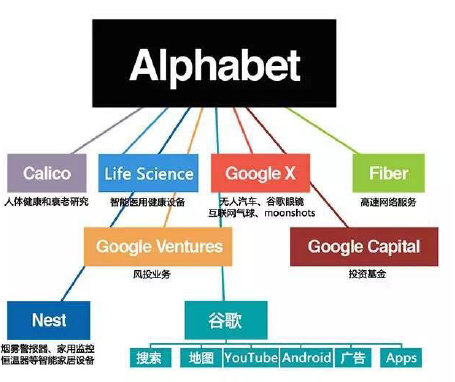
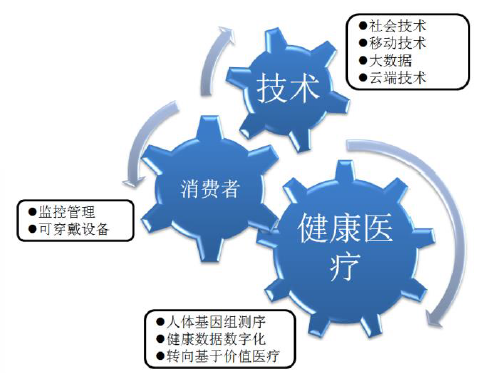
Figure 28. Alphabet Inc.
Between 2007 and 2015, Google cumulatively invested in companies such as 23andMe, Foundation Medicine, Flatiron Health, and DNAnexus, while also launching the Google Genomics data storage service to collect genomic data. In 2014, the proportion of Google Ventures’ investment capital allocated to the life and health sector surged from 9% in 2013 to 36%. Currently, 23andMe has over one million users, 800,000 of whom have consented to having their personal genomic data used for scientific research. Foundation Medicine focuses on whole-genome testing for solid tumors and hematologic malignancies. Flatiron Health is dedicated to building a cloud-based oncology platform designed to collect patients’ clinical and genomic data, treatment outcomes, physicians’ treatment notes, and cost information. DNAnexus, an advanced bioinformatics analysis company in the United States, is committed to developing cloud-based genomic data storage and analysis solutions.
Leveraging its strengths as an IT giant, Google has continuously advanced genomic analysis technologies. In March 2008, Google provided funding for a DNA sequence analysis project led by Harvard University. This initiative aimed to analyze the DNA sequences of 100,000 individuals to elucidate the underlying causes of various human diseases. In July 2014, Google X launched the Baseline Study project, which extensively collected human genomic samples and utilized big data to synthesize a reference map of the healthy human genome, thereby laying the groundwork for early disease detection and treatment.
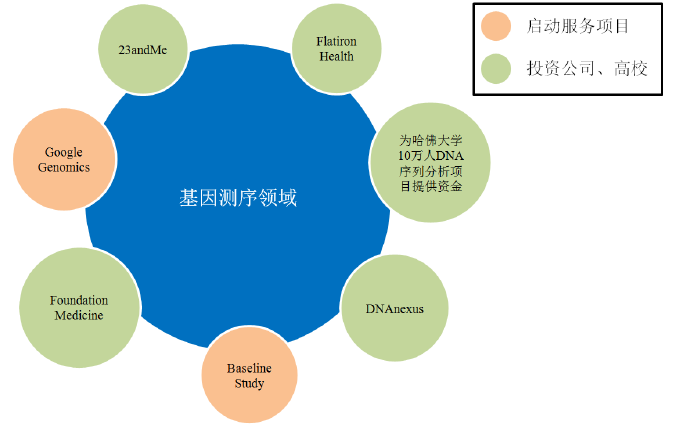
Figure 29. Alphabet’s Projects and Investments in the Field of Gene Sequencing
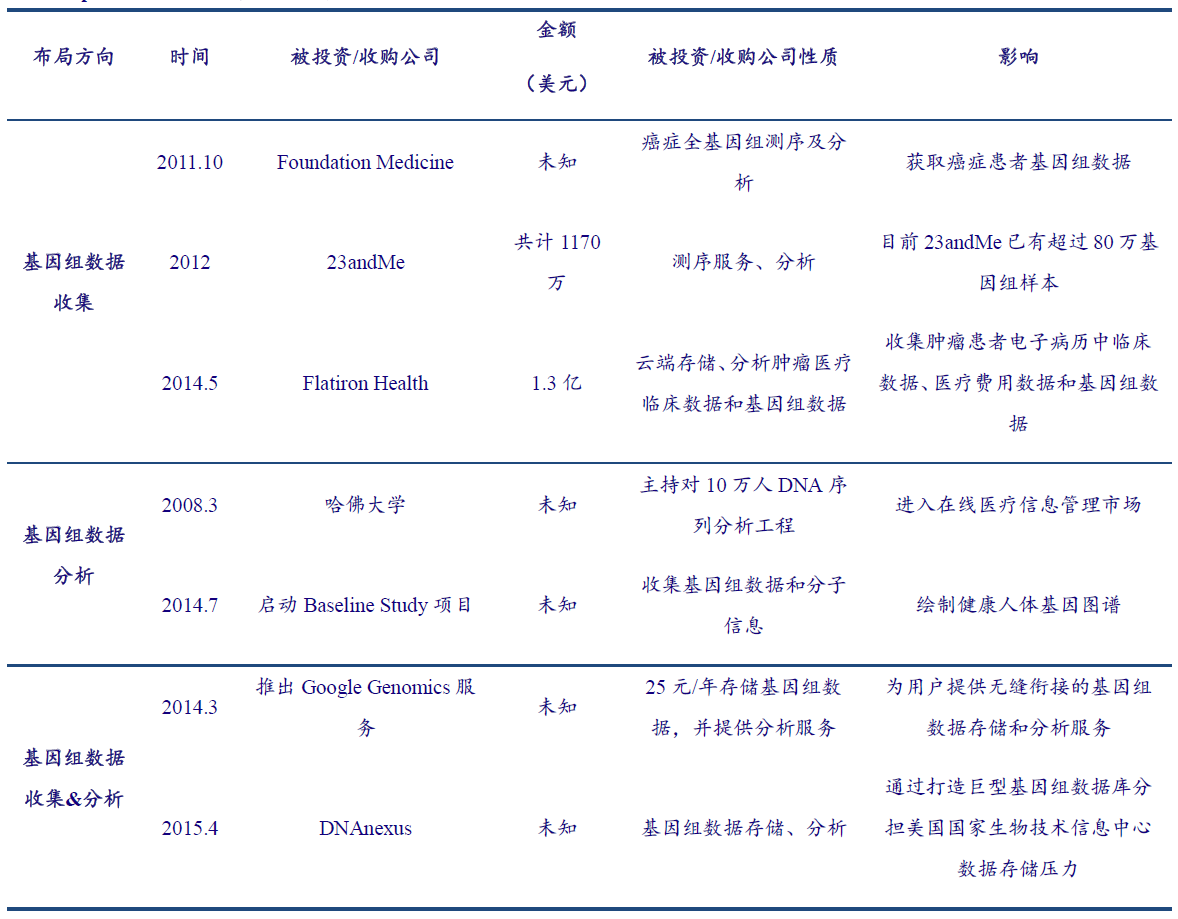
Table 13. Alphabet’s Business Model in the Gene Sequencing Sector
By: Li Pingzhu, Huo Chenyi, Wang Xiaoqi (Intern)
Source: Galaxy Securities