

Precision Medicine Ushers in a New Breakthrough in Cancer Treatment, Led by Dr. Gao Hongjun of 307 Hospital
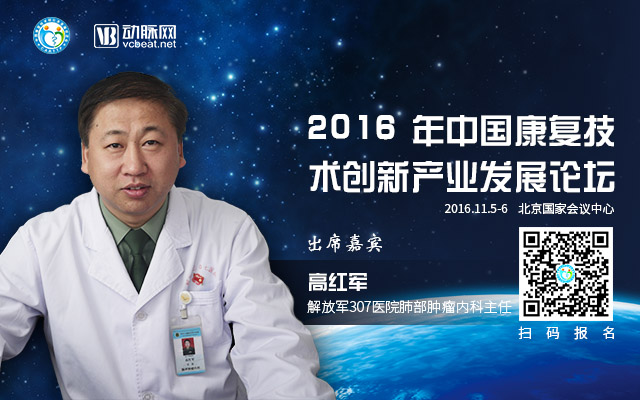
Gao Hongjun, Vice Chairman and Co-Secretary-General of the Precision Medicine and Oncology Rehabilitation Professional Committee, China Association for Promotion of Rehabilitation Technology Translation and Development
Deputy Director of the PLA Cancer Center, 307 Hospital; Director of the Department of Medical Oncology for Lung Cancer
Precision Medicine Brings New Breakthroughs in Oncology Treatment
Precision medicine is not merely a concept, but a clinical practice that offers significant benefits to the clinical treatment of cancer. It represents a revolutionary breakthrough in oncology care.
In the diagnosis and treatment of cancer, advances in genetic analysis technology have provided a deeper understanding of the molecular characteristics of diseases, elevating our comprehension to a more profound level. By classifying diseases according to their molecular profiles and developing corresponding targeted therapies, both short-term and long-term outcomes have shown significant improvement. For patients with advanced lung cancer harboring epidermal growth factor receptor (EGFR) sensitizing mutations, targeted therapy using EGFR tyrosine kinase inhibitors (EGFR-TKIs) has doubled the response rate compared to chemotherapy (the traditional chemotherapy response rate is 30%–40%, whereas the response rate for targeted therapy in patients with EGFR sensitizing mutations can reach 60%–70%). Survival time has also increased by two- to threefold, or even longer. Therefore, diagnostic approaches based on genetic analysis enable the stratification of tumors into distinct subtypes, allowing for tailored treatments that substantially enhance therapeutic efficacy. As basic research progresses, an increasing number of tumor driver genes are likely to be identified, thereby broadening the scope of precision medicine.
Precision Medicine Plays a Significant Role in Prognosis and Rehabilitation
Precision medicine can play a significant role in the process of cancer rehabilitation.
How many cycles of maintenance therapy are appropriate after first-line chemotherapy? Is it appropriate to continue targeted therapy until disease progression or the occurrence of severe adverse reactions? Since chemotherapeutic agents themselves can be carcinogenic, is it appropriate for some patients to undergo maintenance chemotherapy for ten, twenty, or even more cycles? For patients who have undergone treatment for a certain period, is continued therapy still necessary? These questions can be summarized into one: What constitutes rational treatment?
So-called rational treatment refers to managing the disease while preserving the patient’s physiological functions as much as possible. The ultimate goal of medical treatment is to ensure that patients live well.
It is difficult for conventional examination methods and their results to meet the growing demand for optimizing treatment plans; thus, new technological approaches are needed to acquire more comprehensive and refined indicators to assist both physicians and patients.
When conventional diagnostic methods yield inconclusive results regarding the continuation of treatment, there is a strong desire for alternative approaches that can provide more refined and precise data to support decision-making. Such novel technological tools are continuously being developed. Liquid biopsy, represented by circulating tumor DNA (ctDNA) and circulating tumor cells (CTCs), can offer clinicians more detailed and accurate information under nearly non-invasive conditions, thereby aiding clinical decision-making. CTC detection is a highly promising avenue that has already demonstrated its utility in clinical diagnosis and treatment at the 307 Hospital.
Limitations of Precision Medicine
Precision oncology, driven by advances in gene analysis technology, represents a significant step forward. However, its limitations must also be acknowledged. It is crucial to distinguish between the concepts of “disease” and “patient,” particularly in the context of cancer. Cancer treatment requires a comprehensive approach; focusing solely on disease diagnosis and management while neglecting the patient as an individual can lead to numerous challenges. Greater progress will be achieved only when both the genetic characteristics of the disease and the unique features of the patient are taken into account during diagnosis and treatment. Chemotherapy remains a cornerstone of cancer therapy, targeted therapy has demonstrated remarkable efficacy in specific patient populations, and immunotherapy is showing new promise. It may take some time before these novel therapeutic approaches are more widely adopted and standardized in clinical practice.
The proposal of the new therapeutic concepts of “treating the same disease differently” and “treating different diseases similarly” is also based on the rapid advances in gene analysis technologies discussed earlier, which have enabled us to recognize that different tumors may share the same genetic origin, while the same type of tumor may exhibit distinct genetic features. “Treating different diseases similarly” refers to tumors arising from different tissues that harbor identical driver gene mutations and are managed with the same gene therapy approaches. “Treating the same disease differently” refers to tumors originally classified under the same category but receiving different treatments due to differing driver genes. This represents a novel attempt; however, there is currently insufficient evidence-based medical support. Even when different tumors share the same driver gene, they do not necessarily express the same functional effector proteins; their post-translational modifications may vary across different tissue microenvironments.
Standardization of Precision Medicine
Precision medicine is becoming increasingly prevalent, yet its application varies significantly across different hospitals. In institutions that have achieved standardized implementation, the benefits of precision medicine are rapidly evident. In other healthcare facilities, however, casual, one-sided, or even erroneous understanding and application may occur due to various factors, including limitations in information access and comprehension, medical management issues, and established clinical practices. For instance, some clinicians prescribe targeted therapies upon detecting gene mutations without further determining whether these mutations confer sensitivity or resistance to the drugs. This status quo must be changed. The Professional Committee has developed a plan to establish multiple standardized training platforms nationwide to promote and popularize standardized diagnosis and treatment of cancer, thereby serving society.
To further explore the development trends in technological innovation and translation within the healthcare industry, the China Association for Promotion of Rehabilitation Technology Translation and Development held the “2016 China Forum on Industrial Development of Rehabilitation Technological Innovation & The Third Member Representative Congress of the China Association for Promotion of Rehabilitation Technology Translation and Development” at the Beijing National Convention Center from November 5 to 6, 2016.
This forum will closely revolve around the theme of “Focusing on Healthy China, Promoting Innovative Industries,” adhering to the conference’s mission of “Learning, Communication, Discussion, and Exchange.” It will delve into hot topics such as how to drive innovative development in medical and health industry technologies and how to foster deeper integration among industry, academia, research, and technology transfer in the healthcare sector. Furthermore, the forum will interpret and discuss key issues, policies and regulations, guiding principles, and development models related to the implementation of the “Healthy China” national strategy.
Related Reading:
Gao Hongjun of the 307th Hospital: Precision Medicine Brings New Breakthroughs in Cancer Treatment
Hailiying Yu Hai: Advancements in Information Technology Must Align with Medical Principles
Beijing Bo'ai Hospital's Zhang Hao: Intelligent Rehabilitation Is the New Hope for Rehabilitation