

Chinese Academy of Sciences' Hu Songnian Aims to Build a Hypertension Genomic Database for the Chinese Population
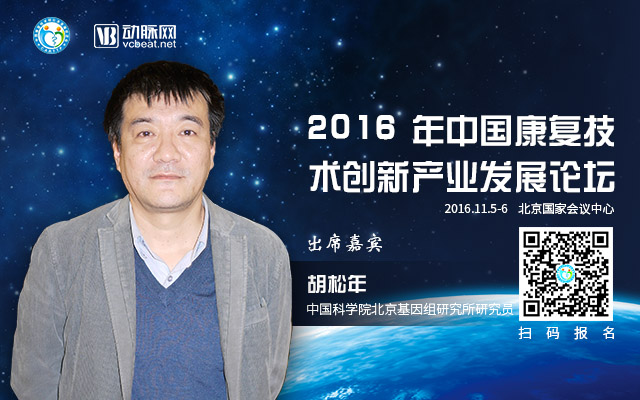
Hu Songnian, Researcher at the Beijing Institute of Genomics, Chinese Academy of Sciences

Zhang Yanwei, CEO of Beijing Yixu Medical Technology Co., Ltd.
As is well known, China has a massive burden of hypertension, with more than 300 million affected individuals. Hypertension is the most common chronic non-communicable disease and the most important risk factor for cardiovascular disease. According to data from the Report on the Status of National Nutrition and Chronic Diseases in 2012, released by the State Council Information Office in 2015, the prevalence of hypertension among Chinese adults aged 18 years and older was 25.2%. Hypertension not only has a high incidence but can also lead to complications affecting organs such as the heart, brain, and kidneys, posing a serious threat to human health.
Extensive research both domestically and internationally has demonstrated that primary hypertension is a complex disease determined by the interplay of environmental and genetic factors. Professor Hu Songnian, who was recently interviewed by VCBeat, serves as the Director of the CAS Key Laboratory of Genomic Sciences and Information at the Beijing Institute of Genomics, Chinese Academy of Sciences, and has conducted extensive in-depth research in genomics in recent years.
Drug Metabolism Rate Is Associated with Genes
Within genomics, there is a highly specialized branch known as “pharmacogenomics,” which classifies populations, detects individual genetic loci across different groups, and correlates these findings with drug efficacy and other related factors. As a foundational discipline, genomics serves as an important research tool; however, it gains greater significance only when integrated with clinical phenotypes, medication outcomes, and individual responses. Drug responses vary among individuals of different ages, sexes, and ethnicities, with genetic factors being the primary source of such interindividual variability in drug response.
Professor Hu Songnian provided a detailed explanation on this issue during this exclusive interview.
Professor Hu began by introducing pharmacogenomics. Pharmacogenomics is a field of active research in China. Previously, due to the high costs of sequencing, studies were limited to single genes or a few prominent ones, such as those encoding key drug-metabolizing enzymes within the cytochrome P450 family. Cytochrome P450 plays a crucial role in the metabolism of Western medicines; across all ethnic groups, more than 90%, and often an even higher proportion, of these drugs are primarily metabolized through this system. The genotypes of key enzymes in this system determine the efficiency of drug metabolism.
Metabolic efficiency, as discussed here, refers not only to antihypertensive medications but also to commonly used drugs such as cold remedies. Variations in metabolic efficiency among individuals can lead to significant differences in drug efficacy or adverse reactions. For instance, some hypertensive patients experience severe side effects from nifedipine but tolerate amlodipine (Norvasc) without issue. These differing drug responses are attributed to individual genetic variations that result in varying capacities to metabolize different medications.
When explaining why drug efficacy varies among different individuals, Professor Hu introduced the following:“Often, some individuals experience significant side effects from certain medications, largely because their individual genotypes result in a metabolic response to the drug that belongs to‘Poor Metabolism’or‘Slow Metabolism’, some side effects will accumulate in the body when taking the conventional dose. And‘ Fast Metabolism ’It is also common for individuals of this phenotype to experience accelerated drug metabolism after administration, resulting in subtherapeutic efficacy at standard doses and unsatisfactory treatment outcomes.”
“Therefore, providing recommendations for personalized medication for patients with chronic hypertension through genetic testing is crucial for enhancing drug efficacy, improving treatment efficiency and medication outcomes during the initial diagnosis stage, and shortening the trial-and-error period for medication adjustment.””
Absence of a Chinese Population Genetic Database
In genomics, to reveal and understand the correlations and mechanisms of action among “the human body and diseases, diseases and drugs, and drugs and host metabolism,” it is essential to use gene databases specific to the Chinese population, ultimately achieving personalized precision medicine for hypertension.
Racial differences do indeed exist in drug metabolism levels, particularly for the wide variety of antihypertensive medications, where significant disparities are observed between Chinese and Western populations. Regarding this issue, Professor Hu stated, “The biggest challenge in currently conducting pharmacogenomic research is the lack of foundational genetic data in our country. The vast majority of antihypertensive drugs used clinically today were developed based on known genetic loci identified in Western populations, resulting in considerable missed detections when applied to the Chinese population.”
To this end, under the guidance of Professor Hu Songnian, Yixu Medical designed and developed a gene sequencing product for personalized medication in hypertension. The testing scope includes genetic risk assessment for primary hypertension and related cardiovascular and cerebrovascular diseases, as well as individual metabolic levels for over forty drugs across five major classes of antihypertensive agents and their combination therapies.
“Through such technological translation, the first benefit is that by integrating research institutions, enterprises, and clinical medical facilities, more comprehensive auxiliary information can be provided to clinicians, thereby enabling personalized treatment for hypertension and contributing to precision medicine; the second benefit is the expectation that, through efficient commercial operations by enterprises, the goal of ‘free testing for 100,000 people, enrollment and follow-up for one million people, and clinical benefits for ten million people’ will be achieved within three years. Ultimately, long-term and continuous follow-up of large population samples will help establish China’s own genetic database for hypertensive populations, laying a solid foundation for subsequent scientific research.”
This project aims to establish a Chinese genomics database for hypertension, promote the integration of industry, academia, and research as well as the translation and application of new technologies, close the loop on comprehensive medical services for personalized prevention and treatment of hypertension and chronic disease management, and map the genetic landscape of hypertension in China.
Gene Sequencing Must Have Practical Significance
Zhang Yanwei, founder of Yixu Medical, stated that while the current gene sequencing market includes products for detecting drug targets related to diseases, there are also emerging products for assessing disease susceptibility in hypertension and cardiovascular/cerebrovascular conditions. However, most of these tests remain prohibitively expensive, hindering large-scale screening and follow-up among the broad population of patients with chronic diseases.
Investigating the association between genes and diseases is a highly complex issue, as it involves not only genetic factors but also lifestyle habits and environmental influences; therefore, rigorous scientific rigor is essential in addressing these challenges.
In response, Zhang Yanwei, founder of Yixu Medical, stated in an interview: “Our newly launched ‘Personalized Precision Medication for Hypertension’ gene sequencing product involves highly complex testing loci and read lengths. However, by leveraging our company’s two independently developed core NGS patented technologies and collaborating with Professor Hu’s research team on data analysis, we have not only improved data quality but also reduced the per-sample testing cost to just a few hundred RMB. This lowers the barrier for users and expands the addressable market size.”
“Our collaborative project with Professor Hu aims not only to develop an affordable hypertension medication screening product for the general public, but more importantly, to collect extensive genetic data for subsequent scientific research. By identifying hotspot genes and specific drug therapeutic target genes unique to Chinese hypertension patients, we intend to map the genetic landscape of hypertension in China, paving the way for the future development of antihypertensive drugs better suited to the Chinese population.”
Closing the Loop on Chronic Disease Management for Hypertension
Yixu Medical will continue to focus on precision medicine and personalized treatment in the vertical field of hypertension. By leveraging the unique advantages of its proprietary patented technologies, the company is developing gene sequencing products for precise antihypertensive medication. Furthermore, Yixu Medical is committed to collaborating with numerous service providers across the industry chain to collectively establish a closed-loop service system for the chronic disease management of hypertension.
This is an era of innovation, an era of cross-disciplinary collaboration, and an era of integration. Facing a target market of over 300 million hypertensive patients in China, the efforts of a single enterprise or research institution are far from sufficient. Achieving comprehensive, end-to-end care and management for hypertensive patients requires the participation of clinicians, the application of smart wearable devices, the integration of multi-dimensional doctor-patient communication and follow-up, as well as support and collaboration from multiple sectors, including pharmaceutical companies and even insurance providers.
In the future, under the guidance of Professor Hu Songnian, Yixu Medical will leverage comprehensive omics data analysis of individual samples to assist in clinical medication regimens. By further integrating with medical big data, the company aims to establish a Chinese hypertension pharmacogenomics database, identify action target genes unique to the Chinese population, and collaborate with pharmaceutical companies to develop antihypertensive drugs better suited for Chinese patients. This initiative will hold irreplaceable social significance and commercial value.
Gene sequencing is not synonymous with precision medicine; however, the implementation and realization of precision medicine are inextricably linked to advancements in gene sequencing technology and the application of genomics big data. In the future, Yixu Medical will be dedicated to mapping the genetic landscape of hypertension in China, thereby better serving the Chinese hypertensive population through targeted prevention, personalized treatment, and systematic intervention.
To further explore the development trends of technological innovation and translation in the healthcare industry, the China Association for Rehabilitation Technology Translation and Development held the “2016 China Rehabilitation Technology Innovation and Industry Development Forum & The 3rd Member Representative Conference of the China Association for Rehabilitation Technology Translation and Development” at the Beijing National Convention Center on November 5–6, 2016.
Centered on the theme of “Focusing on Healthy China, Promoting Innovative Industries,” and adhering to the conference’s mission of “Learning, Communication, Discussion, and Exchange,” this forum will delve into key issues such as fostering innovative development in healthcare technologies and strengthening the integration among industry, academia, research, and technology transfer in the medical and health sectors. It will also interpret and discuss hot topics, policies and regulations, guiding principles, and development models related to the implementation of the national strategy of “Healthy China.”
Related Reading:
Gao Hongjun of the 307th Hospital: Precision Medicine Brings New Breakthroughs in Cancer Treatment
Hailiying Yu Hai: Advancements in Information Technology Must Align with Medical Principles
Zhang Hao of Beijing Bo’ai Hospital: Intelligent Rehabilitation Is the New Hope for Rehabilitation