

MIT Technology Review's Top 14 Breakthrough Medical Technologies (2012–2016): Part I – Innovations Reshaping Healthcare
Since 2001, MIT Technology Review has annually released its “10 Breakthrough Technologies,” also known as TR10 (Technology Review 10), predicting their potential for large-scale commercialization and their significant impact on human life and society.
These technologies represent the cutting edge of current global scientific and technological development and its future trajectory. They collectively reflect the new characteristics and trends that have emerged in recent years, guiding future-oriented research directions. Many of these technologies have already entered the market, leading the advancement of industrial technology and significantly driving economic and social development as well as scientific and technological innovation.
As Jason Pontin, Editor-in-Chief of MIT Technology Review, stated, the definition of breakthrough technology is straightforward: it refers to solutions that enable people to harness technology in high-quality ways. Some technologies are the crystallization of engineers’ ingenious creativity, while others represent the culmination of scientists’ numerous attempts to address long-standing challenges (such as deep learning). The purpose of selecting the “10 Breakthrough Technologies” is not only to showcase new innovations but also to emphasize that human intelligence and ingenuity are the driving forces behind these technological advancements.
Therefore, VCBeat (WeChat ID: vcbeat) has curated a selection of technological breakthroughs in the medical field from 2012 to 2016. Given the rapid pace of technological iteration, this review focuses exclusively on advances made within the past five years. Due to the extensive length of the article, it is divided into two parts, each introducing seven technologies. This is Part I. These technologies were developed to address specific challenges; they hold the potential to significantly expand human capabilities and may even reshape the world, warranting special attention in the years to come.
![nanopore_x616[1]_meitu_5.jpg](https://cdn.vcbeat.top/upload/image/aa/2d/2d/9c/9909f80eb3c16177465293e602454086.jpg "1478052097844616.jpg")
Flowchart of Nanopore Sequencing
It can read longer gene fragments, which helps in understanding the complex regions of the genome.
Maturity Phase:At least 10 years later
Breakthrough Point:Translocate single-stranded DNA through a protein nanopore to detect minute changes in conductance as bases pass through.
Importance:Genomic Sequencing: Faster, Cheaper, and More Accessible, Ushering in the Era of Personalized Medicine
Key Players in This Field:Oxford Nanopore
Looking back at the development of sequencing technologies, none has had such a slow start as nanopore sequencing. In 1996, Daniel Branton from Harvard University, David Deamer from the University of California, and their colleagues published an article in the Proceedings of the National Academy of Sciences (PNAS), pointing out for the first time that polynucleotide sequences could be detected using membrane channels. The concept of sequencing using nanopores is very intuitive: DNA bases pass through the nanopore one by one, with each base being rapidly identified. Compared to other DNA sequencing methods, it does not require fluorescent reagents to identify bases or cleave DNA molecules, nor does it need amplification of fragments, allowing for rapid detection of genetic translocations and similar events.
In 2005, Oxford Nanopore Technologies, founded by Bayley, Gordon Sanghera, and Spike Wilcocks, demonstrated the commercial viability of nanopore sequencing. This technology offers a method that makes genome sequencing faster, more affordable, and sufficiently convenient for physicians to adopt as the most routine sequencing approach, thereby ushering in the era of personalized medicine; however, its accuracy still requires improvement.
In particular, in 2012, Oxford Nanopore Technologies launched the MinION, a handheld nanopore sequencer that is portable and cost-effective. Capable of reading longer DNA fragments, this platform offers an average read length of approximately 5 kb, with maximum reads reaching up to 20 kb, thereby facilitating the characterization of complex genomic regions. The MinION can be connected directly to a laptop via USB, enabling real-time visualization of data generation on the screen. Recently published studies have demonstrated the practical utility of the MinION, including accurate sequencing of small genomes (such as those of bacteria and yeast), differentiation of closely related bacterial and viral strains, and resolution of complex regions within the human genome.
This year, Jingyue Ju from Columbia University and Professor George Church from Harvard University collaborated to develop a nanopore-based single-molecule sequencing-by-synthesis (SBS) system, upgrading this sequencing technology to create a high-throughput single-molecule nanopore sequencing platform.However, scientists are currently working to improve the accuracy of this sequencing method by slowing down the rate at which DNA strands pass through nanopores, as the technology remains immature at present.
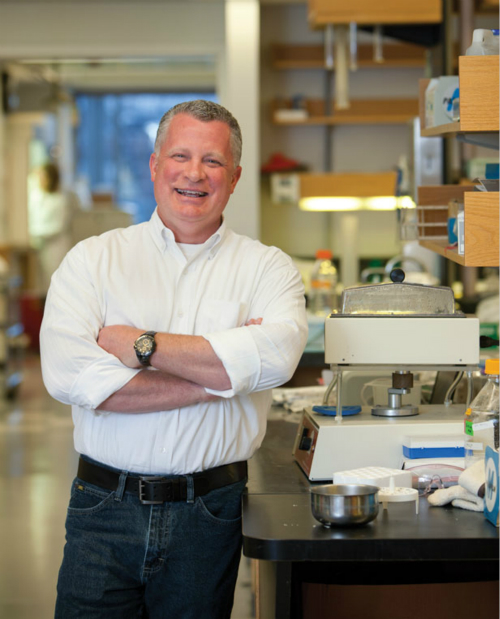
Harvard reproductive biologist Jonathan Tilly
Humans also possess oogonial stem cells similar to those found in animals such as mice, which could serve as an inexhaustible source of oocytes.
Maturity Stage:Challenged
Breakthrough Point:Precise Cell Sorting Technology Isolates Oogonial Stem Cells from Adult Ovaries
Importance:Mass Cultivation of Oogonial Stem Cells in the Laboratory to Treat Female Infertility and Even Delay Premature Ovarian Failure
Key Players in This Field:Massachusetts General Hospital, OvaScience, Jonathan Tilly
The research team led by Jonathan Tilly, a reproductive biologist at Harvard University who also directs a Center for Reproductive Biology at Massachusetts General Hospital, has demonstrated that humans possess oogonial stem cells similar to those found in mice and other animals, which could serve as an inexhaustible source of oocytes. Since both the quantity and quality of oocytes decline in women after the age of 40, the discovery of “oogonial stem cells” holds promise for providing new approaches to treating female infertility and even delaying premature ovarian insufficiency.
These oogonial stem cells are derived from the ovaries of adult women, indicating that new oocytes may still be formed after adulthood. If these oogonial stem cells can be extensively cultivated in the laboratory, it would mean having an inexhaustible source of oocytes for medical purposes. This finding challenges the traditional view that the number of oocytes in women is fixed at birth.
Tilly’s team first demonstrated in 2004 that female mice continue to produce oocytes into adulthood. Later, the team developed a more precise cell-sorting technique and used it to isolate oogonial stem cells from adult human ovaries. The isolated cells, similar to mouse oogonial stem cells, spontaneously formed cells with oocyte-like characteristics, exhibiting the physical appearance and genetic expression patterns of oocytes found in human ovaries.
Tilly stated that the research holds promise for establishing a human oogonial stem cell bank. Most critically, it may lead to methods for developing oogonial stem cells into mature human oocytes during in vitro fertilization (IVF), thereby improving IVF outcomes and providing new therapies for infertility. However, oogonial stem cells remain subject to skepticism, and no live births have yet been achieved through the cultivation of oogonial stem cells.
Boston-based OvaScience is commercializing Tilly’s work. The company’s co-founders include venture capitalist Christoph Westphal and Harvard University anti-aging researcher David Sinclair, who previously founded Sirtris Pharmaceuticals and sold it to GlaxoSmithKline for $720 million in 2008. OvaScience raised $43 million in 2012 to pursue stem cell-based fertility treatments and other applications, and the company is currently operating successfully.
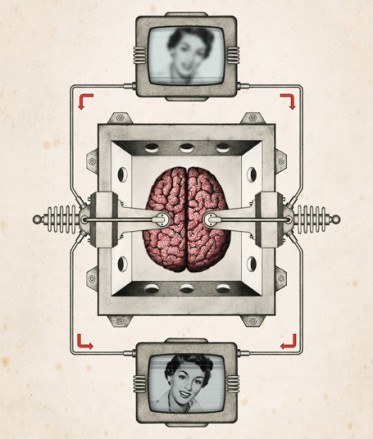
Memory Transplantation: Still Subject to Significant Skepticism
It’s not far off—the day when patients with severe memory loss can receive assistance from electronic implants.
Maturity Stage:Not yet mature
Breakthrough Point:Using Memory Data, Signals Are Converted by Silicon Chips into a Form of Long-Term Memory
Significance:Restorative Transplantation for Patients with Long-Term Memory Loss
Key Players in This Field:Theodore Berger
The idea is so bold that it lies far outside the mainstream of neuroscience. Theodore Berger plays the role of a visionary pioneer in this field. He is a biomedical engineer and neuroscientist at the University of Southern California, Los Angeles, who envisions that, in the not-too-distant future, patients with severe memory loss will be able to benefit from electronic implants.
In individuals whose brains have been affected by Alzheimer’s disease, stroke, or injury, disrupted neuronal networks often impair the formation of long-term memories. For more than two decades, Berger has designed silicon chips to mimic the signal processing performed by these neurons under normal conditions, a capability that enables us to retain experiences and knowledge within minutes. Ultimately, Berger aims to restore the ability to form long-term memories by implanting such chips into the brain.
Berger has successfully developed silicon chips that interface with the external surfaces of rat and monkey brains via electrodes, processing information akin to that of actual neurons, and has achieved success in neuroprosthetic surgeries. Cochlear implants have helped over 200,000 deaf individuals regain hearing by converting sound into electrical signals and transmitting them to the auditory nerve. Other researchers have also made initial progress in developing artificial retinas for the blind.
Berger also collaborated with Vasilis Marmarelis, a biomedical engineer at the University of Southern California (USC), to begin developing brain prostheses. They initially used hippocampal slices from rats. Knowing that neuronal signals travel from one end of the hippocampus to the other, the researchers delivered random pulses to the hippocampus, recorded signals at various locations to observe how they were transformed, derived mathematical equations describing these transformations, and implemented these equations on computer chips. Using this data, Berger and his team modeled how signals are converted into long-term memories.
Despite the uncertainties, Berger and his colleagues have been planning human studies. He has also collaborated with clinicians at his university to test the use of electrodes implanted on each side of the hippocampus to detect and prevent seizures in patients with severe epilepsy, and even to help these patients locate memories within the brain.
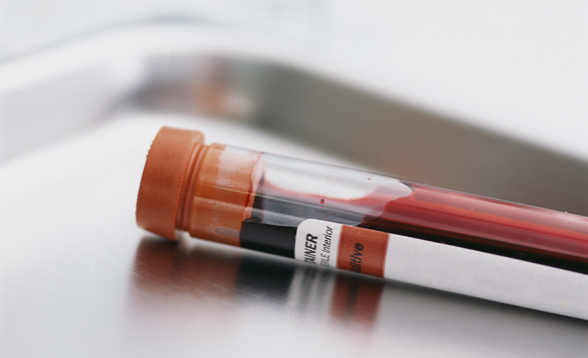
Prenatal DNA Testinghas advanced to the stage of non-invasive prenatal testing (NIPT)
It is now possible to extract cell-free fetal DNA (cffDNA) from maternal peripheral blood for disease screening.
Maturity Stage:Mature
Breakthrough Point:Genetic Sequencing of Fetal DNA from a Small Sample of Maternal Blood
Importance:Prenatal Genetic Testing to Rule Out Multiple Genetic Disorders
Key Players in This Field:Illumina, Verinata, Sequenom, Natera, Ariosa, LifeCodexx, Dennis Lo
When discussing prenatal DNA sequencing, it is impossible not to mention Illumina and Verinata. On January 7, 2013, Illumina—the world’s most widely used manufacturer of DNA sequencers—acquired Verinata for $350 million. At the time, Verinata was merely a startup with virtually no revenue. What attracted Illumina was Verinata’s advanced technology: DNA sequencing of unborn fetuses. This technique can detect Down syndrome by analyzing fetal DNA found in a small sample of the mother’s blood. Previously, Down syndrome screening required obtaining fetal cells from the placenta or amniotic fluid, procedures that carried a certain risk of miscarriage.
Fetal genomic information can be obtained from maternal blood. Some patients undergo genomic sequencing to understand their genetic disorders or diseases such as cancer; however, in the future, humans will not need to wait for disease onset to undergo sequencing, as relevant information will be available at birth. According to research by Dennis Lo, a scientist from Hong Kong, China, 15% of the cell-free DNA in maternal blood originates from the fetus.
Through rapid DNA sequencing technologies, these fragments can be converted into vast amounts of information. However, Stephen Quake, a biophysicist at Stanford University and founder of Verinata, soon discovered that fetal DNA in maternal blood could be used not only to screen for chromosomal abnormalities but also to perform whole-genome sequencing of the fetus. This approach enables the exclusion of risks for conditions such as cystic fibrosis, beta-thalassemia, and autism before birth. Moreover, the cost of this genetic testing has been continuously declining.
Currently, the field has advanced to the stage of non-invasive prenatal testing (NIPT). This technology involves extracting cell-free fetal DNA (cffDNA) from maternal peripheral blood to screen for conditions such as Down syndrome, Rh blood type, sex chromosome abnormalities, and fetal sex. It is the most fiercely competitive segment within the sequencing industry. NIPT is gradually becoming widespread globally, particularly in low- and middle-income countries. However, prenatal testing has made the legal and ethical obligations faced by physicians more complex. Recently, the National Health and Family Planning Commission issued a notice officially canceling the pilot programs for non-invasive prenatal screening and diagnosis; screening institutions must now obtain new professional practice licenses. While adults can decide whether to have their own genomes sequenced, unborn fetuses cannot provide consent. Such information may impact an individual’s entire life. Some have even proposed that service providers offering these tests should limit their reports to approximately 20 of the most common severe diseases.
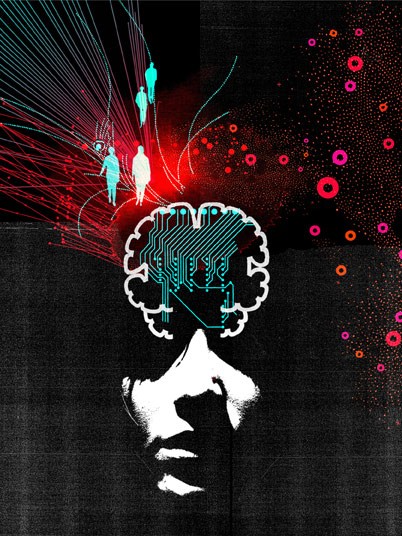
Deep Learning: The Core Force Driving the Advancement of Artificial Intelligence
Providing physicians with evidence-based treatment options has enabled better clinical decision-making.
Maturity Stage:In Use
Breakthrough Point:Deep learning algorithms for neural networks have significantly enhanced the capabilities of neural networks.
Importance:Aims to simulate the workings of the brain to enhance medical efficiency, with a particular focus on achieving precision medicine in oncology.
Key Players in the Field:Google, Google, Apple, IBM, Microsoft, Facebook, Baidu, etc.
Deep learning is deeply intertwined with the advancement of artificial intelligence. In fact, deep learning is not a novel concept; it is an evolution of traditional neural networks. Geoffrey Hinton, a pioneer in the field of neural network research, proposed a deep learning algorithm for neural networks in 2006, significantly enhancing their capabilities and posing a challenge to support vector machines. Hinton and his student Ruslan Salakhutdinov published a paper in the prestigious academic journal Science, marking the beginning of the era of deep learning.
At the core of deep learning are algorithms, which have undergone a rapid cycle of iteration. Various new algorithmic models, such as Deep Belief Networks, Sparse Coding, Recursive Neural Networks, and Convolutional Neural Networks, have been continuously proposed. Among these, the Convolutional Neural Network (CNN) has emerged as the most prominent algorithmic model for image recognition and is now widely applied in fields such as speech recognition and image recognition.
In the medical field, deep learning-based artificial intelligence has driven remarkable advances in medical imaging—enhancing resolution, analytical breadth, and speed—as well as in diagnostics. These advancements span from algorithms that learn to identify complex patterns in rich medical datasets, to analyses of real-world evidence supporting personalized medicine, to elucidating the sequence specificity of DNA-binding proteins and leveraging this knowledge to aid genomic diagnosis and personalized therapy. Moreover, AI has demonstrated substantial potential in drug development and broader therapeutic interventions.
Google, in particular, has become a magnet for talent in deep learning and artificial intelligence. In March 2013, Google acquired a startup founded by Geoffrey Hinton, a computer science professor at the University of Toronto and a member of the team that won the Merck Challenge. Hinton will maintain dual affiliations with both the university and Google, stating that he plans to “develop ideas in this field and then apply them to real-world problems,” including image recognition, search, and natural language understanding.
In June 2012, Google unveiled one of the largest neural networks of its time, featuring over one billion connections. A team led by Andrew Ng, a Professor of Computer Science at Stanford University, and Jeff Dean, a researcher at Google, presented the system with ten million images randomly selected from YouTube videos. A simulated neuron within the software model specialized in recognizing images of cats, while others focused on human faces, yellow flowers, and other objects. Leveraging the capabilities of deep learning, the system identified these distinct objects without any prior definition or labeling. In the field of precision oncology, IBM’s Watson can screen through 1.5 million patient records—including medical histories and treatment outcomes—spanning decades of cancer treatment history within seconds, providing physicians with evidence-based treatment options and thereby facilitating better clinical decision-making.
From 2011 to 2015, merger and acquisition (M&A) funding in the field of artificial intelligence grew from $282 million to $2.388 billion in 2015, while the number of M&A deals increased from 67 to 397. Industry giants such as Google, Apple, IBM, Microsoft, and Facebook are strategically positioning themselves in the sector through acquisitions.
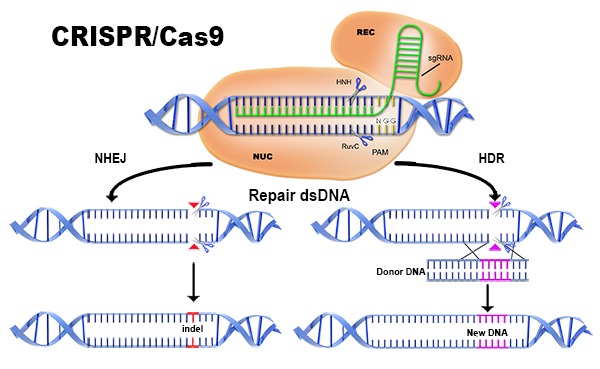
CRISPR Workflow: Innovatively Leveraging RNA
The ability to generate primates with targeted mutations via gene editing provides scientists with a method to study genetically related diseases.
Maturity Stage:Enter Diagnosis
Breakthrough Point:Construction of Two Monkeys Carrying Specific Gene Mutations Using Genomic Tools
Importance:Provides New and Valuable Tools for Human Disease Research
Key Players in the Field:Yunnan Provincial Key Laboratory of Primate Biomedicine, Jennifer Doudna (University of California, Berkeley), Feng Zhang (Massachusetts Institute of Technology), George Church (Harvard University)
Scientists believe that CRISPR may be the most significant gene-editing technology to emerge since the dawn of the biotechnology era in the 1970s. The CRISPR system possesses dual capabilities for searching and replacing DNA, enabling scientists to easily alter DNA function by substituting base pairs. It has already been demonstrated that CRISPR can treat muscular dystrophy and rare liver diseases in mice, and confer HIV immunity to human cells, among other remarkable achievements. In the capital markets, investments in this field have reached tens of millions of dollars. Emmanuelle Charpentier founded CRISPR Therapeutics in Europe. Jennifer Doudna previously co-founded Editas Medicine with Feng Zhang; after leaving Editas Medicine, she established a smaller company, Caribou Biosciences.
CRISPR/Cas is a natural immune system found in most bacteria and archaea, used to combat invading viruses and exogenous DNA. The first subjects tested were Mingming and Lingling, a pair of female twin rhesus macaques born at Kunming Biomedical International and the Key Laboratory of Primate Biomedical Research in Yunnan Province. Following in vitro fertilization, scientists employed the novel DNA engineering technology CRISPR to edit three genes in the fertilized eggs. This milestone demonstrated that CRISPR could achieve targeted genetic modifications in primates. Over the past few years, CRISPR has been developed by researchers at institutions such as the University of California, Berkeley, Harvard University, and the Massachusetts Institute of Technology. This technology has begun to transform scientists’ understanding of genetic engineering, as it enables precise and relatively easy modification of genomes.
CRISPR can precisely and relatively easily modify DNA at specific locations on chromosomes. In theory, this technology can alter the genes of any animal cell type in a petri dish, including human cells. CRISPR is similar to earlier genome-editing methods, such as zinc-finger nucleases (ZFNs) and transcription activator-like effector nucleases (TALENs). However, these two earlier approaches rely on proteins to target specific sequences, which are often difficult to produce and costly. In contrast, CRISPR utilizes RNA, making its design considerably easier.
The clinical significance of a given genetic variant is often unclear; it may be pathogenic or merely indirectly associated with a disease. CRISPR technology can help researchers identify mutations that are definitively disease-causing. Although disputes over CRISPR patent ownership persist, it is widely acknowledged that Emmanuelle Charpentier and Jennifer Doudna drove the development of CRISPR editing, while Feng Zhang revealed its immense potential by demonstrating its functionality in eukaryotic cells. George Church of Harvard Medical School independently confirmed Zhang’s findings.
The most promising future application of CRISPR lies in repairing genes within human tissues, offering potential treatments for genetic disorders such as hemophilia, rare metabolic diseases, Huntington’s disease, and schizophrenia. As our understanding of the CRISPR system deepens and experimental designs are further optimized, its targeting efficiency is expected to improve significantly. Ultimately, CRISPR and its derivative technologies will usher in a monumental transformation in the history of science.
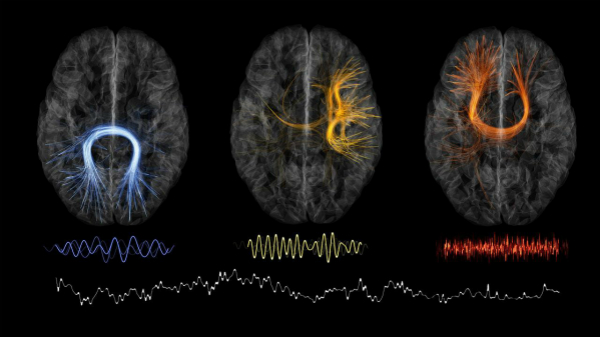
Clear Brain ImagingEnabling neuroscientists to observe brain structures more comprehensively and in greater depth
Unprecedentedly detailed brain imaging maps dissect the human brain at the cellular level for the first time, providing neuroscientists with a guide to deciphering its infinite complexity
Maturity Stage:Not Fully Mature
Breakthrough Point:High Resolution: Revealing the Structure of the Human Brain at a 20-Micron Scale
Significance:Enables neuroscientists to observe brain structures more comprehensively and in greater depth, understand the interactions among different brain regions, and elucidate how brain architecture governs human behavior.
Key Players in This Field:Katrin Amunts (Forschungszentrum Jülich, Germany), Alan Evans (Montreal Neurological Institute), Karl Deisseroth (Stanford University), Washington University in St. Louis
The human brain has long remained an enigmatic domain, and humanity has continually strived to comprehend it in its entirety. Ambitious initiatives such as the “Human Brain Project” (which proposes modeling the human brain on supercomputers) and the “BRAIN Initiative” (which aims to acquire and model brain activity data across multiple dimensions) are all attempting to construct a comprehensive picture of brain activity.
Early efforts in brain mapping are attributed to neuroanatomists, most notably Korbinian Brodmann at the beginning of the 20th century. Prior to this, the notion that different brain regions subserve distinct functions had emerged with the popularity of phrenology and was further reinforced by findings on the functional roles of specific brain areas, such as Broca’s area. However, Brodmann focused on the cytoarchitecture of brain regions and did not construct a three-dimensional (3D) model of the brain. The advent of 3D brain models is credited to the French neuroanatomist Jean Talairach, who proposed a 3D brain model in 1967, which was later refined by Tounoux in 1988.
The most widely used templates currently are the MNI series of templates, established in the 1990s by the Montreal Neurological Institute (MNI) in Canada. In their initial efforts, they scanned the brain structures of 241 healthy volunteers and, following the approach of the Talairach brain atlas, registered each subject’s brain using landmark anatomical structures to determine the anterior commissure–posterior commissure (AC-PC) line and the outer contour of each brain. The ICBM152 template, also produced by the MNI, is now more widely used; however, individual brain structures cannot be clearly visualized in either the MNI305 or the ICBM152 templates.
In the “BigBrain” project, jointly completed by the Jülich Research Centre in Germany and the Montreal Neurological Institute (MNI), the first ultra-high-resolution 3D brain model at the cellular level was established. Comprising 7,404 tissue sections with a resolution of 20 micrometers, it achieves near-molecular precision. This decade-long atlas was digitally stitched together with the aid of supercomputers. The creation of this ultra-clear 3D brain model is expected to provide a more standardized brain atlas for future neuroimaging and offer new avenues for establishing standardized 3D brain models.
Clear brain imaging benefits from technological innovations. For instance, Katrin Amunts at the Jülich Research Centre in Germany is developing a technique that uses polarized light to reconstruct the three-dimensional structure of nerve fibers in brain tissue. In the laboratory of Karl Deisseroth, a neuroscientist and bioengineer at Stanford University, a technique called CLARITY has been developed, allowing scientists to directly visualize the structure of neurons and circuits in intact brains. This July, a research team at Washington University in St. Louis announced that they had mapped the most comprehensive and precise human brain atlas to date, including 97 regions of the human cerebral cortex that had never been described before and were being published for the first time.
(The data in this article are sourced from publicly available online information.)