

Soylent Files IPO Amid Product Recalls and Questions Over the Future of Nutritional Meal Replacements
Soylent, the meal-replacement food sweeping Silicon Valley, may have serious side effects, yet its founder remains unable to identify the cause. Hailing from Silicon Valley, Soylent was originally designed as a real-food alternative—similar to protein powder—for tech enthusiasts who consider even eating a waste of time. Simply mix it with water to meet the nutritional requirements of a full meal. However, it has recently caused gastrointestinal issues in many consumers. The company secured $20 million in Series A funding last January to develop this nutritional product, which some have described as tasting “like wet cardboard” and “not like food.”
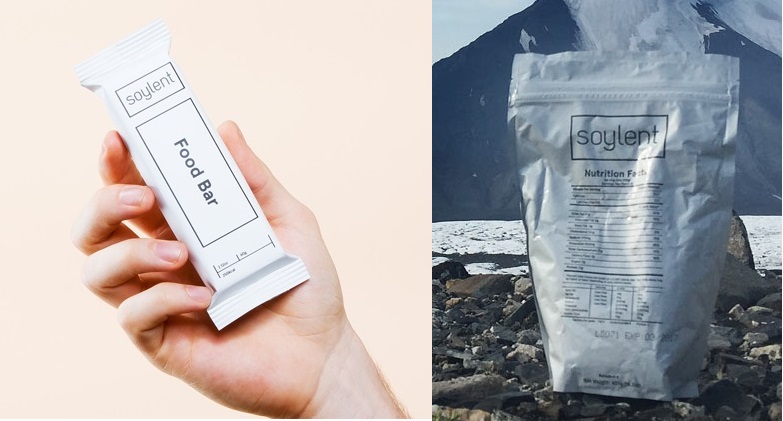
Soylent Meal Replacement Bars and Powders Linked to Dozens of Food-Related Incidents
Soylent recently recalled its meal replacement bars after receiving numerous complaints of nausea, diarrhea, vomiting, and other symptoms following consumption. Now, its “flagship” meal replacement powder, marketed as providing complete and balanced nutrition, has also been reported to cause similar issues.
The contract manufacturer producing meal replacement bars for Soylent has insisted that the bars should not cause food poisoning, but rather that some individuals have an “intolerance” to certain ingredients in the formula. Others have argued that those who consumed the bars within the recommended serving sizes experienced no issues, and that problems only arose among individuals who became addicted and overconsumed. While there may be many explanations, Soylent’s unpalatable taste and its reputation for “causing gastrointestinal discomfort” have indeed made it difficult for the brand to gain a firm foothold amid the intensifying trend of novel foods.
The origin story of Soylent meal replacement powder goes as follows: Several founders worked for different companies in the same office building in Sunnyvale, California. They all complained that their daily meals of frozen corn dogs and instant ramen were expensive, unhealthy, and unpalatable. Recognizing this as an unmet need, Rob Rhinehart, the company’s current CEO, together with co-founders Matt Cauble, John Coogan, and David Renteln, experimentally established Soylent.
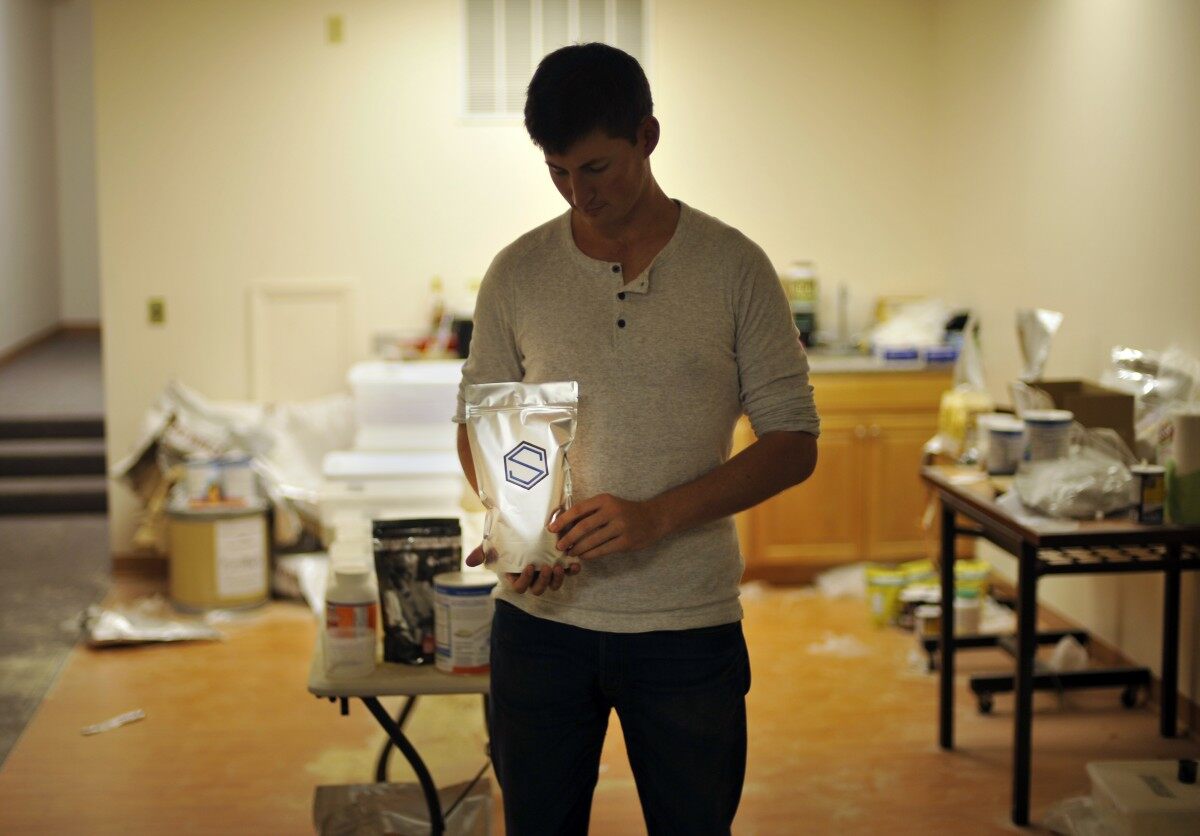
In 2013, CEO Rob Rhinehart was at Soylent's warehouse in Oakland.
When the online community discovered their experiment, the story of “a Silicon Valley company developing meal replacement products” went viral. The founders suddenly realized that this experiment could not only solve their own problems but also address the challenges faced by hundreds of thousands of people worldwide. Consequently, they shifted their entire focus to creating successive generations of Soylent meal replacement products and made them available for purchase by the general public.
Recent food recall incidents have also highlighted the deep-seated problems associated with radically transforming nutritional and dietary practices through a Silicon Valley mindset. Over the past few years, substantial capital has flowed into various disruptive startups, applying the optimistic and enterprising Silicon Valley spirit to the transformation of everyday eating habits.
Soylent has introduced the renowned "Food 2.0" concept: continuously exploring the frontiers of food technology with the goal of designing the most nutritious, efficient, and affordable food ever created. The lipids and omega-3 essential fatty acids in all its products are derived from genetically engineered algae. These single-celled algal organisms are cultivated in high-efficiency bioreactors, eliminating the need for agricultural land and offering a significantly more labor- and resource-efficient alternative to traditional farming.
Soylent states that its mission is to broaden access to high-quality nutrition through innovation in the food system. The company also aims to make complete-nutrition foods affordable for everyone, rather than letting healthy eating remain a challenge. To achieve this ambitious goal, Soylent has put its words into action: for every box of Soylent meal replacement bars or coffee breakfast bundles sold, the company donates the cost of one meal to the World Food Programme to help feed impoverished children suffering from hunger.
But The New Yorker offered this assessment of Food 2.0 in an article: “The biggest problem with the whole Food 2.0 concept is not its often-poor taste, but its failure to grasp the direction of modern eating habits. The approach to food creation among Silicon Valley’s tech crowd may reflect an engineer’s mindset: identify a clear need, ensure the equations are correct, the formula is right, and all calculations are accurate, and the problem is solved. Soylent, the meal-replacement product designed by founder Rob Rhinehart, compresses all the nutrients the human body requires into a single, easily absorbed formula, somewhat akin to spiritual sustenance for the 21st century. Yet fundamentally, this type of food runs almost entirely counter to the dietary trends of people in the United States (or developed countries more broadly).
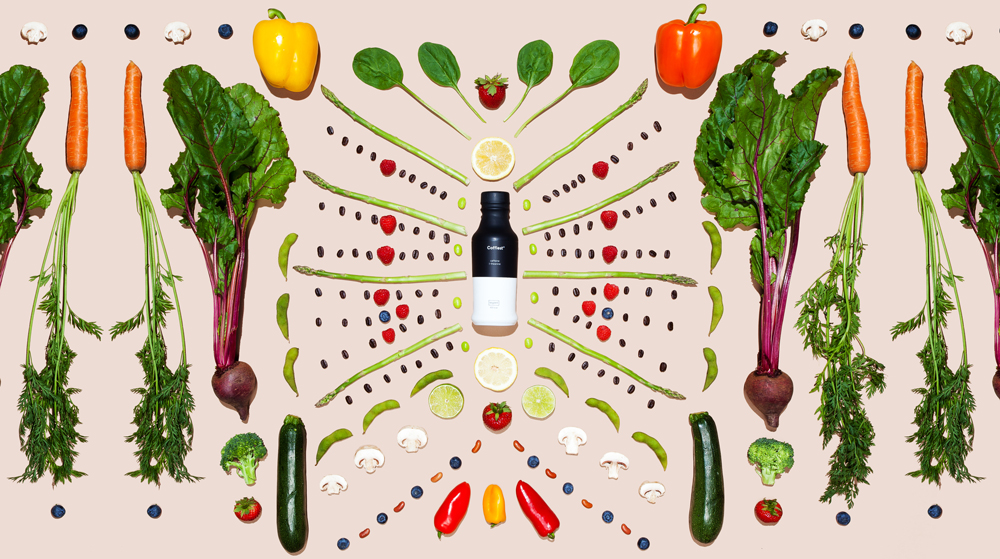
Does the Right Formula and Proper Nutrition Equal the Right Trend?
Looking at the changes in today’s food culture, the most notable trend is that people are consciously pushing back against the industrialized food system. The complexity of modern food processing is alarming, with many ingredients listed on labels being unpronounceable. While Soylent meal replacements are nutritionally comprehensive, their highly processed nature evokes a sensation similar to that of nutrient-deficient industrial foods, both carrying a distinct aura of “food futurism.”
For several years now, slow food advocate Michael Pollan has been urging people to “eat real food,” and the concept of “whole foods” has gained widespread popularity in fitness and wellness circles. This simple mantra aims to help consumers navigate a food market saturated with “food-like substances” and make natural, healthy nutritional choices.
Although future dietary trends may shrink the meal replacement market, Soylent’s supporters appear poised to help the company weather this storm and seize an opportunity to optimize “Food 2.0.”
Despite rumors of food poisoning associated with Soylent meal replacement products, some loyal customers have strongly expressed their dissatisfaction with the discontinuation of several items. The recall has sparked considerable discussion, with the most upvoted comment reading: “I’m not ready to start cooking again; I just hope those of us who didn’t get sick can continue placing orders.” Although somewhat exaggerated, this sentiment highlights, from another perspective, that meal replacement products still have a devoted following among individuals who are reluctant to cook but desire nutritious meals.