

MIT Technology Review's 14 Breakthrough Medical Technologies (Part II) Files IPO Prospectus
Since 2001, MIT Technology Review has annually released its list of “10 Breakthrough Technologies,” also known as TR10 (Technology Review 10), forecasting their potential for large-scale commercialization and their significant impact on human life and society.
These technologies represent the frontier of current global scientific and technological development and its future trajectory, collectively reflecting the new characteristics and trends that have emerged in recent years. They are poised to lead future-oriented research directions. Many of these technologies have already entered the market, driving the advancement of industrial technologies and significantly promoting economic and social development as well as scientific and technological innovation.
As Jason Pontin, editor-in-chief of MIT Technology Review, stated, the definition of breakthrough technologies is straightforward: they are solutions that enable people to harness technology in high-impact ways. Some technologies are the crystallization of engineers’ ingenious creativity, while others represent the culmination of scientists’ numerous attempts to tackle long-standing challenges (such as deep learning). The purpose of selecting the “10 Breakthrough Technologies” is not only to showcase new innovations but also to emphasize that it is human ingenuity that gives rise to these technological advancements.
Therefore, VCBeat (WeChat ID: vcbeat) has curated a selection of technological breakthroughs in the medical field from 2012 to 2016. Given the rapid pace of technological iteration, this review focuses exclusively on advancements made within the past five years. Due to the extensive length of the article, it is divided into two parts, each introducing seven technologies; this is Part II. These technologies were developed to address specific challenges, hold the potential to significantly expand human capabilities, and may even reshape the world, warranting particular attention in the years to come.
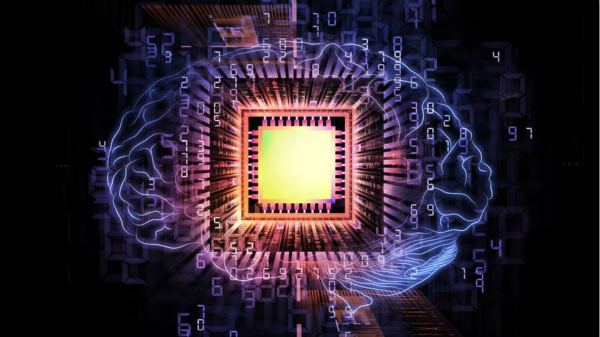
Neuromorphic chips can directly simulate brain behavior.
Chips equipped with microprocessors are more brain-like than traditional chips, as they simulate the working state of the human brain.
Maturity Stage:No Major Breakthroughs Yet
Breakthrough Point:An alternative design for computer chips that can simulate the brain’s information processing in real time, helping scientists build cognitive systems capable of real-time interaction with their surroundings and advancing the development of artificial intelligence technology.
Importance:Traditional chips have reached their performance limits.
Major Players in the Field:Qualcomm, IBM, HRL Laboratories, Human Brain Project
The concept of neuromorphic chips dates back several decades. In 1990, Carver Mead, an emeritus professor at the California Institute of Technology, provided its definition in a paper. However, it only gained widespread recognition after Qualcomm developed a robot named “Pioneer.” The Pioneer robot merely utilized a smartphone chip that simulated the operational state of the human brain and ran specialized software. It was capable of recognizing previously unseen objects, classifying them based on their similarity to known items, and placing different objects in their correct locations within a room.
The human brain contains billions of neurons and hundreds of billions of synapses, enabling the simultaneous processing of visual, auditory, and other signals. Neuromorphic chips mimic this capability within silicon, replicating the brain’s ability to process multiple data streams in parallel. In response to changes in images, sounds, or other signals, neurons can modify their connections with other neurons. Thus, these neuromorphic chips emulate the neural networks of the human brain, achieving partial brain-like functionality. They accomplish tasks that would otherwise take decades to realize in the field of artificial intelligence, enabling machines to understand and interact with the world in a manner akin to humans.
Some universities and research institutions are also striving to achieve these capabilities, notably IBM Research and HRL Laboratories. These two entities have invested $100 million in developing neuromorphic chips for the Defense Advanced Research Projects Agency (DARPA). In addition, researchers involved in the European Human Brain Project, in collaboration with Heidelberg University and the University of Manchester, have allocated €100 million to neuromorphic computing initiatives. According to Dharmendra Modha, a researcher at IBM Research, such chips could enable blind individuals to identify objects via visual and audio sensors while providing auditory cues; health monitoring systems could detect vital signs, identify potential risks at an early stage, and deliver personalized treatment plans. Medical sensors and devices can track patients’ vital signs, implement medical interventions based on temporal data, learn to adjust medication dosages, and even facilitate early disease detection.
In terms of cost, Qualcomm prioritizes practicality in product design over raw performance. This means that Qualcomm’s neuromorphic chips are still developed on digital chip platforms, which is simpler and easier to manufacture than developing analog chips. While analog chips aim to emulate the brain itself, Qualcomm’s chips simulate the behavior of the brain. For instance, the programming and data transmission methods of neuromorphic chips mimic the electronic pulses used by the brain when processing sensory data. For years, scientists have been striving to further explore neuromorphic circuit architectures. The key challenge lies in handling the overlap between neurons and silicon—specifically synapses and logic gates. Even with the use of special materials such as graphene to address this issue, these products are still some time away from full commercialization.
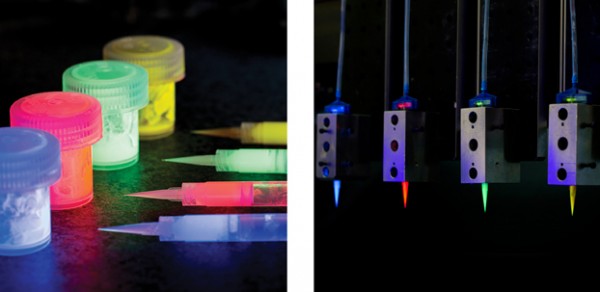
The goal of micro-3D printing is to print biological tissues.
Printing biological components with different types of materials has greatly expanded the printing scope.
Maturity Stage:Immature
Breakthrough Point:Using multiple materials to print objects, such as printing blood vessels with biological tissues
Significance:Promoting the Development of Artificial Organs and Novel Cyborg Components
Key Players in the Field:Jennifer Lewis (Harvard University), Michael McAlpine (Princeton University), Keith Martin (University of Cambridge)
The concept of 3D printing now seems quite commonplace, with printable materials largely limited to conventional ones such as plastics or synthetic metals. However, the ability to print cells, semiconductors, or other biological tissues would significantly broaden its range of applications.
Jennifer Lewis, a materials scientist at Harvard University, is a pioneer in the field, researching mechanisms and methods for micro-3D printing that effectively integrate an object’s functionality with its form. Lewis and her students have demonstrated that their technology can print minuscule electrodes and components required for tiny lithium-ion batteries, as well as plastic patches for athletes embedded with multiple sensors to detect concussions and assess their severity. Remarkably, her team has printed biological tissues containing complex vascular networks. To achieve this, they developed various types of cellular “inks” and matrix materials to support the tissue scaffold. This technology successfully addresses a major challenge in fabricating artificial tissues for clinical drug testing or human organ transplantation: ensuring the survival of cells within the vascular system.
A research team at Princeton University successfully printed a bionic ear that integrates biological tissues with electronic components, while researchers at the University of Cambridge printed complex ocular tissues composed of retinal cells. So, just how small can bioprinted tissues be? Lewis’s team equipped a 3D printer with a microscope, enabling the precise printing of structures as small as 1 micrometer (human red blood cells are approximately 10 micrometers in diameter). This capability also poses challenges for material requirements; for instance, cells are fragile and susceptible to damage when forced through the printing nozzle. The key to her innovation lies in developing “inks” that allow diverse materials to be printed within the same manufacturing process. Although each “ink” consists of a different material, all can be printed at room temperature and maintain their shape under pressure as they are extruded from the nozzle, much like squeezing toothpaste from a tube.
Before joining Harvard University, Lewis had already spent over a decade researching 3D printing technology at the University of Illinois, where she worked with ceramics, metal nanoparticles, polymers, and other non-biological materials. The ability to incorporate blood vessels into 3D-printed human tissues represents a significant step toward manufacturing artificial organs. However, it is evident that working with cells is highly complex, and we remain far from being able to 3D print fully functional livers or kidneys.
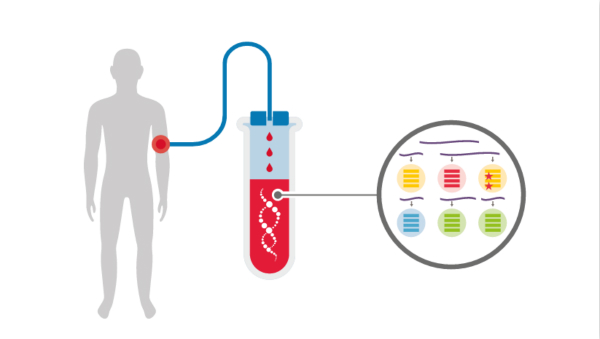
Liquid biopsy can assist in the early screening of certain cancers.
Rapid DNA Sequencing Enables a Simple Blood Test for Cancer
Maturity Stage:Widespread Application
Breakthrough Point:Blood Tests Detect Early-Stage Cancer
Significance:Cancer kills approximately 8 million people worldwide each year.
Key Players in This Field:The Chinese University of Hong Kong’s Dennis Lo, Illumina, and Johns Hopkins University’s Bert Vogelstein
Professor Dennis Lo is closely associated with non-invasive prenatal diagnosis. As early as 1997, his research team discovered the presence of cell-free fetal DNA in the plasma of pregnant women, a finding that directly led to the development of simple tests for Down syndrome. Moreover, Professor Lo is competing with laboratories and medical institutions worldwide, such as Johns Hopkins University, to develop cancer screening technologies based on simple blood tests—known as liquid biopsies. This includes screening for lung cancer, the most prevalent form of cancer in China, where 40% of patients harbor mutations in the EGFR gene, making them eligible for new targeted therapies.
Although the cost of predicting cancer risk through DNA testing remains high, with the continuous development of sequencing technologies, it is possible toRapidly decode millions of short, cell-free DNA fragments in the blood bycomparison with the reference map of the human genome,Early cancer screening will become simpler, more affordable, and more widely applicable. The commercial potential of liquid biopsy has also seen explosive growth in recent years. Jay Flatley, CEO of sequencing giant Illumina, stated that the market size for liquid biopsy is at least $40 billion. He described this technology as perhaps the most exciting breakthrough in the field of cancer diagnosis and announced that Illumina will begin providing liquid biopsy kits to researchers to help detect early signs of cancer.
In addition, besides being used for cancer screening (Currently not applicable to any cancer), liquid biopsy can also be used to help people combat diseases. Physicians can select corresponding drugs and treatment regimens based on specific DNA mutations that drive cancer progression. The etiology of cancer is highly complex; researchers must systematically understand their cases so that liquid biopsy can truly save lives. Liquid biopsy is now widely utilized, particularly in cancer detection, but its role in improving diagnostic quality and therapeutic efficacy remains unclear.
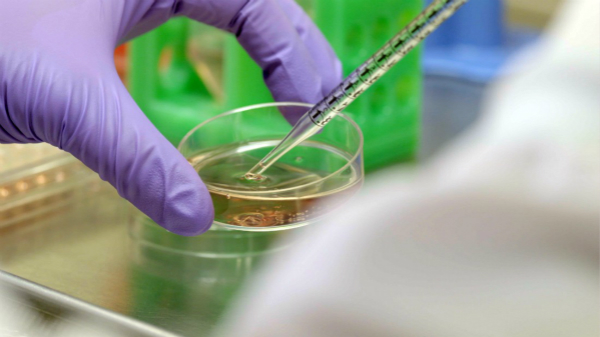
Using Brain Organoids to Investigate the Causes of Diseases Such as Schizophrenia, Autism, and Epilepsy
New Method for Cultivating Human Brain Cells Could Unravel the Mysteries of Dementia, Mental Illness, and Other Neurological Disorders
Maturity Stage:Immature
Breakthrough Point:Live Neuronal Clusters Derived from Human Stem Cells Can Be Cultured in the Laboratory
Significance:Researchers Need New Approaches to Understand Brain Diseases and Test Potential Treatments
Key Players in This Field:Madeline Lancaster and Jürgen Knoblich (Institute of Molecular Biotechnology), Rudolph Tanzi and Doo Yeon Kim (Massachusetts General Hospital)
Lab-grown brain cell tissues closely resemble the morphology of human embryonic brain cells in early pregnancy, providing insights for understanding the complexity of the brain and testing new therapeutic approaches. Brain cells can be cultured from skin cells and used to study Alzheimer’s disease, schizophrenia, and epilepsy.
A typical representative in this field is Madeline Lancaster of the Institute of Molecular Biotechnology. She took a single skin cell from an adult and, through appropriate biochemical stimulation, reprogrammed it into induced pluripotent stem cells (iPSCs), which were then differentiated into neurons. This approach enables scientists to directly observe how live human brain cells develop and function, as well as how they respond to various pharmacological compounds or genetic modifications. Because these specific brain cells are derived directly from stem cell cultures, this method helps investigate the underlying neuronal abnormalities associated with brain disorders, such as Alzheimer’s disease.
As early as 2013, a study published in Nature reported that Austrian scientists successfully cultivated “brain organoids” using stem cells. These organoids resemble the brain of a 9- to 10-week-old embryo. Researchers used this organoid model to investigate microcephaly, a neurodevelopmental disorder. They generated organoids from cells derived from a patient with hereditary microcephaly and compared them with mini-brains cultured from cells of healthy participants. In the organoids derived from the microcephaly patient’s cells, a greater number of stem cells differentiated into neurons compared with those in the mini-brains derived from healthy participants. The researchers concluded that premature neuronal differentiation may underlie the pathogenesis of microcephaly.
This technology opens a new window for understanding how neurons grow and function, further facilitating insights into the brain’s fundamental activities. Currently, researchers are using “brain organoids” to investigate the causes of diseases such as schizophrenia, autism, and epilepsy.

Searching DNA Databases Online Will Be Extremely Convenient in the Future
A Global Network of Millions of Genomes Could Be Medicine’s Next Great Leap
Maturity Stage:Immature
Breakthrough Point:Technical Standards for Harmonizing DNA Databases
Importance:The experience of millions of others will support your medical treatment plan.
Key Players in the Field:Global Alliance for Genomics and Health, Google, Personal Genome Project
Technologically, testing human DNA information has become highly mature, with costs declining year by year. The global network of millions of genomes may well become the next major breakthrough in medicine. However, whether this potential can be realized largely depends on people’s willingness to share their DNA data. One key advantage of integrating DNA with the internet is that, for example, in cancer patients, physicians could in the future determine which specific mutations triggered the cancer based on the patient’s DNA sequencing results. They could then search the “DNA internet” for other patients with the same mutations and, by reviewing their treatment records, help clinicians make better-informed therapeutic decisions.
The Global Alliance for Genomics and Health (GA4GH), established in 2013, is a coalition comprising medical institutions, universities, and companies, founded with the aim of promoting the sharing of genetic data. For this organization, the greatest challenge currently is not technical but social. On one hand, scientists are reluctant to share genetic data; on the other, posting an individual’s genomic information online raises privacy concerns. David Haussler is one of the founders and technical leaders of the Global Alliance for Genomics and Health (GA4GH). Currently, Haussler and other members of the alliance are working diligently to address this complex issue.
Another issue is the Internet. David Haussler, a bioinformatics expert at the University of California, stated that a major challenge in establishing a “DNA Internet” is that genome sequencing has largely been disconnected from the most convenient tool for information sharing—the Internet. This is a regrettable situation. At present, more than 200,000 individuals have undergone whole-genome sequencing, and this number is certain to rise significantly in the coming years. Future advances in medicine will depend on large-scale comparison of these genomic data; however, given the current level of data sharing, many scientists are not yet prepared for this task.

Immunotherapy Offers New Perspectives for Cancer Treatment
Genetically Engineered Immune Cells Are Saving Cancer Patients’ Lives, and This Is Just the Beginning
Maturity Stage:1-2 years
Breakthrough Point:Genetically Modified T Cells Can Treat Cancer
Importance:By reprogramming the immune system, diseases such as cancer, multiple sclerosis, and AIDS can all be cured.
Key Players in the Field:Cellectis, Juno Therapeutics, Novartis
The human immune system is known as nature’s “weapon of mass destruction.” It comprises more than ten major cell types, including various T cells. It defends against previously unseen viruses, suppresses cancer (though not always), and, most importantly, avoids damaging the body’s own tissues. It even possesses memory function, which forms the basis for vaccination.
T cells are known as the “killer cells” of the immune system; they can migrate throughout the human body, perform sensory detection, and kill other cells. Scientists extract them from a person’s blood and introduce new DNA instructions to enable them to attack tumor cells. Meanwhile, gene editing is used to delete the receptors that T cells employ to detect foreign molecules, thereby preventing them from attacking healthy “non-self” cells. Although new discoveries continue to emerge regarding the antagonistic relationship between tumor cells and the immune system—such as recent findings on the immune capabilities of macrophages—this interaction is not yet fully understood.
More than a century ago, American surgeon William Coley observed that accidental infections sometimes caused tumors to disappear. Subsequently, Coley injected streptococcal cultures into cancer patients and found that tumor shrinkage occurred in some cases. This discovery, published in 1893, demonstrated that the immune system could combat cancer. Building on decades of research, scientists have uncovered many important details, including how T cells recognize and eliminate invaders. Under the microscope, these cells exhibit behaviors reminiscent of animals: they crawl, probe, then grasp another cell and inject toxic granules into it. “Immune cells communicate with other cells, release toxins, modulate the microenvironment, possess memory functions, and are capable of self-proliferation,” says Wendell Lim, a synthetic biologist at the University of California, San Francisco.
However, this does not mean that immunotherapy is foolproof. For instance, directing T cells to target tumors in the liver, lungs, or brain carries significant risks, and to date, there is no straightforward method to selectively attack cancer cells alone.Currently, more than a dozen pharmaceutical and biotechnology companies worldwide are striving to bring this therapy to market. Genetically engineered T cells offer new hope for autoimmune diseases such as diabetes, multiple sclerosis, and lupus erythematosus, as well as various infectious diseases including HIV/AIDS.
Certainly, several large-scale investments have emerged in the capital market this year, with no other industry being as hot. For example, in January of this year, Juno Therapeutics acquired AbVitro, a Boston-based company focused on single T-cell DNA sequencing, for $125 million. Pharmaceutical companies Pfizer and Servier announced that they would acquire the T-cell therapy developed by Cellectis for $40 million.
DNA App Store, Including Personal Genetic Data
With online stores that include personal genetic information, you can more easily understand the health risks and disease predispositions you face.
Maturity Stage:Entering Maturity This Year
Breakthrough Point:A Novel Business Model for DNA Sequencing Will Make Genetic Information Widely Accessible Online
Significance:An individual’s genes determine a considerable number of factors, including the likelihood of developing a specific disease.
Key Players in the Field:Helix、Illumina、Veritas Genetics
If there were an online store dedicated to storing personal genomic libraries, people would be better able to understand their current health risks and disease predispositions, a technology that is set to mature this year. Our genomes contain all the information regarding potential health risks and physical traits. However, apart from blood tests that provide limited genetic information, there are currently no methods available for storing DNA data.
Helix, a company based in San Francisco, is set to launch the world’s first mass-market app store for genetic information. The company collects saliva samples from customers, sequences and analyzes their genes, and then digitizes the results, allowing customers to access their DNA information via an application. Helix generates and stores this type of data for all customers, even if they initially only make a specific genetic inquiry.HelixThe company’s cost for analyzing more than 20,000 genes is approximately $100 per test, just one-fifth that of other companies. This DNA information can also be sold to other researchers and developers. Currently, Helix is collaborating with Illumina to establish the world’s largest gene sequencing center, with plans to launch a DNA app store this year or next.
However, an imminent issue is that the FDA has been closely monitoring genetic testing and will determine how much information the Helix app can collect from and display to the public. Keith Stewart, Director of the Center for Individualized Medicine at Mayo Clinic, stated that most data returned to consumers contains genuine medical information capable of predicting one’s risk of cancer. Mirza Cifric, CEO of Veritas Genetics, said, “The bottom line is whether this DNA information is truly useful.” Since last fall,Veritas Genetics alsoCreating our own DNA App Store.
(The data in this article are sourced from publicly available online information.)
Related Reading: