Home Medtronic Completes $550 Million Acquisition of Scientia Vascular to Strengthen Neurovascular Portfolio

Medtronic Completes $550 Million Acquisition of Scientia Vascular to Strengthen Neurovascular Portfolio

Jun 15, 2026 20:01 CST Updated 20:01
Medtronic

Medical Device Manufacturer

Scientia Vascular

Interventional Medical Device Developer

Image

On June 12, 2026, Medtronic announced the completion of its acquisition of Scientia Vascular, a leading neurointerventional device company. The transaction was valued at$550 million, and includes certain milestone payments.

Upon completion of this transaction, Scientia’s portfolio of neurointerventional guidewires and catheter access products will be integrated into the neurovascular business unit under Medtronic’s Neuroscience portfolio.

Image

01

Acquisition Transaction Details

  • Implied Milestone Bet-on Agreement

    The $550 million figure is not a fixed final transaction amount; Medtronic has adopted a risk-hedging mechanism, explicitly incorporating milestone payments and even including profitability targets. The final payment is subject to an earn-out arrangement.Future Regulatory Approval Progress, Market Access, Sales Targets, and Profit Achievement

  • Retain Founders

    The acquisition retained 310 technical staff, including those based inFounder and Chief Technology Officer (CTO) John Lippert, ensuring that Scientia maintains its innovative capabilities in micro-materials science during future iterative development.

02

Neurointerventional Access Pipeline

Neurovascular diseases such as acute ischemic stroke and intracranial aneurysms are associated with high rates of disability and mortality. In the treatment of stroke,Rate of Vascular Recanalizationdirectly determines the extent of neurological function recovery. However, the neurovascular system faces unique interventional limitations anatomically:

  • Extremely Tortuous Vascular Anatomy:The walls of cerebral blood vessels are relatively thin, and there are multiple S-shaped or sharp anatomical and physiological curves. When guidewires and catheters pass through these spaces, they are prone to folding, kinking, or failure to advance.

  • Time to Establish Access:In neurointerventional procedures, the time required for the operator to establish a stable support pathway often accounts for more than half of the entire procedure. Prolonged cerebral ischemia increases the risk of vasospasm or perforation caused by mechanical scraping from guidewires.

  • Delivery of Therapeutic Devices Depends on Access Quality:Whether stent retrievers, aspiration catheters, or flow diverters can successfully reach the target lesion depends on the support force and trackability of the distal-most access wire and microcatheter.

Image

03

Patented "Micro-machining Technology" Nitinol Tube

1. Product Portfolio Composition

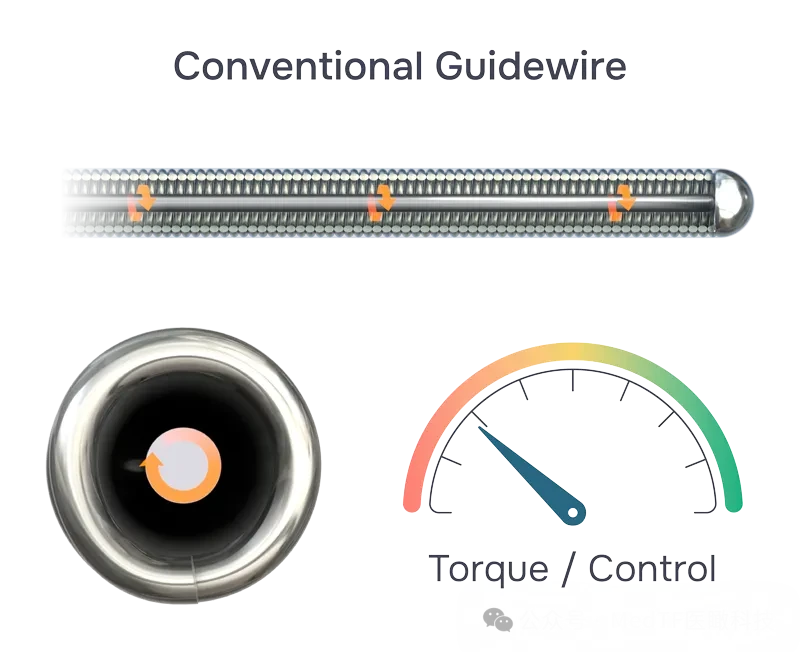
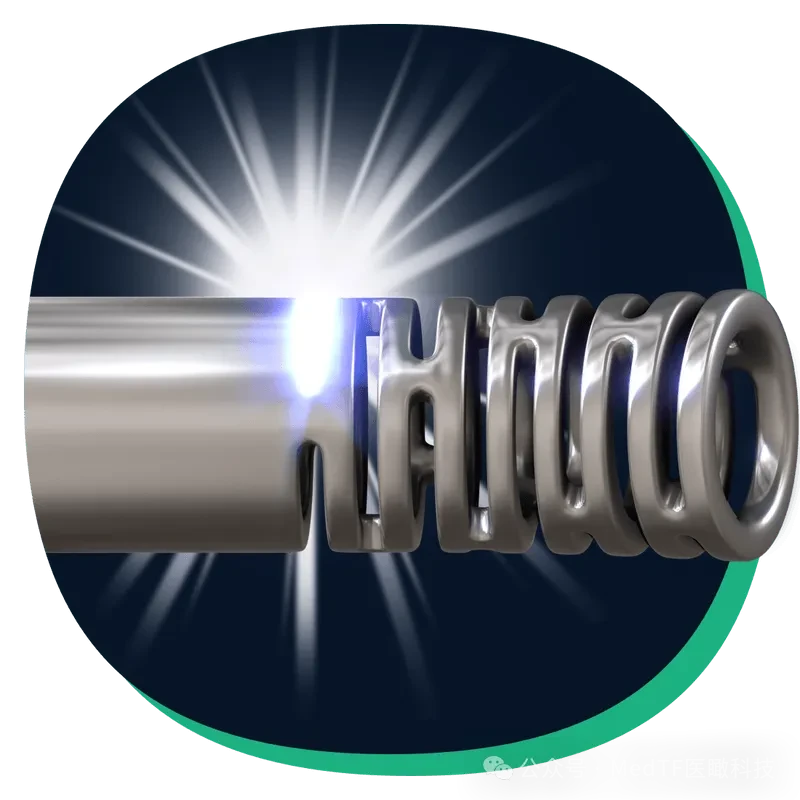
Scientia’s core competitiveness stems from its patented microfabrication technology. Traditional guidewires and catheters employ braiding and coil-reinforcement processes, whereas Scientia, through itsNitinol TubePrecision cutting is performed to remove material from specific areas, fabricating guidewires and catheters with micro-features such as ring structures and interconnecting beams. This manufacturing process confers three key performance advantages to the products:

Image
Image
  • Superior Navigation:Micro-feature design reduces the passage resistance of guidewires in tortuous vessels, enabling physicians to deliver devices more smoothly to distal target locations.

  • Higher Support Force:The increased outer diameter of large-diameter guidewires enlarges the contact area with the inner wall of the microcatheter, resulting in an exponential increase in support force. Tasks that previously required dual guidewires can now be accomplished with a single large-diameter guidewire.

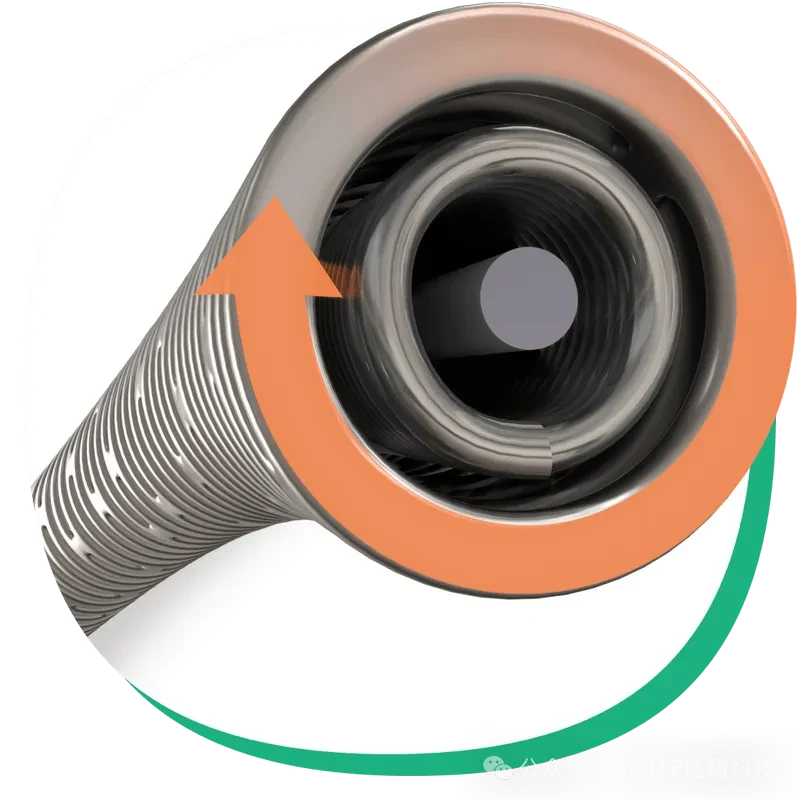
  • More Precise Torque Control:Micro-feature structures enable the guidewire to precisely transmit the operator’s hand movements during rotation, thereby enhancing maneuverability precision within complex anatomical structures.

Image
Image

2. Seamless Integration with Medtronic’s Existing Pipeline

Prior to this acquisition, Medtronic’s neurovascular business had a stronger presence on the “treatment” side, including:

  • Liquid embolic agent (for embolization of vascular malformations);

  • Solitaire™ Thrombectomy Stent (for Mechanical Thrombectomy);

  • Flow Diverter (for Aneurysm Treatment).

By introducing Scientia’s guidewires and catheters, Medtronic aims to combine its existing therapeutic consumables with Scientia’s access consumables, creating a portfolio that includes“Access Establishment → Lesion Navigation → Targeted Therapy” Integrated Surgical Platform, to streamline the procedural workflow of complex neurovascular surgeries.

Conclusion: From “Therapy-Side Leader” to “Full-Process Closed Loop”

From the perspective of industry development, Medtronic’s recent acquisition reflects a transformation in the competitive dimensions of the neurointerventional market. Current neurointerventional procedures are gradually evolving from “competition based on the efficacy of single devices” toward “bundling and systematic integration of consumables across the entire surgical workflow.”

By acquiring Scientia, Medtronic has addressed its relative weakness in the high-end interventional guidewire sector, thereby enhancing its ability to offer comprehensive clinical portfolios and strengthening its bargaining power in centralized channel procurement when competing against multinational giants such as Stryker, Johnson & Johnson (J&J), and Penumbra, which also emphasize full-line product portfolios.

Image


Medtronic Senior Vice President - Danielle Bergman

Image

Integrating highly complementary technologies helps build an integrated platform, thereby enhancing the standardization of physician procedures.

Scientia Vascular

Scientia Vascular is a privately held medical device innovation company headquartered in Salt Lake City, Utah, USA, with approximately 310 employees. Led by its founder and Chief Technology Officer, John Lippert, the company has long focused on the research, development, and manufacturing of technologies related to neurointerventional procedures and peripheral vascular access.

Image
Image

Copyright and Disclaimer: MedTF YiKan aims to build a platform for academic dissemination and media outreach. The copyright of the information contained herein belongs to its respective holders, and we provide it solely for informational purposes. If you have any questions or concerns, please contact us.