Innovative Sensors in Healthcare: Cutting-Edge Applications and Market Insights

Wen.Gu BeiniYang Qiyuan
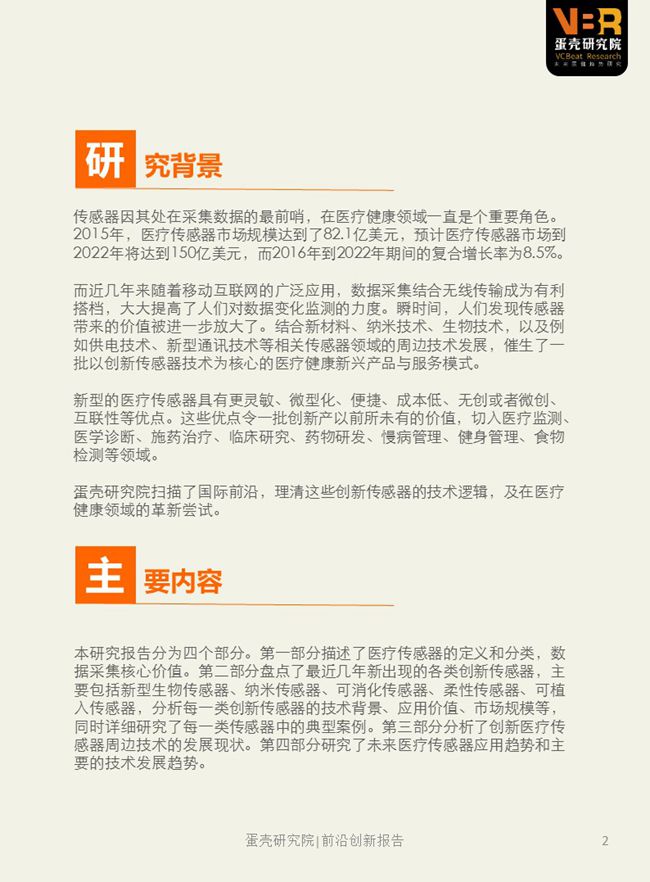
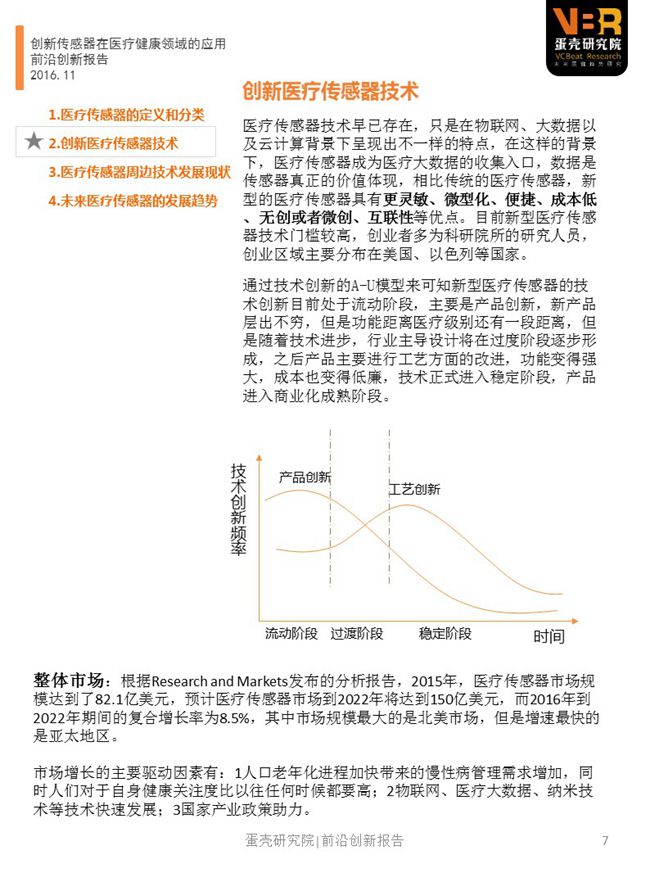
Sensors, being at the forefront of data acquisition, have long played a critical role in the healthcare sector. In 2015, the global market size for medical sensors reached USD 8.21 billion, and it is projected to reach USD 15 billion by 2022, representing a compound annual growth rate (CAGR) of 8.5%.
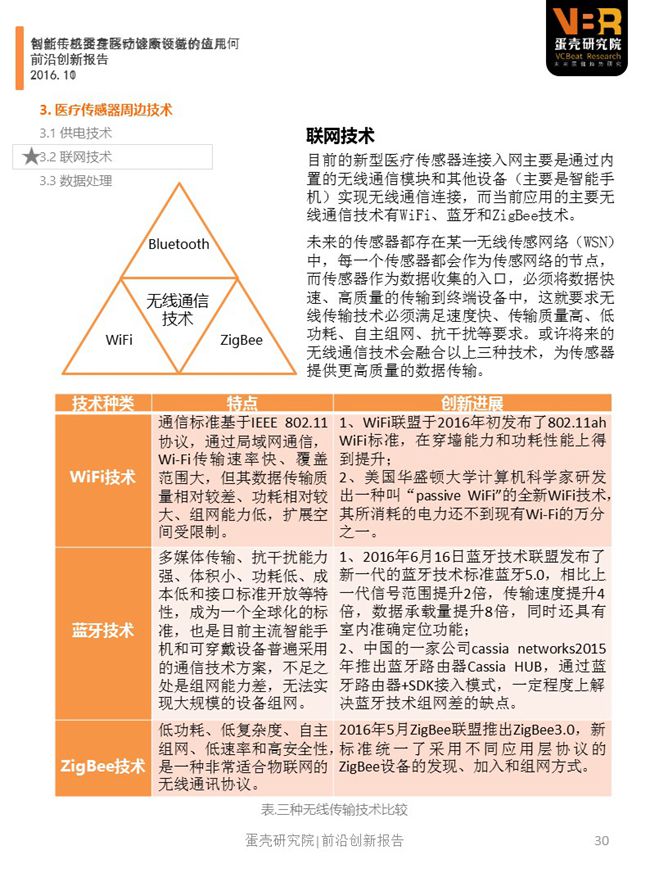
In recent years, with the widespread adoption of mobile internet, the integration of data acquisition and wireless transmission has become a powerful synergy, significantly enhancing the capacity to monitor data fluctuations. Consequently, the value derived from sensors has been further amplified. Driven by advancements in peripheral technologies within the sensor domain—such as new materials, nanotechnology, biotechnology, power supply solutions, and novel communication technologies—a wave of emerging healthcare products and service models centered on innovative sensor technologies has emerged.
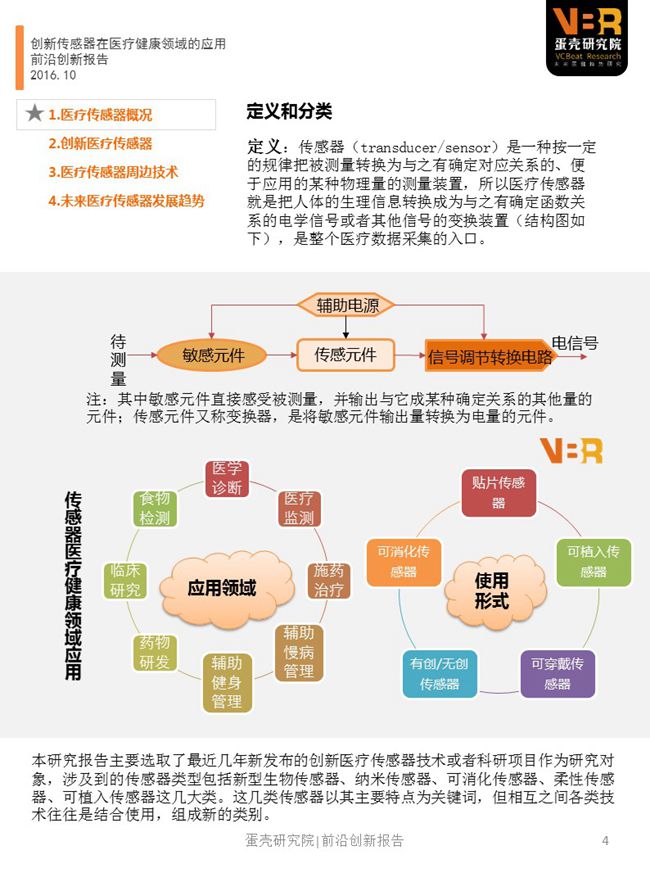
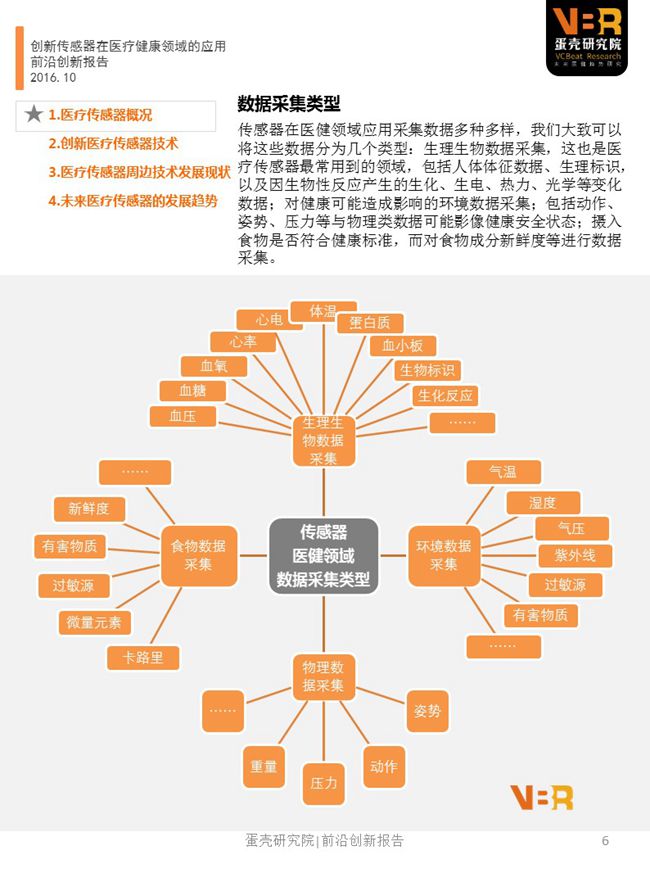
Novel medical sensors offer advantages such as higher sensitivity, miniaturization, convenience, low cost, non-invasive or minimally invasive operation, and connectivity. These benefits enable a wave of innovative products to enter fields including medical monitoring, clinical diagnosis, drug administration and therapy, clinical research, pharmaceutical R&D, chronic disease management, fitness management, and food testing, delivering unprecedented value.VCBeat Institute has surveyed the global frontier, clarifying the technological logic of these innovative sensors and their pioneering applications in healthcare.
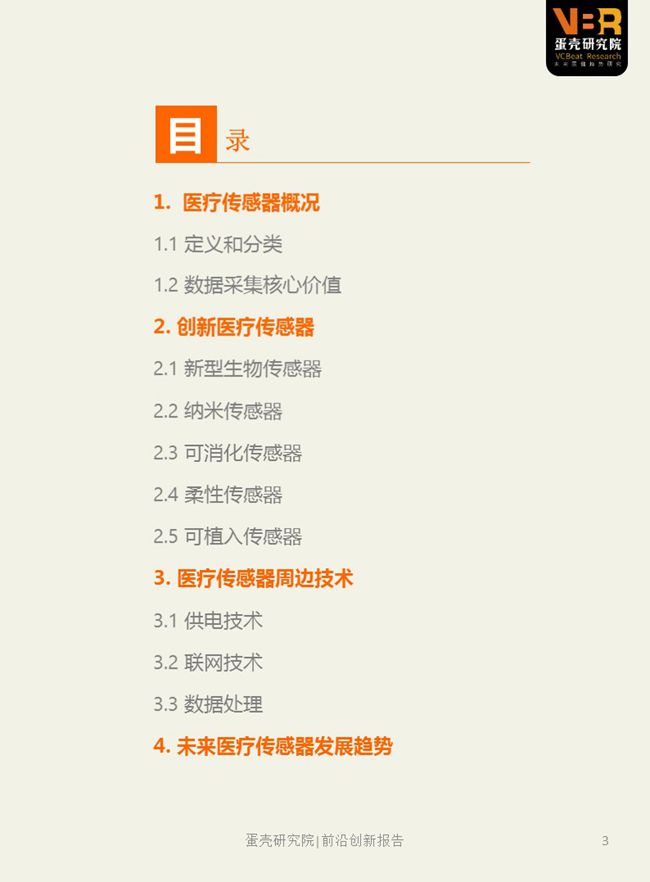
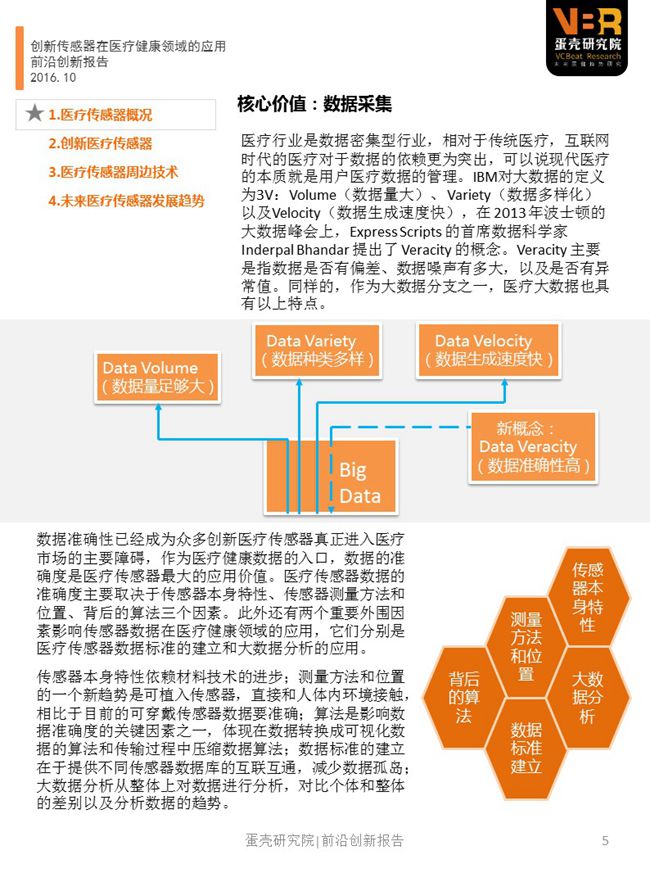
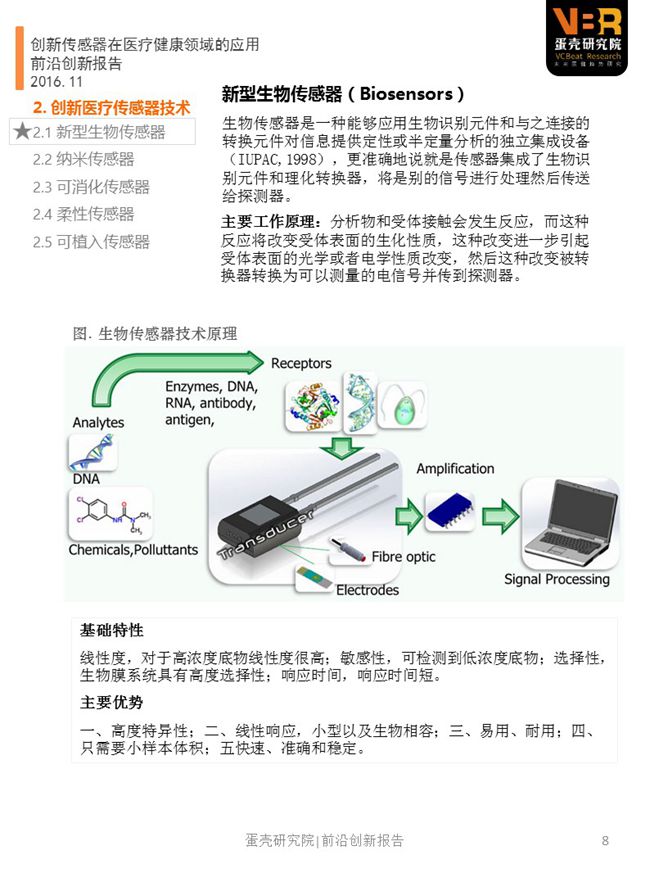
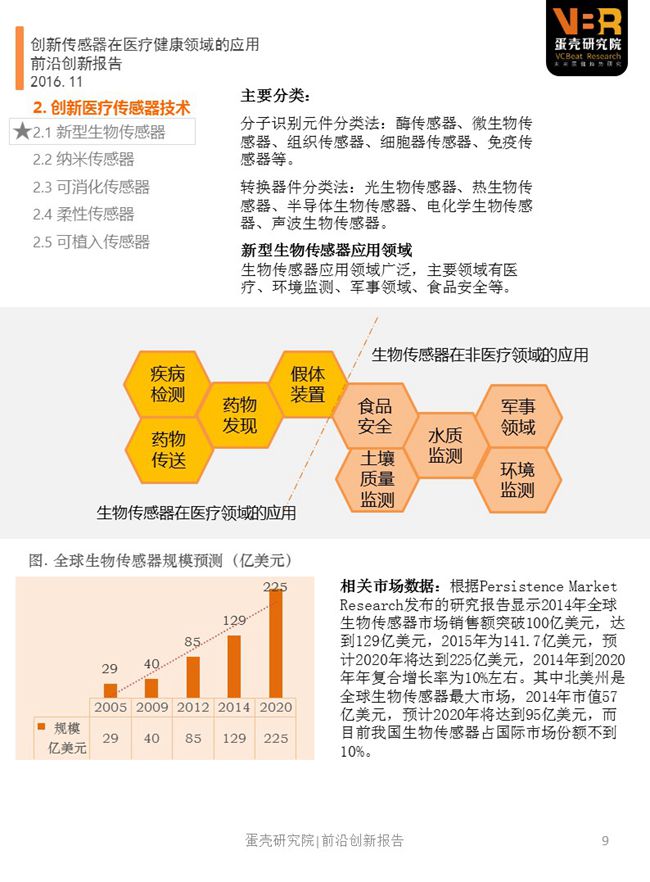
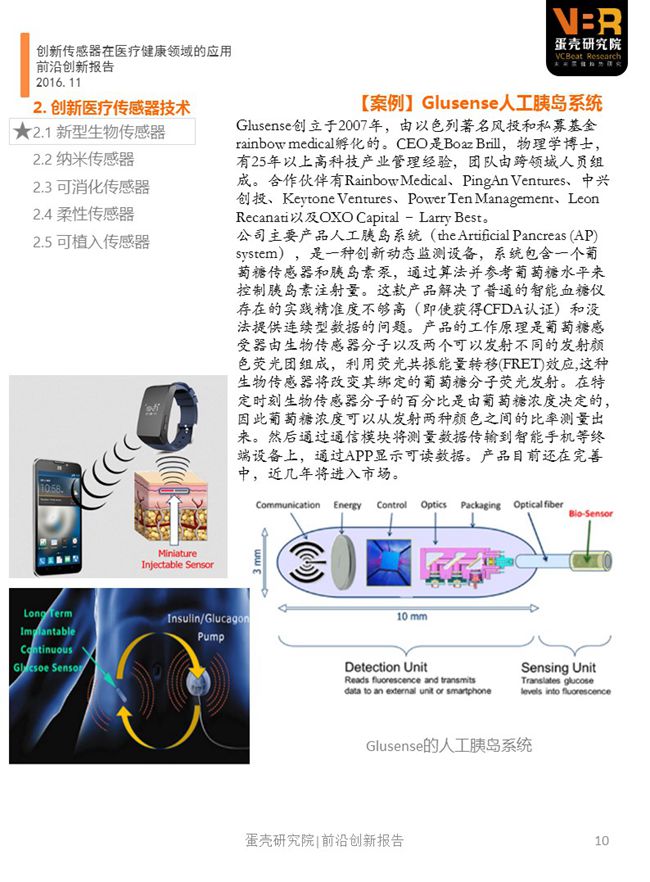
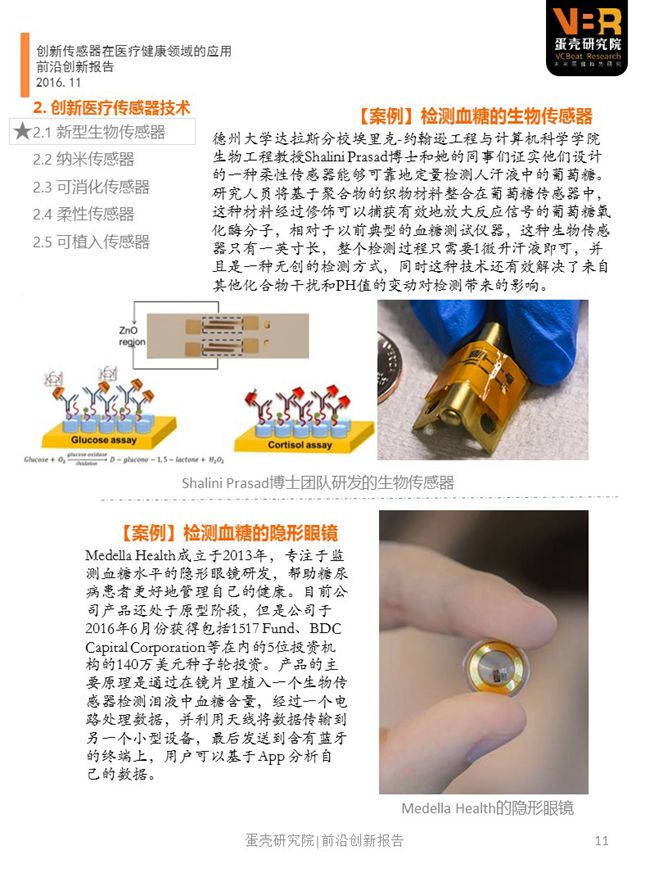
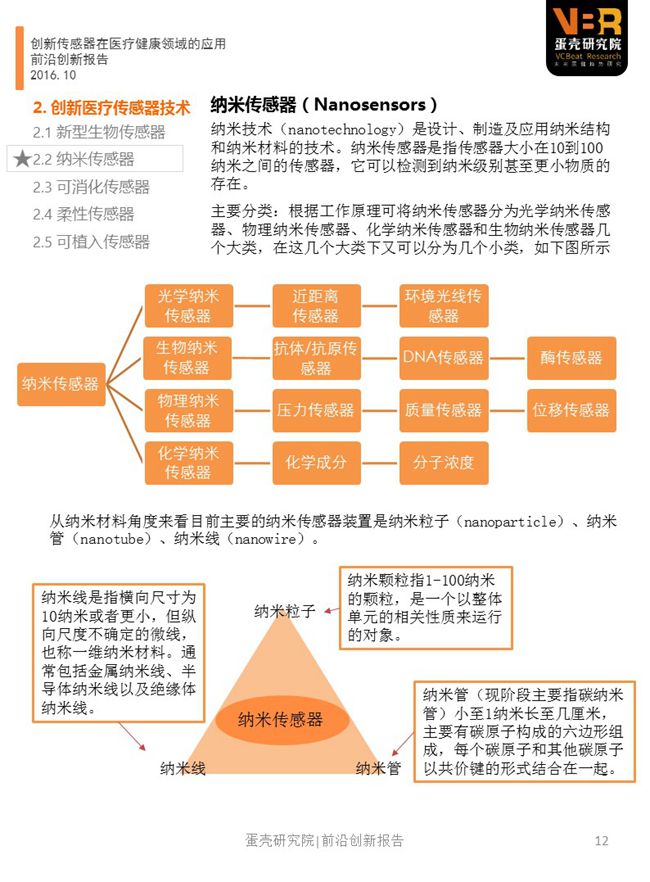
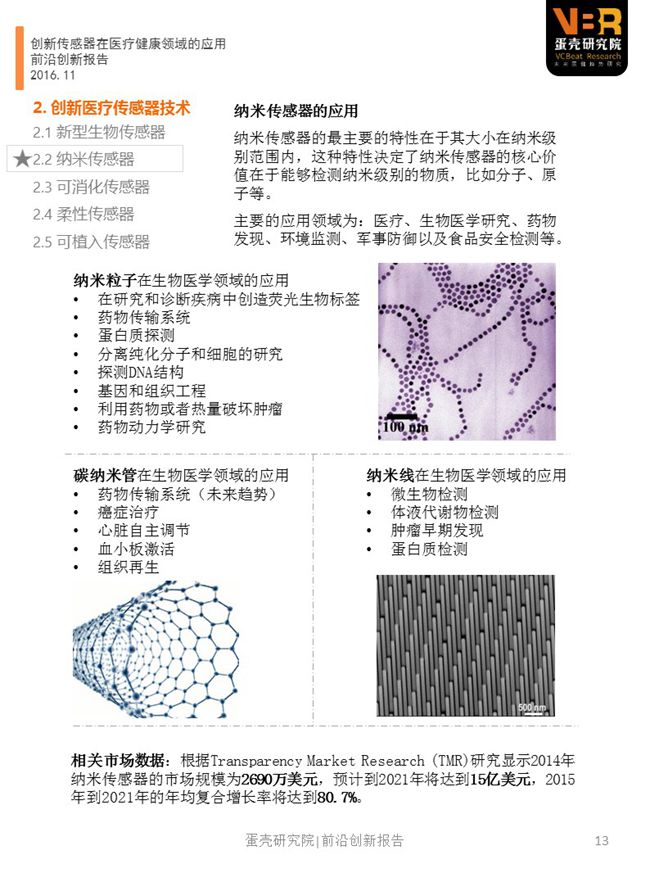
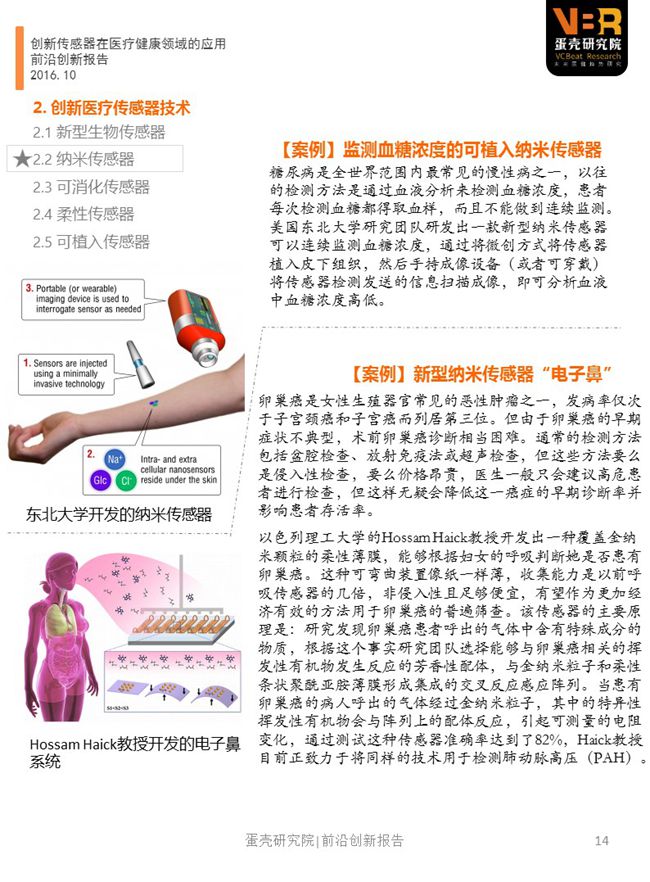
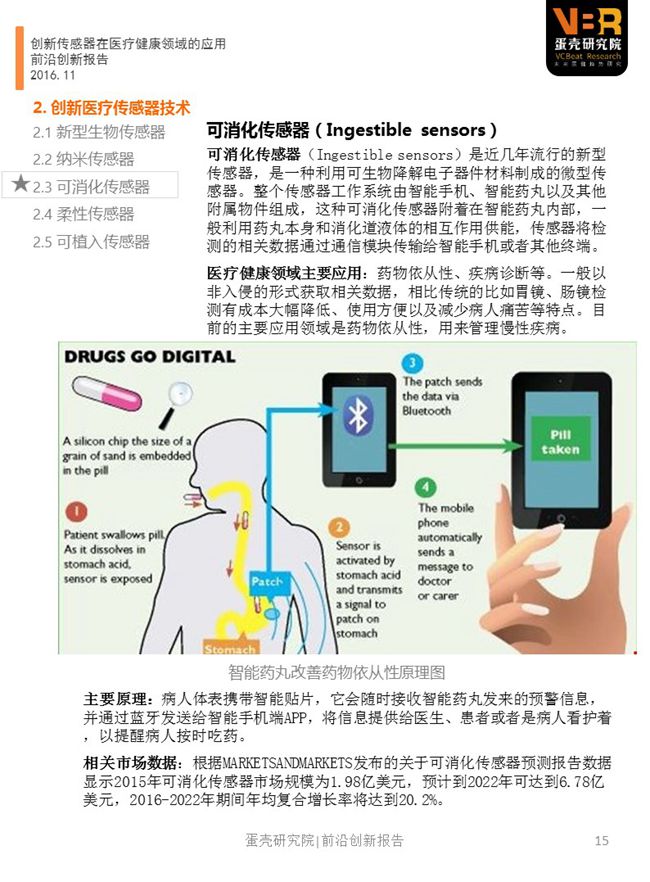
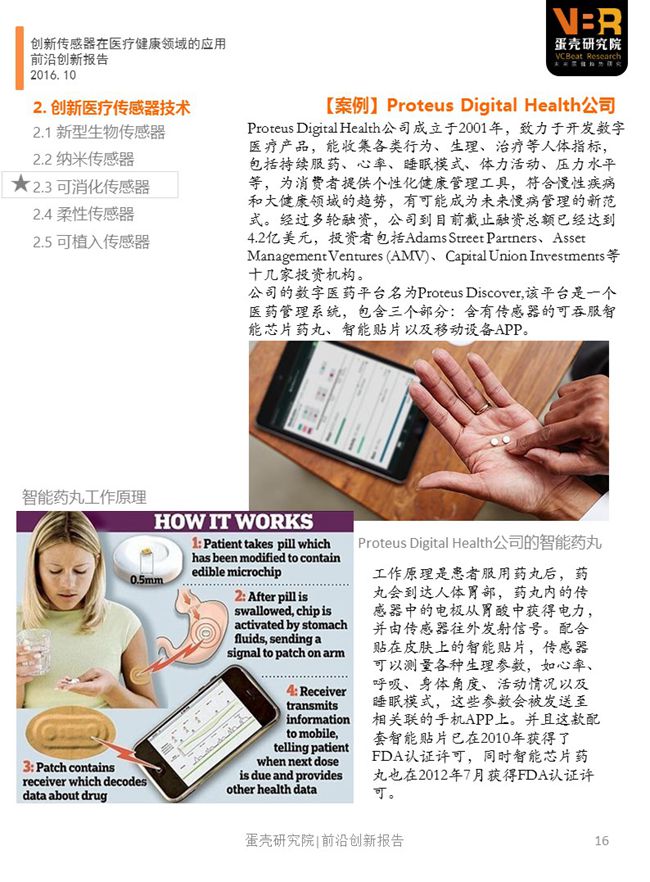
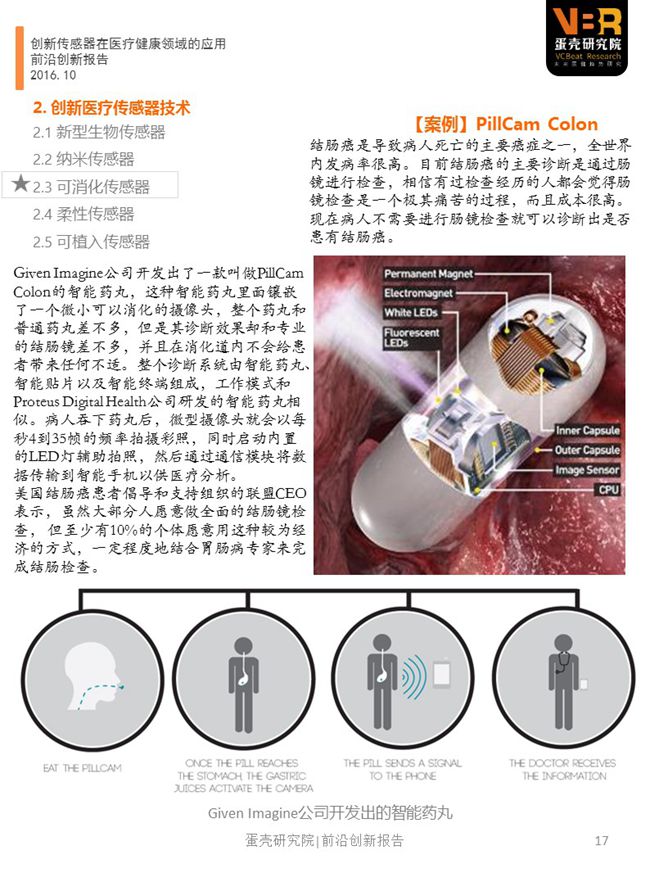
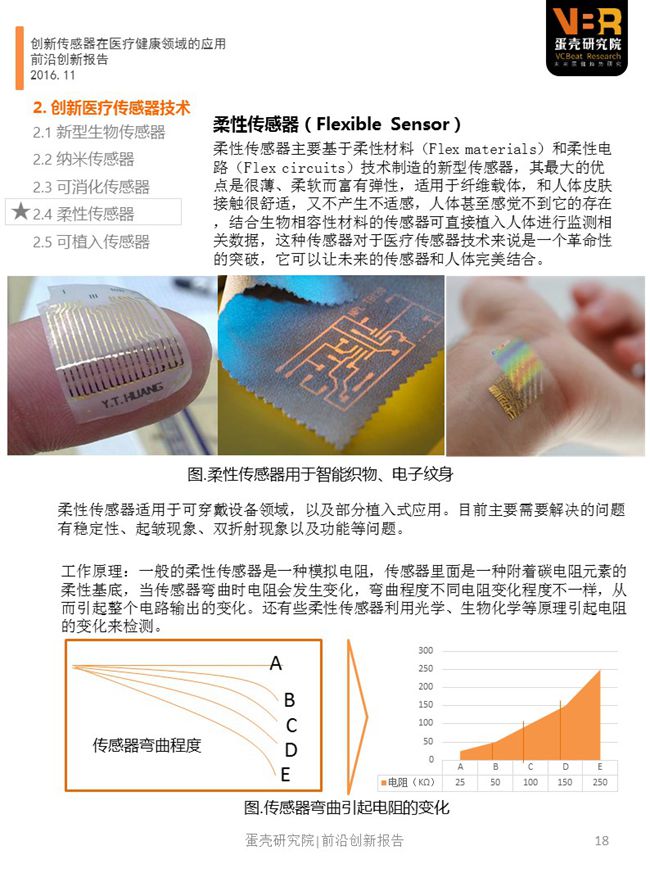
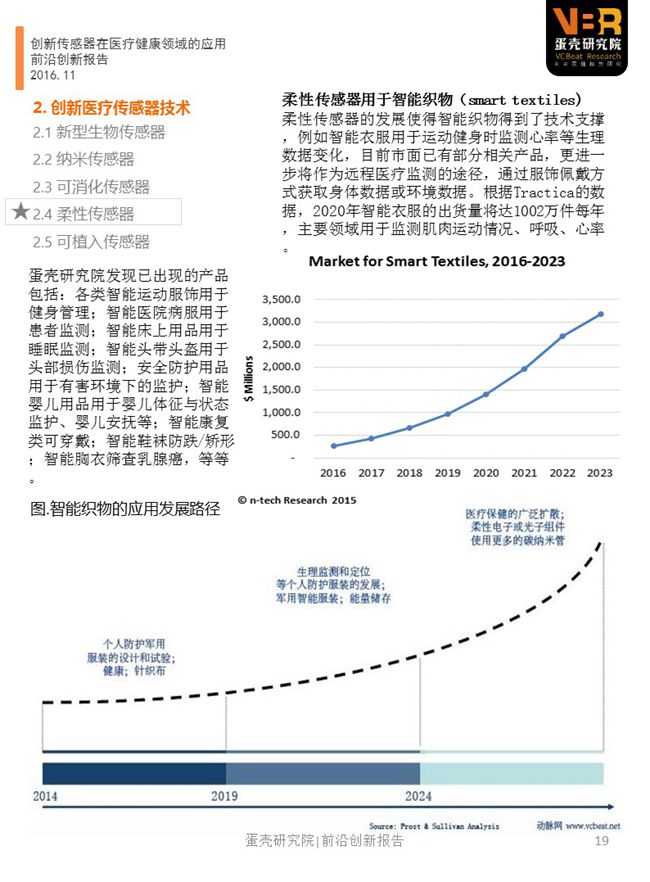
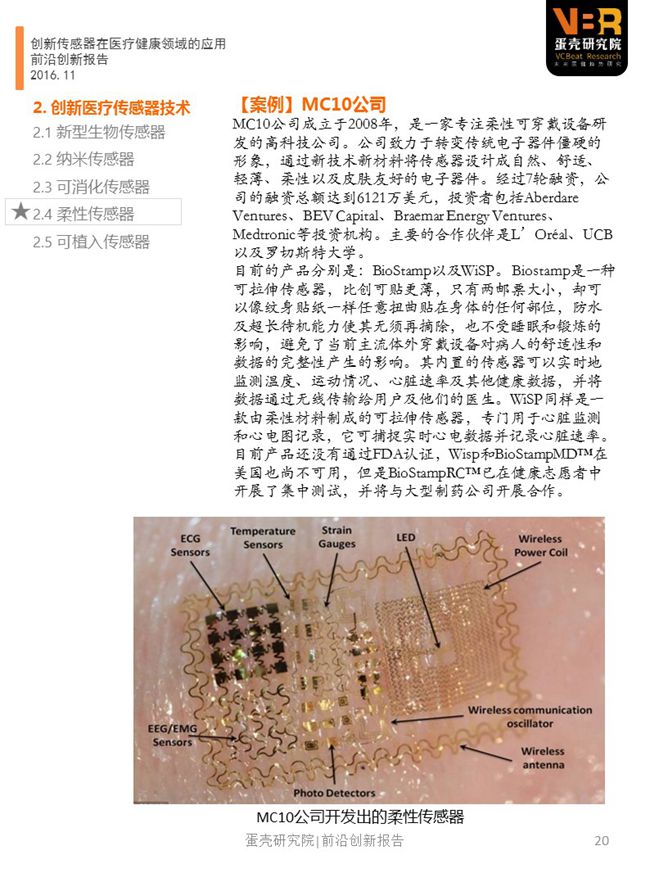
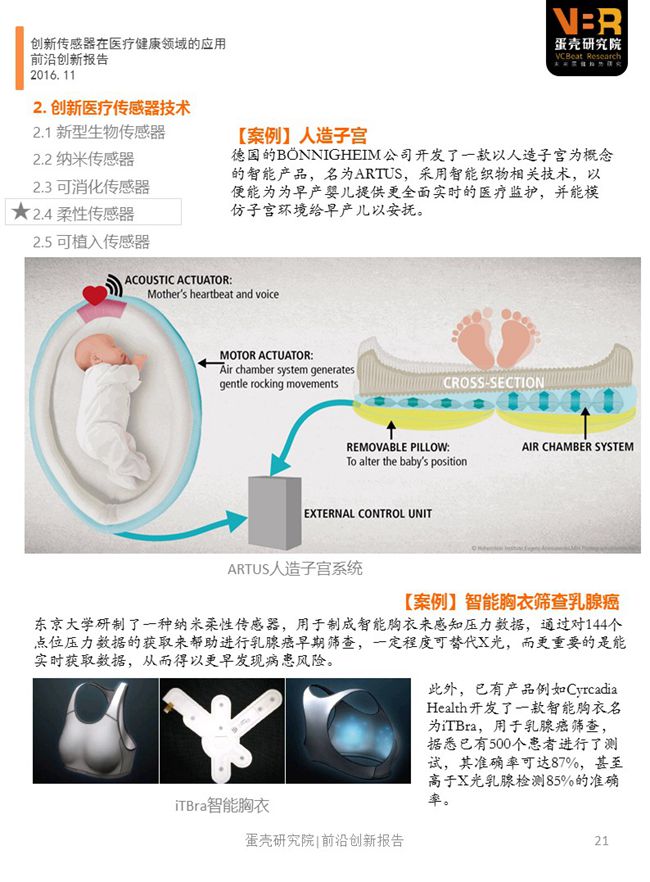
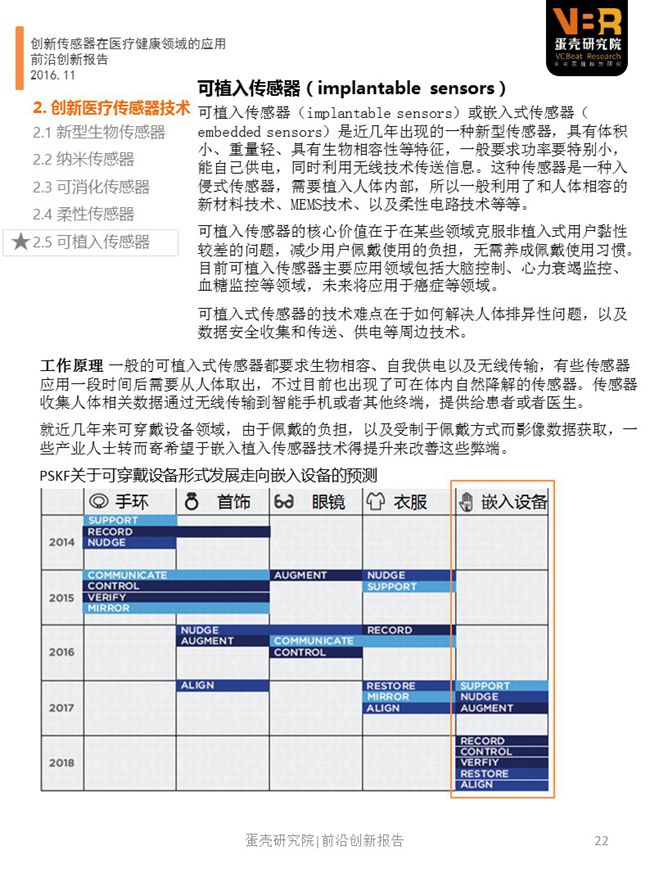
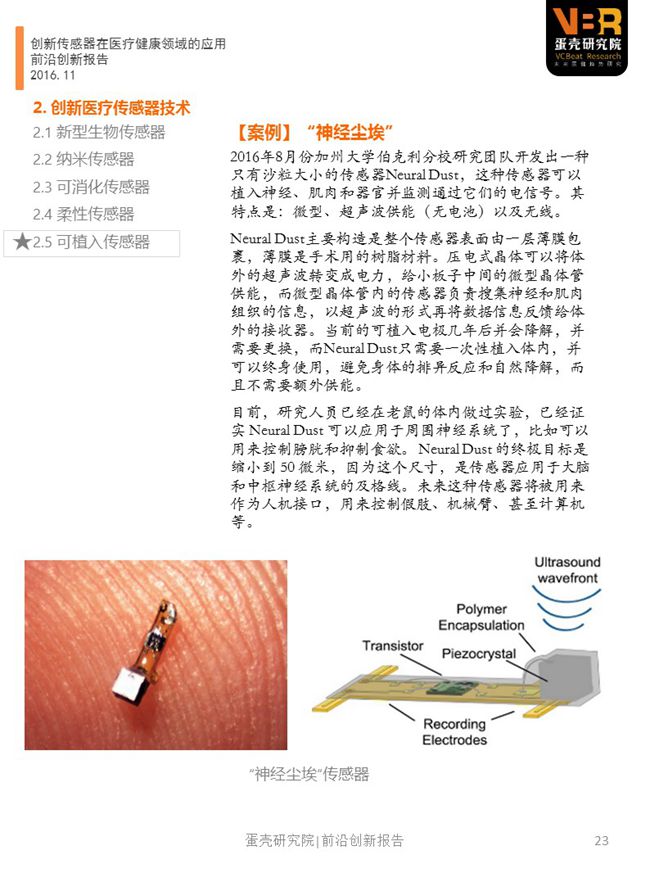
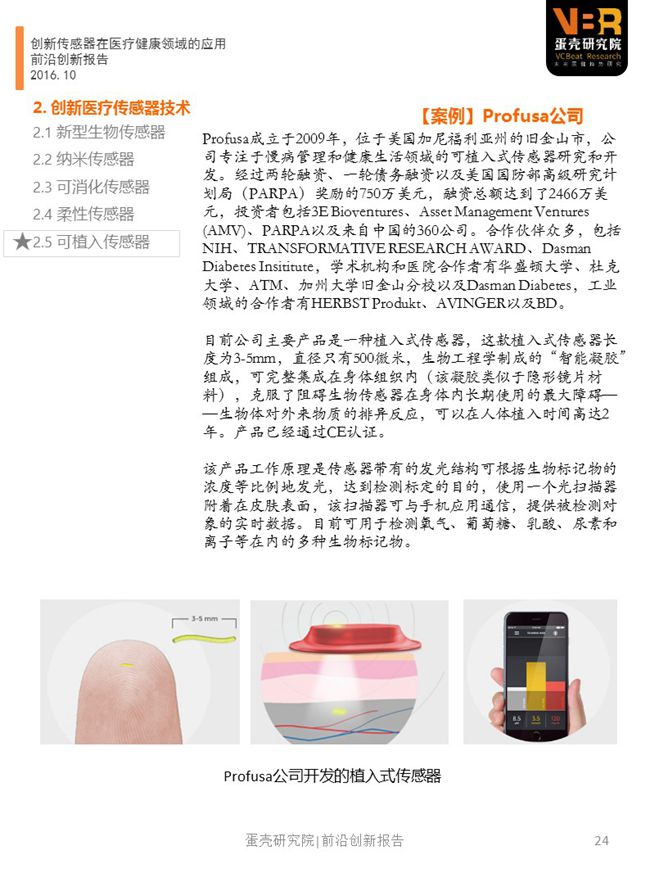
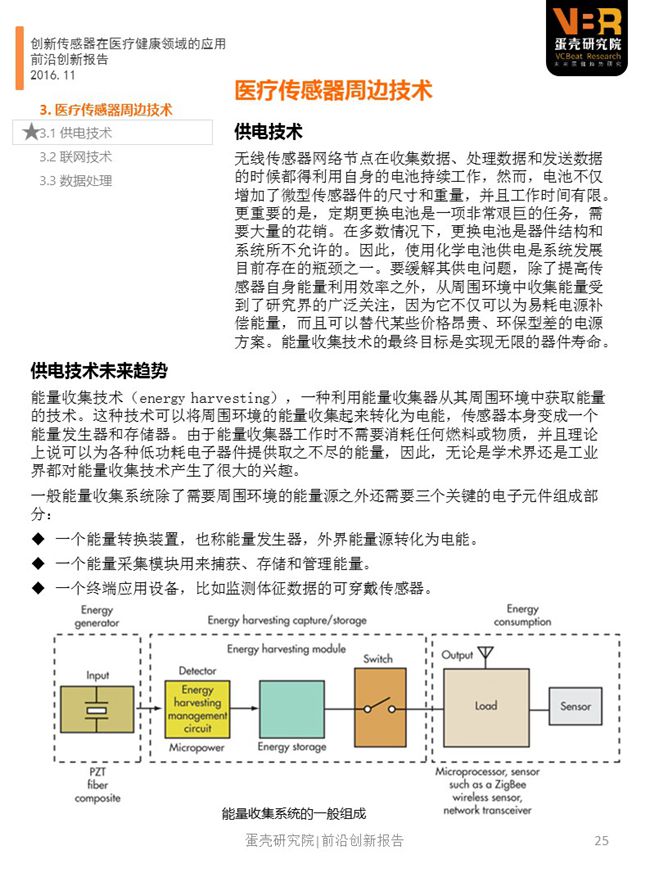
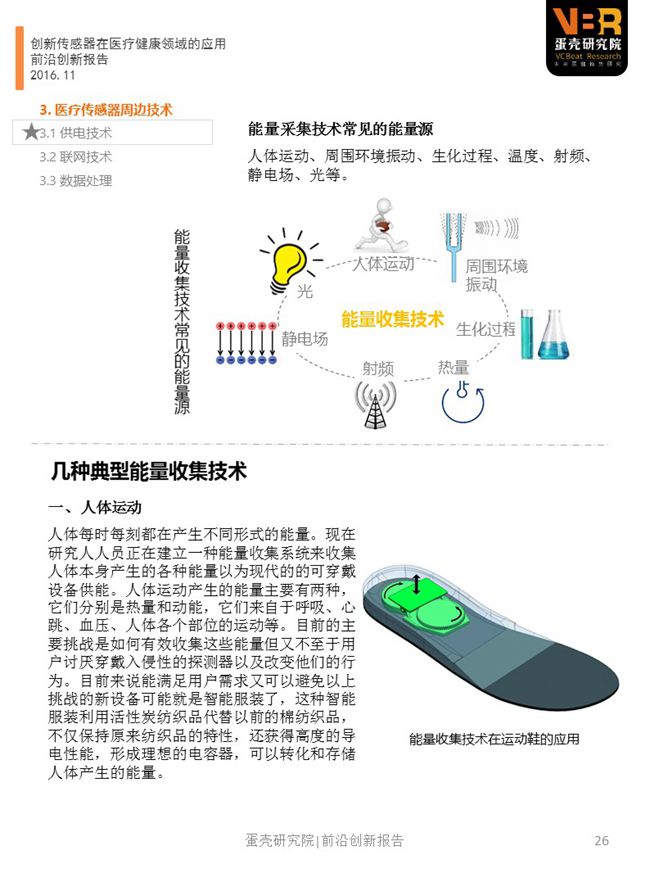
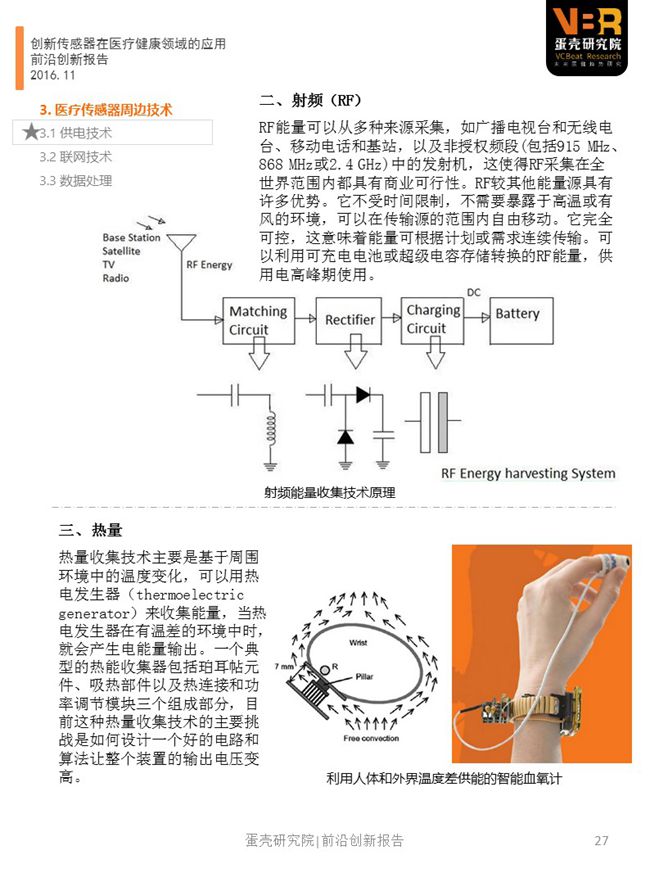
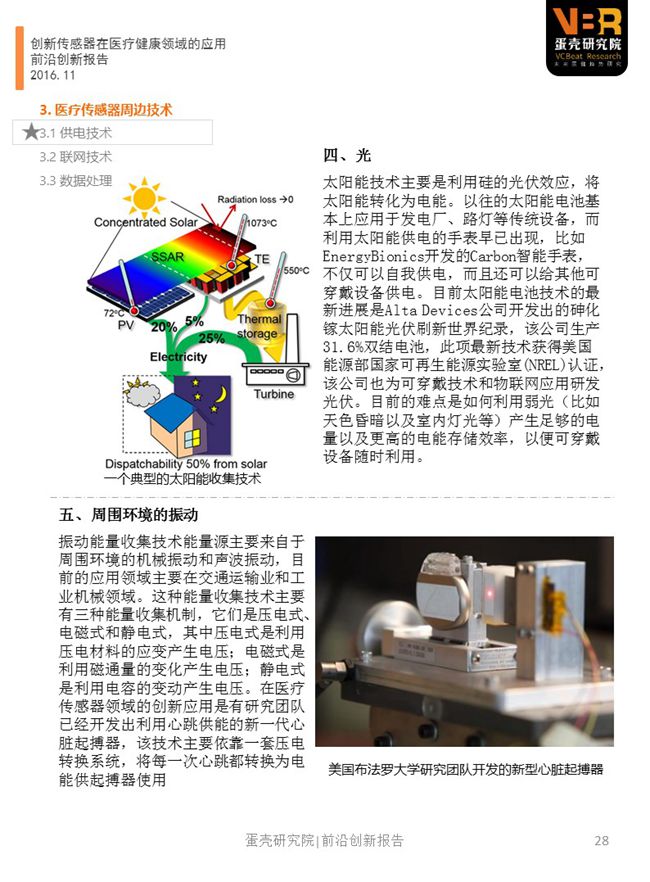
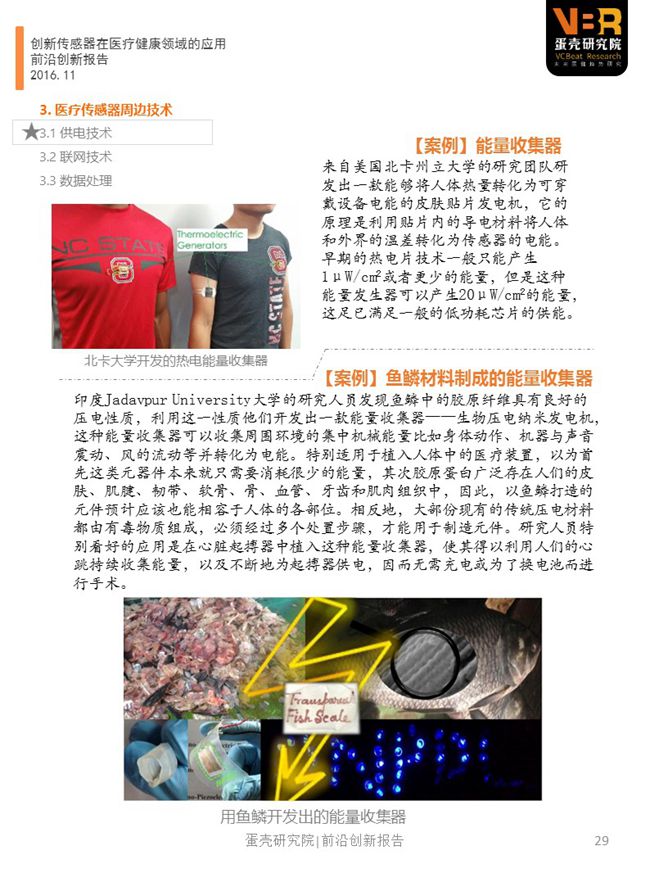
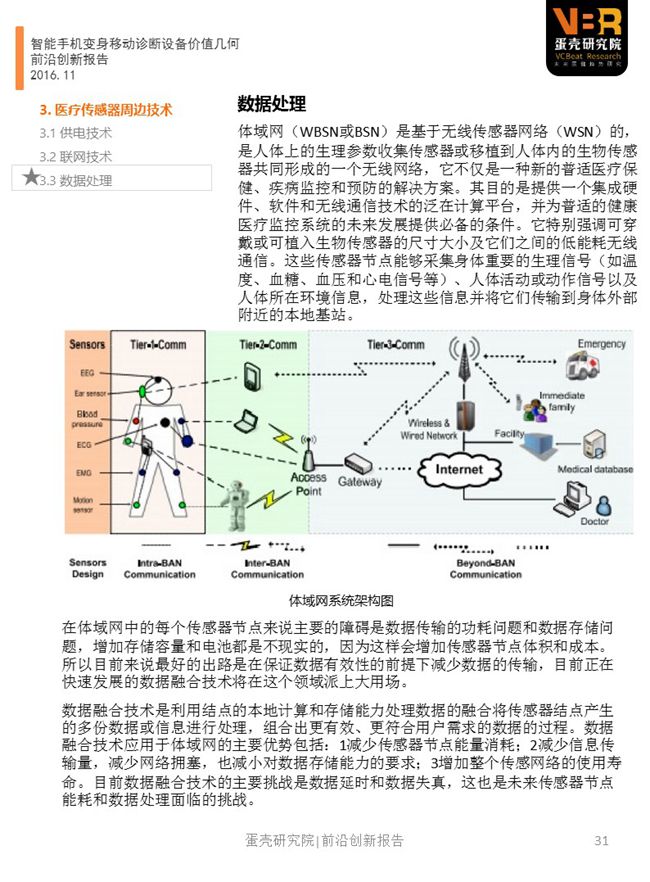
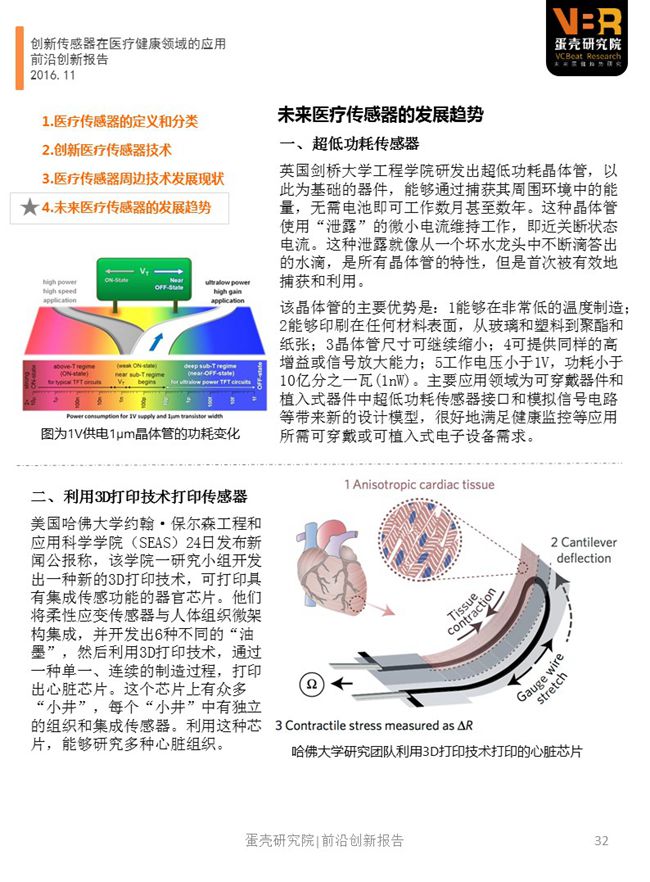
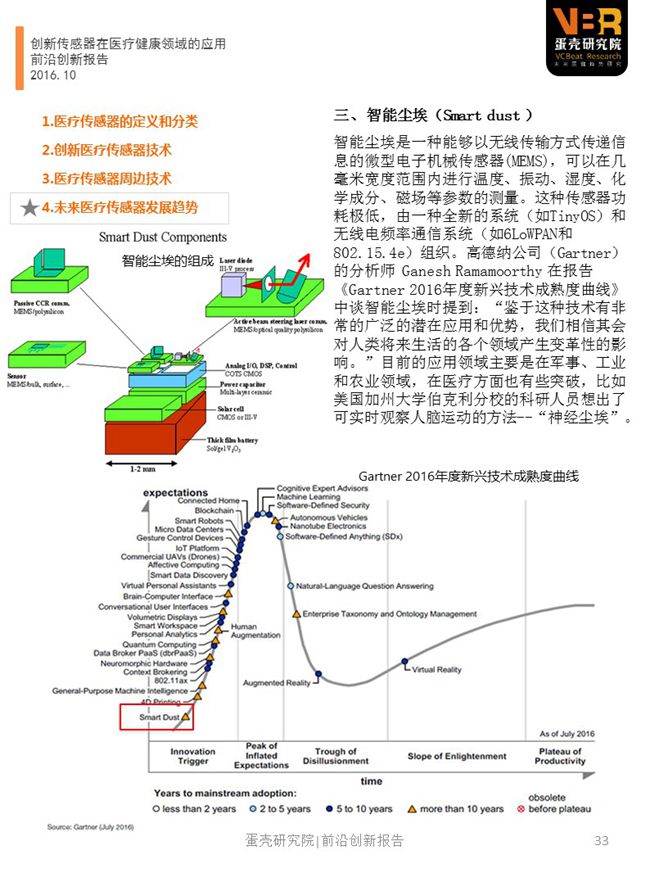
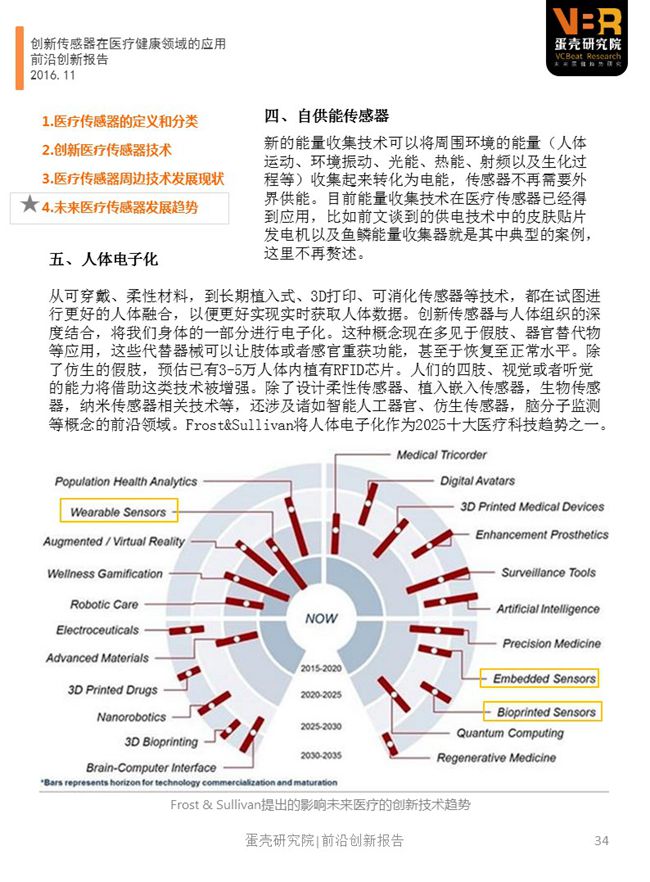
This research report is divided into four parts. Part One describes the definition and classification of medical sensors, as well as the core value of data acquisition. Part Two provides an overview of various innovative sensors that have emerged in recent years, primarily including novel biosensors, nanosensors, ingestible sensors, flexible sensors, and implantable sensors. It analyzes the technical background, application value, and market size of each category of innovative sensors, while also conducting a detailed study of typical cases within each sensor type. Part Three analyzes the current development status of peripheral technologies related to innovative medical sensors. Part Four examines future trends in the application of medical sensors and major technological development trends.
To download the full PDF version, please follow the VCBeat official account and reply with the keyword “Sensor"Acquisition.
By VCBeat. Please credit the WeChat Official Account when reposting.VBResearch2016
For more articles by this author, please seeGu Beini's Column
↓↓↓