

Dr. Wang Bin, Director of the Cardiovascular Hospital at the First Affiliated Hospital of Shantou University Medical College: Complex Hypertension Cases Demand Precision Medicine
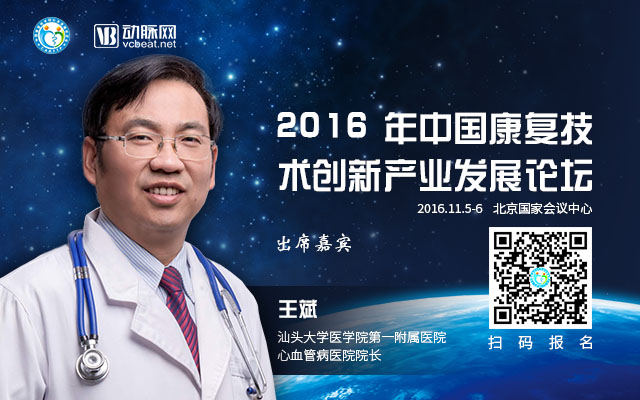
Wang Bin, Dean of the Cardiovascular Hospital, The First Affiliated Hospital of Shantou University Medical College
Medication Management Poses Challenges for Hypertensive Patients
Currently, there are still significant issues with medication use among the hypertensive population in China. The most prominent issue is the insufficient dosage or variety of antihypertensive drugs prescribed. On one hand, patients with hypertension often remain asymptomatic, leading many to perceive it as a minor health concern and thus resist taking medication. While the apparent goal of hypertension management is to achieve target blood pressure levels, the ultimate objective is to prevent more severe cardiovascular, cerebrovascular, and renal events. However, the progression toward these complications is gradual and may only become evident after many years. Because patients fail to recognize this long-term risk, they are often unwilling to adhere to standardized, aggressive pharmacological treatment. Furthermore, hypertension is a chronic condition requiring lifelong medication. Many individuals are deterred simply by the prospect of lifelong drug therapy. Additionally, some patients are concerned about potential side effects, which psychologically undermines their confidence in pharmacological treatment.
Genetic Testing Holds Certain Value for Patients with Hypertension
Genetic testing for personalized medication in hypertension holds certain value. This is particularly true for patients with refractory hypertension, especially those with multiple comorbidities requiring combination therapy, where the utility of such testing is significantly greater. For routine patients, however, the current clinical value of this test is limited, as inadequate drug dosing is more commonly the issue; it is not a matter of assessing efficacy after optimal dosing has already been achieved.
The More Complex the Situation, the Greater the Need for Precision Medicine
Personalized Treatment of Hypertension Guided by the Concept of Precision Medicine: A Direction for Physicians to PursueMedicine is inherently an imprecise science characterized by uncertainty; therefore, physicians must conduct individualized assessments of patients to achieve relatively precise treatment. Furthermore, current clinical guidelines are based on large-scale population studies. Although the data are derived from the majority, clinical trials often impose specific criteria and limitations on participant selection. Consequently, a particular guideline or regimen may not be suitable for every individual patient with hypertension. This underscores the need for precision medicine. Precision medicine is synonymous with personalized treatment, which is grounded in a comprehensive evaluation of the patient’s blood pressure levels, cardiovascular risk factors, organ function, and concomitant medications, ultimately leading to the selection of a tailored therapeutic plan. In summary, the more complex a patient’s condition, the greater the need for precision-based treatment.
To further explore the development trends in technological innovation and translation within the healthcare industry, the China Association for Rehabilitation Technology Translation and Development held the “2016 China Forum on the Development of Rehabilitation Technology Innovation Industry and the Third Member Representative Congress of the China Association for Rehabilitation Technology Translation and Development” at the Beijing National Convention Center from November 5 to 6, 2016.
This forum will closely revolve around the theme of “Focusing on Healthy China, Promoting Innovative Industries,” adhering to the conference’s mission of “Learning, Communication, Discussion, and Exchange.” It will delve into hot topics such as how to drive innovative development in medical and health industry technologies and how to foster deeper integration among industry, academia, research, and technology transfer in the healthcare sector. Furthermore, the forum will interpret and discuss key issues, policies and regulations, guiding principles, and development models related to the implementation of the national strategy of “Healthy China.”
Related Reading:
Gao Hongjun of the 307th Hospital: Precision Medicine Brings New Breakthroughs in Cancer Treatment
Yu Hai of Hailiying: Advancements in Information Technology Must Align with Medical Principles
Zhang Hao of Beijing Boai Hospital: Intelligent Rehabilitation Is the New Hope for Rehabilitation