

Medical Imaging: An Early-Stage Startup Arena Where Online-Offline Integration Emerges as a Key Trend | 2016 Annual Review
As 2016 draws to a close, VCBeat’s flagship annual event, “Future Healthcare Top 100,” is arriving as scheduled. Prior to the unveiling of the Top 100 list, VCBeat has meticulously curated a series of year-end reviews focused on specific healthcare subsectors. These features are designed to help you quickly gain in-depth insights into the hot healthcare subsectors of 2016, providing a clear overview of the current status of companies, key events, and development trends within each major subsector.
New scientific directions often arise from new tools rather than new concepts. Concept-driven scientific revolutions merely explain old phenomena with new methods, whereas tool-driven scientific revolutions uncover new phenomena that require elucidation.
From the discovery of X-rays by German scientist Wilhelm Röntgen in 1895, to the subsequent emergence of CT and MRI technologies, and now to the entirely new era of digital imaging, medical imaging technology has undergone a rapid development process from nothing to something, and from small to large. This progress is, of course, attributable to the swift advancement of information technology. The rapid evolution of informatics has driven fast progress in imaging research, extending imaging medicine from purely diagnostic applications into therapeutic domains, shifting from traditional anatomical imaging toward functional and metabolic imaging, evolving from two-dimensional to three-dimensional imaging, and transitioning from original film-based media to digitized, networked, and diversified image storage and transmission systems.
Medical imaging has evolved over the past 120 years since the advent of X-ray imaging. The continuous enrichment of imaging technologies has transformed medical imaging from a supplementary examination tool into the most critical instrument for clinical diagnosis and differential diagnosis in modern medicine. Currently, no new concept in modern medicine has garnered more attention than precision medicine, a novel approach to disease treatment and prevention built upon an understanding of individual genetics, environment, and lifestyle. Essentially, the ability to visualize and clearly resolve issues at the genetic and protein levels determines the depth of our understanding of diseases. Therefore, it is foreseeable that future medical imaging will not only serve as an essential tool for precision medicine but also act as a driving force for exploring pathology at deeper levels.
Medical imaging, as a critical component of the diagnosis and treatment process, is an inevitable aspect of future healthcare development. Currently, numerous overseas internet-based medical imaging applications have gained widespread acceptance, whereas domestic development in this field remains in its nascent stage. Therefore, VCBeat (WeChat ID: vcbeat) aims to approach this topic from the perspective of the medical imaging industry chain, providing a comprehensive overview of various niche sectors among China’s medical imaging innovators. We hope to offer healthcare innovators greater insights into trends in medical imaging innovation, business models, directions for transformation, and an understanding of market needs. Additionally, we aspire to gain deeper insights into the future of healthcare.
VCBeat compiled an overview of 59 domestic medical imaging startups in China, detailing their names, locations, founding dates, and financing status, with data current as of November 2016.
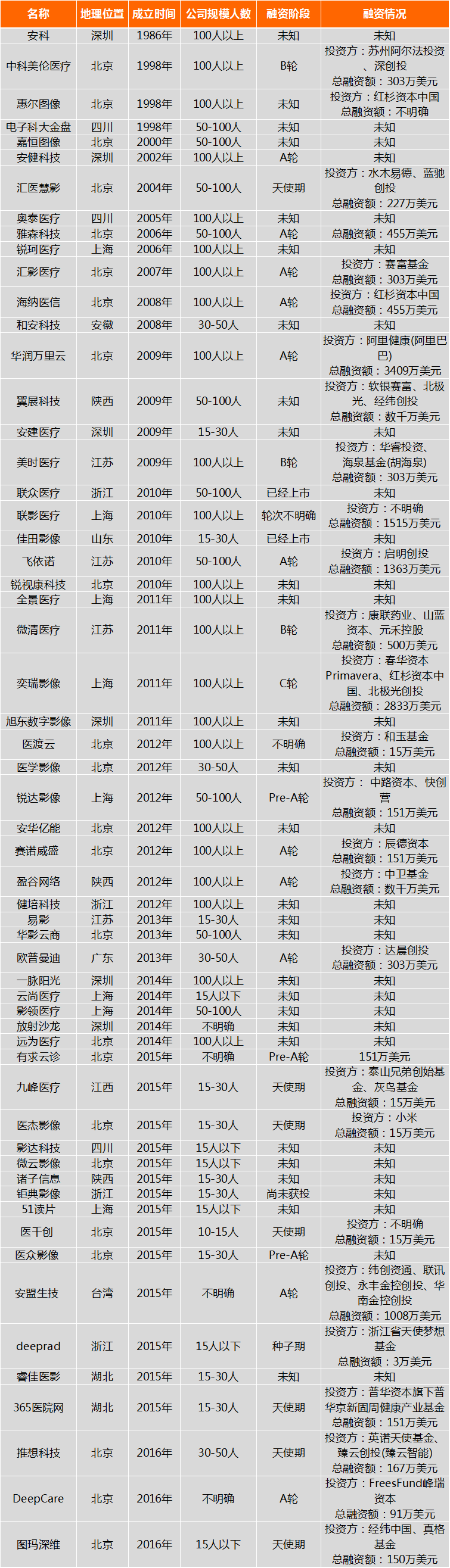
Data Source: VCBeat, VCBeat Database
2016 Medical Imaging Incident Scan
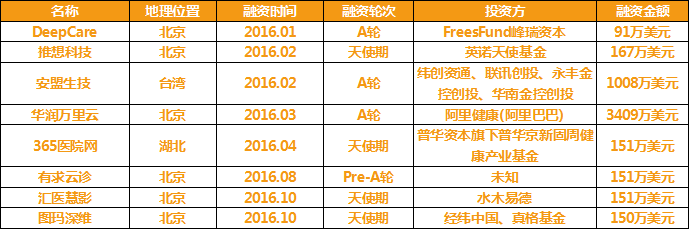
2016 Financing Timeline Scan
January 2016, an AI medical imaging startupDeepCareCompleted byFreeS FundInvestment$6 million Angel round financing, hoping toDeep Learning + Medical ImagingRevolutionizing Disease Screening and Diagnosis.
February 2016,Anmeng BiotechCompleted$10.08 Million Financing, this round of financing was led byWistron Corporation, Lianxun Venture Capital, SinoPac Holdings Venture Capital, Hua Nan Financial Holdings Venture CapitalCo-investment. The funds will be primarily used for the company's second-generation productsRobotic Arm High-Resolution Tomography Scannerdevelopment, as well as clinical trials with renowned cancer hospitals in the United States.
February 2016,InfervisionAcquisitionInno Angel Fund: $11 Million Angel RoundFinancing, with the hope of leveragingImage Recognition Algorithm Model, providing physicians with auxiliary diagnostic solutions. By assisting doctors in medical diagnosis, it helps alleviate the shortage of medical capacity and liberates high-quality medical resources, making premium and affordable healthcare services accessible to every household.
March 2016,Alibaba Health Invests 225 Million Yuan in Wanli Cloud, and lay out a medical imaging platform. Wanli Cloud effectively combines Alibaba Health’s advantages in the internet healthcare sector with the company’s 60 years of accumulation in China’s medical imaging industry, to pioneerThird-Party Imaging Center Business, launch 2B and 2C businessesTelemedicine Imaging Diagnosisand related services, forming efficient and professional connections among patients, primary care hospitals, imaging centers, imaging specialists, and equipment manufacturers, delivering innovative imaging value, and building a comprehensive medical imaging platform.
April 2016,365 Hospital Network Secures Multi-Million Yuan Angel Investment, and is fully committed to developing a telemedicine information service platform. It is one of the few companies in China that possesses core technologies for mobile transmission and processing of medical images.
May 2016,Lianzhong MedicalCompletedNEEQListing, this is the first toBig Data in Medical Imagingas a core enterprise listed on the National Equities Exchange and Quotations (NEEQ). Meanwhile, Lianzhong Medical will invest in and construct a big data analytics project in the Gui'an New Area, built upon a medical imaging information system platform. The total investment for this project across the three phases in the Gui'an New Area will reach RMB 2.3 billion.
October 2016,Tumashenwei Secures $1.5 Million in Angel Funding, primarily developing based onAI-Based Medical Imaging Analysis and Diagnostic System, . Their first product is an automated lung cancer diagnosis system (SigmaLUTM). It can automatically segment the lungs from thoracic CT scans and automatically mark information such as the location, size, shape, and benign or malignant nature of suspected lung cancer nodules. This assists physicians in analyzing thoracic CT scan images, helping to improve the detection rate of early-stage lung cancer while significantly reducing the workload of clinicians.
October 27, 2016, an independent third-party medical imaging consultation platformHuiyi HuiyingAnnounced externally that it has recently completedTens of millions of yuan in Series A fundingFinancing, with investors beingBlueRun Ventures. Meanwhile, Huiyi Huiying officially released its newNova 3.0 Smart Imaging Cloud Platform, the platform supports high-concurrency access by 300 users per second on a single server, with end-to-end full-process data encryption. In partnership with Symantec, it ensures network and data security. Huiyi Huiying aims to build an intelligent imaging cloud platform powered by artificial intelligence, enhancing the efficiency and accuracy of clinical diagnosis and treatment, thereby addressing the mismatch between medical resources and patient needs in certain regions.
Financing Events in the Medical Imaging Industry in 2016
Data source: VCBeat, VBInsight database
2016 Policy Review
In June 2016, the General Office of the State Council issued the “Guiding Opinions on Promoting and Standardizing the Application and Development of Health and Medical Big Data,” explicitly stating that health and medical big data is a crucial foundational strategic resource for the nation. It called for deepening the application of medical big data in clinical diagnosis and treatment, medical device and pharmaceutical research and development, and health insurance, so as to foster the formation and rapid growth of the medical big data industry. This encompasses areas such as healthcare informatization, as well as the collection, integration, sharing, and analytical application of medical data.
On August 1, 2016, the Basic Standards for Independent Medical Imaging Diagnostic Centers and the Management Specifications for Independent Medical Imaging Diagnostic Centers, formulated by experts from the Zhejiang Provincial Health and Family Planning Commission, officially came into effect, encouraging social capital to establish independent third-party imaging centers in the vicinity of large hospitals.
On August 12, 2016, the National Health and Family Planning Commission issued the "Basic Standards and Management Specifications for Medical Imaging Diagnostic Centers (Trial)," which, on the basis of supporting private capital participation, encourages medical imaging diagnostic centers to develop as independently established medical institutions in a chain-based and group-oriented manner, with limited approval for establishment.
On October 25, 2016, the Central Committee of the Communist Party of China and the State Council issued the “Outline of the ‘Healthy China 2030’ Plan,” which guides the development of specialized medical laboratory centers, medical imaging centers, pathological diagnosis centers, and hemodialysis centers, thereby promoting the growth of the pharmaceutical industry. By 2030, the domestic market share of high-end medical equipment is to be significantly increased, achieving medium-to-high-speed growth in the pharmaceutical industry and its advancement toward the mid-to-high end, thus joining the ranks of the world’s leading pharmaceutical powers.
Current Status of the Medical Imaging Industry in 2016
Geographic Distribution Is Relatively Unbalanced
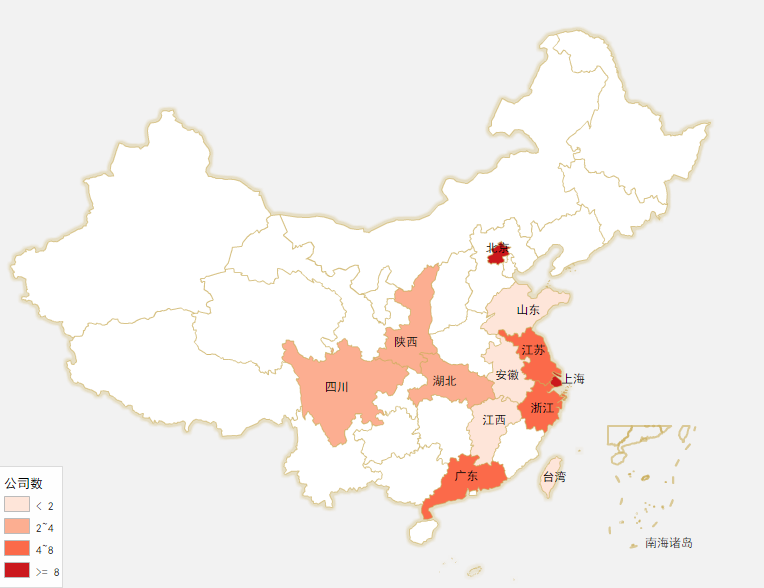
We conducted a statistical analysis of the geographic distribution of 59 medical imaging startups. The distribution of medical imaging startups in China is relatively unbalanced, with central cities serving as key hubs. Currently, professionals specializing in medical imaging are primarily concentrated in the developed eastern regions. These startups can be categorized into four major regions: North China, East China, South China, and West China. North China and East China are the primary clusters for medical imaging startups.
Data Source: VCBeat, VCBeat Database
From the perspective of provincial-level regional distribution, China’s medical imaging market has currently formed a layout centered on Beijing, Shanghai, Guangdong, Jiangsu, Shaanxi, Sichuan, and Zhejiang. Among these, Beijing is the preferred location for startups in the medical imaging industry, accounting for over 40% of the total. This may be the result of multiple factors, including strong demand for medical imaging services and well-established entrepreneurial infrastructure in Beijing.
Medical imaging equipment manufacturers started early.
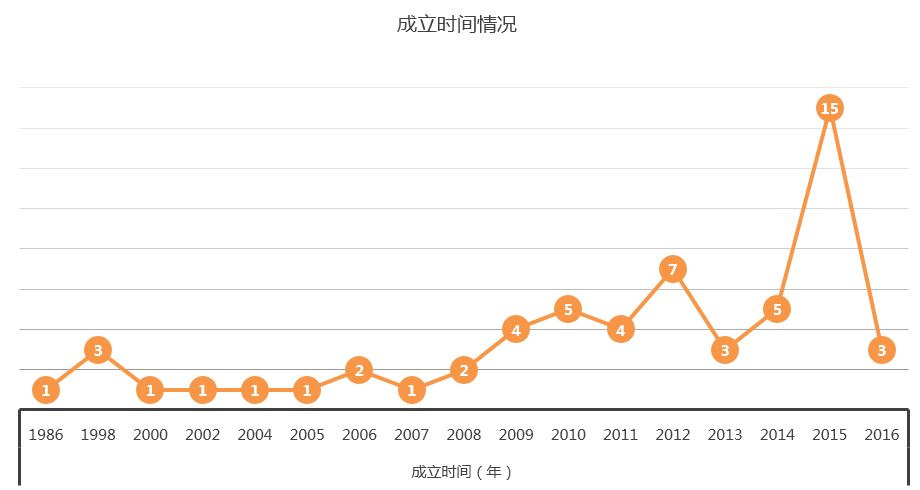
Medical imaging startups emerged relatively early. Among the 56 companies we analyzed, Shenzhen Anke, founded in 1986, is the earliest established. Early medical imaging startups were primarily engaged in the manufacturing and research and development of medical imaging equipment. From 2007 to 2013, the number of medical imaging startups began to grow rapidly. Companies founded during this period were mainly healthcare IT service providers and medical equipment manufacturers. In 2013, as the internet’s penetration into healthcare deepened, there was a notable increase in various types of companies, including cloud-based medical imaging platforms and intelligent diagnostic solution providers.
Data Source: VCBeat, VBInsight Database
The foundational industries are relatively mature.
Domestic medical imaging startups have expanded rapidly in scale, with nearly 40% employing more than 100 people. The majority of these are equipment manufacturers. Having entered the market earlier, these companies have grown into medium-sized or large enterprises after years of development. They feature more management layers, more complex organizational structures, a more comprehensive range of business activities, and a relatively mature industry presence.
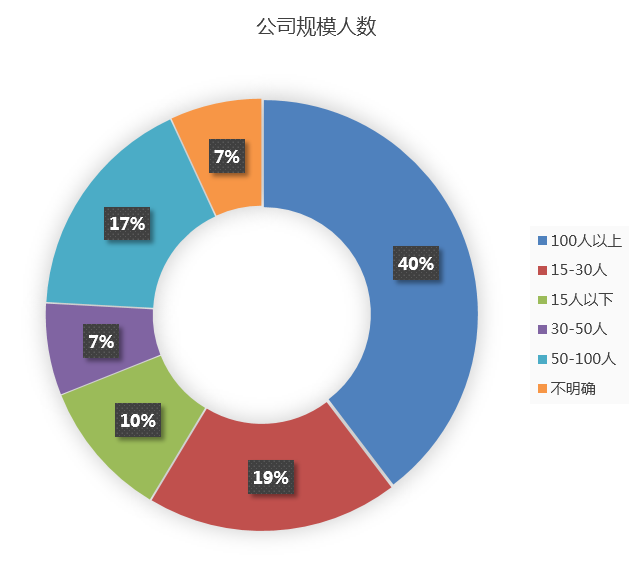
Data Source: VCBeat, VCBeat Database
The startup track is in its early stages.
Among the 59 companies included in our statistics, 22 disclosed detailed financing information, with a total funding amount of $148.83 million. Of this, the total funding in 2016 amounted to $59.6 million, accounting for 40% of the total. The Chinese medical imaging industry is dominated by Series A investments, which constitute more than 45% of all investment cases. Investment in the medical imaging sector exhibits a trend where later-stage rounds involve larger individual investment amounts. There was only one Series C case, yet it involved a substantial investment of $28.33 million. The average funding amounts were $6.02 million for Series A, $3.69 million for Series B, $1.51 million for Pre-A, and merely $0.62 million for the angel stage. The prevalence of angel and Series A deals indicates that the medical imaging sector remains in its early stages.
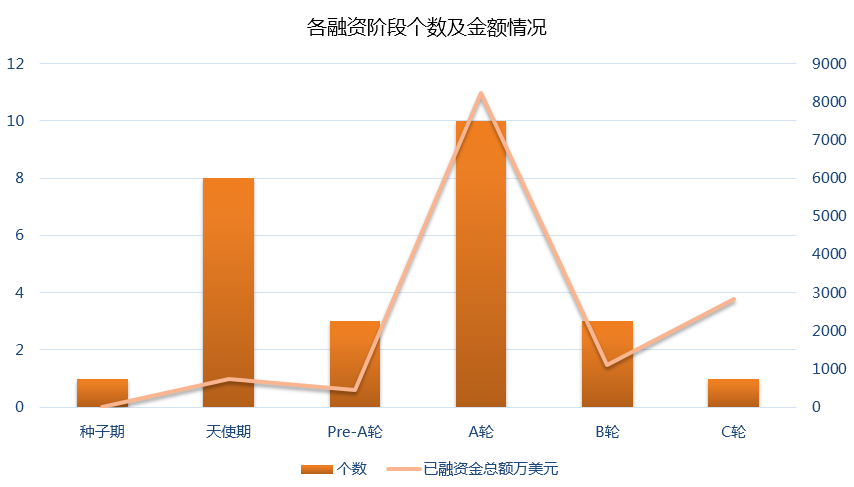
Data source: VCBeat, VBInsight database
Medical Imaging Equipment Manufacturers Attract Greater Capital Attention
To better assess investment trends in the capital market, we excluded companies with unclear funding rounds. We analyzed 22 startups that had disclosed their financing details, examining them across four dimensions: funding round, year of establishment, funding amount, and company type. Equipment manufacturers attracted a relatively large number of investments and higher total funding amounts; all of these companies had reached Series A or later stages, indicating they had entered a phase of scaled development. The number of companies providing intelligent diagnostic services for medical imaging and those offering cloud platform services was comparable. Among them, China Resources Wanli Cloud secured the highest funding amount, reaching USD 34.09 million. Compared to other medical imaging cloud service platforms, Wanli Cloud not only provides cloud platform services but also offers remote medical imaging services and builds and operates offline third-party medical imaging centers. By integrating these multi-point services, it explores broader business models and garners greater attention from the capital market. Naturally, Wanli Cloud’s extensive background in medical imaging, accumulated over years of dedicated development, has been a key factor in attracting investor interest. Alibaba, which holds a stake in Wanli Cloud, stated that based on the resources currently held by Alibaba Health and Wanli Cloud, the two parties are highly likely to collaborate on the medical imaging platform to develop business models including B2B, C2B, and C2C.
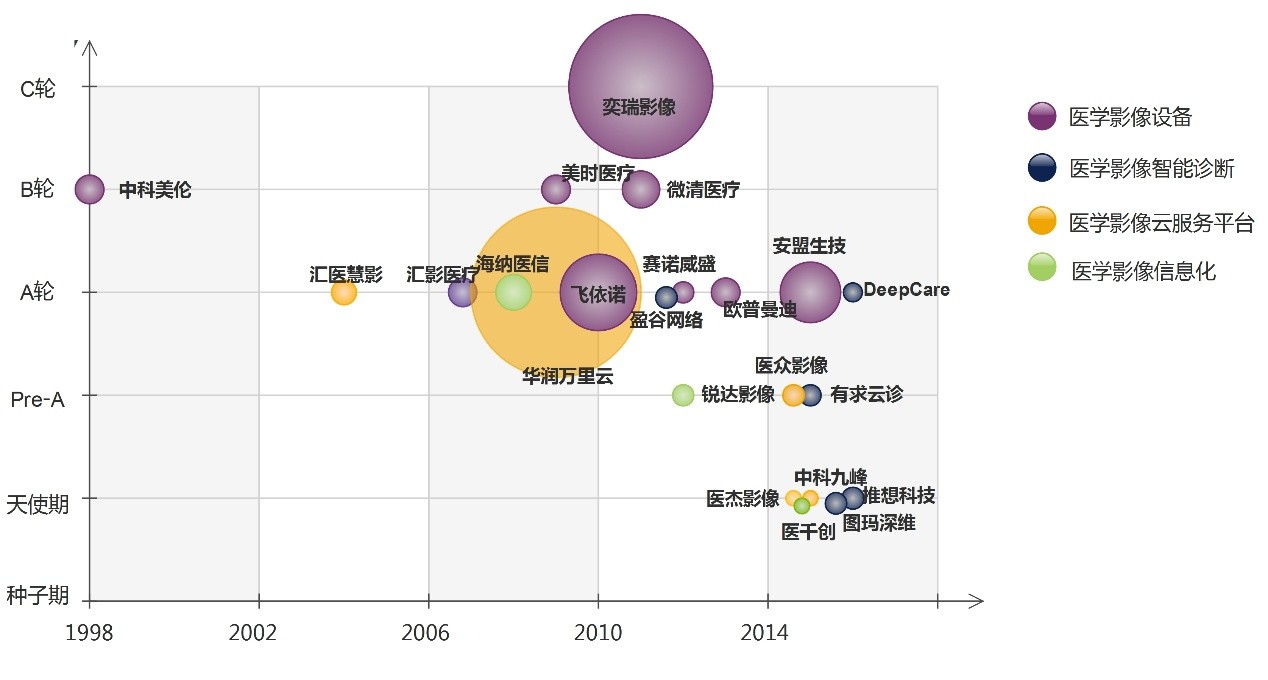
Data Source: VCBeat, VBInsight Database
How Medical Imaging Startups Strategize Around Market Needs
From the healthcare delivery process, it can be simply understood as Patient → Healthcare Institution → Physician. Based on specific use cases, patients face issues such as redundant imaging and high misdiagnosis rates; healthcare institutions struggle with difficulties in storing imaging data, as well as low accuracy and efficiency in image-based diagnosis; physicians encounter challenges in professional communication and a scarcity of learning resources. Medical imaging startups are strategically positioned to address these needs. We will analyze the current landscape of medical imaging entrepreneurship from the perspectives of patient, healthcare institution, and physician needs.
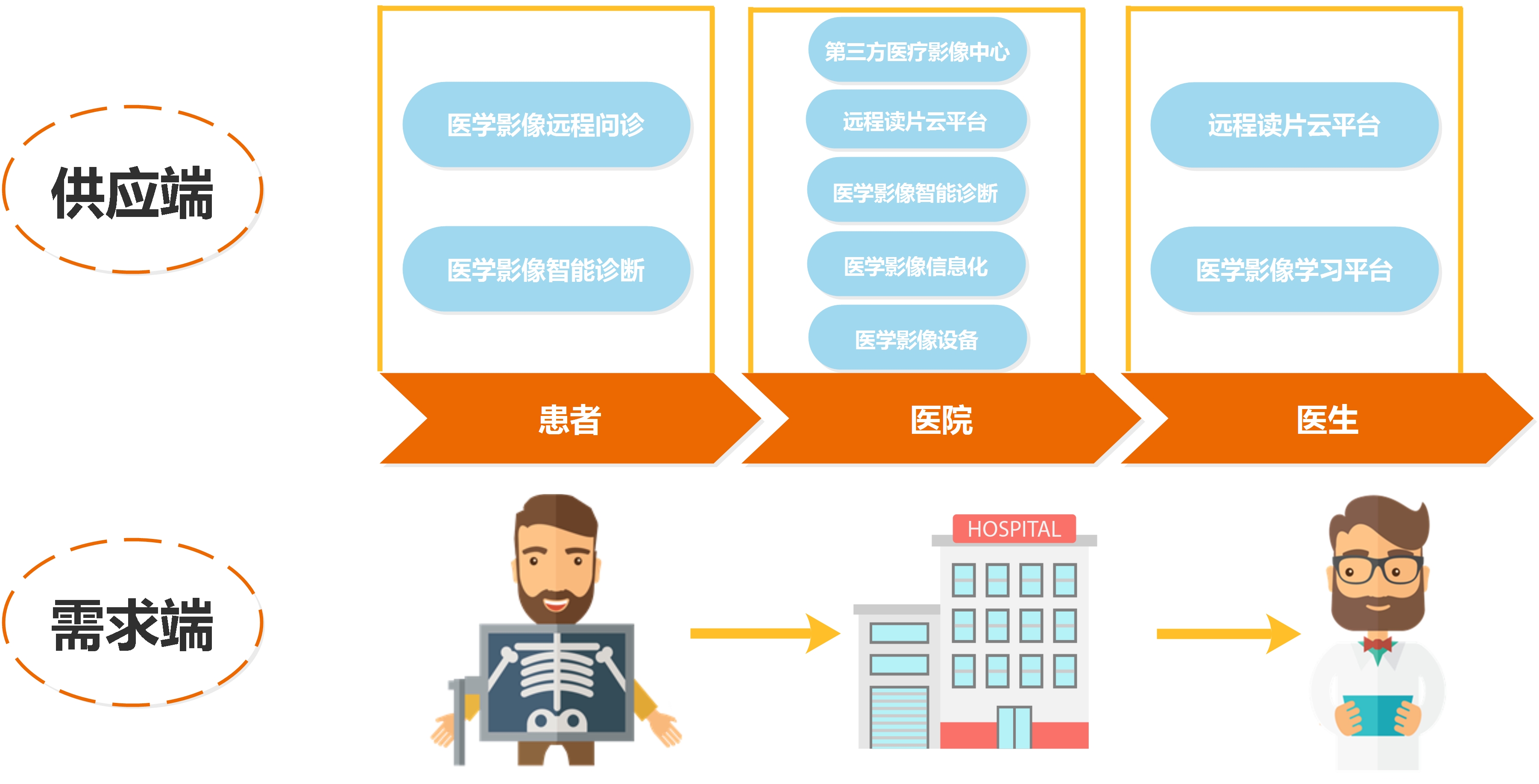
Demand Side of Medical Imaging
Workload is not commensurate with salary.Survey results show that 60% of radiologists work more than 8 hours a day, with 25% averaging over 10 hours daily, while 75% earn a monthly salary below RMB 6,000. Nearly every hospital radiology department operates on a 24-hour duty roster, leaving staff unable to take even a brief break from morning till night during peak periods. Furthermore, radiologists are exposed long-term to radiation and other potential hazards in enclosed environments.
Information silos and a lack of learning opportunities.Nowadays, operating medical devices has become increasingly easier, but making a definitive diagnosis has grown more challenging. When patients present with nonspecific symptoms, radiologists must possess more extensive knowledge and experience than clinicians to make accurate judgments. This necessitates that radiologists continuously learn new diagnostic and therapeutic techniques and methods; otherwise, missed or incorrect diagnoses may occur. However, radiologists rarely have opportunities to engage in external exchanges and training.。
Healthcare Institutions' Demands: Improve Storage Efficiency and Break Down Information Silos
Challenges in the Storage and Management of Medical Imaging Data. Seventy percent of clinical diagnoses in hospitals rely on medical imaging. Compared with other industries, the healthcare sector generates substantially larger data volumes, with imaging data accounting for approximately 80% of storage space. Consequently, hospitals must invest nearly every year in expanding their data center storage capacity, with expenditures ranging from hundreds of thousands to tens of millions of yuan.
Imaging data forms information silos.Currently, in many hospitals, individual departments maintain their own independent radiology PACS, ultrasound image and report systems, pathology image and report systems, and even laboratory information systems (LIS). However, many of these systems were established under departmental leadership based on specific operational needs. During implementation, integration with the hospital’s overall information system was either not considered or not feasible due to technical limitations at the time, resulting in isolated systems. A very common phenomenon is that, as hospital informatization advances, these siloed systems fail to integrate with the hospital’s overarching information infrastructure. Furthermore, hospitals across different regions often employ medical imaging data acquisition equipment from various manufacturers, leading to incompatibility and inability to fuse data, thereby creating information silos.
"Repeated Imaging, Repeated Harm."Most patients have encountered the same issue: “I had imaging done at Peking University Hospital, but when I sought treatment at Peking Union Medical College Hospital, they refused to accept the results.” Physicians would explain, “If your prior test or diagnosis is inaccurate and I rely on it, who will be held accountable for the resulting misdiagnosis?” The lack of a reasonable solution leads to redundant imaging, increased healthcare costs, and waste of medical resources.
There is a lack of efficient communication between doctors and patients.The regional imbalance of medical resources across China, particularly in remote areas, makes it even more difficult for patients to access healthcare. The sharing of medical imaging remains a significant weakness among medical institutions. Patients often have to carry physical films and travel extensively to seek medical advice, while doctors spend excessive time on basic consultations, resulting in a lack of direct and efficient communication between doctors and patients.
High Misdiagnosis Rate. According to VCBeat, over 90% of medical data originates from medical imaging; however, the majority of this data still requires manual analysis. The drawbacks of manual analysis are evident: first, it lacks precision, as judgments rely heavily on experience, making misdiagnosis highly likely.
Medical Imaging Supply Side
Based on whether they are technology-driven or service-driven, and combined with whether their attributes are hardware-based or software-based, medical imaging startups are categorized into four types: hardware technology-driven, software technology-driven, software service-driven, and hardware service-driven.
Hardware-driven technology companies are primarily engaged in the research and development, manufacturing, and sales of medical imaging-related devices. In terms of the global scale of the medical device industry, China’s medical device sector exhibits relatively low market concentration, characterized by small-scale, fragmented enterprises and a lack of influential industry leaders, resulting in a pattern of scattered, extensive growth. Insufficient investment in industry research and innovation has led to limited competitiveness in the global market.
The localization of medical devices still has a long way to go.The domestic medical imaging equipment market is monopolized by imported manufacturers, with foreign giants holding a 90% market share, while domestic companies account for only 10%, primarily in the mid-to-low-end segments. According to data from the China Market Research Center, foreign brands occupy 80% of the CT market, 90% of the ultrasound instrument market, and 90% of the MRI equipment market in China. Domestically produced imaging equipment has relatively low technological content and is mainly concentrated in the mid-to-low-end markets, resulting in low recognition in the high-end market dominated by tertiary hospitals. To increase their market share, domestic manufacturers must first address these two issues.
Some domestic manufacturers have achieved technological breakthroughs in conventional medical imaging diagnostic equipment.In certain fields, domestically produced products with technological leadership have already replaced imports. For instance, the 64-slice CT and 3.0T MR systems independently developed by Shanghai United Imaging Healthcare are now in use at top-tier tertiary hospitals such as Beijing’s PLA General Hospital (301 Hospital) and Shanghai Ruijin Hospital, receiving positive feedback. Furthermore, United Imaging’s independently developed world’s first ultra-high-definition, high-speed 96-ring digital PET-CT represents a significant milestone in the global molecular imaging industry.
China's per capita ownership of imaging equipment is far below the international average.This is one of the issues being addressed by healthcare reform; increasing the proportion of medical device consumption and the per capita ownership of equipment will drive explosive growth in the imaging market.
Functional imaging technologies and molecular imaging represent significant future trends.As medical imaging evolves from traditional morphology-based approaches to incorporate functional assessments, functional imaging techniques have garnered widespread attention. In recent years, the widespread adoption of new technologies and equipment has facilitated the extensive clinical application of functional imaging, making the integration of traditional morphological diagnosis with functional imaging an inevitable trend for the future. Meanwhile, the organic combination of imaging anatomy and molecular imaging has led to qualitative breakthroughs in the field.
Medical imaging equipment will evolve toward specialization, miniaturization, widespread adoption, and precision in the future.Medical imaging equipment will no longer be confined to radiology departments; instead, it can be operated by any qualified physician in departments with clinical needs. The results are comprehensively analyzed via a network platform to facilitate clinical diagnosis and treatment. This approach not only improves equipment utilization but also enables more timely and targeted clinical diagnosis and therapeutic interventions for patients.
Hardware-driven medical imaging service companies are primarily offline independent medical imaging centers.An independent medical imaging diagnostic center refers to a medical institution that is independently established and applies modern imaging technologies, such as X-ray, computed tomography (CT), magnetic resonance imaging (MRI), and ultrasound, to examine the human body. It integrates patient history, clinical symptoms, physical signs, and other auxiliary examinations for comprehensive analysis and issues imaging diagnostic opinions. This definition excludes medical imaging diagnostic departments embedded within other medical institutions.
The emergence of independent medical imaging centers is inseparable from the support of advanced information technology.Traditional film-based imaging technologies in hospital radiology departments are relatively outdated, requiring manual archiving and being susceptible to environmental conditions for storage. Currently, the introduction and widespread adoption of PACS technology in hospitals across China have laid the foundation for digital imaging and transmission, establishing the essential conditions for networked implementation and the deployment of imaging information systems.
Independent medical imaging centers can address the drawbacks of PACS.Hospitals must store massive volumes of patient data daily, primarily consisting of medical imaging data. Given China’s large population and substantial patient base, the storage of medical imaging records presents significant challenges. Furthermore, the various PACS systems adopted by different hospitals are currently limited to internal networks; interoperability of imaging data across institutions and multi-terminal exchange remain to be realized.
Independent medical imaging centers facilitate the rational allocation of resources and improve healthcare efficiency.First, the updating of advanced instruments and equipment can be accelerated; inspection resources and quality at the level of Grade A tertiary hospitals can be shared. Imaging data are input and output by independent imaging centers, ensuring data uniformity and eliminating the problem of data silos. Meanwhile, expert resources can be fully leveraged, making the referral and matching between doctors and patients more efficient, while significantly reducing hospital operational costs.
A comprehensive medical imaging ecosystem helps raise industry barriers.Third-party independent imaging centers are only beginning to emerge in the Chinese market, whereas in the United States, they have been established and developing for over 30 years against the backdrop of tiered diagnosis and treatment. Taking RadNet, a giant in the U.S. medical imaging sector, as an example, it is the largest integrated outpatient and medical imaging center company in the United States. Its subsidiary, eRAD, is responsible for the research, development, and sales of computerized imaging systems, including PACS and workflow solutions.
Another subsidiary provides remote medical imaging consultation services. RadNet signs contracts with hospitals, clinics, and medical specialists to raise industry entry barriers and mitigate competitive threats. RadNet offers patients cost-effective and convenient payment options, while enabling its clients to incur lower medical costs under better healthcare conditions, which has encouraged insurers to actively partner with RadNet. In summary, RadNet has built a complete ecosystem encompassing “equipment–healthcare institutions–patient services–insurance payment.” This model offers valuable insights for China’s nascent medical imaging centers.
Among the 56 companies we analyzed, excluding comprehensive service-oriented firms, there were 16 software service-driven companies, three of which secured financing, with a total funding amount of $2.57 million. We categorized these software service-driven companies into two types: online medical imaging learning platforms and online medical imaging diagnostic platforms.
Online Medical Imaging Learning PlatformPrimarily addressing issues such as limited learning opportunities and isolated communication among medical imaging physicians, this initiative aims to facilitate information exchange by building a dedicated learning and communication platform for medical imaging. Thus, it can also be regarded as an internet-based education platform specializing in the medical imaging vertical. Such platforms offer a diverse range of educational resources, including videos, courseware, and live broadcasts. As online education continues to deepen its penetration, fields like medical imaging, which have traditionally relied on single-channel information access, hold significant promise for future growth. However, current platforms in this sector suffer from considerable homogenization. Therefore, key differentiators for online medical imaging learning platforms will include not only enriching educational and expert resources but also guiding user sharing and dissemination to enhance social engagement, while catering to users’ fragmented learning habits to boost interest and efficiency.
Online Medical Imaging Diagnosis PlatformMost operate under an asset-light model, functionally similar to independent medical imaging centers. However, they do not possess physical medical imaging equipment. Instead, they leverage the vast volume of imaging data generated by hospitals that do have such equipment, matching the needs of patients with full-time and externally hired part-time specialists. By establishing cloud-based medical imaging centers and connecting with primary care hospitals, these platforms enable images to be uploaded remotely, allowing specialists to issue reports from different locations. However, because this business model is easily replicable, significant homogenization has emerged among such platforms. Companies that can partner with large, high-quality hospitals and secure access to high-quality imaging sources hold a distinct advantage. Currently, these companies neither own medical equipment nor control patient entry points. Therefore,The integration of online medical imaging diagnostic platforms with offline independent medical imaging centers will become a significant trend.。
Among the startups we analyzed, 18 were software technology-driven companies, of which 10 secured financing, with a total funding amount of $14.84 million. These software technology-driven companies are further categorized into two types: those specializing in AI-based diagnostic technologies for medical imaging, and those focused on medical imaging informatics.
If we can extract the knowledge held by China’s top physicians through algorithmic learning and encode it into a computer program, the program could rapidly replicate itself millions of times. We could then deploy these virtual doctors to remote mountainous regions to enhance the diagnostic accuracy of local practitioners, assist local residents, and facilitate ongoing learning for local healthcare providers. The value generated by this initiative would be immeasurable."Transforming intelligent diagnosis based on medical imaging into a mature industry will be a long process, but it is an inevitable direction for future development."
In fact, intelligent diagnosis in medical imaging is an application of computer vision technology. Image processing techniques are first employed to convert images into inputs suitable for machine learning models, while machine learning is responsible for identifying relevant patterns within these images. What, then, is machine learning? It is a methodology that leverages data to train models, which are subsequently used for prediction. Data can be likened to life experiences: the more experiences one accumulates, the more accurate one’s judgments become. Similarly, in machine learning, the greater the volume of valuable data, the higher the accuracy of the model. Therefore, we can draw the following conclusion:Intelligent Medical Imaging Diagnosis = Medical Image Recognition Technology + Machine Learning Models + High-Value Data.
Most hospital imaging systems operate within local area networks (LANs), where large data volumes and slow transmission speeds hinder accessibility on mobile devices such as tablets and smartphones. A tertiary Grade-A hospital’s Picture Archiving and Communication System (PACS) generates approximately 10 terabytes of data annually. The storage, retrieval, transmission, and application of this massive volume of imaging data impose stringent requirements on hospital networks and end-user devices, presenting a critical challenge for every healthcare institution.The significance of PACS extends beyond digitization; streamlining workflows to enhance equipment and operational efficiency, increase revenue, and establish robust automated management of patient data are also critically important.
Currently, the standardization level of domestic PACS products in China is low. Most existing software adopts proprietary internal transmission formats. While no issues are apparent when these products are used independently, problems such as difficulties in information exchange arise when they are networked or integrated with other systems. Domestic capabilities for underlying development based on the DICOM standard are relatively weak; core modules are often purchased from overseas vendors without intellectual property rights. Consequently, compatibility issues emerge when standards are upgraded. Therefore,Companies with underlying development capabilities for the DICOM standard should be given priority attention.
Cloud PACS is also an emerging concept. Traditional PACS relies on storage arrays and heavily depends on the performance of individual devices. As data volume and user access traffic continue to grow, individual devices will fail to meet the demand. By adopting a cloud storage model, data can be stored in a distributed manner, thereby ensuring that data read/write speeds remain independent of data volume. Currently, Lianzhong Medical in China has mature technology in this area. It can uniformly manage patient identifiers from various medical institutions, establish a unique global patient identifier based on real-name identity information, and create document and image storage pools, thereby enabling standardized operation across a global platform. Given the adoption of cloud technology, the security and stability of information on the cloud platform become particularly critical. Lianzhong Medical collaborates with Alibaba Cloud, leveraging Alibaba Cloud’s financial-grade security protection system to safeguard the information security of Cloud PACS.Cloud PACS is a key technology for the informatization of medical imaging, with its core strengths lying in on-demand information delivery, analysis, and processing.
Data transmission is a critical step in medical imaging informatics systems. As image compression ratios continue to improve and technologies such as 3D reconstruction and fusion are widely adopted, the volume of data transmitted by PACS will continue to increase. However, the majority of imaging informatics-related products in China are limited to storage, transmission, and retrieval functions, with notable deficiencies in film management, report optimization, and data extraction.Therefore, the optimization of imaging report terminals and the integration of PACS with RIS/HIS systems will become future development trends.
Copyright Notice
This report is produced by VCBeat. All text, images, and tables contained herein are protected by applicable trademark and copyright laws. Some text and data have been collected from publicly available sources, with ownership retained by the original authors. No organization or individual may reproduce or distribute this report in any form without prior written permission from our company. Any unauthorized commercial use of this report shall constitute a violation of the Copyright Law of the People's Republic of China, other relevant laws and regulations, and applicable international conventions.
Disclaimer
This research report is based on information that VCBeat considers reliable and currently publicly available. VCBeat strives for, but does not guarantee, the accuracy and completeness of such information. Due to limitations in research methodologies, sample sizes, and the scope of data collection, the data presented herein only reflects the basic conditions of the surveyed population during the survey period. It serves solely the purpose of the current research and provides a basic reference for the market and clients. Furthermore, VCBeat does not guarantee that the opinions or statements contained herein will remain unchanged. At different times, VCBeat may issue reports with information, opinions, and projections inconsistent with those presented in this report.
VCBeat does not consider recipients of this report as its clients merely by virtue of their receipt thereof. This report is distributed only where permitted by applicable laws and regulations, solely for informational purposes, and shall not constitute any form of advertising. Under no circumstances shall the information contained herein or the opinions expressed herein be construed as investment advice to any person. Where permitted by law, VCBeat and its affiliates may hold equity interests in the companies mentioned in this report and may provide or seek to provide fundraising, financial advisory, or other related services to such companies.
Note: I am Wang Guanglong, an author at VCBeat. If you are an investor interested in medical imaging or an entrepreneur in the medical imaging sector seeking media coverage, please feel free to contact me. We also welcome any leads on relevant companies. WeChat: touchlife1; Email: wang.gl@vcbeat.top