Healthcare Reform Spotlight: Policy Series Report on Tiered Medical Diagnosis and Treatment System
By Deng Xueyuan
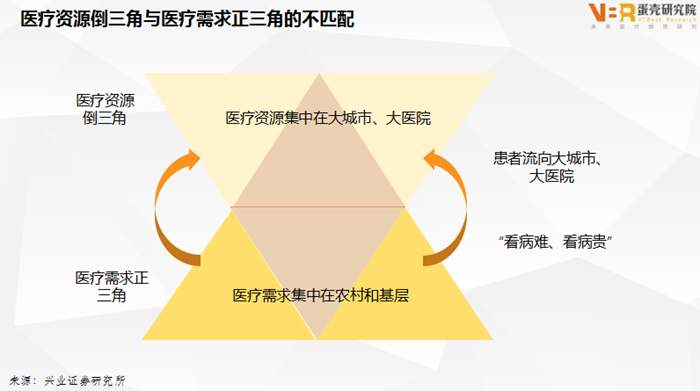
Data shows that 80% of China’s current healthcare resources are concentrated in urban areas, with 80% of those further concentrated in large and medium-sized hospitals, forming an “inverted pyramid” resource structure. In contrast, the majority of demand for healthcare services lies at the primary care level, forming a “pyramid” demand structure. This mismatch between the inverted pyramid of medical resources and the pyramid of medical needs has led to difficulties in accessing medical care. Tiered diagnosis and treatment can effectively address this challenge, curb the inappropriate over-treatment of minor illnesses, and, when combined with policies such as the separation of prescribing from dispensing, help control health insurance expenditures.
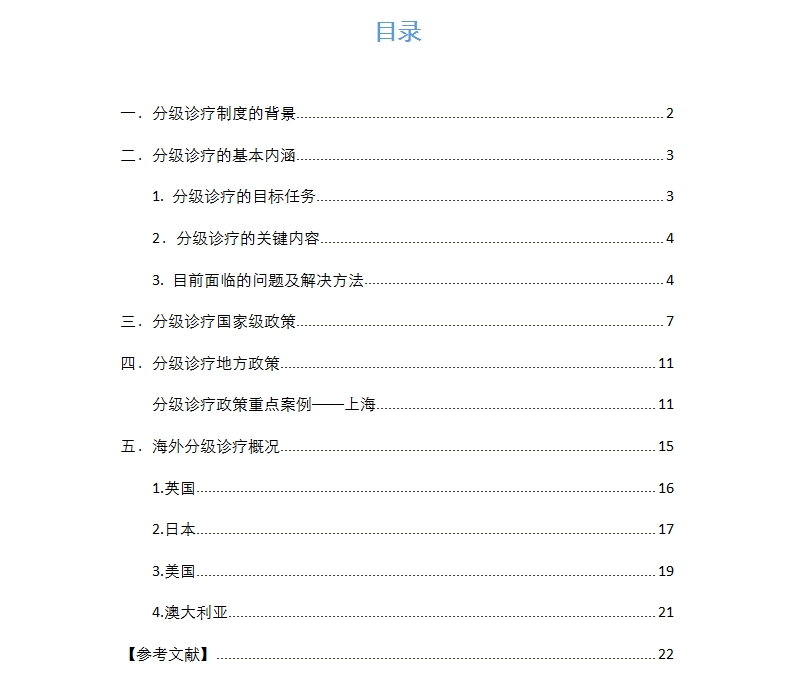
This report examines the policy landscape and outcomes of tiered diagnosis and treatment, covering its background, conceptual framework, national and local policies in China, case studies from pilot regions, and international experiences. It aims to clarify the clear developmental trajectory underlying the complex array of tiered diagnosis and treatment policies.
In recent years, with the development and progress of socio-economy, China is undergoing the processes of population aging and urbanization.Rapid Growth in Residents' Basic Health Needsand exhibit diverse characteristics,It has posed challenges to the establishment and improvement of the basic medical and health service system., primarilyThis is reflected in the imperfect layout of the existing medical service system, insufficient and unreasonably allocated high-quality medical resources, which cannot effectively meet the surging demand for services such as prevention, treatment, rehabilitation, and nursing care.
According to the data,Currently in China80%healthcare resources are concentrated in urban areas, among which80%again concentrated in large and medium-sized hospitals, presenting a“Inverted Triangle”resource structure, while the majority of demand for medical and health services is at the primary care level, presenting a“Equilateral Triangle”demand structure. The inverted triangle distribution of medical resources and the upright triangle pattern of medical needs have led to difficulties in accessing medical care,andTiered diagnosis and treatment can effectively address this challenge, curb the inappropriate over-treatment of minor illnesses, and help control health insurance expenditures when combined with policies such as the separation of prescribing from dispensing.
The establishment of the tiered diagnosis and treatment system aims to reverse the current unreasonable pattern of medical resource allocation and address the imbalance in resource distribution.ofQuestion。Focusing on the construction of an integrated urban-rural healthcare service network, leveraging general hospitals and primary healthcare institutions healthcare institutions, exploring a healthcare service system architecture that rationally allocates resources, effectively revitalizes existing assets, and improves the efficiency of resource allocation and utilization.
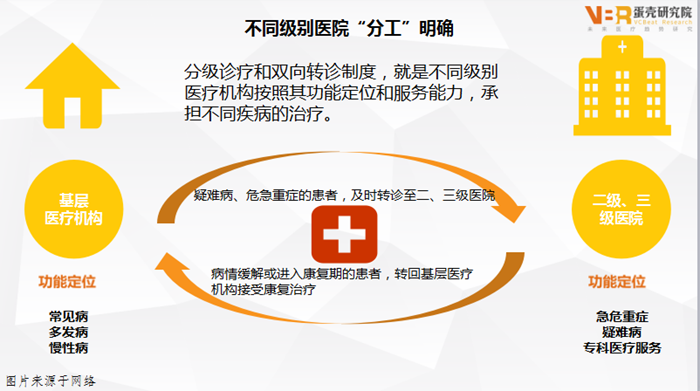
The tiered diagnosis and treatment system refers to the classification of diseases based on their severity, urgency, and complexity of treatment, with medical institutions at different levels assuming responsibility for treating different types of diseases.
In September 2015, the General Office of the State Council issuedle“Guiding Opinions on Advancing the Development of a Tiered Diagnosis and Treatment System” (hereinafter referred to as the “Opinions”) deploys measures to accelerate the establishment of a tiered diagnosis and treatment system, foster a scientific and orderly healthcare-seeking pattern, and further safeguard and improve people’s livelihoods.
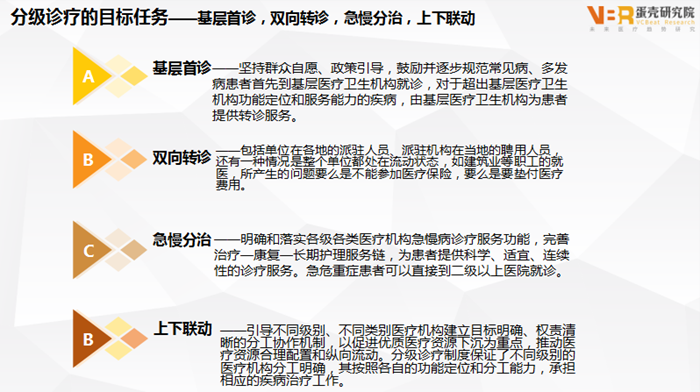
Establishing a tiered diagnosis and treatment system requires implementing primary care consultations and referrals at the grassroots level for chronic diseases, common illnesses, and frequently occurring conditions. It also entails building an urban-rural medical and health service system with rational layout, optimized hierarchy, comprehensive functions, and coordinated collaboration. In line with the characteristics of disease diagnosis and treatment, the system should provide scientific, appropriate, continuous, and efficient diagnostic and therapeutic services tailored to patients’ diverse needs in prevention, treatment, rehabilitation, and nursing care.The key components of the tiered diagnosis and treatment system are hospitals at different levels“Clear division of labor.”
For a long time, China has developed a healthcare-seeking pattern in which patients choose hospitals and physicians. Due to the significant disparity in medical resources between urban and rural areas, and with rising household incomes, patients with better financial means have formed the habit of seeking diagnosis and treatment at municipal-level or higher hospitals, often consulting renowned specialists, regardless of whether their conditions are serious or minor. In pursuit of certain economic benefits, provincial and municipal hospitals leverage their relatively abundant resources and technological advantages to treat both major and minor illnesses, thereby gradually leading to polarization within the hospital sector.Large hospitals are bustling with patients, while small ones are nearly deserted. Large-scale expansion at major hospitals、Sperm Purchasing Equipment、Expanding bed capacity, an increasing number of patients are seeking medical care at large hospitals.“Siphon”Patient'sThe phenomenon is becoming increasingly severe.HospitalPatients have been following this healthcare-seeking pattern for a long time, and such entrenched habits are not easily changed in the short term.
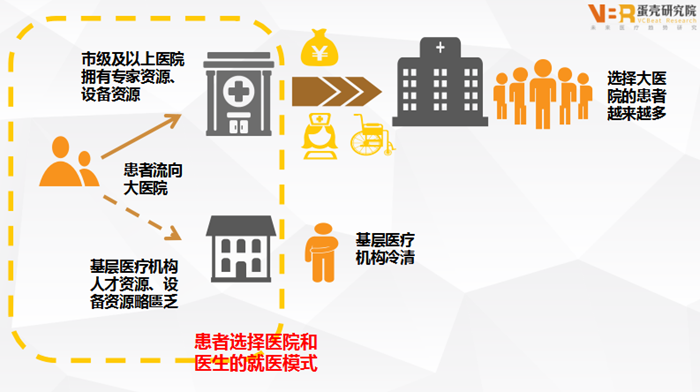
Additionally, some grassroots-levelThe professional competence of medical institutions needs improvement. Currently, primary care healthcare workers have a relatively low technical baseline, with many holding only associate degrees in narrow specialties, and there is high staff turnover.Service quality is temporarily difficult to“Winning the Trust of the People”
In the era of informatization, the lagging information management in primary healthcare institutions has also become a major issue encountered during the implementation of tiered diagnosis and treatment. The information management systems of community health service stations and township health centers are simplistic and inefficient, lacking network connectivity and interoperability with provincial and municipal hospitals.Meanwhile, provincial and municipal tertiary hospitals and grassroots health centers have not established relatively unified software management modules or interoperable information platforms, thus failing to achieve resource sharing; administrative authoritiesUnableRegulation,It is difficult to implement the policy of initial consultation at the primary care level and two-way referral.
At the national level, in response to the various issues arising during the implementation of tiered diagnosis and treatment,Led a series ofCountermeasures, with the hopeChange the current situation and accelerate the implementation of the tiered diagnosis and treatment system.
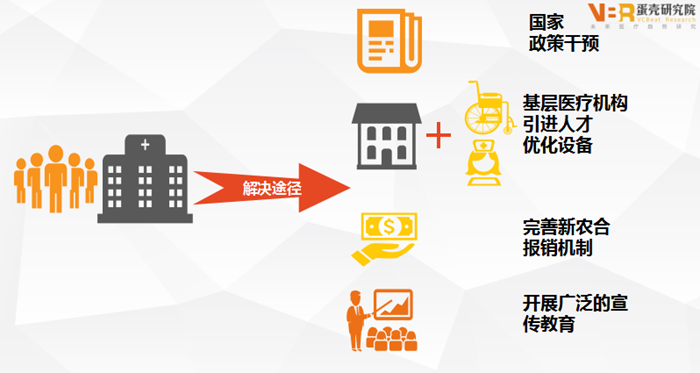
First,The state has introduced policies for intervention.Led by the government health administrative department, a refined three-tier medical system accreditation for Western medicine, traditional Chinese medicine, and specialized medical institutions will be conducted based on the functional positioning of different healthcare facilities.Secondly,Strengthen the enhancement of technical capabilities at the primary healthcare level.BecauseOnly when primary care capabilities are genuinely enhanced will patients gradually develop trust in the primary care delivery process and shift their behavior accordingly.“The current situation where patients seek care at provincial- and municipal-level hospitals for both serious and minor illnesses.” Specific measures includeIncrease the allocation of graduates to grassroots institutions,Meet the volume requirement firstofSeek; strengthen physician training, etc.
Third, improve the reimbursement mechanism for patients under the New Rural Cooperative Medical Scheme.According to the established disease categories and two-way referral criteria for hospitals at all levels,Appropriate Triage,While ensuring the security of the basic medical insurance fund, adjust and increase the reimbursement rates for diagnosis and treatment at primary healthcare institutions, so that more residents receive medical care at the grassroots level and benefit from it.
Finally, conductExtensiveofHealth EducationPublicity, fromPolicy-level guidance encourages the public to seek medical care through a tiered system. Extensive public education on health and wellness is promoted.,and common and frequently occurring diseases, etc.80%Diseases that can be effectively treated and rehabilitated at the primary care level. Extensively disseminate information regarding the functional positioning, service content, service items, diagnosable and treatable conditions, specialty development status, healthcare reform policies, two-way referral systems, and reimbursement schemes of hospitals at all levels.GraduallyResident TransformationOutdatedHealthcare-seeking attitudes: Rationally guide the public toward tiered diagnosis and treatment.
2002Since [Year], China has issued policies related to tiered diagnosis and treatment.19articles, issued by the Central Committee of the Communist Party of China, the State Council, the National Health and Family Planning Commission, and five ministries.
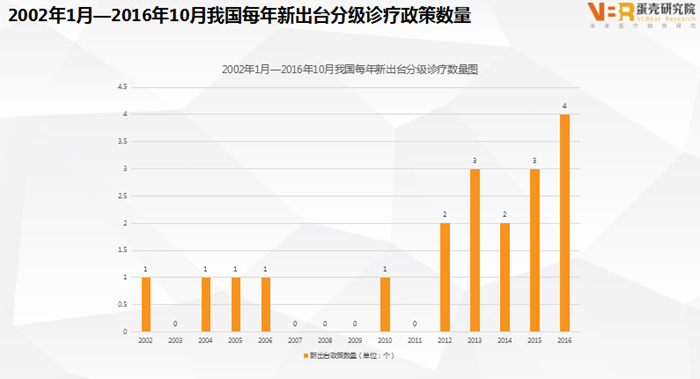
Figure: Number of New National-Level Policies Issued Annually in China (2002–October 2016)
As shown in the figure above,,2002Aged2011Over the years, the number of national-level policies issued annually in China has remained relatively stable and steady.2012Aged2016year, the number increased, and the frequency compared to the previous10Annual significant increasePlusQuickly. Tiered diagnosis and treatment has become a centerpiece of China’s national healthcare reform.
The main ones include9Major Milestones:
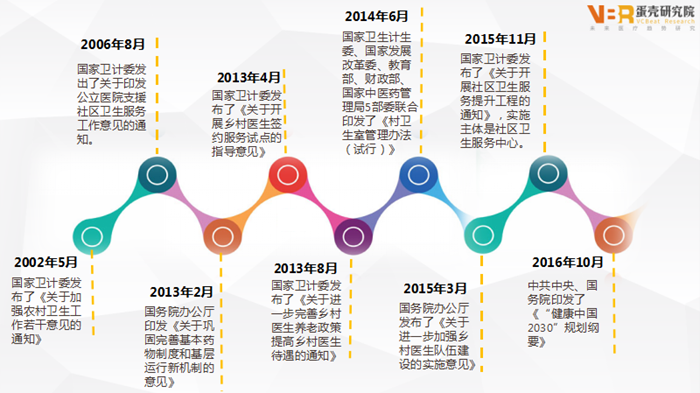
Timeline of Key Policies on Tiered Diagnosis and Treatment
They have proposed requirements and specific plans for promoting tiered diagnosis and treatment from the perspectives of rural health services, community health services, the essential medicines system, and Grade A hospitals. Currently,The most significant progress has been made in policies aimed at attracting more physicians to primary healthcare institutions.
2015Year1Month,Premier Li Keqiang stated at the State Council’s executive meeting that every possible effort should be made to improve the compensation and benefits of village doctors, creating a platform that enables them to stay, develop professionally, and have security, thereby encouraging capable village doctors to willingly remain in rural areas. To ensure reasonable compensation and a proper working environment for village doctors, ChinaIt is proposed to improve the compensation policy for village doctors by providing annual provincial fiscal subsidies to each administrative village health station.1A Unified Subsidy of 10,000 Yuan for Publicly Built and Privately Operated Village Health Stations。Rural Areas2 0 1 5 Annual per capita increase5Basic public health service subsidy funds are entirely allocated to village doctors.。
For village doctors who are included in the staff establishment management of township health centers and work at village health stations until retirement age, they shall participate in the old-age insurance for government agencies and public institutions in accordance with relevant regulations and enjoy corresponding benefits. Village doctors who are not included in the staff establishment management of township health centers but have established labor relations with them willParticipate in the basic old-age insurance for enterprise employees. Those who have reached the statutory retirement age shall enjoy corresponding old-age insurance benefits in accordance with relevant regulations; for those who have reached the statutory retirement age but have not completed the required contribution period15Village doctors who continue to make contributions to the annual endowment insurance, based onAppropriate subsidies shall be provided based on local actual conditions.
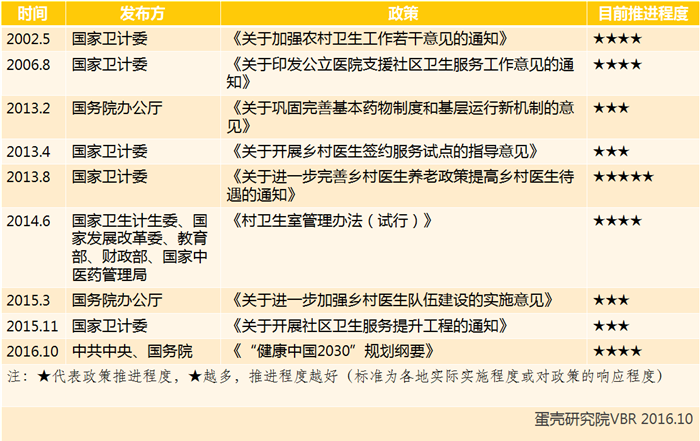
Table of Progress in the Implementation of Key Policies on Tiered Diagnosis and Treatment
In addition to the efforts currently being made to strengthen the rural doctor workforce, a recent key policy on tiered diagnosis and treatment is that2016Year10Month, the “Healthy China” issued by the Central Committee of the Communist Party of China and the State Council2030"Outline of the Plan" (hereinafter referred to as the "Outline").
The Outline states that a “trinity” mechanism for the prevention and control of major diseases shall be established, integrating specialized public health institutions, general and specialized hospitals, and primary healthcare institutions. Mechanisms for information sharing and interconnectivity shall be put in place to promote the integrated development of prevention, treatment, and management of chronic diseases, thereby achieving the integration of medical care and disease prevention. A collaboration mechanism with clear objectives and well-defined responsibilities and rights shall be established among healthcare institutions at different levels, of different categories, and under different sponsoring entities. The service network, operational mechanisms, and incentive mechanisms shall be continuously improved, ensuring that primary healthcare institutions generally possess the capacity to serve as gatekeepers of residents’ health. Family doctor contract services shall be enhanced, and a mature and comprehensive tiered diagnosis and treatment system shall be fully established to form a rational medical-seeking order characterized by initial consultation at the primary level, two-way referral, coordination between upper- and lower-level institutions, and separate management of acute and chronic conditions. A complete service chain covering treatment, rehabilitation, and long-term care shall be developed. Tertiary public hospitals shall be guided to gradually reduce ordinary outpatient services and focus on the diagnosis and treatment of critical, severe, and complex cases. Various models of division of labor and collaboration, such as medical consortia and hospital groups, shall be improved to enhance the overall performance of the healthcare service system. Civil-military integration in the healthcare sector shall be accelerated, giving full play to the role of military healthcare institutions to better serve the people.
In addition, as part of the effort to advance the tiered diagnosis and treatment system, the national government has convened a series of symposia on tiered diagnosis and treatment.
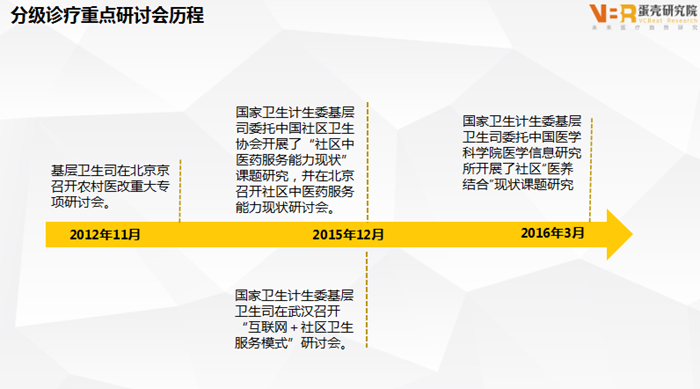
Key Seminar on China's Tiered Diagnosis and Treatment System
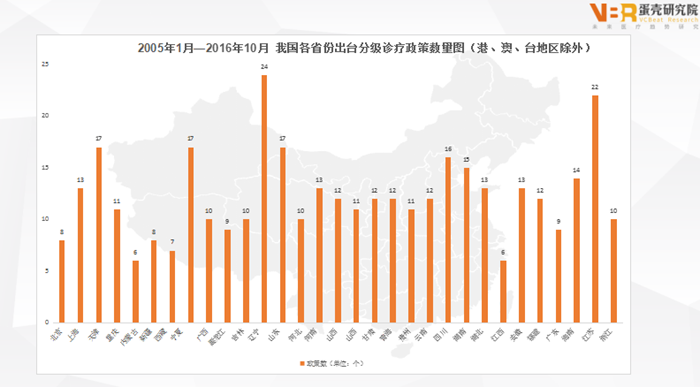
2005Year1Month to2016Year10month, various provinces in China also issued corresponding tiered diagnosis and treatment policies. Among them, the top three provinces in terms of the total number of policies issued were: Liaoning (24Article), Jiangsu (22Article), Ningxia (17Article), Tianjin (17Article), Shandong (17Article).
According to statistics, based on the current depth of implementation of the tiered diagnosis and treatment policy, Shanghai, Jiangsu, and Ningxia are the three provinces with the smoothest and most in-depth promotion of tiered diagnosis and treatment, and Shanghai is earlier than2005It has already begun exploring tiered diagnosis and treatment.
Key Case Studies on the Tiered Diagnosis and Treatment Policy — Shanghai
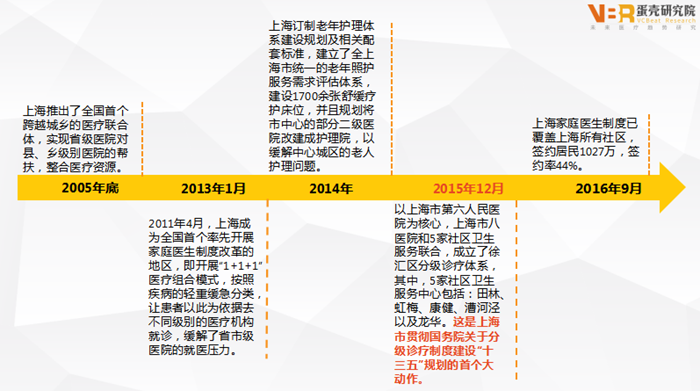
In the process of promoting the tiered diagnosis and treatment policy in Shanghai,“1+1+1” model is its distinguishing feature. The so-called “1+1+1” refers to contract-based services primarily targeting community residents, the elderly, and patients with chronic diseases1Community Health Service Center,1District-level hospitals,1city-level hospitals. After signing up, residents should first consult their contracted family doctor when they fall ill. If the condition is severe, the family doctor will refer them to secondary or tertiary hospitals for appropriate treatment. During the referral process, patients need toSchedule appointments at the community level; for clinical examinations that need to be completed at higher-level hospitals, booking and payment can be handled directly at the community facility.。Residents are referred back for continued treatment. For inpatients in the community, specialists from higher-level hospitals conduct weekly teaching rounds in the community.。Residents requiring referral for hospitalization can have beds reserved for them through the community.
In the future, family doctors will become the residents' health, health resources and health costs of“Gatekeeper”. Family doctors can directly access residents' electronic health records and historical diagnosis and treatment information, manage the medical insurance expenses of enrolled residents, and assist healthcare institutions in reasonably controlling medical costs for citizens seeking care.
As of2016Year9Month15On the day, two batches of pilot programs have already122Community Health Service Centers (Shanghai citywide total242Home) Officially Launched“1+1+1”Contracted Services, Enrolled Residents50more than 10,000 people, with the number of signed contracts steadily increasing to reach5000Human/days or more.
Reasons for Shanghai's Effective Implementation of Tiered Diagnosis and Treatment
The Reasons Behind,Its strong economic and cultural foundation, along with its coastal geographic location, are its unique advantages.Advantages. According to data from the General Office of the Shanghai Municipal People's Government,2013Year,Shanghai CityCompletion of Local Revenue4109.51100 million yuan, compared toLast YearGrowth9.8%。Meanwhile, Shanghai demonstrates strong inclusivity toward global new technologies and cultures, providing fertile ground for innovation and reform.
In addition,,2013Year9Month29China (Shanghai) Pilot Free Trade Zone Officially Established, this initiative has strengthened Shanghai’s external exchanges. Collectively, it has made the people of Shanghai more receptive to innovation and better able to embrace the new changes brought about by China’s healthcare reforms.
Specific Achievements of Shanghai's Tiered Diagnosis and Treatment System
Currently, Shanghai's Minhang District, Changning District, and Zhabei District have become the three national-levelEHRDemonstration Zone.
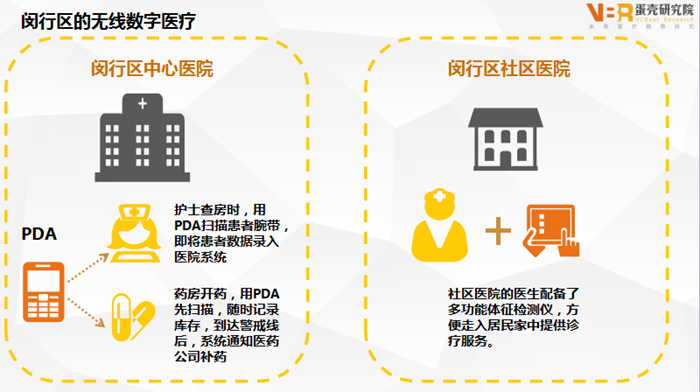
• Wireless Digital Healthcare in Minhang District
• Changning District
2010Year10In [Month], the Changning District Health Bureau of Shanghai andAalto University of Finland has signed the “Memorandum of Understanding on International Cooperation in Informatization of Community Public Health Services between China and Finland,” introducing Finland’s advanced concepts and service models for applying health information technology to improve residents’ health, and providing services such as home safety monitoring and health care early warning for the elderly population.
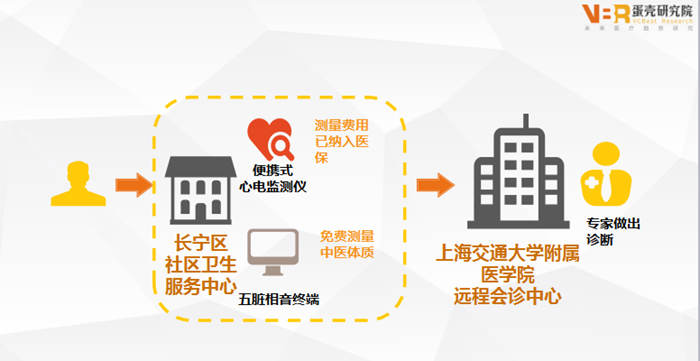
Meanwhile, community health service centers in Changning District, Shanghai, have partnered with the Telemedicine Consultation Center affiliated with Shanghai Jiao Tong University School of Medicine. Patients can undergo testing at these community health service centers, which then transmit the data to the Telemedicine Consultation Center for expert diagnosis and subsequent feedback of results.
• Zhabei District
2010Year11month, Microsoft and the subsidiary of Shanghai Shibei High-Tech ParkTogether with Shanghai Data Port, a healthcare cloud computing service platform was established in Zhabei District, leveraging cloud computingSaaSProvide hospital management and resident health record management application services to hospitals in Zhabei District.In addition,,ShanghaiShibei High-Tech Park and China Telecom Shanghai BranchalsoSigned the Framework Agreement for Strategic Cooperation,The Shanghai Data Port Company’s Collaborative Project with MicrosoftRegardingDesignate China Telecom as the preferred carrier.
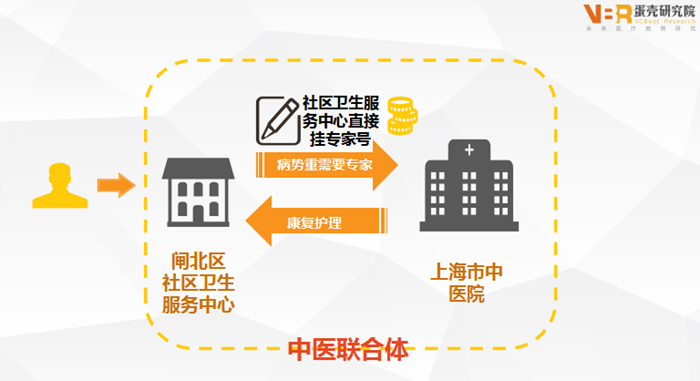
2011Year7In [Month], Shanghai's Zhabei District established a Traditional Chinese Medicine Consortium.Residents of Zhabei District can directly book specialist outpatient appointments with various departments at the Shanghai Municipal Hospital of Traditional Chinese Medicine through their community health service centers.,and fully implement two-way referral services. In accordance with the agreement of the Zhabei District Traditional Chinese Medicine Consortium,ShanghaiCity Hospital of Traditional Chinese Medicine toZhabeiAll community health service centers in the district have opened specialist appointment slots.。In addition, patients who fall under the referral category can also enjoy outpatient fee discounts for referrals at the Municipal Hospital of Traditional Chinese Medicine.
The tiered diagnosis and treatment system holds a pivotal position in China’s healthcare reform, and it is also central to mainstream overseas markets such as the United Kingdom, Japan, the United States, and Australia.
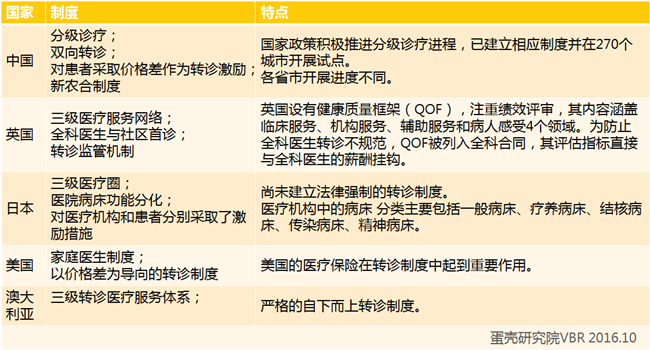
Comparison Chart of Tiered Diagnosis and Treatment Policies in China, the United Kingdom, Japan, the United States, and Australia
The UK’s healthcare system primarily relies on a three-tier medical service network, general practitioners and community-based first-contact care, and a referral supervision mechanism.
Three-Tier Healthcare Service Network
The UK divides healthcare services into primary, secondary, and tertiary care. Primary care is the most common, providing general outpatient services for minor illnesses through general practitioners. Secondary care is provided by hospitals, primarily admitting patients with emergencies, critical conditions, or those requiring specialist treatment. Tertiary care offers more specialized diagnosis, treatment, and nursing services for patients with severe conditions.
General Practitioners and First-Contact Care in the Community
UK law stipulates that citizens or holders6Foreign citizens holding visas for more than six months must register with a family doctor and sign a contract. Every resident is assigned a free family doctor who guides patients to seek medical care in a scientific, orderly, and needs-based manner.
General practitioners (GPs) must undergo systematic and standardized training, with high entry barriers and rigorous licensure examinations. Furthermore, the provision of competitive salaries has stabilized the GP workforce in the United Kingdom, thereby largely ensuring the service capacity of primary healthcare institutions.
Referral Supervision Mechanism
Third-Party Primary Care Management Organizations (primary care trusts,PCTs), and uniformly purchase medical services from community health service centers and hospitals. Third-party institutions may retain the annual surplus of their revenue without affecting the following year’s funding allocation; however, they must utilize such surplus funds to optimize equipment and improve the quality of medical services. Given the fixed budget amount, third-party institutions place greater emphasis on preventive services and the effectiveness of health education to reduce unnecessary expenditures.
The United Kingdom has established the Quality and Outcomes Framework (quality outcomes framework,QOF) Emphasize performance evaluation, covering clinical services, institutional services, ancillary services, and patient experience4field. To prevent non-standard referrals by general practitioners,QOFIncluded in the general practice contract, with its performance indicators directly linked to the remuneration of general practitioners.
Meanwhile, the formulation of medical insurance policies provides guarantees and support for referrals. It stipulates that, except in cases of emergency or critical illness, citizens must be referred by a general practitioner to receive care from higher-level medical institutions; otherwise, the costs will not be reimbursed, and hospitals will not admit patients directly. Patients who do not consult a general practitioner can only seek treatment at high-cost private hospitals.
Japan has not yet established a family physician (or general practitioner) system or a legally mandated referral system.Geographical conditionsLimited,Coupled with urbanization and patients’ healthcare-seeking behaviors, the imbalanced allocation of medical and health resources and the irrational flow of patients constitute one of the challenges it faces.
Japan’s tiered diagnosis and treatment system primarily relies on measures such as comprehensive regional health planning, strengthened medical functions and division of labor, enhanced primary care capacity, public education, and guidance toward humanized services. It also faces challenges such as population aging and the rising burden of chronic diseases. This background is quite similar to that of China.
Based on factors such as population, geography, and transportation, administrative boundaries should be appropriately transcended to establish a three-tier medical care network characterized by hierarchical differentiation and functional synergy. The primary medical care zone shall, in principle, be organized at the municipal level (cities, towns, and villages) to provide residents with convenient outpatient services. The secondary medical care zone shall be established based on elements such as transportation accessibility, population density, socioeconomic conditions, and patient inflow and outflow ratios, with its core hospitals primarily providing inpatient services. The tertiary medical care zone shall, in principle, consist of regional central hospitals organized at the prefectural level, primarily delivering advanced and specialized inpatient services.
Medical institutions in Japan are primarily categorized into hospitals, general clinics, and dental clinics. With population aging and changes in the disease spectrum, the demand for rehabilitation services continues to rise. Within medical care networks, functions are clearly delineated among various types of institutions, including Specific Function Hospitals, Community Medical Support Hospitals, small- and medium-sized hospitals, convalescent hospitals, psychiatric hospitals, and tuberculosis hospitals.
While Japan has implemented a detailed division of functions among medical institutions within its healthcare sector, it has also differentiated hospital beds into several categories, primarily including general beds, convalescent beds, tuberculosis beds, infectious disease beds, and psychiatric beds. The patient-to-physician ratio for general beds is set at16:1, the patient-to-nurse ratio is set at3:1, the patient-to-pharmacist ratio is set at70:1; the ratio of patients to physicians for convalescent care beds is set at48:1, the patient-to-nurse ratio is set at6:1, the ratio of pharmacists to patients is150:1. In addition, their prices also vary.
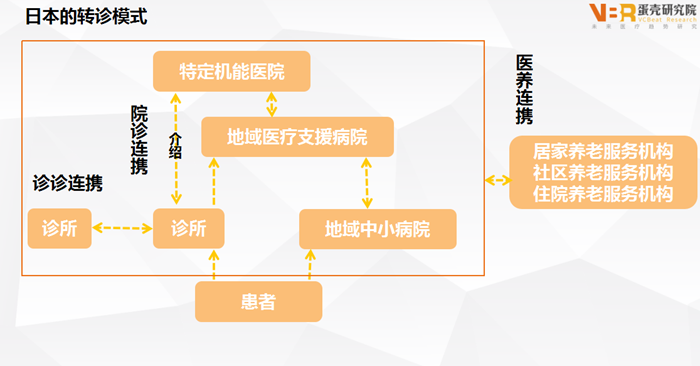
Japan’s referral system comprises three types. The first is referrals between clinics, as many Japanese clinics possess strong specialized capabilities, facilitating intra-regional referrals among them. The second is referrals between clinics and hospitals. The third is referrals between medical institutions and elderly care and rehabilitation facilities; although Japan’s elderly care service providers are diverse and hierarchically structured, patients can be transferred between these two types of institutions.
The foundational system within the tiered diagnosis and treatment system is“The family doctor system,” known as the “gatekeeper” system of the healthcare delivery system and the primary care first-visit system under health insurance. Family physicians account for80%As primary care providers, they triaged the majority of patients.
In the United States, patients seeking medical care must first consult their health insurance provider—whether employer-sponsored or individually selected—to obtain a directory of in-network physicians in their area, either online or by phone.( Includes the physician's name and clinic address), choose your own family doctor. Family doctors are mainly divided into three categories: the first category is family general practitioners who treat adults and children for common and routine illnesses; the second category is internists who have undergone specialized training to manage many chronic diseases in adults; the third category is pediatricians who exclusively treat children. After selecting a family doctor, the patient can contact the doctor’s clinic by phone, and the clinic will mail a new patient registration form to the patient. The patient simply needs to complete the form and return it to the clinic. Once the doctor-patient relationship is established, the patient must inform their insurance company of the name of the chosen family doctor so that the insurer can process payments.
In addition to family physicians who provide primary care services, the second tier of physicians offering diagnostic and therapeutic services are specialists, who focus on various subspecialties such as cardiology, pulmonology, nephrology, orthopedics, endocrinology, and oncology.
After a family physician refers a patient to a specialist, the specialist maintains close communication with the family physician, exchanging information regularly and consulting as needed. Like family physicians, the vast majority of specialists operate their own private practices and have affiliations with several partner hospitals. These hospitals are utilized only when patients require complex diagnostic tests or surgical procedures. Following such interventions, patients return to the specialist’s clinic for follow-up care.
The two-way referral system refers to the transfer of patients between family physicians and specialists. Common general illnesses and chronic diseases can generally be properly managed by family physicians; however, when confronted with complex or difficult-to-diagnose conditions, such as major diseases including cancer and heart disease, family physicians will consider referring patients to specialists. In such cases, the family physician must explain the reasons for referral to the patient and obtain the patient’s consent before completing the referral form. In addition to essential basic information (such as the name of the physician requesting the referral and the patient’s name), the referral form must also include"Diagnosis/ICD” information, meaning that the family physician has made a preliminary diagnosis and assessment of the condition, and referral to a specialist is required for further evaluation and management.
Health insurance in the United States plays a significant role in the referral system. The U.S. healthcare and insurance systems are structured around community-based organizations, with the majority of treatment costs covered by the social security healthcare system and insurance providers. If patients do not go throughFor referrals from “family doctors,” bypassing them to see a specialist directly will not be reimbursed by many insurance companies.
One of the primary mechanisms by which insurance guides patients’ healthcare-seeking behavior is through price differentials, one manifestation of which is“Whether the patient was referred by their own primary care physician.” On the other hand, it depends on whether the doctors and hospitals are within the insurance-covered network. When enrolling in an insurance plan, the insurer typically provides beneficiaries with a list of participating hospitals and physicians. This list categorizes doctors and hospitals into three types: “Core Network Providers”(Core Network), "Recommended Online Resources" (preferred Network) and “non-preferred Network” (non-recommended network resources). There are significant differences in fees among doctors and hospitals across the three categories, with core network resources charging the lowest rates and non-recommended network resources charging the highest, thereby using price differentials to guide patient referrals.
Australia implements a strict three-tier referral healthcare system. Community health centers serve as the primary point of contact for residents to access health services. Patients must be referred by community general practitioners (GPs) before they can seek treatment at higher-level healthcare institutions. Patients who have passed the acute phase of their illness are also required to follow a bottom-up referral pathway, being transferred back to community health centers or GPs for continued care and related diagnostic and therapeutic services, thereby reducing hospital costs. By formulating and enforcing stringent regulations on two-way referrals, the system guides healthcare institutions, medical personnel, and patients in implementing two-way referrals, thus ensuring the smooth execution of this mechanism from a policy perspective.
[References]
Huang Desheng,Pan Xiaomei.Current Status and Countermeasures for Tiered Diagnosis and Treatment in Hospitals[C].2014
Li Fei.Analysis of the Specific Pathways and Implementation Level of Tiered Diagnosis and Treatment in China's Healthcare System[J].2014
Lü Jian.On Improving the Tiered Diagnosis and Treatment System in the Process of Deepening Healthcare Reform[J].2014
Zhang Xue,Yang Ningxi.Practices of Tiered Diagnosis and Treatment in the UK and the US and Their Implications for China[J].2015
Xi'an Jiaotong University.Tiered Diagnosis and Treatment Systems Abroad[R].2015
To download the full PDF version, please follow the VCBeat official account and reply with the keyword “Tiered Diagnosis and Treatment"Acquire
By VCBeat. Please credit the WeChat Official Account when reposting:VBResearch2016
↓↓↓