

Intuity Medical Secures $40M Funding to Launch POGO Automated Glucose Monitoring System in U.S. Following FDA Approval
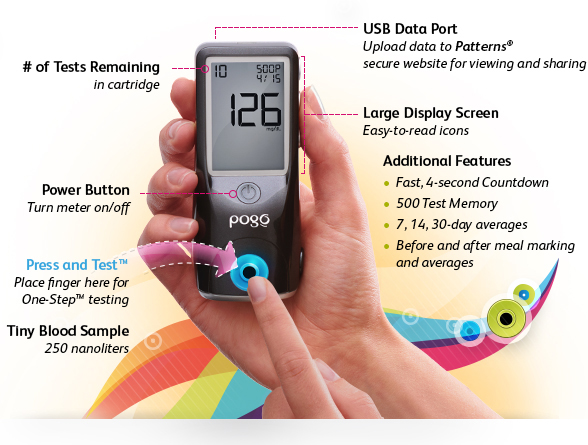
Long-standing diabetes device company Intuity Medical recently secured $40 million in financing, led by PTV Healthcare Capital. Other investors included an affiliate of Luther King Capital Management, as well as existing investors Accuitive Medical Ventures, Growth Capital, US Venture Partners, Venrock, and Versant Ventures. The funding will be used to bring Intuity’s Pogo automated blood glucose monitoring system to the U.S. market; the device received FDA approval in April.
Intuity Medical, founded in 2002 and headquartered in Sunnyvale, California, has raised over $150 million in total funding to date, making it a highly attractive player in the diabetes market. The company is dedicated to simplifying diabetes management by developing proprietary and innovative technologies that address common barriers to blood glucose monitoring. Intuity Medical’s core product is the POGO System. In April of this year, Intuity received FDA approval to market the POGO Automatic Blood Glucose Monitoring System.
Globally, the number of people with diabetes has reached 420 million, with approximately 29 million patients in the United States. Diabetes ranks as the seventh leading cause of death in the U.S. According to data from the American Diabetes Association, nearly half of American patients fail to achieve adequate glycemic control in their diabetes management.
Intuity has always firmly believed that blood glucose testing should be simplified. In fact, in a study conducted with Yankelovich Partners, Intuity found that 69% of patients with diabetes stated they would likely test more frequently if the process were simpler. This is why the POGO Automatic Glucose Monitoring System was developed, aiming to provide an easy-to-use alternative. POGO is the first blood glucose meter and cloud analytics system that integrates lancing, blood sampling, and analysis into a single device for convenient automated testing.
Pogo reduces the hassle for diabetic patients of carrying bulky testing supplies to monitor blood glucose levels, eliminating the need for separate test strips or lancing devices. Pogo consists of a compact glucometer, a test port within a filter cartridge system, lancets, and a lancing mechanism, enabling users to perform rapid glucose tests even in time-sensitive situations or public settings. To test, the patient simply presses the test port, which automatically pricks the finger and collects a blood sample (0.25 microliters). The result is displayed after a four-second countdown. After completing 10 tests, the automatic collection cassette can be discarded.
Intuity MedicalCEO Emory AndersonThe commentary stated, “POGO’s unique patented technology holds the potential to help transform the lives of millions who view blood glucose monitoring as a burdensome chore.”
In a prior pivotal clinical study, more than half of the 287 enrolled patients reported that using POGO enabled them to better adhere to their daily blood glucose monitoring regimen compared with existing blood glucose meters. By reducing the number of steps and supplies required for testing, POGO helps eliminate common barriers to testing, offering patients a new approach to blood glucose monitoring.
In diabetes management, strict glucose control can reduce the risk of diabetes-related complications, such as blindness, kidney damage, and nerve damage, by up to 76%. So how is data shared after collection? The Pogo system, paired with a cloud-based diabetes management platform (Intuity’s Patterns Diabetes Management System), enables the sharing of blood glucose information between patients and healthcare professionals to monitor and manage overall glucose levels.
“Blood glucose monitoring is a critical component of diabetes management, and patients with diabetes indeed require a simpler testing method,” said Emory Anderson, CEO of Intuity, in a statement. Pogo clearly brings ease and freedom to diabetes management, as the cumbersome procedures and burden associated with conventional blood glucose testing have long been among the primary causes of suboptimal glycemic control.